

Published July 20, 2026
On This Page · 15 Sections
The mentorship and support that helps people maintain long-term sobriety after leaving sober living typically includes ongoing relationships with a sponsor or recovery mentor, consistent involvement in peer support groups like AA or NA, regular check-ins with alumni networks, and active participation in a recovery community. These connections provide accountability, shared experience, and practical guidance during vulnerable moments when old patterns threaten to return. Rather than relying on willpower alone, sustainable sobriety grows from structured relationships that keep recovery principles front and center in daily life.
Why Mentorship Matters More After You Leave Structured Housing
Inside a recovery home, accountability is built into the environment. House managers conduct regular drug testing, curfews create boundaries, and your housemates see you every day. The structure itself holds you steady. But when you transition to independent living, whether that means your own apartment, returning to family, or moving to a new city, that external scaffolding disappears overnight.
This is precisely when mentorship becomes essential. A mentor who has walked the same path understands the specific challenges of living without that daily structure. They know what it feels like when Sunday afternoon stretches out with nothing planned and old using friends send a text. They’ve navigated job stress, relationship conflict, and the hundred small triggers that don’t feel dangerous until they pile up.
At Eudaimonia Recovery Homes in Austin, Houston, San Antonio, Colorado Springs, Philadelphia, and Baton Rouge, residents build these mentorship connections while still in housing, relationships designed to extend far beyond move-out day. The goal isn’t just to stay sober for six months in a controlled environment; it’s to build a foundation that holds steady for years.
The Different Types of Mentorship That Support Long-Term Sobriety
Not all mentorship looks the same, and most people in long-term recovery rely on several different types of support simultaneously. Understanding these distinctions helps you build a complete network rather than depending on a single person or meeting.
Sponsors in 12-Step Programs
A sponsor is someone with sustained sobriety who guides you through the 12 steps and remains available for support between meetings. This is the most structured form of peer mentorship in recovery. Your sponsor isn’t a therapist or life coach, they’re someone who shares their own experience with the program and holds you accountable to working your steps. Many people maintain sponsor relationships for decades, even after completing all twelve steps multiple times.
Recovery Coaches and Sober Mentors
While sponsors focus on 12-step work, recovery coaches and sober mentors take a broader approach to helping you rebuild your life. A recovery mentor might help you develop job skills, navigate family conflict, or create healthy routines. Some are certified through organizations that train peer support specialists; others simply have years of lived recovery experience. Unlike clinical therapists, these mentors draw primarily from their own journey and what worked in their own recovery.
Alumni Networks and House Connections
The people you lived with in sober housing often become your most reliable long-term support network. They watched you struggle through early recovery, celebrated your milestones, and know your story without needing explanation. Alumni networks organized by recovery homes create ongoing opportunities to reconnect: through group chats, monthly meetups, service projects, or informal gatherings. These relationships feel less formal than sponsor relationships but often provide the most immediate support when you need to text someone at 11 p.m.
Peer-Based Recovery: Why Shared Experience Beats Expert Advice
Peer-based recovery describes any support model where people with lived experience help each other, rather than receiving guidance exclusively from clinical professionals. This isn’t anti-therapy or anti-treatment, it’s recognizing that someone who has personally navigated sobriety understands challenges in ways a textbook cannot capture.
The power of peer support lies in credibility and hope. When a mentor tells you they also felt completely lost in their first month of independent living, or that they relapsed twice before maintaining continuous sobriety, it removes shame and provides a realistic roadmap. You’re not listening to theory; you’re learning from someone whose strategies actually worked in the real world.
Research consistently shows that people engaged in peer support maintain sobriety at higher rates than those relying solely on clinical care. The mutual benefit matters too, mentors often report that helping others strengthens their own recovery. This reciprocal dynamic is why 12-step programs emphasize service and why many alumni return to sober living homes to share their story with current residents.
Building Your Mentorship Network Before You Leave Sober Living
The worst time to start looking for support is the day after you’ve moved into your own place and suddenly feel isolated. Effective mentorship networks take intentional effort to build, ideally while you still have the structure of recovery housing supporting you.
- Ask for a sponsor or mentor within your first 30 days. Don’t wait until you feel “ready” or “worthy.” Early connections form the strongest bonds.
- Collect multiple phone numbers From people you trust: housemates, meeting regulars, alumni. Program at least three into your phone as “recovery support” contacts.
- Attend the same meetings consistently. Familiarity builds trust. People are more likely to mentor someone they’ve seen show up week after week.
- Join alumni groups before you graduate. Many recovery homes maintain active alumni communities. Get connected while you’re still living there.
- Practice asking for help with small things. Mentorship relationships strengthen when you reach out regularly, not just during crises.
What Ongoing Support Actually Looks Like in Daily Life
People new to recovery sometimes imagine mentorship as dramatic interventions, someone talking you down from relapse at 2 a.m. While that happens, effective long-term support is usually far more mundane and much more frequent.
It looks like texting your sponsor every morning with a gratitude list. Meeting a sober friend for coffee every Tuesday. Attending your home group even when you don’t feel like it, because consistency matters more than motivation. Calling your recovery mentor when you’re feeling restless and irritable, before those feelings escalate into crisis. Showing up to alumni events even after two years out of sober living, because those connections keep recovery principles active in your thinking.
The staying sober meaning isn’t just abstaining from substances, it’s actively building a life where sobriety becomes the foundation for everything else. Support systems make that possible by providing both accountability when you’re struggling and celebration when you’re thriving.
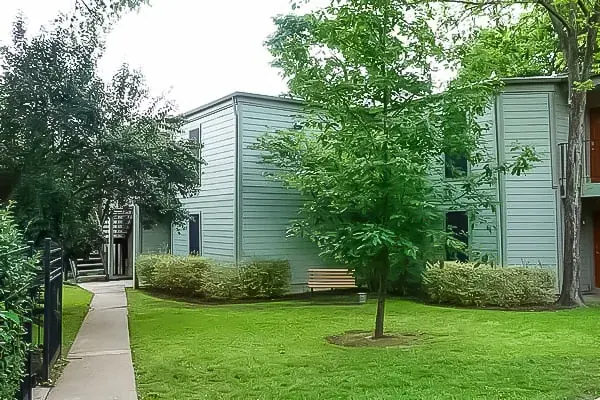
Inside Rustic Creek, our Austin flagship







The Five Principles of Peer Support in Recovery
While different organizations articulate these slightly differently, peer support in addiction recovery generally operates on five core principles that guide healthy mentorship relationships:
- Mutual respect and shared power. Mentorship isn’t hierarchical. Your mentor has experience, but you’re equals in your humanity and your worth.
- Hope and recovery orientation. Peer support focuses on what’s possible, not just what’s broken. Mentors embody hope by living proof that long-term sobriety works.
- Transparency and authenticity. Effective mentors share honestly about their struggles, not just their successes. Vulnerability builds trust.
- Person-driven support. You set your own recovery goals. Mentors help you achieve what matters to you, not impose their vision of recovery.
- Responsibility and accountability. Both people in the relationship take ownership. Your mentor shows up; you do the work.
These principles create relationships that feel fundamentally different from clinical treatment or family dynamics. They’re collaboration between people walking the same path at different points in the journey.
Common Obstacles to Maintaining Support After Sober Living
Even when you leave recovery housing with strong connections in place, several predictable obstacles can erode your support network over time. Recognizing these patterns helps you address them before isolation sets in.
Geographic distance Makes it harder to attend your home group or meet your sponsor for coffee. If you’re relocating after sober living, whether moving to Colorado Springs for a job or returning to family in Philadelphia, you’ll need to intentionally rebuild community in your new location. Video calls and text support help, but face-to-face connection matters for sustained accountability.
Overconfidence after six months or a year leads many people to gradually skip meetings or stop calling their mentor. Life gets busy, sobriety feels stable, and support starts to seem less urgent. This is often when relapse risk actually increases, because you’re losing the habits that created that stability in the first place.
Shame after a slip or relapse Causes people to withdraw from the very support they need most. If you’ve used after a period of sobriety, the fear of disappointing your mentor or facing your recovery community can feel overwhelming. Healthy mentorship relationships weather these moments, they’re part of the process, not grounds for abandonment.
Examples of Peer Support in Action
Concrete examples help clarify what peer support and mentorship look like beyond abstract principles. These scenarios reflect common situations in recovery after leaving sober living:
- Weekly step work sessions where you meet with your sponsor at a coffee shop to discuss your fourth step inventory or daily reflections
- Group text threads with former housemates where people share struggles, wins, and random encouragement throughout the day
- Service commitments At your home group, making coffee, greeting newcomers, setting up chairs, that keep you connected and accountable
- Alumni volunteering where you return to your sober living home to speak at house meetings or help with move-in day
- Sober social activities Organized with recovery friends, hiking, game nights, concerts, that prove fun doesn’t require substances
- Recovery celebrations like sobriety anniversaries where your support network gathers to mark milestones and share gratitude
These aren’t extraordinary interventions; they’re the ordinary, consistent practices that compound into years of sustained recovery.
Resources That Complement Personal Mentorship
While one-on-one mentorship forms the backbone of long-term support, various tools and resources can enhance those relationships. Apps that help you stay sober by tracking milestones, sending daily reminders, or connecting you with online recovery communities provide supplemental accountability. Books like Staying Sober offer frameworks for understanding relapse prevention that you can discuss with your sponsor or mentor.
Some people find that wearing visible reminders, a stay sober bracelet or shirt, creates small moments of accountability in daily life. Others appreciate structured programs like intensive outpatient therapy or recovery coaching that provide professional support alongside peer relationships. The most effective approach layers multiple forms of support rather than relying on any single strategy.
When to Expand Your Support Network
Your support needs will evolve as your recovery matures. Someone with 90 days of sobriety needs different mentorship than someone with five years. Pay attention to signs you might need to expand or adjust your network: feeling isolated even though you attend meetings, struggling with specific challenges your current support system can’t address (like family trauma or co-occurring mental health issues), or sensing that your relationships have become stale or routine rather than genuinely supportive.
Adding new mentors doesn’t mean abandoning existing relationships. You might maintain your original sponsor while also working with a recovery coach on career development, or stay connected to your alumni group while joining a new meeting in your neighborhood. The strongest support networks include multiple layers, long-term relationships that know your full story and newer connections that bring fresh perspective.
Life After Sober Living Requires Intentional Community
The transition from structured recovery housing to independent living represents one of the highest-risk periods in the recovery journey. The mentorship and support that helps people maintain long-term sobriety after leaving sober living isn’t passive: it requires deliberate effort to build, maintain, and lean on when things get difficult.
Your recovery community becomes the structure that replaces the external accountability of sober living. These relationships remind you who you are and who you’re becoming when old patterns whisper that using “just once” wouldn’t hurt. They celebrate your growth, call out your excuses, and show up consistently even when you don’t know what to say.
If you’re preparing to transition out of sober living or looking to strengthen your recovery foundation, Eudaimonia Recovery Homes can help you build the connections and skills that support lasting sobriety.
Ready to take the next step?
Eudaimonia Recovery Homes provides structured sober living and recovery support in Philadelphia, PA. Call (713) 818-2361 to speak with our team today.