

Published November 7, 2025 · Updated February 18, 2026
Key Takeaways
- Both sober living homes and halfway houses offer sober, structured housing with peer support.
- In Texas, halfway houses mainly serve people leaving incarceration, while sober living is voluntary and resident‑paid.
- Sober living usually feels more apartment‑like, while halfway houses are often dorm‑style with tighter timelines.
- Daily life in a halfway house includes curfews, drug testing, house meetings, chores, and work or job search.
- A steady routineCheck‑ins, work, evening meetings, and curfew, builds accountability.
- Stays often run several months to a year, and resident costs or contributions vary by program.
- Austin admissions screen for sobriety, safety, and readiness to follow house rules.
- Local programs connect residents to counseling, IOP, and job or education support.
- Quality markers include NARR/TROHN standards and compliance with housing and disability laws.
- Eudaimonia offers women‑only sober living in north‑central Austin with furnished homes and practical amenities.
- Eudaimonia’s model adds on‑site staffing, routine testing, and access to IOP for structure.
On This Page · 29 Sections

Sober Living
Austin
10506 Parkfield Dr, Austin, TX 78758
Living in an Austin Halfway House
If you or a loved one is considering transitional housing in Austin, it helps to know how halfway houses compare with sober living homes, what daily life looks like, and where women sober living Austin options fit in, especially at Eudaimonia Recovery Homes.
The guide below explains the differences, outlines daily routines, and highlights what to expect at Eudaimonia Recovery Homes sober living Austin for women.
Sober Living Homes Vs. Halfway Houses
How they overlap
Both offer alcohol‑ and drug‑free housing With peer accountability, house rules, and encouragement to attend recovery meetings, bridging the move from a controlled setting to independent living.
For deeper context on rules, timelines, and alternatives, see Halfway Houses in Austin, Texas.
The Texas‑specific difference
Across the U.S., terms sometimes blur. In Texas, the distinction is sharper: residential reentry centers halfway houses Primarily serve people transitioning from incarceration to parole, while sober living homes support people continuing recovery after treatment. Payment also differs, sober living is usually paid by residents.
Living setup and feel
Many halfway houses resemble dorm‑style living with more shared spaces and fixed program timelines. Sober living homes often feel more apartment‑like, with more personal space and flexible length of stay.
What Daily Life Is Like in a Halfway House
Structure and rules
Halfway houses are not jail, but they do run on structure. Residents follow daily curfews, attend house meetings, complete chores, submit to drug and alcohol testing, and maintain employment or a job search plan. Regular check‑ins with staff or parole officers are common, especially early on.
Schedule and expectations
A weekday may include a morning check‑in, work or job hunting, an evening meeting, chore time, and a curfew. The intent is consistent routine and accountability, which research and practice link to better reentry outcomes.
Length of stay and cost
Stays vary by status and program: state parole placements often last 3–6 months; federal reentry can run 6–12 months. Some programs require residents to contribute toward room and board or service fees to build financial independence.
Everything You Need to Know About Halfway Houses in Austin
Eligibility and admissionsLocal programs screen for sobriety, safety, and readiness. Many require a period of abstinence, agreement to house rules, and a commitment to testing and meetings. Austin operators outline interviews, background checks, and review of treatment history during intake.
Use this how to find group homes & sober living in Austin guide to build your shortlist.
Support you can expectAustin programs commonly coordinate counseling referrals, life‑skills workshops, relapse‑prevention education, and connections to community support groups. The aim is to build routine and community as residents move toward independent living.
Laws, standards, and quality signalsSober living homes in Texas must comply with the Fair Housing Act and ADA, and meet facility standards such as safe, clean housing and adequate space. Many programs align to NARR quality standards And Texas’ Recovery‑Oriented Housing Network (TROHN) guidance, good markers to look for when you evaluate options.
Women Sober Living Austin: Eudaimonia Recovery Homes
Homes and amenities
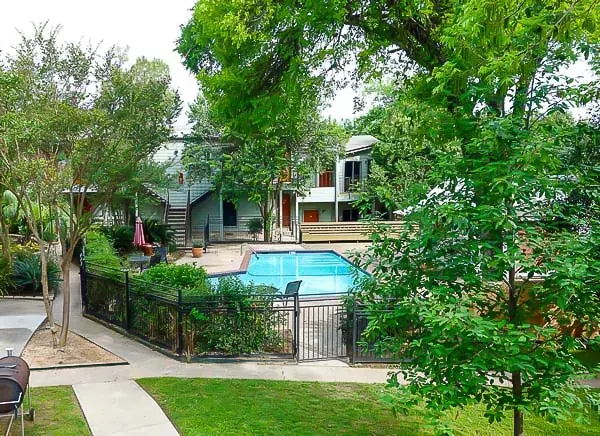
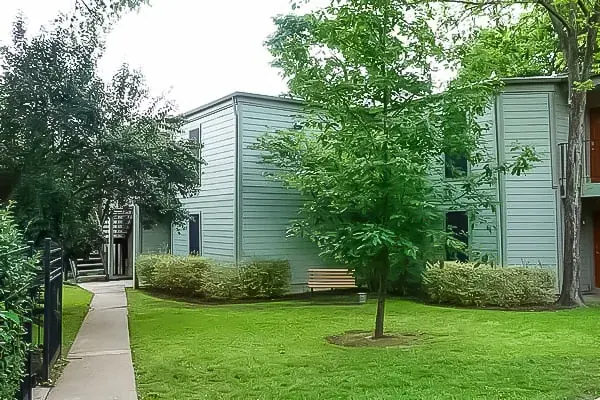
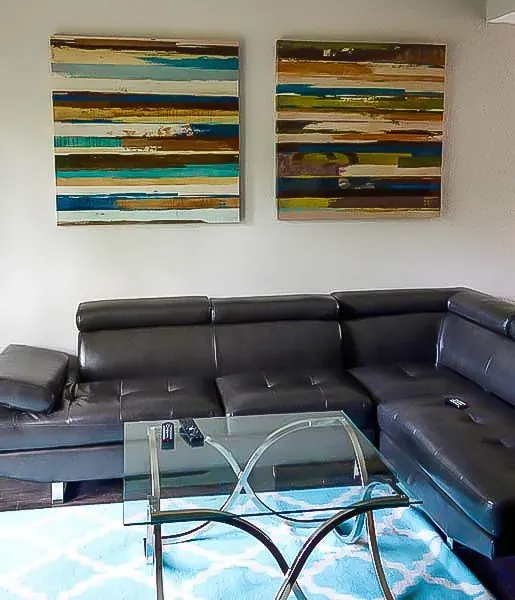
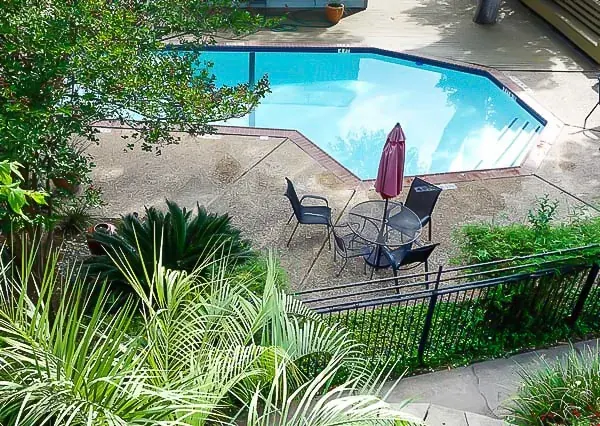
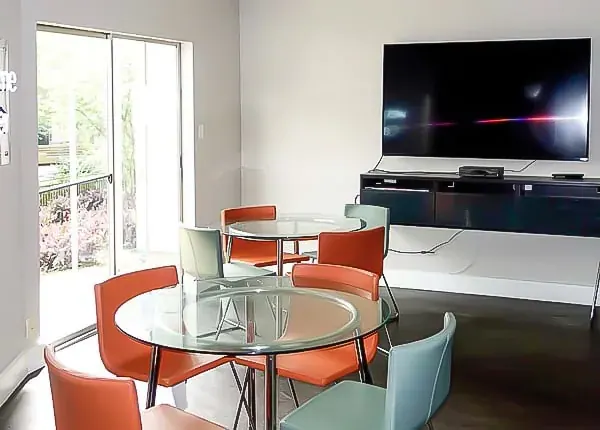
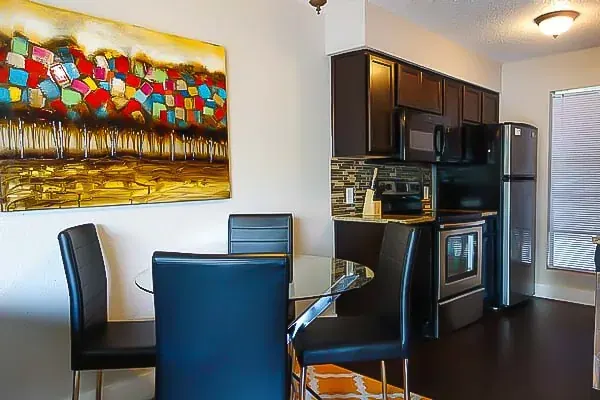
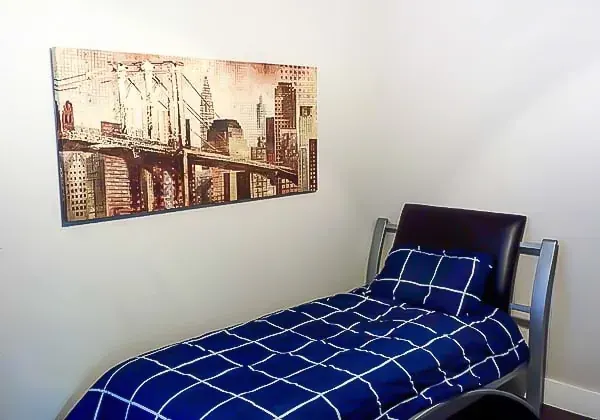
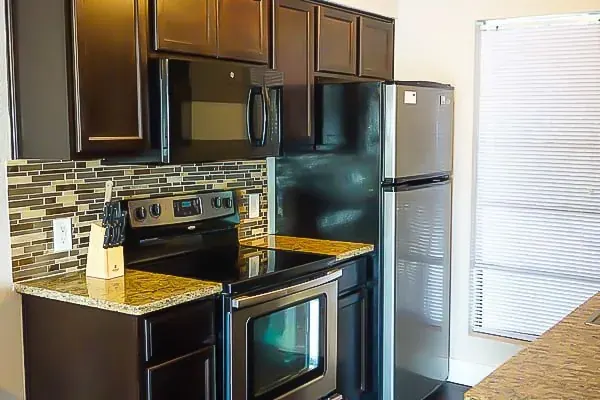
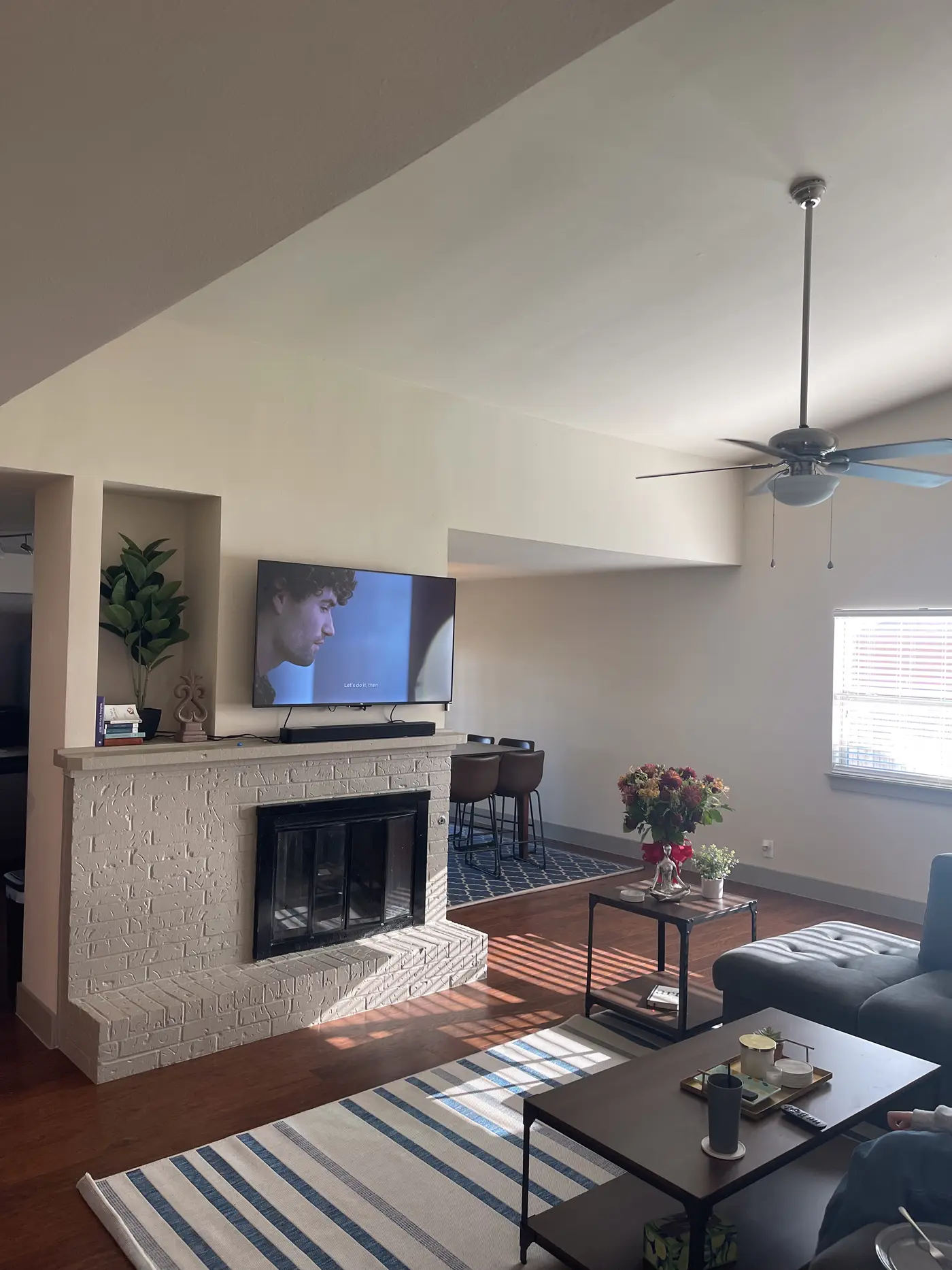
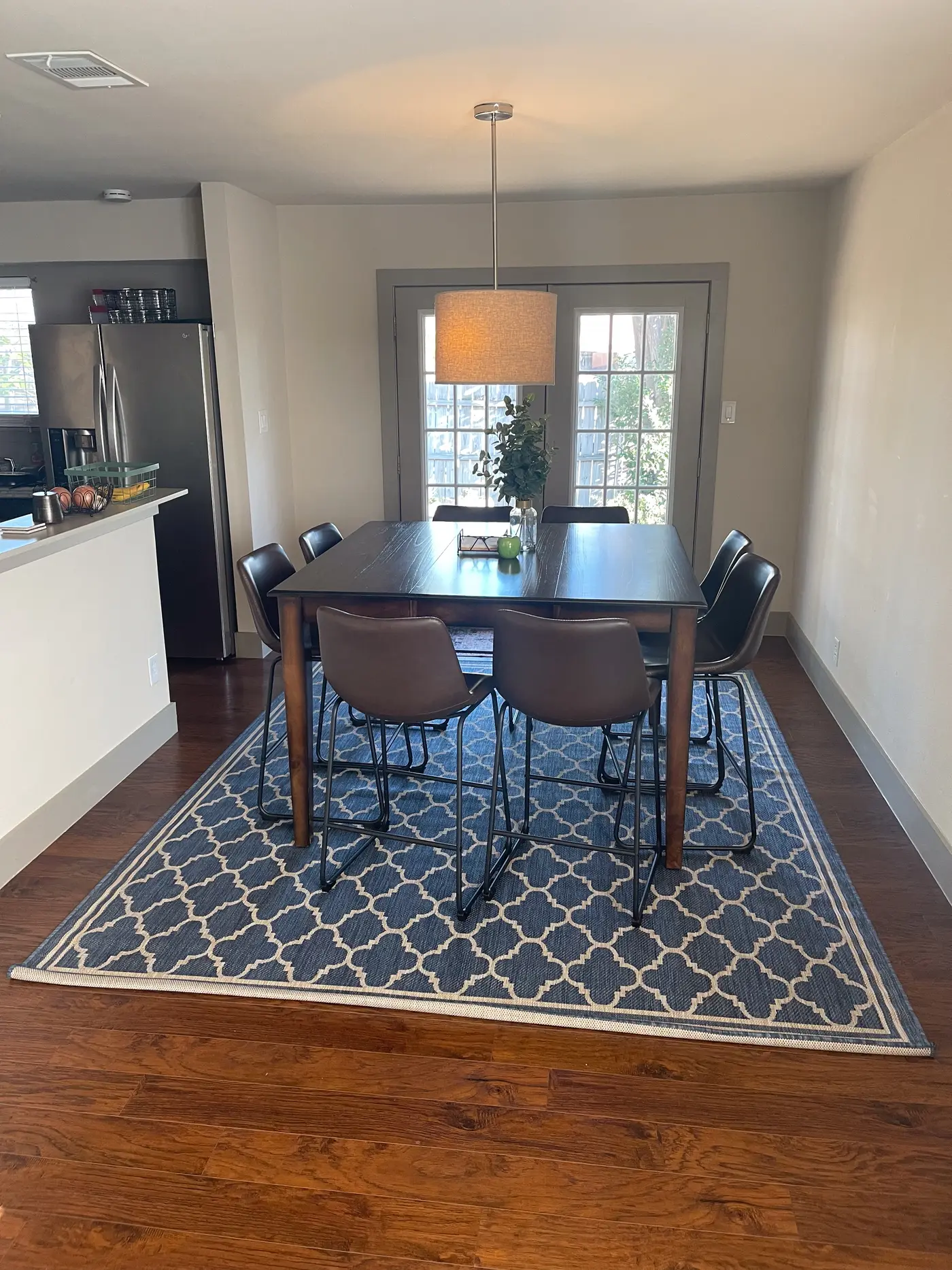
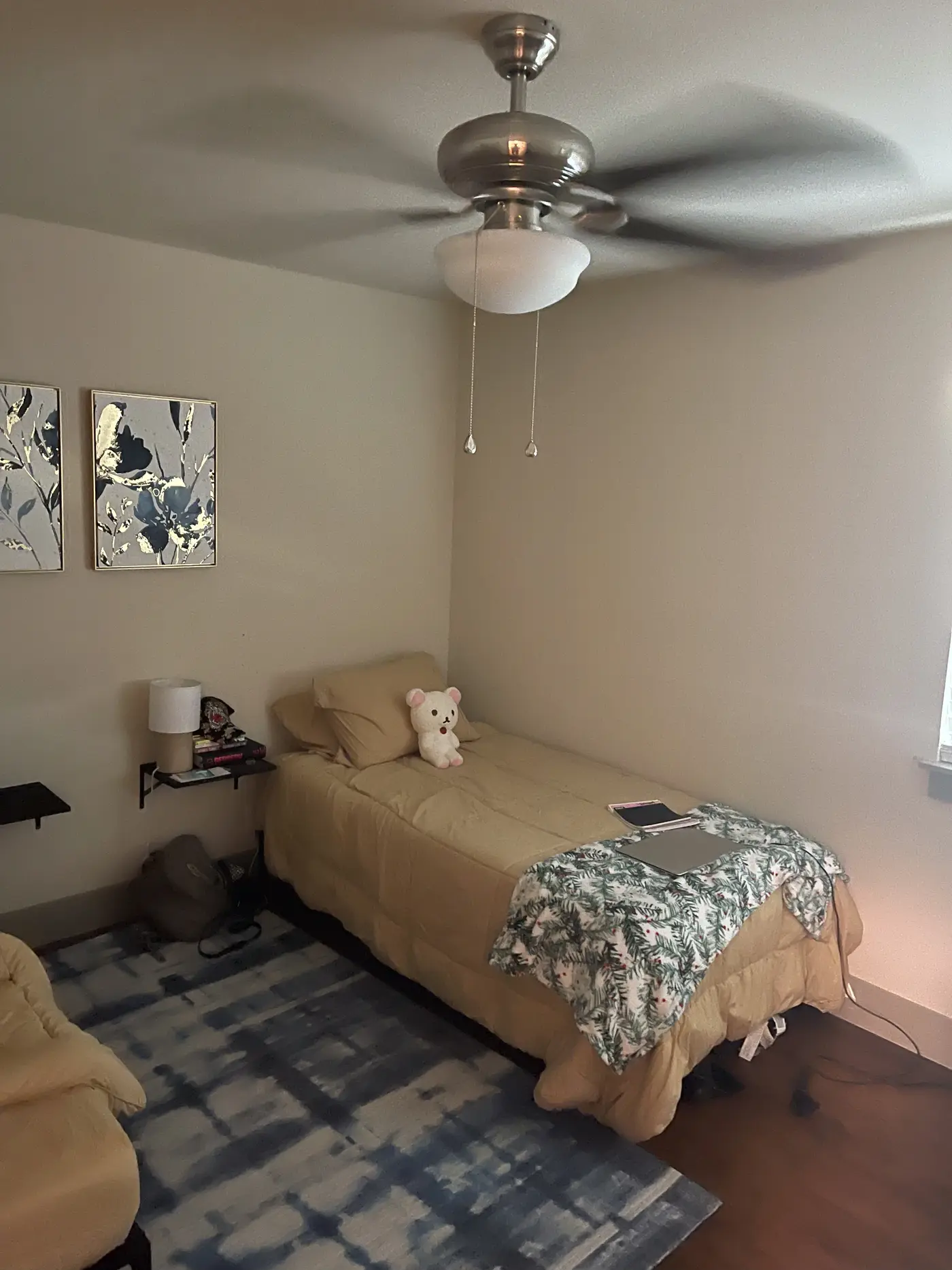
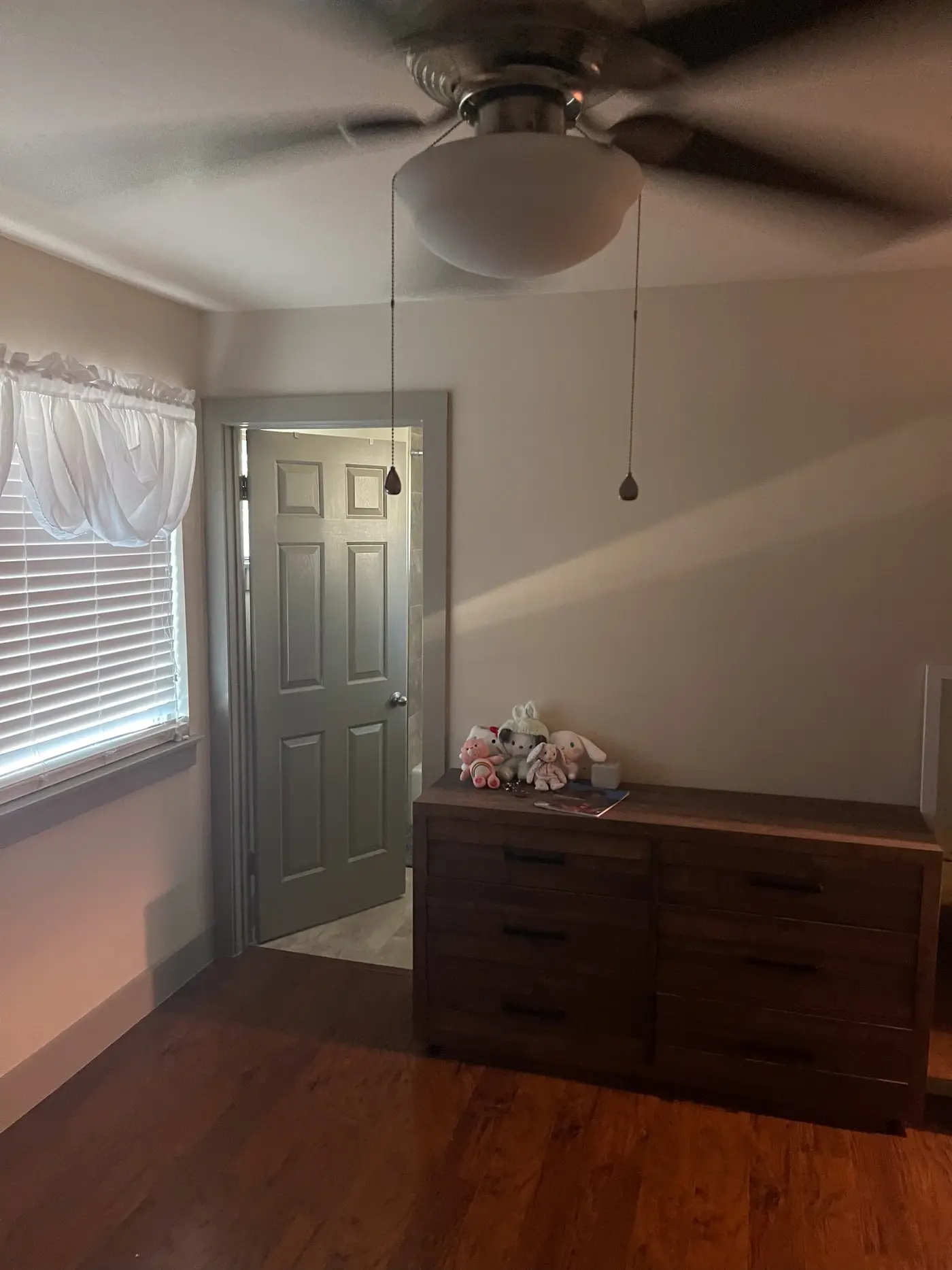
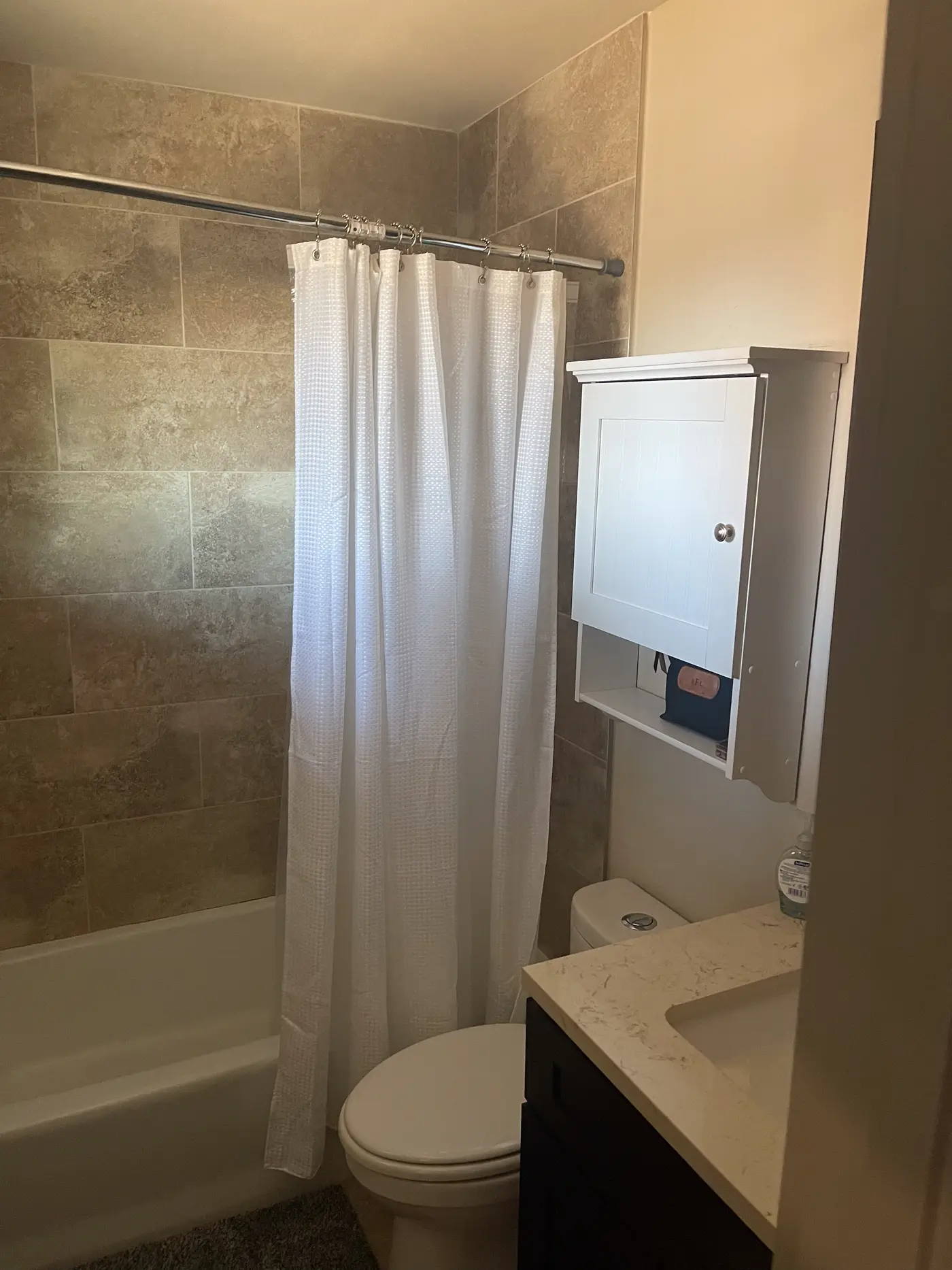
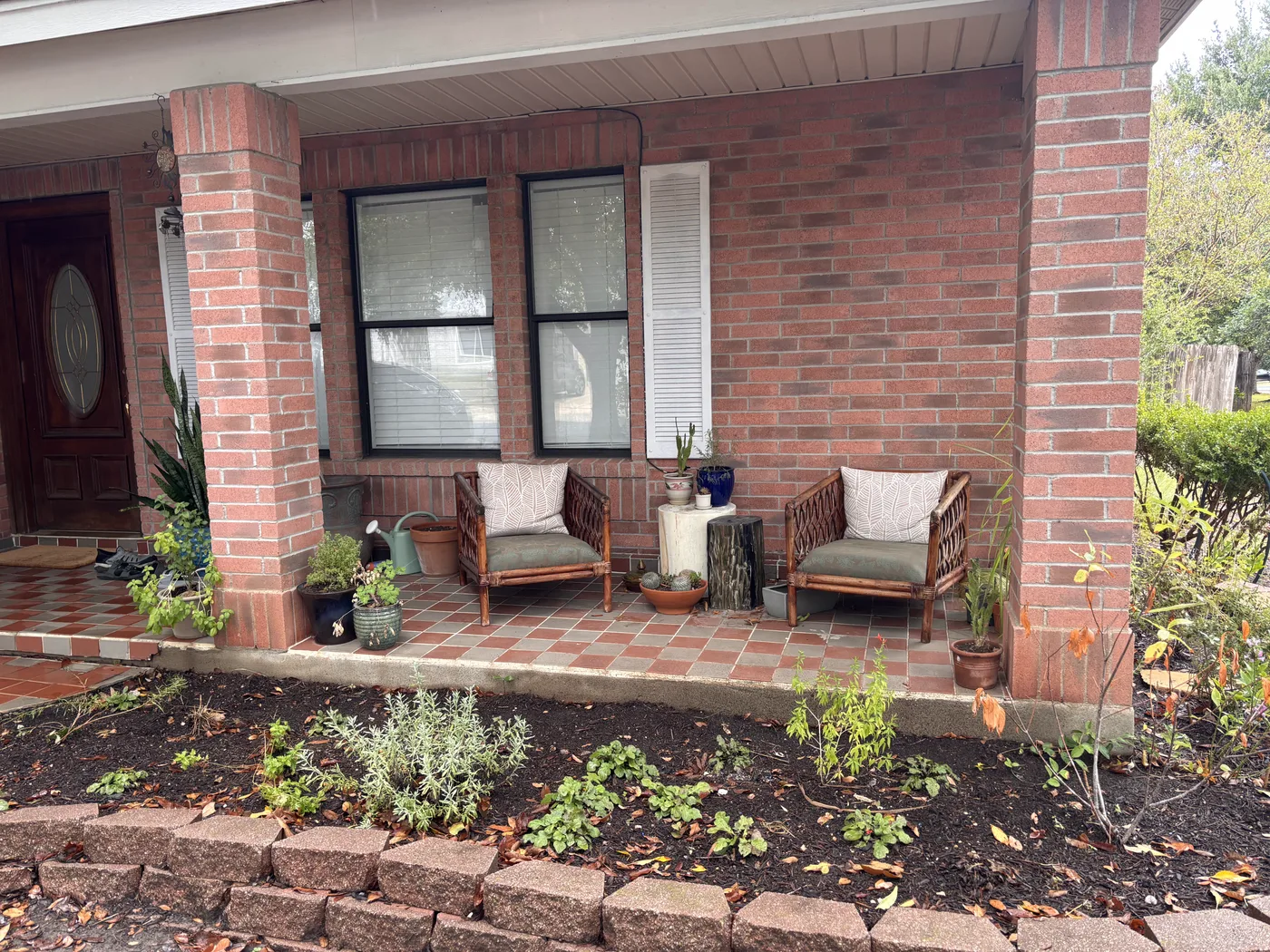
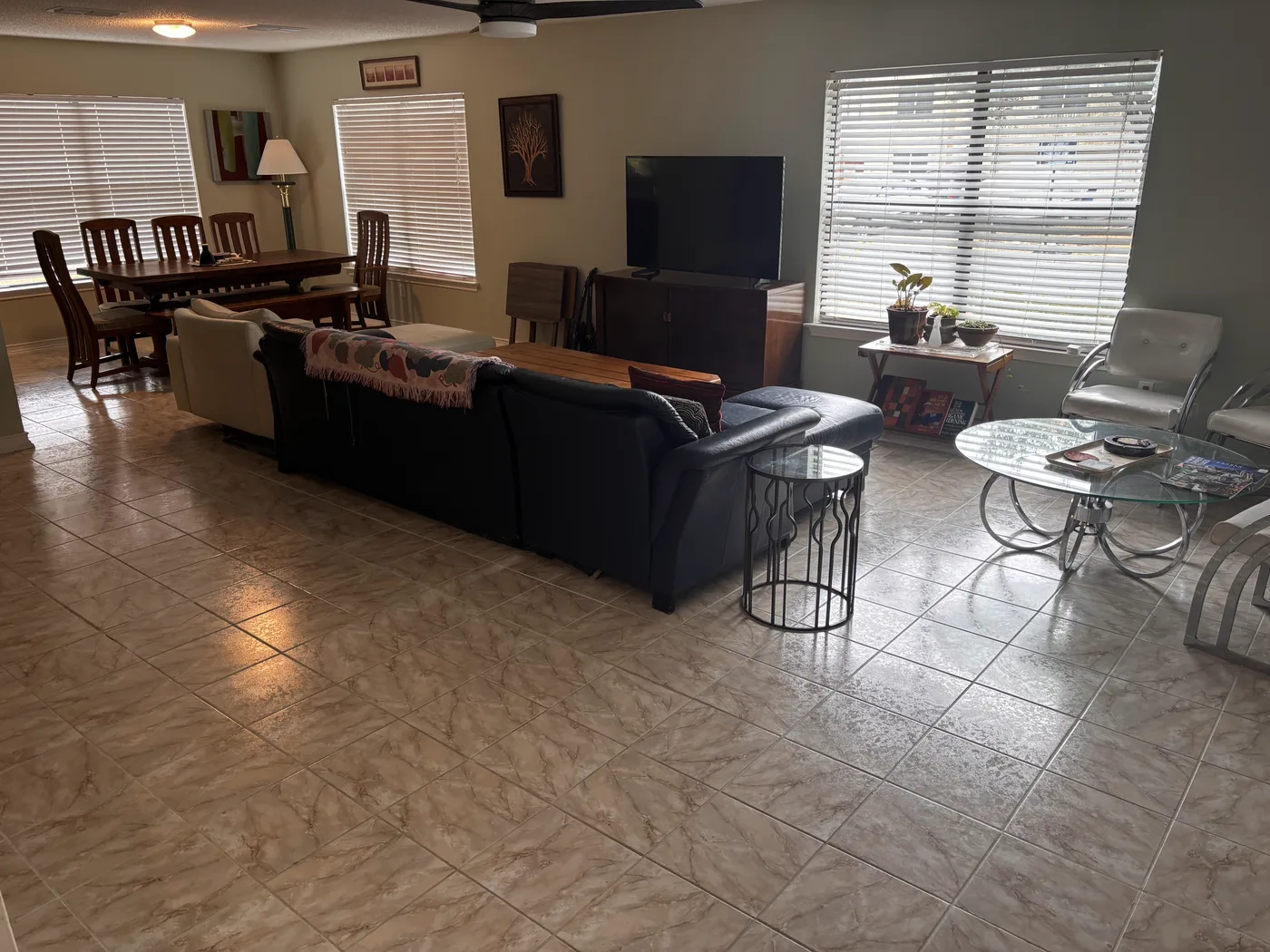
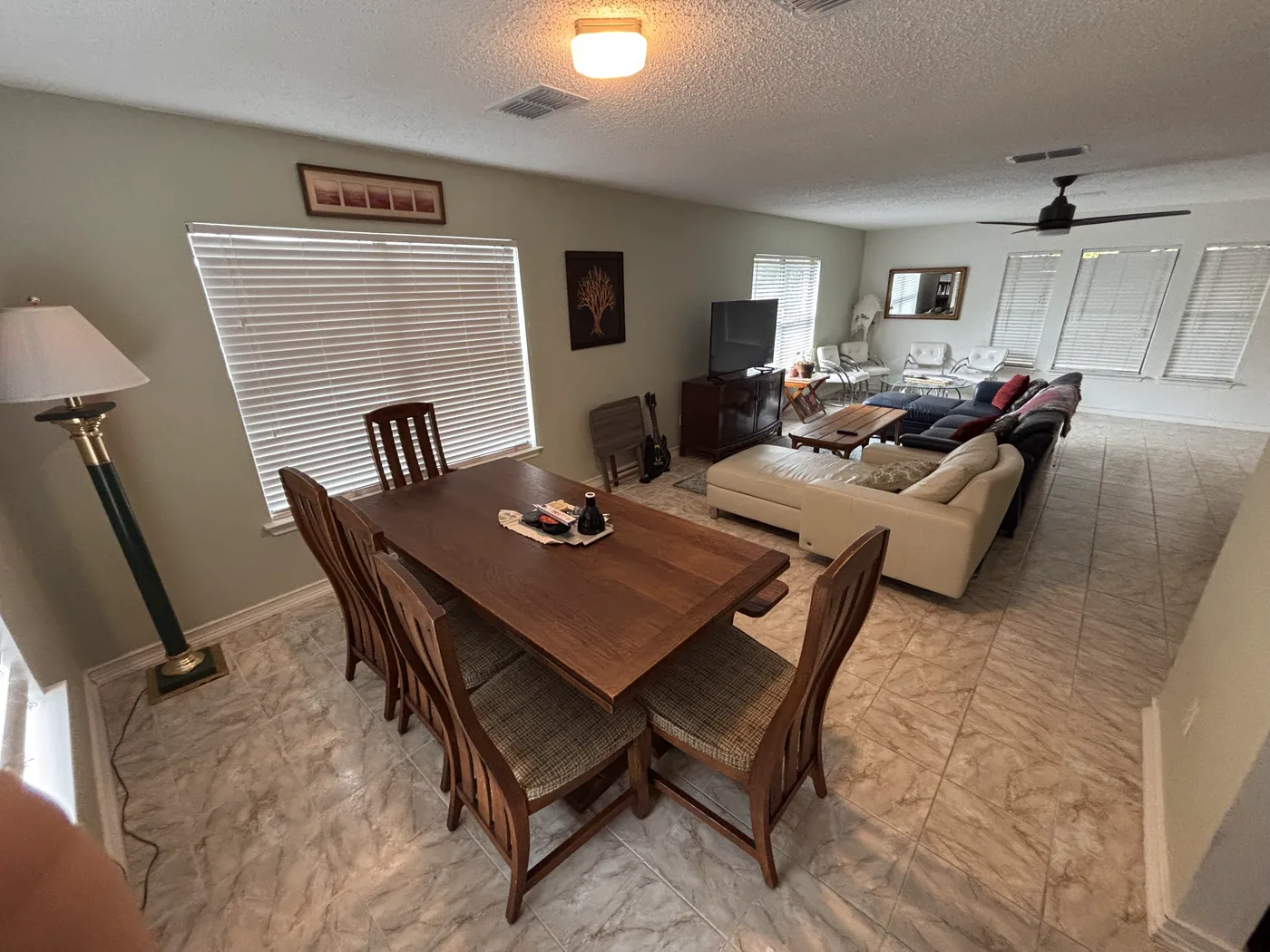
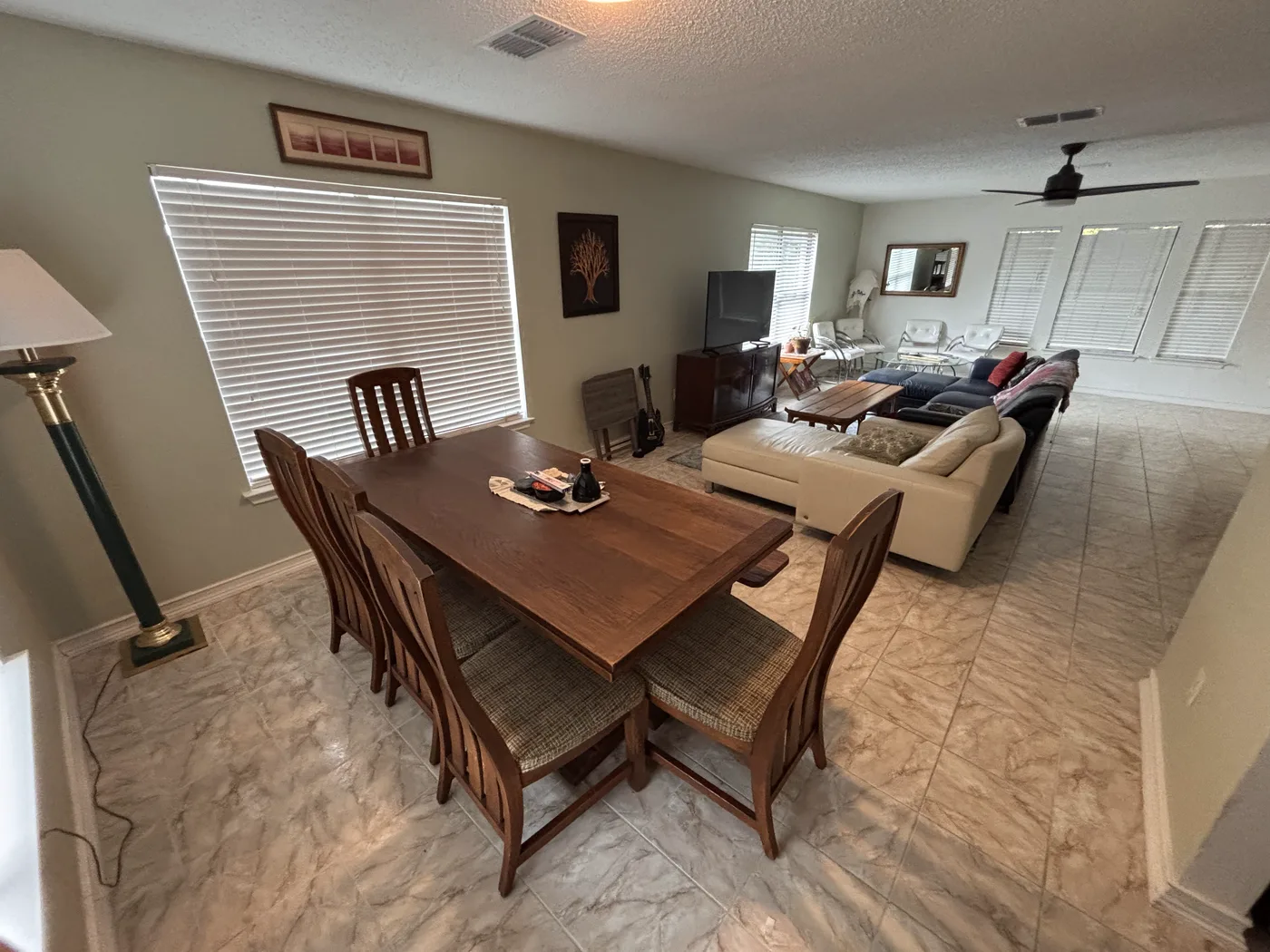
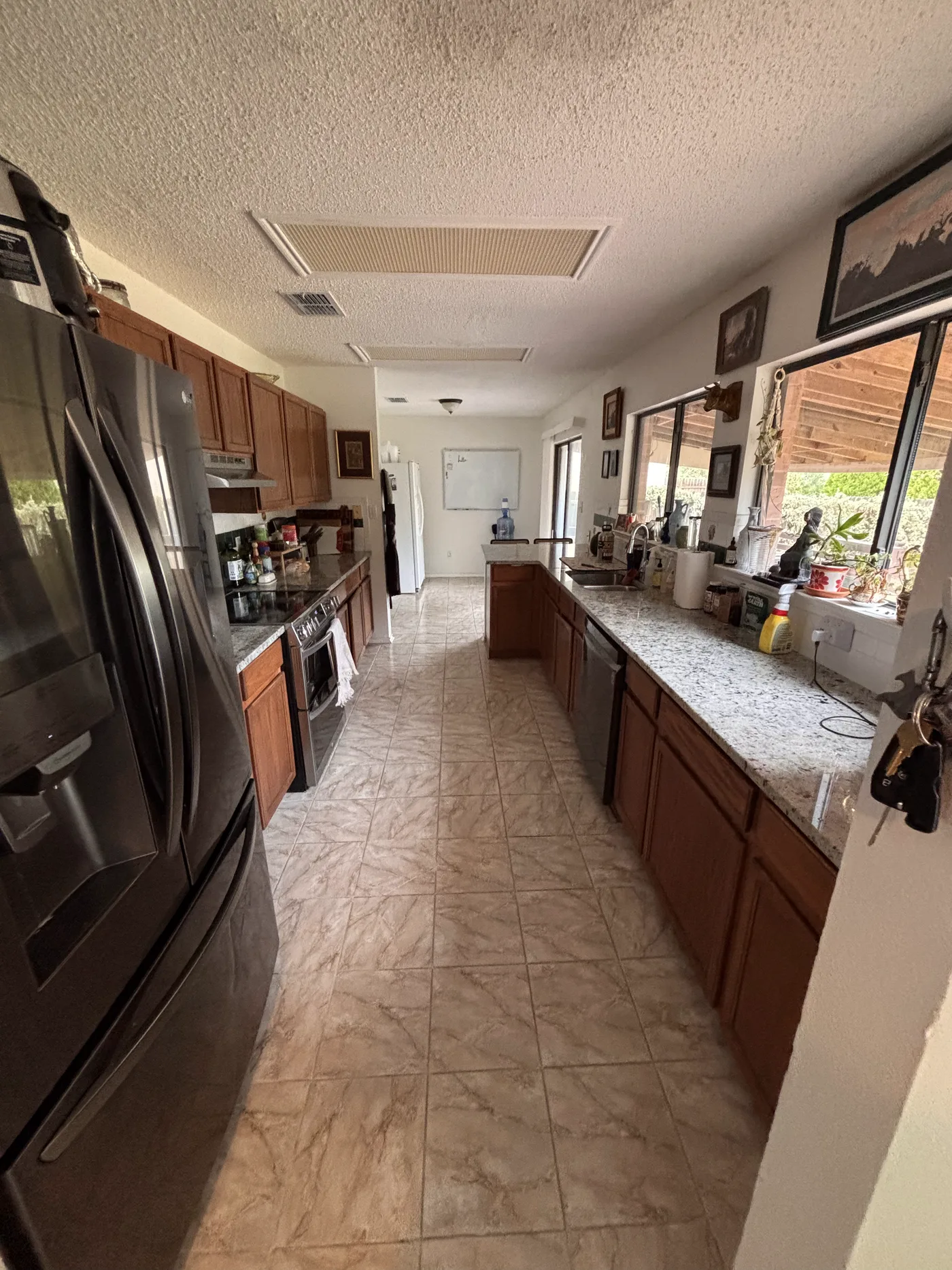
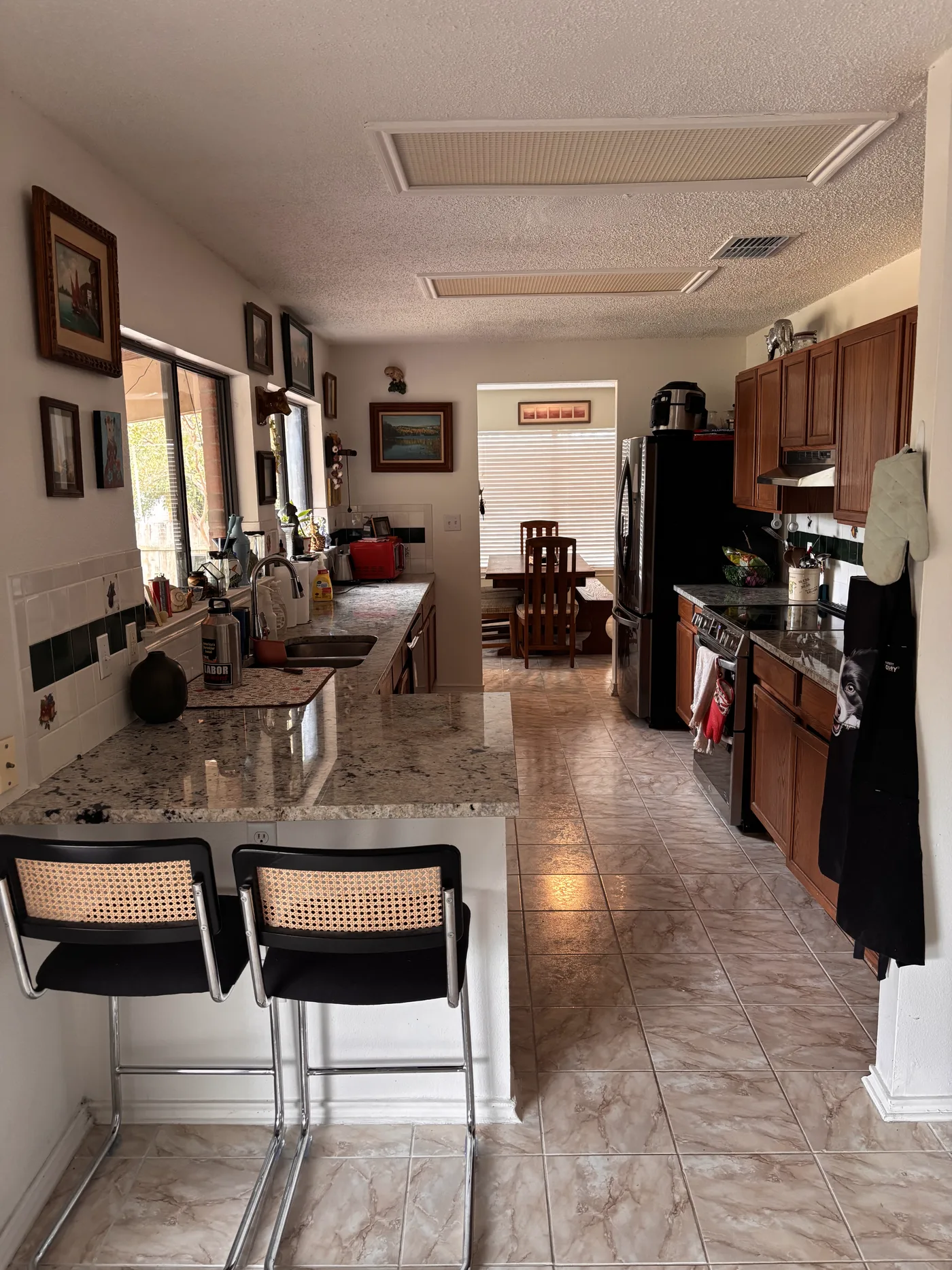
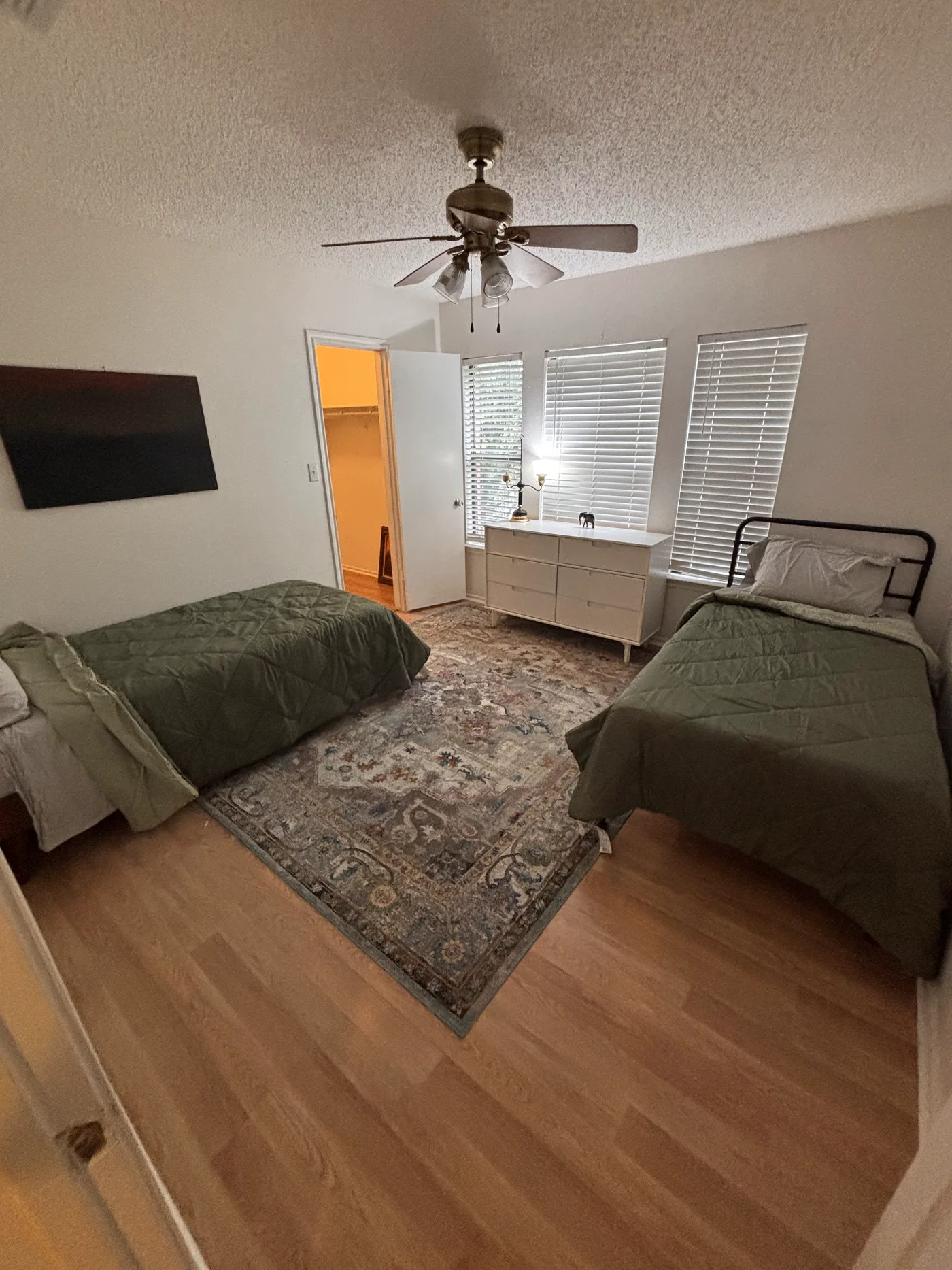
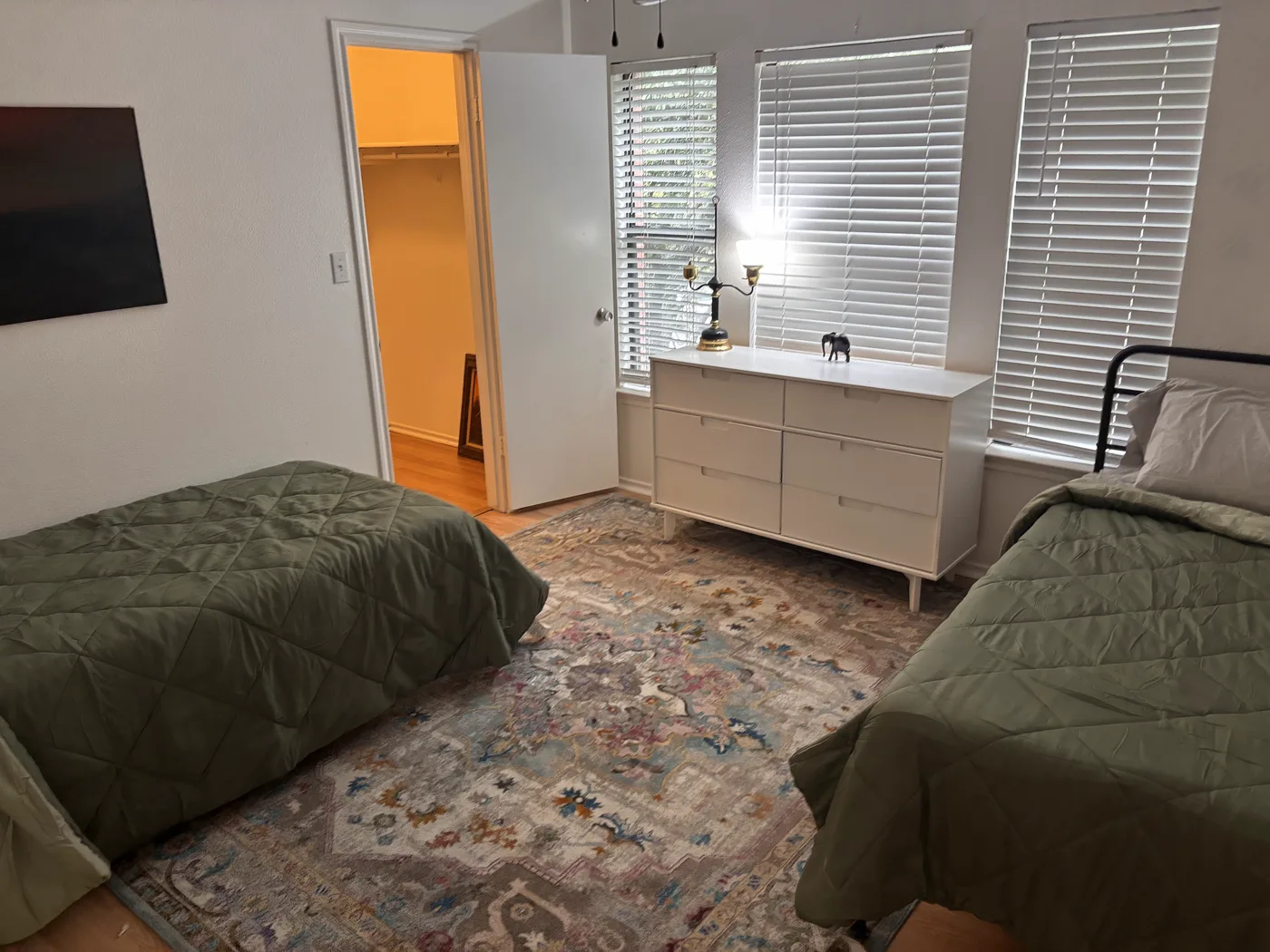
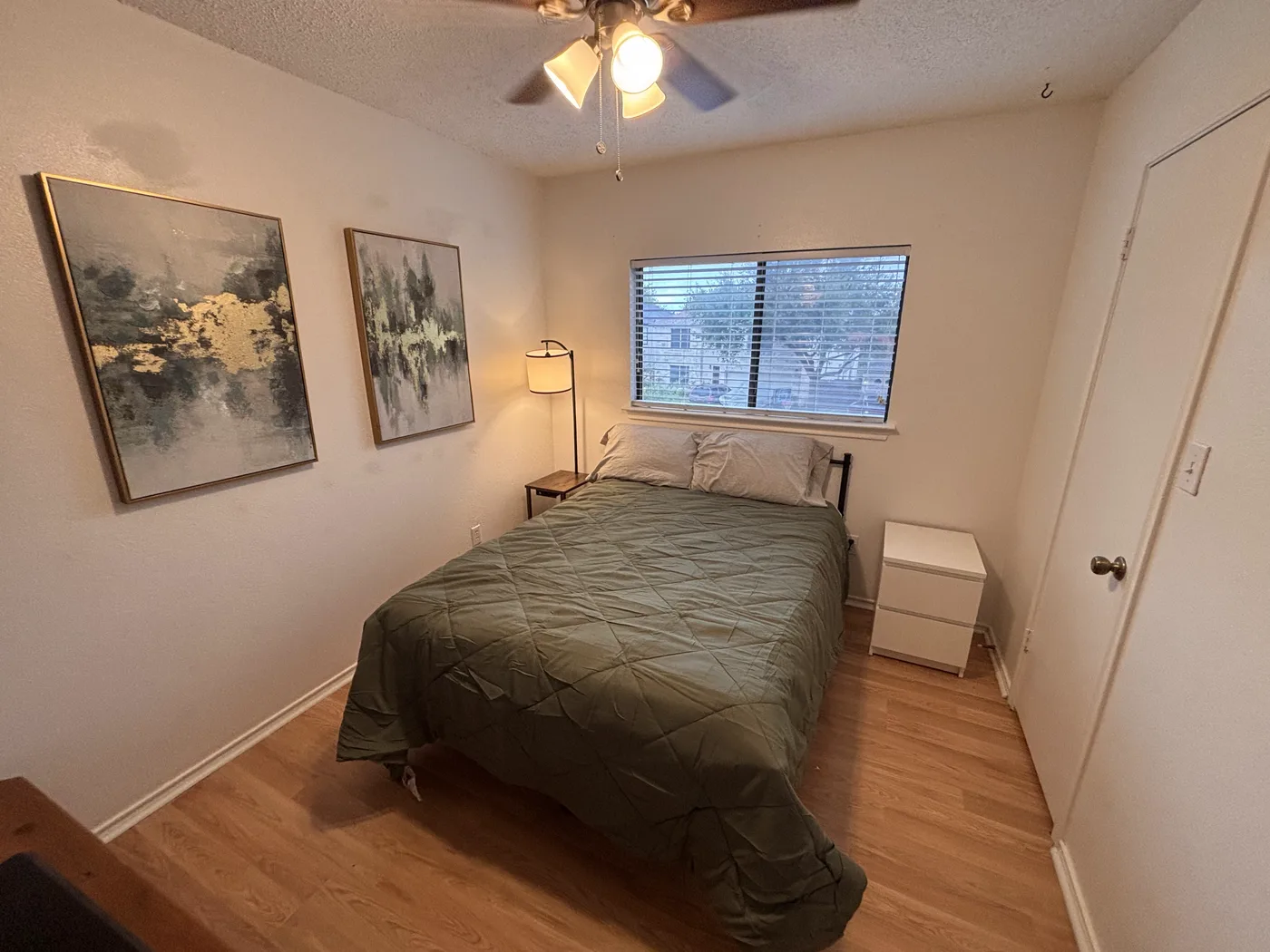
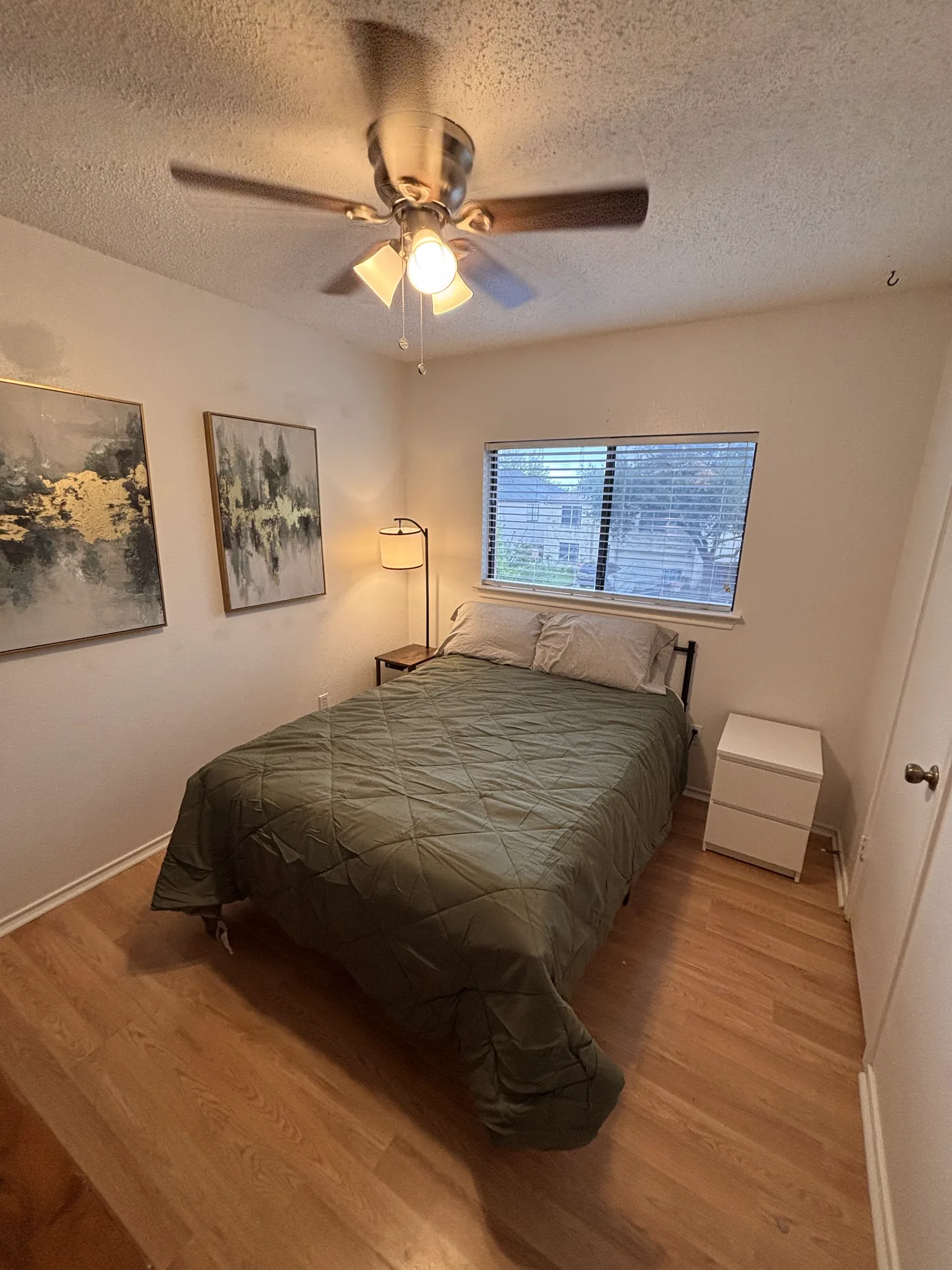
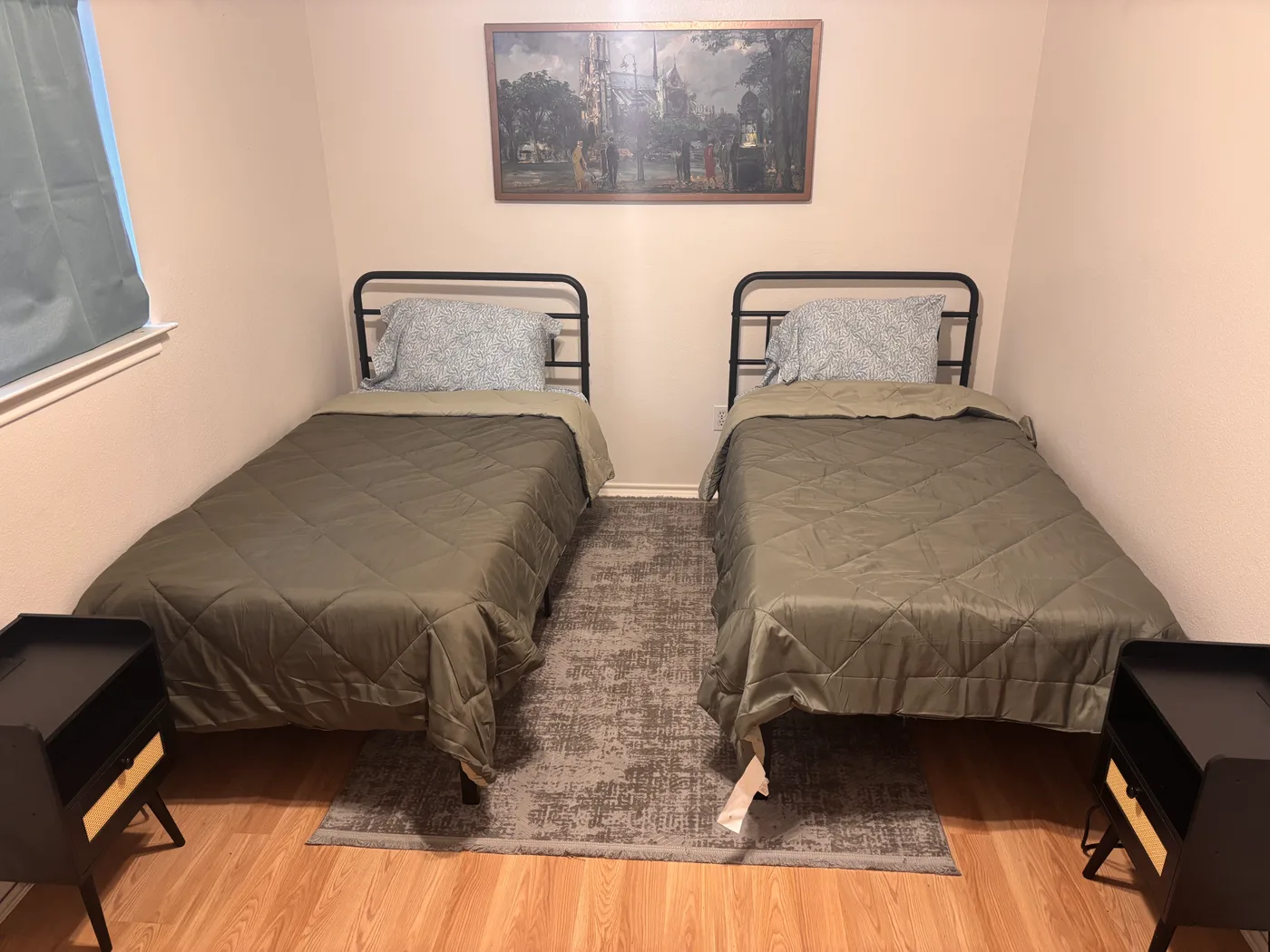
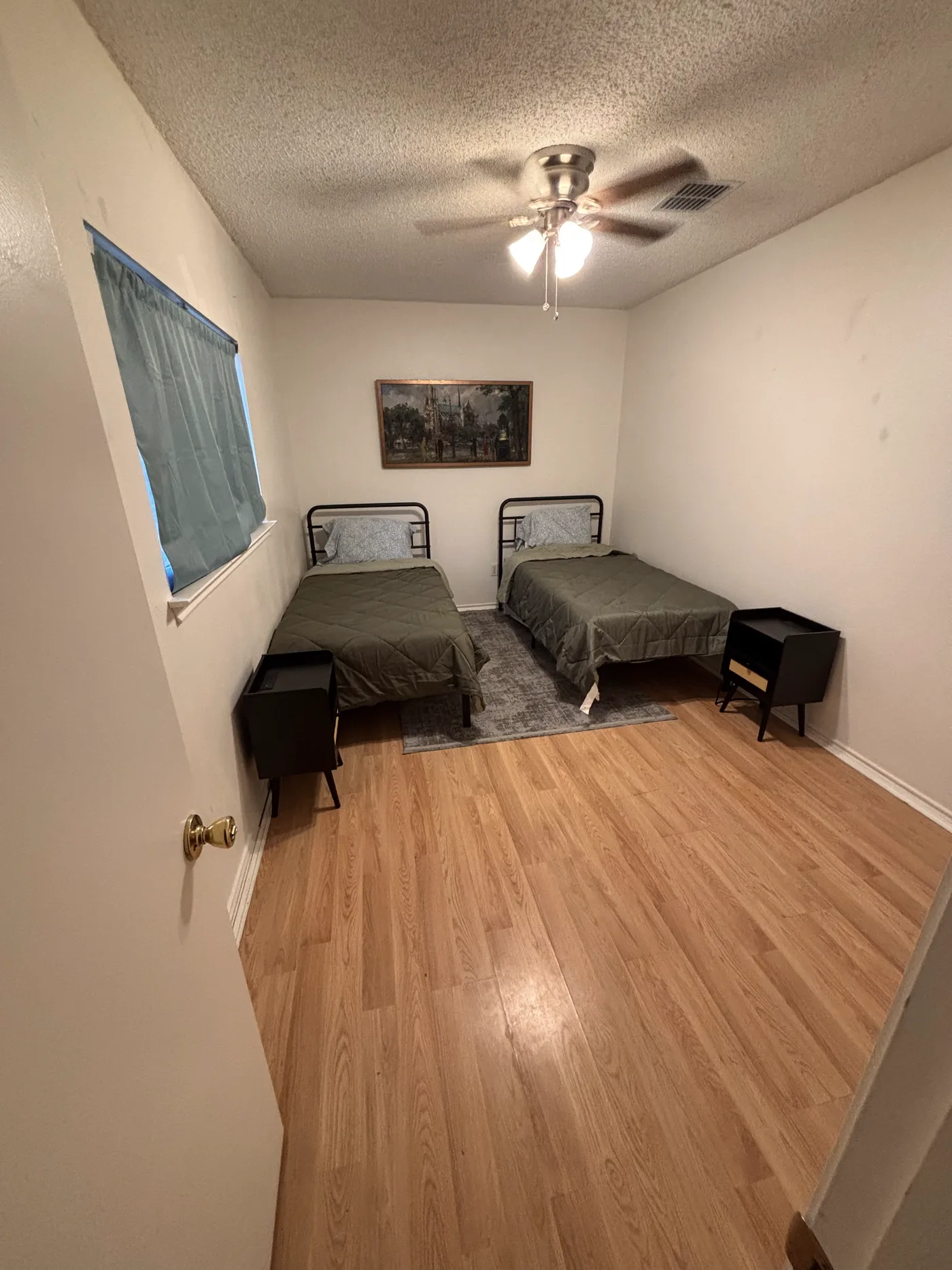
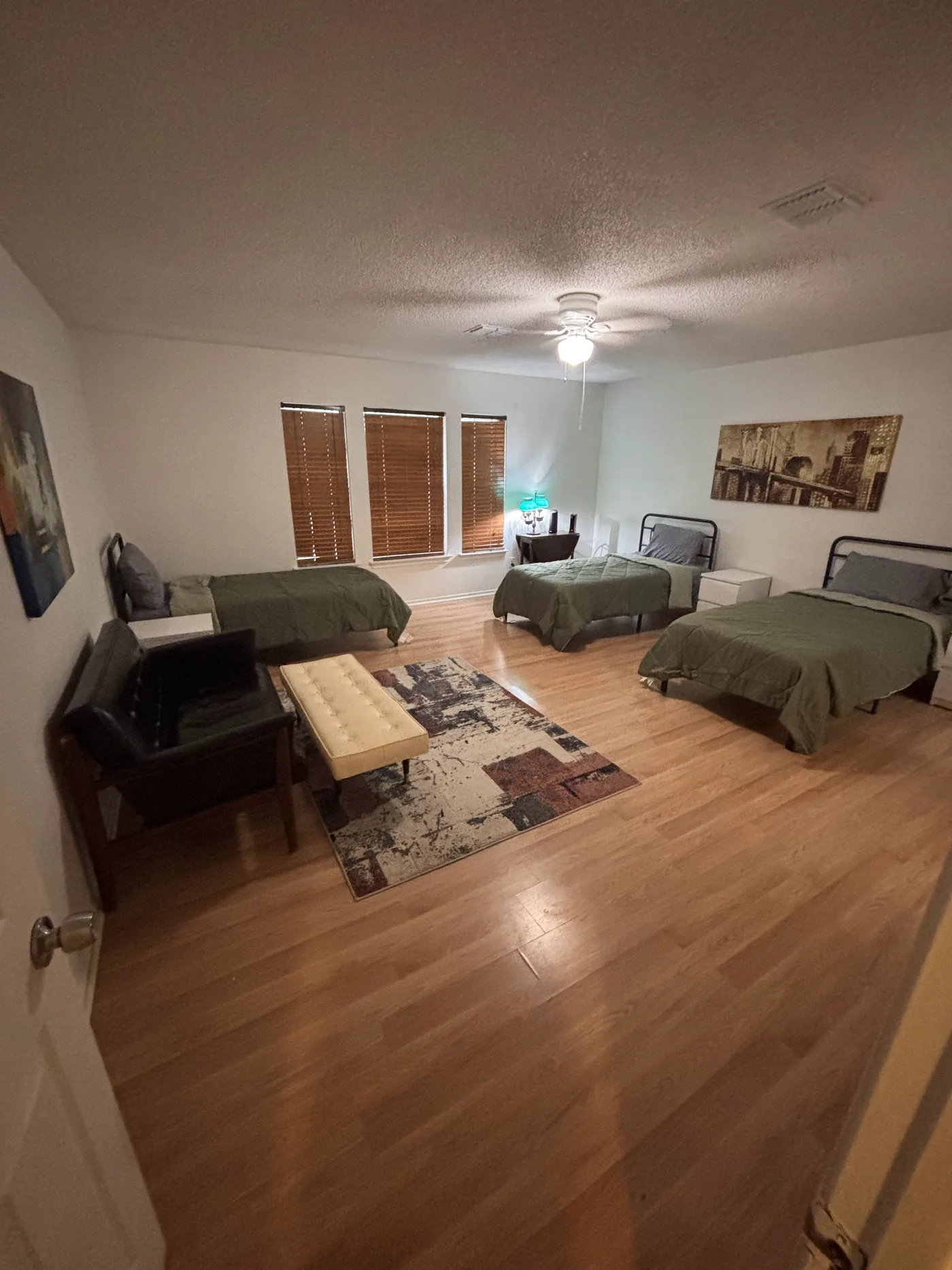
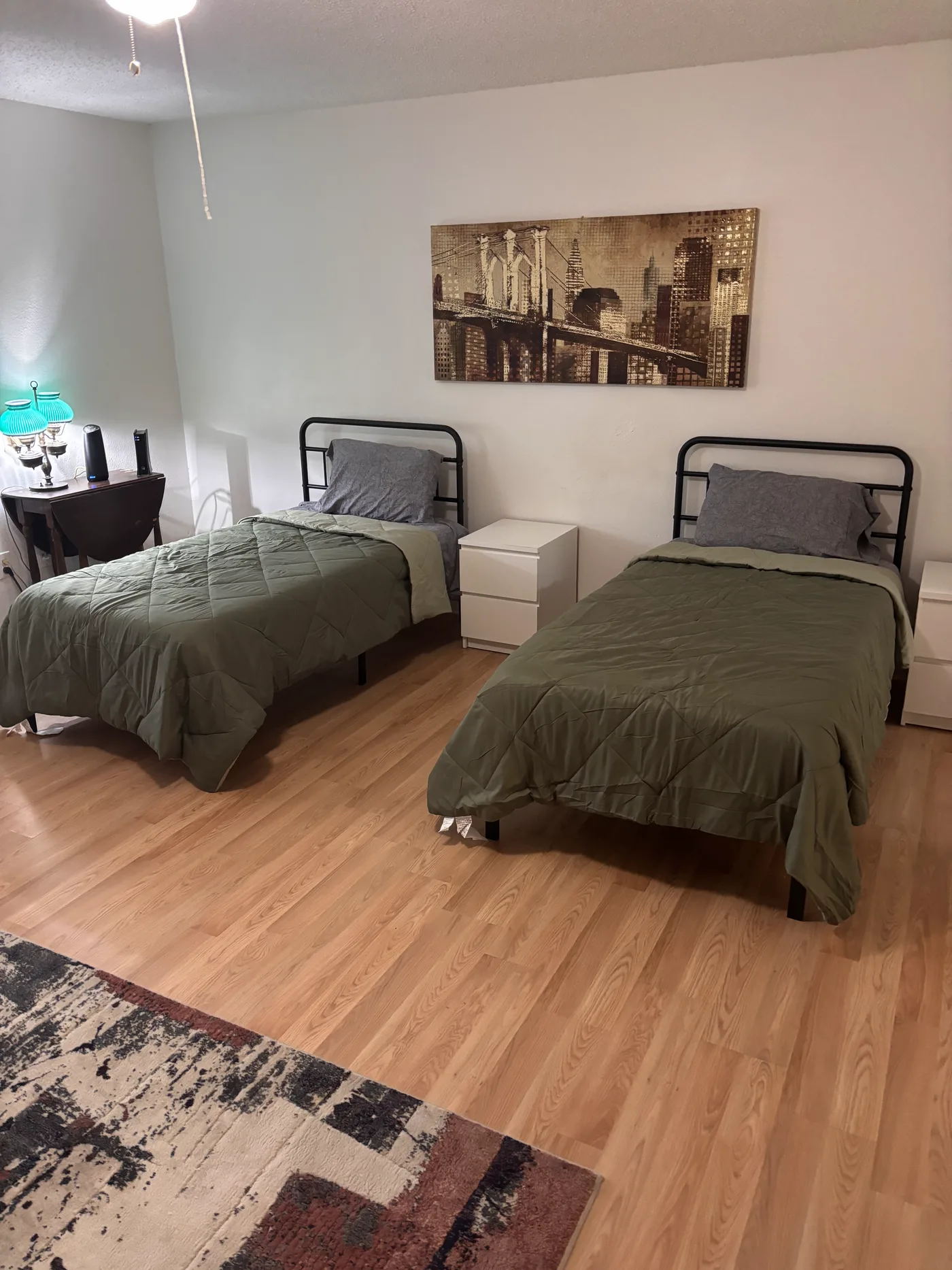
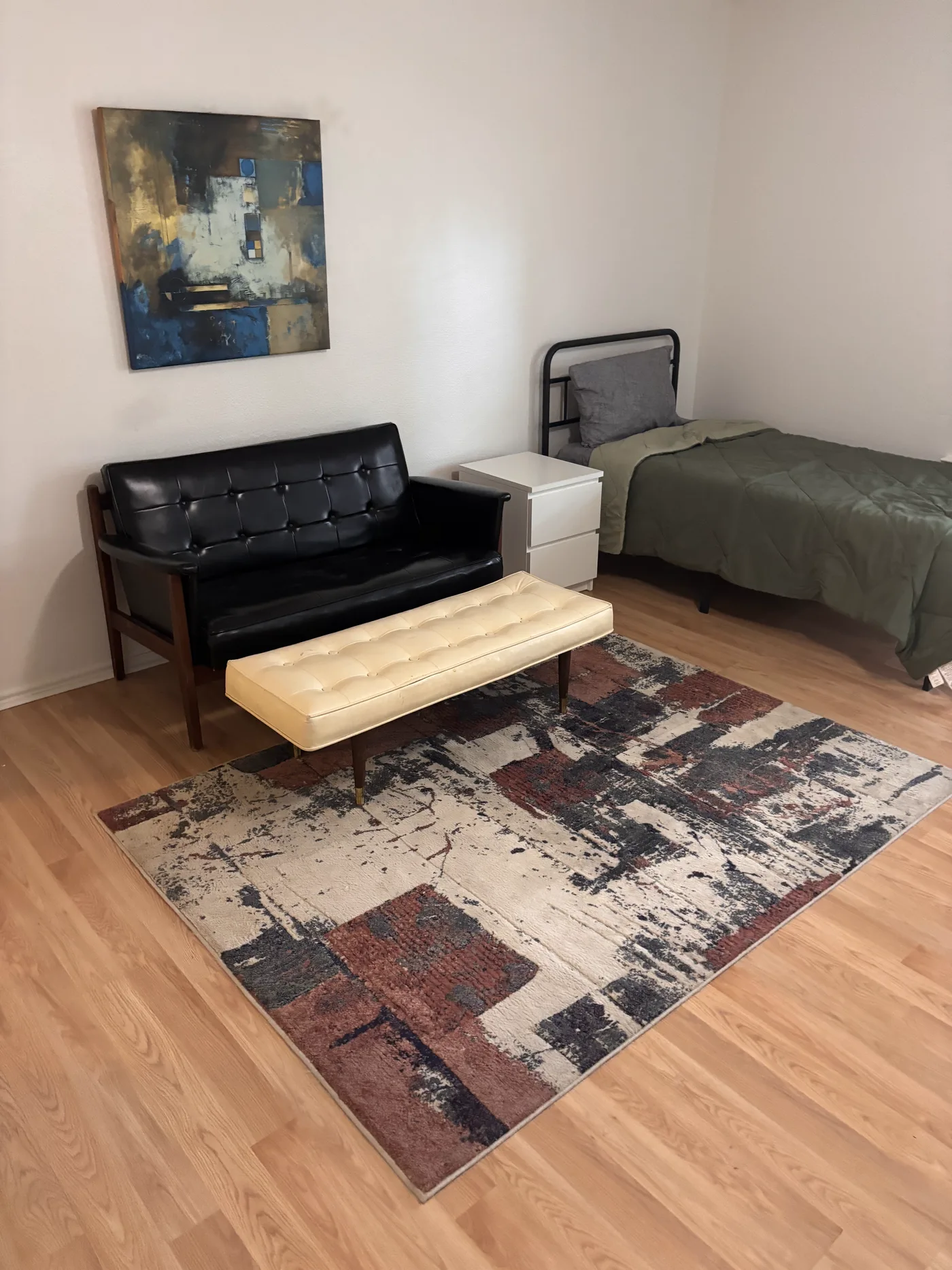
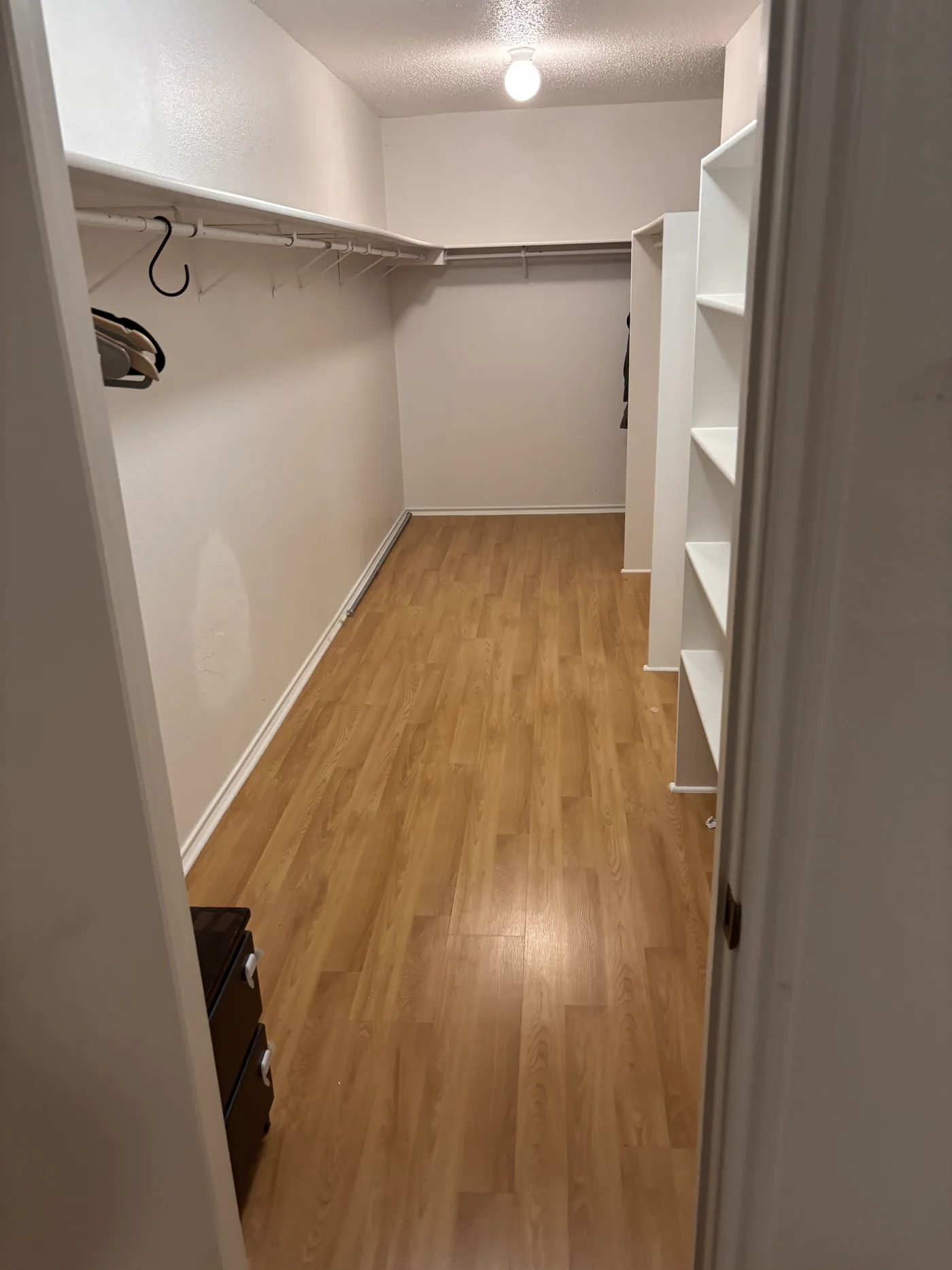
Eudaimonia provides women‑only sober living in north‑central Austin, with fully furnished spaces and community areas. Amenities listed include Wi‑Fi, cable, and (in select locations) access to a pool, fitness center, and community lounge. The program emphasizes peer support and convenient access to jobs, transit, and schools.
Accountability and support model
Eudaimonia describes a staffed model with on‑site resident managers and access to IOP, employment assistance, drug testing, and peer recovery support. The structure is designed to help residents practice life skills without harmful distractions as they apply what they learned in treatment.
Addresses and pricing snapshot (verify before visiting)
Eudaimonia lists women’s sober living at 10506 Parkfield Dr., Austin, TX 78758 and 9415 Quail Meadow Dr., Austin, TX 78758. The site notes women’s housing “starting at” pricing and gives a broader Austin range (about $550, $1,800/month depending on property and room type). Details can change, call ahead to confirm current rates and availability.
Choosing Between Sober Living and a Halfway House in Austin
Quick decision guide
- Your legal status. If you’re on parole or in federal reentry, placement may be directed to a halfway house with stricter supervision and timelines.
- Your recovery path. If you’re exiting treatment and want a voluntary, recovery‑focused residence, a sober living program is likely the fit.
- Funding. Expect to pay rent in sober living; halfway house funding varies by program and contract.
- Environment. Prefer apartment‑style living with more personal space? Many sober living homes are set up that way.
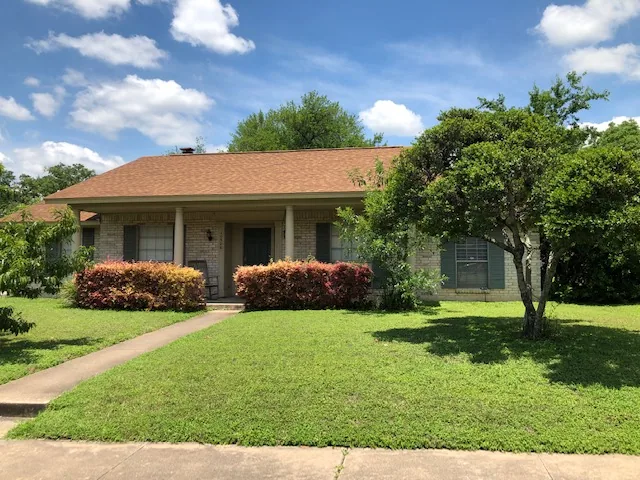
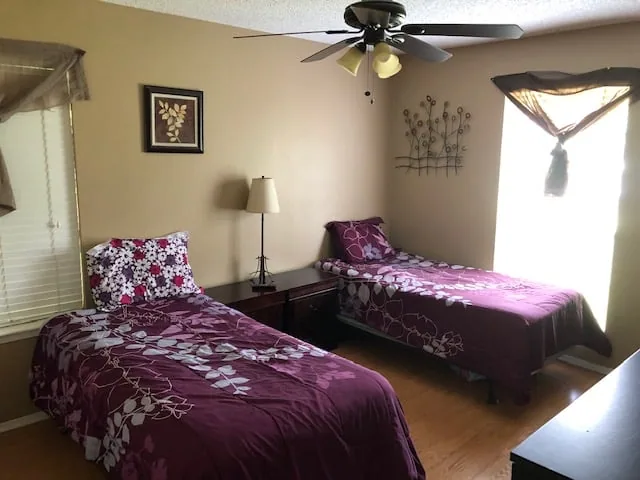
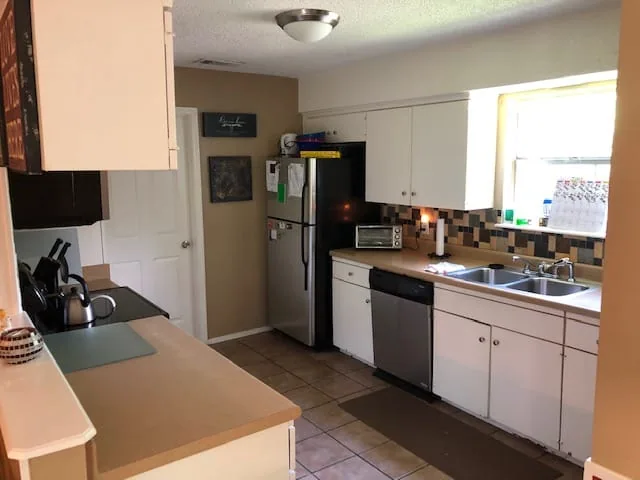
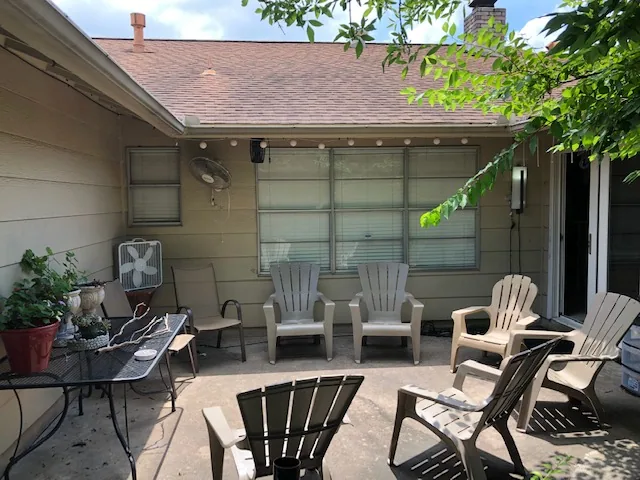
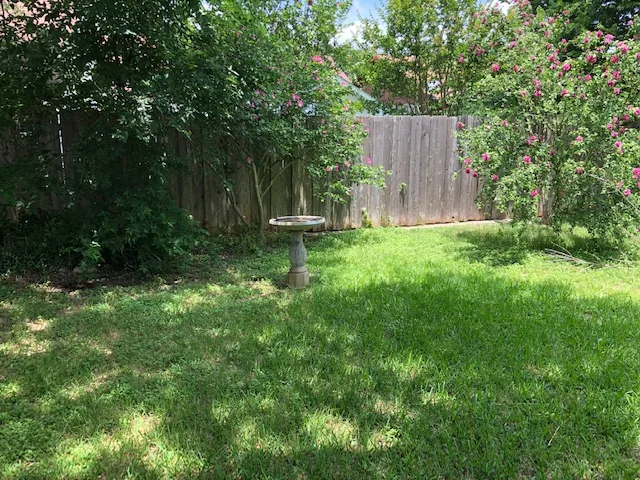
Inside the Austin homes
Questions to ask programs
- What are the rules on curfew, visitors, and meeting attendance?
- How is drug testing handled?
- What staffing is on‑site and after hours?
- What’s the length of stay and the graduation criteria?
- Are there links to IOP, counseling, job help, or education?
- What’s included in the monthly fee (furnishings, utilities, supplies)?
A Day in the Life: What Residents Often Report
Morning to evening rhythm
Mornings tend to be practical: wake‑up, check‑in, chores, and off to work or job search. Evenings often include meetings, meal prep, and time with peers before curfew. The rhythm is meant to reduce idle time and reinforce healthy habits.
For an extended walk‑through, see our practical guide to sober living in Austin.
Community and accountability
Many residents say the community is the difference. Living among people who share the same goals creates daily accountability and practical encouragement, from rides to meetings to reminders about paperwork or interviews. Local program pages in Austin emphasize peer support as a core benefit.
Where Eudaimonia Fits in Austin’s Landscape
Eudaimonia offers gender‑specific housing, including women’s sober living in Austin, and lists amenities plus program layers such as IOP access and employment support. For someone not under correctional supervision who wants structured housing after treatment, sober living at a provider like Eudaimonia may align better than a halfway house. As always, verify current policies, capacity, and pricing directly with the provider.
Medical Disclaimer
The information provided on this page is for educational and informational purposes only and should not be considered professional medical, psychiatric, or addiction treatment advice. Recovery housing options, including halfway houses and sober living homes, are not substitutes for medical detox, therapy, or clinical treatment programs. Always consult a qualified healthcare provider or licensed addiction specialist before making decisions about treatment or recovery care. If you are experiencing a medical emergency, severe withdrawal symptoms, or thoughts of self-harm, call 911 in the United States or seek immediate emergency assistance. For free and confidential mental health support, you can contact the 988 Suicide and Crisis Lifeline, available 24 hours a day.
Select Our 9415 Quail Meadow Dr, Austin, TX Location
Select LocationVisit Our 7211 Northeast Dr, Austin, TX Location
Select LocationChoose Our 10506 Parkfield Dr, Austin, TX Location
Select LocationEudaimonia's Success Stories – Real People, Real Freedom
How Eudaimonia Supports Sober Living
If you’re wondering what it’s like to live in a halfway house for women, Eudaimonia Recovery Homes offers a closely related option: structured, women‑only sober living. The homes are alcohol‑ and drug‑free, with clear house rules, curfews, and regular accountability, features people often associate with halfway houses.
What sets Eudaimonia apart is a recovery‑focused, resident‑driven environment rather than a correctional or court‑mandated setting. You share space with peers who are working toward the same goals, attend meetings, and complete chores, which builds routine and community. House managers provide guidance, daily check‑ins, and connections to local care, employment resources, and community support. Rooms and common areas are furnished, balancing privacy with shared responsibility so day‑to‑day life feels stable and predictable.
Regular substance testing keeps the environment safe while giving residents clear milestones to track progress. Because stays are typically flexible, you can remain long enough to practice budgeting, scheduling, and relapse‑prevention skills before moving to full independence. For women who want the structure of a halfway house with a recovery‑first culture, Eudaimonia’s model can be a practical next step after treatment.
Your Future Is Waiting
Tell us what you are looking for and admissions will walk you through the houses, the phases, and what a room actually costs.


