

Published October 31, 2025 · Updated February 27, 2026
Key Takeaways
Sober living is structured, substance‑free housing; it is not detox or clinical rehab. Residents live in a community while practicing daily recovery skills.
A recovery home helps after treatment, after a relapse, or when home life does not support sobriety during addiction recovery.
Austin offers broad recovery resources, daily meetings, peer support, and workable transit, so location and commute should be part of the choice.
Costs vary widely, from the mid‑hundreds to several thousand dollars per month. Confirm deposits, testing fees, and refund policies in writing.
Insurance rarely covers rent; it may cover outpatient therapy or medication management you attend while in sober living.
Expect rules that support safety: alcohol and drug bans, curfews, house meetings, chores, and random testing.
Use the 4 S’s to compare options: Standards (e.g., NARR/Texas certification), Structure (level of oversight), Setting (neighborhood and amenities), and Supports (meetings, coaching, and links to care).
Tour several homes; ask about relapse protocols, visitor policies, roommate matching, and how grievances are handled.
Red flags include vague fees, weak testing, pressure to sign quickly, and poor maintenance.
The first month usually includes orientation, a routine of meetings and chores, and a plan for work or school.
Typical stays run 3–12 months; remain long enough to build stable routines, a sober network, and a housing plan for after you leave.
For substance abuse triggers, consistency and peer accountability reduce risk; a good fit between the house and your schedule improves outcomes.
Austin has a strong recovery community and many places to live substance‑free. This guide explains how sober living works in Central Texas, what it costs, how to compare houses, and the steps to get started. The aim is simple: help you decide whether sober living Austin Texas fits your stage of addiction recovery.
On This Page · 30 Sections

Sober Living
Austin
10506 Parkfield Dr, Austin, TX 78758
What sober living is — and what it is not
Sober living is housing with structure and peer support, not a hospital or a rehab program; you do not check in for detox or therapy, but live there while you build routines and skills that support long‑term sobriety. Many residents attend outpatient care or support meetings while they live in a sober home. These homes are sometimes called recovery residences or transitional housing, terms you will see in directories and program brochures.
How sober living differs from rehab and halfway houses
Rehab is clinical treatment, whereas sober living is housing; you may attend counseling or IOP elsewhere while you live in the house. A halfway house is often tied to the justice system. Sober living in Austin follows the recovery‑residence model and focuses on community, accountability, and stability outside a clinical setting.
Who sober living helps
Sober living Austin Texas can help if you are early in addiction recovery, returning after a relapse, or need time and structure after treatment, and it can also help if your home life is not supportive of sobriety. People rebuilding daily routines, work or school habits, and a sober social network often benefit from this step.
How Austin supports recovery
Austin’s recovery scene is active, with daily meetings, peer support groups, and recovery‑friendly employers, and its buses and light rail make many neighborhoods reachable if you do not drive. When you compare houses, look at commute times to meetings, work, and any outpatient clinic you use.
Neighborhood fit matters
Map the house to your routine; if you work or study near the core, look in central or north‑central neighborhoods, and if you rely on transit, check bus frequency and walking times before you sign. A location that matches your schedule makes relapse prevention easier to practice because you can keep routines without long, stressful commutes.
Community norms you will encounter
Most Austin houses ask residents to work, look for work, go to school, or do service, and you will see curfews, scheduled house meetings, drug and alcohol testing, and clear consequences for rule violations. Expect chore lists, a visitor policy, and quiet hours. These norms are there to protect the group and your recovery.
Costs and what your money covers
Prices in Austin vary by property, room type, and level of support: at the low end, some programs list shared rooms starting in the mid‑hundreds per month, while on the higher end, homes with premium amenities and more staff oversight can cost several thousand dollars per month. Read the fee schedule carefully, and ask about deposits, move‑in fees, testing costs, and refund rules. For current options and monthly rates, see how much sober living costs in Austin.
Typical inclusions
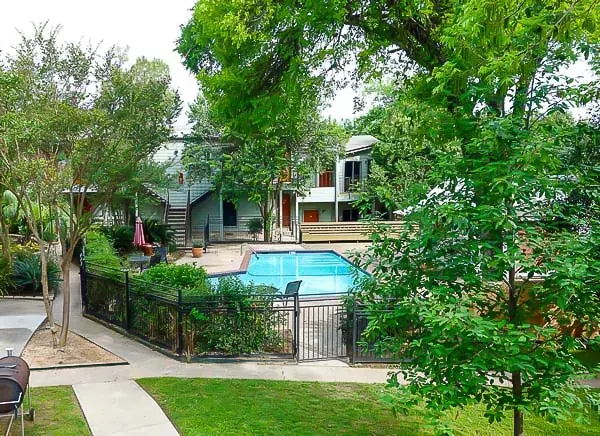
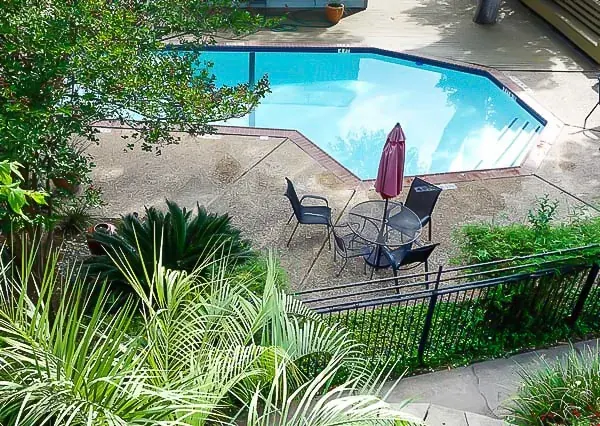
Most recovery homes include furniture, Wi‑Fi, and access to shared spaces; many offer on‑site managers, routine drug testing, recovery coaching, or links to clinical services such as therapy or IOP with partner providers. Some residences add extras like fitness rooms, pools, or transportation to appointments. A few are pet‑friendly, but always confirm in writing.
What insurance does and does not cover
Insurance usually does not pay for the housing itself, although it may cover outpatient therapy or medication management that you attend while living in the house. Ask each provider whether scholarships, sliding‑scale options, or short‑term help are available.
Rules, accountability, and safety
Rules protect the house and the residents, and you will sign an agreement that bans alcohol and drugs, sets curfews, and lists testing procedures. There is often a three‑phase or step‑down structure that builds freedom as you meet goals, and if relapse happens, most homes have a written protocol that may include a brief discharge and a path back after stabilization. For details, review our sober living community rules.
Program models you will see
Houses range from peer‑run settings to provider‑run programs with extensive staff; some lean on 12‑Step participation, while others emphasize coaching, case management, and skills training. Many combine both approaches. The National Alliance for Recovery Residences (NARR) describes four “levels of support,” from resident‑managed houses to staffed programs that connect to clinical services. Knowing which model you want will narrow the search.
Review Our Pet Friendly Sober Living Options
Pet Friendly Men's Sober Living Austin Pet Friendly Women's Sober Living AustinSafety and accountability in daily life
Expect regular check‑ins, drug testing, and attendance tracking, and note that most homes require a sponsor, weekly meetings, and a plan for work or school. Good houses respond quickly to concerns, post clear grievance steps, and keep house managers available when issues arise, which helps conflicts resolve before they threaten the house environment.
How to choose a recovery home in Austin
Use a simple framework: standards, structure, setting, and supports.
Standards and accreditation
Look for programs that follow NARR standards or have certification through the Texas Recovery Oriented Housing Network, and consider Oxford House charters as another quality signal for peer‑run homes. Ask to see the resident handbook, code of conduct, and safety policies before you apply.
Structure that matches your needs
List what you need day to day: accountability, coaching, curfews, transportation, or more independence. If you want a progression of responsibility, ask about phased programs. If you are managing co‑occurring mental health needs, confirm how the house coordinates with clinics and whether medication storage is secure.
Setting and amenities
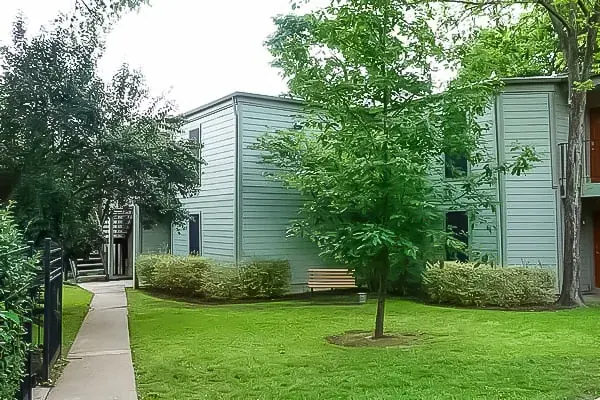
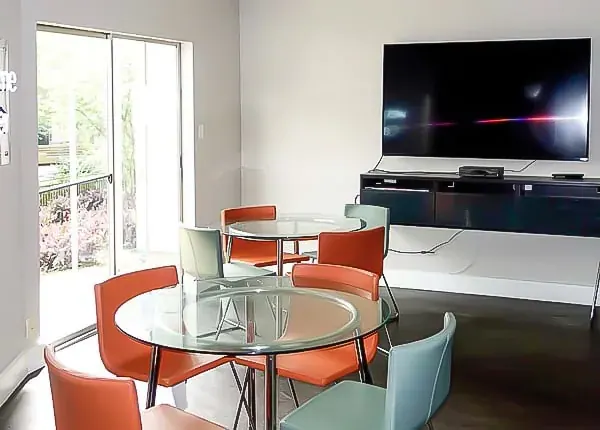
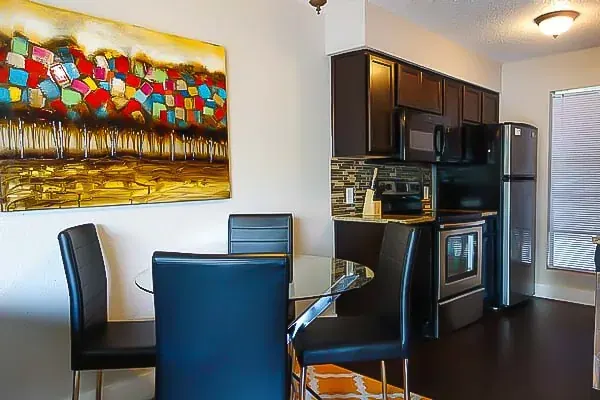
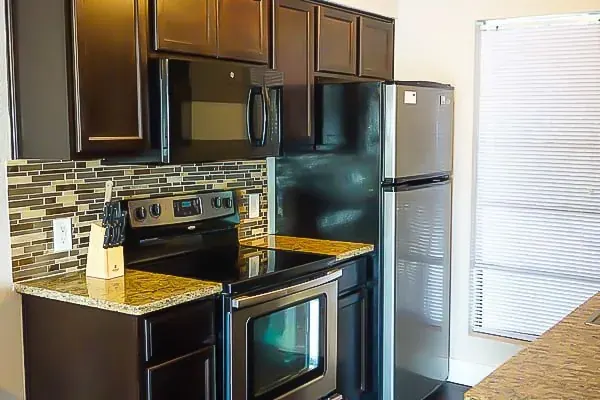
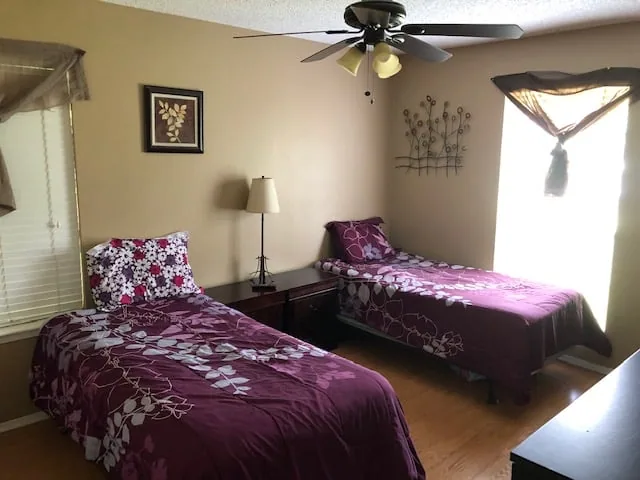
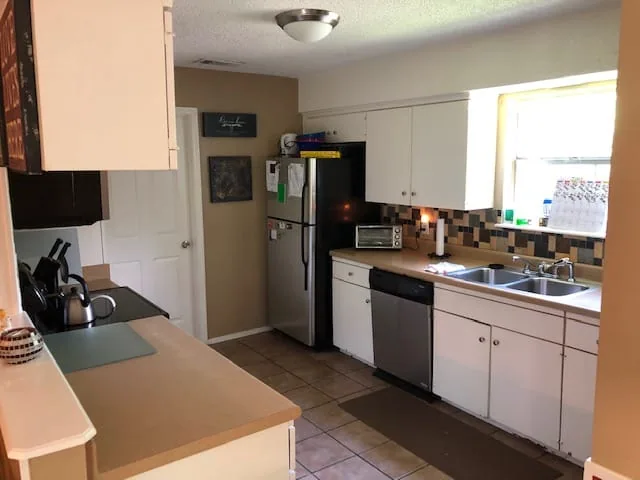
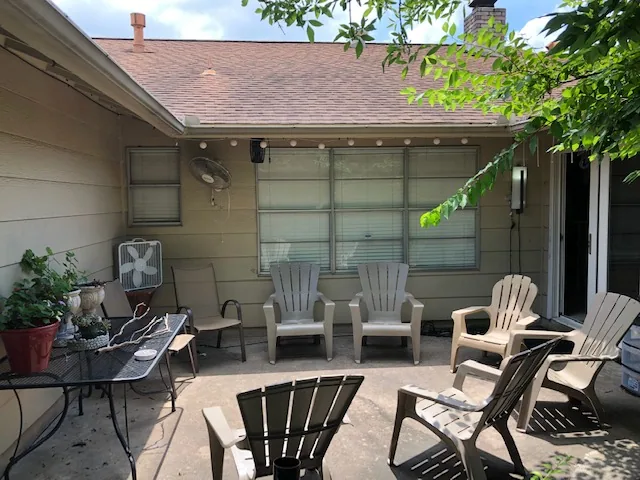
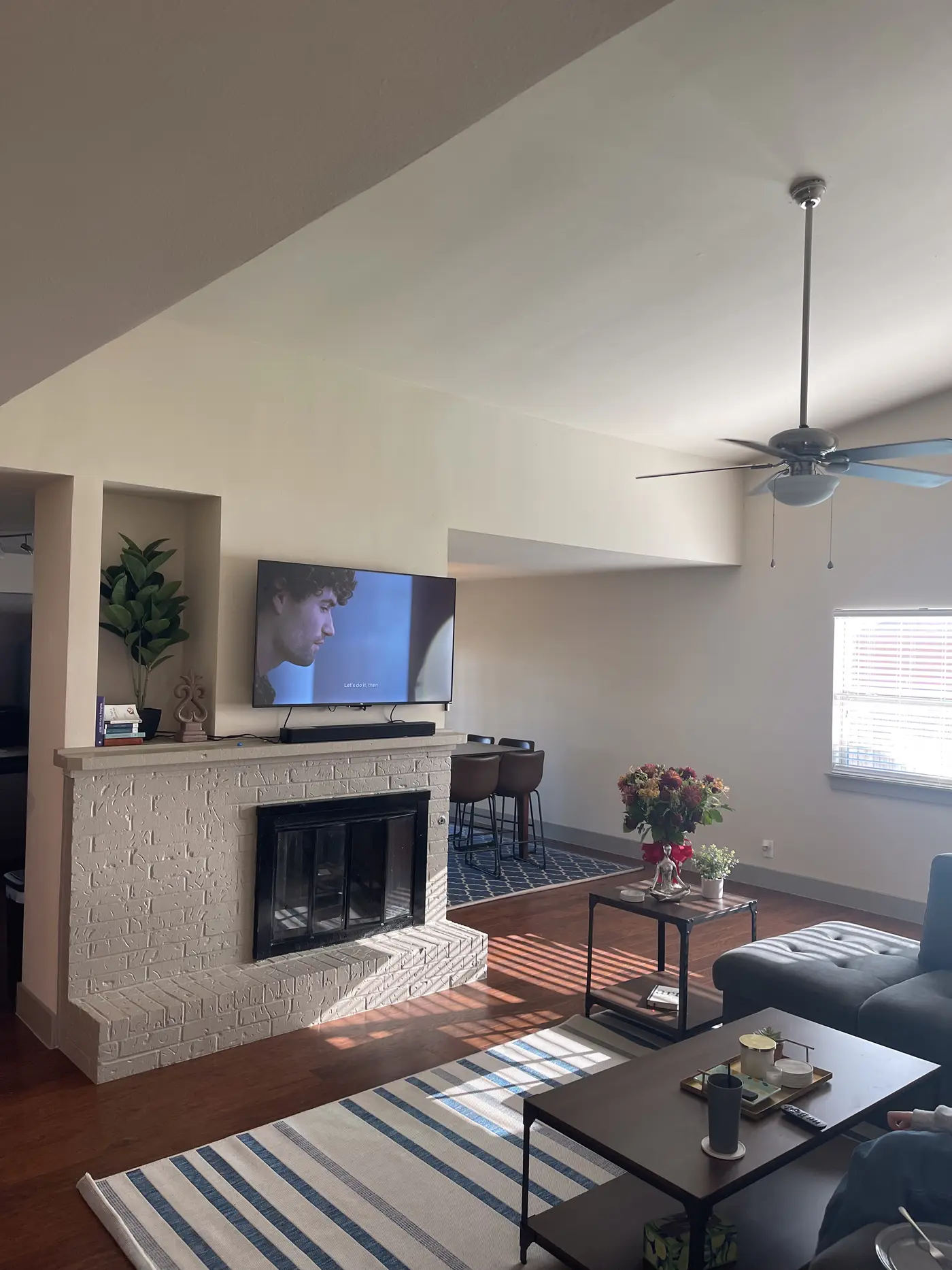
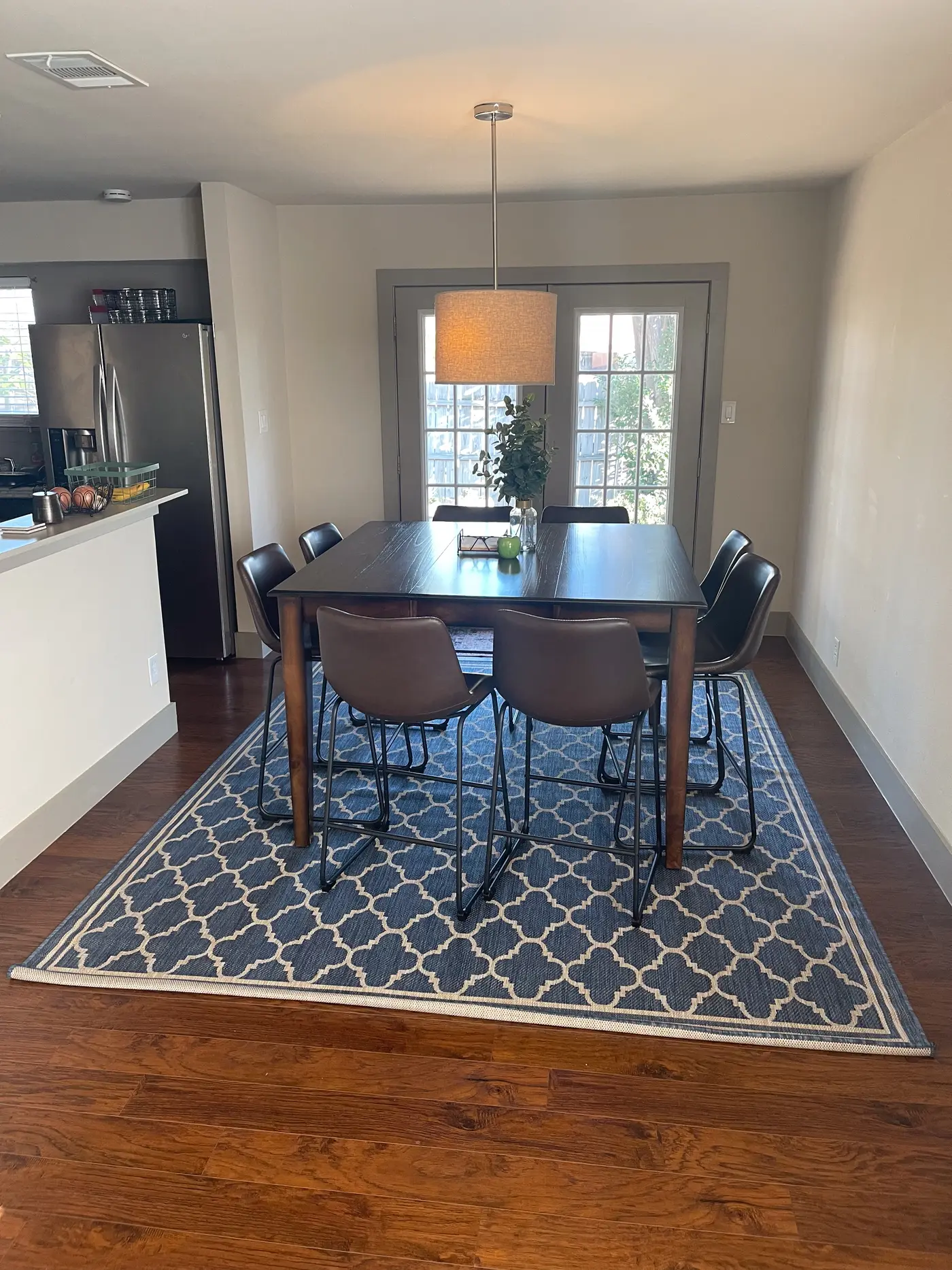
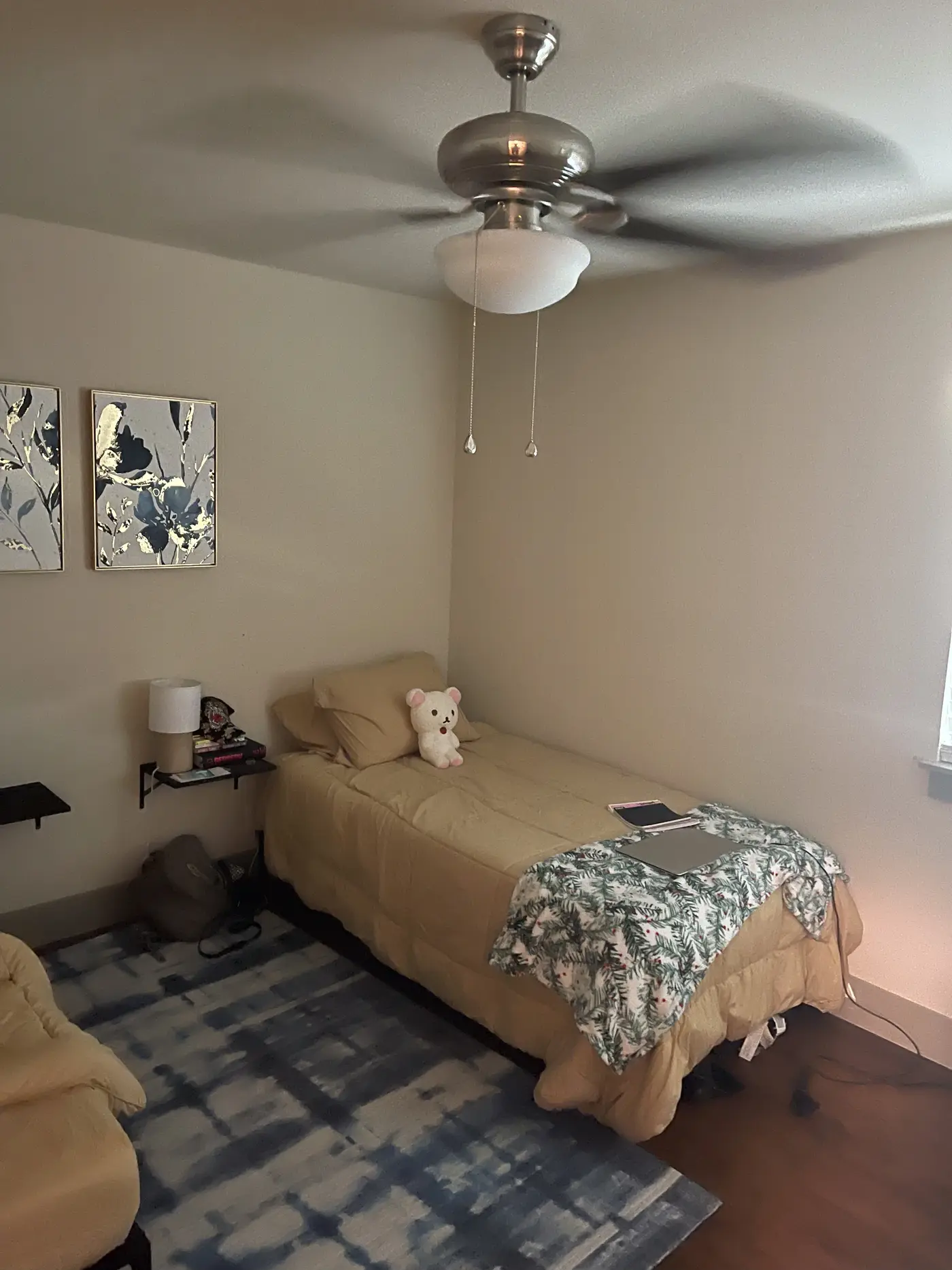
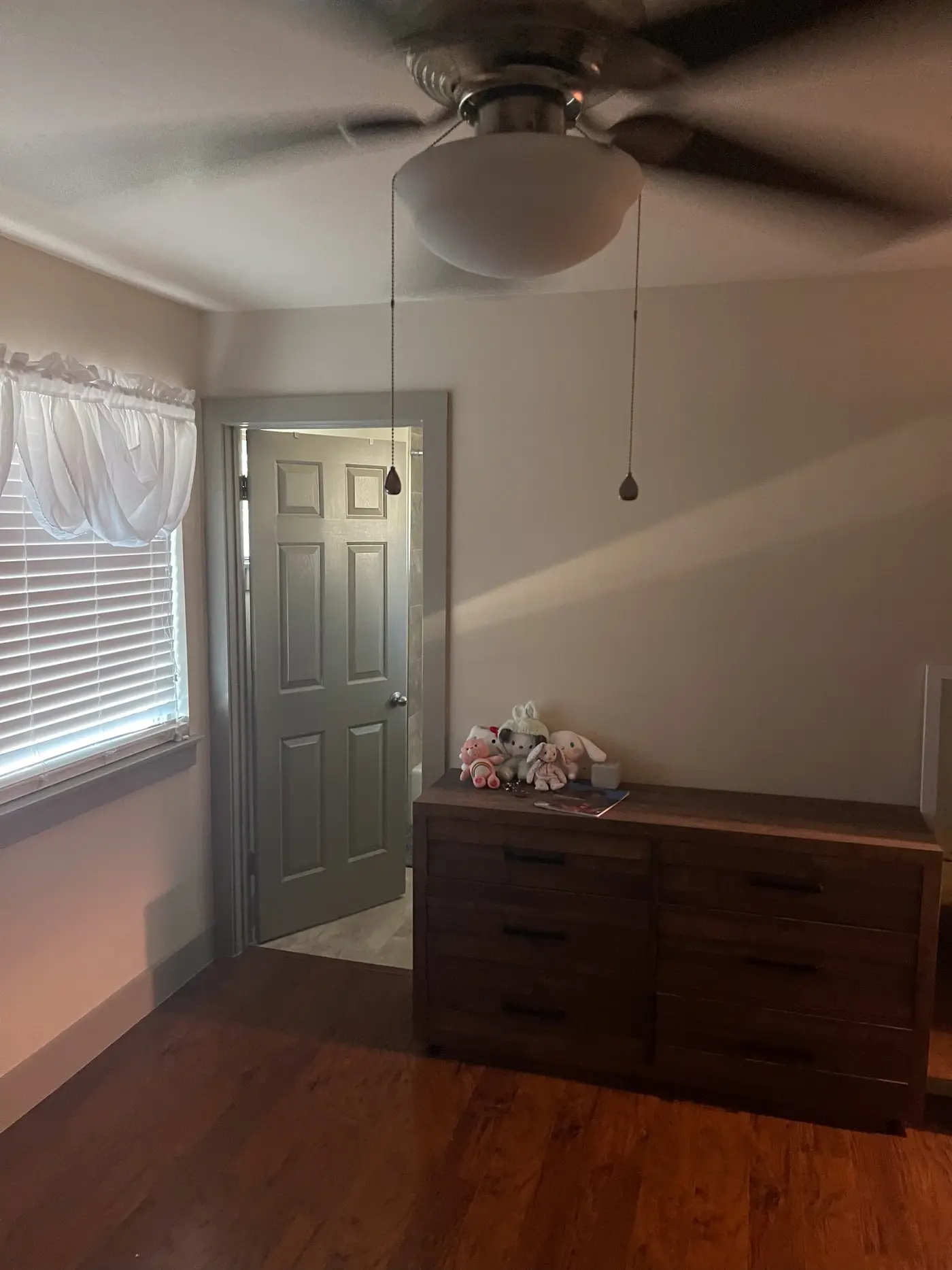
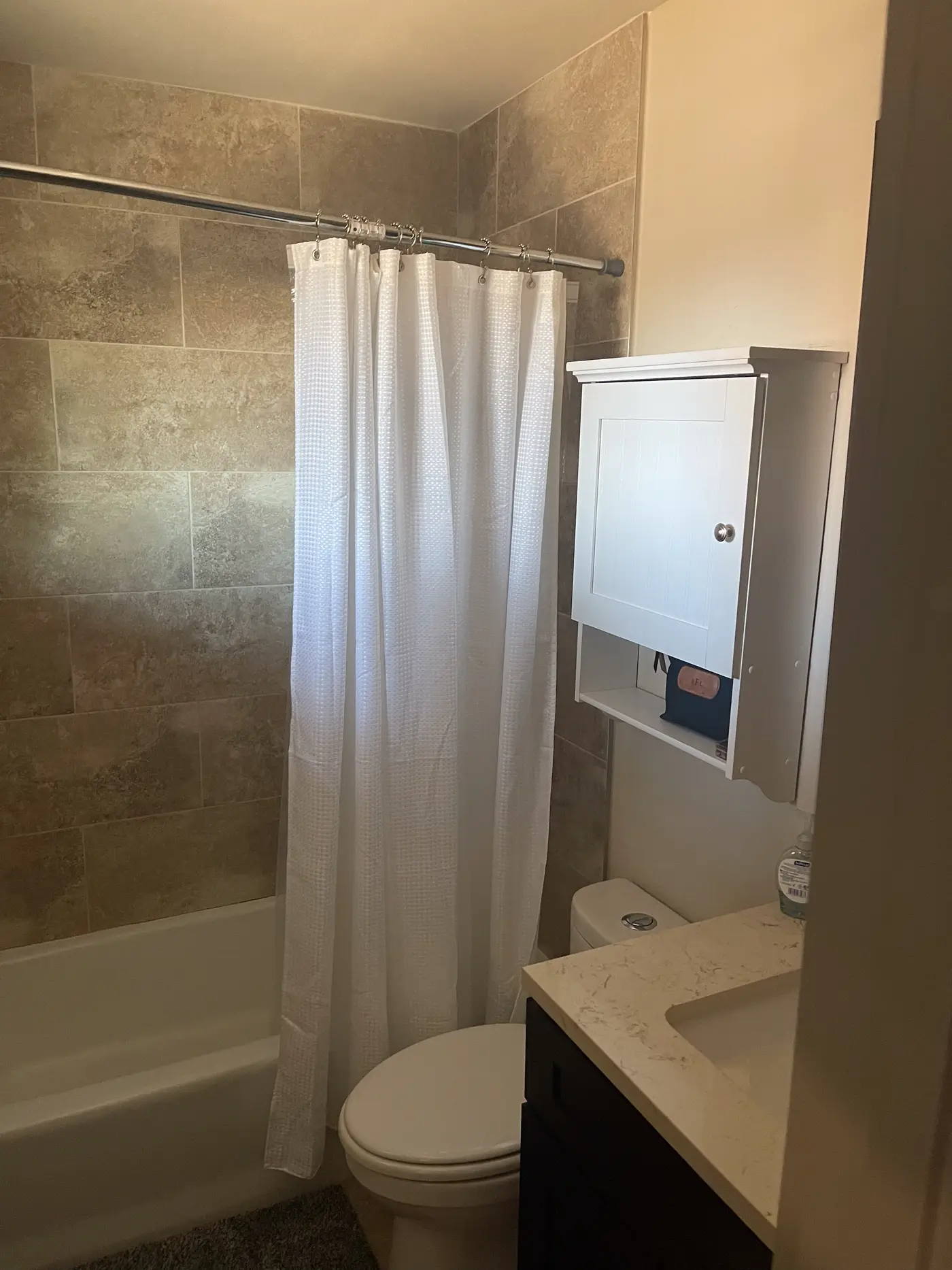
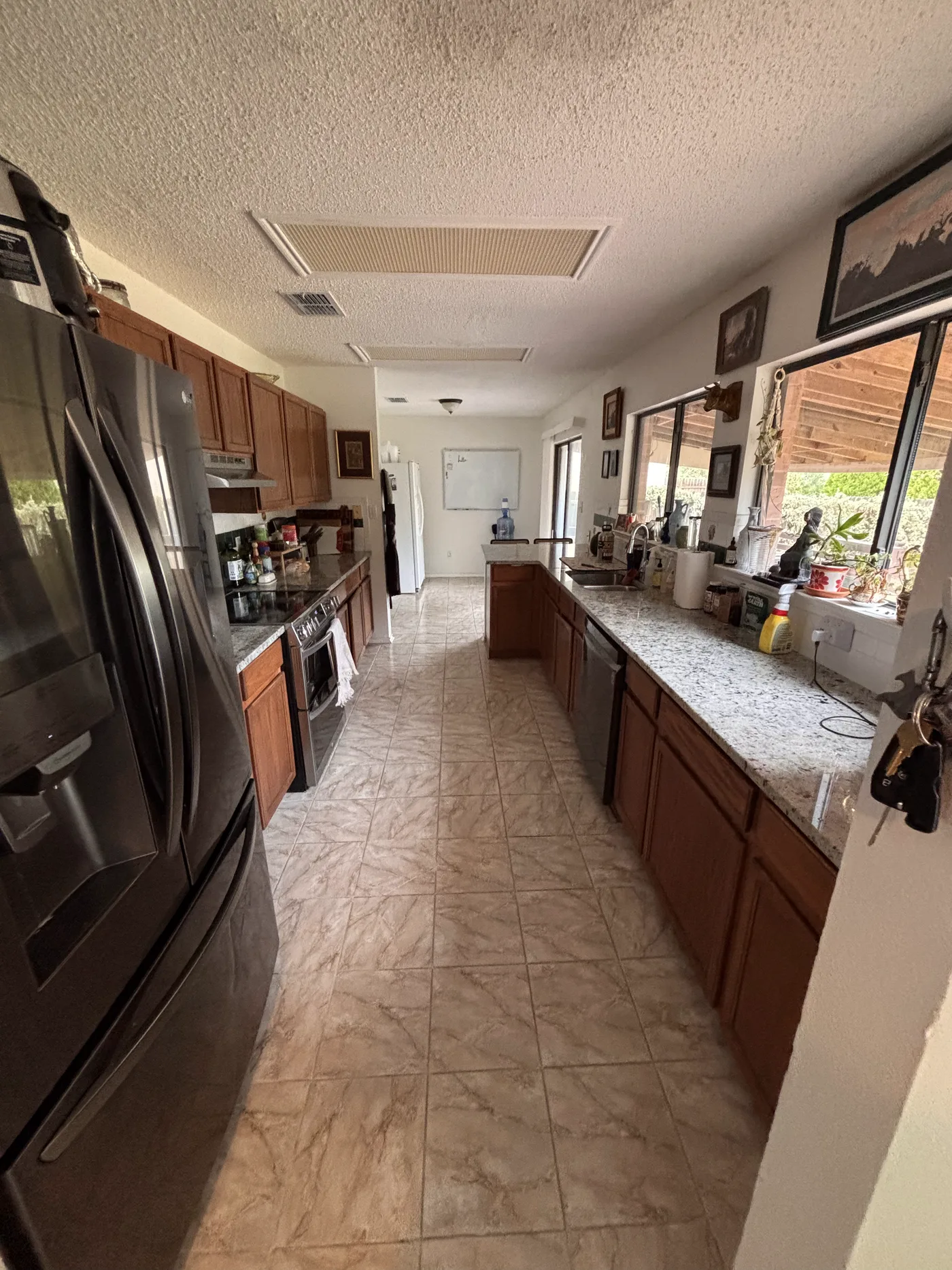
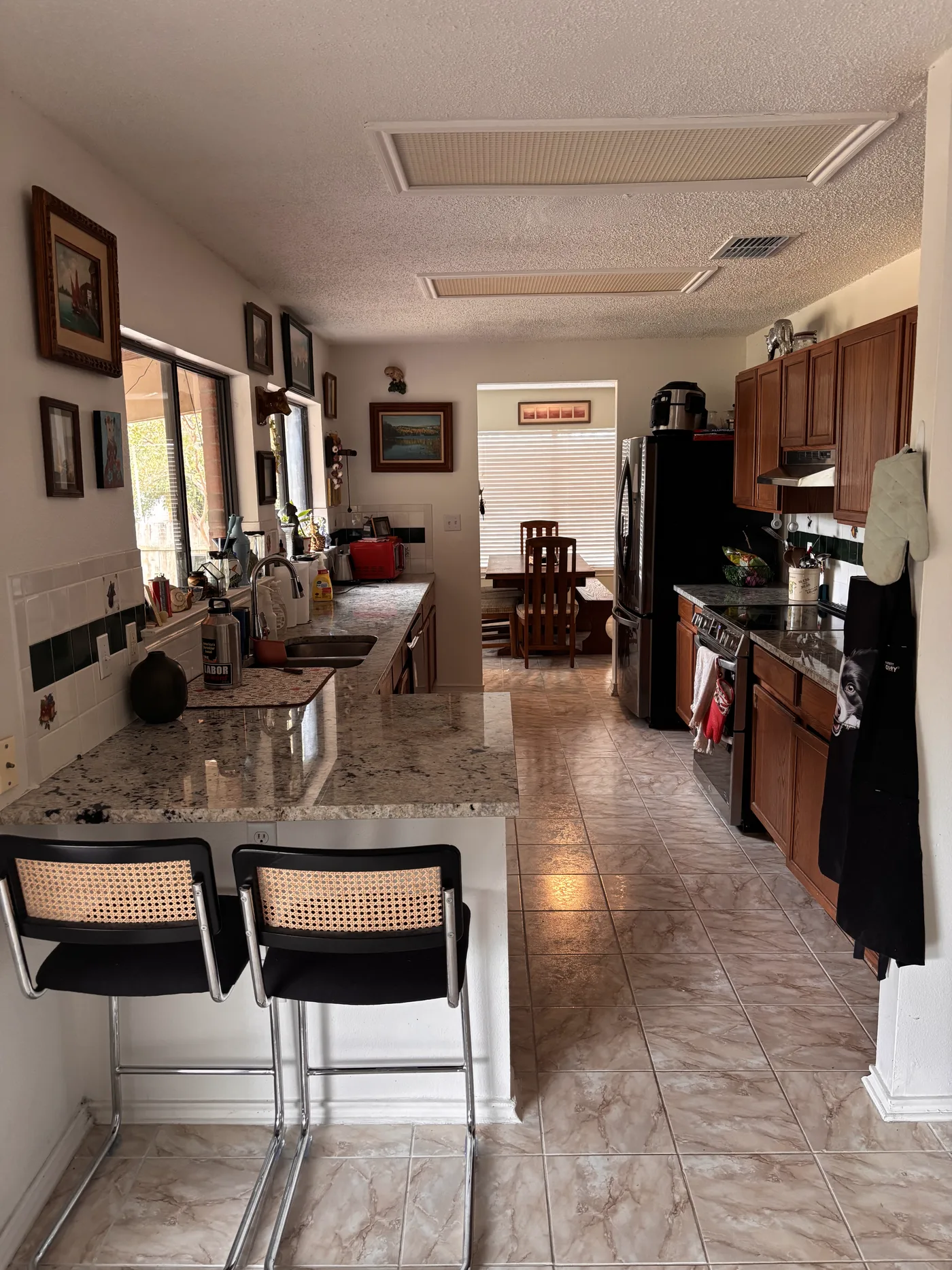
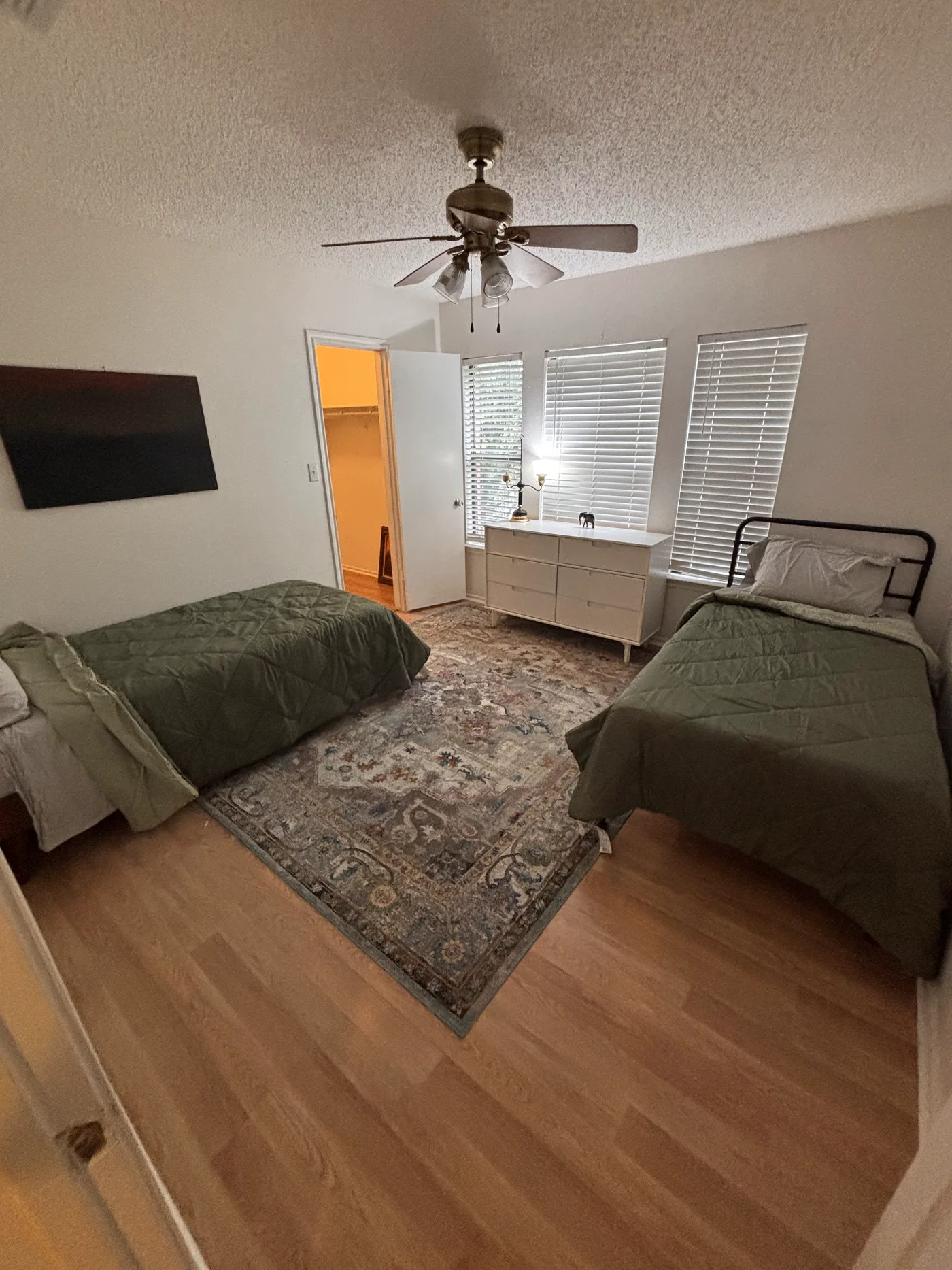
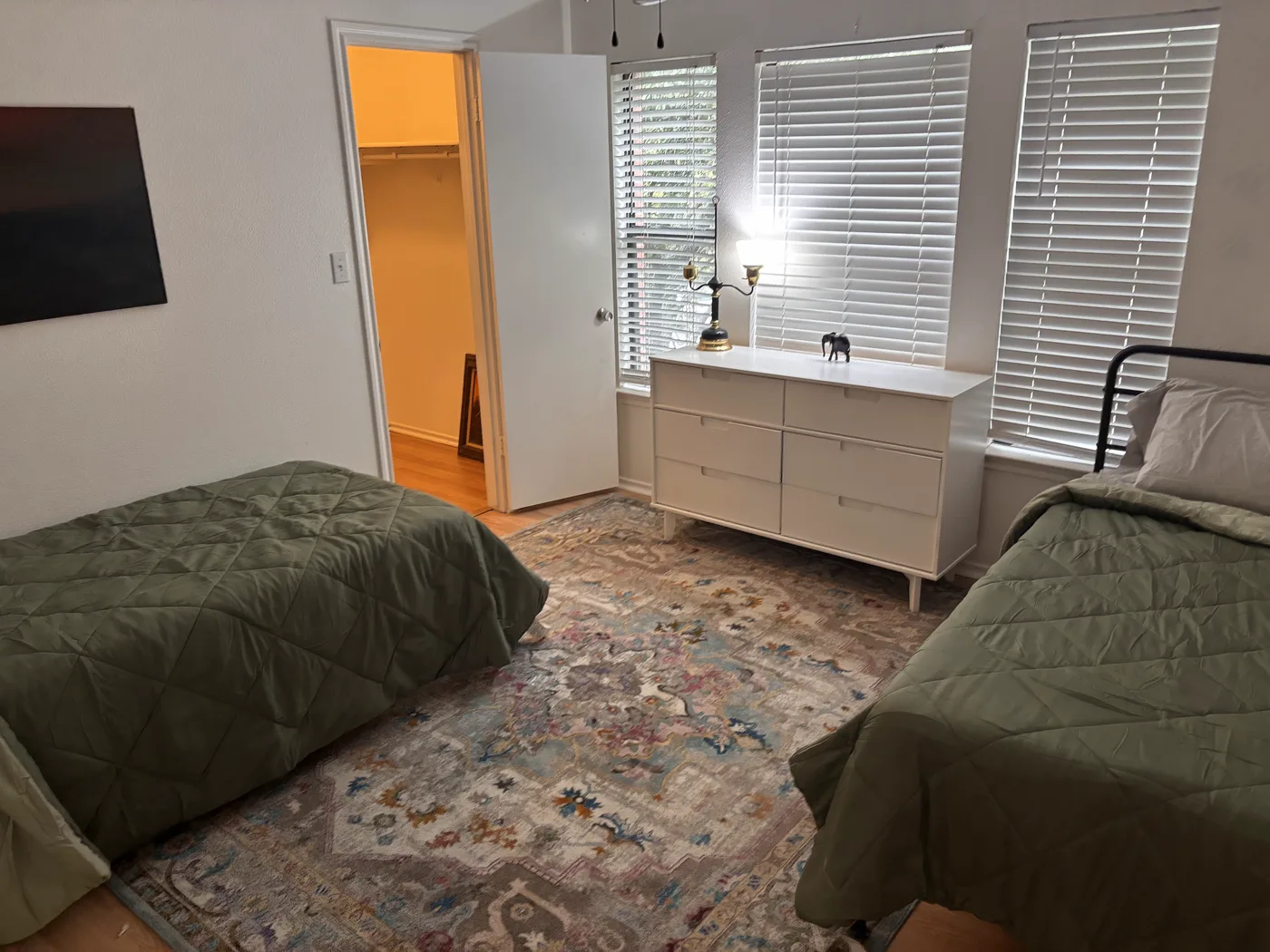
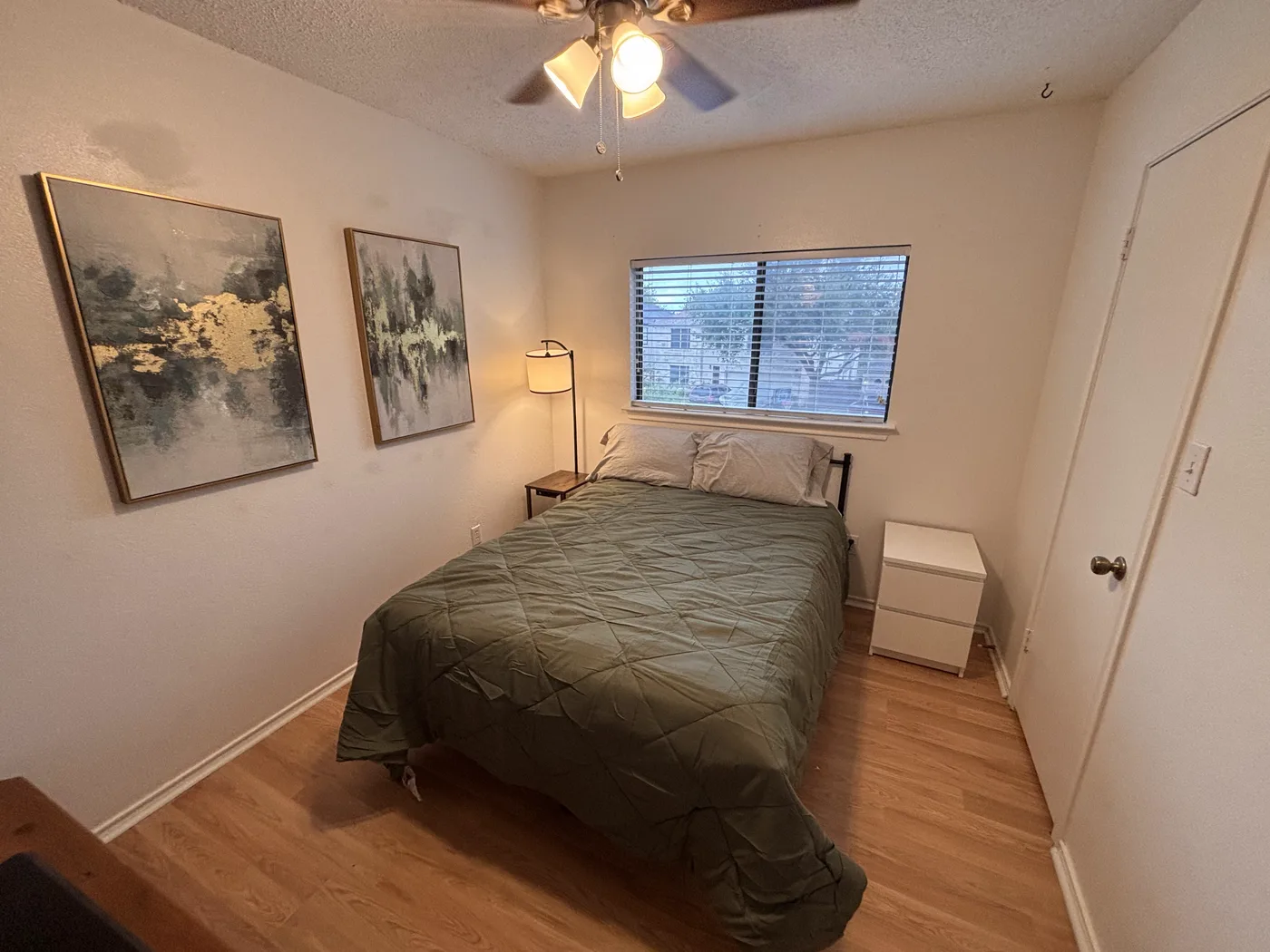
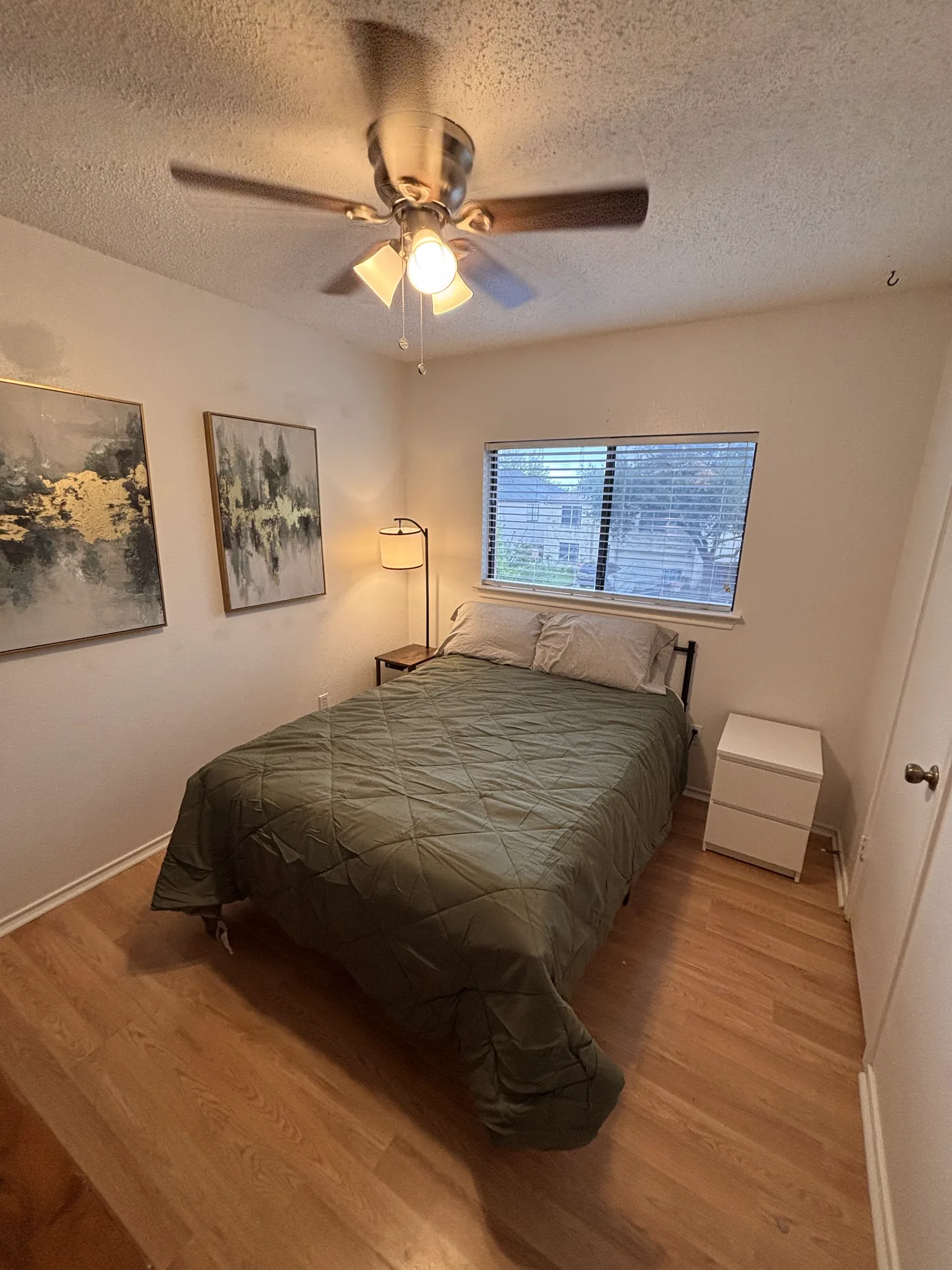
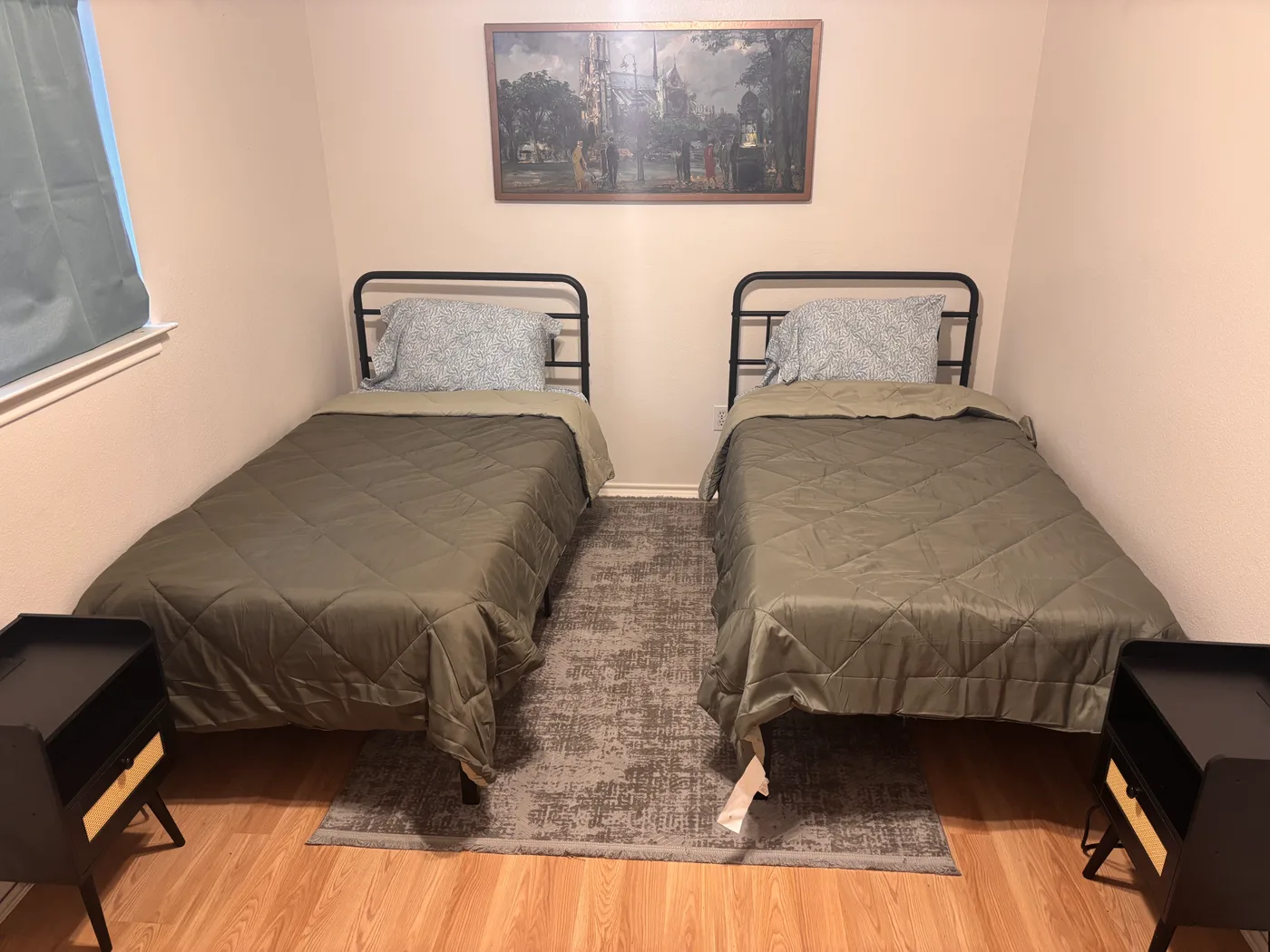
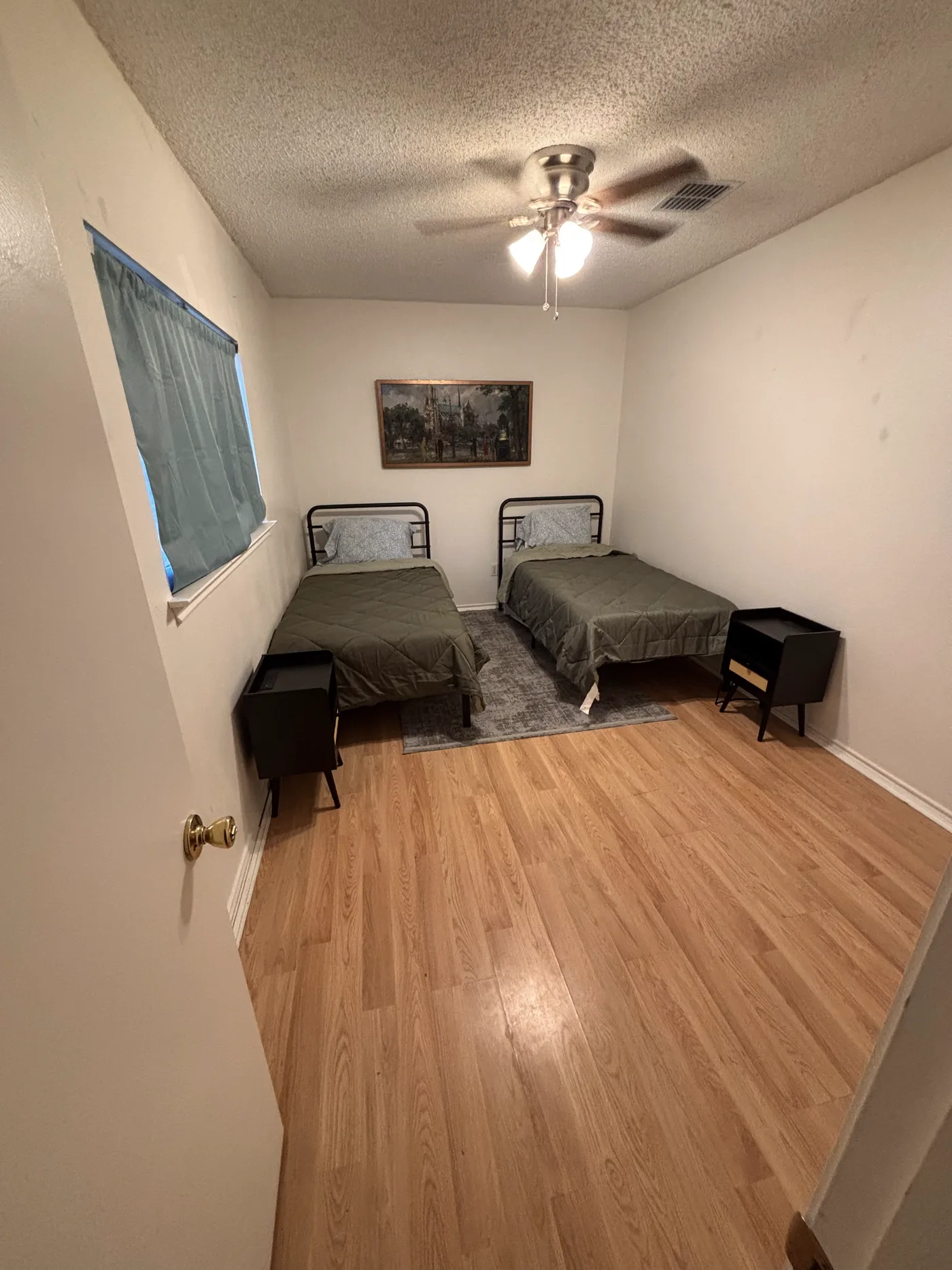
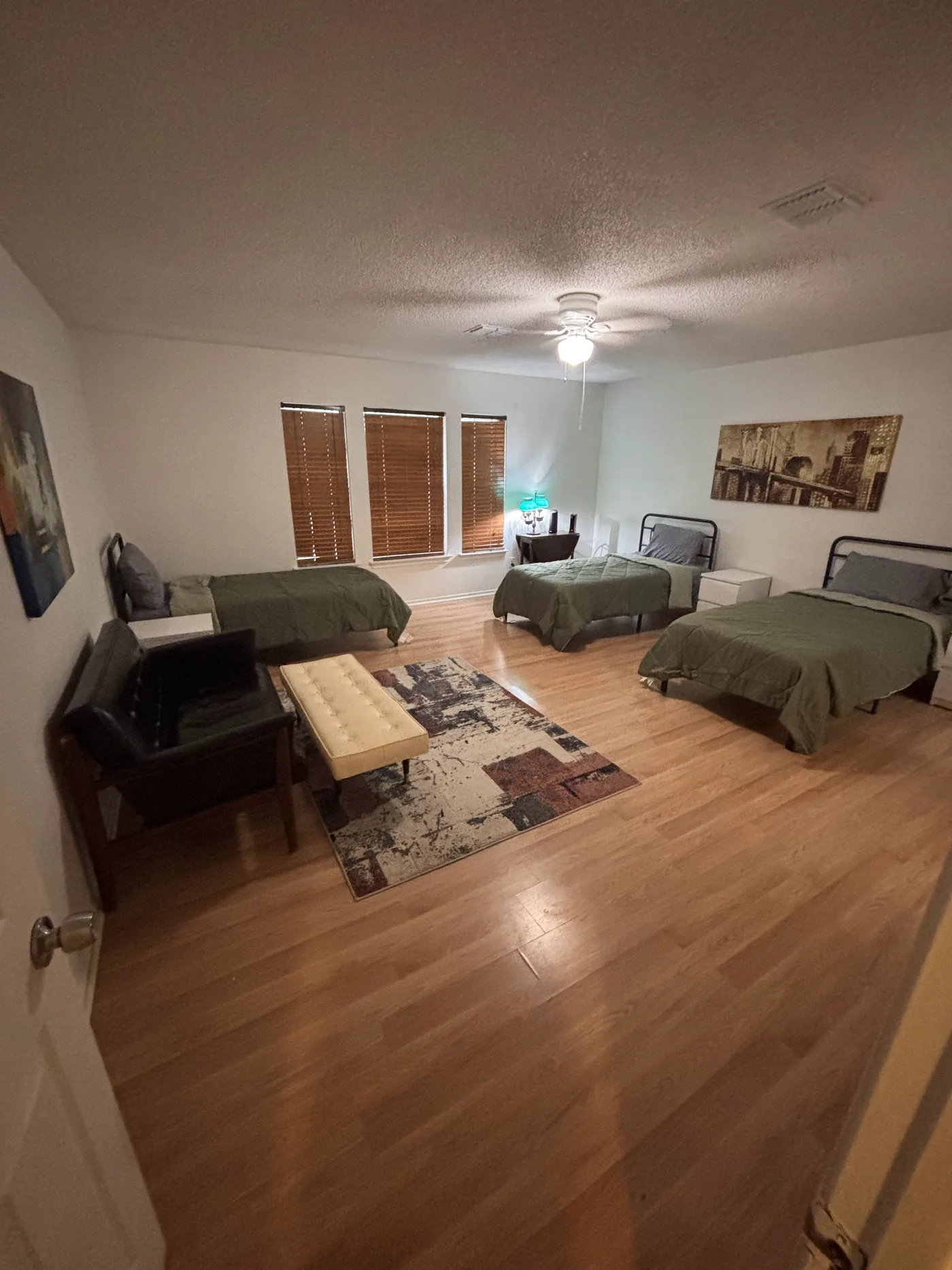
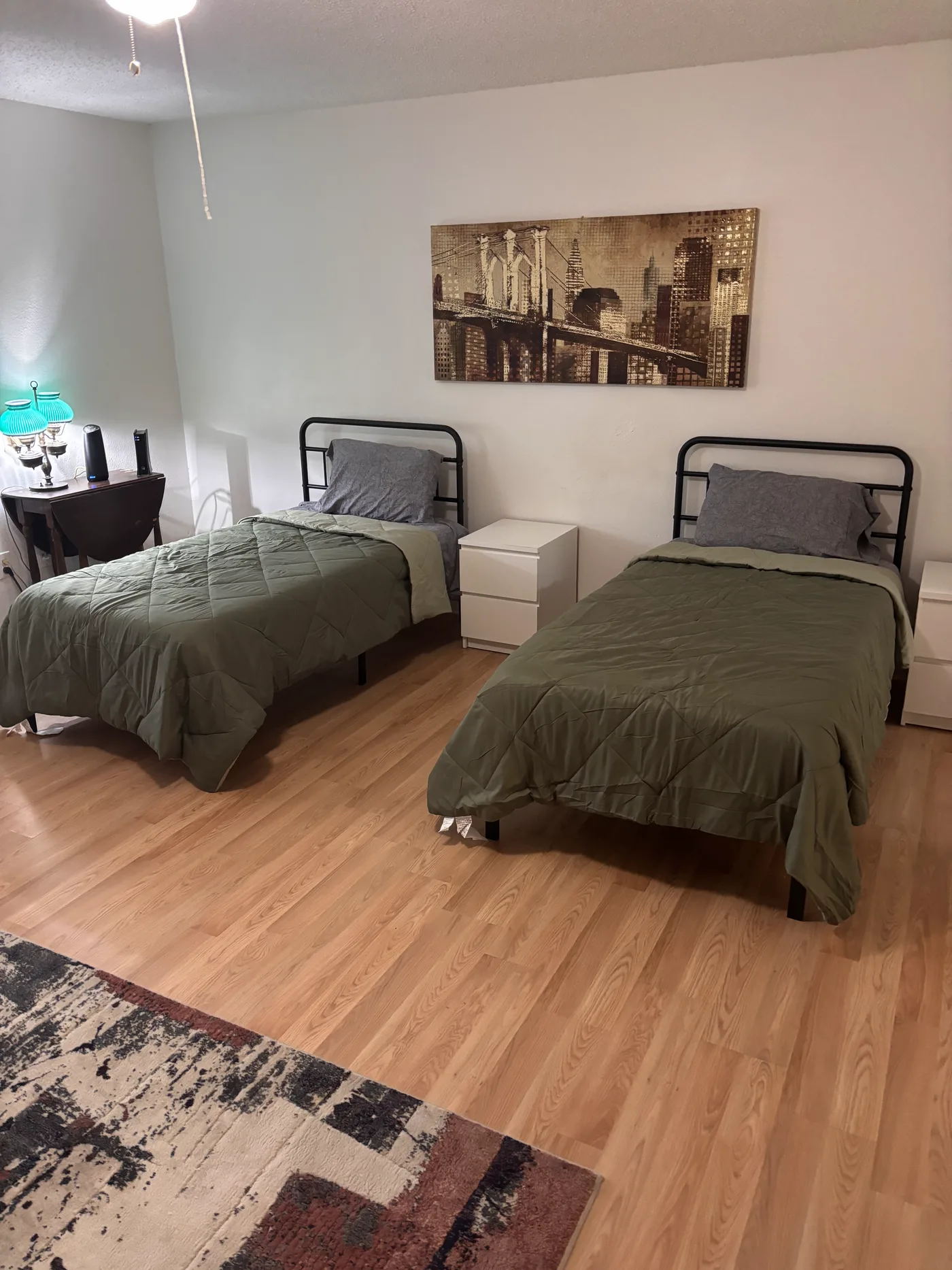
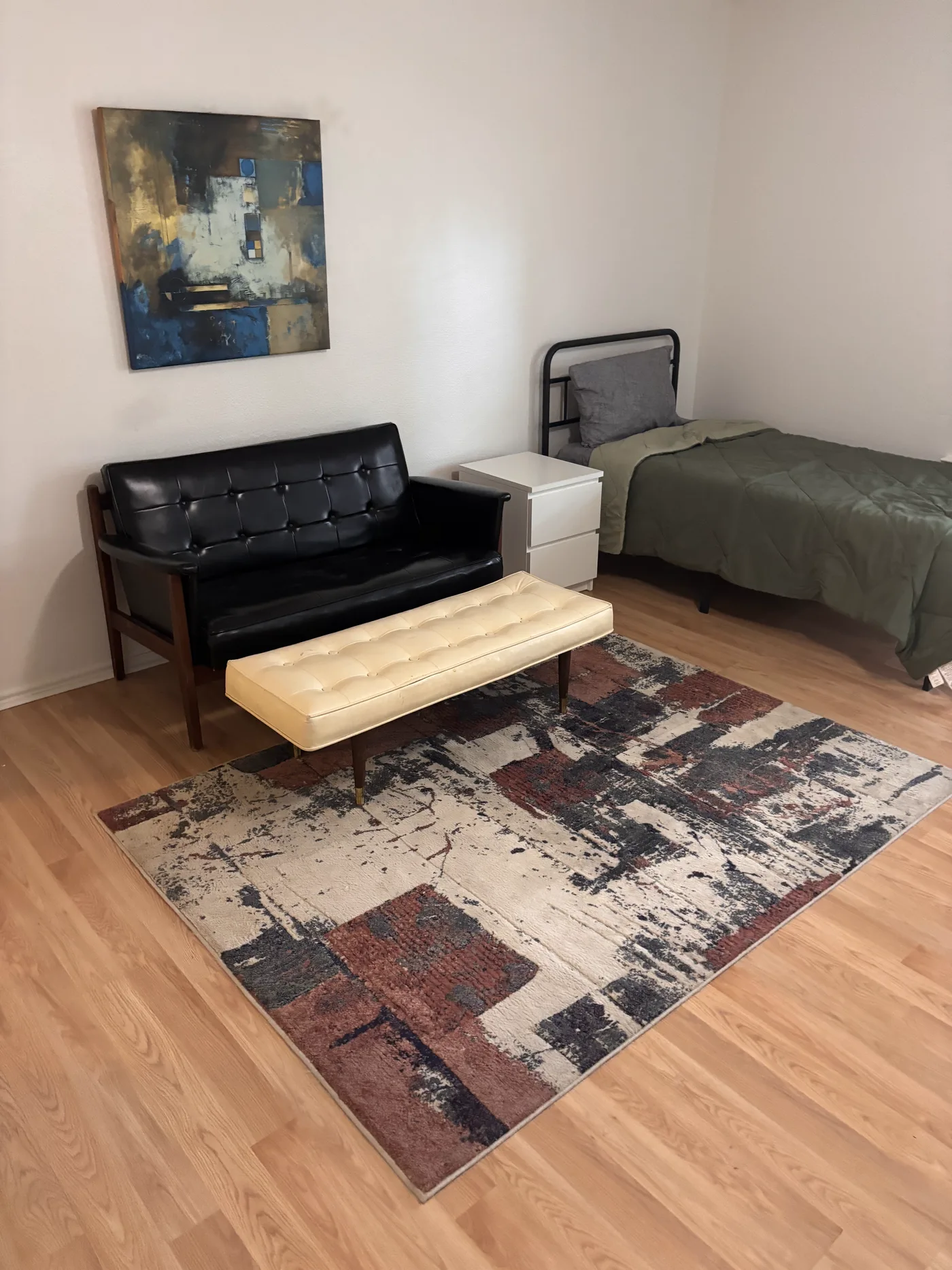
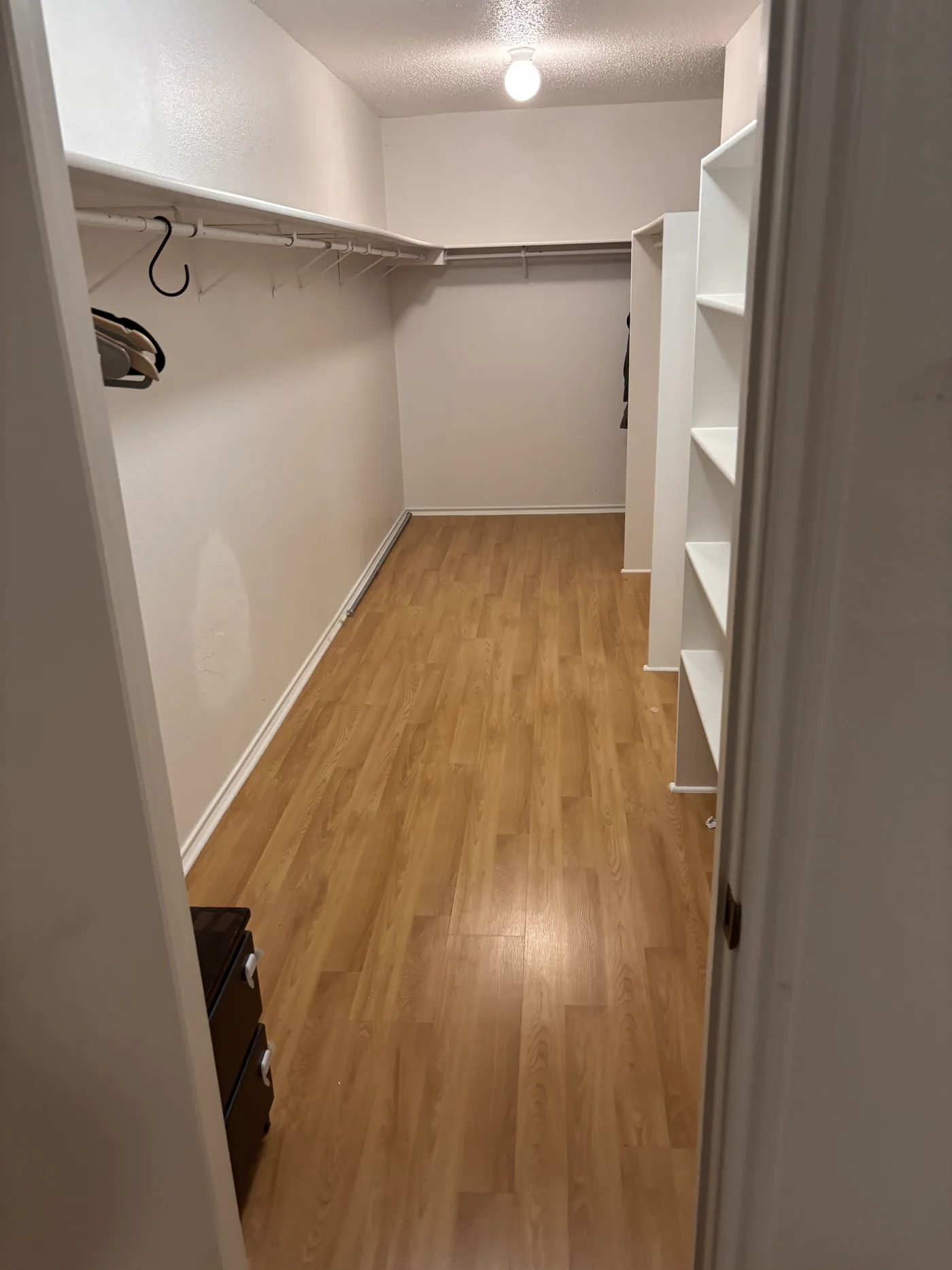
Check bedrooms, kitchens, and common areas, and ask about room types and whether private rooms exist. Note laundry access, storage, internet quality, and any extras like gyms or pools. These features matter because comfort and routine lower stress during early recovery.
Supports and local resources
Map meetings, job centers, schools, and any outpatient clinic you use, and if you do not drive, confirm transit or ride options. In your first month, build a schedule with meetings, chore time, job search blocks, and social plans. Consistency is a strong relapse‑prevention tool.
Types of options you will find in Austin
Sober living Austin Texas offers men‑only and women‑only homes, LGBTQ‑friendly apartments, and programs that are medication‑assisted‑treatment friendly; some operate several houses around town, while others focus on one location with a small number of beds. Listings often include price ranges, staffing models, and whether the program is faith‑based or secular. Many communities post photos and virtual tours so you can preview the living environment.
What to ask on tours
What are the total monthly costs and deposits?
How often are meetings, curfews, and drug tests?
What happens after a relapse or rule violation?
How are roommates matched?
Are there house managers on site at all times?
What is the policy on visitors, overnights, and phones?
How are grievances handled and who resolves them?
Are pets allowed?
How long do most residents stay and what helps them succeed?
Red flags to avoid
Vague fees, unclear rules, or irregular testing are warning signs. So are poor maintenance, high resident turnover, and pressure to sign before you tour. A good recovery home puts transparency first and answers questions in writing.
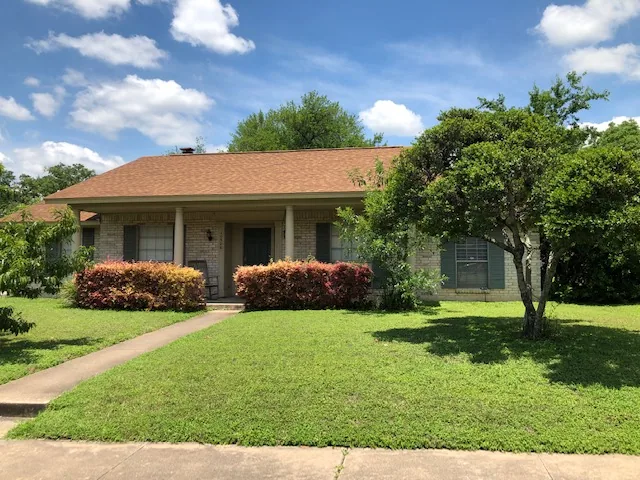
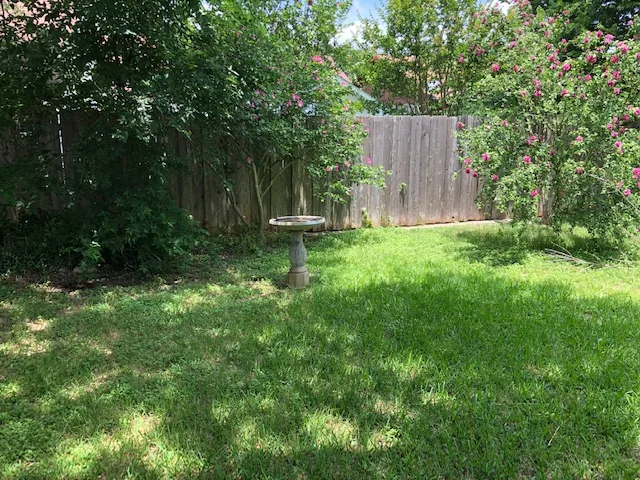
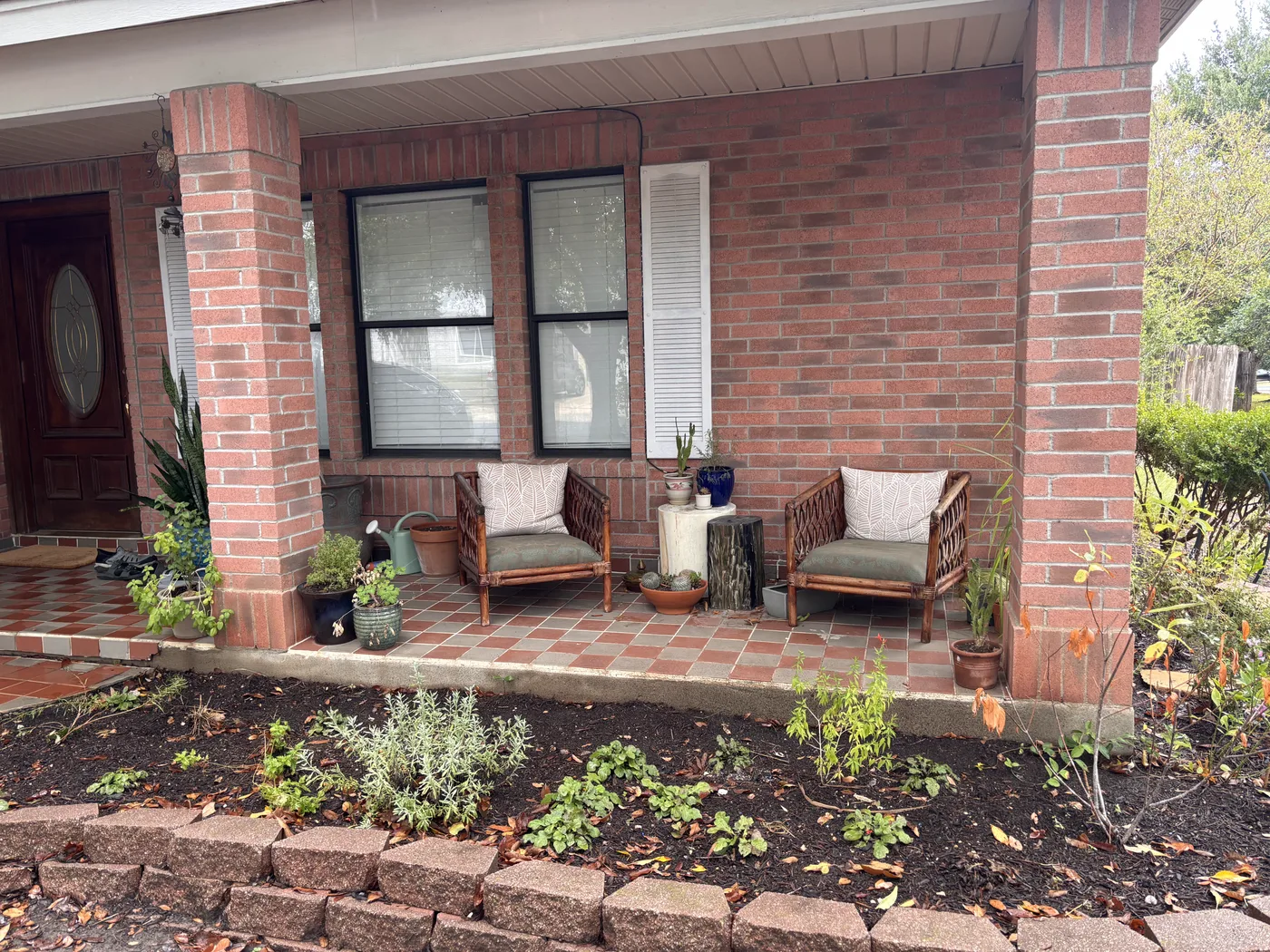
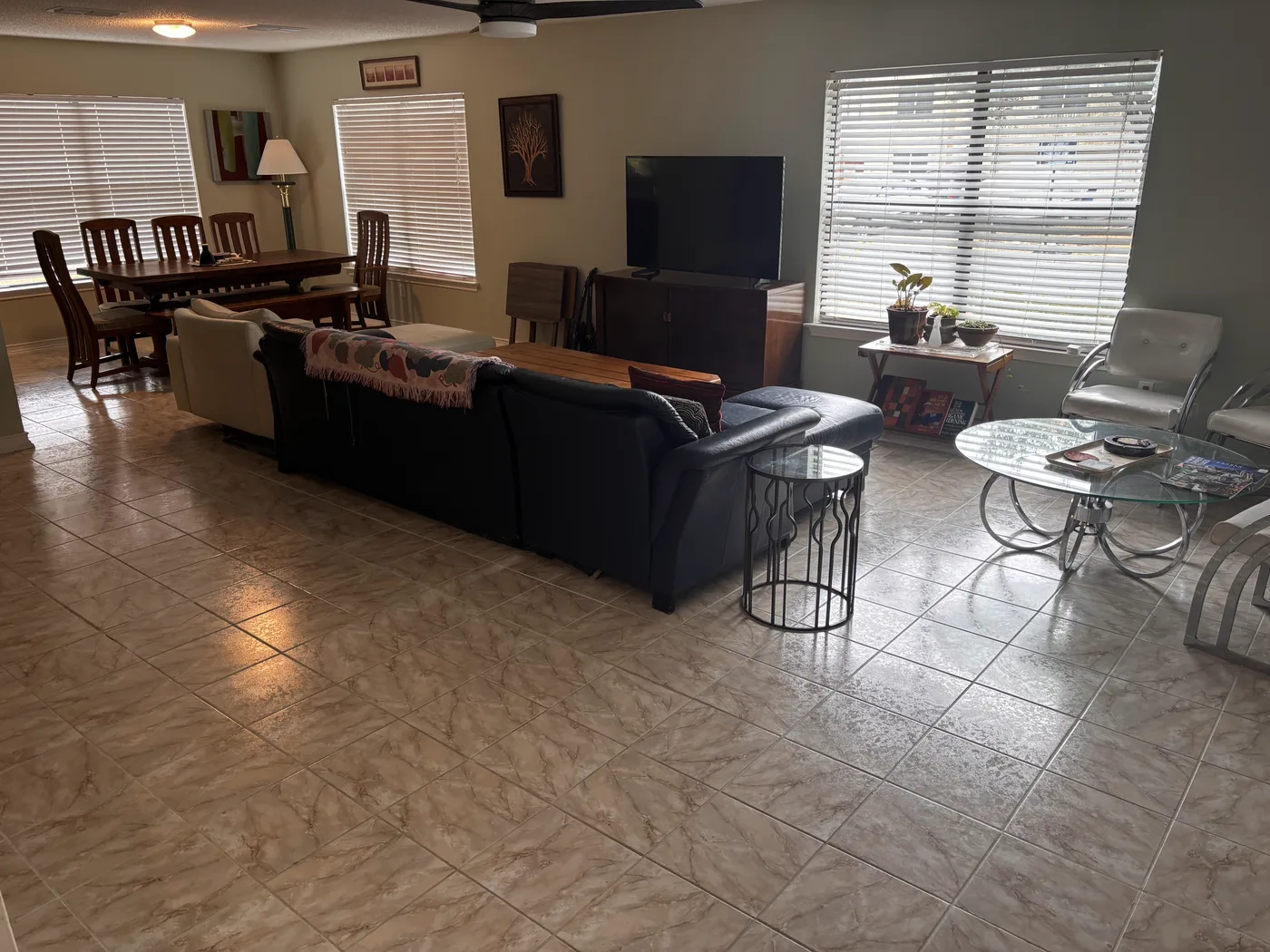
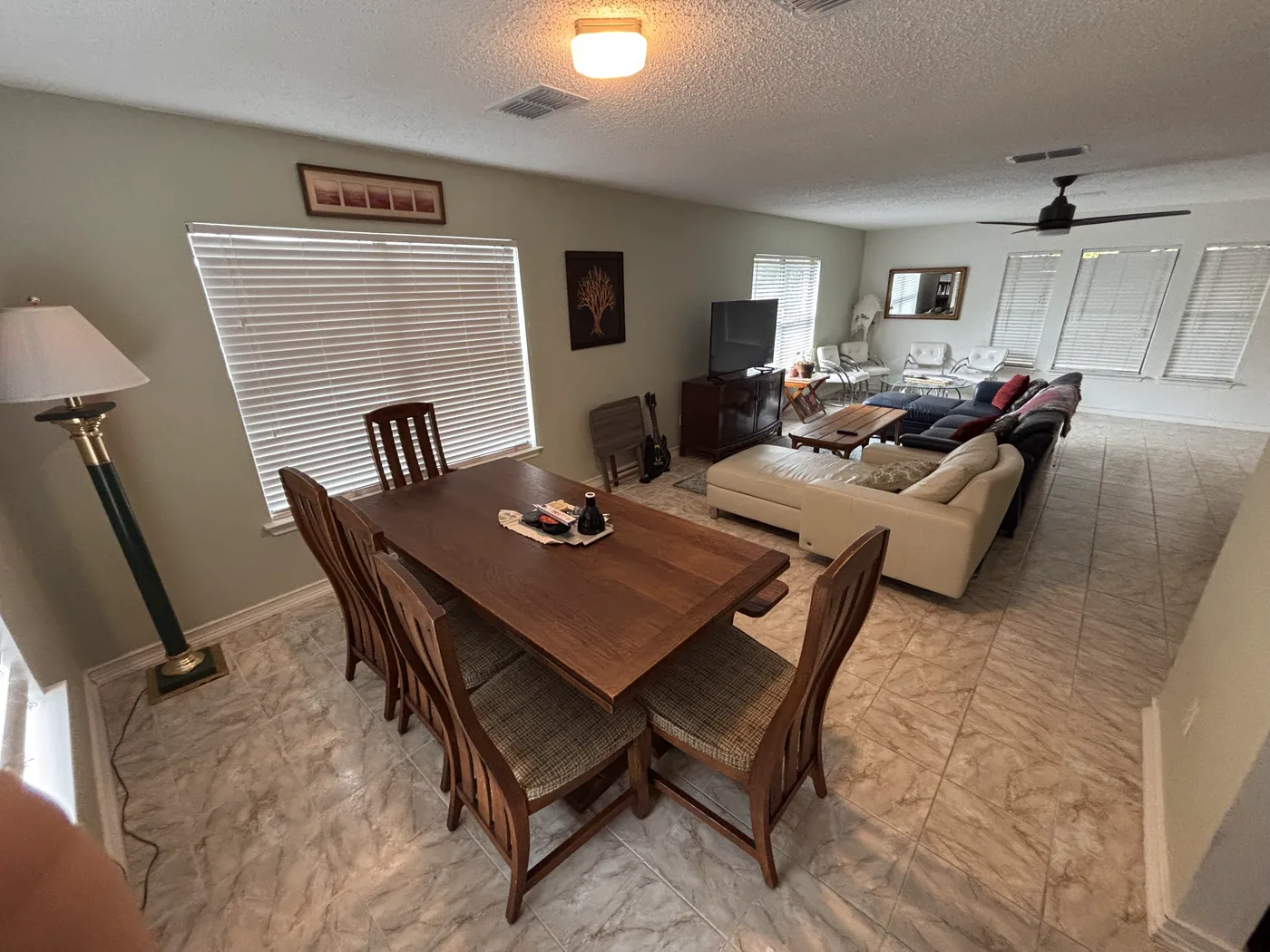
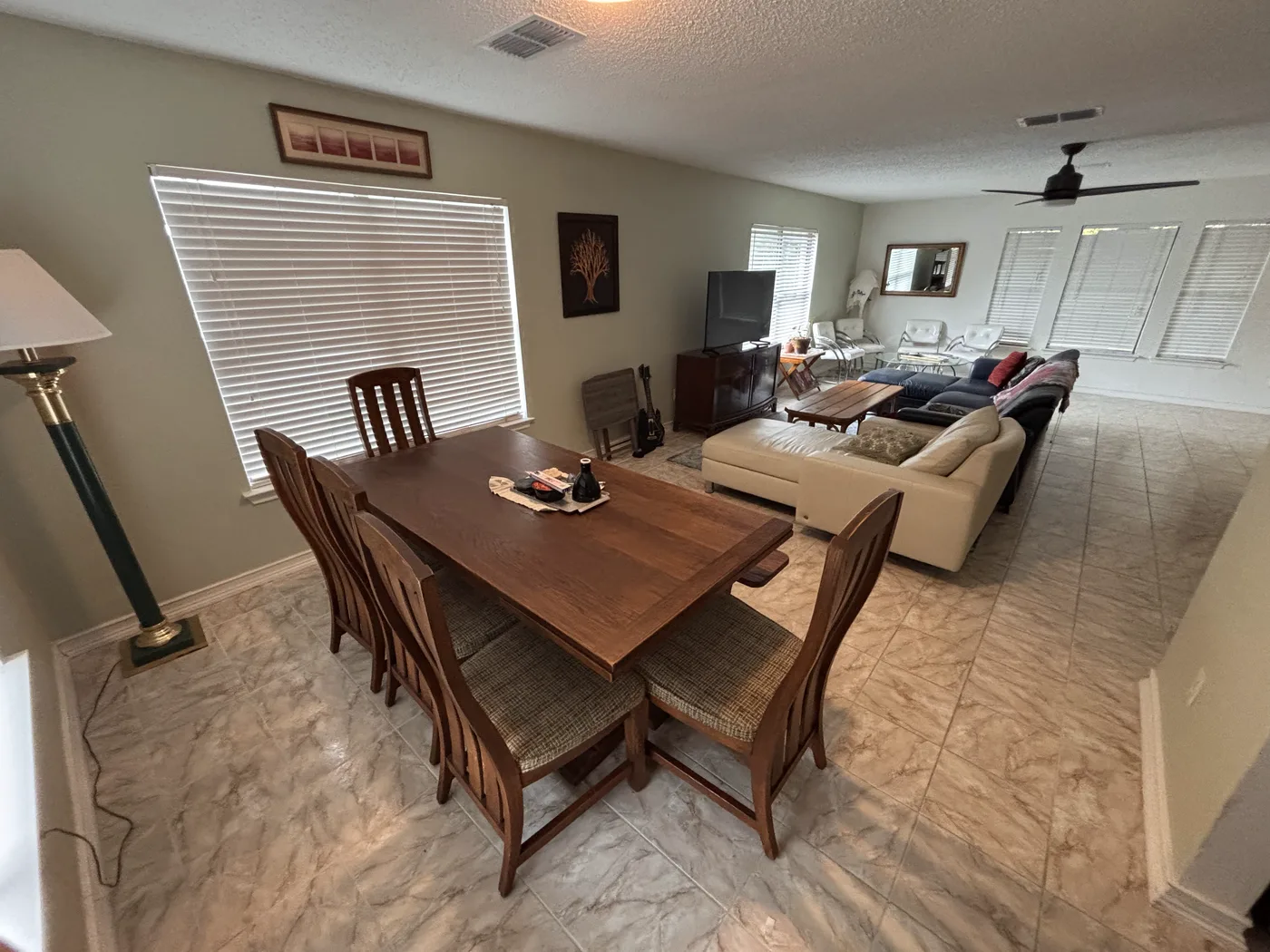
Inside the Austin homes


Steps to move in
Most programs ask for an application, a deposit, and proof that you can live substance‑free, and many require at least a short period of sobriety and a plan for work or school. Some request references from a counselor or a recent treatment program. Prepare a short personal plan before you apply: your goals for the first 30, 60, and 90 days; meeting times; work or school targets; and a relapse‑prevention plan you share with a sponsor or coach, so that staff can assess fit and support you from day one. Before you arrive, check what to bring to a recovery home so you’re fully prepared on day one.
What the first month looks like
Expect orientation, house meetings, chores, and check‑ins with a manager or coach, and build a weekly rhythm that includes meetings, job search or class time, exercise, and rest. Keep a simple budget and track spending. Early routines reduce stress and leave less time for triggers linked to substance abuse.
How long people stay
Length of stay depends on your progress and the program’s rules; many people stay several months, often three to twelve, and some remain longer when the structure and community support continued growth.
Local notes and resources
Austin has a mix of peer‑run houses, staffed sober living programs, and blended models, and you can find price‑transparent directories, local lists organized by neighborhood, and house tours. Consider calling multiple homes and visiting at least three before deciding. Compare the written rules and the feel of the community. Choose the one that aligns with your values and supports your next step in recovery, not the one that merely offers the lowest advertised cost.
How Nova Recovery Center Helps with Alcohol Addiction and Abuse
Nova Recovery Center can help with alcohol addiction and abuse by offering a full continuum of care, from medically monitored detox through residential treatment, intensive outpatient services, and sober living, so support is available at each stage of recovery. Their inpatient program provides a structured, longer‑stay setting that builds daily routines and relapse‑prevention skills in a calm environment near Austin. For people who must keep work or school on track, Nova’s intensive outpatient program in Austin delivers flexible, evidence‑based therapy and support groups. Gender‑specific treatment tracks and housing help reduce distractions and focus care on needs that often surface differently for men and women.
After detox, the team coordinates a smooth hand‑off into the next level of care to avoid gaps that can disrupt early sobriety. Across levels of care, patients engage in individual and group counseling, relapse‑prevention education, and family involvement to strengthen long‑term change. When it’s time to step down, linked sober‑living options and aftercare maintain accountability while residents rebuild independent routines in Austin. Together, these services create a practical path from crisis to stability for alcohol use disorder in Central Texas.
Eudaimonia's Success Stories – Real People, Real Freedom
Medical Disclaimer
The information on this page is intended for educational purposes only and should not replace professional medical advice, diagnosis, or treatment. Recovery from substance abuse and addiction should always be managed with guidance from qualified healthcare professionals. Do not begin, modify, or discontinue any medical treatment or recovery plan without first consulting your doctor or a licensed provider. If you experience severe withdrawal symptoms, medical complications, or thoughts of self-harm, call 911 immediately in the United States or seek emergency medical assistance. For free and confidential mental health support, you can contact the Suicide & Crisis Lifeline at 988, available 24 hours a day.
Frequently Asked Questions: Sober Living in Austin, TX
What is a sober living home?A sober living home (also called a recovery residence) is a substance‑free, peer‑supported place to live while you build stable routines in recovery. It is housing, not inpatient rehab, and typically emphasizes accountability, community, and life skills.
How is a sober living home different from a halfway house?Both provide substance‑free housing, but halfway houses are often tied to the justice system and may limit length of stay. Sober living homes are usually voluntary, have varying levels of support, and may not impose set time limits.
How much does sober living cost?Costs vary widely by city, room type, and amenities. Published ranges commonly span a few hundred to several thousand dollars per month.
Does insurance cover sober living?In general, rent for sober living is not covered by most health plans because housing itself isn’t considered medical treatment. Some plans may cover linked outpatient services while you live there.
How long can you stay in a sober living home?There’s often no fixed maximum; many residents stay several months. Studies of recovery housing report average stays of roughly 5–8 months with improved stability and employment outcomes.
What are the rules in a sober living home?Expect bans on alcohol and drugs, curfews, random testing, chores, house meetings, and respect for roommates and staff. Some homes require meeting attendance or proof of work/school.
Can you work or go to school while living in sober living?Yes. Many homes encourage employment, classes, or active job search alongside recovery routines and meetings.
Do sober living homes provide treatment or therapy?Sober living is housing, not clinical care, though programs often link residents to outpatient services, counseling, or mutual‑aid meetings nearby.
What is a “recovery home”?“Recovery home” is another term for recovery residence/sober living, guided in many places by the National Alliance for Recovery Residences (NARR) standards and levels of support.
How do I choose a sober living home in Austin, TX?Look for alignment with NARR standards, transparency on rules and fees, realistic accountability, and a location that fits your commute to work/school and meetings. Local directories and community resources can help you compare options.
Are sober living homes regulated or accredited?Regulation varies by state. As a quality signal, ask if the residence follows NARR’s national standard or participates in a state or regional certification network.
What local resources in Austin support sober living residents?Austin’s CapMetro High‑Frequency Network provides reliable bus service across the city, which helps residents reach jobs, school, meetings, and outpatient care without a car.
Your Future Is Waiting
Tell us what you are looking for and admissions will walk you through the houses, the phases, and what a room actually costs.


