
Published April 26, 2022 · Updated November 25, 2025
On This Page · 10 Sections
The journey of recovery is an incredibly personal one that will vary widely from person to person, and there’s no way to predict the amount of time you will need to stay at your sober living home. However, every sober living resident will eventually have to move out and on when they feel capable of living an independent life of sobriety.
If you have recently discussed your discharge from sober living with your treatment team, you may be thinking about your return home and wondering how you will continue your lifestyle of sobriety once you’re there. While a sober living home is a safe and sheltered environment after completing rehab treatment, the transition back home can be a difficult process for some people, especially if they do not have a strong support system in place. Whether you’re moving back home with family members or you’re relocating to an entirely new place for a fresh start, here are a few helpful tips to help you successfully move on after completing your sober living program.
1. Plan a Daily Routine
Routines and recovery often go hand-in-hand, and one of the most important things in recovery is structure, which means creating (and sticking to) a daily routine. The most successful routines involve scheduling activities throughout the day while paying extra attention to times when cravings and temptation might arise.
A solid routine also helps you stay focused once the pink cloud of early sobriety wears off and real‑life responsibilities feel heavier again.
Structured routines are a main aspect of residing in a sober living home, but once you are out on your own it will be up to you to maintain a routine that is not only beneficial to your sobriety, but also to your physical and mental health. A structured daily schedule goes a long way toward avoiding any temptations and bad influences that could potentially derail your recovery. Maintaining a sense of balance and structure in your life will empower you to stay sober in the long term while also living a purposeful life in recovery. Studies have found that people who establish daily routines tend to be less stressed, get better sleep, eat a healthier diet, are physically healthier, and use their time more effectively.[1]
Related post: Sleep Deprivation, Substance Abuse and Relapse
2. Continue to Strengthen and Grow Your Support Network
Surrounding yourself with a network of positive, well-intentioned people in your recovery journey is extremely beneficial in maintaining your sobriety. Moving on after sober living can be a lonely and scary time in your life, so it’s essential that you have support from your family members, sober peers, and friends. Having the support of these people in your life will decrease the chance that you will begin to withdraw and self-isolate in the early stages of your recovery. Planning sober social events such as parties, barbecues, game nights, and the like will keep you connected to your support network and make you feel like you are still an active, essential part of the community.
3. Set Goals to Mark Your Personal Progress
After you move out of your sober living home, taking the time to set realistic, obtainable goals is a great way to achieve personal success in your newly independent sober life. Setting goals will give you purpose, something to strive towards, and a reason to get up in the morning and do your best every day.
For example, if you’d like to focus on your fitness goals but can’t seem to find the motivation to get it done on your own, ask a sober friend or family member to join a gym with you and develop a workout plan together. Cooking healthy meals each week is another achievable goal that you can set your mind to, and you can invite friends to help in the process as well. Schedule a time together to go grocery shopping for ingredients, take a cooking course together, or throw a sober dinner party that everyone can enjoy.
4. Avoid Situations That may Lead to a Relapse
Returning to everyday life after residing in a sober living home for some time is not without its challenges, particularly in early sobriety when it comes to social events where alcohol or drugs may be present or expected. Once the reality sinks in that and you are out on your own and are accountable for your own decisions, you may find yourself feeling susceptible to certain triggers or situations that make you want to drink or use again. Avoiding events that could trigger a relapse may seem difficult at the beginning of your sobriety journey, but you will find that as time goes on and you begin to adjust to your new sober lifestyle you will feel more confident in your ability to remain sober. Avoiding situations that might jeopardize your sobriety will become as simple as saying, ‘no.’
5. Find Recovery Support Meetings That Work With Your New Schedule
Attending recovery support meetings while you are enrolled in a sober living program is a part of the required routine, and there is always a sober friend to go with you for support. However, after you leave your sober living home it may become a more difficult process. You may have to attend some meetings alone, and you’ll have to work around other responsibilities and commitments at home. To prepare for these changes, you may want to locate meetings that are nearby and that will mesh with your work schedule and any other responsibilities you may have at home. Attending meetings regularly is important in maintaining your sobriety, and making it a priority to attend one or several meetings every week will help keep you on track.
Related post: Top Reasons to Join a Recovery Support Group After Rehab
At Eudaimonia Recovery Homes, we know the struggle of trying to maintain sobriety and can provide essential recovery support services and sober homes to help you achieve lifelong recovery. Call us today at (713) 818-2361 or contact us online for more information.
The journey of recovery is an incredibly personal one that will vary widely from person to person, and there’s no way to predict the amount of time you will need to stay at your sober living home. However, every sober living resident will eventually have to move out and on when they feel capable of living an independent life of sobriety.
If you have recently discussed your discharge from sober living with your treatment team, you may be thinking about your return home and wondering how you will continue your lifestyle of sobriety once you’re there. While a sober living home is a safe and sheltered environment after completing rehab treatment, the transition back home can be a difficult process for some people, especially if they do not have a strong support system in place. Whether you’re moving back home with family members or you’re relocating to an entirely new place for a fresh start, here are a few helpful tips to help you successfully move on after completing your sober living program.
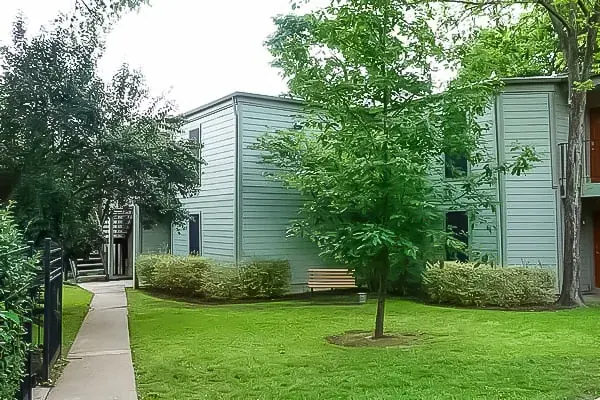
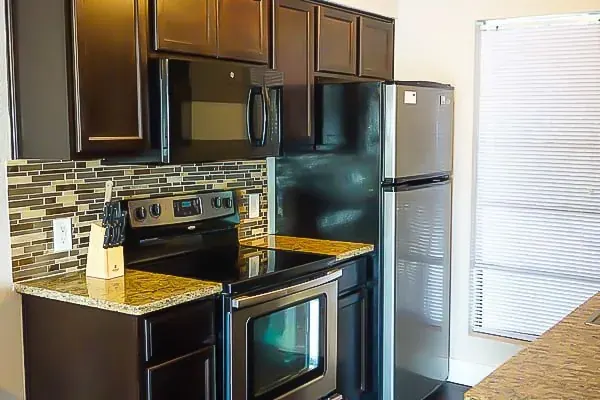
Inside Rustic Creek, our Austin flagship






1. Plan a Daily Routine
Routines and recovery often go hand-in-hand, and one of the most important things in recovery is structure, which means creating (and sticking to) a daily routine. The most successful routines involve scheduling activities throughout the day while paying extra attention to times when cravings and temptation might arise.
A solid routine also helps you stay focused once the pink cloud of early sobriety wears off and real‑life responsibilities feel heavier again.
Structured routines are a main aspect of residing in a sober living home, but once you are out on your own it will be up to you to maintain a routine that is not only beneficial to your sobriety, but also to your physical and mental health. A structured daily schedule goes a long way toward avoiding any temptations and bad influences that could potentially derail your recovery. Maintaining a sense of balance and structure in your life will empower you to stay sober in the long term while also living a purposeful life in recovery. Studies have found that people who establish daily routines tend to be less stressed, get better sleep, eat a healthier diet, are physically healthier, and use their time more effectively.[1]
Related post: Sleep Deprivation, Substance Abuse and Relapse
2. Continue to Strengthen and Grow Your Support Network
Surrounding yourself with a network of positive, well-intentioned people in your recovery journey is extremely beneficial in maintaining your sobriety. Moving on after sober living can be a lonely and scary time in your life, so it’s essential that you have support from your family members, sober peers, and friends. Having the support of these people in your life will decrease the chance that you will begin to withdraw and self-isolate in the early stages of your recovery. Planning sober social events such as parties, barbecues, game nights, and the like will keep you connected to your support network and make you feel like you are still an active, essential part of the community.
3. Set Goals to Mark Your Personal Progress
After you move out of your sober living home, taking the time to set realistic, obtainable goals is a great way to achieve personal success in your newly independent sober life. Setting goals will give you purpose, something to strive towards, and a reason to get up in the morning and do your best every day.
For example, if you’d like to focus on your fitness goals but can’t seem to find the motivation to get it done on your own, ask a sober friend or family member to join a gym with you and develop a workout plan together. Cooking healthy meals each week is another achievable goal that you can set your mind to, and you can invite friends to help in the process as well. Schedule a time together to go grocery shopping for ingredients, take a cooking course together, or throw a sober dinner party that everyone can enjoy.
4. Avoid Situations That may Lead to a Relapse
Returning to everyday life after residing in a sober living home for some time is not without its challenges, particularly in early sobriety when it comes to social events where alcohol or drugs may be present or expected. Once the reality sinks in that and you are out on your own and are accountable for your own decisions, you may find yourself feeling susceptible to certain triggers or situations that make you want to drink or use again. Avoiding events that could trigger a relapse may seem difficult at the beginning of your sobriety journey, but you will find that as time goes on and you begin to adjust to your new sober lifestyle you will feel more confident in your ability to remain sober. Avoiding situations that might jeopardize your sobriety will become as simple as saying, ‘no.’
5. Find Recovery Support Meetings That Work With Your New Schedule
Attending recovery support meetings while you are enrolled in a sober living program is a part of the required routine, and there is always a sober friend to go with you for support. However, after you leave your sober living home it may become a more difficult process. You may have to attend some meetings alone, and you’ll have to work around other responsibilities and commitments at home. To prepare for these changes, you may want to locate meetings that are nearby and that will mesh with your work schedule and any other responsibilities you may have at home. Attending meetings regularly is important in maintaining your sobriety, and making it a priority to attend one or several meetings every week will help keep you on track.
Related post: Top Reasons to Join a Recovery Support Group After Rehab
At Eudaimonia Recovery Homes, we know the struggle of trying to maintain sobriety and can provide essential recovery support services and sober homes to help you achieve lifelong recovery. Call us today at (713) 818-2361 or contact us online for more information.