

Published February 22, 2026 · Updated February 16, 2026
Key Takeaways
- Quick answerLiving sober is real, and sober living housing can make it easier.
- How commonNational data shows many adults do not drink each year.
- Why people choose sober lifeMotivations range from recovery and health to values and performance.
- Daily sober routinesStructure, planning, and coping tools help cravings ease over time.
- Finding sober peopleCommunity exists through peer support, care, hobbies, and service.
- Support optionsSober living, halfway houses, and IOP each add different levels of structure.
- Getting startedA simple plan helps you begin safely and stay connected.
On This Page · 24 Sections
People ask this quietly: is there people who live sober, especially when social life seems built around drinking. The answer is yes: millions of adults choose an alcohol- and drug-free life for health, recovery, faith, or personal goals.
A sober life can look different for each person, but it usually includes support, structure, and routines that make sobriety feel normal.
Quick answer: yes, people do live sober
Living sober means you do not use alcohol or other mind-altering drugs. Some people stay sober for medical reasons, some for athletic or career goals, and many for long-term recovery from a substance use disorder.
It also helps to separate two related ideas that often get mixed together:
- Living sober is a personal lifestyle choice and a daily practice.
- Sober living is a type of recovery housing where residents support one another while rebuilding independence.
In other words, sober living makes it easier to live sober because the environment matches your goal. A step-down approach can help you build independence over time, like the structure explained in Eudaimonia’s Three Phase Program.
How common is a sober life in the United States?
Sobriety can feel rare when alcohol is visible everywhere, but the numbers tell a different story. National survey data summarized by the National Institute on Alcohol Abuse and Alcoholism (NIAAA) shows that about two-thirds of U.S. adults reported drinking in the past year. That also means roughly one-third did not drink in the past year.
That “did not drink” group includes many different people. It includes lifelong non-drinkers. It includes people who stopped because alcohol was harming them. It also includes people taking long breaks for health, pregnancy, training, or mental clarity.
Another reason sober life can feel invisible is that many sober people do not announce it. They order a non-alcoholic drink and keep the focus on the conversation. If you are looking for sober people, you may already be around them.
Why people choose to live sober
People choose sobriety for more reasons than addiction alone. In most cases, the choice is driven by one clear goal: protecting the life you want to build.
- Recovery: staying substance-free to support long-term healing and reduce relapse risk.
- Mental health: avoiding mood swings, sleep disruption, or anxiety that can worsen with alcohol or drugs.
- Physical health: protecting energy, focus, and long-term wellness.
- Medication safety: reducing risky interactions with prescriptions.
- Parenting and relationships: showing up with more patience, reliability, and trust.
- Faith and personal values: aligning daily habits with what matters most.
- Performance goals: supporting work, school, sports, or creative projects.
Many people also choose sobriety after a costly moment, like a scare, a close call, or repeated regret. Others decide to quit simply because they want a clearer mind.
A sober life also needs meaning. One practical way to build purpose is service, helping other people and reconnecting with community. If that fits your values, this guide on how volunteering supports sobriety explains why it can strengthen long-term change.
Eudaimonia's Success Stories – Real People, Real Freedom
What living sober looks like day to day
Long-term sobriety is not just about “not drinking.” It is about learning new ways to handle stress, boredom, conflict, and celebration without a substance. As skills improve, cravings usually become less frequent and easier to manage.
What sober routines often include
Most sober people do not have a perfect schedule, but they usually have a few anchors. These anchors reduce chaos and lower the odds of impulse choices.
- Sleep and wake time: a consistent rhythm that supports mood and focus.
- Food and hydration: steady blood sugar helps reduce irritability and cravings.
- Movement: walking, lifting, yoga, or sports to lower stress and boost energy.
- Recovery time: meetings, therapy, journaling, or a daily check-in.
- Next-day planning: a quick look ahead so you are not surprised by triggers.
Simple tools many people use in the moment
Triggers are not always obvious. Sometimes they are places. Sometimes they are feelings, like loneliness, anger, or success. A sober life becomes easier when you plan for triggers the same way you plan for bad weather.
- Delay: wait 10 minutes before making any choice.
- Change location: leave the room, take a short walk, or go somewhere public.
- Connect: text or call a safe person and say, “I’m having a moment.”
- Refuel: drink water and eat something, especially if you are tired or hungry.
- Do one small task: a shower, dishes, or a short workout can reset the body.
Where to find sober people and sober-friendly community
If you are new to sobriety, it is normal to worry that you will be the only one not drinking. In reality, sober communities exist in most cities, workplaces, campuses, and neighborhoods.
Places sober people often connect
- Peer support meetings: groups built around shared experience and daily tools.
- Therapy and outpatient care: group sessions create connection in a structured setting.
- Health-focused spaces: morning workouts, run clubs, climbing gyms, and martial arts classes.
- Service and volunteering: teams built around a mission often have less drinking pressure.
- Sober social events: alcohol-free gatherings where sobriety is normal, not “explained.”
Some people also benefit from non-clinical coaching and mentorship. This overview of peer recovery support specialists explains what peer support can look like and why it helps.
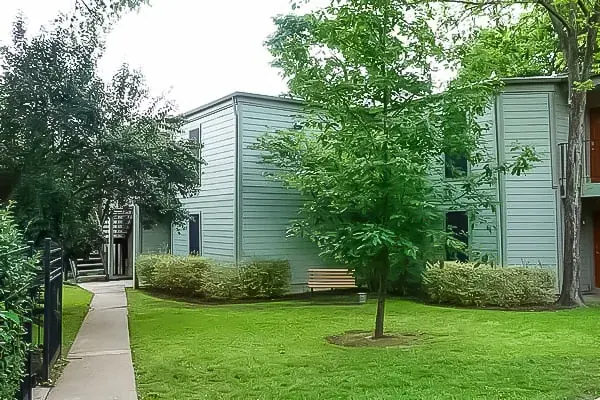
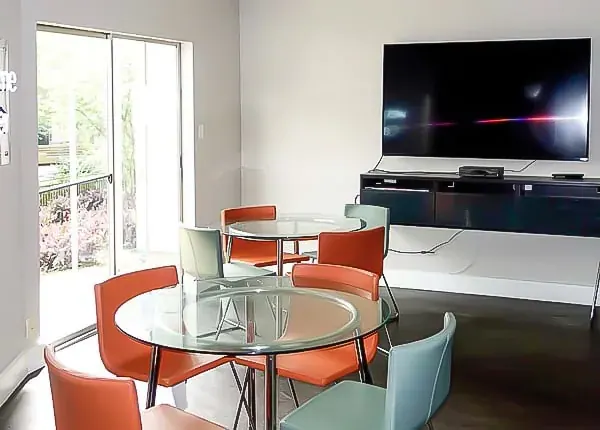
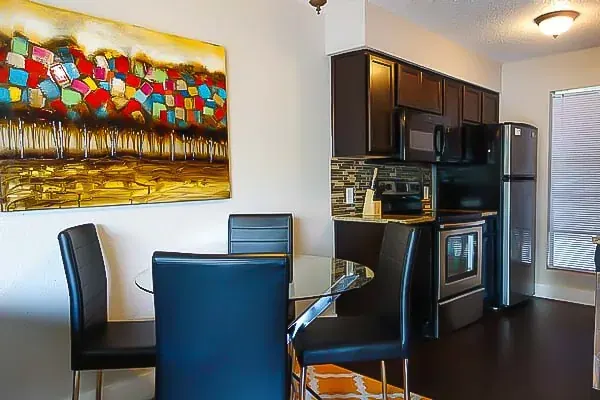
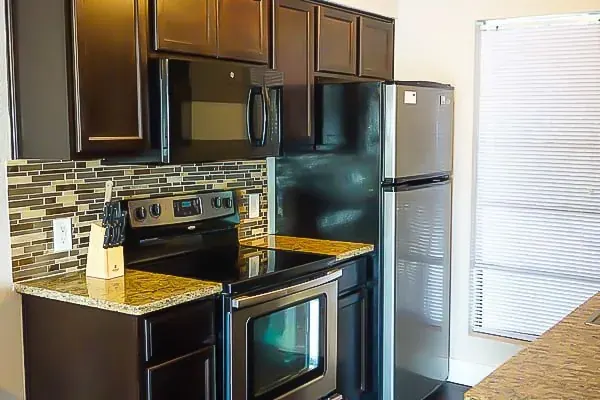
Inside Rustic Creek, our Austin flagship




How to handle social pressure without over-explaining
A practical tip: lead with your plan, not your history. “I’m not drinking tonight” is enough. If someone pushes, repeating the same sentence calmly works better than debating.
Other short responses people use:
- “I feel better without it.”
- “I’m driving.”
- “I’ve got an early morning.”
- “I’m taking a break for health.”
Over time, the people who respect your boundary become your people. The ones who do not respect it usually fade out, and that is often a healthy change.
How sober living, halfway houses, and IOP support sobriety
Many people can stay sober while living at home. Others need more structure, especially after detox, inpatient treatment, or repeated relapse. The difference is not strength. It is often environment and support.
What these options are designed to do
- Sober living homes provide substance-free housing, peer support, and clear rules designed to protect recovery.
- Recovery homes often use the same idea: safe housing plus accountability and community.
- Halfway houses are often more closely tied to courts, probation, or formal programs and may have tighter requirements.
- Intensive outpatient programs (IOP) provide therapy and clinical support while you live in the community.
Why structure helps so many people
The National Institute on Drug Abuse Notes that relapse rates for substance use disorders are often in the 40%–60% range. In plain language: relapse risk is real, and support lowers that risk.
Structure can include curfews, testing, meeting expectations, house responsibilities, and staff support. Those pieces reduce decision fatigue in early recovery and make healthy choices more automatic.
Signs you might benefit from sober living support
Sober living is not only for people who “can’t do it.” It is often a smart choice when your environment is the biggest risk factor.
- You just finished detox or inpatient care and you want a safer step-down.
- Your home has active substance use or frequent conflict.
- You relapse in predictable patterns, such as weekends, paydays, or after arguments.
- You feel isolated and you know isolation leads to using.
- You need accountability while you rebuild work, school, or family routines.
If you want to start living sober, use a simple plan
Starting a sober life is easier when you treat it like a build, not a test. The goal is to lower risk and raise support, especially in the first month.
Step 1: get honest about safety
If you drink heavily or use certain drugs regularly, stopping suddenly can be risky. Medical guidance matters when withdrawal is possible. If you are unsure where to start, SAMHSA’s National Helpline can help you find treatment referrals and support.
Step 2: choose support that matches your situation
Some people do well with meetings and therapy. Others need sober housing or outpatient care to stabilize. If your loved ones are part of your recovery story, it also helps to plan how they can support you without enabling. This guide on supporting a family member in alcohol recovery explains practical ways to set boundaries and reduce risk.
Step 3: remove easy access and add easy alternatives
Early sobriety is easier when alcohol and drugs are not within reach. Clear the house, avoid high-risk routes, and keep simple alternatives available, like flavored water, tea, or snacks.
Step 4: plan your hardest hours
Most people have predictable risk windows, like evenings, weekends, or after conflict. Make a plan for those hours. Schedule a meeting, a workout, a meal with a safe friend, or a quiet routine at home.
Step 5: decide what you will do if you slip
A slip does not have to turn into a full relapse. The faster you reconnect to support, the smaller the damage tends to be. Many people use a simple rule: tell someone within 24 hours, then return to structure.
If you want help building a sober living plan that fits your situation, Eudaimonia Recovery Homes can walk you through options for recovery housing and outpatient care.
How Eudaimonia Recovery Homes Supports People Who Want to Live Sober and Build a Sober Life
If you are asking, “is there people who live sober,” Eudaimonia Recovery Homes can help you see what a sober life looks like in the real world and how to build one step by step. Their sober living homes are designed to give you a stable, substance-free place to live while you rebuild routines, confidence, and independence. Because daily structure matters, residents benefit from clear expectations and accountability that make it easier to stay consistent during early recovery. Just as important, you are surrounded by peers who understand what you are working toward, which can reduce isolation and strengthen motivation.
Eudaimonia also supports the transition back into work, school, and everyday responsibilities, so sobriety fits into normal life instead of feeling separate from it. If you have tried to stay sober before and felt pulled back into old patterns, a recovery home environment can reduce triggers and help you respond differently when stress hits. Over time, the goal is not just to avoid substances, but to build a sober life that feels meaningful, connected, and sustainable. With the right support and a healthy living environment, many people find they can live sober long term and keep moving forward.
Your Future Is Waiting
Tell us what you are looking for and admissions will walk you through the houses, the phases, and what a room actually costs.