

Published July 16, 2026
On This Page · 10 Sections
What's the Difference Between IOP and Living in a Sober Home?
Intensive Outpatient Programs (IOP) and sober living homes serve different but complementary roles in recovery. IOP is a structured treatment program where you attend therapy sessions 9-12 hours per week (typically 3-4 days) while living elsewhere. A sober living home like Eudaimonia Recovery Homes provides safe, alcohol- and drug-free housing with peer support, accountability, and daily structure. Yes, you can, and often should, do both at the same time. Many residents at our Austin, Houston, San Antonio, Colorado Springs, Philadelphia, and Baton Rouge locations attend IOP during the day and return to their sober living home in the evening, combining professional treatment with a supportive recovery community.
How IOP and Sober Living Work Together
IOP provides the clinical foundation: individual counseling, group therapy, relapse prevention skills, and often psychiatric support or medication management. You learn coping strategies, address underlying mental health issues, and work through the psychological aspects of addiction with licensed professionals.
Sober living provides the daily environment where you practice what you learn. At Eudaimonia Recovery Homes, residents benefit from:
- Peer accountabilityLiving with others in recovery who understand your journey
- Drug and alcohol testingRegular screens to support your commitment to sobriety
- House meetings and structureConsistent routines that reinforce healthy habits
- Safe, trigger-free housingA home environment free from substances and negative influences
- Life skills developmentLearning to manage finances, employment, and daily responsibilities while sober
When you combine IOP’s clinical treatment with sober living’s supportive environment, you get comprehensive recovery support. You’re not just sitting in therapy a few hours a week and then returning to the same environment where you used, you’re building a new lifestyle with people who support your sobriety every single day.
The Timeline: When to Start IOP and Sober Living
Most people enter sober living immediately after completing detox or inpatient rehab. IOP typically begins right away or within the first week of moving into a sober living home. The combination is especially powerful during the vulnerable early months of recovery.
Here’s a common recovery path:
- Detox (3-10 days), medical supervision while substances leave your system
- Inpatient rehab (optional, 28-90 days), intensive residential treatment
- Sober living + IOP (3-6+ months), the bridge to independent living, combining housing stability with ongoing therapy
- Outpatient therapy + sober living (as long as needed), stepping down to less intensive treatment while maintaining supportive housing
- Independent livingTransitioning to your own place when you and your support team agree you’re ready
At Eudaimonia Recovery Homes, we work with IOP programs throughout our service areas. Many insurance plans cover both IOP and a portion of sober living costs, making this combination accessible for more people in recovery.
Insurance and Cost Considerations
IOP is typically covered by health insurance, including major providers like Blue Cross Blue Shield, Aetna, Cigna, United Healthcare, and Medicaid in many states. Coverage varies, but most plans pay 60-100% of IOP costs after your deductible.
Sober living is housing, not medical treatment, so insurance coverage is more limited. However, some insurance plans offer partial reimbursement, especially if the home is part of a documented recovery plan. Many residents use a combination of insurance benefits, family support, personal savings, or income from employment to cover sober living costs.
The investment pays dividends: research shows that people who live in recovery housing while attending outpatient treatment have significantly higher sobriety rates at 6, 12, and 24 months compared to those who return to unstable or unsupportive living situations.
What to Expect Living in a Sober Home While Attending IOP
Your typical day might look like this:
Morning: Wake up, attend house meeting or morning check-in, breakfast, then head to work or spend time on job searching and life skills.
Afternoon: Attend IOP sessions (usually 3-4 hours, three days per week), which may include group therapy, individual counseling, and skills training.
Evening: Return to your sober living home, share a meal with housemates, attend a 12-step or recovery meeting in the community, work on IOP homework or personal goals.
Night: Free time for exercise, hobbies, connecting with family, or simply relaxing in a safe, sober environment. Many homes have a curfew (typically 10-11 PM on weeknights) to maintain structure.
Weekends: More flexibility: many residents work, volunteer, spend time with family, or participate in sober social activities organized by the house or their IOP program.
At Eudaimonia Recovery Homes, we understand that you’re balancing multiple commitments. Our homes are located near major IOP providers, and we encourage residents to prioritize their treatment schedules. Housemates often carpool to programs, creating natural accountability and support.
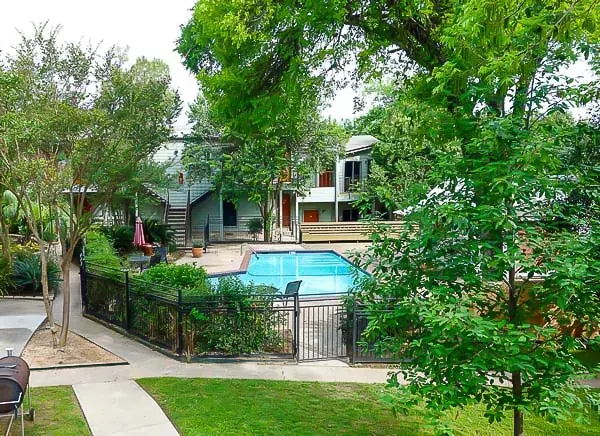
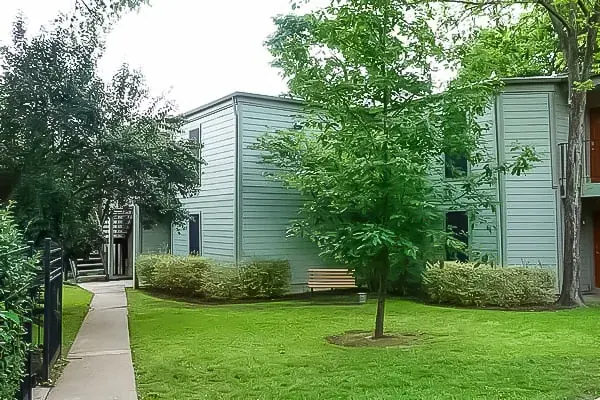
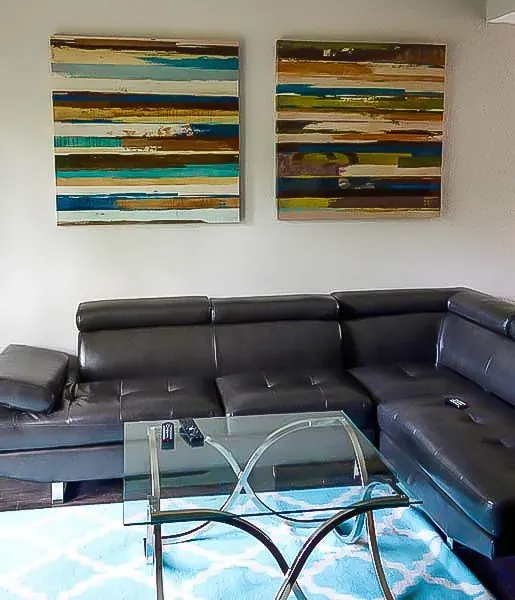
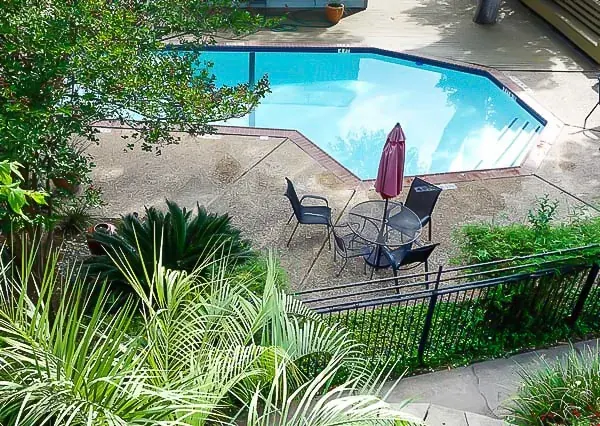
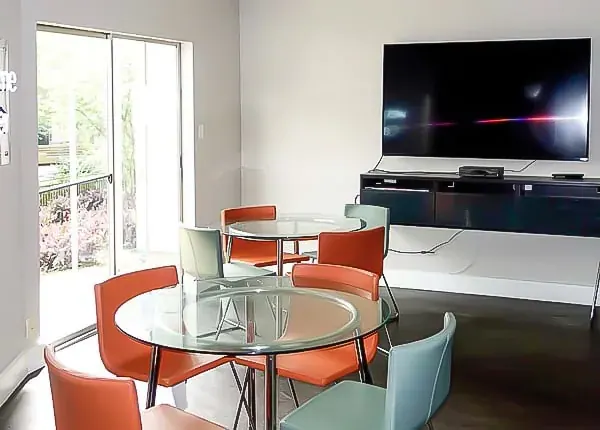
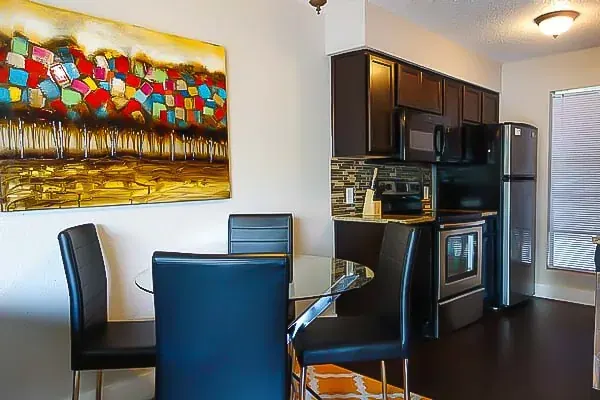
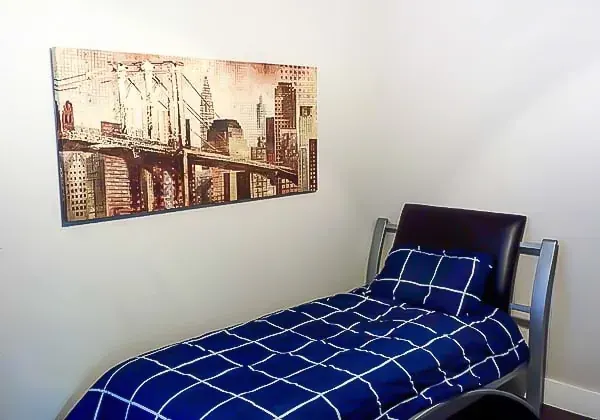
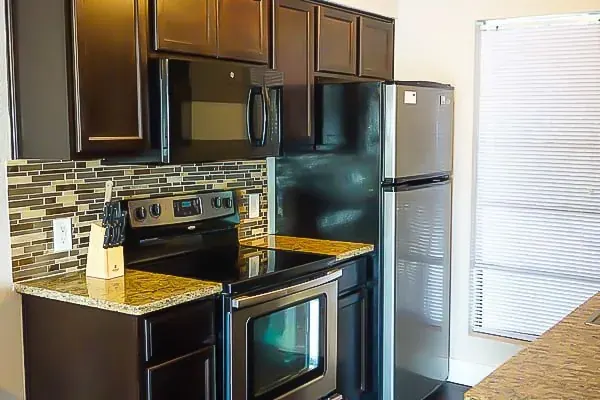
Inside Rustic Creek, our Austin flagship
Who Benefits Most from Combining IOP and Sober Living
This combination is ideal if you:
- Have completed detox or inpatient treatment and need ongoing support
- Don’t have a safe, sober place to live during early recovery
- Want the structure of treatment without the restrictions of residential rehab
- Need to maintain employment or family responsibilities while getting treatment
- Have tried outpatient treatment before but relapsed due to environmental triggers
- Are transitioning from a higher level of care and need a step-down option
- Want to build a sober support network in your community
People in early recovery (first 3-12 months) see the greatest benefit, but even those with years of sobriety who’ve relapsed find that this combination helps them rebuild a strong foundation.
Finding the Right IOP to Pair with Sober Living
When you move into a sober living home, you’ll want to connect with an IOP that fits your needs and insurance. Look for programs that offer:
- Flexible schedulingMorning, afternoon, or evening sessions to accommodate work
- Evidence-based treatmentCognitive behavioral therapy (CBT), dialectical behavior therapy (DBT), motivational interviewing, and trauma-informed care
- Dual diagnosis supportTreatment for co-occurring mental health conditions like depression, anxiety, or PTSD
- Medication-assisted treatment (MAT)If appropriate for your recovery (for opioid or alcohol use disorder)
- Family involvementPrograms that include family therapy or education sessions
Our team at Eudaimonia Recovery Homes maintains relationships with quality IOP providers in Austin, Houston, San Antonio, Colorado Springs, Philadelphia, and Baton Rouge. We can help you navigate options and connect with programs that align with your insurance and recovery goals.
Making the Transition When IOP Ends
IOP typically lasts 6-12 weeks, though some people benefit from longer programs. When you complete IOP, you don’t have to leave sober living, in fact, many residents stay for several more months to solidify their recovery skills in a supportive environment.
After IOP, you might step down to:
- Standard outpatient therapyOne-on-one counseling once or twice a week
- Recovery coachingWorking with a peer specialist or sober coach
- 12-step or mutual support groupsAA, NA, SMART Recovery, or Celebrate Recovery
- Alumni programmingOngoing connection with your treatment center’s graduate community
Throughout this transition, your sober living home remains a constant, providing stability while other supports shift. When you and your support team (sponsor, therapist, house manager, family) agree you’re ready, you’ll transition to independent living with a strong foundation of skills, connections, and confidence.
Getting Started with IOP and Sober Living
If you’re completing inpatient treatment or looking for a structured path forward after detox, don’t wait. The weeks immediately following medical treatment are the highest-risk period for relapse. Moving into sober living and starting IOP quickly closes that gap.
At Eudaimonia Recovery Homes, our admissions process is straightforward:
- Call us at (713) 818-2361 to discuss your situation, recovery goals, and any questions about our homes
- Complete a brief interview to ensure our program is a good fit for your needs
- Coordinate move-inOften within 24-48 hours, especially if you’re being discharged from treatment
- Connect with IOPWe can help you find a program or coordinate with one you’ve already chosen
You don’t have to choose between treatment and stable housing. You can, and should, have both. Sober living provides the environment where recovery happens, and IOP provides the clinical tools to make it last.
For more information about our sober living homes and how we support residents attending IOP and other treatment programs, learn about the importance of sober living in long-term recovery or explore the essential elements of a successful sober living experience.
Recovery is possible. The combination of professional treatment and a supportive living environment gives you the best chance at building a life you love, one day at a time.
Ready to take the next step?
Eudaimonia Recovery Homes provides structured sober living and recovery support in Philadelphia, PA. Call (713) 818-2361 to speak with our team today.