

Published July 22, 2026
On This Page · 9 Sections
The difference between IOP and sober living comes down to structure and purpose: Intensive Outpatient Programs (IOP) provide structured therapy and clinical treatment for several hours per day, multiple days per week, while sober living offers a safe, substance-free residence with peer support and accountability 24/7. Most people benefit from using both at the same time, IOP addresses the clinical and therapeutic work of early recovery, while sober living provides the stable environment and community support needed to practice those skills in daily life.
Understanding What IOP Actually Is
Intensive Outpatient Programs are a level of clinical care that sits between inpatient rehab and standard outpatient counseling. You’re not living at a treatment facility, but you’re attending structured therapy sessions, group work, and sometimes psychiatric care for typically 9-12 hours per week, spread across three to five days.
IOP usually follows detox or residential treatment, though some people step directly into IOP if their situation doesn’t require 24-hour medical supervision. The program focuses on relapse prevention skills, trauma work, cognitive-behavioral therapy, family sessions, and building coping mechanisms for triggers and cravings.
You attend your sessions during scheduled hours, often evenings to accommodate work or school, and then you go home. That’s where the challenge begins: if “home” isn’t a recovery-focused environment, the clinical progress you make in IOP can erode quickly.
What Sober Living Provides That IOP Doesn't
Sober living homes, also called recovery residences, are structured living environments where everyone is committed to staying sober. At Eudaimonia Recovery Homes, residents live together in a peer-supported community with house rules, regular drug and alcohol screenings, curfews, and accountability systems.
Unlike IOP, sober living isn’t clinical treatment, it’s a safe place to live while you rebuild your life. You’re practicing sobriety in real-world situations: managing money, cooking meals, going to work, resolving conflicts with housemates, attending 12-step meetings, and learning to navigate everyday stress without substances.
Sober living bridges the gap between the controlled environment of treatment and the independence of living on your own. The structure is lighter than inpatient care but far more supportive than moving back into an old environment where addiction took hold.
Why Most People Need Both IOP and Sober Living Together
Here’s what I’ve seen work consistently: when someone completes detox or residential treatment and steps down to IOP, they need a place to sleep that reinforces, not undermines, their recovery. That’s exactly what the combination of IOP and sober living delivers.
IOP gives you the clinical tools and therapeutic insights. Sober living gives you the environment to apply them. You might learn about identifying triggers in your IOP group session on Tuesday night, then come home to a house where everyone understands what you’re going through, where substances aren’t present, and where you can debrief with a housemate who’s walking the same path.
This dual support system addresses two different needs:
- Clinical need: Processing trauma, learning relapse prevention, addressing co-occurring mental health conditions, family therapy
- Environmental need: Living somewhere substance-free, building sober friendships, practicing accountability, establishing routines
One without the other leaves a gap. IOP alone means returning to an environment that might include active use, unsupportive relationships, or isolation. Sober living alone, without clinical support, can leave underlying issues unaddressed.
How the Schedules Work Together
A common concern is whether you can manage both commitments. In practice, the schedules complement each other well. IOP sessions typically run late afternoon or evening: say, 6:00 to 9:00 PM, three or four nights per week. That leaves mornings and early afternoons open for work, job searching, or school.
Sober living doesn’t require you to be home all day. At Eudaimonia Recovery Homes locations in Austin, Houston, San Antonio, Colorado Springs, Philadelphia, and Baton Rouge, residents maintain jobs, attend school, and participate in IOP or other outpatient programs. House meetings, chores, and curfews are built around the reality that people are working on their recovery while also rebuilding their lives.
You might have a typical week that looks like this: Monday, Wednesday, and Friday evenings at IOP from 6:00 to 9:00 PM. Tuesday and Thursday mornings at a 12-step meeting. House meeting on Sunday evening. Work or job training during the day. The structure is firm enough to keep you accountable but flexible enough to let you move forward.
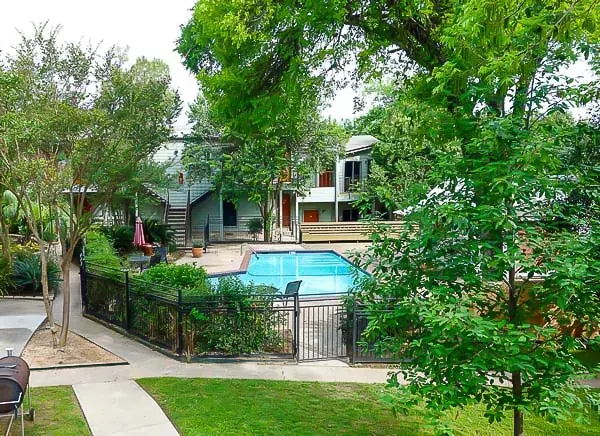
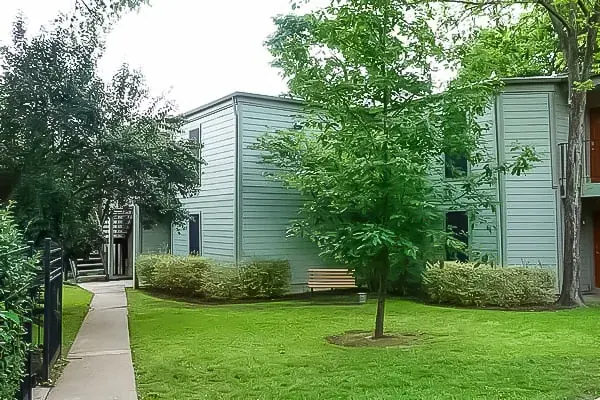
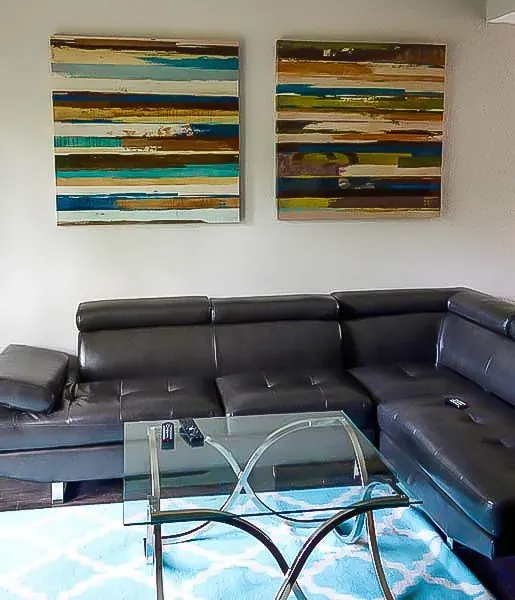
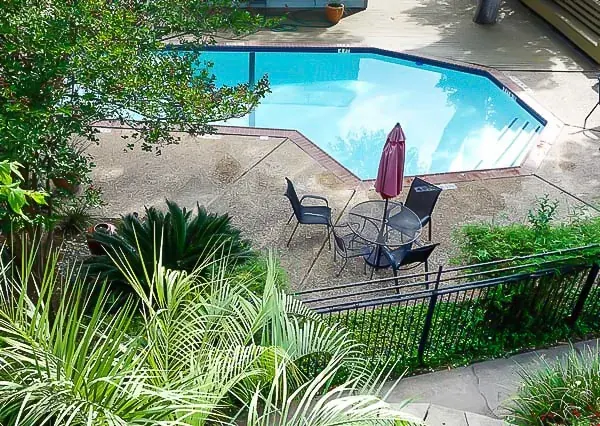
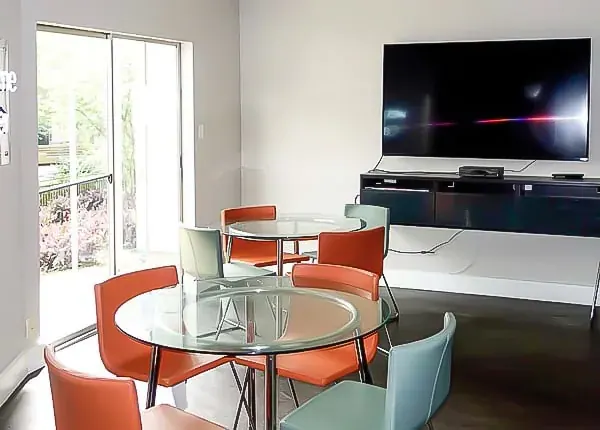
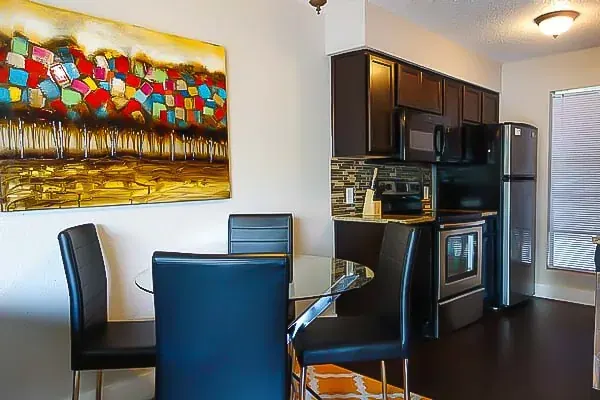
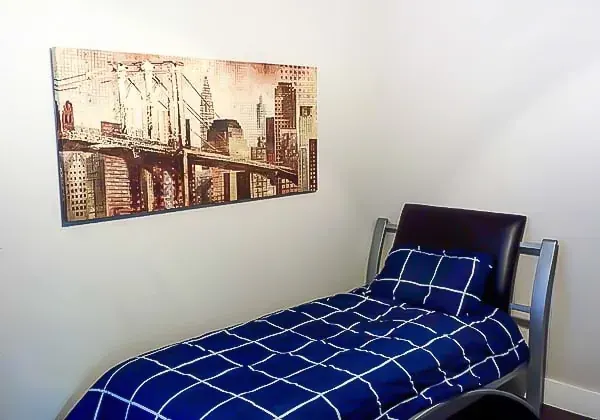
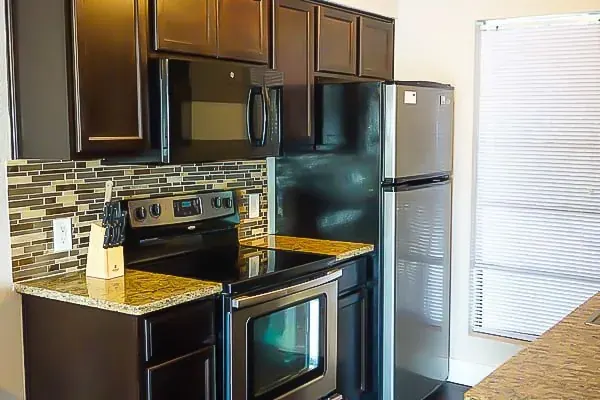
Inside Rustic Creek, our Austin flagship
When You Might Need Just One or the Other
While most people benefit from combining IOP and sober living, there are situations where you might use just one. If you’ve already completed IOP or a higher level of care and have several months of stable sobriety, you might move into sober living as a step toward independent living without needing concurrent clinical treatment.
Conversely, someone with a strong, sober support system at home, say, a spouse in long-term recovery and a substance-free household, might attend IOP and return to that environment each night without needing a recovery residence.
But those situations are less common than people expect. Early recovery is fragile. The combination of clinical treatment through IOP and a sober living environment gives you the best odds of building a foundation that lasts.
What Happens After IOP Ends
IOP typically lasts 6 to 12 weeks, though some programs extend longer. When you complete IOP, you’ll often step down to standard outpatient therapy, maybe one session per week instead of nine hours. That’s when sober living becomes even more critical.
Many people stay in sober living for several months after IOP ends. The clinical intensity decreases, but the need for a supportive living environment doesn’t vanish overnight. Staying in recovery housing while you transition to less intensive care gives you continuity and reduces the risk of relapse during a vulnerable period.
At Eudaimonia Recovery Homes, residents can stay as long as they need to build stability, some for a few months, others for a year or more. There’s no arbitrary deadline. The goal is to leave when you’re genuinely ready for independent living, not when a program calendar says your time is up.
Paying for IOP and Sober Living
Cost is a real concern, and it’s important to understand how payment works for each. IOP is a clinical service, and many health insurance plans cover it as a standard benefit. You’ll want to verify your coverage, check whether the IOP provider is in-network, and understand your copay or coinsurance responsibilities.
Sober living operates differently. Because it’s housing rather than clinical treatment, insurance coverage varies. Some plans offer partial coverage or reimbursement, especially if the residence meets certain accreditation standards. Payment plans and verification of insurance benefits can help you understand your options.
The investment in both services together is often less than the cost of another relapse: financially, emotionally, and in terms of lost time. When you’re evaluating whether you can afford both IOP and sober living, consider the alternative: returning to an environment where sobriety is harder to maintain and the risk of needing more intensive (and expensive) treatment increases.
Making the Decision That's Right for You
If you’ve just completed detox or residential treatment, or if you’re considering your next step in recovery, ask yourself a few questions: Is your current living situation substance-free and supportive? Do you have accountability and peer support where you’re staying now? Are you surrounded by people who understand recovery?
If the answers point to gaps in your support system, combining IOP and sober living makes sense. You’re not choosing between clinical care and a safe environment, you’re choosing to give yourself both, which dramatically improves your chances of long-term sobriety.
Recovery isn’t about doing the bare minimum and hoping it works. It’s about building the strongest foundation possible during the most vulnerable months of your sobriety. IOP and sober living together provide that foundation.
If you’re exploring whether IOP and sober living are the right combination for your recovery, Eudaimonia Recovery Homes can help you understand your options and what kind of support will serve you best.
Ready to take the next step?
Eudaimonia Recovery Homes provides structured sober living and recovery support in Philadelphia, PA. Call (713) 818-2361 to speak with our team today.