

Published May 7, 2026
Key Takeaways
- Most plans do not directly pay for sober living rent because recovery residences are usually considered housing, not clinical treatment.
- Private insurance may still help cover outpatient therapy, IOP, medication management, or other clinical services connected to recovery.
- Texas Medicaid may support eligible substance use treatment services, but direct sober living housing coverage is limited.
- Self-pay costs should be reviewed carefully, including rent, deposits, utilities, testing fees, transportation, and any optional support services.
- Before signing, ask whether clinical services are separate from rent and whether any services are in network with your insurance plan.
- Recovery timelines can affect insurance use because deductibles, authorizations, and plan-year resets may change what you pay.
- Eudaimonia Austin offers structured sober living support and can help residents think through payment and care coordination options.
On This Page · 12 Sections

Sober Living
Austin
10506 Parkfield Dr, Austin, TX 78758
If you or a loved one is researching sober living homes in Austin, the question of insurance comes up early, and the answer is rarely simple. This guide walks through the three main ways residents pay for sober living in Texas: private insurance, Medicaid/state programs, and self-pay. It also explains what each typically covers in 2026 and which questions to ask before you sign anything. For a clearer budget estimate, review what sober living typically costs in Austin before comparing insurance and self-pay options.
The short answer: most insurance plans don't directly pay for sober living rent
Sober living homes, sometimes called recovery residences or halfway houses, are housing, not clinical treatment. Texas Health and Human Services describes recovery residences as a supportive, shared living environment That promotes active participation in recovery. That means most private health plans treat the room-and-board portion the same way they would any other rent: not covered. What insurance often does cover is the clinical care that residents may receive while living there: outpatient therapy, IOP, medication management, and so on. For example, Texas Health and Human Services explains that adult substance use outpatient treatment can include counseling, case management, education, and recovery skills training. Understanding that distinction is the single biggest unlock for setting a realistic budget.
If you are still comparing housing options, start with our guide to structured sober living in Austin, TX.
Private insurance: what's typically in and out of network
Most major Texas carriers, including BCBS-TX, Aetna, UnitedHealthcare, and Cigna, follow the same pattern: outpatient substance-use treatment is reimbursable with a clinical diagnosis, but the housing component is paid directly by the resident. Verify two things on every plan: 1) is the program a network provider for outpatient SUD services, and 2) what is the per-session co-insurance after deductible? Pre-authorization rules vary; some plans require it for IOP and PHP-step-down levels of care.
You can also read our detailed guide on insurance for sober living in Austin to understand common plan limitations.
If your plan may cover outpatient care, learn what to expect from an insurance-covered IOP in Austin.
Medicaid and state-funded options in Texas
Texas Medicaid has limited direct sober-living-housing coverage but does fund related clinical SUD services for eligible residents. The Texas Health and Human Services Commission, or HHSC, maintains a directory of state-funded SUD providers; eligibility hinges on income, residency, and clinical screening. Programs that combine outpatient SUD treatment with sliding-scale housing referrals, often via faith-based or non-profit operators, are the practical entry point for residents on Medicaid.
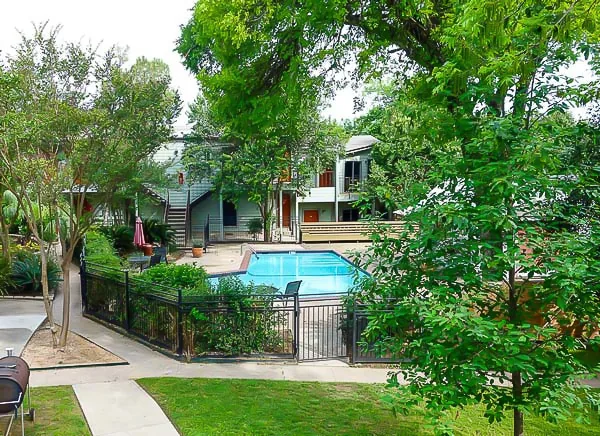
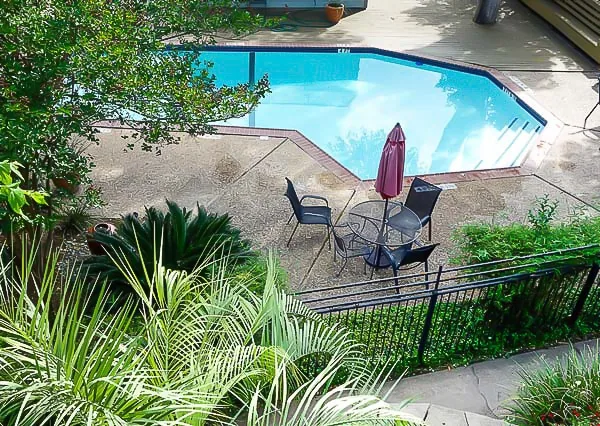
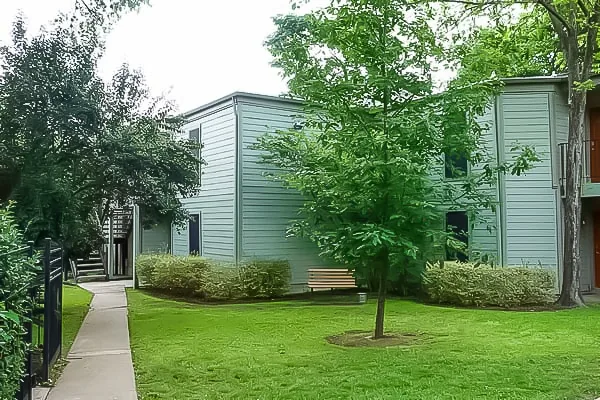
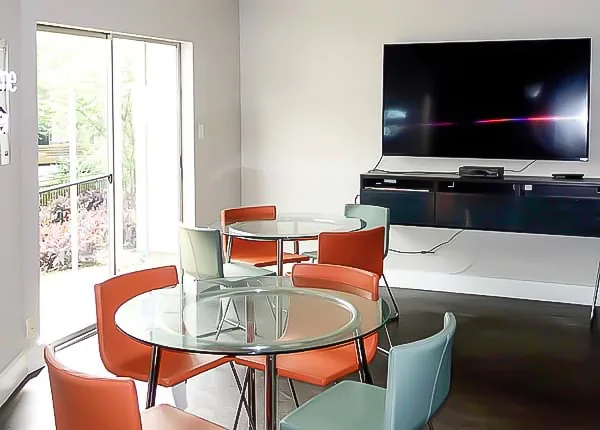

Eudaimonia's Success Stories – Real People, Real Freedom
Self-pay and what to budget for in Austin
Self-pay remains the most common path for sober living in Austin. 2026 monthly rates in Travis County range from roughly $700 for a shared room with basic amenities to $2,400 for a private room, premium amenities, and structured programming. Many homes offer scholarship beds or sliding-scale rates for residents in early recovery; ask explicitly when you tour. Some employers’ EAPs and a few non-profits also provide short-term subsidies.
If rent feels out of reach, review options for help paying for sober living in Austin, including scholarships, family support, and short-term aid.
Questions to ask before you sign
Use this checklist on every tour or phone screen: 1) Is rent paid weekly or monthly, and what’s the security deposit? 2) Are clinical services on-site, off-site, or coordinated externally? 3) If clinical services are provided, are they in-network for my plan? 4) What’s the policy on relapse, is there a treatment-step-up plan or are residents discharged? 5) Are there any state, county, or city subsidies the home accepts?
Before committing, use this sober living home checklist for Austin to compare standards, costs, rules, and support services.
How insurance interacts with the recovery timeline
Most residents stay in sober living between 90 and 180 days. SAMHSA also recognizes recovery housing as an important recovery support strategy for people with substance use and co-occurring mental health needs. Insurance benefits often refresh on a calendar-year basis, so timing entries and step-downs can matter for benefit utilization. A good clinical case manager can help map a resident’s plan limits against the typical 12-step or therapy schedule.
Many residents pair Austin sober living programs with an intensive outpatient program for added structure during early recovery.
What Eudaimonia Recovery Homes' Austin location offers
Our Austin location at 7211 Northeast Dr, Austin TX 78723 supports residents at multiple price points and works with local outpatient providers to coordinate clinical care. Hours are 24/7. To talk through your options, call 512-623-7209.
How Eudaimonia Supports Insurance Options for Sober Living in Austin
Eudaimonia Recovery Homes helps residents and families understand how sober living costs, outpatient care, and insurance benefits may work together. While sober living rent is usually paid separately from clinical treatment, our Austin team can help you ask better questions, compare payment options, and coordinate care with local outpatient providers when appropriate.
Insurance for sober living is rarely one-size-fits-all, but with the right questions you can build a plan that combines clinical coverage with affordable housing. If you want to talk through what your specific plan covers, call us at 512-623-7209.
Your Future Is Waiting
Tell us what you are looking for and admissions will walk you through the houses, the phases, and what a room actually costs.


