

Published May 1, 2026 · Updated May 7, 2026
Key Takeaways
- Austin sober living costs usually range from about $600 to $1,800 per month, depending on structure, services, staffing, and support.
- Recovery housing is not the same as residential treatment or outpatient rehab; it is the housing layer that supports ongoing care.
- Private insurance usually does not pay for sober-living rent, but it may cover clinical services like IOP, PHP, therapy, MAT visits, or testing.
- Medicaid coverage may apply to eligible substance use treatment services, but sober-living rent is typically paid out of pocket.
- Marketplace plans cover substance use disorder treatment as an essential health benefit, though housing costs are usually excluded.
- A 90-day budget should include rent, deductibles, copays, deposits, transportation, testing fees, and other daily living costs.
- Before signing, ask clear questions about rent, insurance billing, deposits, certification, hardship policies, and clinical services.
On This Page · 13 Sections

Sober Living
Austin
10506 Parkfield Dr, Austin, TX 78758
If you’re weighing sober living in Austin, the price tag is usually the first question, and the most fragmented answer online. Costs in this market range from roughly $600 to $1,800 a month, and the variance has less to do with location than it does with what the home offers and how it bills. Some homes operate on a flat monthly rent. Others bundle therapy, transportation, and case management. A small number bill components separately to insurance and quote a residual rent figure that looks lower than the total cost of care.
This piece walks through what those numbers actually buy in Austin, what private insurance, Medicaid, and Marketplace plans typically pay for, and where families end up out-of-pocket. The goal is a realistic budget, not a marketing brochure.
What "sober living" pays for in Austin
Sober living homes in Austin generally split into three tiers. Standard peer-supported homes, often Oxford-model or independent, charge $600: $900 a month and cover rent, utilities, and a basic accountability structure, such as drug testing, house meetings, and curfews. They do not bill insurance because they’re not clinical. Mid-tier structured residences charge $900: $1,400 and add things like in-house case management, sober transportation, mandatory IOP/PHP attendance, and weekly group sessions led by a counselor. The third tier, clinically integrated, runs $1,400: $1,800 and behaves more like a step-down from residential treatment, with a treatment plan, a clinician on payroll, and a billing apparatus for the clinical portion.
The SAMHSA recovery housing best practices also describe recovery housing as a supportive, substance-free environment that can vary by structure, staffing, and service intensity.
If you are still comparing program types, our guide to sober living in Austin Texas explains common rules, costs, and how to evaluate recovery homes.
Where Austin sober living fits in the recovery continuum
Sober living is not residential treatment, and it’s not outpatient. It’s the housing layer that sits underneath whichever clinical level of care a person is in. A resident might be in PHP from 9 to 3, drive to therapy at 5, and sleep in the same Austin house all week, the house is the constant. That distinction matters for billing: sober-living rent is, in almost every case, paid out of pocket. The clinical hours layered on top are what insurance touches.
If you want to read more about what sober living looks like as a category in this market, see our overview of sober living homes in Austin.
For residents who need clinical support while living in recovery housing, an intensive outpatient treatment program may provide added structure without requiring a residential stay.
How private insurance handles sober-living costs
Private insurance, Aetna, BCBS Texas, Cigna, UnitedHealthcare, Magellan, does not pay for sober-living rent. It pays for the clinical services that may be delivered to a resident while they live there: PHP, IOP, individual therapy, MAT prescribing visits, urinalysis when clinically necessary. A house that runs a clinical program in-house can bill those services and may pass some of that revenue back as a rent discount. A house that doesn’t bill clinically simply collects rent.
Plan-by-plan, what families typically see in Austin: PHP days reimbursed $400, $650 per day after deductible; IOP sessions $150, $350 per session; individual therapy $90, $180 per session. Out-of-network coverage is usually 50–60% of usual-and-customary, and prior authorization is the rule. For a deeper dive, see our piece on insurance plans that cover Austin sober living.
Because insurance usually focuses on clinical care rather than housing, it is important to ask whether individual therapeutic services are billed separately from rent.
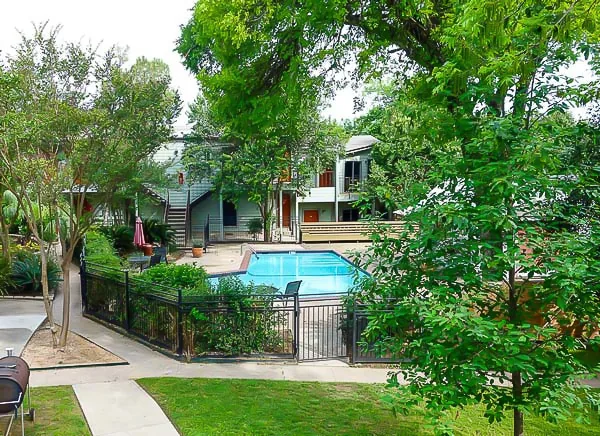
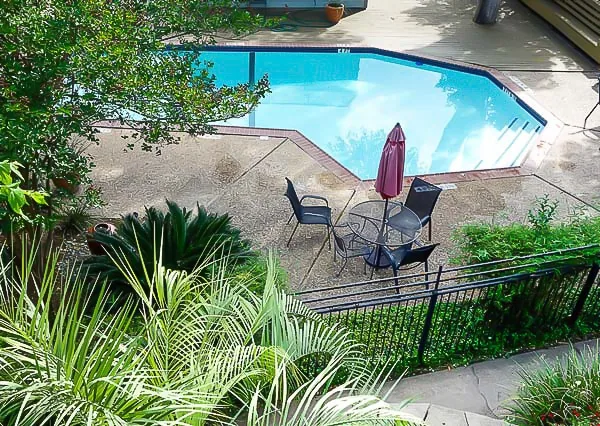
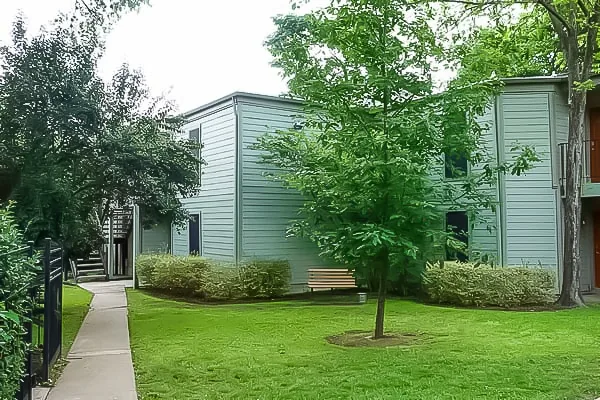
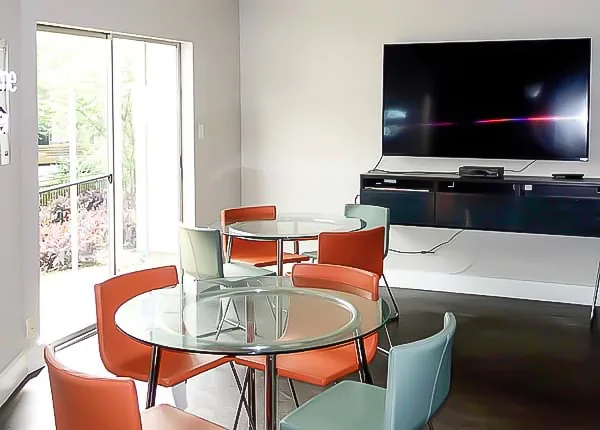
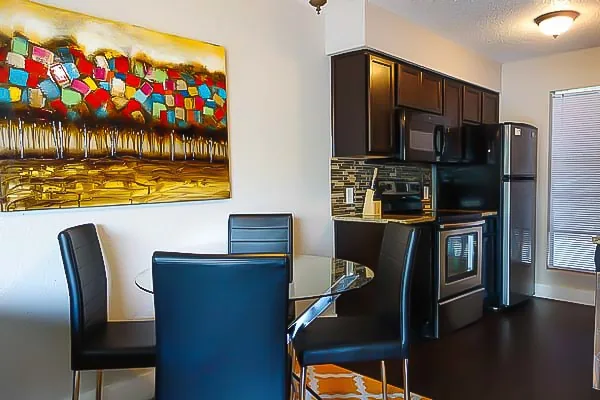

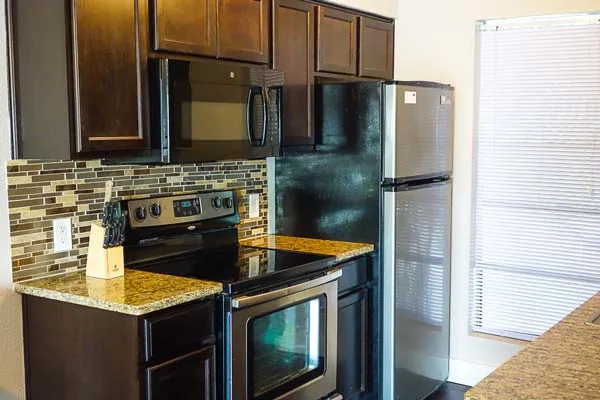
Eudaimonia's Success Stories – Real People, Real Freedom
Medicaid and Texas Star Health
Texas Medicaid, including Star Health, Star Plus, and traditional fee-for-service, covers SUD treatment for eligible adults, IOP, PHP, MAT, peer support, through the state’s behavioral-health benefit. It does not pay for sober-living rent. Austin sober-living homes that accept Medicaid-eligible residents typically slide rent on a sliding-scale basis or partner with Travis County recovery housing programs that subsidize the bed.
Texas Health and Human Services explains that adult substance use outpatient treatment may include counseling, case management, education, and recovery skills training in a licensed community-based setting.
Marketplace (ACA) plans
Marketplace plans purchased through HealthCare.gov in Texas cover SUD as an essential health benefit. Coverage tracks the metallic tier: Bronze plans have higher deductibles and lower clinical reimbursement; Silver and Gold tiers cut into the deductible faster but charge higher premiums. The mechanics are the same as private insurance, clinical services in, rent out, but the cost-share math will look different month-to-month for a family in active treatment.
According to HealthCare.gov substance abuse coverage, Marketplace plans include mental health and substance use disorder services as essential health benefits.
What you'll actually pay
A practical Austin budget for a 90-day stay looks like this: rent $2,400: $5,400, entirely out-of-pocket; clinical services delivered alongside the stay $0: $3,000, after deductible and copays; and miscellaneous costs, such as transportation, drug testing fees, deposits, and intake, $200, $600. The single biggest unknown is whether the home you’re considering bills clinical services, that’s the lever that moves the bottom line.
For a broader breakdown of pricing, support, and what monthly fees may include, review our guide to sober living cost in Austin.
Questions to ask before signing
Is rent flat, or does it change if I miss IOP days?
Do you bill insurance directly for any of the services attached to my stay? Which ones?
What’s the deposit, and what does it cover?
Is the house licensed or certified by TROHN, NARR, or another recovery-housing body?
What happens if I lose my job mid-stay, do you have a hardship policy?
If you are comparing gender-specific options, review the details for women’s sober living in Austin before you commit to a monthly budget.
Take the Next Step
If you’re trying to budget a 90-day stay in Austin and want a clear breakdown for your specific insurance, our admissions team can put a number on it the same day. Call (512) 623-7209 or use the contact form.
How Eudaimonia Supports Cost of Sober Living in Austin
Eudaimonia Recovery Homes helps individuals and families understand what sober living may cost before they commit to a recovery housing option. Because each person’s needs are different, the team can help explain monthly rent, program structure, accountability expectations, and possible additional costs.
Eudaimonia also helps residents understand how sober living can work alongside outpatient treatment, therapy, peer support, and other recovery services. This makes it easier to separate housing costs from clinical care and create a realistic plan for early recovery.
For people comparing Austin sober living options, Eudaimonia provides structure, accountability, recovery support, and a substance-free environment. The goal is to help residents build stability while they continue treatment, return to work, reconnect with family, and strengthen long-term recovery habits.
Your Future Is Waiting
Tell us what you are looking for and admissions will walk you through the houses, the phases, and what a room actually costs.


