

Published October 21, 2025 · Updated November 10, 2025
On This Page · 14 Sections

Sober Living
Austin
10506 Parkfield Dr, Austin, TX 78758
Finding the right sober living environment can change a life. Austin’s recovery scene is unusually vibrant, rich with meetings, peer support, and a growing number of recovery‑friendly employers, but not every house is the same. This guide explains how sober living works, which standards and rights apply in Texas, what it typically costs, and how to evaluate options before you move in. Along the way we’ll point you to local sober living homes Austin Texas, and share a practical checklist so you can compare homes with confidence.
Quick definition: A sober living home (also called a recovery residence or transitional living house) is drug‑ and alcohol‑free housing that supports recovery through structure, community, and accountability. National standards categorize these homes into “levels of support,” ranging from peer‑run houses to provider‑run residences with clinical services.
What “Sober Living” Means (and how it differs from rehab & halfway houses)
Sober living is housing, not a medical treatment. You don’t check into sober living for detox or therapy; you live there while you rebuild daily routines and strengthen recovery skills, often after (or alongside) outpatient care. Research and federal guidance treat housing as a core recovery support and a social determinant of health: stable housing measurably improves recovery, employment, and stability.
Recovery residences and NARR Levels of Support
The National Alliance for Recovery Residences (NARR) defines four “levels of support,” from Level I peer‑run houses (e.g., democratically managed, no paid staff) to Level IV service‑provider residences (with clinical and administrative supervision). Understanding these levels helps you match structure to your needs.
Level I (Peer‑run): Resident‑managed, minimal formal structure.
Level II (Monitored): Often called “sober homes” or sober living community houses; a house manager enforces policies and supports accountability.
Level III (Supervised): More oversight and recovery services (e.g., case management, coaching).
Level IV (Service‑provider): Integrated clinical services; may be licensed depending on state.
Sober living vs. halfway houses vs. Oxford House
Sober living is the umbrella term.
Halfway houses Often refer to justice‑involved transitional housing (parole/probation), rules and funding differ. (Austin Transitional Center is an example of a community corrections center, distinct from recovery residences.)
Oxford House is a Level I, democratically run model with thousands of homes nationwide and an active Texas network. Residents self‑govern, share expenses, and can stay indefinitely while meeting house standards.
If you’re comparing sober living with halfway houses in Austin, Texas, this guide explains key differences, rules, and who each option serves.
Texas & Austin Context (Standards, Accreditation, and Fair Housing)
HHSC’s recognition of NARR/Oxford standards
Texas has moved toward accreditation standards for recovery housing. As reported in 2025, the state recognized NARR and Oxford House standards; accreditation is required for certain state‑funded programs, although staffing and funding constraints have slowed adoption. For consumers, this means you can look for TROHN (Texas Recovery Oriented Housing Network) certification or Oxford House charter status as a quality signal.
TROHN (the Texas NARR affiliate) certifies homes to the NARR National Standard 3.0 and maintains a directory and grievance process. Ask operators if they hold TROHN certification or an Oxford House charter.
Reasonable accommodations & HOA/neighbor issues in Austin
Recovery residences are typically protected under the Fair Housing Act (individuals in recovery are considered persons with disabilities under the law). In Austin, you can request reasonable accommodationsFor example, to allow more unrelated adults to live together in a single‑family zone when it’s necessary for disability‑related housing. Recent litigation involving Harmony Haus highlighted how these protections work in practice.
Practical tip: If you’re opening or joining a house in a deed‑restricted neighborhood, learn the City of Austin’s accommodation process early. It can prevent avoidable conflict and keep the focus on recovery.
Who Thrives in Sober Living (Eligibility, fit, and red flags)
Sober living is designed for people who are abstinent (often 30+ days), medically stable, and able to participate in shared community life. It’s a strong fit if you want daily structure after treatment, while attending school or work, and plugging into peer support. Many homes expect residents to work, job‑hunt, volunteer, attend meetings, or go to class. (You’ll see this spelled out on local resource pages and provider sites.)
Red flags include: vague rules, inconsistent drug testing, no written resident handbook, high fees without clear services, referral kickbacks to third parties, and pressure to work for the house. Texas standards explicitly address these risks; accredited homes must avoid coercive work arrangements and follow transparent policies.
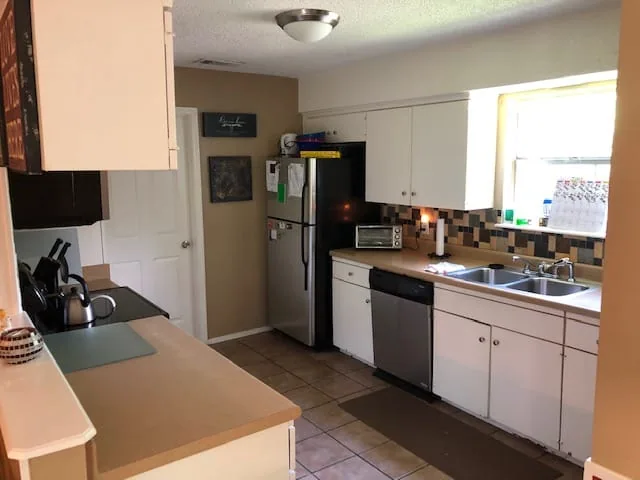
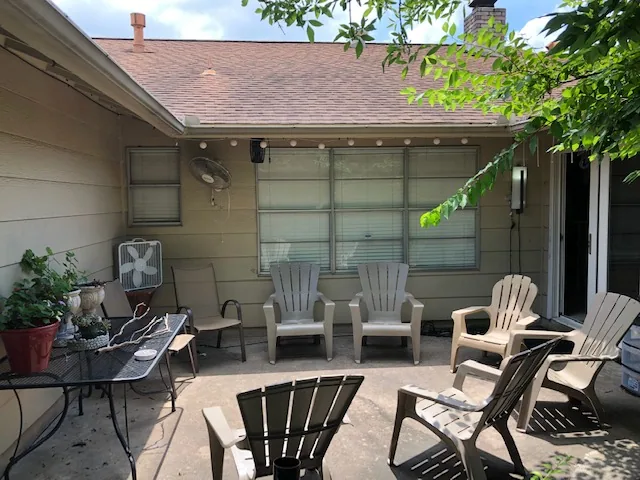
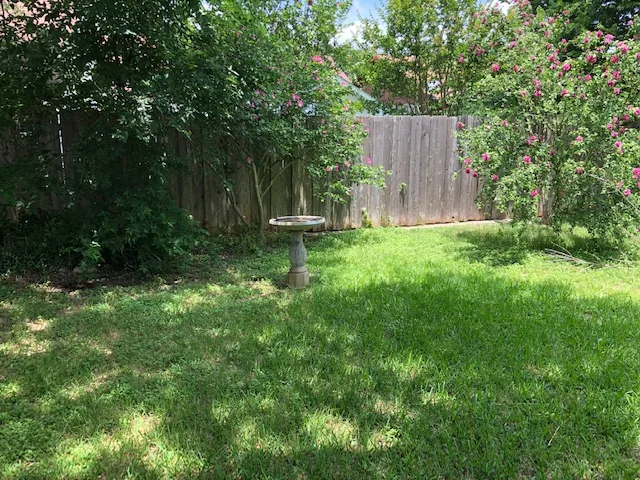
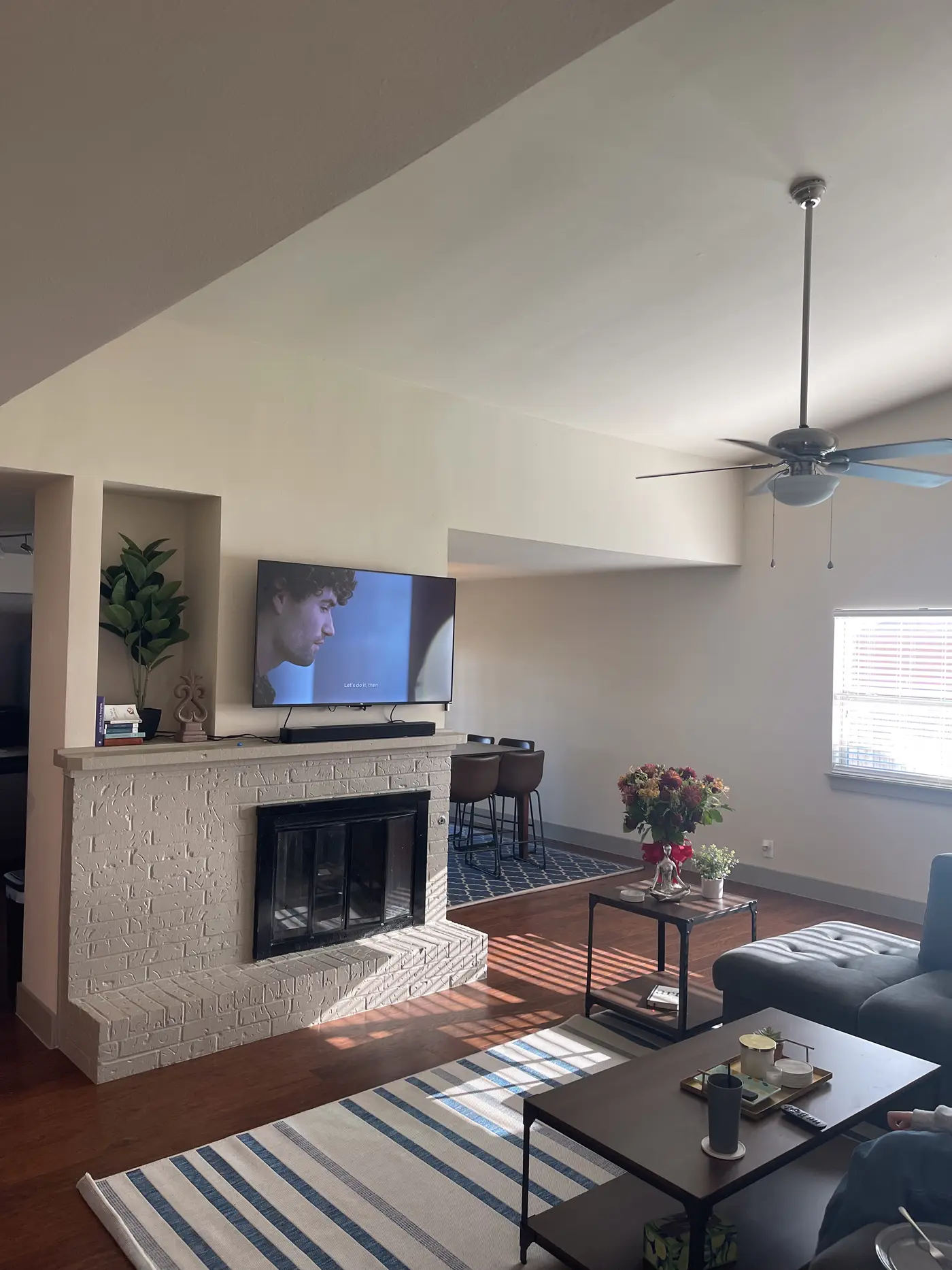
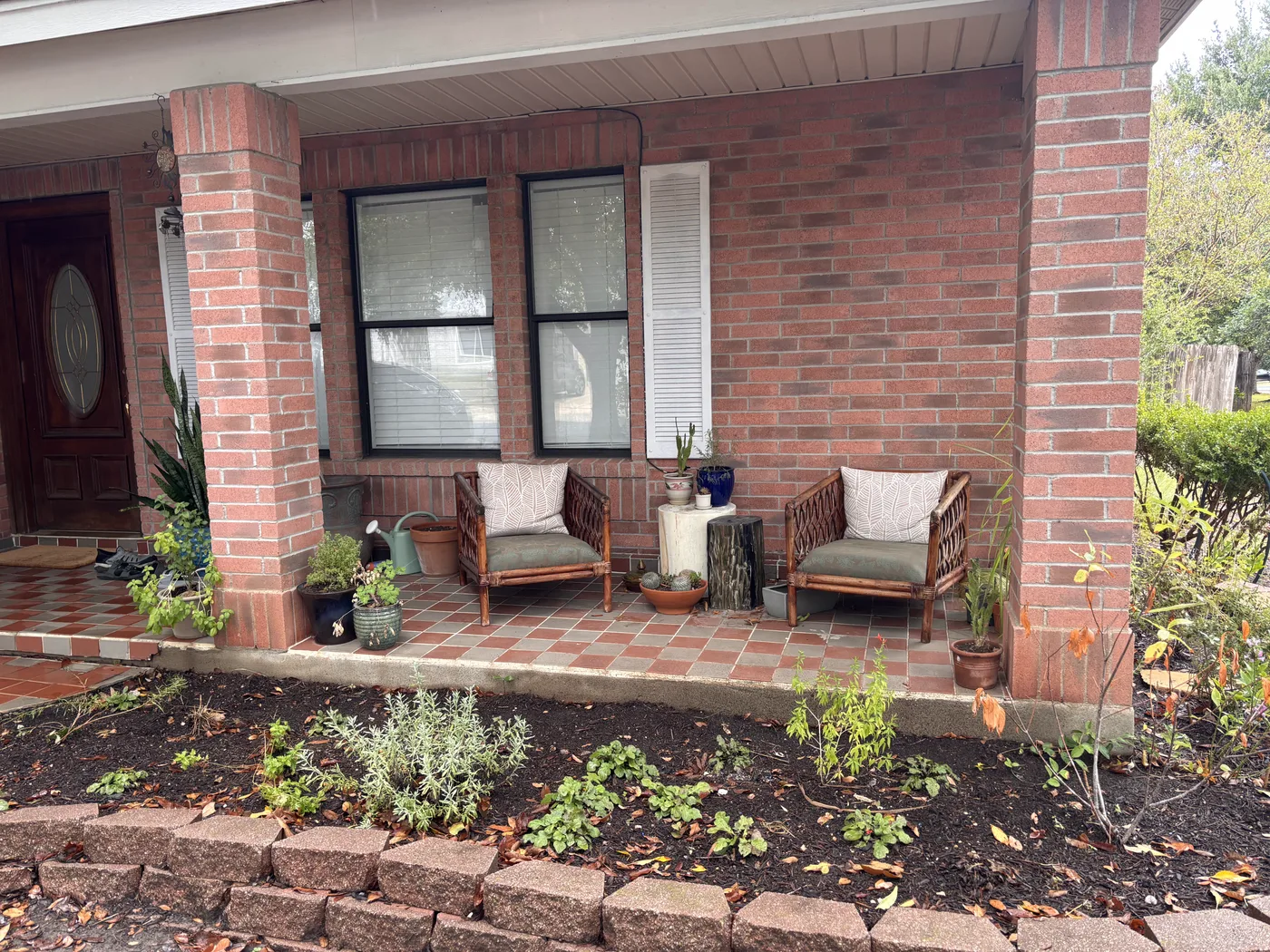
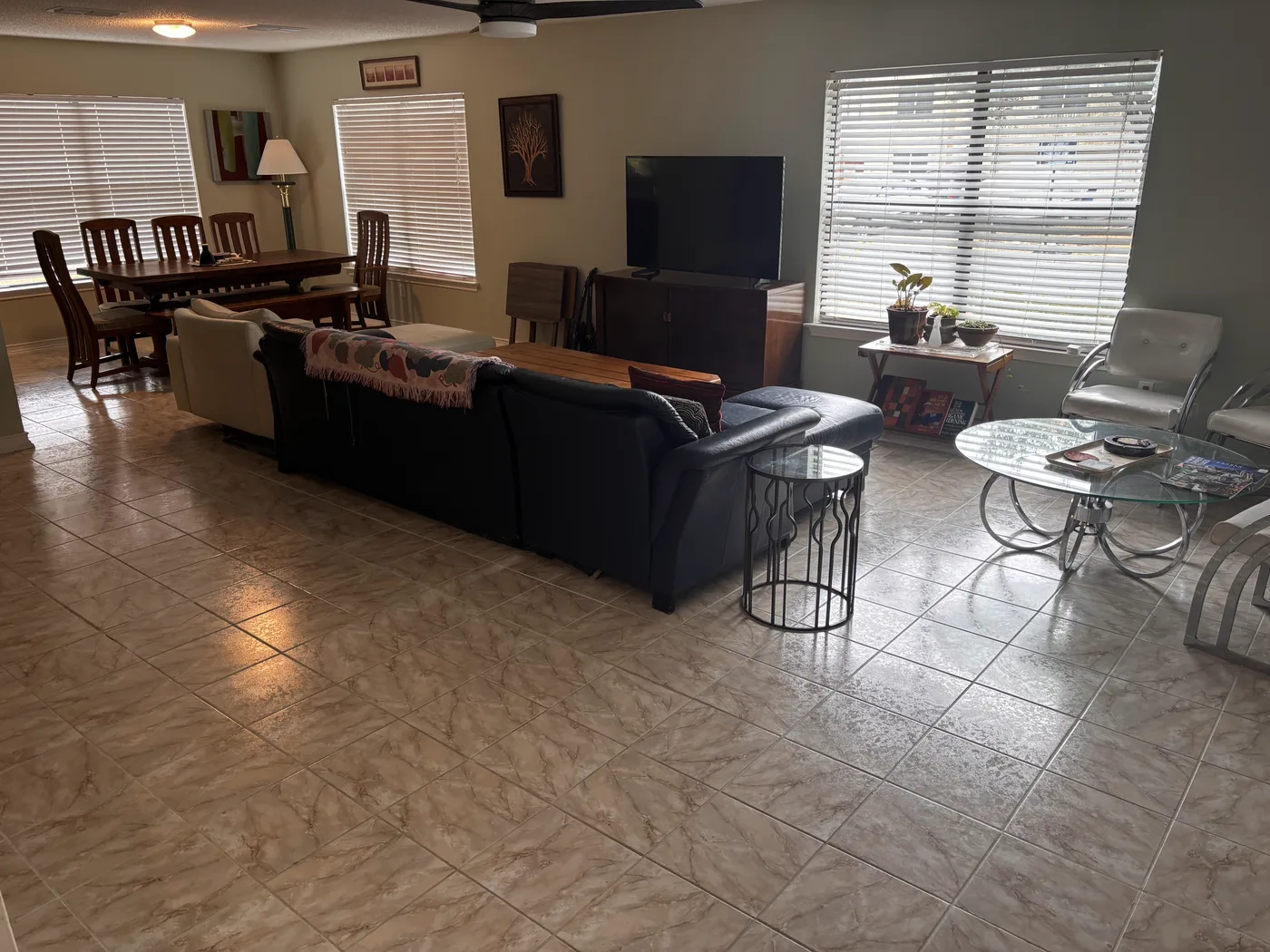
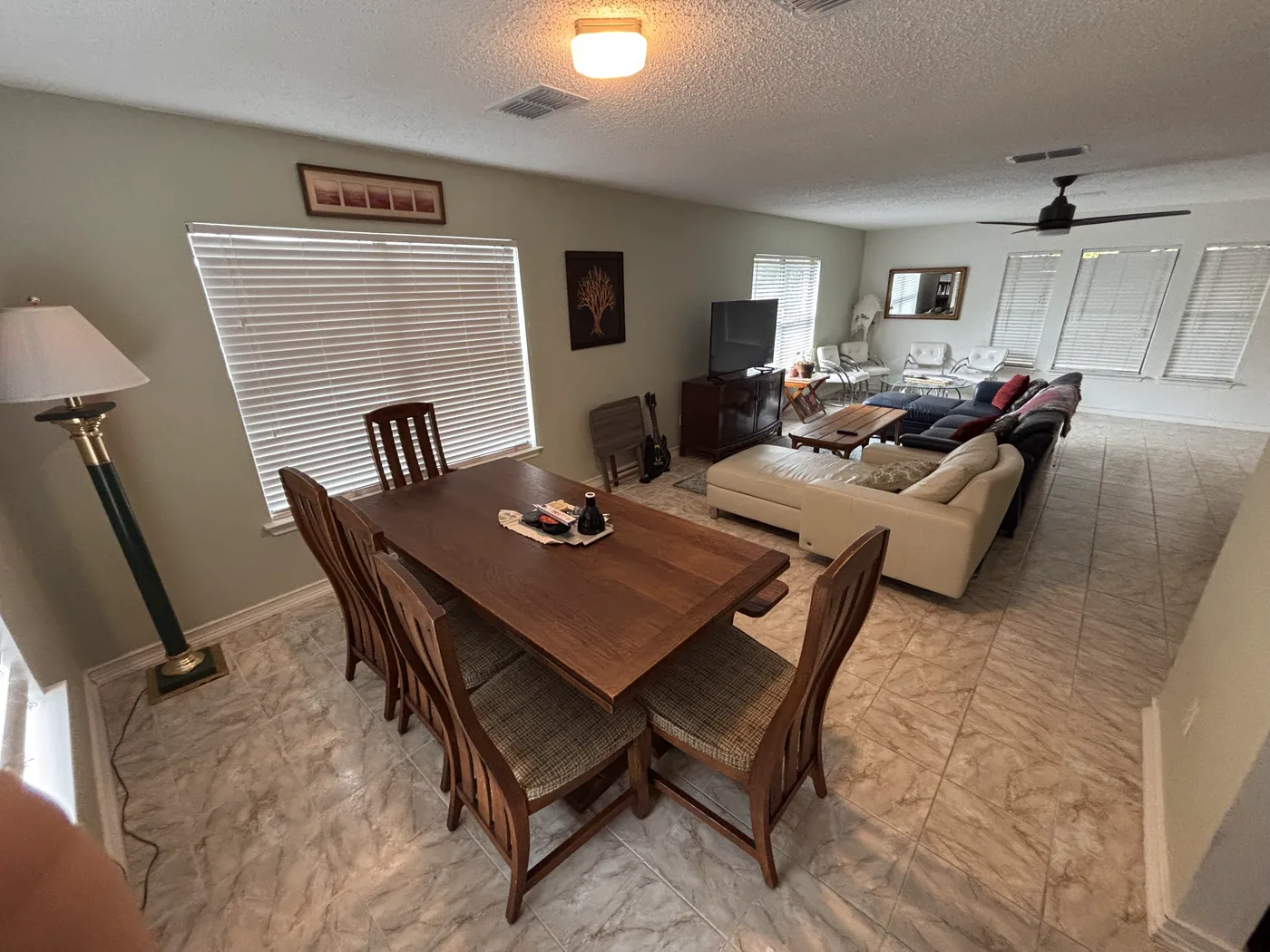
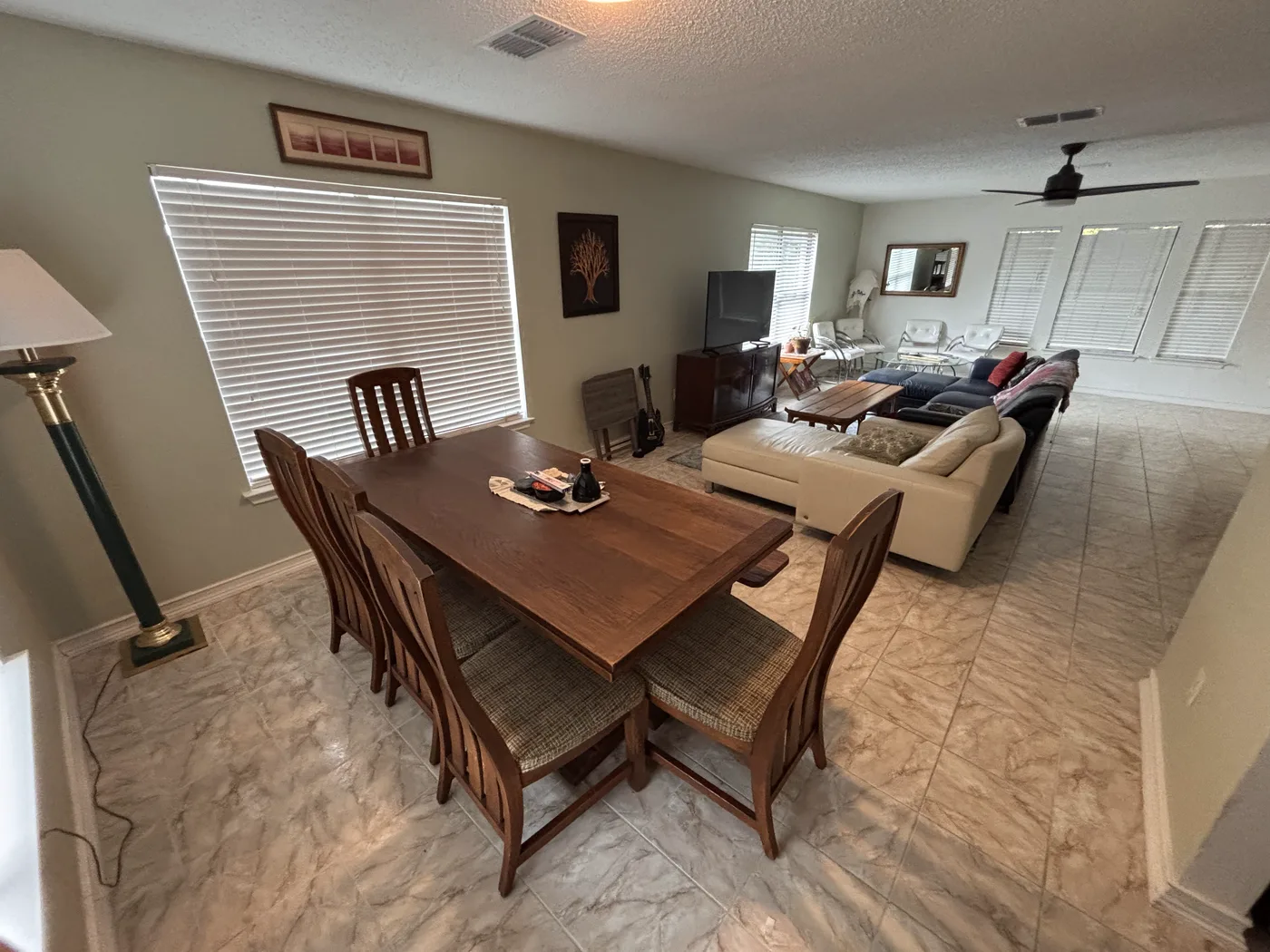
Inside the Austin homes
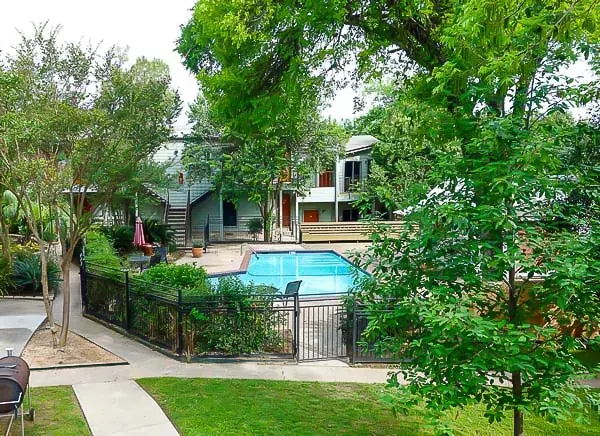
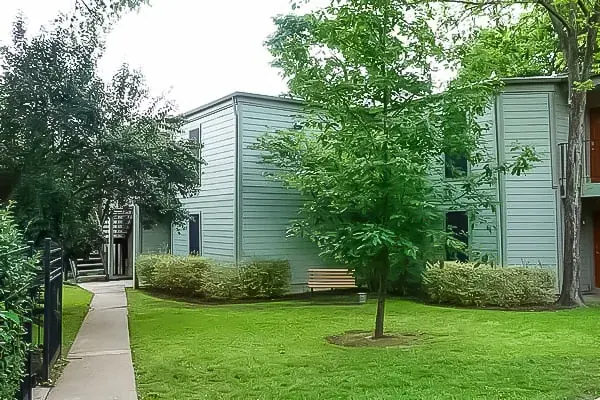

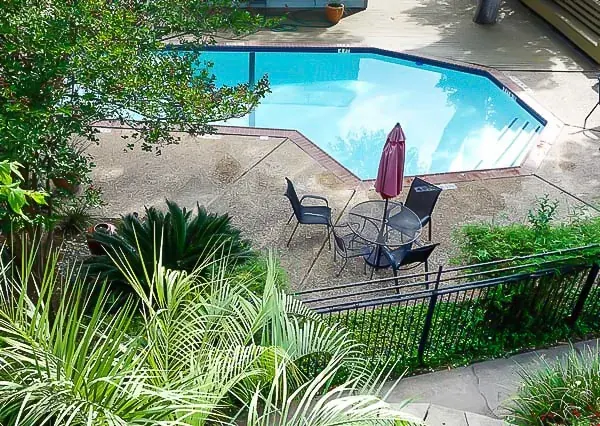
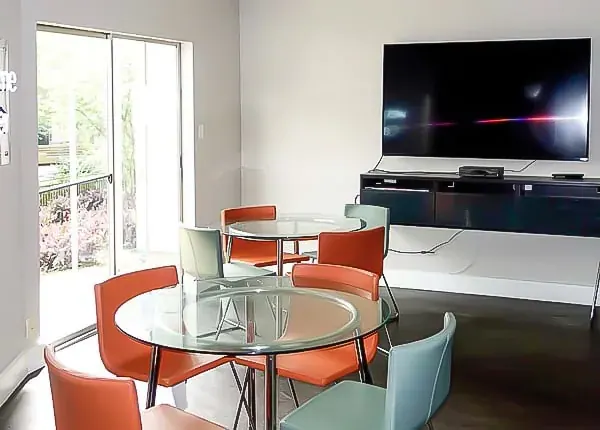
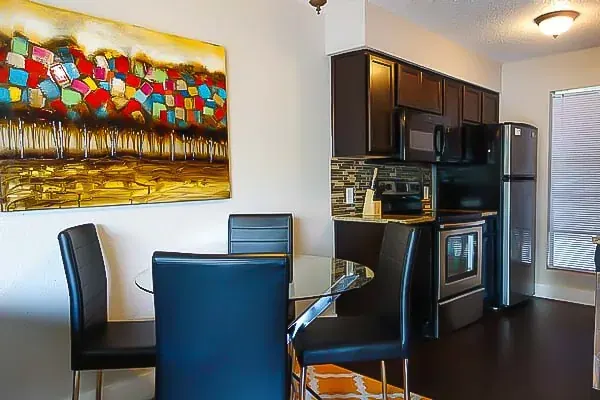

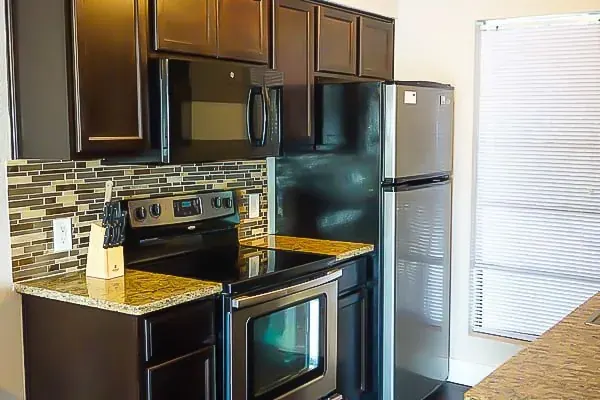
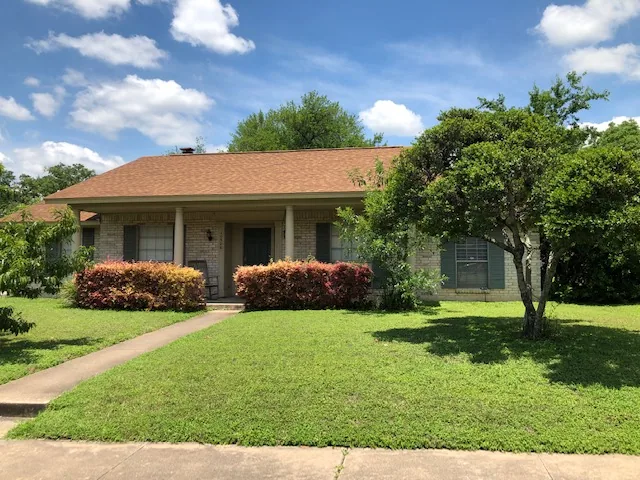
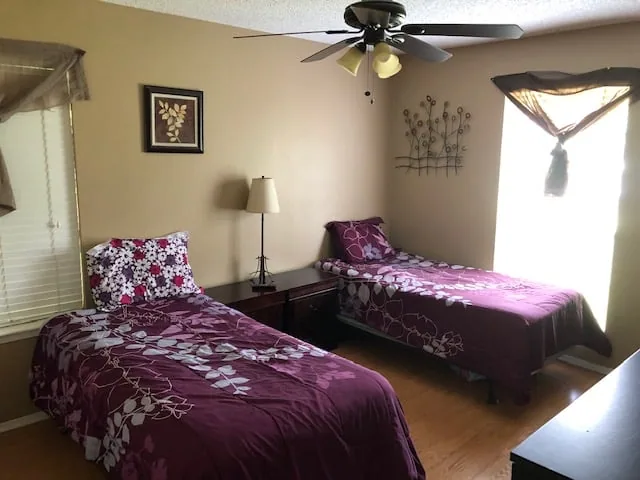
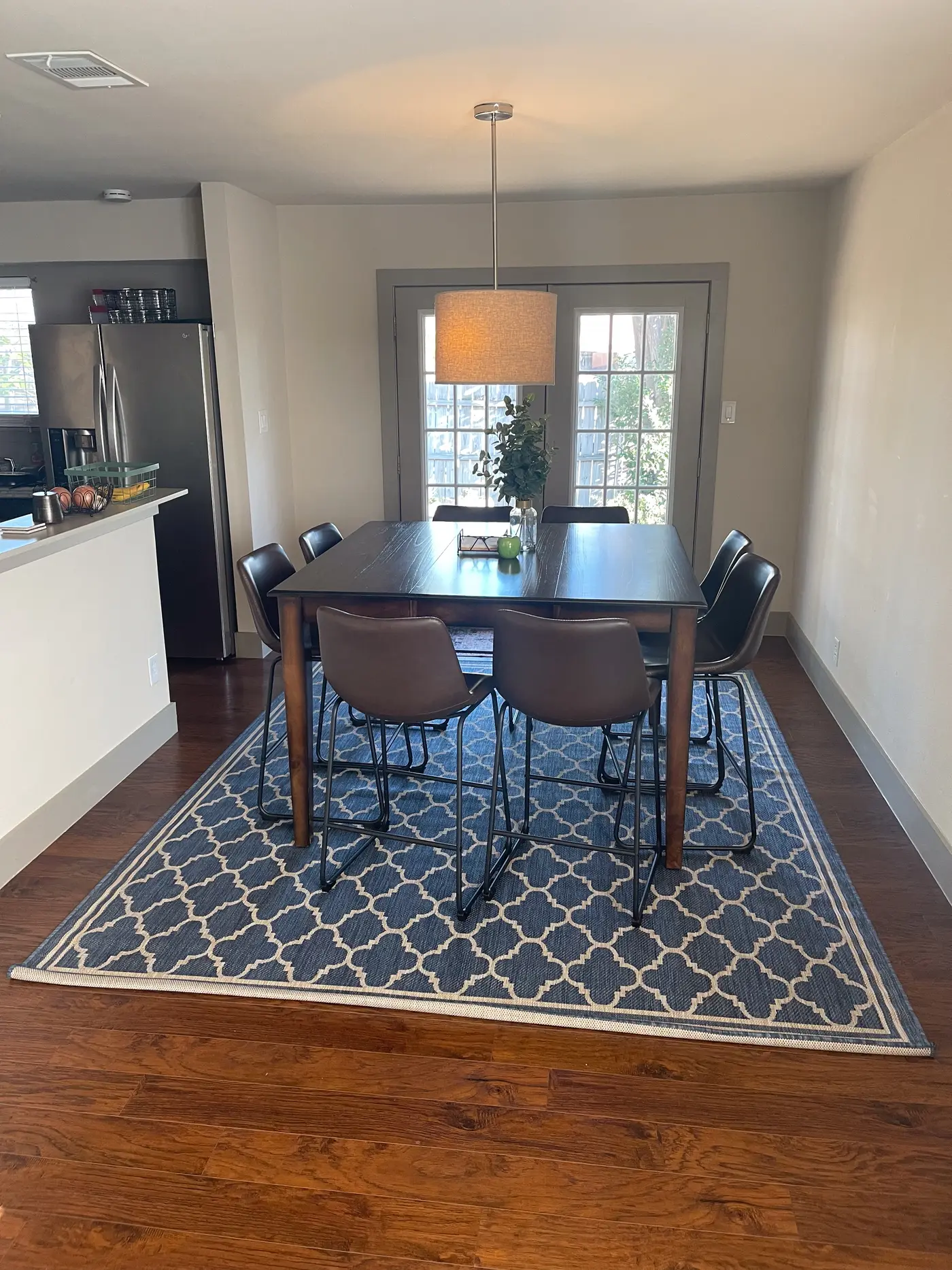
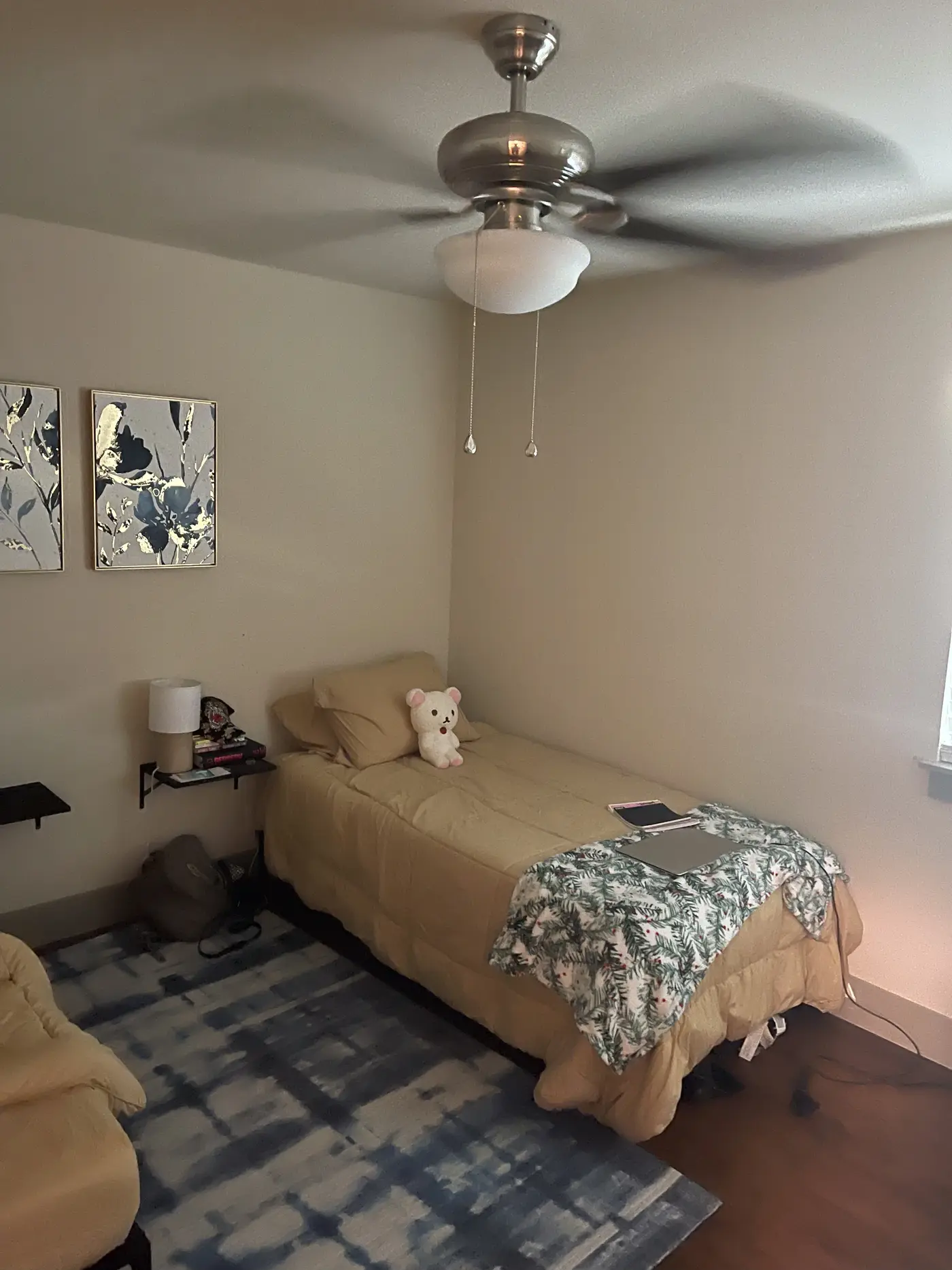
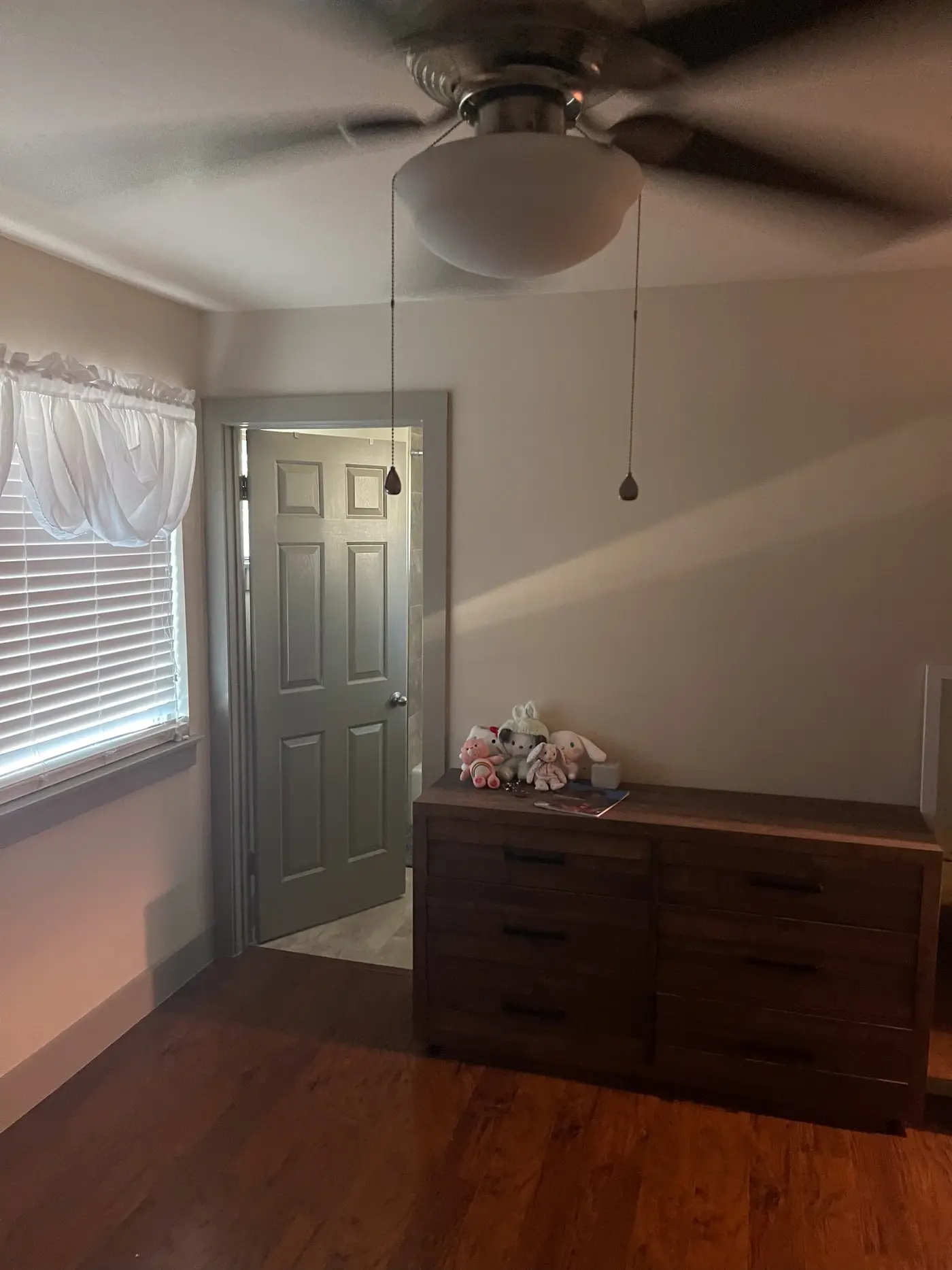
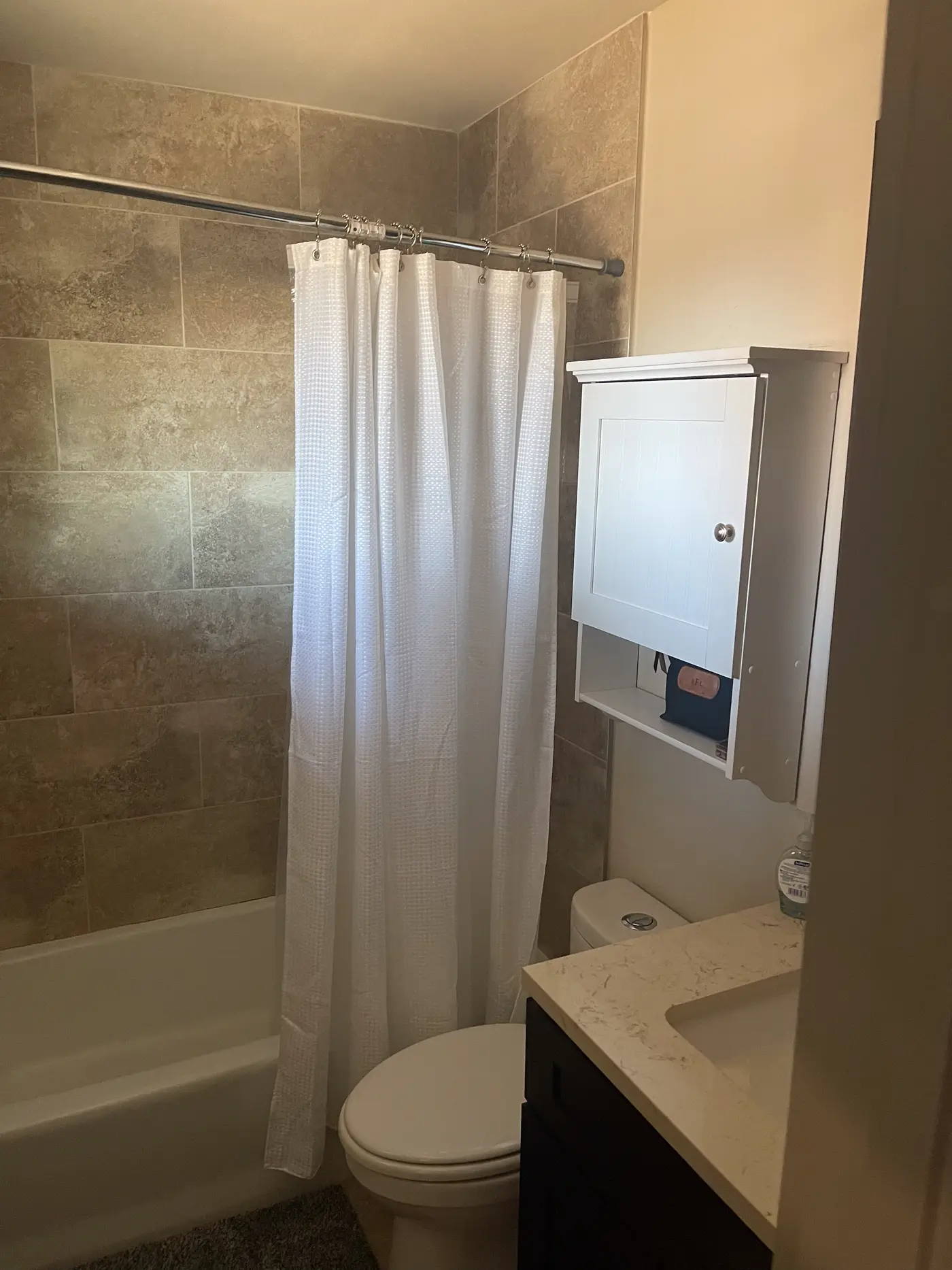
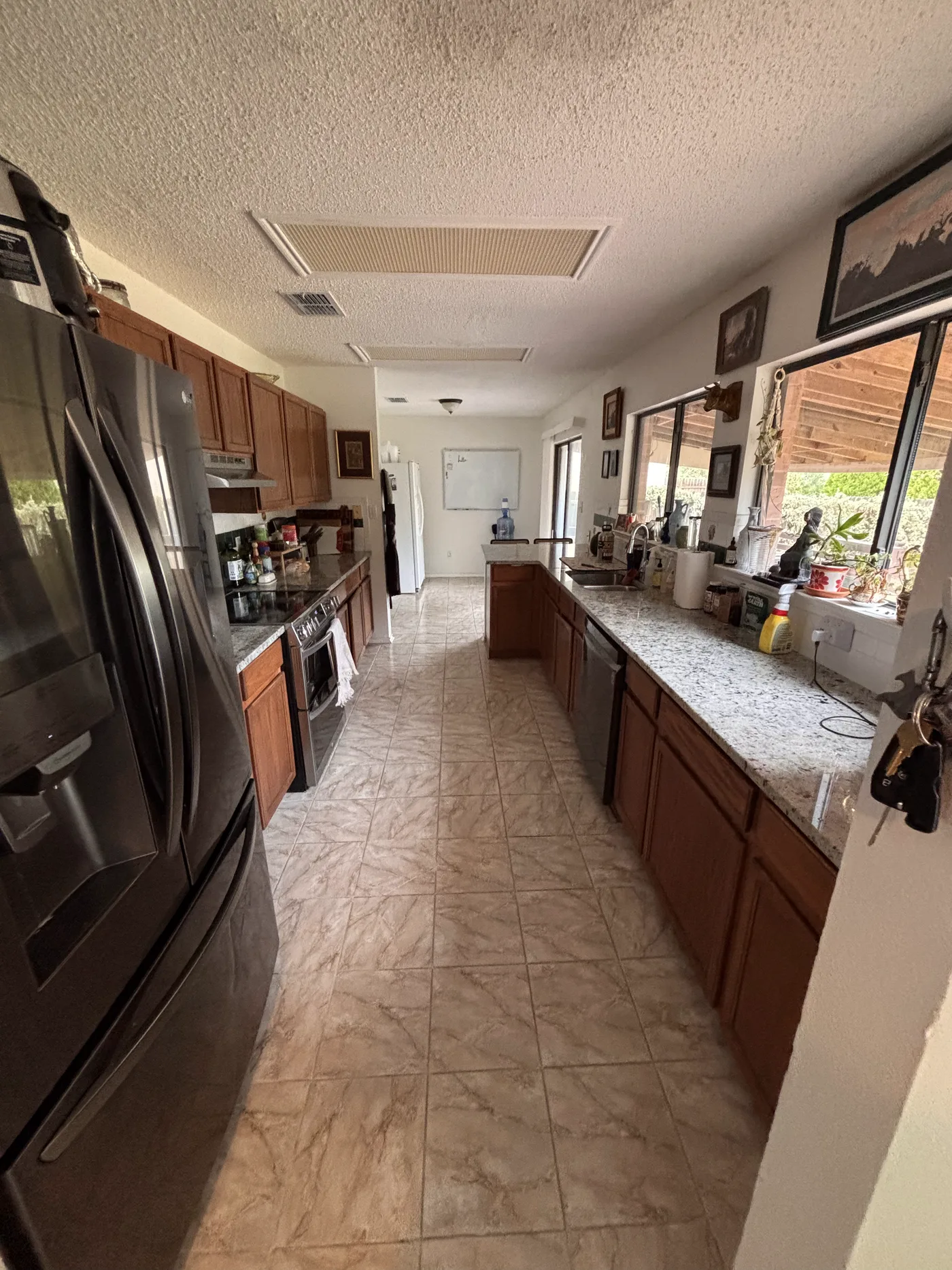
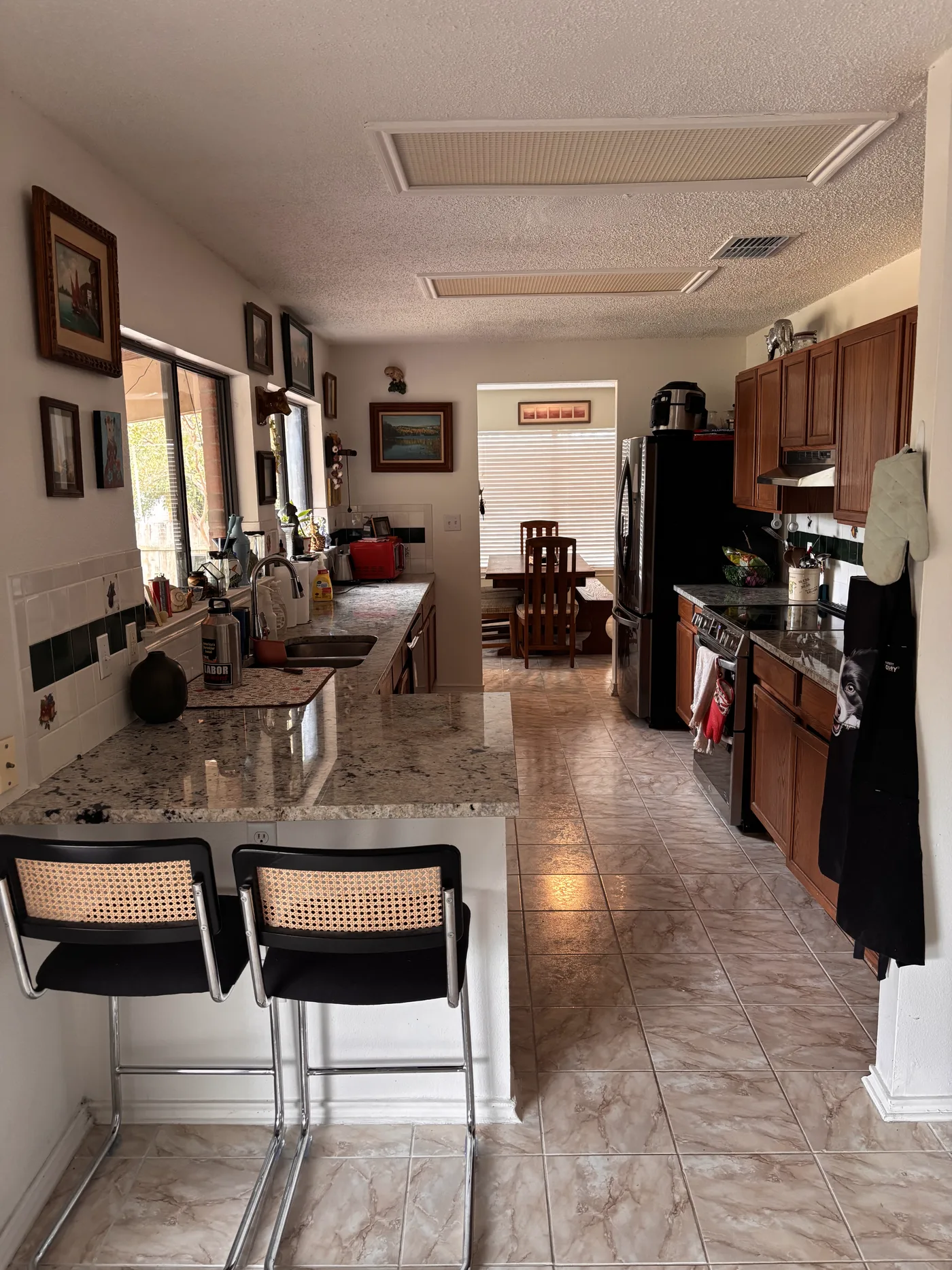
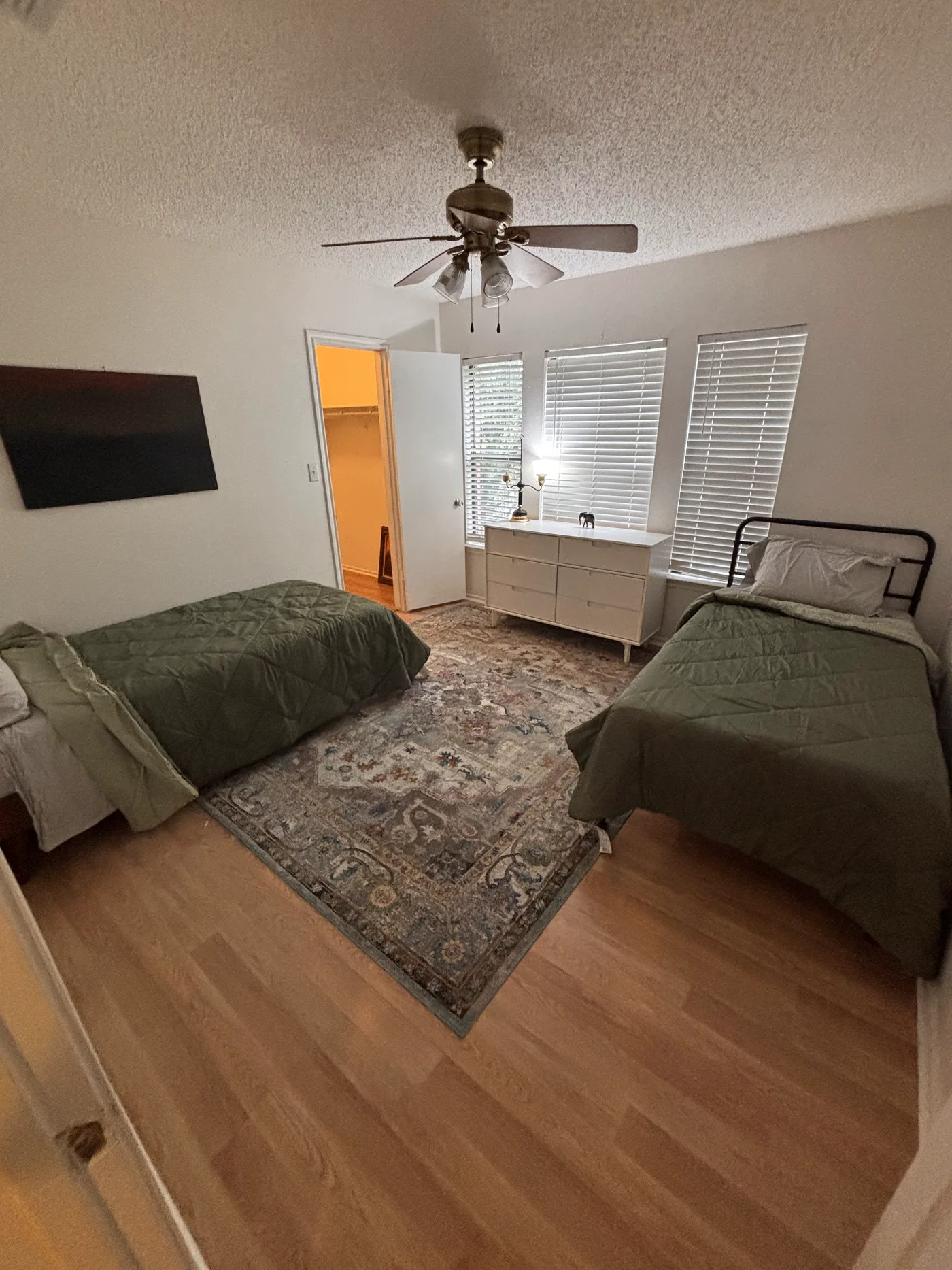
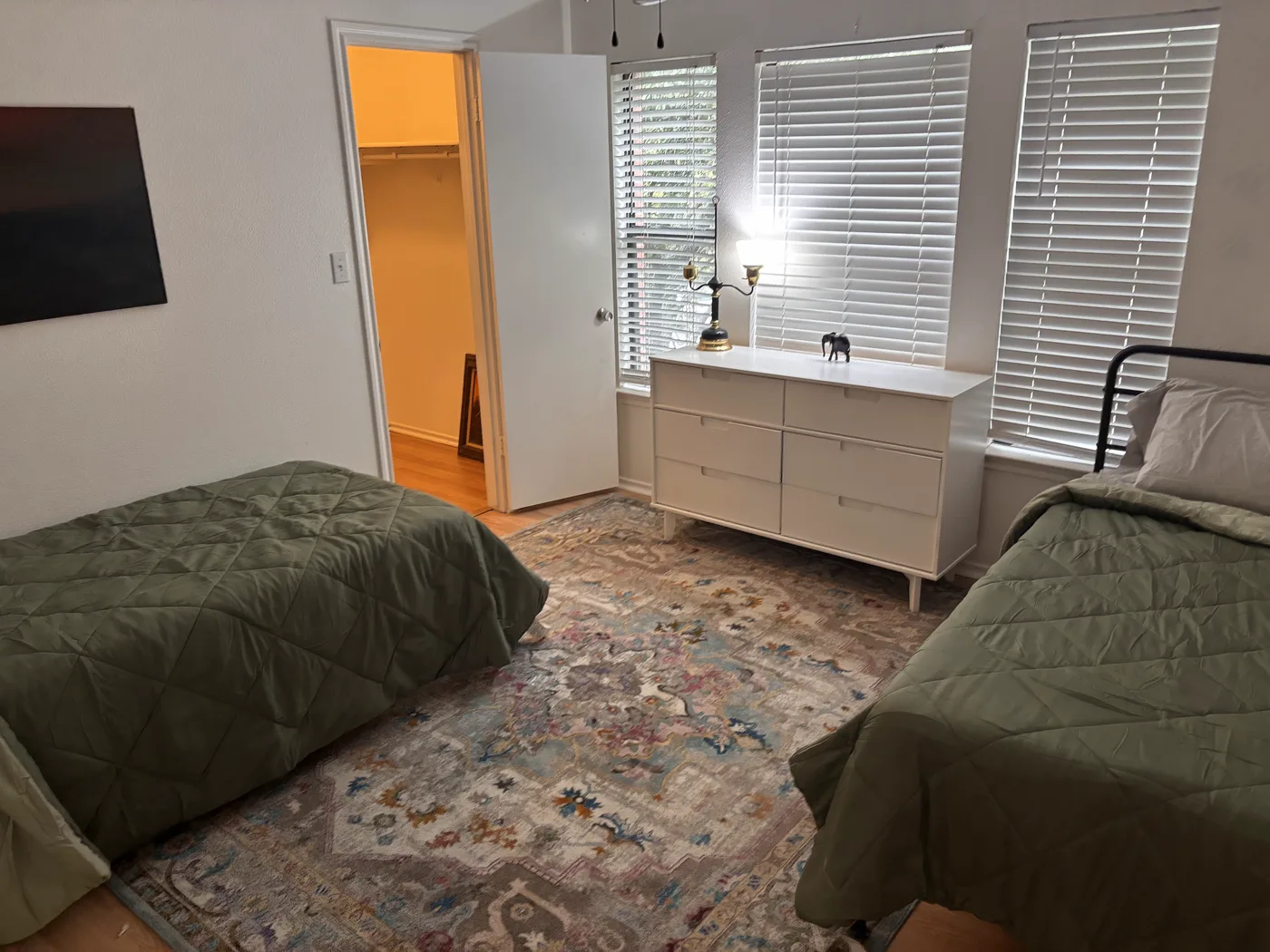
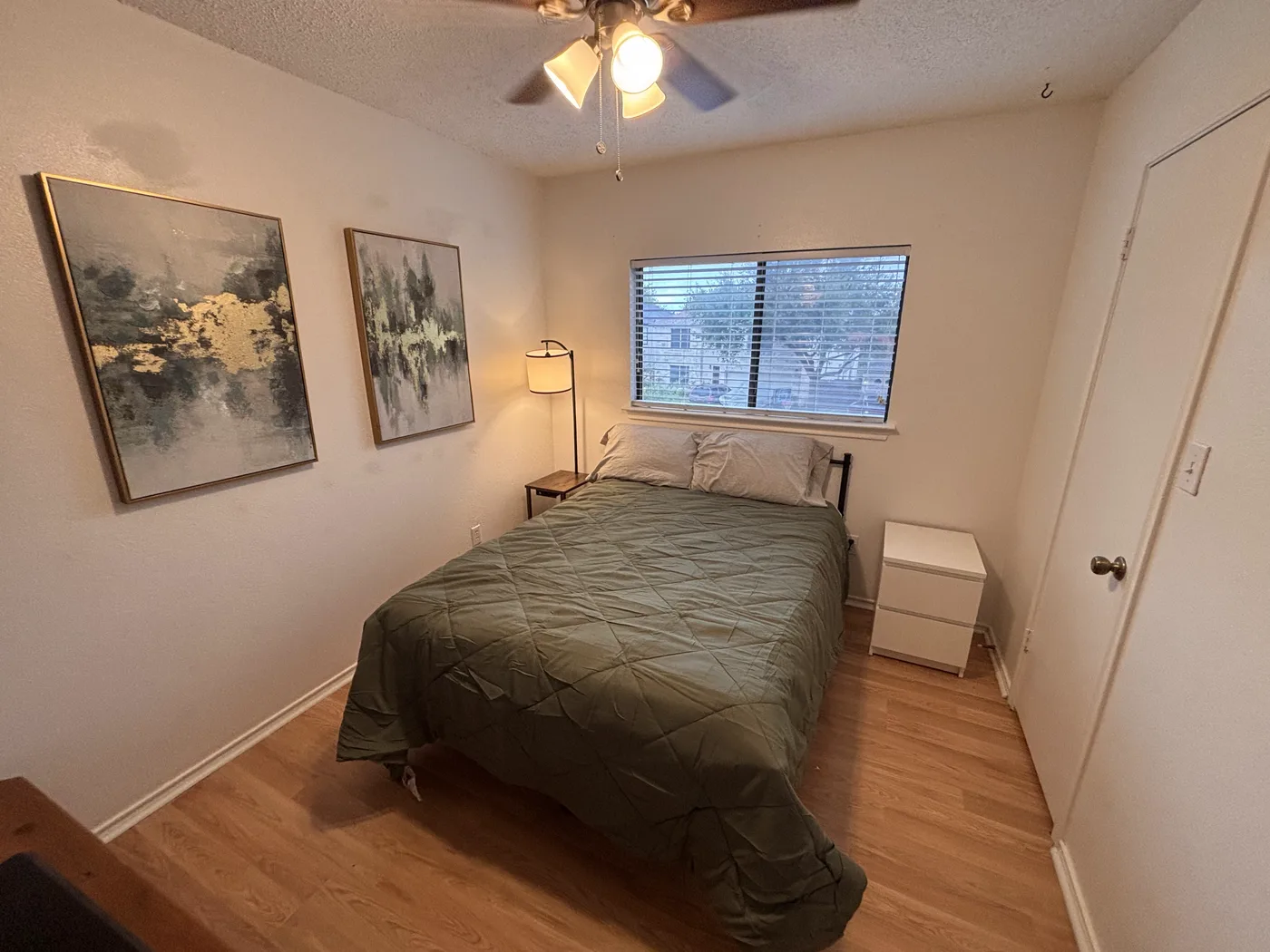
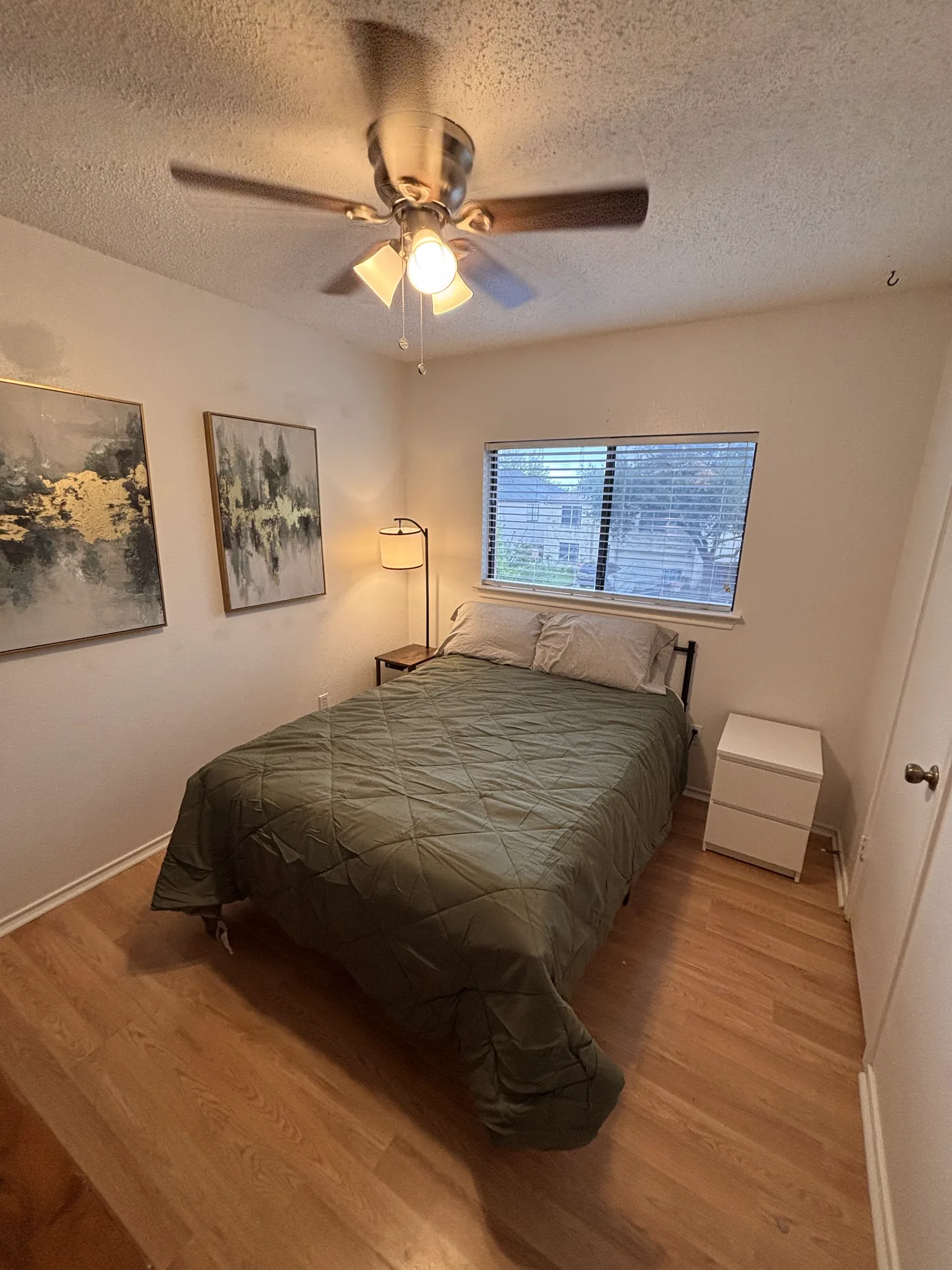
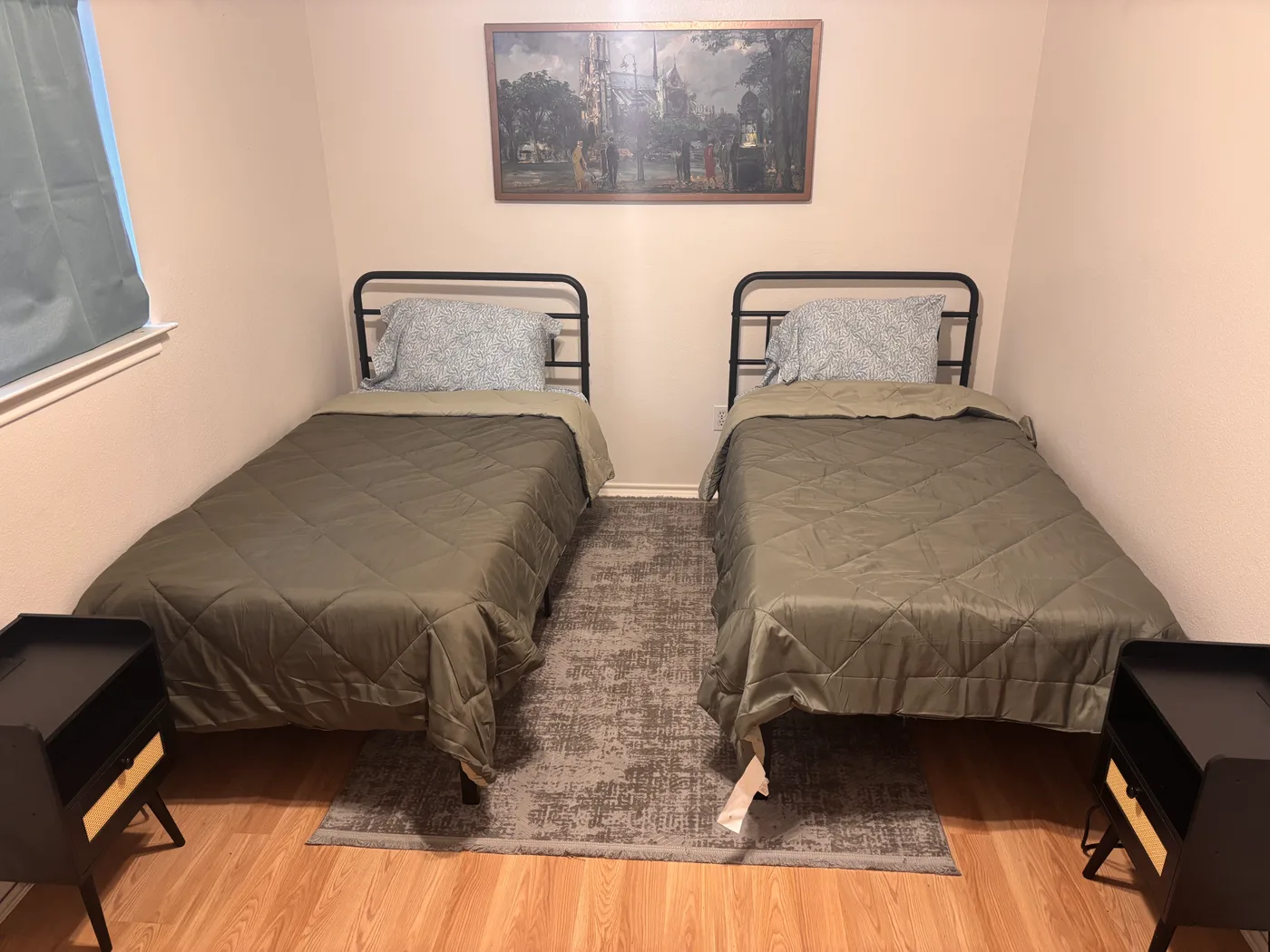
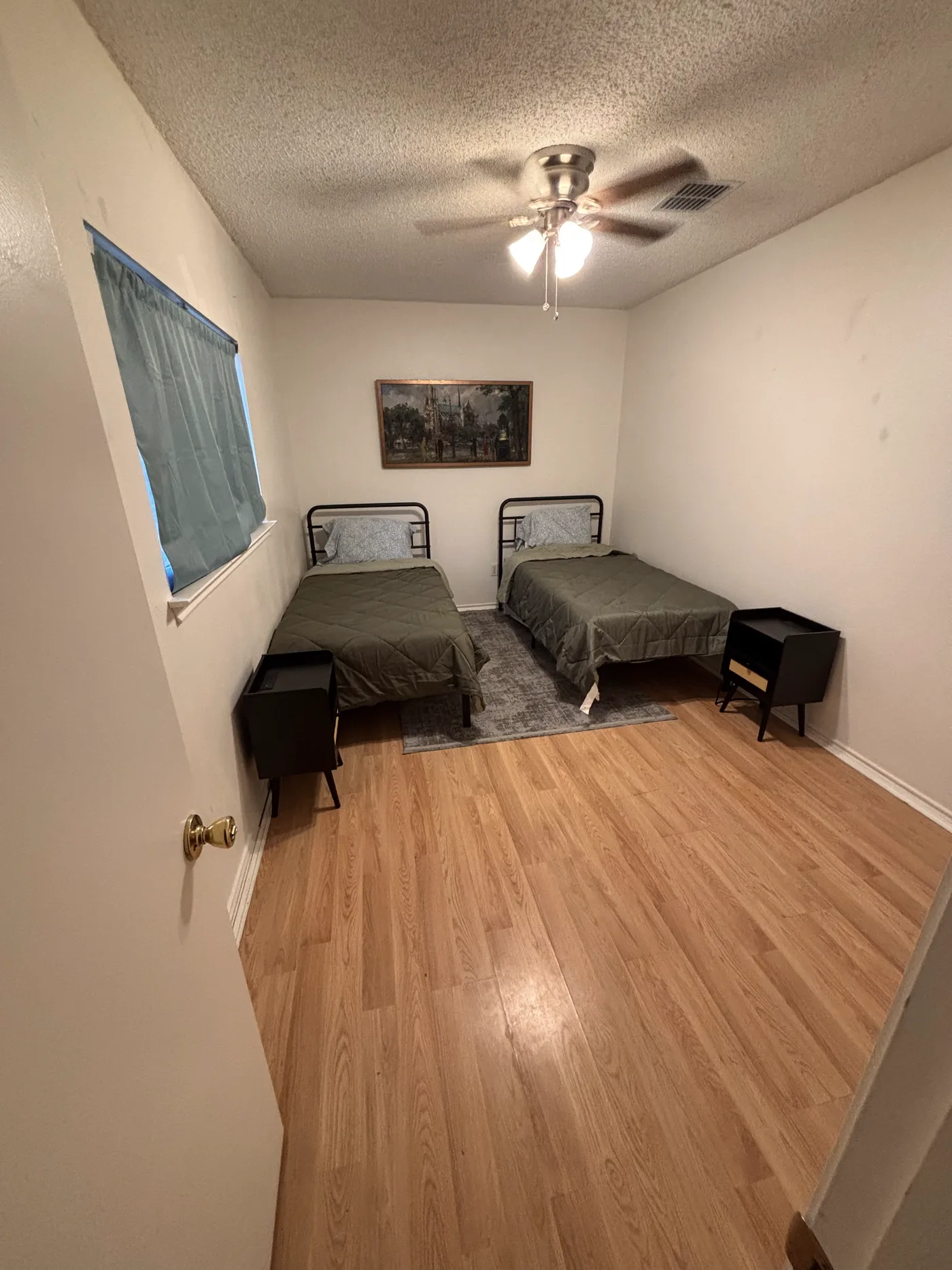
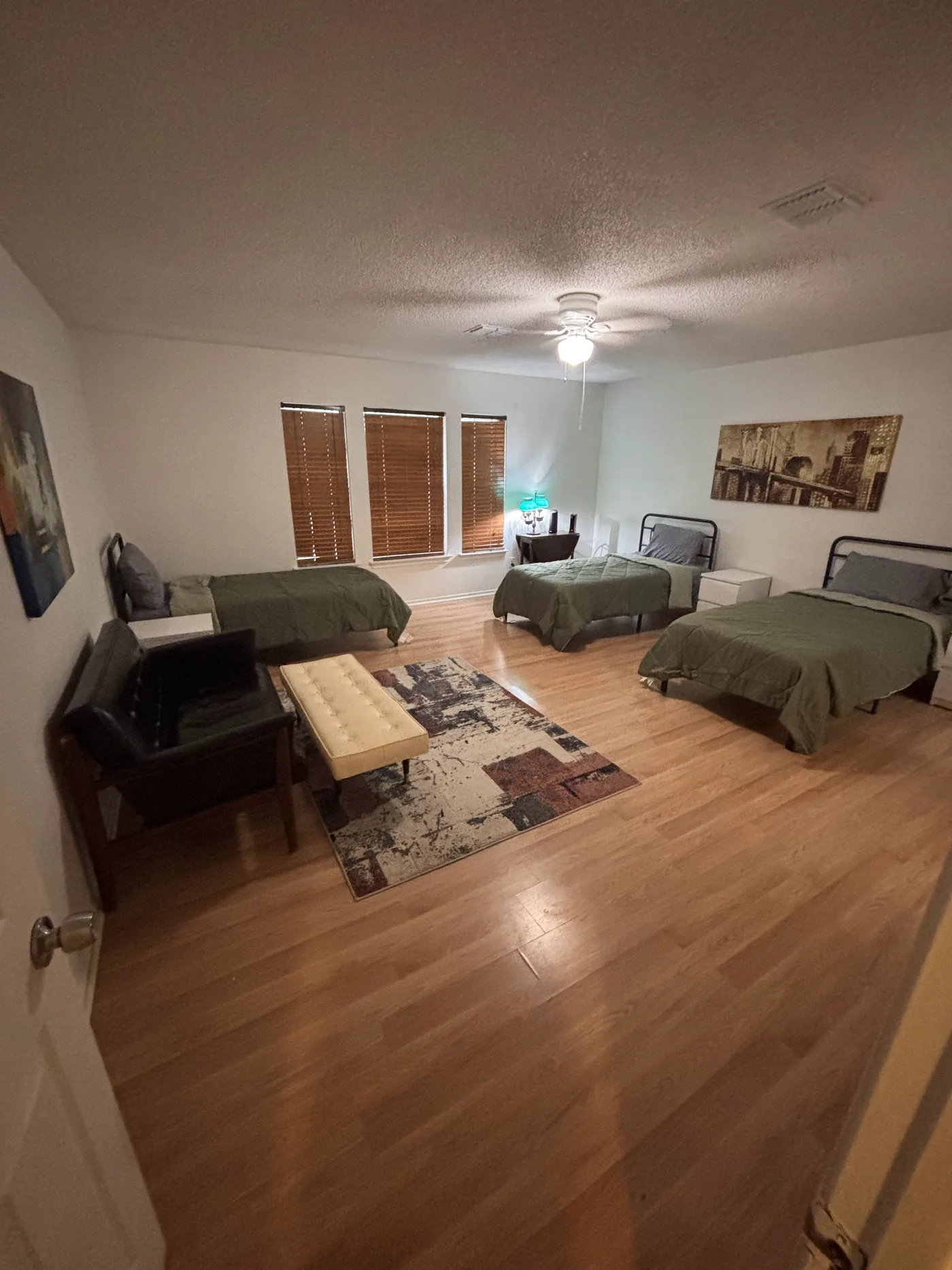
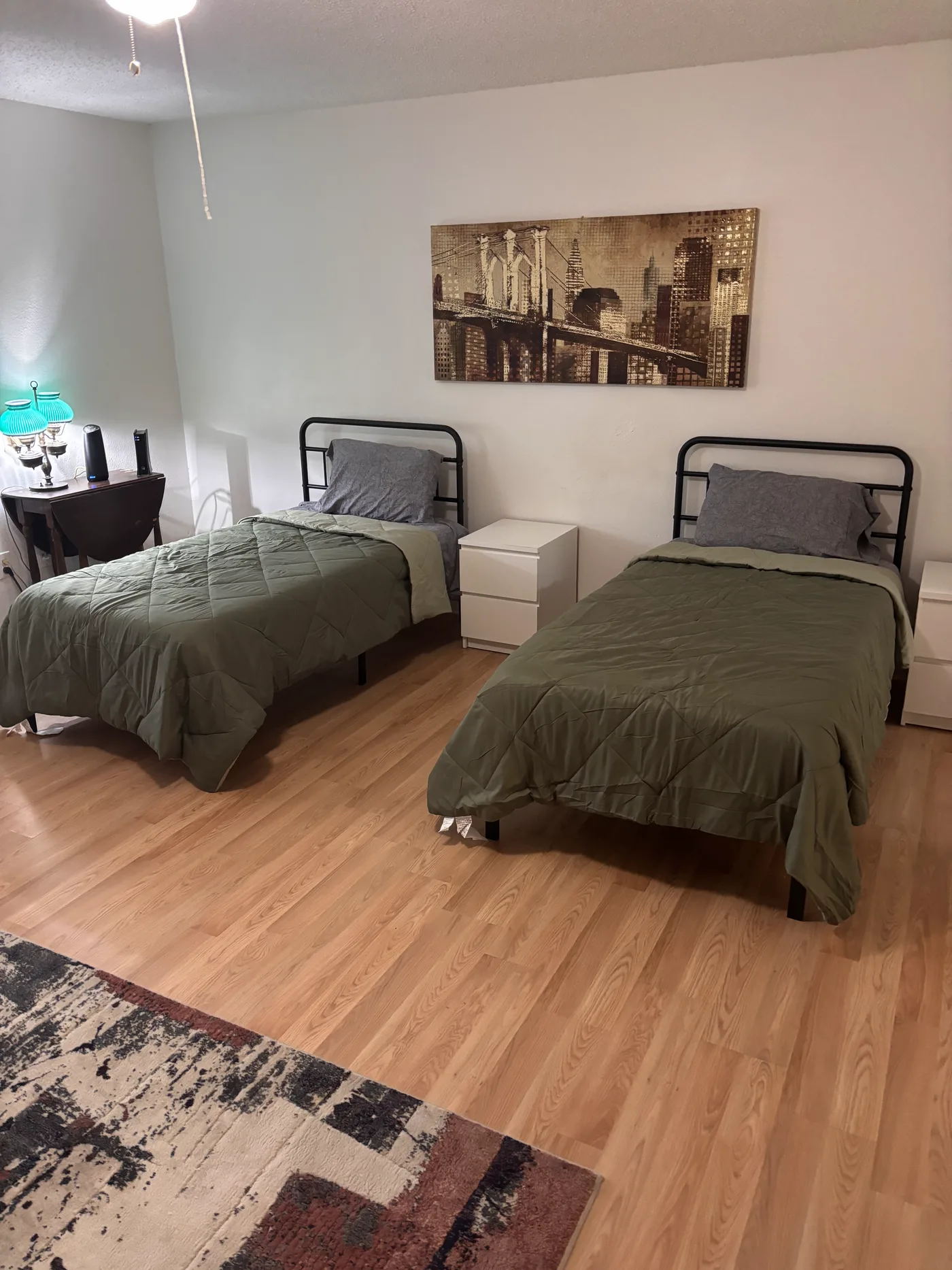
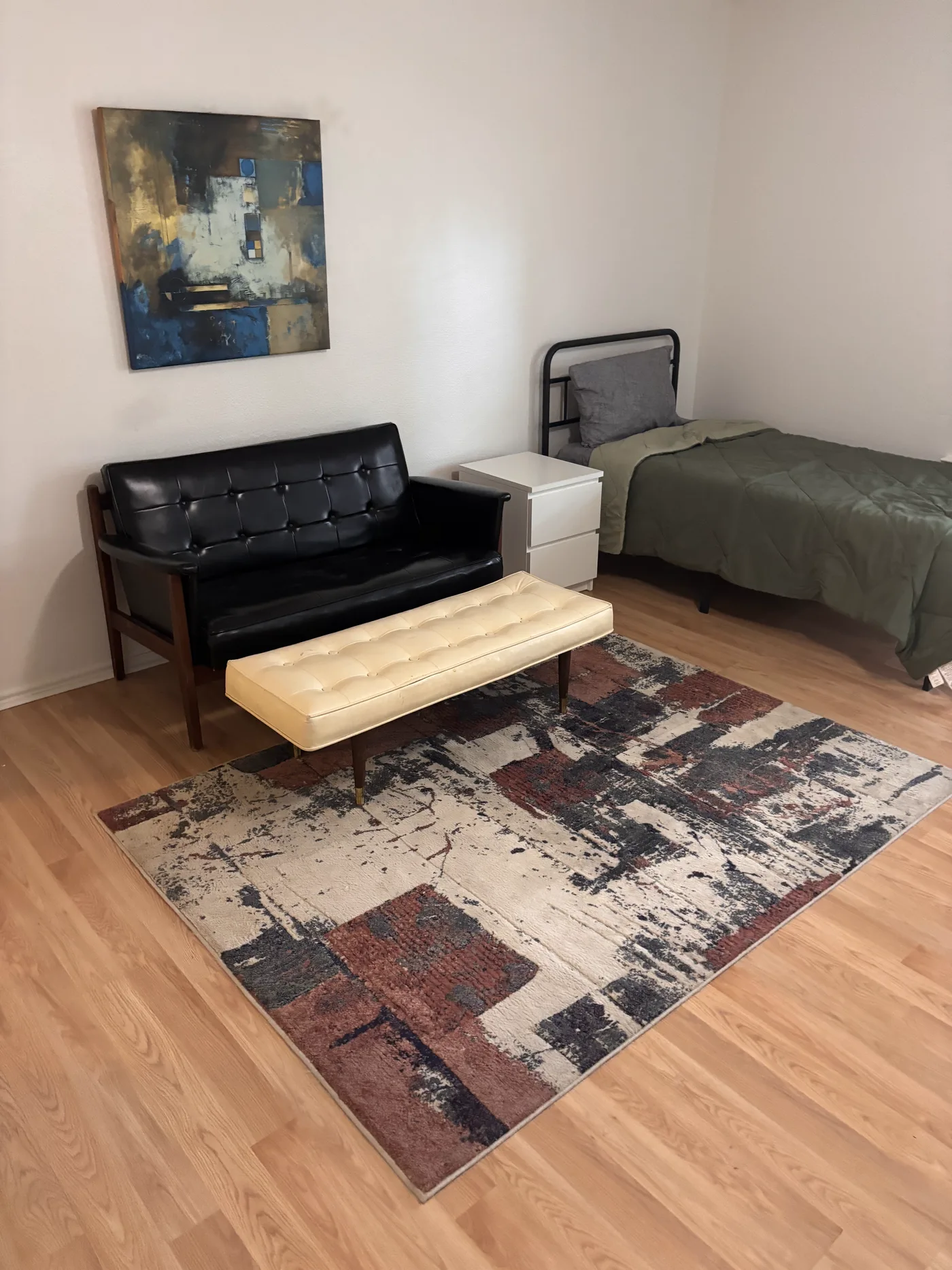
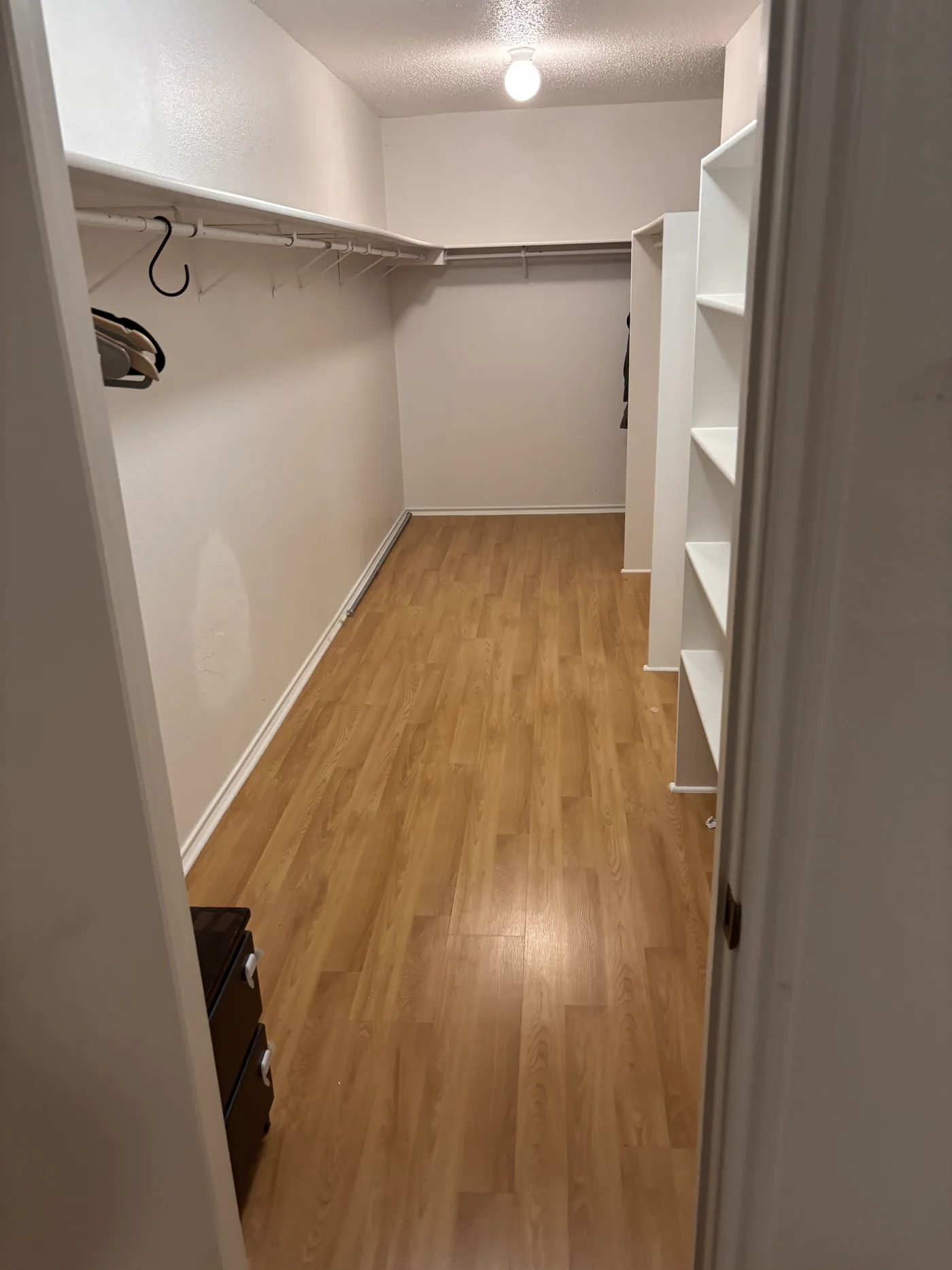
Programs, Structure & House Rules (what to expect day‑to‑day)
Most Austin houses use a mix of policies that support accountability while promoting independence:
House meetings & chore systems to keep the environment safe and orderly.
Curfews that relax as you achieve long‑term sobriety milestones.
Drug/alcohol testing to maintain a drug‑free living space.
Mandatory recovery activities (e.g., AA/NA meetings, step work, IOP attendance).
Case management/coaching (Levels II: III) and, at some programs, life‑skills training.
Specialized models you’ll see:
Gender‑specific homes (men’s, women’s).
MAT‑friendly houses (for people on buprenorphine, methadone, or naltrexone).
Trauma‑informed or co‑occurring‑friendly communities (e.g., women’s transitional homes).
Amenity‑rich homes (pet‑friendly options, fitness rooms, community centers).
Costs in Austin & How People Pay (housing vs. treatment; funding realities)
Sober living typically charges monthly program/housing fees (rent, utilities, testing, staffing). These fees are not the same as treatment costs; most health insurance plans do not Pay for housing itself. Texas has piloted limited funding streams for recovery housing, but availability is inconsistent and often tied to accreditation. Scholarships or sliding‑scale support sometimes exist through individual providers or philanthropic programs, ask directly.
Eudaimonia's Success Stories – Real People, Real Freedom
Where to ask about affordability:
The house’s admissions team (some offer scholarships or short‑term aid).
Local nonprofits and county programs (e.g., Integral Care housing supports for qualifying residents).
Oxford House (lower dues shared among residents in peer‑run homes).
Bottom line: Budget for first month’s fees + deposit, daily living costs, and transportation. Confirm what’s included (utilities, Wi‑Fi, testing, transportation, gym access, etc.) and what costs extra.
Neighborhoods & Practical Logistics (jobs, transit, meetings, clinics)
Austin’s geography matters. Choose a location that fits your recovery routine—near work or job‑hunting hubs, bus routes, and meetings. Two quick anchors:
AA in Austin (Hill Country Intergroup): robust, daily meeting schedule and hotline.
NA in Central Texas: multiple in‑person and virtual options.
If you’re working with a therapist, IOP, or medication provider, map travel time from the house to your clinic, and sanity‑check bus frequency if you don’t drive. For folks who need broader social‑service support, Integral Care coordinates housing assistance, case management, and behavioral health for eligible Travis County residents.
Frequently Asked Questions (FAQ)
How long can you stay in sober living in Austin?There’s usually no strict cap; length of stay depends on progress and house rules. Many people stay 3–12 months, some longer if it supports sustained recovery.
What’s the difference between sober living and a halfway house?Halfway houses are often court‑ or corrections‑linked transitional housing; sober living is recovery‑oriented housing that isn’t tied to the justice system and follows standards like NARR Levels.
Does insurance cover sober living in Texas?Insurance typically does not pay for the housing component. It may cover outpatient treatment/IOP you attend while living there. Ask about scholarships or sliding‑scale options.
What are typical rules in Austin sober homes?Abstinence, testing, curfews, chores, meetings, and participation in work/school or service. Details vary, always request the resident handbook.
What’s TROHN and why does it matter?TROHN is Texas’s NARR affiliate. Its certification indicates adherence to national recovery housing standards and a formal grievance process.
Is Oxford House available in Austin?Yes, search Oxford House Texas resources and the vacancies tool for current openings (peer‑run, democratically managed residences).
Are there gender‑specific or women‑only houses?Yes; Austin has men’s and women’s homes, including women‑only transitional living options.
Can I bring my pet?Some providers offer pet‑friendly homes; always confirm written policies before you apply.
What legal protections apply to sober living in Austin?Residents in recovery are protected under Fair Housing laws; the City of Austin provides a reasonable accommodation process for disability‑related housing needs.
How do I tell if a house is reputable?Look for NARR/TROHN certification or an Oxford House charter, transparent rules/fees, consistent testing, clear relapse protocols, and positive resident feedback.
Your Future Is Waiting
Tell us what you are looking for and admissions will walk you through the houses, the phases, and what a room actually costs.


