

Published February 2, 2026 · Updated August 5, 2026
Key Takeaways
- What “Getting Unhigh” Really MeansUnderstand what a cannabis high is, why it lasts, and how tolerance affects it.
- How to Get Unhigh Fast: What Helps Right NowUse calming, safety-first steps that reduce panic while you wait it out.
- How to Sober Up From Edibles and Strong THC ProductsAvoid common mistakes with edibles and manage the longer timeline safely.
- What Not to Do When You’re Too HighSkip alcohol, risky “fixes,” and anything that can make symptoms worse.
- When to Get Emergency HelpKnow the red-flag symptoms that call for urgent medical support.
- How to Quit Weed: Benefits and a Realistic PlanLearn the benefits of quitting marijuana and practical ways to stop smoking weed.
- How to Get a Weed High Without Weed: Safer AlternativesUse healthy mood-lifting habits that support recovery instead of undermining it.
On This Page · 14 Sections
Feeling “too high” can be scary, especially with strong products or edibles. It can come with racing thoughts, dizziness, or panic that feels hard to control. If you are searching for how to get unhigh, the most honest answer is this: time is the main thing that ends a cannabis high. Still, you can take smart steps to feel steadier and stay safe while it passes.
This guide explains what “getting unhigh” really means, what to do when high, how to sober up from weed fast as safely as possible, and when to get medical help. It also covers how do I quit weed, along with the benefits of quitting marijuana when cannabis starts working against your recovery.
What “Getting Unhigh” Really Means
“Getting unhigh” means your brain and body are returning to baseline after THC (the main intoxicating compound in cannabis) changes perception, attention, and coordination. You may still test positive for THC long after you feel normal, but the intense effects fade as THC levels drop and your nervous system settles.
How long it lasts depends on dose, tolerance, and how you used it:
- Smoking or vaping: effects are often felt within minutes and may fade over a few hours.
- Edibles: effects usually start later, can feel stronger, and may last much longer than inhaled cannabis.
People also ask why cant i get high anymore, and tolerance is a common reason that can push people to take more than they planned. For many people, a tolerance break or quitting marijuana reduces this cycle and makes cravings easier to read.
If you are building a plan to stay substance-free in a place where cannabis is widely available, this guide on staying sober where marijuana is legal can help you think through triggers and boundaries.
For a plain-language overview of cannabis effects and health considerations, see MedlinePlus (NIH) information on marijuana.
How to Get Unhigh Fast: What Helps Right Now
If you are wondering how to come down from a high faster, start with the basics below and skip the risky “hacks.” If you want the best way to come down from a high faster, focus on safety, calm, and comfort, because you cannot instantly “erase” THC. These steps are also the practical answer to “how to get unstoned,” “how to stop being high,” and “how to get rid of a high” when you feel overwhelmed.
- Stop using immediately and avoid the “one more hit” trap, since additional THC almost always makes the experience worse.
- Change your setting by moving to a quiet, familiar place with low stimulation and a stable temperature.
- Ground your body by sitting down, placing both feet on the floor, and naming what you can see, feel, and hear.
- Slow your breathing with a steady rhythm, such as inhaling for four counts and exhaling for six counts for several minutes.
- Hydrate gently with small sips of water, because chugging can worsen nausea or dizziness.
- Eat a light snack like toast, crackers, fruit, or soup, which can feel easier on your stomach than heavy food.
- Distract your brain with calm music, a simple show, or a reassuring phone call, since attention often drives panic.
- Rest if you can, because sleep is often the fastest route to relief when you are in a safe place.
If you are asking “how to get sober fast weed,” treat it like a short-term anxiety event: stabilize your environment, breathe slowly, and let the wave pass without fighting it. The goal is not to prove toughness; the goal is to stay safe until your body clears the peak effects.
How to Sober Up From Edibles and Strong THC Products
Edibles are a common reason people feel stuck for hours, because the onset is delayed. The peak can also arrive later than expected, which leads some people to take more before the first dose has fully hit. If you need to know how to sober up from edibles, start with one rule: do not take more, even if you feel “nothing” at first.
These tips can help you sober up from pot when edibles are involved:
- Expect a longer timeline, because it is possible to feel noticeably high for many hours at higher doses.
- Stay put and avoid driving, cooking over open flames, or risky physical activity while judgment is impaired.
- Use “small sips, small bites” if you are nauseated, then pause and reassess before adding more.
- Cool down with loose clothing and a cool washcloth if you feel overheated or flushed.
- Ask for support by calling someone you trust, especially if you are alone and spiraling.
If you are in recovery housing or a halfway house, it can help to tell staff you are struggling, because early support often prevents a bad night from turning into a relapse spiral. For more science-based information on THC, cannabis use disorder, and what heavy use can look like, see NIDA’s cannabis (marijuana) DrugFacts.
Eudaimonia's Success Stories – Real People, Real Freedom
What Not to Do When You’re Too High
When you feel overwhelmed, it is tempting to “counteract” THC with other substances or extreme tactics. Many of those ideas either do nothing or make anxiety worse, especially when your heart rate is already up. If you want to know how to come down from being high, it helps to know what to avoid.
- Do not drink alcohol, because mixing substances increases risk and can worsen dizziness, nausea, and impulsive choices.
- Do not take other drugs to balance it out, since combining substances can be unpredictable and dangerous.
- Avoid too much caffeine, because coffee or energy drinks can raise heart rate and intensify panic sensations.
- Do not try to “sweat it out” with a hard workout, because it may increase lightheadedness while you are impaired.
- Be cautious with CBD, because products can be mislabeled and may contain THC, which can be a relapse risk in recovery settings.
In plain terms, the safest way to stop being high is time plus calm, not a risky “fix” that adds new problems.
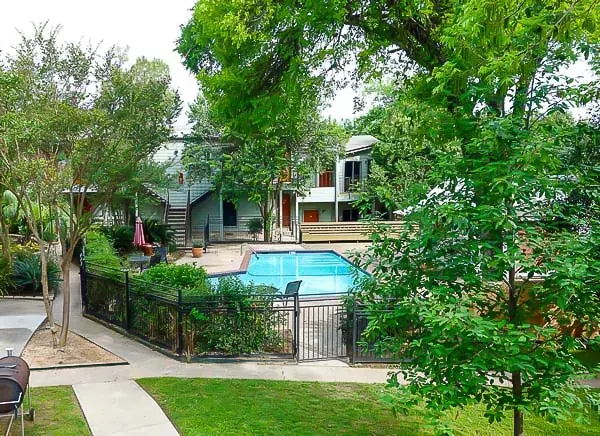
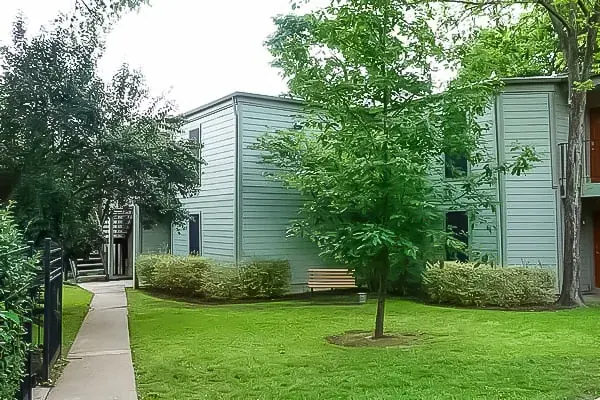
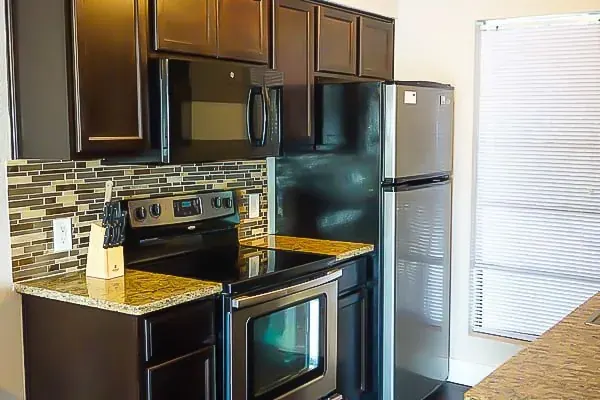
Inside Rustic Creek, our Austin flagship





When to Get Emergency Help
Most cannabis highs pass without medical treatment, but you should take severe symptoms seriously, especially with high-dose edibles or underlying health anxiety. Call 911 or seek urgent care if you have:
- Chest pain, trouble breathing, fainting, or a seizure.
- Severe confusion, extreme agitation, or hallucinations that feel unsafe.
- Uncontrolled vomiting, signs of dehydration, or inability to stay awake.
- Thoughts of self-harm or harming someone else.
If you are worried you took too much, you can also call Poison Control in the U.S. at 1-800-222-1222 for guidance and reassurance. Now if cannabis use is becoming frequent, hard to control, or tied to relapse risk, confidential help is available through the SAMHSA National Helpline.
If you are ready for support that goes beyond advice articles, an intensive outpatient program (IOP) schedule can show what structured weekly care looks like while you keep work, school, or family responsibilities.
How to Quit Weed: Benefits and a Realistic Plan
Many people who search “how to get un high” are also noticing a pattern they do not like, such as worse sleep, more anxiety, or less motivation after using. If you are asking how do I quit weed, it helps to treat it like any other behavior change. That means clear goals, fewer triggers, and more support than willpower alone.
Benefits of quitting marijuana
The benefits of stopping weed vary by person, but common benefits to quitting weed include clearer thinking, steadier mood, improved energy, and fewer “next-day” crashes after heavy use. If you are making a list of giving up weed benefits, include the recovery wins too, such as stronger accountability and better follow-through with your goals. That is why quitting marijuana can be a protective decision, not a punishment.
Tips for quitting weed that reduce relapse risk
The best way to give up smoking weed is the plan you can actually follow. That plan should include specific ways to stop smoking weed when cravings hit, so you are not improvising under stress. Here are practical tips to stop smoking weed without white-knuckling:
- Pick a clear quit date, decide whether you are tapering or quitting weed cold turkey, and write down your reason.
- Remove cues by getting rid of carts, papers, grinders, and saved contacts that make relapse easy.
- Plan for cravings with a short list of “do this instead” actions, since cravings rise, peak, and fall.
- Protect sleep with a steady bedtime and a wind-down routine, because insomnia is a common trigger early on.
- Replace the ritual with a walk, shower, stretching, or journaling when you would normally smoke.
- Use accountability through clear goals and rewards, and tools like contingency management when structure helps you stay consistent.
Withdrawal can happen after you quit smoking weed, especially after daily use, and people often report irritability, restlessness, sleep disruption, lower appetite, and strong cravings for several days. If you want the best way to quit smoking weed for your situation, consider stacking supports, such as therapy, peer recovery, and structured housing.
If you need stable housing and accountability while you work on quitting marijuana, consider applying through our sober living program application.
How to Get a Weed High Without Weed: Safer Alternatives
People sometimes ask “how to get a weed high without weed” when they miss the relief, the routine, or the escape. Often, that question is really about stress regulation and emotional relief. You may not be able to recreate THC’s exact effect without using a substance, but you can build natural mood lifts that support recovery instead of undermining it.
- Move your body with a brisk walk or light workout, which can reduce anxious energy and improve mood.
- Use cold water by splashing your face or taking a cool shower, which can interrupt panic and rumination.
- Connect with someone, because isolation makes cravings louder while support makes them manageable.
- Do something absorbing like a puzzle or a small cleaning task, since focus helps your nervous system settle.
- Practice mindfulness with a few minutes of slow breathing, which often reduces the sense of losing control.
If you want more ideas, explore these natural highs that support a life in recovery. The goal is not to chase a high; it is to build relief you can repeat without consequences.
How Eudaimonia Recovery Homes Supports How to Get Unhigh and Quit Marijuana Safely
If you are searching for how to get unhigh, it may be a sign that marijuana is starting to feel less manageable and more stressful. Eudaimonia Recovery Homes can help by providing a structured sober living environment where you are not dealing with cravings, anxiety, or impulsive decisions alone. With accountability, peer support, and consistent routines, many people feel more stable while they step away from weed and rebuild daily habits.
In addition, a supportive recovery home can help you identify the triggers that lead to overuse, stronger highs, or repeated “I need to come down fast” moments. You also gain access to recovery-focused support that reinforces healthier coping skills, like grounding techniques, communication tools, and stress management strategies. If quitting marijuana feels difficult, having steady structure can make it easier to follow through, especially during the first few weeks when sleep and mood can feel off. Over time, this kind of support can strengthen your confidence, help you stay consistent, and make the benefits of quitting marijuana easier to maintain. Most importantly, you can work toward lasting stability without isolating or relying on quick fixes that do not address the bigger pattern.
Your Future Is Waiting
Tell us what you are looking for and admissions will walk you through the houses, the phases, and what a room actually costs.


