

Published June 23, 2026 · Updated June 24, 2026
On This Page · 10 Sections
Developing a healthy daily routine while living in recovery housing means creating consistent structure around sleep, meals, house responsibilities, peer support, work or education, physical activity, and evening accountability. The framework of sober living provides the external structure, house meetings, curfews, drug testing, chores, while you build the internal habits that will carry you forward. Start by anchoring your day to non-negotiable recovery activities like morning check-ins and evening gratitude, then layer in productive routines for work, exercise, and connection that fill the hours once occupied by substance use.
Why Daily Routine Matters More in Recovery Housing
When you first arrive at a recovery home in Austin, Houston, San Antonio, Colorado Springs, Philadelphia, or Baton Rouge, the unstructured time can feel overwhelming. If you’ve just completed detox or residential treatment, you’ve had every hour planned for you. Now you’re responsible for building your own schedule within the accountability framework of sober living.
A healthy daily routine in recovery serves three critical functions. First, it removes decision fatigue, you’re not constantly wondering what to do next or whether you have time to slip into old patterns. Second, it creates positive momentum through small wins that compound over time. Third, it signals to your brain that you’re building a new identity, not just abstaining from substances.
The structure of recovery housing supports this process. House meetings, mandatory drug screenings, curfews, and shared responsibilities provide the scaffolding. Your job is to fill the space between those touchpoints with routines that reinforce sobriety rather than threaten it.
Morning Routines That Set the Tone for Sobriety
The first two hours after waking determine the trajectory of your entire day. In recovery housing, a strong morning routine typically includes these elements:
- Consistent wake time: Set your alarm for the same time every day, even weekends. This regulates your circadian rhythm and improves sleep quality.
- Immediate action: Make your bed within five minutes of waking. This small accomplishment creates forward momentum.
- Mindfulness or meditation: Even five minutes of breathing exercises, prayer, or meditation grounds you before the day’s demands begin.
- Nutrition: Eat a protein-rich breakfast. Many people in early recovery have disrupted eating patterns; consistent meals stabilize mood and energy.
- Physical movement: A morning walk, stretch routine, or workout releases endorphins and reduces anxiety throughout the day.
Many residents at Eudaimonia Recovery Homes find that morning house meetings or accountability check-ins with roommates help anchor their routine. These peer connections remind you why you’re here and that you’re not doing this alone.
Structuring Your Productive Hours in Recovery
The middle of your day, roughly 9 a.m. To 5 p.m.—needs purposeful structure. This is where boredom and isolation can creep in if you’re not intentional about developing a healthy daily routine while living in recovery.
If you’re working, your job provides natural structure. If you’re between jobs or in outpatient programming, create blocks of time dedicated to specific activities. This might include job searching for two hours each morning, attending an outpatient session, volunteering, or taking classes toward a certification or degree.
The key is external accountability. Tell your housemates or house manager your daily plan. Better yet, align your schedule with other residents who are also building routines. Drive together to the gym, study at the same coffee shop, or job-search side by side. Recovery housing works because you’re surrounded by people committed to the same goal.
Fill idle time with activities that build your future rather than just pass the time. Read books about recovery, business, or skills you want to develop. Listen to podcasts during commutes. Use meal prep as a productive Sunday routine that saves time and money all week. Every intentional choice reinforces the person you’re becoming.
Evening Routines That Support Long-Term Sobriety
Evenings are high-risk times in early recovery. Old patterns often centered around substance use after work or on weekends. A deliberate evening routine in your recovery home helps you navigate these hours safely.
Plan your evenings in advance. If Friday nights were party nights, schedule a 7 p.m. recovery meeting, arrange to have dinner with sober friends, or commit to a house activity. Don’t leave evenings open-ended hoping you’ll figure it out in the moment. That’s when cravings gain power.
Effective evening routines in sober living often include:
- Recovery meetings: Attend 12-step or alternative recovery meetings several evenings per week to maintain connection and hear others’ experiences.
- House accountability: Evening check-ins, shared meals, or house meetings keep you engaged with your recovery community.
- Screen-time boundaries: Set a time to put away your phone and avoid doomscrolling or comparing yourself to others online.
- Gratitude practice: Write down three things you’re grateful for before bed. This simple practice rewires your brain toward positivity.
- Sleep hygiene: Honor your curfew, wind down with reading or journaling, and aim for seven to nine hours of sleep.
Curfews in recovery housing aren’t arbitrary rules, they protect your sleep schedule and ensure you’re not putting yourself in situations that threaten sobriety. Work with the structure rather than against it.
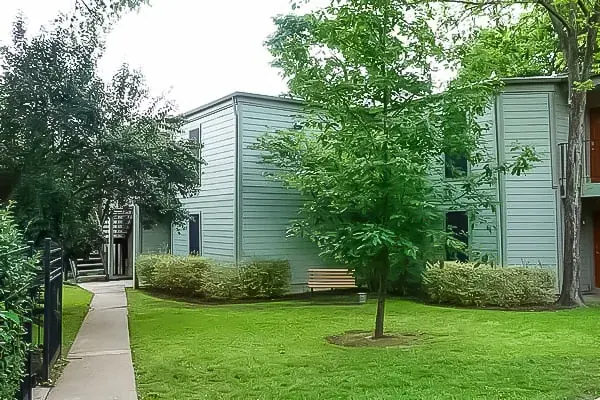
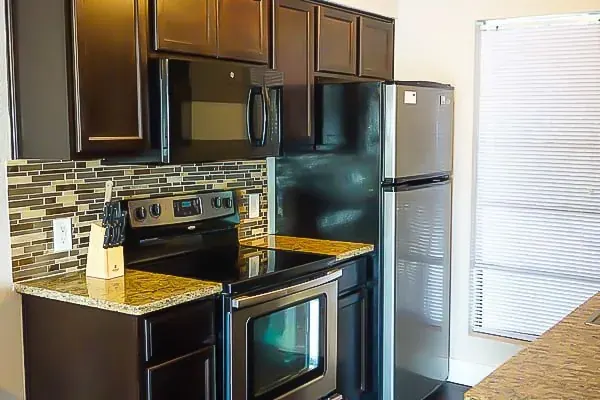
Inside Rustic Creek, our Austin flagship






Building Flexibility Into Your Recovery Routine
Structure doesn’t mean rigidity. Life happens. You’ll have bad days, unexpected challenges, and moments when your routine falls apart. The goal isn’t perfection; it’s having a default pattern to return to when things get chaotic.
Build buffer time into your schedule. If you’re constantly rushing from one commitment to another, stress will erode your routine. Leave 15-minute gaps between activities. Use that time to breathe, check in with yourself, or simply transition mindfully from one part of your day to another.
Also build in rewards. Recovery is hard work, and your routine should include things you genuinely enjoy. Maybe that’s shooting hoops with housemates, cooking a nice meal on Sundays, or binge-watching a show you love on Friday nights. Sustainable routines balance discipline with pleasure.
How Recovery Housing Structure Supports Your Routine
Living at a Eudaimonia Recovery Home in Austin, South Austin, Houston, San Antonio, Colorado Springs, Philadelphia, or Baton Rouge provides external structure that makes building a healthy daily routine easier. You’re not relying solely on willpower: the house rules, peer accountability, and shared responsibilities create a container for your growth.
House chores teach responsibility and time management. Weekly drug testing provides accountability. Mandatory meetings ensure you stay connected to recovery principles. Curfews protect your sleep and limit exposure to high-risk situations. Living with others in recovery means you can’t hide when you’re struggling. Someone will notice and reach out.
This combination of structure and community is why recovery housing significantly improves long-term sobriety outcomes compared to going directly home after treatment. You’re practicing independence while still having support, building routines in a protected environment before facing the full demands of autonomous living.
Adjusting Your Routine as You Progress in Recovery
Your routine in month one will look different from month six or month twelve. As you develop a healthy daily routine while living in recovery, you’ll gain capacity for more complex responsibilities and longer-term planning.
Early in recovery housing, your routine might focus heavily on stabilization: attending meetings daily, getting to work on time, managing basic self-care, and staying engaged with your housemates. As you gain confidence and stability, you can add goals like saving money, taking on leadership roles in the house, pursuing education, or repairing family relationships.
Check in monthly with yourself or your house manager about how your routine is serving you. What’s working? What’s creating unnecessary stress? What goals are you ready to add? Recovery is a process of continuous growth, and your daily routine should evolve with you.
Common Routine Pitfalls and How to Avoid Them
Several traps can undermine even well-intentioned routines in recovery housing. Being aware of them helps you course-correct quickly.
Over-scheduling: Cramming every minute with activities will lead to burnout. Leave space for rest, spontaneity, and simply being present with your housemates. Recovery isn’t about staying busy enough to avoid feelings; it’s about building a life you don’t need to escape from.
Isolation: If your routine consistently keeps you away from the house and disconnected from your recovery community, it’s not supporting your sobriety. Balance productive time outside the house with engaged time in the recovery home.
Perfectionism: Missing a workout or staying up past your ideal bedtime doesn’t mean you’ve failed. Acknowledge it, understand what happened, and return to your routine the next day. Progress, not perfection.
Neglecting fundamentals: No matter how busy you become, protect time for meetings, house responsibilities, sleep, and connection with others in recovery. These non-negotiables support everything else you’re building.
The Role of Community in Sustaining Your Routine
You don’t develop a healthy daily routine in isolation. The community aspect of recovery housing is what makes routines stick. When you share your schedule with roommates, work out together, prep meals as a house, or hold each other accountable for commitments, you’re far more likely to follow through.
Find an accountability partner in your recovery home who’s also working on building structure. Check in daily about your plans and how you did. Celebrate wins together and troubleshoot challenges. This mutual support creates momentum that individual willpower can’t sustain.
House activities, whether structured programming or informal movie nights, basketball games, or group outings, should be part of your routine. These shared experiences build the relationships that will carry you through tough moments when routine alone isn’t enough.
If you’re ready to develop a healthy daily routine while living in recovery to support your long-term sobriety, Eudaimonia Recovery Homes provides the structure, community, and accountability to help you succeed. Reach out to learn more about our sober living programs.
Ready to take the next step?
Eudaimonia Recovery Homes provides structured sober living and recovery support in Philadelphia, PA. Call (713) 818-2361 to speak with our team today.