

Published July 13, 2026
On This Page · 11 Sections
Research consistently shows that staying in a sober living home for at least six months gives you the best chance at sustained recovery. While some residents benefit from 90-day stays, data indicates that those who remain for 6-12 months experience significantly better outcomes, including lower relapse rates and stronger community connections. The ideal length depends on your personal recovery journey, the strength of your support network, and how well you’ve internalized the skills needed to maintain sobriety independently.
Why Length of Stay Matters in Sober Living Homes
When you first leave detox or residential treatment, your brain is still healing. The neural pathways shaped by addiction don’t disappear overnight. They need time to rewire. Sober living provides that essential bridge between structured treatment and independent living, but only if you give it enough time to work.
I’ve watched hundreds of residents move through recovery housing over the years. The ones who leave after 30 or 60 days often struggle because they haven’t yet built the muscle memory of daily sobriety. They know what to do intellectually, but they haven’t practiced it long enough for it to feel natural.
The residents who stay longer, those who commit to six months or more, develop something different. They don’t just know recovery principles; they live them. They’ve navigated holidays sober, handled job stress without substances, and built genuine friendships with people who understand their journey.
The Science Behind Six-Month Stays in Sober Living
Multiple studies examining how long you should plan to stay in a sober living home point to six months as a critical threshold. Research from UCLA and other institutions has found that residents who stay six months or longer show measurably better outcomes than those who leave earlier.
Here’s what happens during those six months:
- Months 1-2: Adjustment period: learning house rules, establishing routines, initial discomfort with structure
- Months 3-4: Integration phase: routines become habits, relationships deepen, accountability feels supportive rather than restrictive
- Months 5-6: Stabilization: recovery lifestyle feels normal, coping skills are practiced and reliable, confidence in sobriety grows
- Beyond 6 months: Solidification: skills become second nature, leadership roles emerge, preparation for independent living
This timeline isn’t arbitrary. It reflects the actual neurological and behavioral changes required to establish new patterns. Your brain needs repetition over time to make sobriety your default setting rather than something you constantly have to work against.
Factors That Influence How Long You Should Stay
While six months is the research-backed minimum for optimal outcomes, your personal situation will shape how long you should plan to stay in a sober living home for the best chance at long-term recovery. Several factors deserve honest consideration.
Your substance use history plays a significant role. If you’ve been in active addiction for many years, your brain and life circumstances need more time to heal and stabilize. Someone with a decade-long opioid addiction will typically need longer than someone with two years of problematic drinking.
Previous treatment attempts Also matter. If this is your first time in recovery housing, six months might be sufficient. But if you’ve relapsed multiple times after shorter stays, that’s valuable data telling you to commit to longer this time, often 9-12 months or even 18 months.
Your external support system Is another crucial factor. Do you have sober family and friends? A stable job? Safe housing options after sober living? If you’re rebuilding from scratch, common for many of us, you’ll need more time to establish those foundations before leaving the structured environment.
Co-occurring mental health conditions can extend the recommended timeline. Managing depression, anxiety, PTSD, or bipolar disorder alongside addiction recovery requires additional time to stabilize medications, develop coping strategies, and practice self-care routines.
The Risk of Leaving Sober Living Too Soon
I understand the impulse to leave early. You’re feeling good, cravings have decreased, and the structure starts to feel restrictive. You miss privacy and independence. These feelings are normal, and they’re also warning signs.
The most dangerous time in recovery isn’t the first week; it’s when you start feeling confident enough to cut corners. Residents who leave before they’re truly ready often share similar experiences: everything goes well for a few weeks, then a stressful situation hits, and without the immediate accountability and support of sober living, they make choices they wouldn’t have made in the house.
Early departure often means:
- Losing daily accountability and drug/alcohol testing
- Reduced connection to recovery community and 12-step or alternative support groups
- Increased exposure to triggers before coping skills are fully developed
- Return to environments or relationships that enabled past substance use
- Difficulty maintaining structure without external support
If you’re considering leaving before six months, ask yourself: Am I leaving because I’m truly ready, or because I’m uncomfortable with structure? Discomfort isn’t always a sign you need to leave, sometimes it’s a sign you’re exactly where you need to be.
What Longer Stays Look Like at Eudaimonia Recovery Homes
At our sober living homes in Austin, South Austin, Houston, San Antonio, Colorado Springs, Philadelphia, and Baton Rouge, we’ve designed our program to support both the recommended six-month minimum and longer stays when residents need additional time.
The daily structure remains consistent: house meetings, drug and alcohol testing, employment or education requirements, curfews, and participation in recovery support, but your role evolves over time. Newer residents focus on following structure and learning routines. Those who’ve been here several months often step into leadership roles, mentoring newer housemates and taking on additional responsibilities.
This progression is intentional. Staying in a sober living home for the best chance at long-term recovery means not just receiving support but eventually providing it. When you help someone else navigate early recovery, you reinforce your own sobriety in powerful ways.
Many residents find that months 6-9 are when recovery truly clicks. The skills you’ve been practicing become automatic. Going to meetings, checking in with your sponsor or accountability partner, managing stress without substances, these transition from things you make yourself do to simply how you live.
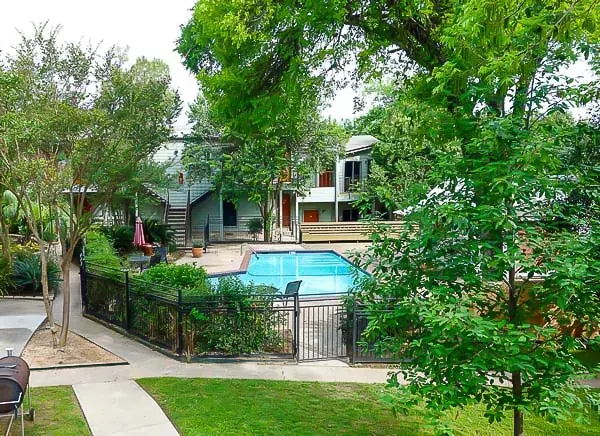
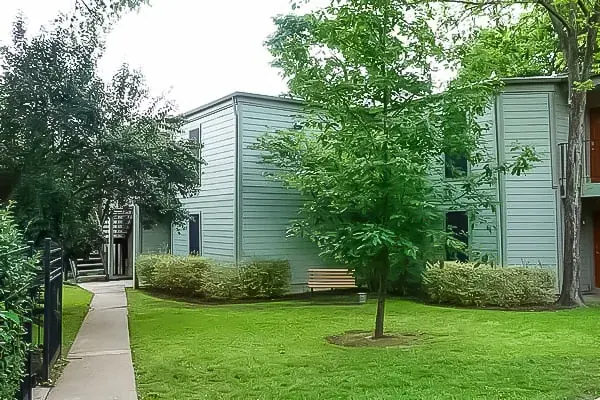
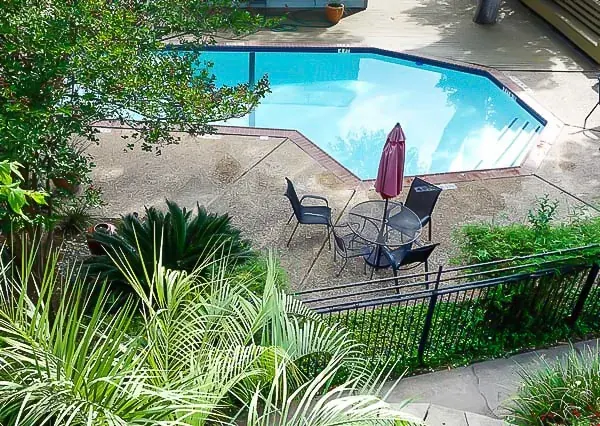
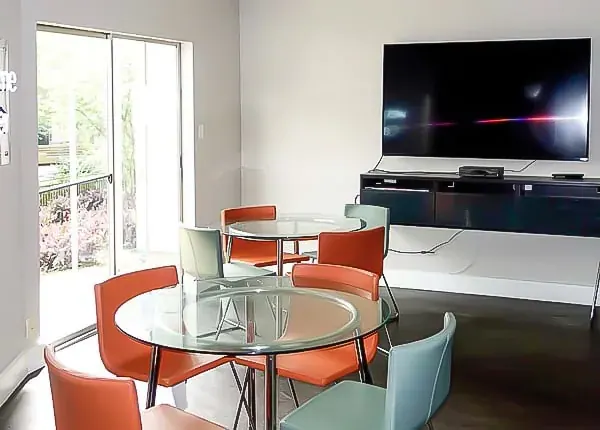
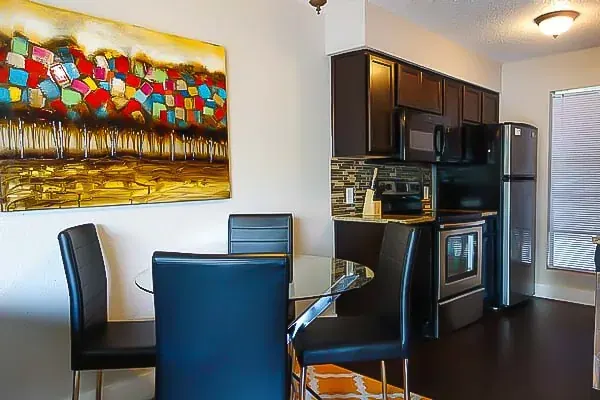
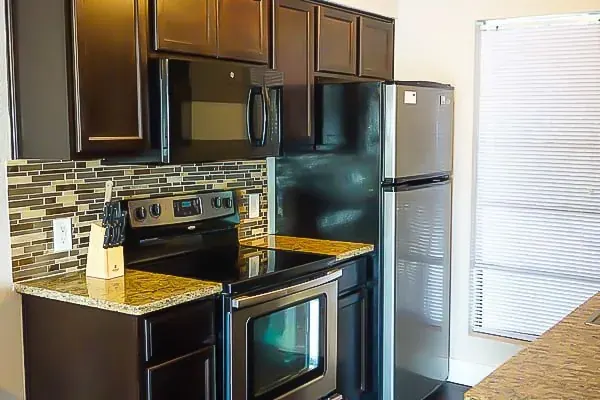
Inside Rustic Creek, our Austin flagship


Planning Your Sober Living Timeline
When you first enter sober living, ideally right after completing detox and residential treatment, I recommend committing to at least six months from the start. Don’t approach it as “I’ll see how it goes” or “I’ll leave when I feel ready.” Those vague timelines often lead to premature departure.
Instead, tell yourself and your house manager: “I’m committing to six months, and then I’ll reassess.” This removes the daily decision-making about whether to stay. You’ve already decided. You’re staying for six months. Period.
When that six-month mark approaches, conduct an honest assessment:
- Do I have stable employment or education in place?
- Have I built a strong recovery support network I can rely on?
- Am I consistently attending meetings or other support groups?
- Do I have safe, sober housing lined up?
- Have I practiced managing stress, conflict, and triggers in this environment?
- Do my house manager, sponsor, and therapist agree I’m ready?
If you can’t answer yes to all of these, consider extending your stay. There’s no shame in needing more time. In fact, recognizing you need more support is a sign of growth and self-awareness.
The Difference Between 90 Days and Six Months
Some people ask why they can’t just do 90 days. After all, many treatment programs are 30, 60, or 90 days. Why is sober living different?
Treatment centers provide 24/7 clinical supervision in a controlled environment. You’re not working, paying bills, navigating relationships, or making many decisions. Sober living is where you practice real life, with jobs, responsibilities, conflicts, and temptations, while still having structure and support.
Ninety days gives you a taste of this, but it’s not enough time to truly establish patterns. You’re still in the honeymoon phase of recovery at 90 days. The real test comes at months 4-6, when the novelty wears off and recovery becomes your everyday reality rather than an exciting new beginning.
Research bears this out. While 90-day stays produce better outcomes than leaving treatment and going straight home, they don’t match the success rates of six-month or longer stays. If you want the best chance at long-term recovery, the data is clear: commit to six months minimum.
When to Consider Stays Longer Than Six Months
Some residents benefit from staying 9-12 months or even longer. This extended timeline makes sense if you’re:
- Building financial stability from scratch and need more time to save money for independent housing
- Completing education or vocational training programs
- Addressing complex trauma or mental health conditions alongside addiction recovery
- Rebuilding relationships with family members and need time to demonstrate sustained sobriety
- New to a city (like relocating to Austin, Houston, or Colorado Springs for recovery) and establishing an entirely new support network
Extended stays aren’t a sign of failure, they’re strategic decisions based on your specific needs. Many of our most successful residents are those who took the time they actually needed rather than rushing to meet an arbitrary timeline.
Making the Most of Your Time in Sober Living
However long you decide to stay, maximize that time by fully engaging with the structure rather than just complying with rules. Attend house meetings with genuine participation, not just physical presence. Build real friendships with housemates instead of keeping people at arm’s length. Take on responsibilities and leadership roles when offered.
The residents who get the most from sober living are those who view it as an opportunity for growth rather than a temporary inconvenience. They use the accountability to develop internal discipline. They use the community to learn how to have healthy relationships. They use the structure to build routines they’ll maintain after leaving.
Your time in a sober living home is an investment in your future. The question isn’t “How soon can I leave?” but rather “How can I use this time to build the strongest possible foundation for lasting recovery?”
Your Recovery Timeline Is Yours
While research points to six months as the optimal minimum, your recovery is ultimately personal. Some people genuinely do well with shorter stays, though they’re the exception. Most of us need that six-month mark or longer to truly solidify the changes we’re making.
Be honest with yourself about where you are. Talk with your house manager, therapist, sponsor, and the people who know your history. Listen to their input, especially if they’re suggesting you stay longer than you want to. They can often see what we can’t when we’re in the middle of our own journey.
If you’re considering sober living or currently trying to decide how long you should plan to stay in a sober living home, Eudaimonia Recovery Homes is here to support you. We work with residents to create individualized timelines based on your specific situation, and our team across Texas, Colorado, Pennsylvania, and Louisiana is committed to helping you build the foundation you need for lasting recovery.
Ready to take the next step?
Eudaimonia Recovery Homes provides structured sober living and recovery support in Philadelphia, PA. Call (713) 818-2361 to speak with our team today.