

Published July 7, 2026
On This Page · 10 Sections
If you’re considering sober living in Texas, one of the first questions you’ll likely ask is: how long is the typical stay at a sober living home in Texas? The average length of stay in Texas recovery homes ranges from three to nine months, with many residents choosing to stay twelve months or longer depending on their individual recovery needs, financial situation, and personal goals. There’s no one-size-fits-all answer, your timeline should reflect what you need to build a stable, sober foundation.
Understanding the factors that influence length of stay can help you make an informed decision about your recovery housing journey. At Eudaimonia Recovery Homes, we’ve seen residents thrive with different timelines across our Austin, Houston, and San Antonio locations, and each person’s path looks a little different.
Why Length of Stay at a Sober Living Home in Texas Varies
Recovery isn’t a race, and the time you spend in sober living should align with your readiness, not an arbitrary deadline. Several factors influence how long someone stays at a sober living home in Texas, and most of them are deeply personal.
First, consider where you are in your recovery journey. Someone stepping down from inpatient treatment or a detox program often needs more time to transition back into independent living than someone who’s already established months of sobriety. Early recovery is vulnerable, and rushing the process can undermine the progress you’ve made.
Your support system outside of sober living also plays a role. If you’re returning to an environment with limited support, or one where old triggers remain strong, extending your stay gives you more time to build healthy relationships and coping skills before facing those challenges alone.
Financial stability matters, too. Residents who secure employment, rebuild savings, and establish a budget during their stay often feel more confident about transitioning out. Others may need additional months to reach that level of independence, and that’s perfectly okay.
The Three-to-Nine-Month Window: What Research Shows
Most sober living programs, including Eudaimonia Recovery Homes in Austin, South Austin, Houston, and San Antonio, see the majority of residents stay between three and nine months. This window aligns with research showing that longer stays in structured recovery housing correlate with better long-term outcomes.
The three-month mark is often when residents begin to feel grounded. They’ve adjusted to the house rules, participated in peer support, and started building daily routines that reinforce sobriety. But three months is rarely enough to cement those habits deeply: especially if you’re also navigating employment, relationships, or mental health challenges alongside your recovery.
By six months, many residents report feeling significantly more confident. They’ve weathered difficult moments, practiced accountability, and seen tangible progress in their goals. The structure of sober living has become less about external rules and more about internalized values.
Nine months to a year allows for even deeper transformation. Residents who stay this long often leave with robust support networks, stable employment, and the self-awareness needed to navigate life’s ups and downs without substances. At our Texas locations, we encourage residents to stay as long as they need to feel truly prepared for independent living.
When Residents Stay Longer Than a Year
Some residents at sober living homes in Texas choose to stay twelve months, eighteen months, or even longer, and there’s nothing wrong with that. Extended stays aren’t a sign of failure; they’re a commitment to doing recovery right.
Residents who extend their stay often do so because they’ve found a community they value. The peer support, accountability, and structured environment become assets they’re not ready to give up. Others use the extended time to pursue education, advance their careers, or work through complex trauma with their therapists while maintaining a stable living situation.
In cities like Austin and Houston, where the cost of living continues to rise, some residents appreciate the affordability and built-in support that sober living offers compared to renting an apartment alone. Staying longer can actually be a strategic financial decision that supports both recovery and long-term stability.
There’s no shame in taking your time. Recovery is about building a life you don’t want to escape from, and that takes as long as it takes.
Factors That Help You Decide Your Personal Timeline
So how do you know when you’re ready to transition out of sober living? While there’s no universal checklist, certain milestones can help you gauge your readiness.
- Consistent sobriety: You’ve maintained continuous sobriety throughout your stay and feel confident in your ability to refuse substances in challenging situations.
- Employment and finances: You have stable income, manageable expenses, and a financial plan that doesn’t depend on living paycheck-to-paycheck.
- Support network: You’ve built relationships with people who support your recovery, whether through 12-step meetings, therapy, or sober friendships.
- Coping skills: You’ve practiced healthy ways to manage stress, triggers, and emotions without turning to substances.
- Independent living skills: You feel prepared to manage daily responsibilities, cooking, cleaning, budgeting, scheduling, without the structure of a recovery home.
If you can check most of these boxes, you’re likely on the right track. If not, extending your stay isn’t a setback, it’s an investment in your future.
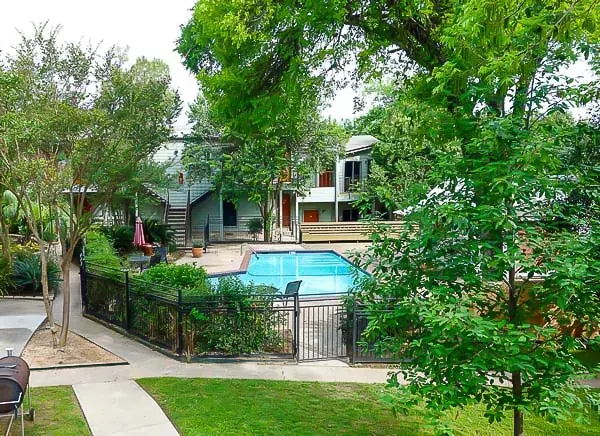
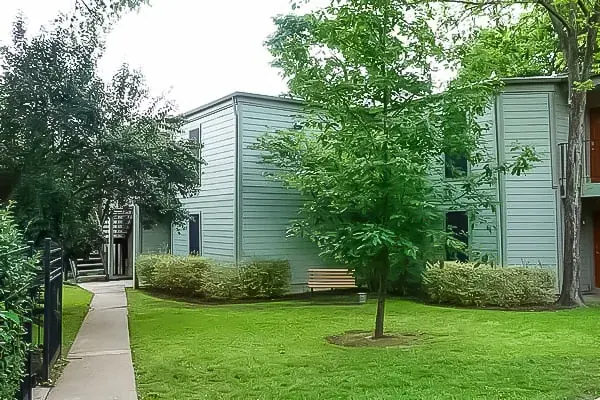
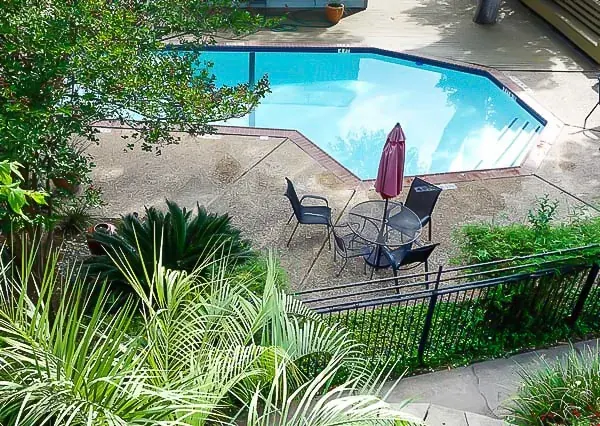
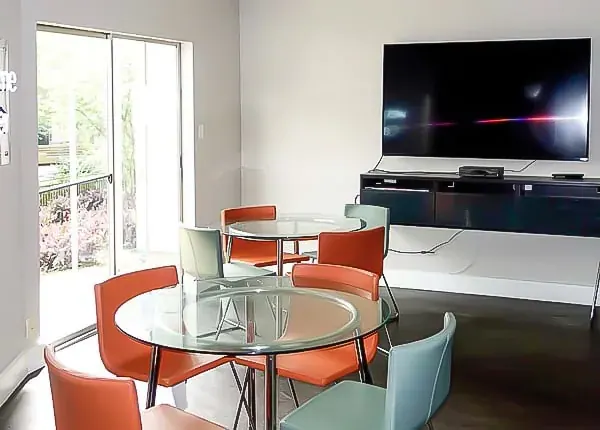
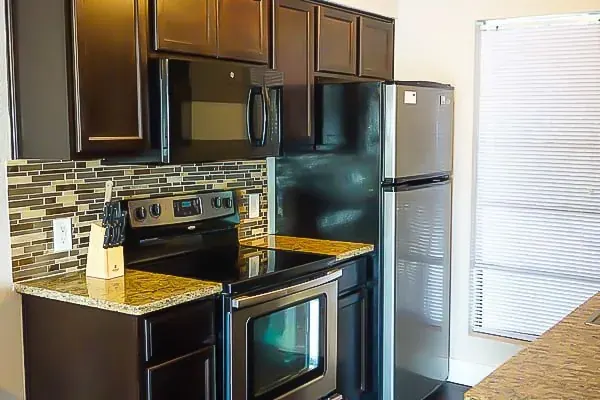
Inside Rustic Creek, our Austin flagship



What a Typical Day Looks Like in Sober Living
Understanding the structure of daily life in sober living can help you estimate how long you’ll want to stay. At Eudaimonia Recovery Homes, residents follow house guidelines that promote accountability while allowing personal freedom.
Mornings often start with personal routines: breakfast, exercise, or meditation. Many residents attend outpatient therapy sessions, work, or job-search activities during the day. Evenings might include 12-step meetings, group dinners with housemates, or quiet time for reflection and self-care.
House meetings occur regularly, giving residents a voice in the community and reinforcing accountability. Random drug and alcohol testing ensures everyone remains committed to sobriety. Chores and shared responsibilities teach life skills and foster a sense of ownership in the home.
This structure isn’t restrictive, it’s supportive. It helps residents rebuild routines, practice responsibility, and experience the rewards of showing up for themselves and others. Over time, these daily habits become second nature, which is why longer stays often lead to more durable recovery outcomes.
How Payment and Insurance Affect Length of Stay
The reality is that how long you stay at a sober living home in Texas may be influenced by your ability to afford it. Sober living is typically a private-pay arrangement, though some insurance plans may offer coverage or reimbursement depending on your policy and the services provided.
At Eudaimonia Recovery Homes, we work with residents to verify insurance benefits and explore payment options. Some residents use savings, family support, or income from employment to cover their stay. Others may need to adjust their timeline based on financial realities, and we understand that.
It’s worth noting that investing in a longer stay, when you can afford it, often pays dividends in the long run. The stability, support, and accountability you gain can prevent relapse, which is far more costly emotionally, physically, and financially than an extended stay in recovery housing.
If cost is a concern, talk openly with the staff at your sober living home. Many programs, including ours, offer payment plans or can connect you with resources to help manage expenses while you focus on recovery.
Tailoring Your Stay to Your Recovery Goals
Ultimately, the typical stay at a sober living home in Texas should be whatever you Need it to be. Some residents arrive with a clear timeline in mind, complete a 90-day commitment, then reassess. Others take it month by month, using their progress and comfort level as their guide.
If you’re in early recovery, consider committing to at least three to six months. This gives you enough time to break old patterns, establish new routines, and build a foundation of sobriety that can withstand real-world pressures. If you’re facing complex challenges, co-occurring mental health conditions, legal issues, or strained family relationships, a longer stay may give you the space to address those issues without the added stress of independent living.
Your recovery plan should also factor in your environment after sober living. If you’re returning to a city or situation with strong triggers, it’s wise to extend your stay until you’ve developed robust coping strategies and a solid support network. Residents transitioning to supportive environments may feel ready sooner, but even then, taking extra time to solidify your recovery is never wasted effort.
What Happens When You're Ready to Leave
Transitioning out of sober living is a milestone worth celebrating, but it should be approached thoughtfully. Most residents don’t simply pack up and leave overnight, they plan their exit in collaboration with house staff and their support network.
A good transition plan includes securing stable housing, maintaining connections with your sober community, continuing therapy or support group participation, and having a crisis plan in case you face unexpected challenges. Some residents stay connected with their sober living alumni community, attending events or offering mentorship to newer residents.
At Eudaimonia Recovery Homes in Texas, we encourage residents to view their time with us as the beginning of a lifelong recovery journey, not the entirety of it. The skills, relationships, and self-awareness you develop here are tools you’ll carry forward, no matter how long you stay.
Finding the Right Sober Living Home in Texas
If you’re trying to determine how long to stay in sober living, start by finding a home that aligns with your values and recovery needs. Look for programs that emphasize community, accountability, and evidence-based practices. Ask about average length of stay, the level of structure provided, and how the program supports residents in transitioning to independent living.
Eudaimonia Recovery Homes offers sober living environments in Austin, South Austin, Houston, San Antonio, and beyond, with a focus on long-term recovery and community support. Whether you stay three months or a year, our goal is to help you build a life that makes sobriety not just possible, but sustainable and fulfilling.
If you’re ready to explore sober living in Texas and discuss what timeline might be right for you, we’re here to help. Reach out to Eudaimonia Recovery Homes to learn more about our programs and how we support residents in building strong, lasting recovery.
Ready to take the next step?
Eudaimonia Recovery Homes provides structured sober living and recovery support in Houston, TX. Call (713) 818-2361 to speak with our team today.