

Published June 19, 2026 · Updated June 22, 2026
On This Page · 11 Sections
Most people stay in a sober living home for three to twelve months, though many extend their stay beyond a year. The average length of stay is around six months, but there’s no one-size-fits-all timeline. Your individual recovery needs, financial situation, personal goals, and the strength of your support network all influence how long you’ll benefit from the structured environment of sober living. Research consistently shows that longer stays, typically 90 days or more, correlate with better long-term sobriety outcomes.
Why Length of Stay in Sober Living Homes Varies So Much
When people ask how long do most people stay in a sober living home, they’re often looking for a simple number. The truth is more nuanced. Recovery housing serves as the bridge between intensive treatment and independent living, and everyone crosses that bridge at their own pace.
Some residents arrive at sober living after completing inpatient rehab or detox and need just a few months to build stable routines. Others come from years of active addiction and require more time to develop the life skills, employment stability, and emotional resilience necessary for independence. At Eudaimonia Recovery Homes, we’ve seen residents thrive with stays ranging from three months to well over a year.
The flexibility matters. Unlike treatment centers with fixed program lengths, sober living allows you to stay as long as you’re benefiting from the structure and community. There’s no arbitrary discharge date forcing you out before you’re ready.
What the Research Shows About Sober Living Duration
Studies on sober living houses consistently point to 90 days as a minimum threshold for meaningful benefit. The longer residents stay, the better their outcomes tend to be across multiple measures: sustained sobriety, employment, legal issues, and overall quality of life.
One landmark study found that residents who stayed six months or longer showed significantly better sobriety rates at two-year follow-up compared to those who left earlier. Another found that each additional month in recovery housing correlated with improved outcomes, with diminishing returns starting around the 12-month mark for some individuals.
This doesn’t mean everyone needs a full year. It means that rushing the process rarely serves recovery well. The brain needs time to heal from addiction, new habits need time to become automatic, and community bonds need time to deepen into genuine support networks.
Factors That Influence How Long You'll Stay
Several practical and personal factors determine the right length of stay in sober living for each person:
- Severity and length of addiction: Longer histories of substance use often require more time in structured recovery housing to establish stability.
- Previous recovery attempts: If you’ve relapsed after earlier tries at sobriety, extending your sober living stay can help you build stronger foundations this time.
- Employment and financial stability: Finding stable work and saving for your own place takes time; many residents stay until they’ve built financial security.
- Quality of outside support: Those with strong family support and healthy friendships may transition sooner than those rebuilding their entire social network.
- Co-occurring mental health needs: Managing depression, anxiety, or trauma alongside addiction recovery often benefits from longer stays.
- Legal obligations: Some residents stay to fulfill court requirements or probation conditions related to drug courts or DUI cases.
At our homes in Austin, Houston, San Antonio, Colorado Springs, Philadelphia, and Baton Rouge, we work with each resident to assess these factors and develop an individualized timeline that serves their recovery best.
The First 90 Days: Building Your Foundation
The initial three months in sober living are transformative but challenging. You’re adjusting to house rules, establishing new routines, attending meetings, and learning to live alongside others in recovery. This is when the structure of sober living proves most valuable.
During this phase, you’re typically attending frequent 12-step or other recovery meetings, possibly continuing outpatient therapy, working or job-searching, and learning basic accountability through drug testing and house responsibilities. The community becomes your anchor when cravings hit or life feels overwhelming.
Three months often isn’t enough to solidify these changes. Many residents who plan for a 90-day stay realize around the two-month mark that they need more time. That’s completely normal and actually a sign of growing self-awareness about your recovery needs.
Months 4-6: Deepening Stability and Independence
By month four, most residents have settled into the rhythm of sober living. You’re likely employed or in school, your meeting attendance has become habit, and you’ve formed genuine friendships with housemates. This middle phase is when many people truly internalize the principles of recovery.
This is also when questions about how long you’ll stay become more concrete. You’re weighing whether you’re ready for independent living or whether extending your stay will better serve your long-term sobriety. There’s no shame in choosing to stay longer, in fact, it often demonstrates maturity and realistic self-assessment.
How much does sober living cost becomes a practical consideration during this phase. While sober living is more affordable than inpatient treatment, the monthly fees do add up. However, many residents find that the investment in extended stay pays dividends in preventing relapse, which carries its own steep costs.
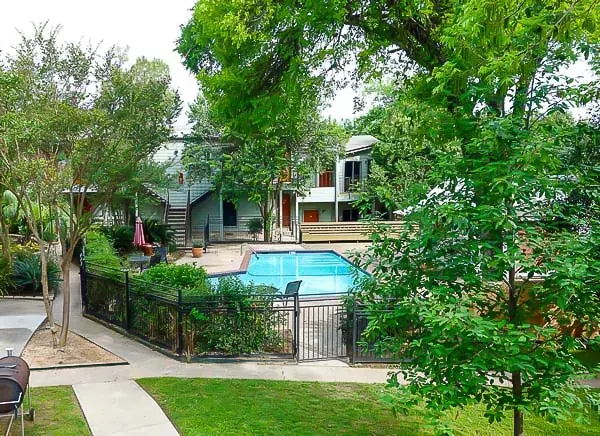
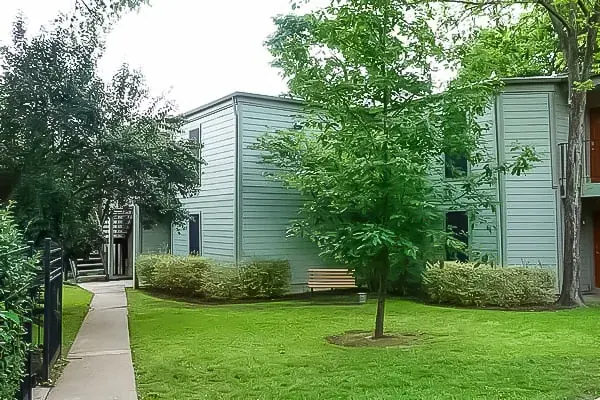
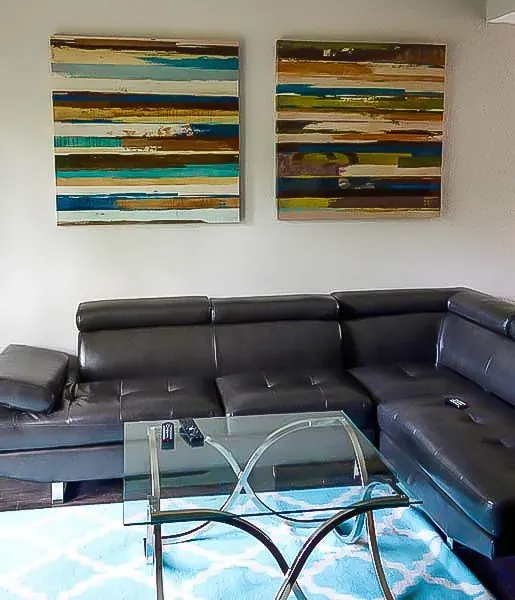
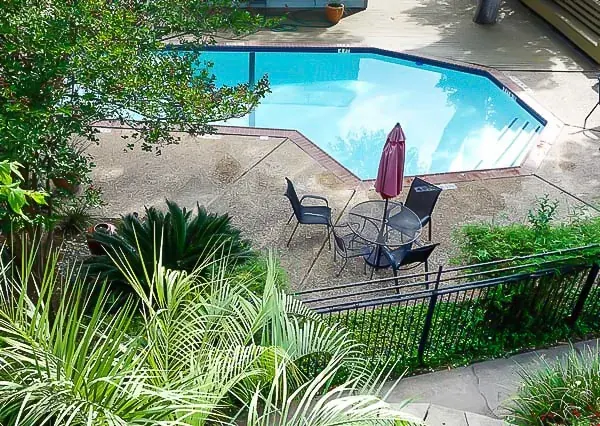
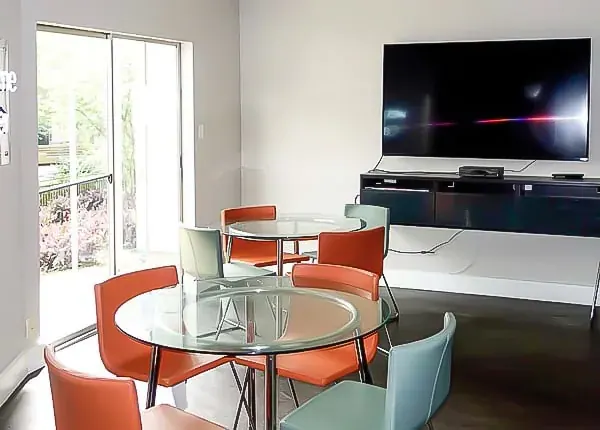
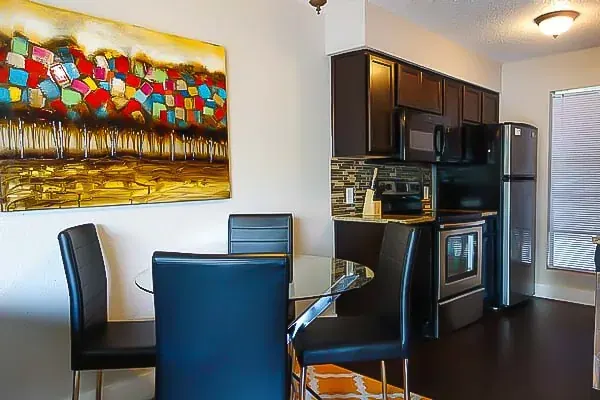
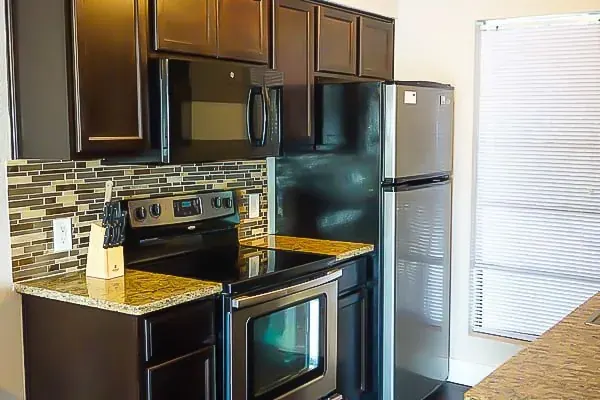
Inside Rustic Creek, our Austin flagship

Beyond Six Months: Long-Term Sober Living
A significant number of residents at Eudaimonia Recovery Homes choose to stay beyond six months, and many remain for a year or longer. This isn’t a sign of failure or inability to launch, it’s often a strategic choice that strengthens recovery.
Long-term residents often take on leadership roles in the house, mentoring newer residents and modeling sustained sobriety. They’re building careers, going back to school, repairing family relationships, and creating the kind of life that makes sobriety genuinely rewarding. The sober living environment supports these goals while maintaining accountability.
Some people worry that extended stays mean becoming dependent on sober living or delaying “real life.” The reality is that sober living *is* real life: you’re working, paying bills, managing relationships, and handling stress. You’re just doing it with built-in support and accountability that dramatically improve your odds of staying sober.
Typical Day-to-Day Life in Sober Living
Understanding what is the typical day like in sober living helps clarify why duration matters. Days aren’t spent in therapy or groups all day like in treatment. Instead, you’re living independently while adhering to house structure.
A typical weekday might include:
- Morning house meeting or check-in with housemates
- Leaving for work, school, or job searching
- Attending a recovery meeting in the evening
- Shared dinner or household responsibilities
- Personal time for hobbies, exercise, or connecting with family
- Adhering to curfew and maintaining a substance-free environment
This structure becomes second nature over time, but it takes months for the habits to truly stick. The repetition across weeks and months is what rewires your brain and builds the foundation for independent sobriety.
Common Problems and How Duration Helps Address Them
When researching problems with sober living homes, people often encounter concerns about house rules feeling restrictive, personality conflicts with housemates, or struggles with curfews and random drug testing. These challenges are real, but they’re also part of the growth process.
Longer stays give you time to work through these friction points rather than running from them. Learning to handle conflict with a housemate without using substances is a crucial recovery skill. Accepting accountability through drug testing builds trust with yourself and others. The structure that feels constraining at first often becomes the framework that supports your freedom.
Residents who stay long enough to work through early frustrations typically report that the structure stopped feeling like restriction and started feeling like support. That shift takes time, usually more than the 30 or 60 days some people initially plan for.
Deciding Your Own Timeline
So how long should *you* plan to stay in a sober living home? Start with a minimum commitment of 90 days, knowing that you’ll likely benefit from longer. Work with your house manager, sponsor, therapist, and trusted friends to honestly assess your readiness as you approach decision points.
Signs you might be ready to transition include:
- Consistent sobriety of at least 90 days, ideally six months or more
- Stable employment or reliable income
- Strong support network including sponsor, home group, and sober friends
- Demonstrated ability to handle stress and triggers without relapsing
- Savings sufficient for first/last month’s rent plus emergency fund
- Solid daily routine that includes recovery practices
- Honest self-assessment that you’re ready (not just wanting to be ready)
If several of these aren’t in place, extending your stay is likely the wiser choice, even if it means adjusting your timeline.
The Question Nobody Asks But Should
Instead of asking how long do most people stay in a sober living home, the better question might be: “How long do I need to stay to give myself the best chance at lifelong sobriety?” The answer is probably longer than you initially think, and that’s okay.
Recovery isn’t a race. The goal isn’t to graduate from sober living as quickly as possible, it’s to build a life so good that you never want to go back to using. That kind of transformation takes time, practice, setbacks, growth, and consistent support.
At Eudaimonia Recovery Homes in Austin, South Austin, Houston, San Antonio, Colorado Springs, Philadelphia, and Baton Rouge, we’ve walked alongside thousands of residents through this journey. Some stay three months, others fifteen. What matters most isn’t the duration, it’s that you stay long enough to truly change your life.
If you’re considering sober living or wondering whether it’s time to extend your current stay, we’re here to help you think through your unique situation and find the path that best supports your long-term recovery.
Ready to take the next step?
Eudaimonia Recovery Homes provides structured sober living and recovery support in Philadelphia, PA. Call (713) 818-2361 to speak with our team today.