

Published July 14, 2026 · Updated July 20, 2026
On This Page · 8 Sections

Sober Living
South Austin
Transitioning into a sober living home after completing detox or treatment marks a critical milestone in your recovery journey. The first 30 days set the foundation for lasting sobriety, and understanding what to expect can ease anxiety and help you embrace the structure, accountability, and community that will support your new life. At our men’s sober living in South Austin, the first month is carefully designed to help you adjust, build healthy routines, and strengthen your commitment to recovery, one week at a time.
What Happens During Your First 30 Days in South Austin Sober Living
The first month in a sober living environment is both an adjustment period and a launching pad. You’ll move from the intensive clinical environment of treatment into a real-world setting that balances independence with structure. Here’s what the journey typically looks like, week by week.
Week 1: Intake, Orientation, and Settling In
Your first week begins with a thorough intake process. You’ll meet with house managers, review house rules, and sign a residency agreement that outlines expectations around curfew, drug testing, meeting attendance, chores, and participation in house activities. This is not bureaucracy, it’s the framework that keeps everyone safe and accountable.
During orientation, you’ll learn about:
- House rules and curfew: Most South Austin sober living homes enforce a nightly curfew (often 10 or 11 p.m. on weeknights) to maintain structure and safety.
- Drug and alcohol testing: Random breathalyzer and urine screenings are standard. These tests protect the entire community and reinforce your commitment to sobriety.
- Chore responsibilities: Shared living means shared duties. You’ll be assigned regular chores, cleaning common areas, kitchen duty, taking out trash, that build accountability and mutual respect.
- Meeting requirements: Most homes require attendance at a minimum number of 12-step or mutual-support meetings per week, plus weekly house meetings.
Week one is about orienting yourself to the physical space, meeting your housemates, and absorbing the rhythm of structured sober living. It’s normal to feel nervous, uncertain, or even resistant, that’s part of the process.
Week 2: Building Your Daily Routine
By the second week, the initial shock wears off and you begin establishing a daily routine. This is when the real work of recovery starts to take shape outside of a clinical setting. You’ll likely:
- Attend recovery meetings: Whether it’s AA, NA, SMART Recovery, or another group, consistent meeting attendance becomes the backbone of your week. South Austin has a strong recovery community, and you’ll start to recognize familiar faces and build connections.
- Check in with your accountability partner or sponsor: Many residents are encouraged to work with a sponsor or peer mentor during this time. These relationships provide guidance and a safe space to process challenges.
- Start job searching or return to work/school: Sober living is designed to support your reintegration into daily life. If you’re not yet employed, week two is often when you begin job hunting, updating your resume, or exploring vocational resources.
- Participate in house meetings: Weekly house meetings are where residents discuss concerns, celebrate milestones, and hold one another accountable. These meetings foster transparency and a sense of shared purpose.
Week two is about momentum. You’re no longer just settling in, you’re actively participating in your recovery and the life of the house.
Week 3: Deepening Accountability and Community Connection
Three weeks in, the structure starts to feel less like a set of rules and more like a support system. You’re getting to know your housemates on a deeper level, and trust begins to form. This week often includes:
- Random drug testing: By now, you’ve likely experienced at least one random test. These screenings are not punitive, they’re protective. They reassure everyone in the house that the environment remains safe and substance-free.
- Continued meeting attendance: By week three, you may have found a home group, a regular meeting where you feel comfortable and connected. This consistency is vital for long-term sobriety.
- Increased responsibility: Some residents take on leadership roles in the house: leading a house meeting, mentoring a newer resident, or coordinating a group outing. These roles build confidence and reinforce your commitment.
- Self-care and reflection: As the newness fades, you’ll have more mental space to focus on self-care: journaling, exercise, therapy appointments, and honest self-reflection about your progress and challenges.
Week three is when many residents report feeling a sense of belonging. The house is no longer just a place you’re staying, it’s becoming a community that supports your recovery.
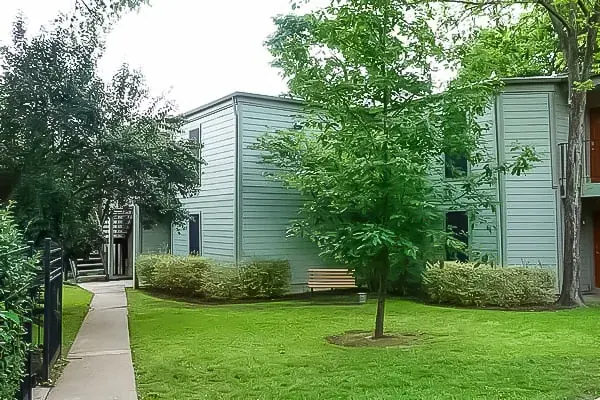
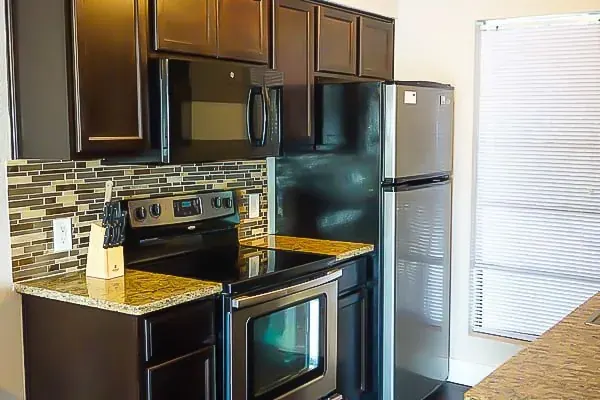
Inside Rustic Creek, our Austin flagship






Week 4: Looking Ahead and Solidifying Your Foundation
The final week of your first month is a time to assess your progress and set goals for the months ahead. You’ve made it through the hardest part: the initial adjustment. Now, you’re thinking about sustainability.
- Reflect on your 30-day milestone: Many houses celebrate the 30-day mark with a small acknowledgment during house meetings. This is a moment to recognize your effort and commitment.
- Set goals for month two: What do you want to accomplish next? Finding stable employment? Deepening your 12-step work? Rebuilding a relationship with family? Week four is when you begin setting concrete, actionable goals.
- Continue accountability practices: Curfew, chores, meetings, and drug testing remain non-negotiable. These structures don’t disappear, they’re the scaffolding that keeps your recovery strong.
- Explore South Austin resources: By now, you’re likely more comfortable navigating South Austin’s recovery community, from meetings to sober social events to wellness activities like yoga or hiking.
By the end of week four, you’re no longer a newcomer. You’re an active participant in a recovery community, with a daily routine, a support network, and a growing sense of confidence in your sobriety.
Why the First 30 Days Are So Critical
The first month in sober living is often the most vulnerable period in early recovery. You’re transitioning from the safety of a treatment facility into a world full of triggers, old habits, and unstructured time. The structure provided by a South Austin sober living home Serves as a bridge, keeping you accountable while giving you the space to practice the skills you learned in treatment.
Research consistently shows that individuals who engage in structured sober living environments after treatment have significantly higher rates of sustained sobriety. The first 30 days build the habits, meeting attendance, accountability check-ins, healthy routines, that will carry you through the months and years ahead.
What Makes South Austin Sober Living Unique
South Austin offers a unique recovery environment. The neighborhood is known for its laid-back vibe, access to outdoor activities like Barton Springs and Zilker Park, and a strong, supportive recovery community. The area’s mix of urban amenities and natural spaces provides residents with healthy outlets for stress relief and social connection.
Our Austin sober living community Is built on peer support, mutual accountability, and real-world integration. South Austin residents benefit from proximity to 12-step meetings, employment opportunities, and sober social events, all within a neighborhood that values wellness and community.
Ready to take the next step?
Eudaimonia Recovery Homes provides structured sober living and recovery support in Austin, TX. Call (512) 240-6612 to speak with our team today.