Published September 5, 2017 · Updated August 5, 2026
On This Page · 11 Sections
It’s no secret that the first several months of sober living after rehab are challenging. During this time, people in recovery from drug and alcohol addiction face a number of obstacles, from adjusting to sober life and taking on more life responsibilities to coping with triggers and strong cravings.
In many ways, the process of returning to “normal” life after rehab is anything but normal. But, in early sobriety, you may meet someone and decide you want to pursue a dating relationship. There is absolutely nothing wrong with dating while sober, but many individuals in recovery choose to delay any romantic relationships for at least 12 months after completing a drug and alcohol rehab program in an effort to protect their sobriety.
If you are newly sober and attempting to navigate your way through the dating world, this blog may help you draw some healthy boundaries for yourself during the first several months of early sobriety.
What Makes Dating in Early Sobriety Difficult?
Dating in recovery comes with its own set of unique challenges. For example, here are several factors that can make it exceptionally difficult.
- You will face strong emotions you haven’t experienced yet while sober. Experiencing strong feelings of infatuation, euphoria, and nervousness/anxiety will be different while sober. These emotions may become triggers that tempt you to fall back into your old habits of using drugs to cope. Strong emotions may cause you to be particularly vulnerable. This is especially true during those first few months of early sobriety.
- Dating may conjure memories from your alcohol and drug-using days. Going on dates or engaging in sexual activity may conjure memories from before you were sober. It may also dredge up feelings that could lead to relapse. Strong memories and emotions often serve as triggers so it’s best to avoid activities that make you feel this way, at least for a little while.
- You are juggling several new responsibilities. Eudaimonia sober living homes are designed to help you reintegrate successfully into society with consistent employment, educational opportunities, life skills, and peer support. But, you’ll still experience a significant increase in responsibilities as you progress through your sober living program. You’ll be learning how to do many new things. For example, you’ll learn how to:
-
- Maintain your responsibilities at home
- Develop important relationships with mentors and peers
- Create and implement new boundaries
- Practice daily self-care with healthy eating, exercise, and internal reflection
All of these things require time and dedication to achieve. If you’re pouring all your time and energy into a relationship, you may not have anything left to focus on your recovery.
7 Good Reasons Not to Date In Early Sobriety
Whether or not you choose to date in early recovery is completely your decision and the right choice will be different for everyone. It is a very personal choice. But, if you’re on the fence about it, here are seven reasons why waiting to date might be the best choice.
You might be breaking the rules.
At Eudaimonia Recovery Homes, all residents of our transitional housing programs sign an agreement that states they will not fraternize with other residents or staff members while enrolled in a sober living program. This means any dating or romantic relationships among residents and/or staff is prohibited. On the other hand, Eudaimonia has no policy against dating individuals who are NOT residents or staff members, so that is completely up to you.
This is the time to focus on YOU.
Early recovery is an important time that should be spent focusing on your own spiritual, physical, and mental well-being. If you’re spending all your time making someone else happy, you could easily lose sight of your own goals. It would be all too easy to neglect the things that are important for your own recovery.
You could end up substituting one addiction for another.
Some people in recovery struggle with substituting one addiction for another. Whether it’s food, caffeine, exercise, or sex, it’s essential to develop healthy coping strategies. You’ll want to manage stress and cravings instead of just replacing your old drug or alcohol addiction with something else.
You may risk developing a codependent relationship.
After rehab, you may find yourself seeking purpose in your new sober life. During your sober living program, your mentors, peers, and family will be there to support you while you find your purpose in this new sober life. It’s all too easy to place your identity in someone else, especially in early sobriety. But, a codependent relationship is not healthy for either person involved. Relying on someone else for your happiness and stability is unhealthy and dangerous, especially if the relationship doesn’t last.
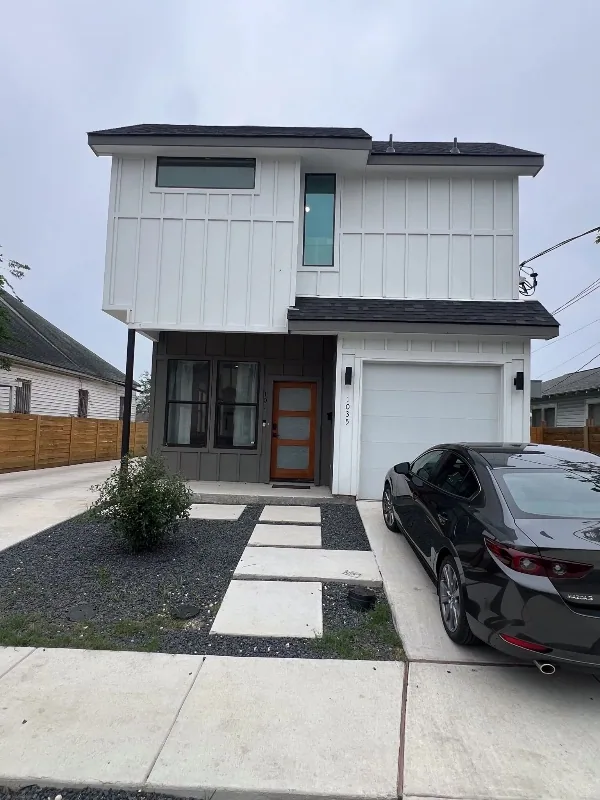
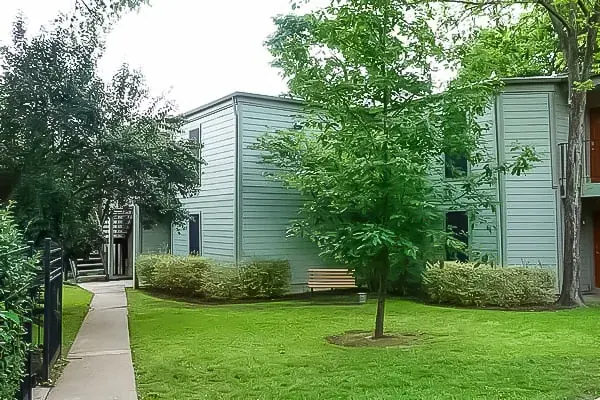
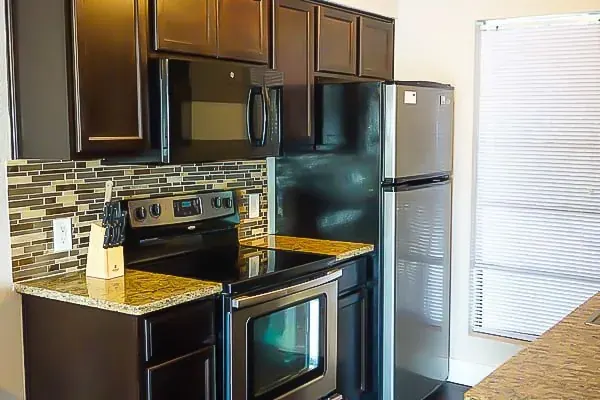
Inside Rustic Creek, our Austin flagship






You are still creating new boundaries for yourself.
After rehab, you’ll need to create some new boundaries for yourself. The structure of a transitional housing program can help you create and implement new, healthy boundaries without the influence of negative or unhealthy relationships. This will be challenging and often requires that you cut off certain relationships that could jeopardize your sobriety. You’ll experience a lot of changes during this time. Consequently, it may be wise to put off any other major changes, such as romantic relationships.
Your recovery should come first.
Your recovery has to come first, before anything and anyone else. Upon leaving rehab and relocating to a transitional living location or moving back home, it’s easy to become distracted. It’s also too easy to become over-confident in your ability to stay sober, especially if you’re stuck in the pink cloud of recovery. Adding a new relationship to the mix only makes staying focused more difficult. During the first few months of living sober, it’s ideal to clear all the clutter from your life and simply focus on your health and recovery.
The risk of relapse is high.
The risk of relapse is highest during the first 90 days of sobriety. If you attended a long-term drug and alcohol rehab program, you’ve already spent that time in a healthy, supportive environment, which is great! But the days and months after that will still be challenging. In fact, 90 percent of alcoholics are likely to relapse within the first four years following treatment.1 Although that statistic is scary, it does not define your own recovery. It’s just important to be aware of the risks and do everything you can to protect your own sobriety. This may include delaying dating, especially when a potential girlfriend or boyfriend is actively abusing drugs and/or alcohol.
Beginning a new dating relationship while enrolled in a sober living program may be destructive to your health, safety, and recovery. As a result, it’s important to thoroughly consider your choice before you make a commitment. If you’re struggling to make a decision or need someone to keep you accountable, talk to someone within your recovery support circle. Your sober coach or counselor may have good insight and feedback.
Building Healthy Relationships in Early Sobriety
Developing healthy relationships is a vital ingredient to lasting recovery. In rehab, you improved upon and developed many important personal skills, including communication, self-care, personal reflection, and compassion. While these tools are very important for your own recovery, they are also key components to developing healthy relationships.
Whether you’re focused on building friendships with other residents of your sober living home or you’re testing the waters out in the dating world, remember to rely on those skills you learned in rehab. Use them to develop healthy boundaries within your new relationships. Don’t put anyone or anything before your recovery, communicate openly and clearly, and make sure that all of all your new relationships are built on a foundation of mutual respect. Any new friends or significant others should also be aware of your sobriety goals. However, if they are not supportive, you are much better off without them.
Your success in recovery is largely a representation and a result of the choices you make. So when building (or rebuilding) a relationship of any kind in early sobriety, it’s essential that your sobriety goals are your top priority. Conversely, if you find that something else has taken over, it may be time to re-evaluate.
Recovery Support at Eudaimonia Recovery Homes
If you are in recovery from drug and alcohol addiction, you may find that you need additional support to maintain your sobriety as you navigate this new lifestyle of sober living. Eudaimonia Recovery Homes provides transitional living programs for adult men, women, and LGBTQ individuals in all stages of recovery. Whether you’re struggling to adjust to a lifestyle change in early sobriety or you’re experiencing some stressful life changes that are making it difficult to stay sober, Eudaimonia can help. Contact our admissions team today to learn more about our sober living homes and recovery support services.