
Published May 4, 2026 · Updated May 5, 2026
On This Page · 11 Sections
If you or someone you love has been drinking heavily every day and decided to quit suddenly, you need to read this carefully. Stopping alcohol cold turkey after heavy daily drinking is not just uncomfortable. It can be genuinely life-threatening. Alcohol withdrawal is one of the only substance withdrawals that can kill you, and the risks are greatest for people who have been drinking heavily for weeks, months, or years. If you’re waking up shaking, sweating, or feeling profoundly sick a day or two after your last drink, your body is sending you an urgent message that it needs medical support.
This post will walk you through exactly what happens to your body when you stop drinking suddenly, what alcohol withdrawal symptoms look like at each stage, why unsupervised detox is so dangerous, and what your next steps should be to get through this safely.
Why Stopping Alcohol Cold Turkey Is So Dangerous
Alcohol is a central nervous system depressant. When you drink heavily over a long period, your brain adapts by increasing its own stimulant activity to compensate and stay balanced. Your nervous system essentially recalibrates itself around the constant presence of alcohol. When you suddenly remove alcohol from the equation, your brain’s heightened stimulant activity has nothing to balance against, and it goes into overdrive. This is what causes alcohol withdrawal, and it is why quitting drinking suddenly after heavy use is so physically dangerous.
The danger is not mild. According to medical literature, approximately 5% of people who experience alcohol withdrawal will develop severe complications, including seizures and a condition called delirium tremens (DTs). Without proper medical treatment, delirium tremens carries a mortality rate of up to 37%. With treatment, that rate drops to below 5%. Those numbers underscore just how important it is to never attempt alcohol detox alone after heavy, prolonged use.
Alcohol Withdrawal Symptoms: What to Expect and When
Alcohol withdrawal symptoms follow a general timeline, although the intensity and duration vary based on how much a person drank, how long they drank, their age, their overall health, and whether they’ve gone through withdrawal before. Here’s what typically happens:
6–12 Hours After the Last Drink
- Anxiety and restlessness
- Nausea and vomiting
- Headache
- Elevated heart rate
- Sweating
- Tremors (shaking hands or body)
- Insomnia
12–48 Hours After the Last Drink
- Alcohol withdrawal shaking becomes more intense
- Increased blood pressure
- Fever
- Alcohol withdrawal seizures. These can occur even in people who have never had a seizure before
- Hallucinations (visual, auditory, or tactile) in some people
48–72 Hours and Beyond
- Delirium tremens (DTs), the most severe form of alcohol withdrawal
- Severe confusion and disorientation
- Agitation and extreme anxiety
- Rapid heart rate and dangerously high blood pressure
- High fever
- Profuse sweating
- Life-threatening seizures
If someone is three days into stopping alcohol cold turkey and is still shaking or feeling very sick, which is exactly what prompted this article, they may be in or approaching the most dangerous window of withdrawal. This is a medical emergency that requires immediate attention.
Who Is at Highest Risk During Alcohol Withdrawal?
Not everyone who quits drinking will experience severe withdrawal symptoms, but certain factors significantly increase the risk of dangerous complications. You are at higher risk if:
- You have been drinking heavily every day for more than a few weeks
- You consume more than 8–10 drinks per day
- You have a history of previous alcohol withdrawals or seizures
- You are older (risk increases with age)
- You have underlying health conditions such as liver disease, heart disease, or a seizure disorder
- You are malnourished or dehydrated
- You are also using other substances, including benzodiazepines
A year of heavy daily drinking, like the situation described by the caller that inspired this article, places someone firmly in the high-risk category. This is not the time to tough it out alone.
What Is Delirium Tremens and Why Does It Matter?
Delirium tremens, often called the DTs, is the most severe manifestation of alcohol withdrawal. It typically begins 48–96 hours after the last drink and represents a full-blown neurological crisis. People experiencing DTs may not be able to recognize where they are, who they are with, or what is happening to their body. They may see or hear things that aren’t there, become violently agitated, or lose consciousness.
DTs require emergency medical intervention, including intravenous fluids, medications to control seizures and blood pressure, and close monitoring in a hospital or detox facility setting. The medications most commonly used to treat severe alcohol withdrawal are benzodiazepines, which calm the overactive nervous system safely and gradually. These are prescription medications that must be administered and monitored by medical professionals. They are not something you can replicate at home.
The frightening reality is that DTs can come on suddenly and without warning, even in people who felt like they were getting through withdrawal on their own. This is why medical supervision is essential.
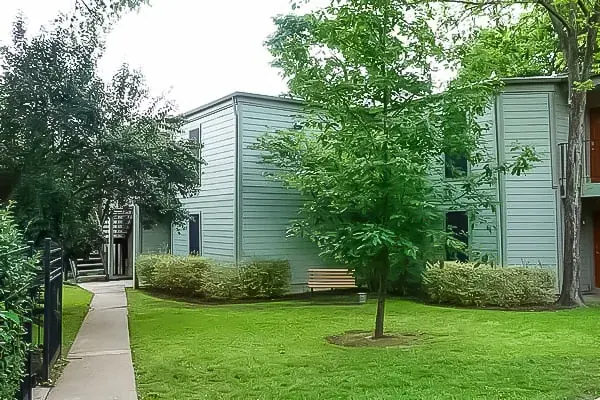
Inside Rustic Creek, our Austin flagship







Why Home Detox from Alcohol Is Not Safe
You may have heard stories of people quitting drinking on their own and getting through it. While some people do experience milder withdrawal symptoms, there is no reliable way to predict who will develop severe complications until those complications are already occurring. By the time a seizure or DTs begin, it may be too late to get help quickly enough.
Beyond the immediate physical danger, unsupervised home detox also fails to address the psychological and emotional dimensions of alcohol dependence. Anxiety, depression, insomnia, and cravings can be overwhelming during withdrawal and in the weeks that follow. Without support, the risk of relapse, and the danger of relapsing after your tolerance has dropped, is extremely high.
A medically supervised detox program provides:
- Continuous vital sign monitoring
- Medications to prevent seizures and reduce withdrawal symptoms
- IV fluids and nutritional support
- Mental health support
- A safe, structured environment
- A bridge to the next phase of recovery
What Comes After Detox: Building a Safe Recovery
Successfully getting through alcohol detox is a critical first step, but it is only the beginning of long-term recovery. Once the physical danger has passed, the real work of building a new life without alcohol begins. Many people benefit enormously from a structured, supportive living environment as they transition out of detox and into everyday life.
Sober living homes offer exactly that kind of bridge. Rather than going straight from a detox or treatment setting back into the same environment where drinking happened, sober living homes provide accountability, community, peer support, and structure, all of which dramatically improve long-term sobriety rates.
If you are in Texas and looking for a safe place to continue your recovery after detox, Eudaimonia Recovery Homes offers structured sober living options across Austin and beyond. You can learn more about what to expect and how to find the right fit through the Sober Living Austin Guide, which walks through everything from what sober living looks like to how to choose the right home for your needs.
For men who want structure and accountability as they rebuild after alcohol dependence, Structured Men’s Sober Living in Austin, TX offers a clear picture of what daily life in a recovery home looks like. And for women navigating early recovery, Structured Women’s Sober Living in Austin, TX provides a safe, supportive community to grow in sobriety.
You can also explore the full range of quality sober living options in Austin, TX to find a home that fits your situation, whether you’re just out of detox, completing an IOP, or looking to solidify months of progress.
If You Are in Withdrawal Right Now, Here Is What to Do
If you or someone you know stopped drinking suddenly and is now experiencing shaking, fever, confusion, severe anxiety, or any neurological symptoms, please do not wait. Take action now:
- Call 911 immediately if the person is having a seizure, is confused or disoriented, has a high fever, or is experiencing hallucinations.
- Go to the nearest emergency room if symptoms are worsening and no seizure has occurred yet but you are concerned.
- Contact a detox facility if you are in early, mild withdrawal and want to get professional support before symptoms progress.
- Do not drink alcohol To manage withdrawal symptoms without medical guidance. This is sometimes suggested online and can be dangerous.
- Reach out to Eudaimonia Recovery Homes at (512) 240-6612 for guidance on next steps after detox and help finding the right level of care in the Austin area.
You don’t have to figure this out alone. Recovery is possible, and it starts with getting through this moment safely.