

Published May 12, 2026 · Updated May 13, 2026
On This Page · 9 Sections
If you’re preparing to apply for a sober living home and you have a criminal history or pending charges, you’re probably wondering whether that will disqualify you before you even get started. It’s one of the most common concerns people have during the admissions process, and one of the most important to understand clearly. The short answer is: a criminal background doesn’t automatically bar you from sober living, but it does matter. How much it matters depends on the specific charges, the policies of the home you’re applying to, and where you are in your recovery journey. Here’s what you need to know.
Why Sober Living Homes Ask About Criminal History
When you apply to a sober living home, you’ll almost certainly be asked about your criminal background. This isn’t about judgment: it’s about safety, community accountability, and legal compliance. Sober living homes are shared living environments where multiple residents are working toward the same goal: sustained recovery. Because of this, operators have a responsibility to every person living under that roof.
Screening questions about pending criminal charges and prior convictions help home operators:
- Assess whether a resident may pose safety concerns to others in the home
- Ensure compliance with local zoning laws, licensing requirements, or lease agreements that may restrict certain offenders
- Determine whether the level of support offered at that particular home is appropriate for the individual’s circumstances
- Protect the integrity and reputation of the recovery community they’ve built
Being asked about pending charges during the application process is completely standard. It doesn’t mean you’re being presumed guilty. It means the home is doing its due diligence to maintain a safe and structured environment for all residents.
Does a Criminal History Automatically Disqualify You from Sober Living?
No, and this is the most important thing to understand. A criminal history, even a significant one, does not automatically mean you’ll be denied admission to a sober living home. Policies vary widely from home to home, and many programs recognize that people with legal histories deserve a real chance at recovery housing.
That said, certain types of offenses are more likely to create barriers than others. Here’s a general breakdown:
- Drug-related offenses: These are extremely common among people entering recovery and are rarely disqualifying on their own. Most sober living homes understand that addiction and legal trouble often go hand-in-hand.
- Non-violent crimes: Theft, fraud, DUIs, and similar offenses are typically reviewed on a case-by-case basis. Your overall recovery commitment and behavior since the offense often matter more than the offense itself.
- Violent offenses: Convictions involving violence, especially recent ones, are more likely to raise concerns. Homes will want to understand the circumstances and whether the person presents a risk to other residents.
- Sex offenses: Many sober living homes have strict policies against admitting registered sex offenders, largely due to legal restrictions, neighbor agreements, and the safety of residents.
- Pending charges: Active pending charges can complicate admissions because they introduce uncertainty: court appearances, potential incarceration, and legal obligations can all disrupt the structure of recovery housing. However, pending charges don’t necessarily disqualify you; they require a more detailed conversation during the admissions process.
What Happens During a Sober Living Background Check
Not every sober living home runs a formal background check, but many do, especially structured, licensed programs. When a background check is conducted, it typically looks at:
- Criminal conviction history (felonies and misdemeanors)
- Sex offender registry status
- Pending or open criminal cases
- In some cases, prior evictions or rental history
If you know you have items on your record, the best thing you can do is be upfront about them during the application process. Many admissions coordinators have worked in recovery for years and have heard it all. Honesty demonstrates the self-awareness and accountability that are foundational to recovery, and it actually works in your favor compared to being caught in an omission.
If you’re ready to take that step, you can start by reviewing the Eudaimonia Recovery Homes sober living program application to understand what information you’ll need to provide upfront.
Pending Charges vs. Prior Convictions: Is There a Difference?
Yes, and sober living homes often treat them differently. A prior conviction is a known, resolved matter. A pending charge is an open legal situation with an uncertain outcome, and that uncertainty is what gives some homes pause.
Call Now: (512) 240-6612Here’s why pending charges raise specific concerns:
- Court appearances: Active cases require you to attend hearings, which can conflict with house schedules, curfews, and program commitments.
- Risk of incarceration: If a pending charge results in jail time, the home loses a resident mid-program. Which can be disruptive for the house community and financially complicated for operators.
- Probation conditions: Some pending charges come with pretrial release conditions that may affect where you can live or who you can associate with.
- Uncertainty: Homes prefer to work with residents whose lives have a degree of stability, even if imperfect. Unresolved legal situations introduce unpredictability.
That said, many people successfully enter and complete sober living programs while managing pending charges. The key is transparency, disclosing your legal situation fully so the home can make an informed decision and put appropriate support in place.
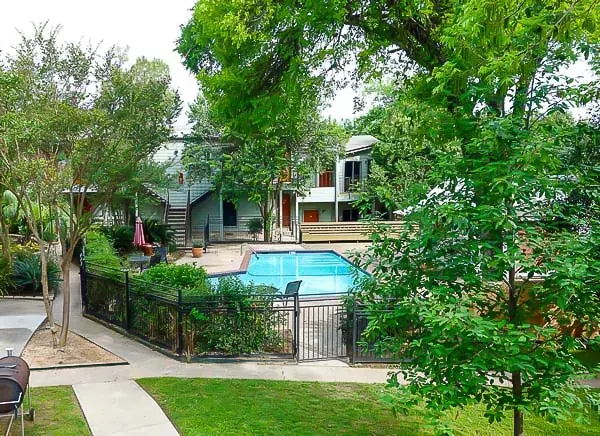
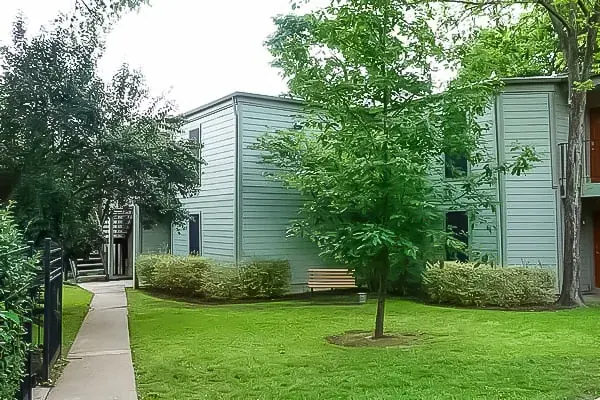
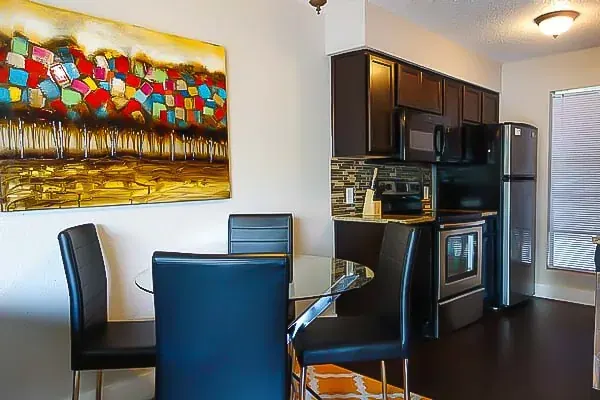
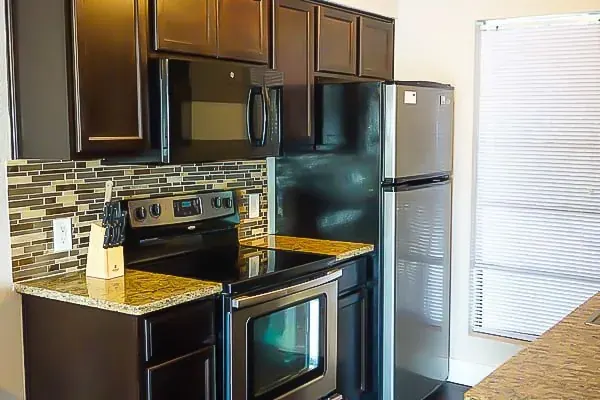
Inside Rustic Creek, our Austin flagship




How to Strengthen Your Application Despite a Criminal History
If you have a criminal history or pending charges and you’re applying to a sober living home, here are practical steps that can improve your chances of being accepted:
- Be honest from the start. Disclose your history proactively rather than waiting to be asked. Admissions staff will respect your transparency and it demonstrates recovery values.
- Bring documentation. Letters from your attorney, probation officer, or treatment provider can help paint a fuller picture of your situation and your commitment to recovery.
- Highlight your recovery commitment. Time in treatment, completion of a detox program, consistent 12-step meeting attendance, or sobriety milestones all demonstrate that recovery is your priority.
- Get a referral. A referral from a counselor, case manager, or recovery sponsor carries real weight with admissions staff. It shows that people in your corner are vouching for you.
- Ask the right questions. Rather than assuming you’ll be denied, call the home directly and ask about their specific policies. You may find more flexibility than you expected.
- Understand your legal obligations. If you’re on probation or have pretrial release conditions, know what restrictions apply to your housing situation before you apply.
Our comprehensive sober living Austin guide is a great resource to help you understand what to look for in a quality recovery home and how to navigate the admissions process with confidence.
Sober Living Eligibility: What Really Matters Most
While background checks and criminal charges are part of the picture, most quality sober living homes are ultimately looking at the same core question: Is this person genuinely committed to their recovery, and are they ready to live in a structured, sober community?
The factors that matter most in sober living eligibility typically include:
- Sobriety commitment: Most homes require you to be alcohol- and drug-free at the time of admission, or to have completed a detox or treatment program.
- Willingness to follow house rules: Sober living homes have structure: curfews, chore requirements, meeting attendance expectations, and regular drug testing. Your willingness to embrace that structure matters.
- Ability to contribute financially: Most homes charge weekly or monthly rent. You’ll need a plan for how you’ll cover that cost, whether through work, family support, or assistance programs.
- Non-disruptive behavior: Homes want residents who will contribute positively to the community, not create conflict or chaos for others who are working hard on their recovery.
If you’re curious about what structured sober living actually looks like day-to-day, take a look at options like structured men’s sober living in Austin, TX or structured women’s sober living in Austin, TX to get a sense of what daily life looks like in a quality recovery home.
Finding the Right Sober Living Home for Your Situation
Not every sober living home will be the right fit, and that’s okay. The goal isn’t to find any home that will accept you; it’s to find the right home where you can genuinely thrive in recovery. If one program isn’t a match due to your legal history, that doesn’t mean you’re out of options.
Austin, Texas has a vibrant and diverse recovery housing community, and homes vary significantly in their policies, structure, and populations served. When you’re exploring your options, don’t hesitate to call multiple homes, ask detailed questions about their admissions criteria, and be transparent about your situation. The right home will appreciate your honesty and work with you to determine whether it’s a good fit.
At Eudaimonia Recovery Homes, we believe that people deserve a real chance at recovery regardless of their past. We encourage you to explore our quality sober living options in Austin, TX And reach out to our team directly to talk through your specific situation. We’re here to answer your questions honestly, no judgment, no pressure.
You Don't Have to Figure This Out Alone
Navigating sober living admissions with a criminal history or pending charges can feel overwhelming, especially when you’re already managing the challenges of early recovery. But you don’t have to do it alone. Reaching out to a sober living admissions team, a recovery counselor, or even a peer support specialist can help you understand your options and put your best foot forward.
Recovery is possible, and it’s possible for people with complicated legal histories. The first step is making the call.
To learn more about whether Eudaimonia Recovery Homes is the right fit for your situation, call us today at (512) 240-6612 or visit our website to explore our programs. Our team is ready to have an honest, supportive conversation about your path forward.