
Published December 20, 2022 · Updated September 22, 2025
On This Page · 16 Sections
After completing a successful drug rehab program, many people in recovery must face the real world. While it’s necessary to learn self-control and live a sober lifestyle, many people may relapse after leaving an alcohol or drug rehab center. To prevent this from happening, rehabilitation centers offer continued care programs for their clients. Drug rehabilitation programs in isolation can only help you with your addiction so much. Without continued care after treatment, your recovery may stagnate and you are more likely to fall back into old habits as soon as you leave the facility. Recovery is a process that takes time and continuing care after treatment is crucial to achieving lasting sobriety. Read on to learn more about continued care after drug treatment and how it can help you maintain sobriety long-term.
What is Continuing Care After Drug Treatment?
After completing a drug rehabilitation program, many addicts must face the real world. While it’s necessary to learn self-control and live a sober lifestyle, many people may relapse after leaving an alcohol or drug rehab center. To prevent this from happening, rehabilitation centers offer continued care programs for their clients. Continued care programs are designed to provide support and guidance to recovering addicts as they navigate their post-treatment lives.
Some programs also offer medication-assisted treatment (MAT) as part of their continued care program. Many programs offer continued care not only to help clients maintain their sobriety but also to aid them in their transition to a healthier, sober lifestyle. In addition to providing support and guidance, many programs also offer clients the opportunity to complete additional treatment. They can participate in self-improvement programs, receive medical or mental health care, or access other resources.
Why is Continued Care Important After Drug Rehabilitation?
Simply completing treatment does not automatically make your recovery complete. Addiction is a disease that lurks in the shadows of our minds, ready to reemerge at any time. Because of this, many people find the courage to fight their addiction only once they have overcome their fear of the unknown. Once addicts leave rehab, they often have a newfound sense of purpose. This sense of purpose, however, can be easily overwhelmed by the pressures of daily life. Hardships, pressures, and social pressures can all be major triggers for relapse.
Continued care programs provide an environment sensitive to these triggers, as well as opportunities to explore new hobbies, meet new people, and develop new interests that may fill this newfound purpose. This continued care can also be used as a way to explore a path to recovery while maintaining sobriety. Many programs offer clients the opportunity to explore sobriety by participating in self-improvement programs, receiving mentorship, or completing additional treatment.
Types of Continued Care Programs
While there are many types of continuing care programs, they usually fall into three main categories: residential, outpatient, and intensive outpatient. Residential programs provide long-term, residential care. These programs offer a safe, sober environment that allows clients to live in the same house or community where they receive treatment. This is a great option for those looking for long-term care and stability. Outpatient programs offer the best of both worlds. These programs come with the flexibility of short-term treatment, yet the support offered by longer-term care. Intensive outpatient programs offer the same benefits as outpatient programs, but in a shorter timeframe.
Residential Care
Residential care programs offer long-term care for those who need it. These programs offer 24/7 care in a safe environment that allows clients to continue their treatment without the stress of daily responsibilities. One of the benefits of residential care is that it allows clients to complete treatment in a controlled, supervised environment, with medical and psychiatric care on-site. However, residents also have the freedom to participate in treatment and self-improvement programs.
Outpatient Treatment
Outpatient treatment programs allow addicts to continue receiving treatment, while also having the freedom to participate in self-improvement programs, complete additional treatment, or explore a path to sobriety outside of treatment.
Intensive Outpatient Treatment
Intensive outpatient treatment programs provide the same benefits as outpatient programs, but in a shorter timeframe.
Which type of continued care is right for you will depend on your individual needs and goals. It’s important to choose a continued care program that suits your needs and fits within your budget.
How Long do you have to Participate in Continued Care?
The length of time you have to stay in continuing care depends on your specific program. Some programs offer a maximum stay of 12 or 24 months. Others allow you to choose a length of time that best fits your needs and budget.
Eudaimonia Can Help Keep You on the Path to Recovery
Eudaimonia offers excellent recovery programs with tailored care. In these programs, individuals can develop positive coping skills with the tools necessary to maintain sobriety. Eudaimonia even provides tailored care based on gender and orientation. We also include supervised, short-term housing to provide support for newly sober individuals. But no matter where you are in your recovery, Eudaimonia Sober Living Homes can provide support every step of the way. We have facilities for sober living in Austin, Houston, and Colorado Springs ready to assist you in living your sober lifestyle. Call Eudaimonia Sober Living Homes at (713) 818-2361 for more information on the sober living process and current room availability.
After completing a successful drug rehab program, many people in recovery must face the real world. While it’s necessary to learn self-control and live a sober lifestyle, many people may relapse after leaving an alcohol or drug rehab center. To prevent this from happening, rehabilitation centers offer continued care programs for their clients. Drug rehabilitation programs in isolation can only help you with your addiction so much. Without continued care after treatment, your recovery may stagnate and you are more likely to fall back into old habits as soon as you leave the facility. Recovery is a process that takes time and continuing care after treatment is crucial to achieving lasting sobriety. Read on to learn more about continued care after drug treatment and how it can help you maintain sobriety long-term.
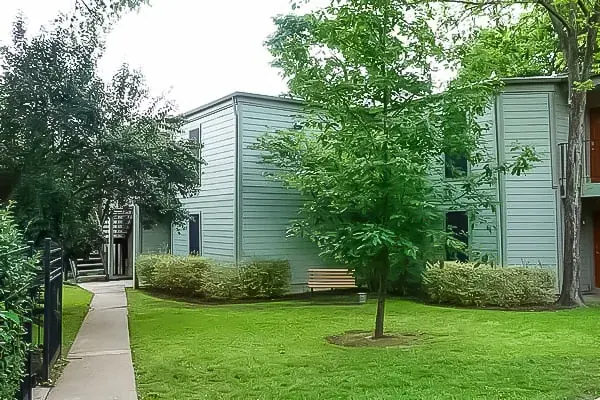
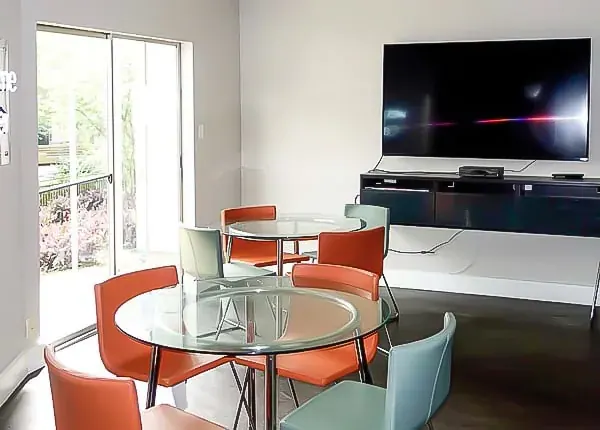
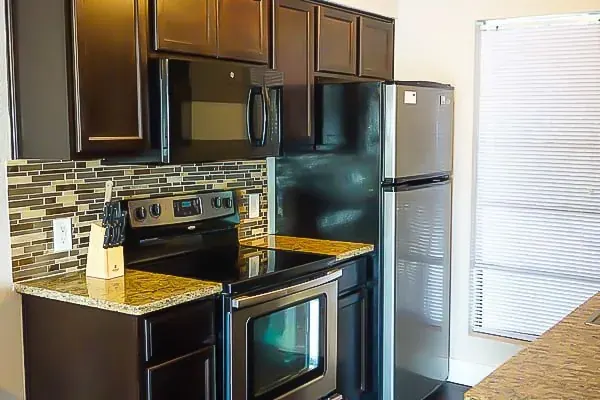
Inside Rustic Creek, our Austin flagship





What is Continuing Care After Drug Treatment?
After completing a drug rehabilitation program, many addicts must face the real world. While it’s necessary to learn self-control and live a sober lifestyle, many people may relapse after leaving an alcohol or drug rehab center. To prevent this from happening, rehabilitation centers offer continued care programs for their clients. Continued care programs are designed to provide support and guidance to recovering addicts as they navigate their post-treatment lives.
Some programs also offer medication-assisted treatment (MAT) as part of their continued care program. Many programs offer continued care not only to help clients maintain their sobriety but also to aid them in their transition to a healthier, sober lifestyle. In addition to providing support and guidance, many programs also offer clients the opportunity to complete additional treatment. They can participate in self-improvement programs, receive medical or mental health care, or access other resources.
Why is Continued Care Important After Drug Rehabilitation?
Simply completing treatment does not automatically make your recovery complete. Addiction is a disease that lurks in the shadows of our minds, ready to reemerge at any time. Because of this, many people find the courage to fight their addiction only once they have overcome their fear of the unknown. Once addicts leave rehab, they often have a newfound sense of purpose. This sense of purpose, however, can be easily overwhelmed by the pressures of daily life. Hardships, pressures, and social pressures can all be major triggers for relapse.
Continued care programs provide an environment sensitive to these triggers, as well as opportunities to explore new hobbies, meet new people, and develop new interests that may fill this newfound purpose. This continued care can also be used as a way to explore a path to recovery while maintaining sobriety. Many programs offer clients the opportunity to explore sobriety by participating in self-improvement programs, receiving mentorship, or completing additional treatment.
Types of Continued Care Programs
While there are many types of continuing care programs, they usually fall into three main categories: residential, outpatient, and intensive outpatient. Residential programs provide long-term, residential care. These programs offer a safe, sober environment that allows clients to live in the same house or community where they receive treatment. This is a great option for those looking for long-term care and stability. Outpatient programs offer the best of both worlds. These programs come with the flexibility of short-term treatment, yet the support offered by longer-term care. Intensive outpatient programs offer the same benefits as outpatient programs, but in a shorter timeframe.
Residential Care
Residential care programs offer long-term care for those who need it. These programs offer 24/7 care in a safe environment that allows clients to continue their treatment without the stress of daily responsibilities. One of the benefits of residential care is that it allows clients to complete treatment in a controlled, supervised environment, with medical and psychiatric care on-site. However, residents also have the freedom to participate in treatment and self-improvement programs.
Outpatient Treatment
Outpatient treatment programs allow addicts to continue receiving treatment, while also having the freedom to participate in self-improvement programs, complete additional treatment, or explore a path to sobriety outside of treatment.
Intensive Outpatient Treatment
Intensive outpatient treatment programs provide the same benefits as outpatient programs, but in a shorter timeframe.
Which type of continued care is right for you will depend on your individual needs and goals. It’s important to choose a continued care program that suits your needs and fits within your budget.
How Long do you have to Participate in Continued Care?
The length of time you have to stay in continuing care depends on your specific program. Some programs offer a maximum stay of 12 or 24 months. Others allow you to choose a length of time that best fits your needs and budget.
Eudaimonia Can Help Keep You on the Path to Recovery
Eudaimonia offers excellent recovery programs with tailored care. In these programs, individuals can develop positive coping skills with the tools necessary to maintain sobriety. Eudaimonia even provides tailored care based on gender and orientation. We also include supervised, short-term housing to provide support for newly sober individuals. But no matter where you are in your recovery, Eudaimonia Sober Living Homes can provide support every step of the way. We have facilities for sober living in Austin, Houston, and Colorado Springs ready to assist you in living your sober lifestyle. Call Eudaimonia Sober Living Homes at (713) 818-2361 for more information on the sober living process and current room availability.