
Published April 18, 2026 · Updated October 9, 2026
On This Page · 8 Sections
Yes. In most well-run sober living homes you are not just allowed to work or study, you are expected to. At ours it is part of the agreement every resident signs: have a job, be enrolled in education, or volunteer with a nonprofit. This page explains what that requirement looks like, how work fits around the house rules, and what to do if you are arriving without a job.
Can you work while living in sober living?
You can, and for most people it is the point. Sober living is the stage where you rebuild an ordinary life: getting up, getting somewhere on time, earning money, paying rent. Days with nothing in them are hard in early recovery, and a job, a class or a volunteer shift gives the week a shape.
What our work requirement actually says
Every resident commits to one of three things:
- A job, at an employer that does not serve alcohol.
- Enrollment in education.
- Volunteering with a suitable nonprofit.
For anyone still getting there, life skills planning runs at 9 a.m. on business days, and you follow the plan you build with your designated life coach. You can read the commitment word for word on our community rules page.
Why not a job that serves alcohol?
Because spending a shift pouring, carrying or selling drinks is a hard place to stay sober in early recovery, and a house full of people trying to stay sober is better off without it coming home with someone. It rules out bars and many restaurants; it leaves most of the job market open.
How work fits around the house rules
The house has its own commitments running alongside your job: three recovery meetings a week and a sponsor, a weekly community meeting, drug and alcohol testing, house tasks, quiet hours and visitation hours. In practice that means:
- Plan your meetings around your shifts, not the other way round. Early-morning, lunchtime and late-evening meetings exist for exactly this reason.
- Tell the house about your schedule. If you work nights, rotating shifts or have classes at odd hours, say so when you apply, so the house can plan around it.
- Treat the community meeting as fixed. It is once a week; put it in your calendar like a shift.
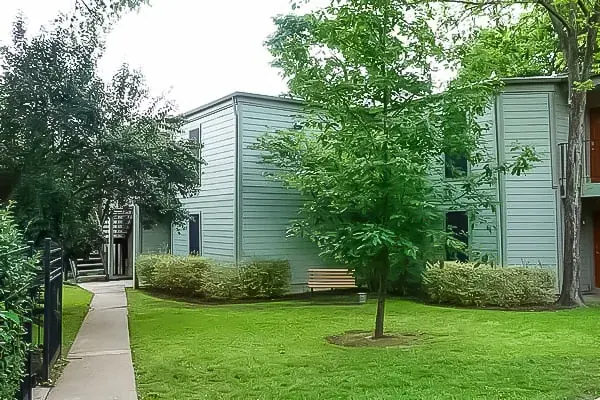
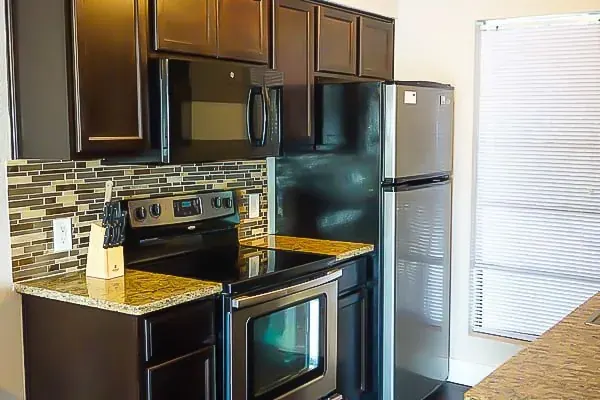
Inside Rustic Creek, our Austin flagship






Arriving without a job
That is normal, and it is not a reason to wait. Many people come to sober living straight from treatment with no job lined up. What matters is that you start working on it: the 9 a.m. planning on business days exists for that. Volunteering or enrolling in a course also meets the commitment while you look.
A few things make the search easier in early recovery: look first at jobs whose hours leave room for meetings, think about how you will get there before you accept, and start with something steady rather than something perfect. If you are on probation or parole, check what your officer needs to know about work before you start.
School and volunteering count too
Enrolling in a degree, a trade program or a certificate course meets the commitment, and so does volunteering with a suitable nonprofit. For some people, a few months of either is a better first step than the first job that comes along.
Choosing a house that fits your work or school
If you already have a job or a place at school, choose the house around it. A long, unreliable commute is one of the most common reasons a good plan starts to slip. Look at how you would get there, how long it takes at the hours you work, and what happens on the days the bus is late.
See where our houses are. For how to judge any house, see how to find the best sober living homes, and for what the rules usually are, sober living house rules.
To ask what is open near your work or school, apply online; one application covers every location.