

Published July 6, 2026
On This Page · 10 Sections
Yes, most sober living homes allow residents to bring their own vehicles, and Eudaimonia Recovery Homes encourages personal car ownership as part of rebuilding independence and responsibility in recovery. If you don’t have your own transportation, many sober living environments offer support through shared rides with housemates, proximity to public transit, or coordination with local recovery community members. Unlike inpatient treatment facilities that may restrict vehicle access, sober living homes recognize that having reliable transportation helps residents get to work, attend 12-step meetings, and manage daily responsibilities, all essential components of long-term sobriety.
Why Personal Vehicles Matter in Sober Living Homes
When you transition from treatment or detox into a sober living environment, you’re stepping back into the real world with structure and support. Having your own car becomes more than just convenience, it’s a tool for independence. At Eudaimonia Recovery Homes locations in Austin, Houston, San Antonio, Colorado Springs, Philadelphia, and Baton Rouge, residents who bring their vehicles often find it easier to maintain employment, attend outpatient therapy appointments, and participate in the recovery community.
Personal transportation gives you control over your schedule. You’re not waiting on others to get to your job interview or your sponsor meeting. That autonomy, paired with accountability, helps reinforce the self-sufficiency you’re building in early recovery. Many residents report that managing their car, insurance, maintenance, gas, becomes a practical way to practice responsibility and discipline.
Of course, vehicle ownership isn’t required to live in sober housing. Plenty of residents arrive without cars and build their recovery successfully. The key is having a plan for getting where you need to go consistently and reliably.
Rules for Sober Living Homes Regarding Vehicles
Every sober living home has its own vehicle policy, and Eudaimonia Recovery Homes maintains clear guidelines to ensure safety and accountability. If you’re wondering whether you can bring your car to a sober living home, understand that the answer often depends on meeting certain requirements.
Typical vehicle requirements at sober living homes include:
- Valid driver’s license and current vehicle registration
- Active auto insurance that meets state minimums
- Vehicle in safe, working condition
- Agreement to submit to random drug and alcohol testing (zero tolerance for DUI or impaired driving)
- Designated parking that doesn’t obstruct neighbors or other residents
- No loitering in vehicles on property (a common rule to maintain house accountability)
These rules protect everyone in the house. If someone relapses and has access to a vehicle, the risk increases, not just for that individual, but for others who might be asked for rides or influenced by unhealthy behavior. Clear boundaries around car use help preserve the sober environment that makes recovery housing effective.
What Happens If You Don't Have a Car at Sober Living?
Not having a vehicle doesn’t disqualify you from sober living. In fact, many residents arrive fresh from treatment without a car, either because they sold it during active addiction, lost their license due to legal issues, or simply never owned one. Eudaimonia Recovery Homes supports residents in finding alternative transportation solutions.
Common transportation options for residents without cars include:
- Ridesharing with housemates: Many residents coordinate work schedules or recovery meetings and share rides. This builds community and accountability.
- Public transportation: Locations like Austin, Houston, San Antonio, and Philadelphia have bus and rail systems that residents use daily.
- Bicycles: Several Eudaimonia homes are in bike-friendly areas where residents can pedal to nearby jobs or meetings.
- Rideshare apps: Uber and Lyft provide flexible options when other transportation isn’t available.
- Walking: Some houses are intentionally located near grocery stores, meeting halls, and employment centers.
The house manager can often help connect new residents with transportation resources or coordinate with other residents who have vehicles. The recovery community is collaborative by nature, and many people in sober living remember when they needed help getting around, they’re usually willing to offer a ride.
Does Sober Living Have a Curfew That Affects Car Use?
Most sober living homes, including Eudaimonia Recovery Homes, do enforce curfews as part of the structured environment. These curfews typically apply on weeknights and may be more relaxed on weekends, depending on house rules and your phase of residency. If you have your own car, you need to plan around these curfews, coming and going freely at all hours isn’t part of the sober living model.
Curfews exist to maintain structure and discourage late-night activities that could jeopardize sobriety. If you’re working a late shift or have a legitimate reason to be out past curfew, most house managers will work with you. You’ll need to communicate in advance and possibly provide documentation from your employer. The goal isn’t to restrict your independence unnecessarily, it’s to create boundaries that support everyone’s recovery.
Having a car means you’re responsible for managing your time so you’re back before curfew. It’s another layer of accountability that mirrors the discipline needed in long-term sobriety.
Insurance, Costs, and Managing Your Vehicle in Recovery
Bringing your car to a sober living home means taking on the full responsibility of vehicle ownership. This includes insurance premiums, fuel costs, routine maintenance, and any repairs that come up. For some residents, this is a financial stretch, especially in early recovery when rebuilding employment and savings.
However, managing these expenses becomes part of your recovery work. Budgeting for your car payment and insurance teaches financial responsibility. Keeping up with oil changes and registration deadlines reinforces follow-through and planning skills. These aren’t trivial tasks, they’re real-world practices that help you stay organized and accountable, traits that directly support sobriety.
If you’re concerned about affording a vehicle while paying for sober living, talk with your house manager about budgeting resources. Many residents find that having a car actually helps them earn more income by expanding their job options, which offsets the cost. Others decide to go without a car initially and save up, then purchase a reliable used vehicle once they’ve built financial stability.
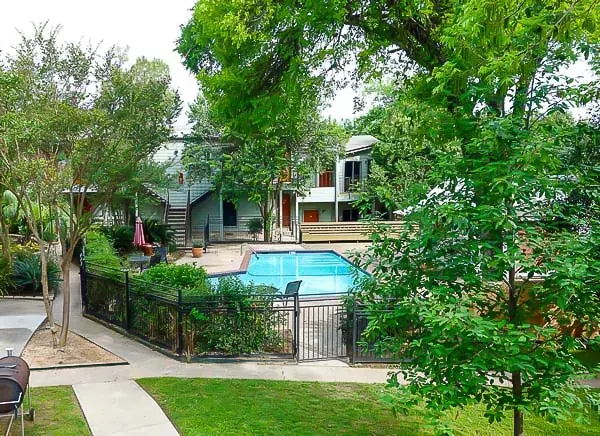
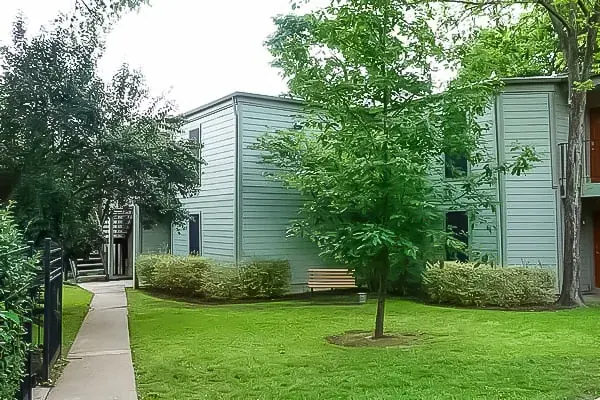
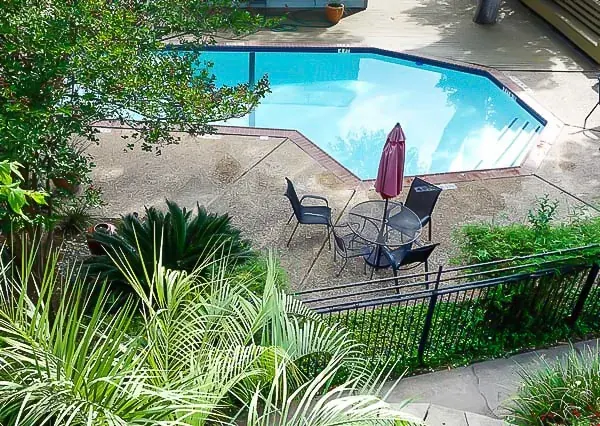
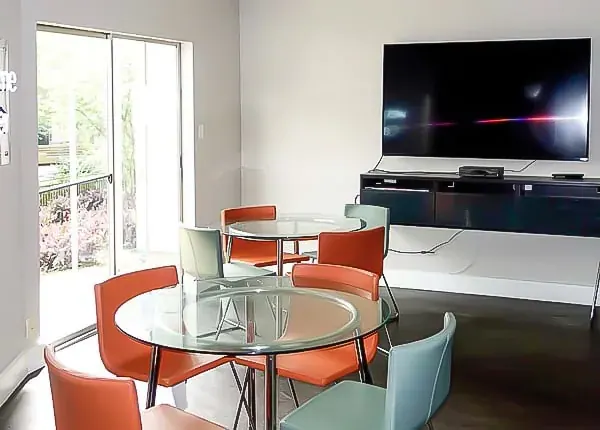
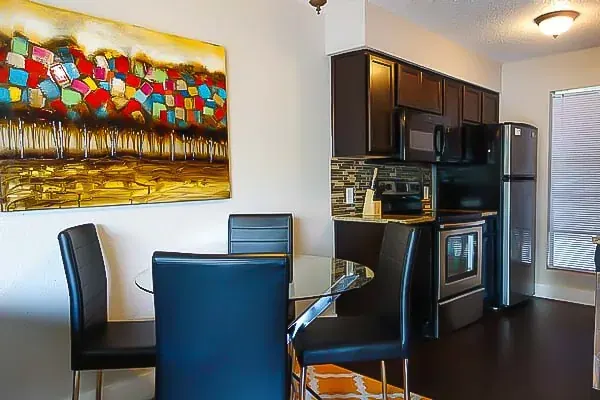
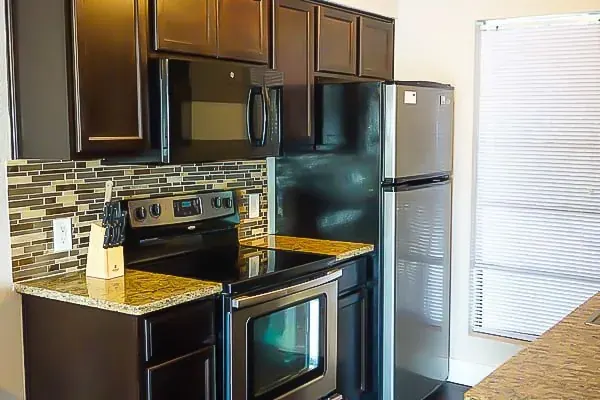
Inside Rustic Creek, our Austin flagship


Can You Share Your Car with Other Residents?
Sharing your car with housemates can be a generous way to support the community, but it also comes with risks. If someone else is driving your vehicle and relapses, gets into an accident, or receives a traffic citation, you could be held liable. Most sober living homes, including Eudaimonia Recovery Homes, advise residents to think carefully before letting others use their vehicles.
If you do choose to give rides or lend your car, set clear boundaries:
- Only offer rides to people you trust and who are actively engaged in their recovery
- Never let someone drive your car unless they have a valid license and are on your insurance
- Don’t feel obligated to say yes every time, protecting your resources is healthy
- Communicate with your house manager if transportation sharing becomes a house issue
Helping others is a cornerstone of recovery culture, but you’re not required to put your vehicle, finances, or peace of mind at risk. Setting boundaries around your car is good practice for setting boundaries in all areas of recovery.
Transportation Needs Beyond Sober Living: Getting to Treatment and Aftercare
Before you even arrive at sober living, you might need transportation from detox, an inpatient treatment facility, or the airport. While Eudaimonia Recovery Homes doesn’t operate as a transportation service, the intake team can often help coordinate your arrival, especially if you’re coming from out of state to locations like Colorado Springs, Baton Rouge, or Philadelphia.
Once you’re settled in sober living, ongoing transportation for outpatient therapy, 12-step meetings, medical appointments, and court dates becomes part of your weekly routine. Having your own vehicle simplifies this significantly. If you don’t have a car, you’ll need to arrange rides in advance, use public transit, or budget for rideshares, all of which require more planning and time management.
The ability to reliably get to these appointments isn’t optional. Missing therapy or probation meetings can jeopardize your legal standing, your spot in the house, and your recovery progress. Whether you drive yourself or coordinate alternative transportation, consistency matters. This is one reason why many residents prioritize getting their driver’s license reinstated and saving for a vehicle early in their sober living stay.
What Else Can You Bring to Sober Living Besides Your Car?
If you’re asking whether you can bring your car to a sober living home, you’re probably also wondering about other belongings. Sober living homes allow most personal items that support a healthy, productive lifestyle. At Eudaimonia Recovery Homes, you can typically bring clothing, toiletries, electronics like laptops and phones, work gear, and personal care items.
However, there are restrictions. Items that aren’t allowed usually include:
- Alcohol, drugs, or drug paraphernalia of any kind
- Weapons, including firearms and knives beyond basic kitchen use
- Medications containing alcohol or controlled substances (unless prescribed and disclosed to the house manager)
- Excessive furniture or items that clutter shared spaces
Your car falls into the category of approved personal property, as long as it meets the insurance and safety requirements. The focus is always on creating an environment where recovery can thrive: anything that threatens that environment, whether it’s contraband or irresponsible vehicle use, will be addressed.
How to Manage a Sober Living House Vehicle Policy as a Resident
Living in a sober living home means following the house rules, and vehicle policies are no exception. Understanding and respecting these rules protects you and your housemates. If you have a car, keep your insurance card, registration, and license current and accessible. Notify the house manager immediately if anything changes: if your license gets suspended, your insurance lapses, or your car becomes inoperable.
Transparency is essential. If you’re struggling financially and can’t keep up with insurance payments, talk to your house manager before the policy lapses. If you receive a traffic ticket or are involved in an accident, disclose it. These conversations aren’t about punishment, they’re about accountability and problem-solving, which are core to recovery.
Additionally, be a good neighbor with your vehicle. Park considerately, keep your car clean and maintained, don’t idle in the driveway for long periods, and never use your vehicle as a place to isolate or avoid house responsibilities. Your car is a tool for building your new life, not an escape hatch from the structure that supports your sobriety.
If you’re ready to take the next step in your recovery journey and want to know more about vehicle policies and what to expect at Eudaimonia Recovery Homes, reach out to our admissions team. We’ll answer your questions and help you plan a smooth transition into sober living.
Ready to take the next step?
Eudaimonia Recovery Homes provides structured sober living and recovery support in Philadelphia, PA. Call (713) 818-2361 to speak with our team today.