

Published July 22, 2026
On This Page · 10 Sections
The average length of stay in a sober living home before someone can live independently typically ranges from 90 days to 12 months, with most residents finding their footing between three to six months. That said, there’s no universal timeline, some people need only a few months to build a solid foundation, while others benefit from a year or more of structured support. Your personal recovery journey, the strength of your support network, financial stability, and the specific challenges you’re working through all play a role in determining when you’re truly ready to step out on your own.
Why Three to Six Months Is the Most Common Timeline
When you first move into sober living after completing detox or residential treatment, your brain and body are still adjusting. The first 90 days are critical. This is when you’re building new habits, learning to navigate triggers in real-world settings, and establishing routines that support long-term sobriety.
Most people find that three months gives them enough time to practice the basics: attending meetings regularly, maintaining employment or school commitments, rebuilding family relationships, and proving to themselves that they can handle daily stressors without using. By the six-month mark, these practices have typically become second nature, and residents have worked through many of the immediate challenges that threatened their early recovery.
At Eudaimonia Recovery Homes, we see residents across our Austin, Houston, San Antonio, Colorado Springs, Philadelphia, and Baton Rouge locations follow this general pattern, though everyone’s path looks a little different. Some arrive with strong support systems already in place; others are rebuilding everything from scratch.
Factors That Influence Your Length of Stay in a Sober Living Home
Your personal timeline depends on several key factors. Understanding these can help you set realistic expectations and work with your house manager or recovery coach to create a plan that makes sense for your situation.
Substance use history and complexity: If you’re recovering from multiple substances or have co-occurring mental health conditions, you may benefit from a longer stay. Building coping skills and stabilizing both your addiction and mental health takes time, and sober living provides the structure to do that work safely.
Employment and financial stability: One of the biggest predictors of successful independent living is financial readiness. You need steady income, savings for first and last month’s rent, and a budget that covers utilities, groceries, transportation, and other basics. Many residents stay in sober living until they’ve secured stable employment and saved enough to move out without financial stress triggering a relapse.
Support network strength: If you have healthy, supportive relationships with family and friends who understand recovery, you may be ready to live independently sooner. If your previous living situation was chaotic or actively harmful to your sobriety, you might need more time to build a new network of sober friends and mentors before you can safely live on your own.
Personal recovery goals: Some residents use their time in sober living to pursue education, repair legal issues, regain custody of children, or work through trauma in therapy. These goals take time, and staying in a supportive environment while you tackle them can dramatically improve your chances of success.
Signs You're Ready to Live Independently After Sober Living
Knowing when you’re genuinely ready, not just eager, to leave sober living is crucial. Leaving too soon is one of the most common relapse triggers, so it’s worth being honest with yourself about where you really stand.
- Consistent sobriety: You’ve maintained continuous sobriety for several months and have healthy coping mechanisms for stress, cravings, and emotional challenges.
- Strong recovery routine: You attend meetings, therapy, or other support activities without being reminded, and these practices feel like non-negotiable parts of your life.
- Financial independence: You have steady income, a budget you stick to, and savings to handle emergencies without panicking.
- Healthy relationships: You’ve rebuilt trust with family, made sober friends, and know who to call when you’re struggling.
- Emotional regulation: You can handle disappointment, conflict, and setbacks without turning to substances or destructive behaviors.
- Clear plans: You know where you’ll live, how you’ll continue your recovery support, and what your daily structure will look like.
If you’re checking most or all of these boxes, you’re likely in a good position to transition. If several are still works in progress, giving yourself more time in the structured environment of sober living isn’t a failure, it’s smart planning.
What Happens When People Leave Sober Living Too Early
We’ve all seen it: someone gets a few months of sobriety under their belt, feels confident, and decides they’re ready to live alone or move back in with old friends. Within weeks or months, they’re struggling or back in treatment.
Leaving before you’re ready often means you haven’t fully developed the skills you need to handle independence. Maybe your job isn’t as stable as you thought, or loneliness hits harder than expected when you’re living alone. Old relationship patterns re-emerge. Triggers you managed easily in the structured sober living environment feel overwhelming when there’s no built-in accountability.
The average length of stay in a sober living home exists for a reason, it reflects the time most people need to truly solidify their recovery foundation. Respecting that timeline, even when you’re eager to move forward, can be the difference between long-term success and a painful setback.
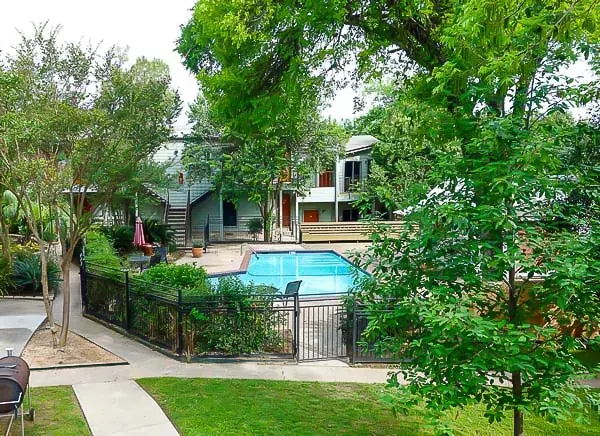
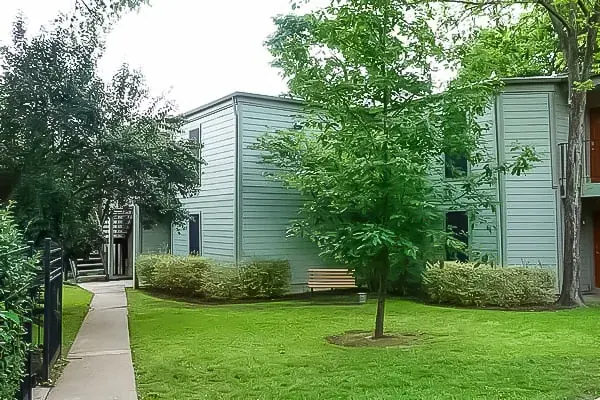
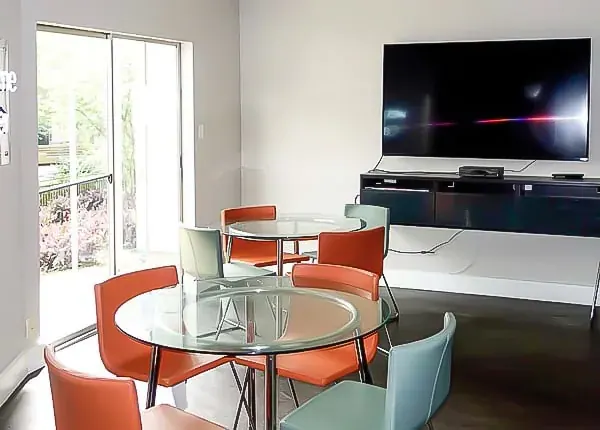
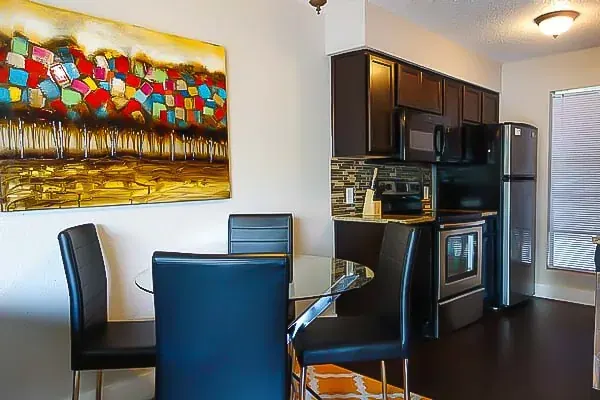
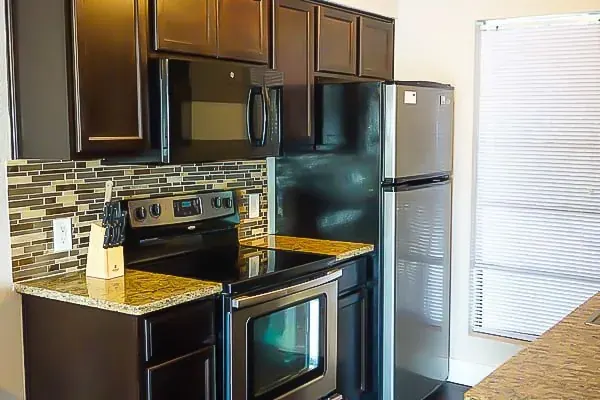
Inside Rustic Creek, our Austin flagship



How to Use Your Time in Sober Living Effectively
The length of your stay matters less than what you do with the time. You can live in sober housing for a year and leave unprepared if you’re just going through the motions. Conversely, three months of fully engaged recovery work can set you up beautifully for independence.
Set specific goals with your house manager: Work together to identify what you need to accomplish before moving out: whether that’s six months of employment, completing a certain amount of therapy, or saving a specific amount of money.
Practice real-world skills: Use your time in sober living to develop the habits you’ll need independently: cooking healthy meals, managing finances, maintaining a job, handling conflict with roommates, and building a social life that doesn’t revolve around substances.
Build your recovery network: Get a sponsor, make sober friends, find meetings you love, and connect with therapists or counselors you trust. When you leave sober living, this network becomes your lifeline.
Test your independence gradually: Many sober living homes allow increasing levels of freedom as you progress. Overnight stays with family, weekend trips, or extended work hours can help you practice independence while you still have the safety net of returning to a structured environment.
Why Some People Stay Longer Than Average in Sober Living
There’s no shame in staying in sober living longer than the average length, in fact, it’s often a sign of wisdom and self-awareness. Some residents at our locations in South Austin, Baton Rouge, Colorado Springs, and beyond choose to stay nine months, a year, or even longer because they recognize they need more time.
Maybe you’re working through complex trauma in therapy and don’t want to face the stress of living alone while doing that heavy work. Perhaps you’re going back to school and want to focus on your education without the distraction of managing a household solo. Or maybe you’ve relapsed before after leaving structured support too early, and this time you’re committed to getting it right.
Extended stays also make sense for people who genuinely enjoy the community aspect of sober living. Having built-in accountability, shared meals, and people who understand what you’re going through can be enormously comforting, especially if you don’t have family nearby or your pre-recovery relationships were toxic.
Creating Your Personal Timeline for Independence
Rather than fixating on what’s “average,” focus on creating a timeline that reflects your unique needs and circumstances. Sit down with your house manager, sponsor, therapist, or other trusted recovery supports and honestly assess where you are.
Ask yourself: What specific skills or resources do I still need to develop? What situations am I most worried about handling on my own? What would need to be true for me to feel confident and safe living independently? The answers to these questions should guide your timeline more than any statistic.
Track your progress over time. If you’ve been in sober living for three months, compare where you are now to where you were on day one. Are you more stable emotionally? More financially secure? Better at handling conflict and stress? If you’re seeing clear progress, you’re on the right path, whether that path leads to independence in another month or another six months.
The Role of Aftercare Planning Before Leaving Sober Living
One of the most important things you can do before transitioning out of sober living is create a detailed aftercare plan. This plan should map out exactly how you’ll maintain your recovery once you’re on your own.
Where will you attend meetings? Who’s your emergency contact when you’re struggling? How will you stay connected to sober friends? What’s your plan if you lose your job or face another major stressor? Having concrete answers to these questions, written down, shared with your support network, and revisited regularly, dramatically increases your chances of staying sober after you leave.
Many people also benefit from step-down approaches: moving from sober living into an apartment with a sober roommate, for example, rather than jumping straight into living completely alone. This middle step maintains some accountability while giving you more independence.
Making the Right Decision for Your Recovery Journey
The average length of stay in a sober living home before living independently is a helpful guideline, but it’s not a prescription. Your recovery is unique, and the timeline that works for you might look different from anyone else’s.
What matters most is that you’re honest with yourself about your readiness, that you use your time in sober living to build real skills and supports, and that you leave when you’re truly prepared, not just when you’re tired of structure or eager for more freedom.
Recovery is a marathon, not a sprint. Giving yourself the time you need in a supportive sober living environment isn’t delaying your life, it’s building a foundation strong enough to support the independent, fulfilling life you’re working toward.
If you or someone you care about is considering sober living as a next step after treatment, Eudaimonia Recovery Homes is here to help you explore your options and create a plan that supports lasting recovery.
Ready to take the next step?
Eudaimonia Recovery Homes provides structured sober living and recovery support in Philadelphia, PA. Call (713) 818-2361 to speak with our team today.