

Published July 8, 2026
On This Page · 10 Sections
Yes, visitors are allowed at sober living homes, but each home establishes specific guidelines to protect residents’ recovery. At most recovery residences, including Eudaimonia Recovery Homes, family members and sober friends can visit during designated hours after a resident completes an initial adjustment period, typically the first 30 days. Visitor policies balance the need for social connection with the primary goal of maintaining a safe, structured environment where everyone can focus on building long-term sobriety. These rules exist not to isolate you, but to create boundaries that support your transition into independent, sober living.
Why Sober Living Homes Have Visitor Policies
The first few weeks in recovery housing are critical. You’re adjusting to a new routine, building relationships with housemates, and establishing accountability habits that will carry you through the rest of your recovery journey. Visitor policies during this period help you stay focused on yourself rather than managing relationships or old social dynamics that might trigger cravings or distract from your program.
Most sober living homes restrict or closely monitor visitors during the initial 30-day period. This isn’t punishment, it’s protection. Early recovery requires immersion in your new sober community, and too much outside contact can pull you back into old patterns before you’ve built a solid foundation. The structure gives you permission to prioritize yourself without feeling guilty about limiting contact with family or friends who may not understand your boundaries yet.
After the initial period, visitor policies typically relax. You’ve proven your commitment to the house rules, you’ve passed drug and alcohol screenings, and you’re actively participating in your recovery plan. At this point, having visitors can actually strengthen your sobriety by helping you practice healthy relationships in a supervised, supportive setting.
Common Visitor Rules at Recovery Housing
While each sober living home sets its own policies, most follow similar guidelines to maintain safety and accountability. Understanding these rules before you move in helps set realistic expectations for yourself and your loved ones.
Typical visitor guidelines include:
- Designated visiting hoursUsually afternoons or early evenings on specific days, not late at night or early morning
- Common-area-only visitsGuests stay in shared spaces like the living room or outdoor areas, not private bedrooms
- Advance approval requiredYou must notify house management 24-48 hours before a visit
- Sobriety requirementAll visitors must be sober during their visit; anyone appearing intoxicated will be asked to leave
- No overnight guestsVisitors cannot sleep over, with rare exceptions for special circumstances approved by management
- Background on relationshipsHouse managers may ask about your relationship with visitors to ensure they support your recovery
At Eudaimonia Recovery Homes locations in Austin, Houston, San Antonio, Colorado Springs, Philadelphia, and Baton Rouge, these policies are clearly explained during intake so there’s no confusion. The goal is transparency. You know exactly what’s expected, and your visitors understand the boundaries before they arrive.
Who Can Visit You at Sober Living?
Not all visitors are created equal in recovery housing. The people you invite into your sober living space can either strengthen your commitment or threaten it, which is why house managers pay attention to who’s coming through the door.
Generally welcome visitors: Parents and family members who support your recovery, sober friends, sponsors or accountability partners from 12-step programs, clergy or spiritual advisors, and recovery coaches. These people understand your journey and respect the rules of the home.
Visitors who require extra scrutiny or may not be allowed: Friends from active addiction who still use substances, romantic partners you met while using (especially early in recovery), anyone with a criminal record involving drugs or violence, and family members who enable or don’t respect your boundaries. House managers aren’t trying to control your relationships, they’re protecting the entire community from high-risk situations.
If you’re unsure whether someone should visit, talk to your house manager. They’ve seen hundreds of residents navigate these decisions and can offer perspective you might not see clearly yet. Sometimes the people we think we need in early recovery are actually the ones holding us back.
The First 30 Days: Why the Blackout Period Matters
Many sober living homes, including those in Austin, South Austin, Houston, and other Eudaimonia locations, implement a modified visitor restriction during your first month. This doesn’t mean total isolation, you can still communicate by phone and attend outside meetings, but it limits in-person visits to create focused recovery time.
This initial period lets you bond with your housemates without outside distractions. The people living alongside you become your primary support system, and that’s exactly what needs to happen. You learn to rely on peers who understand your struggle rather than falling back on relationships that may have enabled your addiction.
The 30-day adjustment also helps you establish your daily routine: morning meetings, work or outpatient programs, house chores, evening check-ins, and personal recovery work. Adding visitors too early can disrupt this rhythm before it becomes second nature. Once you’ve proven you can maintain structure independently, visitors become a healthy addition rather than a potential disruption.
How Visitor Policies Differ From Inpatient Rehab
It’s important to understand that sober living is not inpatient treatment or residential rehab. Those programs often have much stricter visitor policies, some allow no visitors at all for the first several weeks, while others permit only supervised family sessions with a therapist present.
Sober living homes offer more freedom because residents have already completed detox and initial treatment. You’re in a transitional phase, practicing independence while still living in a structured, accountable environment. The visitor policies reflect this middle ground: more flexible than rehab, but more protective than living completely on your own.
If you’re moving from inpatient treatment into sober living, you’ll likely notice the shift. You might go from zero or highly controlled visits to being able to have family over for a few hours on weekends after your first month. This gradual increase in freedom matches your growing stability in recovery.
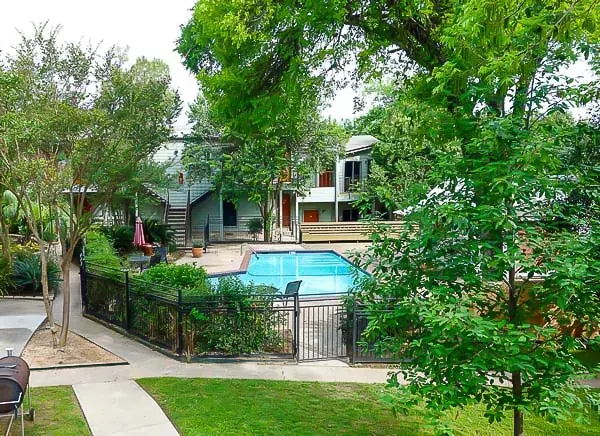
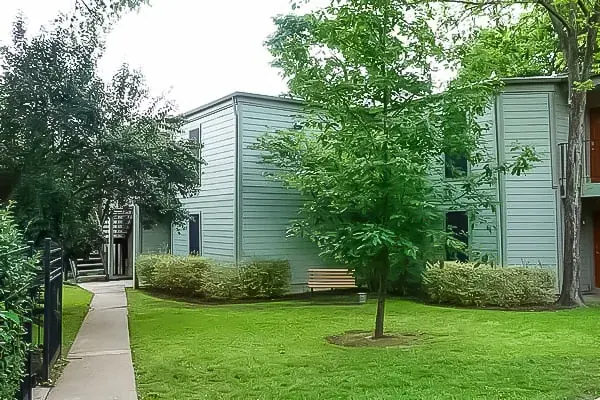
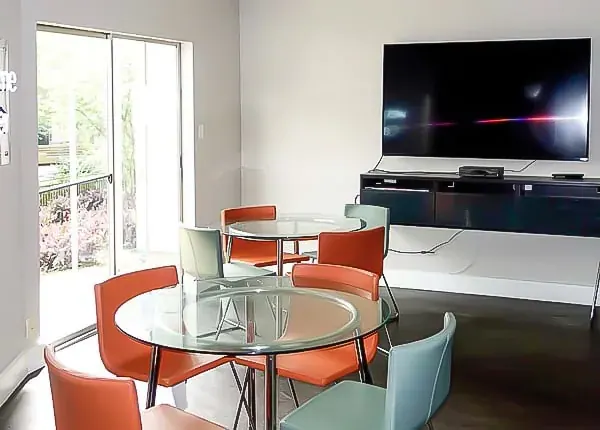
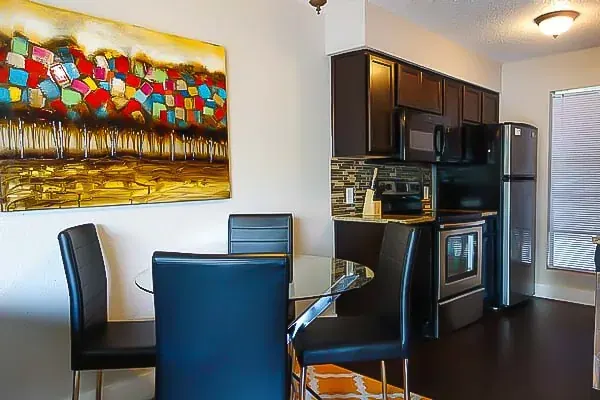
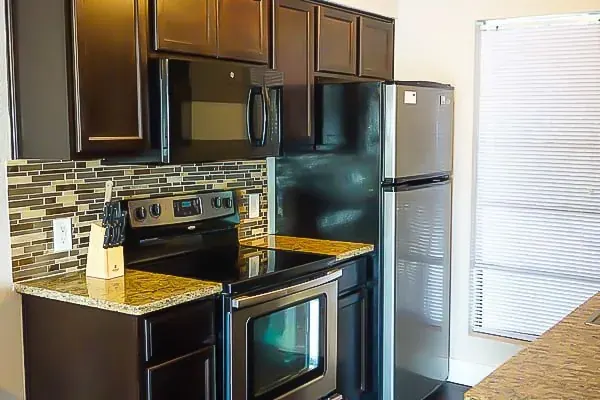
Inside Rustic Creek, our Austin flagship



Managing Family Expectations Around Visits
One of the hardest conversations in early recovery involves telling family members they can’t visit whenever they want. Parents, spouses, and children may feel hurt or confused by visitor restrictions, especially if they’ve been desperate to reconnect with you after months or years of addiction.
Help them understand that the rules aren’t about pushing them away, they’re about ensuring you’re strong enough to be fully present when they do visit. Explain that the house policies apply to everyone equally and that following them is part of demonstrating your commitment to staying sober. Most families, once they understand the reasoning, become supportive allies in respecting the boundaries.
Suggest alternative ways to stay connected during restricted periods: scheduled phone calls, letters, participation in family therapy sessions if your program offers them, or attending open 12-step meetings together outside the house. These maintain connection without violating sober living policies.
What Happens If Visitor Rules Are Broken
Sober living homes enforce visitor policies seriously because violations can compromise everyone’s safety and recovery, not just your own. Consequences typically follow a progressive discipline model, starting with warnings and escalating to potential discharge for serious or repeated violations.
A first-time minor violation, like having a visitor stay 30 minutes past designated hours, might result in a verbal warning and a reminder of the rules. More serious issues, like allowing an intoxicated person into the house or having an overnight guest without permission, could lead to immediate probation or even discharge, depending on house policy and the specific circumstances.
The stakes are real because when you sign your residency agreement, you’re committing not just to your own recovery but to protecting the recovery environment for everyone else in the house. An unexpected visitor who brings drugs into the home, even unknowingly, can trigger relapses across the entire community. That’s why managers take these rules seriously, and why you should too.
Planning Successful Visits That Support Your Recovery
When you do have visitors, make the experience positive for everyone. Give your guests clear instructions about the rules before they arrive: visiting hours, where to park, which areas are off-limits, and the expectation that they’ll be respectful and sober. Setting these expectations in advance prevents awkward situations and shows maturity in managing your relationships.
Plan activities that support your recovery rather than test it. Suggest going for a walk, grabbing coffee at a nearby café, or attending an open recovery meeting together rather than just sitting around the house. Active, purposeful visits tend to be more meaningful and less likely to stir up old dynamics or uncomfortable emotions.
After the visit, check in with yourself and maybe with your house manager or sponsor. How did it feel? Did the visitor respect your boundaries? Did you feel stronger in your sobriety or slightly shaken? These reflections help you learn which relationships to nurture and which might need more time before they can be part of your recovery journey.
Other House Rules You Should Know
Visitor policies are just one part of sober living structure. Understanding the full picture helps you succeed in recovery housing. Most homes also regulate phone and technology use: yes, you can have your phone, but some houses limit screen time during group activities or require phones to stay out of bedrooms at night to promote healthy sleep habits.
Residents are responsible for their own rent and expenses in sober living. These are private residences, not free or state-funded housing, though many residents use insurance benefits or payment plans to cover costs. You might also need to verify whether you can have a car at the house; most locations allow vehicles as long as you have a valid license and insurance, since transportation is necessary for work and appointments.
The structure extends to daily expectations too: mandatory house meetings, random drug and alcohol testing, participation in a minimum number of recovery meetings per week, maintaining employment or education, and completing assigned chores. These aren’t arbitrary rules, they’re the framework that helps you rebuild responsibility and routine after addiction dismantled both.
Living in recovery housing means embracing accountability. The visitor policies, curfews, chore charts, and check-ins all work together to create an environment where sobriety isn’t just possible, it’s the natural result of your daily choices. When you understand that every rule exists to protect your freedom rather than restrict it, following them becomes easier.
If you or someone you love is considering sober living and has questions about visitor policies or any other aspect of recovery housing, Eudaimonia Recovery Homes is here to help you understand what to expect and determine if our community is the right fit for your journey.
Ready to take the next step?
Eudaimonia Recovery Homes provides structured sober living and recovery support in Philadelphia, PA. Call (713) 818-2361 to speak with our team today.