
Published June 26, 2026
On This Page · 8 Sections
Yes, it’s absolutely possible to substitute one addiction for another if you’re exercising or working all the time in recovery, a pattern addiction specialists call “addiction transfer” or “cross-addiction.” While exercise, work, and other activities are generally positive, they become problematic when you use them compulsively to avoid difficult emotions, neglect responsibilities, damage relationships, or recreate the same obsessive patterns that characterized your substance use. The key difference between a healthy habit and a substitute addiction lies in your motivation, the impact on your life, and whether the behavior helps or hinders your long-term recovery.
Understanding Addiction Transfer in Recovery
When you stop using drugs or alcohol, your brain doesn’t automatically reset to a pre-addiction state. The neural pathways that drove compulsive behavior are still there, looking for something to latch onto. Many people in early recovery discover themselves pouring the same intensity they once directed toward substances into seemingly healthier outlets.
In sober living environments, we see this pattern regularly. A resident might spend three hours at the gym daily, skip house meetings to work late every night, or become obsessively rigid about diet and supplements. These behaviors aren’t inherently harmful, in fact, structure and healthy habits are cornerstones of sustainable recovery, but the underlying compulsion signals a problem.
The clinical term for this phenomenon is cross-addiction or addiction substitution. It happens because addiction fundamentally involves your relationship with discomfort, not just your relationship with a specific substance. If you haven’t developed healthier coping mechanisms for stress, anxiety, boredom, or emotional pain, you’re likely to transfer that avoidance pattern to something else.
When Exercise Becomes a Substitute Addiction
Exercise is one of the most common substitute addictions in recovery, partly because treatment programs and sober living communities rightfully encourage physical fitness. Regular exercise releases endorphins, improves mood, provides structure, and supports overall health, all beneficial for people rebuilding their lives after addiction.
The problem emerges when exercise shifts from a healthy practice to a compulsive escape. Warning signs include:
- Exercising despite injury, illness, or medical advice to rest
- Experiencing intense anxiety, irritability, or guilt when you miss a workout
- Prioritizing exercise over work, recovery meetings, family time, or other responsibilities
- Using exercise primarily to punish yourself or control your appearance obsessively
- Hiding the extent of your exercise routine from housemates or your support system
- Feeling emotionally numb or disconnected unless you’re working out
At Eudaimonia Recovery Homes locations in Austin, Houston, San Antonio, Colorado Springs, Philadelphia, and Baton Rouge, residents learn to recognize the difference between healthy discipline and compulsive behavior. In a structured sober living environment, your housemates and house managers often notice patterns you might miss, like consistently choosing the gym over community activities or becoming agitated when your routine is disrupted.
Work Addiction and Recovery: A Complicated Relationship
Work presents a particularly tricky substitute addiction because society rewards workaholism. Rebuilding your career and financial stability after addiction is genuinely important, and many people in recovery homes are motivated to prove themselves professionally after years of unreliability.
But when work becomes all-consuming, it undermines the very foundation of recovery. You might tell yourself you’re being responsible, but if you’re working 70-hour weeks to avoid sitting with uncomfortable emotions, skipping recovery meetings because you’re too busy, or using career success to measure your worth as a person, you’ve likely substituted one addiction for another.
Common signs of work addiction in recovery include:
- Inability to relax or enjoy leisure time without feeling guilty or anxious
- Using busyness as your identity and primary self-worth measure
- Declining social connections and recovery support activities because of work demands
- Experiencing withdrawal-like symptoms (irritability, restlessness, anxiety) when not working
- Lying about or minimizing how much you’re actually working
Sober living offers built-in accountability around work-life balance. House rules typically require attendance at community meetings, completion of chores, and participation in the recovery community, commitments that prevent work from consuming every waking hour. This structure helps you develop a more balanced relationship with productivity.
Other Common Substitute Addictions in Recovery
Beyond exercise and work, people in recovery sometimes transfer their addictive patterns to relationships, food, shopping, gaming, or even recovery itself. Each presents its own challenges.
Love and relationship addiction often emerge quickly in early recovery. The intensity of a new romance can provide the same dopamine rush and emotional escape that substances once did. Many sober living communities discourage new romantic relationships during the first year for exactly this reason, not to control residents, but to protect the recovery process from being derailed by codependency and emotional chaos.
Food and eating disorders frequently co-occur with substance use disorders. Some people restrict food obsessively to maintain control, while others binge eat to manage emotions. In recovery housing, communal meals and structured eating patterns can help normalize your relationship with food, though professional treatment may be necessary for serious eating disorders.
Shopping and spending addictions are particularly dangerous for people rebuilding their finances. The temporary high of a purchase mimics the reward response of substance use, and credit cards make it easy to hide the extent of the problem until debt becomes unmanageable.
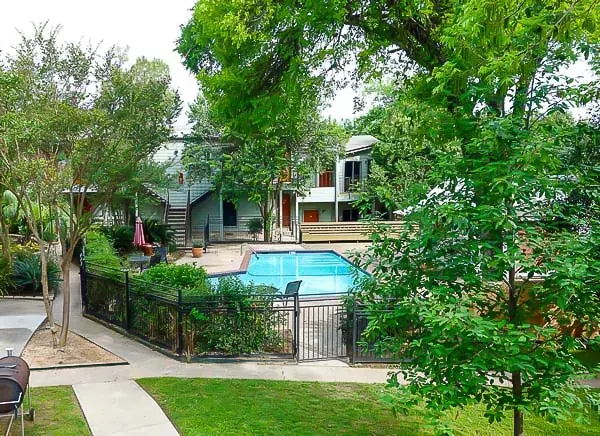
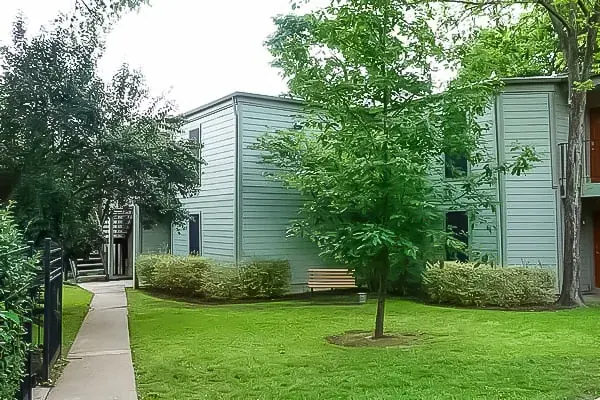
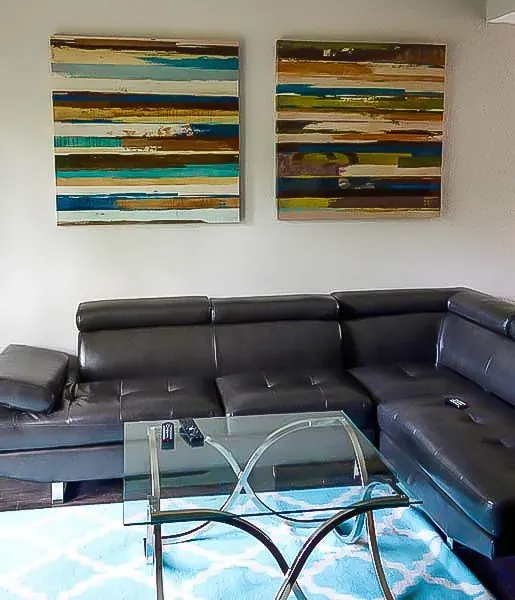
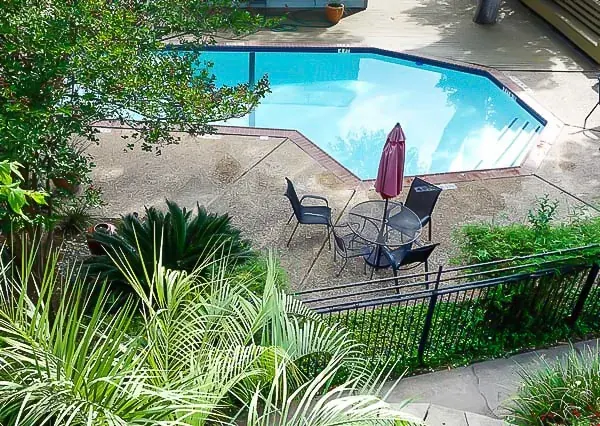
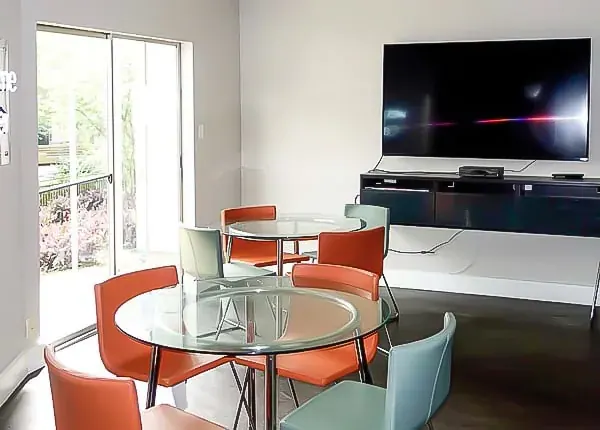
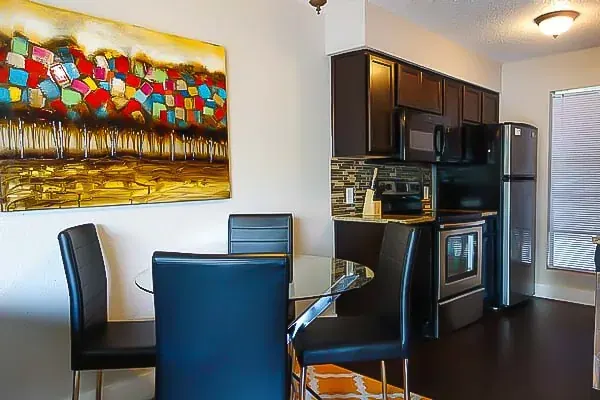
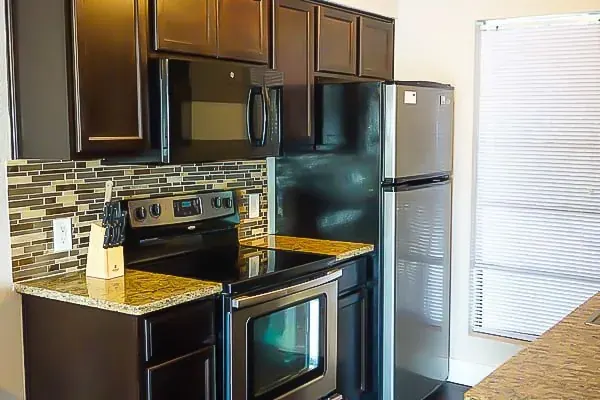
Inside Rustic Creek, our Austin flagship

How Sober Living Helps Prevent Addiction Substitution
Structured sober living environments like those at Eudaimonia Recovery Homes in Texas, Colorado, and Pennsylvania create natural safeguards against substitute addictions through community accountability and balanced routines.
When you live with other people in recovery, your behaviors are visible. Housemates notice when you’re always at the gym, never home for dinner, or spending compulsively. This peer accountability, delivered with empathy by people who understand addiction firsthand, helps you recognize problematic patterns before they spiral.
Recovery housing also builds structure that requires balance. You have house responsibilities, community meeting attendance, and often requirements around employment, 12-step or other recovery program participation, and drug testing. This framework makes it harder to obsess over any single activity to the exclusion of everything else.
Perhaps most importantly, sober living provides a space to practice sitting with discomfort without numbing out, whether through substances or substitute behaviors. In community settings, you learn to tolerate boredom, process difficult emotions, and build genuine connections, addressing the root causes that drive all addictive behavior.
Developing Healthy Habits Without Compulsion
The goal isn’t to avoid exercise, work, or other positive activities. Recovery requires building new, healthier patterns. The distinction lies in your relationship with these habits and your underlying motivation.
Healthy habits in recovery share several characteristics. They enhance your life without consuming it entirely. You can maintain them flexibly, missing a workout or having a lighter work week doesn’t trigger emotional crisis. They coexist with other important activities like relationships, recovery work, rest, and leisure. Most importantly, you engage in them primarily for genuine well-being, not to escape feelings or prove your worth.
Ask yourself regularly: Am I doing this because it supports my recovery and adds value to my life, or am I using it to avoid something uncomfortable? Am I able to be flexible with this habit, or does any disruption cause disproportionate distress? Does this activity enhance my relationships and responsibilities, or does it interfere with them?
In sober living, you have the opportunity to test these questions in real-time with support from people who understand the nuances of addiction. House managers and peers can offer perspective when you’re too close to your own behavior to evaluate it objectively.
Building a Balanced Recovery at Eudaimonia Recovery Homes
Long-term sobriety requires more than simply not using substances. It demands developing a genuinely new way of living: one where you can handle life’s challenges without compulsively escaping into anything, whether drugs, alcohol, exercise, work, or any other behavior.
Recovery housing provides the ideal environment to practice this balance. With structured support but also independence, you learn to make healthy choices consistently while remaining accountable to a community that notices when patterns become problematic.
At our locations across Austin, South Austin, Houston, San Antonio, Colorado Springs, Philadelphia, and Baton Rouge, residents build sustainable recovery by integrating multiple elements: meaningful work, physical health, emotional wellness, strong relationships, and spiritual or personal growth. No single area dominates to the exclusion of others.
This balanced approach protects against addiction substitution while helping you build the life skills necessary for long-term success. You’re not white-knuckling your way through each day or simply transferring your obsession to a socially acceptable target. Instead, you’re developing genuine resilience and a healthier relationship with all aspects of life.
If you’re concerned about substituting one addiction for another while working on your recovery, Eudaimonia Recovery Homes offers the structured, supportive environment you need to build lasting sobriety with balance and accountability.
Ready to take the next step?
Eudaimonia Recovery Homes provides structured sober living and recovery support in Philadelphia, PA. Call (713) 818-2361 to speak with our team today.