

Published December 4, 2025 · Updated July 27, 2026
Key Takeaways
- Local care in Philadelphia connects you with nearby inpatient and outpatient resources, family support, and follow-up services.
- Inpatient substance abuse treatment means living at the facility full-time with structured days, 24/7 monitoring, and intensive therapy.
- Inpatient vs. outpatient levels differ in living arrangements, time commitment, and intensity, and the right level depends on safety, severity, and support at home.
- Core inpatient services include medical detox coordination, individual and group therapy, family involvement, medication-assisted treatment, and case management.
- Comparing rehab centers involves looking at licensing, accreditation, evidence-based therapies, staff credentials, and the overall environment and culture.
- Paying for treatment may involve private insurance, Medicaid, Medicare, sliding-scale options, or public funding, with financial counselors helping you understand costs.
- Life after inpatient care relies on step-down programs, recovery housing, peer support, and ongoing services in Philadelphia to maintain progress.
- Eudaimonia Recovery Homes offers structured sober living that bridges the gap between inpatient treatment and independent living after rehab.
On This Page · 34 Sections
Sober Living
Philadelphia
Finding inpatient help for substance use in Philadelphia can feel overwhelming. Dozens of programs exist in the city and surrounding counties, ranging from hospital-based detox to long‑term residential care.
This guide explains how inpatient treatment works, what the best addiction rehab centers tend to offer, and how to compare your options so you can choose a setting that fits your needs.
Addiction Recovery in Philadelphia: Why Local Care Matters
Philadelphia has a dense network of detox, inpatient, and outpatient programs. Some national directories list more than 100 substance use treatment providers in and around the city, including many inpatient and residential options.
Choosing treatment close to home can be helpful because:
- Family and friends can participate in therapy and visitation.
- You stay connected to the same health system and insurance network.
- After discharge, it is easier to return for outpatient care or follow‑up appointments.
At the same time, the “best drug rehab facilities” are not the same for everyone. The right setting depends on your medical needs, mental health, budget, and the kind of environment where you feel safe.
What Is Inpatient Substance Abuse Treatment?
Inpatient, or residential, substance abuse treatment means living at a facility while you receive intensive care. The best inpatient drug treatment centers provide:
- 24/7 monitoring by medical and behavioral health staff
- A structured daily schedule with therapy, groups, and activities
- A substance‑free environment, away from common triggers
Length of stay varies. Some people complete a short 7, 14‑day stabilization program, while others remain for 30, 90 days or longer, depending on clinical recommendations.
Inpatient care is often considered one of the best inpatient substance abuse treatment options for people who:
- Have moderate to severe substance use disorders
- Have tried outpatient programs without success
- Have complex medical or mental health needs
- Do not have a stable or substance‑free home environment
Inpatient vs. Outpatient Programs in Philadelphia
Guides to addiction rehab in Philadelphia commonly distinguish between inpatient and outpatient care.
Inpatient programs
- You live at the facility full‑time.
- Care is highly structured, with therapy and groups most days of the week.
- Suitable when withdrawal risks, relapse risk, or home stressors are high.
Outpatient programs
- You live at home and attend sessions during the day or evening.
- Levels include standard outpatient, intensive outpatient (IOP), and partial hospitalization (PHP).
- Better when you can stay safe and substance‑free at home, and when you need to keep working or caregiving.
Many of the best drug alcohol treatment centers in the region offer both inpatient and outpatient levels, so people can “step down” to less intensive care instead of stopping treatment altogether.
Services You Can Expect from the Best Inpatient Drug Treatment Centers
While each facility is different, the best inpatient drug treatment centers in Philadelphia usually share several core elements.
Research summaries such as NIDA’s Principles of Drug Addiction Treatment note that effective programs combine counseling, behavioral therapies, medication, and recovery support to address multiple areas of life.
Medical detox and stabilization
Some facilities provide on‑site detox, while others refer to a hospital or specialized unit first. Detox services focus on:
- Managing withdrawal safely
- Monitoring vital signs and comfort
- Using medications when appropriate
Detox alone is not treatment, but it can be a critical first step before beginning therapy.
Individual and group therapy
Evidence‑based therapies used in many best drug treatment center programs include:
- Cognitive behavioral therapy (CBT)
- Motivational interviewing
- Relapse‑prevention counseling
- Trauma‑informed approaches
Group therapy offers peer support and helps build communication and coping skills.
Family involvement and education
Family participation often improves long‑term outcomes. Many programs offer. For example, studies of transition‑age youth show that family involvement across the treatment and recovery process improves engagement and supports better long‑term outcomes:
- Family therapy sessions
- Education about addiction and recovery
- Guidance on setting boundaries and providing support
Medication‑assisted treatment (MAT)
For certain substance use disorders, especially opioids and alcohol, medications can reduce cravings and lower relapse risk. Philadelphia facilities commonly use FDA‑approved medications such as methadone, buprenorphine, or naltrexone as part of a broader treatment plan.
Whole‑person and recovery support services
Beyond counseling and medication, the best drug rehab facilities often include:
- Case management and discharge planning
- Help with housing or employment resources
- Wellness activities, such as fitness, mindfulness, or creative groups
- Links to peer‑recovery specialists or mutual‑help groups in the community
Eudaimonia's Success Stories – Real People, Real Freedom
How to Compare the Best Drug Alcohol Treatment Centers
When you search online for the “best addiction rehab centers,” you will see many claims. Quality varies, so it helps to compare programs using consistent criteria.
Clinical quality and accreditation
Look for:
- Licensing by the state of Pennsylvania
- Accreditation by organizations such as The Joint Commission or CARF
- Inclusion in reputable state or federal treatment directories (for example, listings based on SAMHSA or Medicare data)
Accreditation does not guarantee a perfect experience, but it shows that the program meets certain standards for safety and quality.
Program approach and therapies
Consider whether the center:
- Uses evidence‑based therapies
- Screens for and treats co‑occurring mental health conditions
- Offers specialized programming (for example, for teens, older adults, or specific communities)
There is no single “best drug treatment center” for everyone. What matters most is how well the approach matches your history, culture, and goals.
Staff and support services
You can ask:
- Who will be involved in care (physicians, nurses, therapists, peer specialists)?
- How often will you meet individually with a counselor?
- Is medical staff on‑site or on‑call 24/7?
Environment, safety, and inclusivity
The physical setting does not need to be luxurious, but it should feel safe and respectful. Consider:
- Cleanliness and maintenance
- Clear policies around violence, harassment, and discrimination
- Supportive attitudes toward LGBTQ+ people and other groups
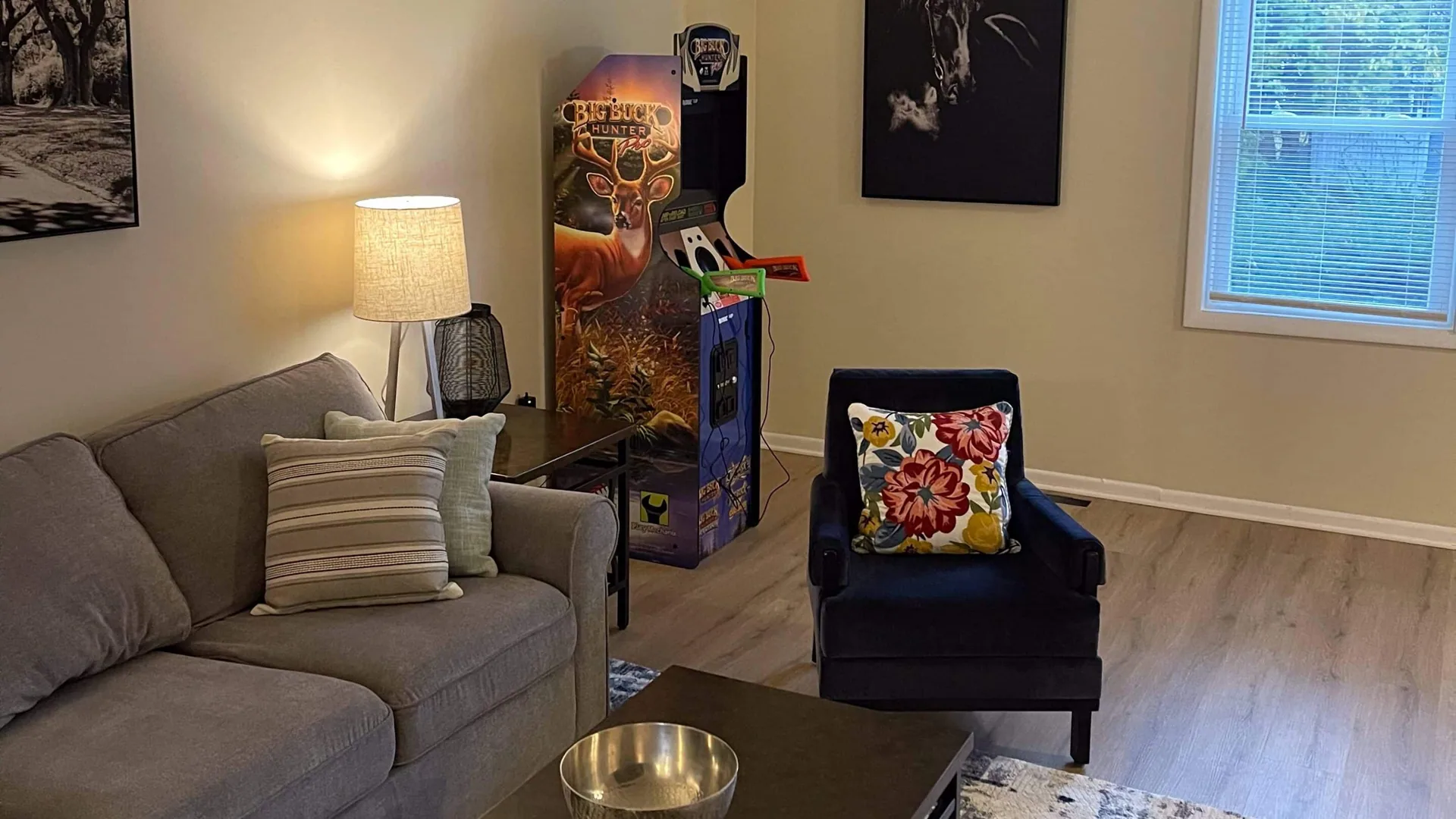
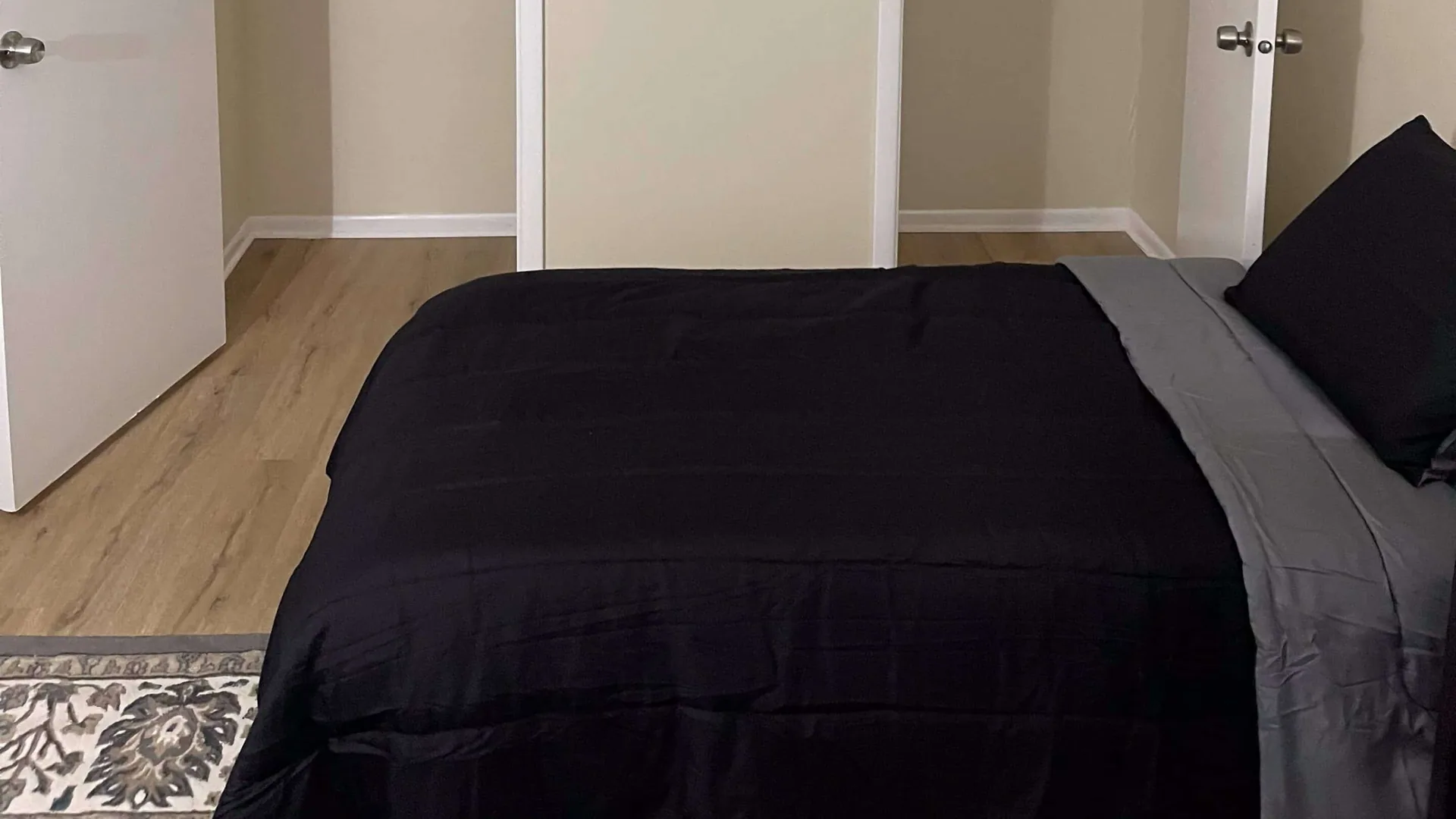
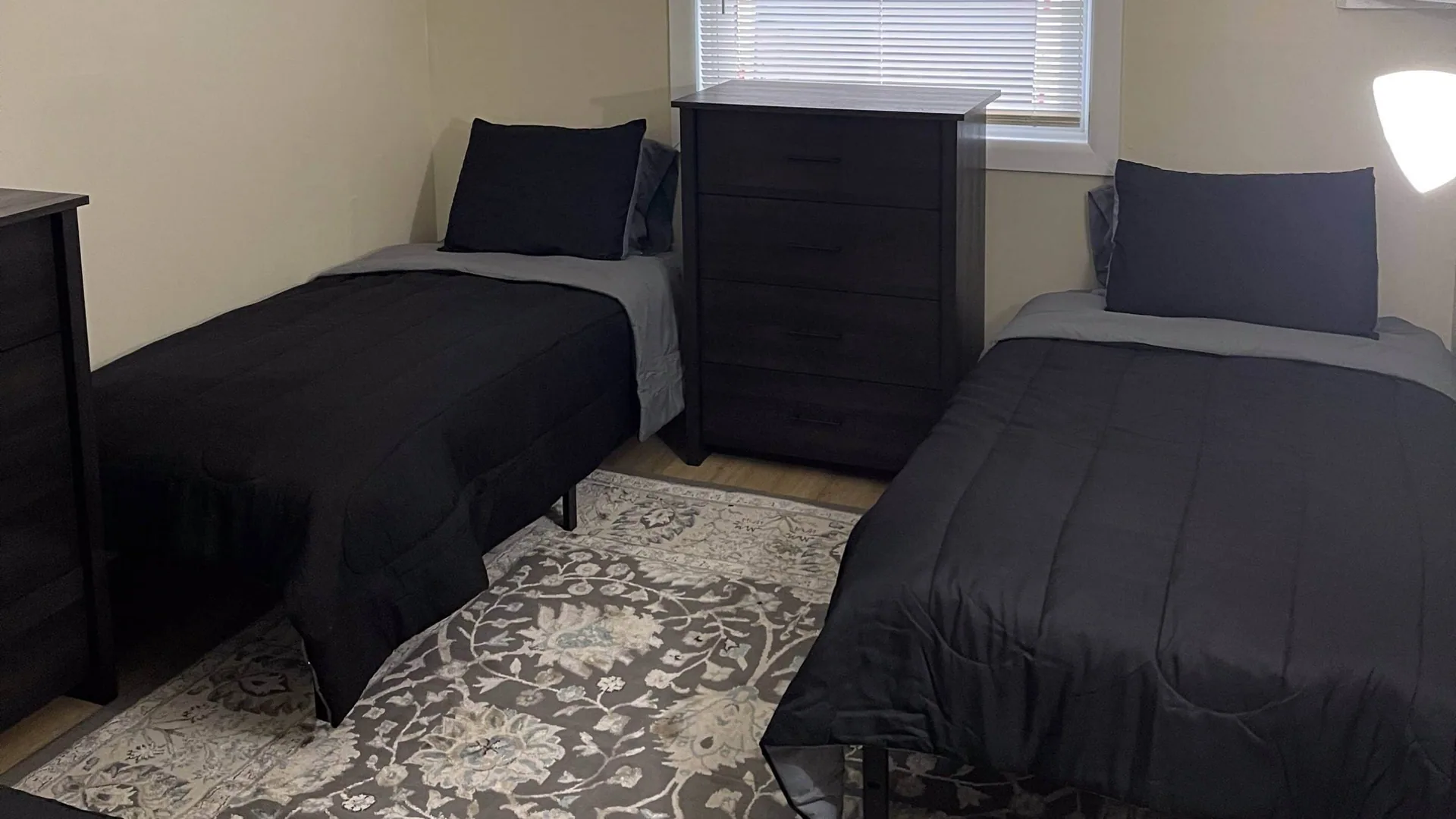
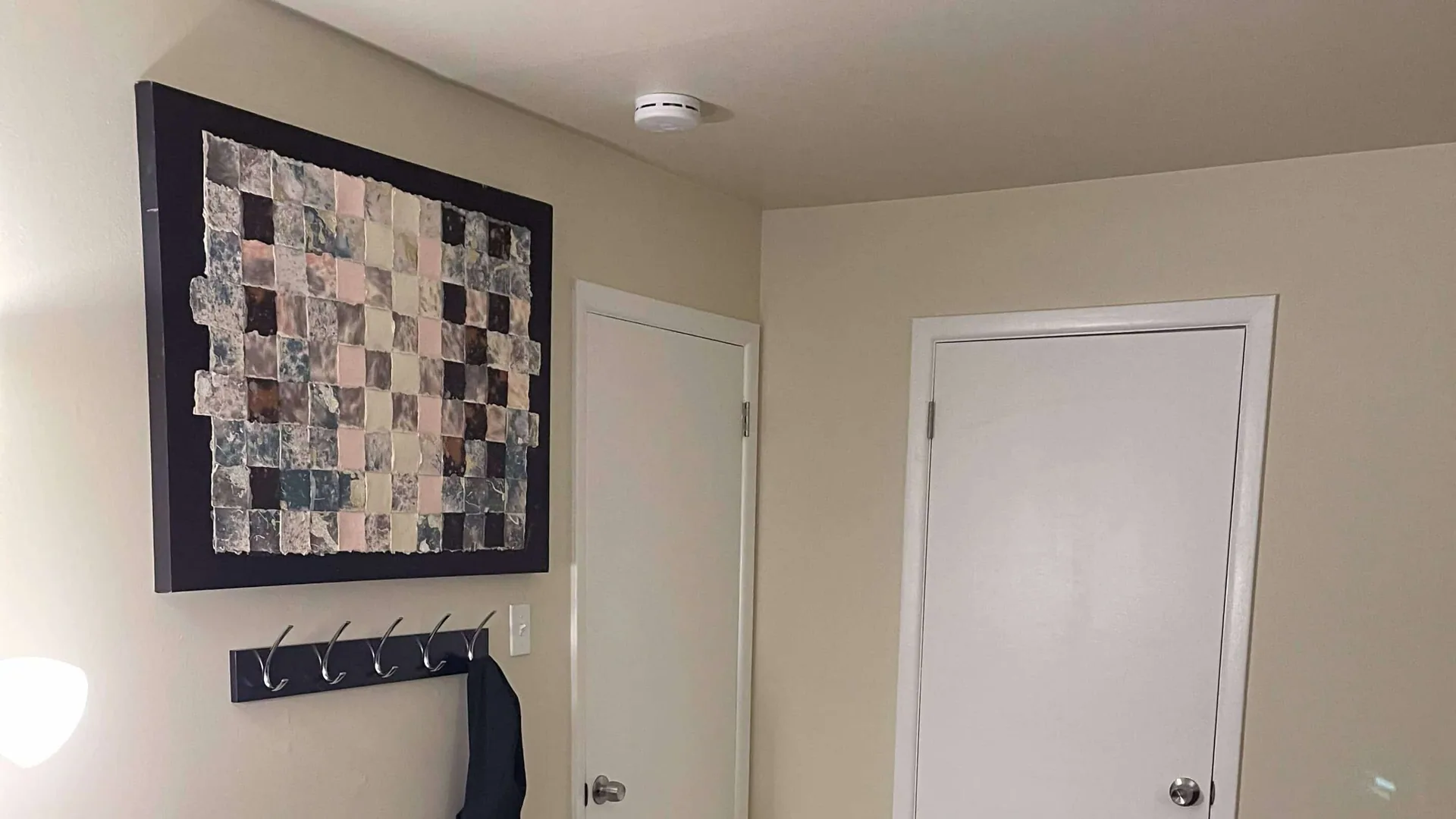
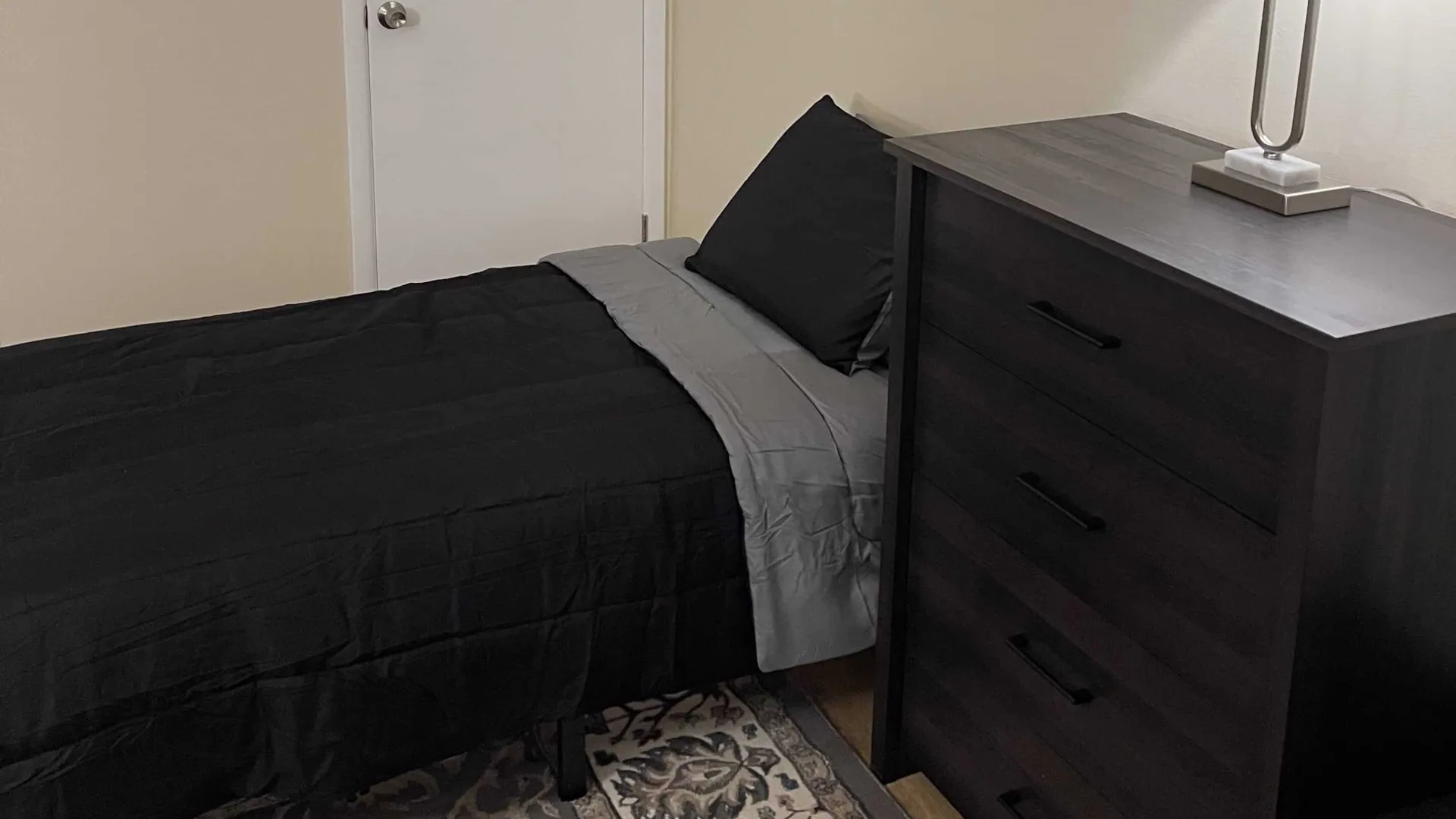
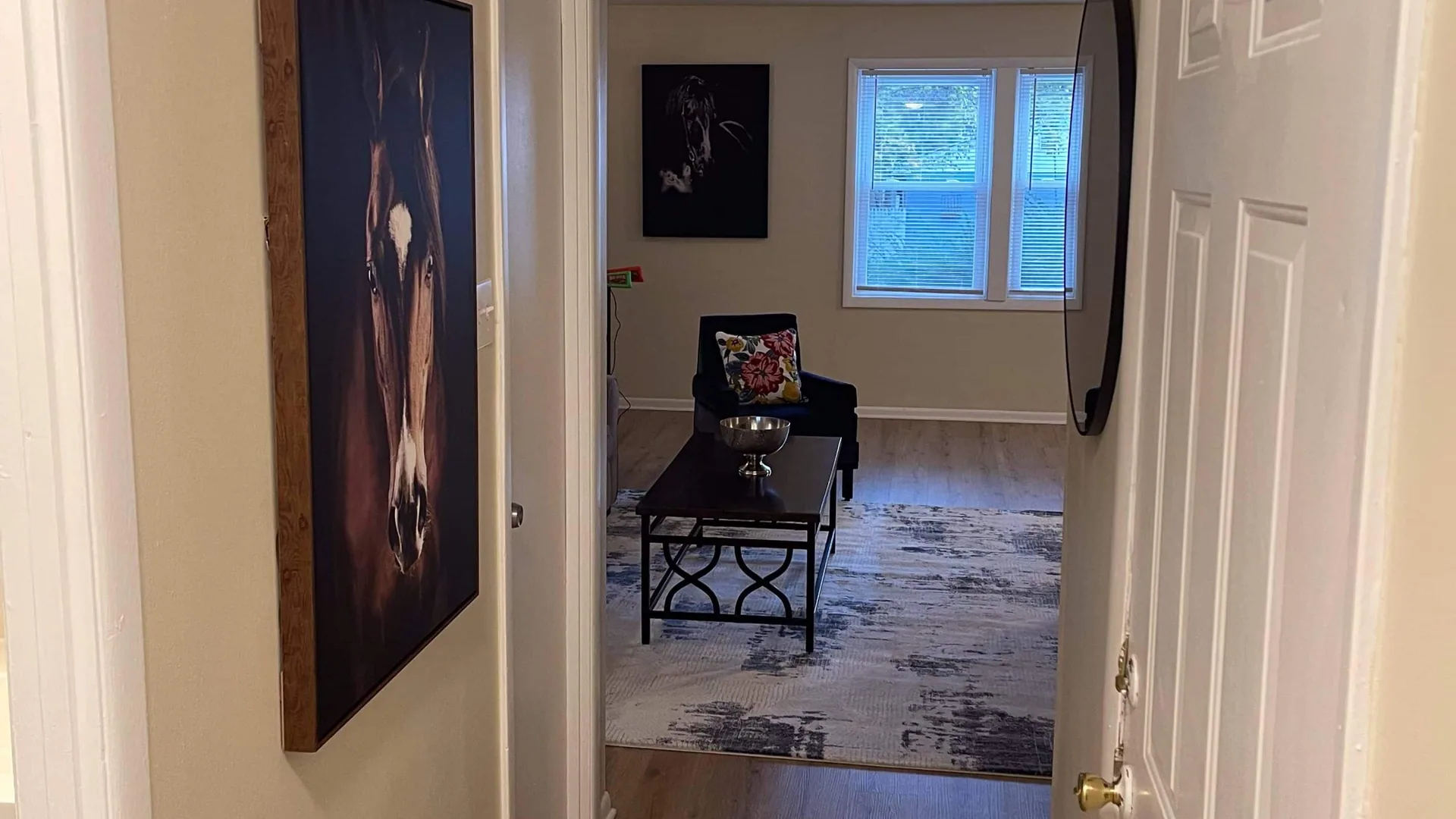
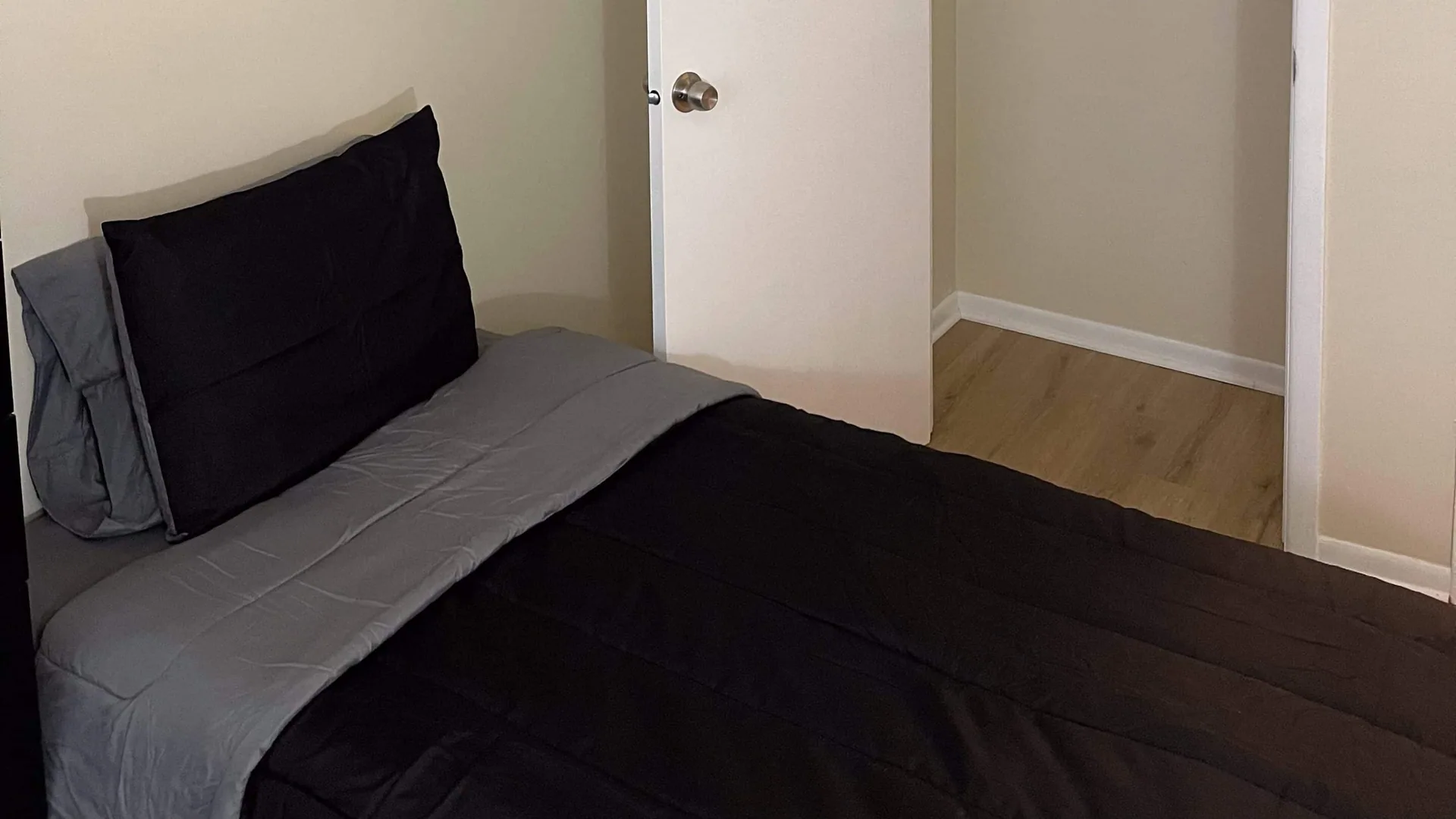
Inside the Philadelphia homes






Practical details: cost, insurance, and access
Many programs in Philadelphia accept commercial insurance, Medicaid, or Medicare. Public funding and sliding‑scale fees may be available for residents without insurance.
When you call, you can ask:
- Which insurance plans are accepted and what costs you may still owe
- Whether financial assistance or payment plans are offered
- Average wait times for admission
Paying for Inpatient Drug Rehab in Philadelphia
Cost is often a major concern when people consider the best inpatient drug treatment centers.
Insurance and managed care
If you have private insurance, your benefits will determine:
- Whether inpatient treatment is covered
- How many days are authorized at a time
- Your copays or deductibles
You can contact both your insurer and potential facilities to confirm coverage.
Medicaid, Medicare, and public funding
In Philadelphia, Medicaid benefits for behavioral health are managed through Community Behavioral Health (CBH). Many inpatient programs contract with CBH so eligible residents can receive treatment at little or no direct cost.
Medicare may cover certain inpatient or hospital‑based services when medically necessary.
Self‑pay and financial assistance
If you do not have insurance, some centers offer:
- Sliding‑scale fees based on income
- State or county‑funded beds
- Shorter stabilization stays combined with outpatient follow‑up
Ask to speak with a financial counselor before deciding that care is unaffordable.
Preparing to Enter an Inpatient Program
Starting inpatient treatment is a major step. Understanding the process can make it feel more manageable.
Steps before admission
Typical steps include:
- Initial phone screening: basic questions about substances used, medical conditions, and safety.
- Clinical assessment, a more detailed evaluation, sometimes done in person or via telehealth.
- Insurance verification or financial planning.
- Scheduling an admission date, or being placed on a wait list if beds are limited.
If you are told there is a wait, ask about “bridge” services such as outpatient groups, medication management, or virtual support.
What to bring and what to leave at home
Policies vary, but most inpatient centers allow:
- Comfortable clothing and basic toiletries
- A list of current medications and dosages
- Contact information for family, doctors, and support people
They usually restrict:
- Drugs, alcohol, and any weapons
- Certain electronics or recording devices
- Large amounts of cash or valuables
Staff can provide a detailed packing list before you arrive.
If you plan to move straight into recovery housing after rehab, you can use our what to bring to sober living checklist to make sure you have everything you need for the next step.
Life After Inpatient Treatment: Staying in Recovery in Philadelphia
Inpatient care is only one stage of addiction recovery in Philadelphia. Long‑term change usually involves ongoing support. If you are still learning how recovery housing fits into treatment, our guide to sober living home explains what sober living is, how it works, and who it can help.
For men who want a stable home after rehab, Eudaimonia offers sober living in Philadelphia, PA for men with structure and accountability while you continue outpatient care.
Step‑down levels of care
After discharge, many people move into:
- Partial hospitalization or intensive outpatient programs
- Standard outpatient counseling
- Recovery housing or sober‑living environments
These options allow you to practice new skills while still having structured support.
Research on the continuing care model of substance use treatment finds that longer‑term, lower‑intensity services after residential care help sustain treatment gains and lower relapse risk.
If you are ready for a flexible level of care after residential treatment, you can start our intensive outpatient program admissions process online and have our team walk you through the next steps.
Community and peer support
Recovery plans often include:
- Mutual‑help groups such as 12‑step meetings or secular alternatives
- Peer‑recovery support services
- Local wellness or mental health programs
Staying connected to these resources can reduce isolation and help you notice early warning signs of relapse.
Taking the Next Step
Searching for the best inpatient drug treatment centers in Philadelphia can be stressful, but you do not have to decide alone. Speaking with a healthcare provider, mental health professional, or trusted community organization can help clarify which level of care and which setting match your needs. Reaching out is the first step toward a safer and more stable future.
How Eudaimonia Recovery Homes Supports Inpatient Drug Treatment in Philadelphia
Eudaimonia Recovery Homes can support your inpatient drug treatment in Philadelphia by providing a stable, substance‑free place to live once you leave a hospital or residential program. While it is not a medical detox or inpatient facility, Eudaimonia offers structured recovery housing that helps you apply what you learned in treatment to daily life.
Residents follow clear house guidelines, attend recovery meetings, and stay connected with counseling or outpatient services as recommended by their care team. This structure reduces the risk of returning to old patterns during the early months of sobriety. On‑site staff and peer support create a community where people hold one another accountable in a respectful way. Regular drug and alcohol testing, when part of the program, can offer an added layer of accountability and reassurance for both residents and families.
Eudaimonia’s focus on life skills, such as employment, school support, and basic budgeting, also helps you rebuild a routine that supports long‑term recovery. By bridging the gap between inpatient treatment and full independence, Eudaimonia Recovery Homes can be an important part of a comprehensive plan for lasting change.
When should someone consider inpatient substance abuse treatment in Philadelphia instead of staying home?v
Inpatient treatment is worth considering when substance use feels out of control, when there have been overdoses or medical complications, when mental health symptoms are severe, or when home feels unstable or unsafe. A healthcare provider or addiction specialist can help you decide if this level of care is appropriate.
Your Future Is Waiting
Tell us what you are looking for and admissions will walk you through the houses, the phases, and what a room actually costs.


