

Published February 2, 2026 · Updated July 27, 2026
Key Takeaways
- AA Step 7 explained for real lifeA plain-language definition and what it does in sober living.
- What “shortcomings” mean in the 7th step AAHow to spot patterns without shame and separate symptoms from shortcomings.
- Step by step 7: a daily practice for sober livingA repeatable routine, “ask” examples, and a simple worksheet format.
- Using AA Step 7 during conflict, cravings, and criticismQuick resets and scripts that work in shared living.
- Step Seven and treatment support: sober living and IOPWhen to add IOP or other clinical support alongside AA.
- Seventh step AA FAQsClear answers to common questions about Step Seven AA.
- Next steps: bring Step 7 into your recovery planPractical next actions to keep humility and change moving forward.
On This Page · 21 Sections
AA Step 7 Is simple to read and hard to live: “Humbly asked Him to remove our shortcomings.” In a meeting it can sound like a short prayer, but in daily life, especially in sober living, recovery homes, or a halfway house setting, it becomes a practical way to change behavior.
This guide explains the seventh step AA with a sober-living lens: how Step Seven shows up in chores, roommate conflict, work stress, and early recovery emotions, while staying grounded in real-world support. It is not medical advice, and it does not replace professional care; if you feel unsafe, call 911.
AA Step 7 explained for real life
AA step 7 explained in one sentence: Step Seven is a humble request for help changing the inner patterns that keep you stuck in the same outcomes.
In step 7 Alcoholics Anonymous, the “asking” can be religious, spiritual, or values-based, because the core is the posture: honesty about limits, willingness to change, and openness to guidance beyond self-will.
Step 7 usually comes after you have identified recurring patterns (Steps 4–5) and become willing to let them go (Step 6). If you want the full context for how the steps fit together, this overview of the 12 steps of AA can help.
What Step Seven does in sober living
- Turns insight into action by focusing on one change at a time, in real situations you cannot avoid.
- Builds humility, which makes feedback, house accountability, and sponsor guidance easier to accept.
- Protects routine by helping you respond to stress without slipping into isolation, anger, or impulsivity.
What Step Seven is not
- Not self-hate, shame, or punishment for being human.
- Not a guarantee that cravings or difficult feelings disappear overnight.
- Not a replacement for therapy, medication support, or higher levels of care when needed.
If you want a quick readiness check for the seventh step AA, ask yourself: “Can I admit the pattern, even when I don’t like the feedback?” If the answer is sometimes yes, you can start practicing.
What “shortcomings” mean in the 7th step AA
In the 7th step AA, “shortcomings” are not your identity, your worth, or a label that defines you forever; they are the repeated reactions that quietly damage trust, stability, and relationships.
A practical definition that fits early recovery is: a shortcoming is a reaction you repeat, even when it costs you. In sober living, that cost shows up fast, because community makes patterns visible.
Common shortcomings in a recovery home
- Control: trying to run the house, the schedule, or other people’s choices.
- Defensiveness: turning simple feedback into an argument, a lecture, or a shutdown.
- Dishonesty: hiding slips, money stress, resentments, or missed expectations.
- Isolation: skipping meetings, avoiding roommates, and “going dark” when feelings rise.
- Impulsivity: reacting fast, then regretting it, then repeating the cycle.
Shortcoming vs. skill gap vs. symptom
To keep Step 7 focused, it helps to separate three categories that often get mixed together:
- Character pattern: a learned reaction you can practice changing (people-pleasing, control, blame).
- Skill gap: something you can learn (communication, budgeting, conflict repair, time management).
- Symptom: anxiety, depression, trauma responses, or cravings that may need clinical care.
Step Seven mainly targets patterns, but the categories overlap. For example, anxiety can intensify defensiveness, and a skill gap can make conflict feel threatening, so using both step work and treatment support is often the most realistic plan.
Here is a sober-living example that keeps AA Step 7 grounded:
- Mistake: you forgot your chore once.
- Shortcoming: you avoid responsibility, then minimize it when confronted.
- Step 7 action: you own it quickly, fix it, and build a reminder system.
Step by step 7: a daily practice for sober living
Most people don’t “complete” step seven AA in one moment, because the work happens when you are tired, triggered, or stressed. The goal is less ego-driven living and more honest, useful action, repeated until it becomes familiar.
A simple daily routine you can repeat
Use this step by step 7 routine for one week, then repeat with the same shortcoming or a new one:
- Pick one shortcoming to target. Keep it specific (for example, “interrupting” instead of “being terrible”).
- Name the cost. Write one sentence: “When I do this, it harms ____.”
- Choose a replacement behavior. Example: pause, ask a question, then speak.
- Ask for help once a day. Use prayer, meditation, or a brief values statement.
- Use the “10-second pause.” Before you text, argue, or storm off, breathe and wait.
- Take one humble action. Admit a mistake fast, keep your word, and follow through.
- Review at night. Track triggers, wins, and one adjustment for tomorrow.
If you live in a structured home, this routine fits well with expectations like chores, curfews, and house meetings. Review your home’s community rules and expectations and treat them as daily “practice lanes” for humility.
Two ways to “ask” in Step Seven AA
- Spiritual: “Help me release what blocks my growth, and guide my next right action today.”
- Values-based: “Help me act with honesty, patience, and respect, even when I’m uncomfortable.”
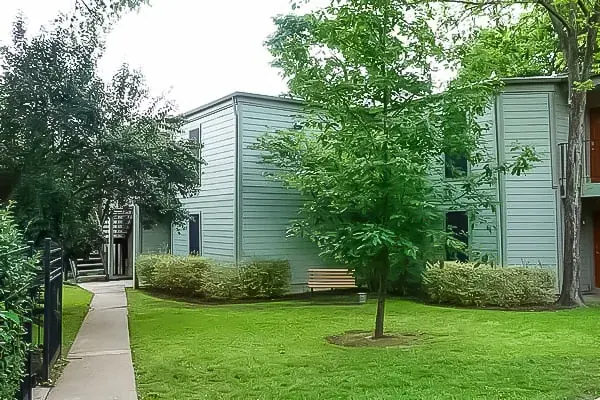
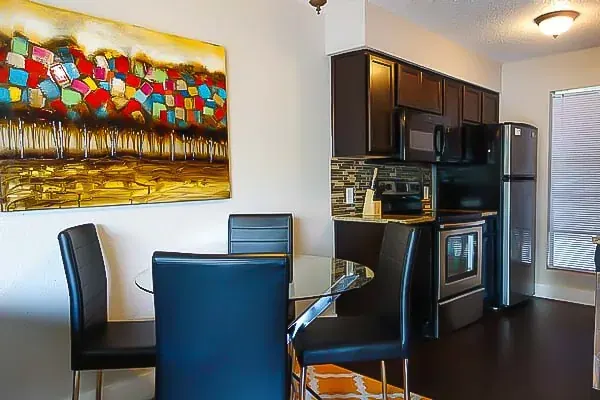
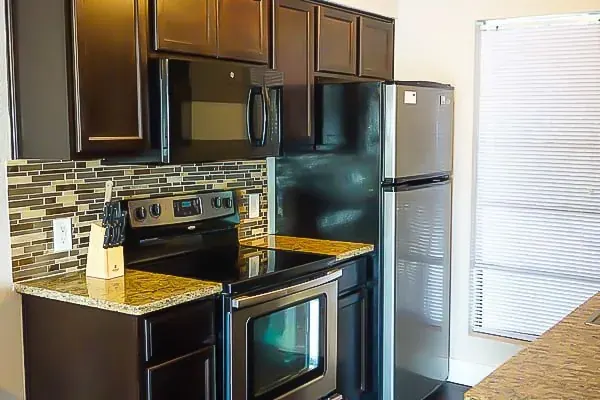
Inside Rustic Creek, our Austin flagship





A quick Step 7 worksheet format
If you like journaling, use this three-line format once per day, and keep it simple:
Trigger: ________
Shortcoming: ________
New action: ________
This is where the keyword “aa step 7” becomes real: you are not only asking for change, you are rehearsing it.
Eudaimonia's Success Stories – Real People, Real Freedom
Using AA Step 7 during conflict, cravings, and criticism
Early recovery is full of moments that feel personal: a roommate’s tone, a staff reminder, a missed bus, a tough day at work. Step Seven helps you slow down enough to notice what is happening inside, so you can choose a response instead of acting on autopilot.
The 60-second reset
- Label it: “I’m embarrassed,” “I’m angry,” or “I’m scared.”
- Lower the temperature: drink water, take a short walk, or ask for a brief time-out.
- Ask the Step 7 question: “What shortcoming is running me right now?”
- Choose one humble action: listen first, own your part, or wait to respond.
A practical sober-living example
- Trigger: someone points out you missed a chore.
- Old pattern: defend, blame, or shut down.
- Step 7 move: “You’re right. I missed it. I’ll do it by 7 and set a reminder.”
Three humility skills that work in shared living
- Lead with your part: “Here’s what I did. Here’s what I can change.”
- Ask one honest question: “What do you need from me going forward?”
- Repair quickly: small amends today prevent big resentments tomorrow.
Cravings can connect to Step 7 too. Many people notice that resentment, loneliness, or shame increases urges, so the “ask” becomes a bridge from feeling to action: notice the state, ask for help, then choose the next right behavior.
For extra accountability and one-on-one recovery coaching support between meetings, you can also explore the MAP peer recovery support program.
Humility is not humiliation. It does not mean letting people mistreat you. It means staying grounded, taking responsibility for your side, and using boundaries when needed.
Step Seven and treatment support: sober living and IOP
AA can be a powerful peer support system, and Step Seven can strengthen daily recovery habits. At the same time, alcohol use disorder is a medical condition, and many people benefit from a mix of supports, including counseling and medication options. MedlinePlus explains that treatment often includes behavioral therapies, medicines, and support groups.
The National Institute on Alcohol Abuse and Alcoholism notes that there are many treatment options, and that combining mutual-support groups with clinician-led care can add a valuable layer of support.
If you are living in a recovery home and need more structure, an intensive outpatient program (IOP) can help you build coping skills, relapse prevention tools, and emotional regulation, so Step 7 becomes easier to practice when life gets loud.
If you or a loved one needs help finding treatment, SAMHSA’s National Helpline is free, confidential, and available 24/7 in the United States.
Important: if you are experiencing withdrawal symptoms, ongoing relapse, or severe depression or anxiety, the seventh step AA can be part of your plan, but it should not be your only tool.
Next steps: bring Step 7 into your recovery plan
If you are working the seventh step AA, keep it small and steady: choose one shortcoming, ask for help daily, and practice one replacement behavior in the real world where it matters.
Sober housing can make this practice easier by adding routine, accountability, and peer support. If you are looking for a structured environment to support Step Seven work, you can start with the sober living program application.
Try this for the next 24 hours: pick one situation you usually react to, pause for ten seconds, and choose a humble response, because that is Step Seven AA in action.
Reminder: If you are struggling with cravings, withdrawal, or mental health symptoms, AA Step 7 can be part of your plan, but it should not be your only tool.
How Eudaimonia Recovery Homes Supports AA Step 7 in Daily Sober Living
Eudaimonia Recovery Homes can support AA Step 7 by providing a structured sober living environment where humility becomes a daily practice, not just a concept discussed in meetings. In a recovery home, residents have consistent routines, shared accountability, and real-life opportunities to work on shortcomings through respectful communication and follow-through. Just as importantly, peer support helps you stay honest when old patterns show up, because you are not trying to change in isolation.
Eudaimonia also helps residents strengthen recovery habits that make Step 7 easier, such as keeping a stable schedule, building coping skills, and staying connected to a supportive community. If you are also participating in intensive outpatient care, sober living can reinforce what you learn in therapy by giving you a safer, recovery-focused place to apply those tools. Over time, this combination can reduce impulsive reactions, improve conflict repair, and support healthier decision-making. For many people, that day-to-day reinforcement is what helps AA Step 7 move from intention to consistent action.
Your Future Is Waiting
Tell us what you are looking for and admissions will walk you through the houses, the phases, and what a room actually costs.