

Published February 3, 2026 · Updated August 5, 2026
Key Takeaways
- AA Big Book page 417Where the acceptance reading comes from and how it’s commonly used.
- Acceptance definition in AAA practical definition that supports clear choices instead of impulsive reactions.
- Why acceptance is the answerHow acceptance reduces disturbance and turns problems into workable plans.
- Practice acceptanceStep-by-step tools, scripts, and a quick inventory for real-life recovery stress.
- Acceptance prayerA short prayer-style reminder you can personalize for daily use.
- Support that makes it stickHow IOP structure and helpline support can strengthen acceptance when it’s hard.
On This Page · 18 Sections
Many people in Alcoholics Anonymous (AA) hear a line that sticks: “acceptance is the answer.” Then they search for AA page 417, read the passage, and wonder how to use it when life feels messy.
This guide explains the AA acceptance reading connected to Big Book page 417, what “acceptance is the answer to all my problems today” means in practice, and how to apply acceptance in sober living, recovery homes, halfway houses, and intensive outpatient (IOP) support.
If you are new to meetings, start with what to expect at your first AA meeting, because familiarity lowers stress and helps you keep showing up.
AA Big Book page 417: the “Acceptance Is the Answer” reading
People often call this passage the AA acceptance is the answer reading. In the Fourth Edition of the Big Book, it appears in a personal story that is commonly referenced as AA Big Book pages 417–420, and it is also introduced as Alcoholics Anonymous page 417, big book AA page 417, or simply “page 417 big book.”
If you are searching for AA book page 417 or acceptance page 417, you are usually looking for a practical way to calm the fight with reality. You may also see it tagged online as “dr alcoholic addict” because the narrator is a physician describing addiction and recovery.
The most quoted line is short and direct: “And acceptance is the answer to all my problems today.” The larger point is also simple: when we feel disturbed, we are usually fighting reality, and we cannot think clearly until we stop arguing with facts.
Why people search for “417 big book” and “acceptance is the answer pdf”
Page 417 gets quoted so often that it turns into shorthand, but page numbers can shift by edition and printing. If you are looking for an acceptance is the answer PDF or an acceptance big book page 417 pdf, remember that the Big Book is copyrighted, and unofficial PDFs online may be incomplete or inaccurate.
If your goal is support rather than a document, it helps to focus on the idea and the next action. Mutual-support groups like AA can be one part of recovery support, and the National Institute on Alcohol Abuse and Alcoholism describes how regular attendance and active involvement can help many people in recovery. NIAAA explains mutual-support groups here.
Quick take: what this reading is used for
- A reset when you feel resentful, anxious, or stuck
- A mirror that shows where expectations and “rights” are driving your stress
- A prompt to accept the fact and change your attitude or next action
Meeting styles vary, so if you want to understand what readings and formats are common, see this guide to AA meeting formats.
What acceptance means in AA
In recovery, acceptance means recognizing reality as it is right now, even if you do not like it, so you can respond with clarity instead of impulse.
Acceptance is not a personality trait; it is a skill you practice in moments that trigger fear, anger, shame, or cravings. It often sounds like: “This is happening, and I do not have to fix it in the next 10 seconds.”
- Acceptance names the fact and ends the inner debate about what “should” be true.
- Acceptance lowers emotional heat, which creates space for safer choices.
- Acceptance supports action, because you can focus on what you control today.
Acceptance also includes accepting that alcohol use disorder is a health condition that can range from mild to severe, and that recovery often requires support. MedlinePlus explains alcohol use disorder (AUD) here.
When people search “acceptance AA” or “acceptance big book,” they are often looking for relief. The relief usually comes from reducing the fight with reality long enough to do the next right thing, not from forcing yourself to feel calm.
If you are comparing a 12-step path with structured recovery housing, this guide on 12-step programs vs. sober living programs can help you sort what each one provides.
Eudaimonia's Success Stories – Real People, Real Freedom
Why acceptance is the answer, and what it is not
The Big Book idea is not that every situation is okay. It is that serenity is hard to access when you refuse to accept the situation that already exists, especially when your mind is demanding a different outcome.
To keep the concept clear, it helps to separate acceptance from look-alike ideas that can lead to relapse thinking.
- Acceptance: “This is real, so I will meet it honestly and take one useful step.”
- Approval: “This is good, so I should allow more of it.”
- Resignation: “Nothing will change, so there is no point trying.”
- Control: “This must change now, or I cannot be okay.”
Acceptance is not passivity. It is the starting point for useful action: you accept the fact (a craving, a breakup, a consequence) and then you choose the healthiest step available.
Acceptance, expectations, and emotional sobriety
This reading also points to a practical reality: when expectations rise, serenity often drops. Expectations are not always wrong, but they become dangerous when they turn into demands, especially in early recovery.
- Expectation: “I hope this goes well.”
- Demand: “This must go well, or I cannot handle it.”
If you feel yourself slipping into “acceptance is the answer to all my problems” language with no action, try this quick expectations check.
- Write the demand. “I need ______ to happen.”
- Rewrite it as a preference. “I would like ______, and I can cope if it doesn’t.”
- Choose one action. What is one thing you can do that supports your values today?
This is why people also remember the phrase “acceptance is the key to all my problems.” In practice, acceptance is the key to turning problems into plans, and plans into steady behavior.
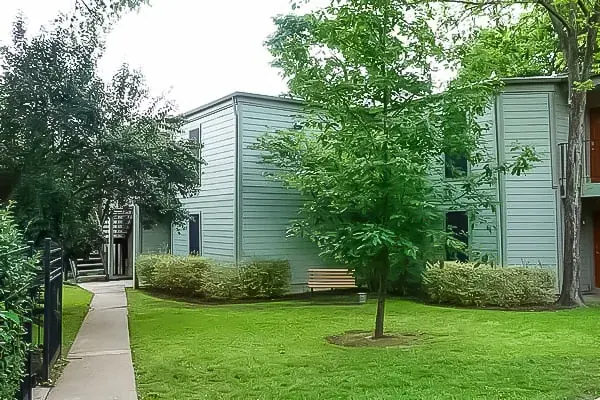
Inside Rustic Creek, our Austin flagship







How to practice acceptance in early recovery
You do not need a perfect day to practice acceptance, you need a real one. The routine below is simple enough to use in a meeting parking lot, a halfway house kitchen, or a sober living home after work.
- Pause for ten seconds. Take one slow breath and notice where stress sits in your body.
- Name the fact. Write one sentence: “The fact is ______.” Keep it concrete and current.
- Sort control from influence. List what you control in the next hour: words, actions, boundaries, and choices.
- Choose one sober action. Pick one step you can do in ten minutes, and do it before you negotiate.
- Connect. Call, text, or talk to someone before isolation turns into a decision.
This approach works well in sober living homes and other recovery housing settings because it matches real stressors: roommates, schedules, work pressure, cravings, and family tension.
Acceptance scripts for common recovery moments
- Conflict: “I cannot control their reaction, but I can control my tone and my boundaries.”
- Cravings: “An urge is not a command; I can let it rise and fall without acting on it.”
- Consequences: “I cannot undo the past, and I can repair what is repairable today.”
- Uncertainty: “I do not know the outcome, and I can still choose honesty and structure.”
A 3-question acceptance inventory
When you feel emotionally flooded, short questions work better than long self-talk. Try these three questions and write one sentence for each.
- What is the fact I am refusing to accept?
- What feeling am I trying to avoid?
- What is the next right action I can take in the next hour?
A helpful check-in question is: “What am I refusing to accept, and what would acceptance change about my next action?” That question turns acceptance is key into a concrete decision.
Acceptance and boundaries: when you still need to act
Acceptance does not mean staying in unsafe situations, tolerating abuse, or ignoring serious mental health symptoms. It means admitting what is real so you can take the right protective step, which can include leaving, setting boundaries, or getting clinical help.
A practical AA acceptance prayer you can use
Many people search for an AA acceptance prayer or “acceptance prayer big book.” The Big Book passage is not written as a formal prayer, but the principle is easy to turn into a short, repeatable reminder you can use on hard days.
Here is a simple acceptance prayer you can use in the morning, before a meeting, or during a tense moment:
Help me accept reality as it is today.
Help me release what I cannot control.
Show me the next right action, and give me the courage to do it.
Help me stay connected instead of isolating.
If spiritual language is complicated for you, keep the intent and adjust the words. The goal is not perfect phrasing; the goal is a calmer mind and a safer decision.
Support that makes acceptance stick
Acceptance is powerful, but it is rarely a solo project. It becomes durable when it is paired with structure, accountability, and care from other people.
In early recovery, many people benefit from combining peer support with clinical support. An intensive outpatient program (IOP) can provide therapy, skill-building, and relapse prevention structure while you live at home or in recovery housing.
Signs you may need more than a reading today
- You are white-knuckling cravings and cannot make it through the day without constant internal debate.
- Your mood is unstable and you are snapping, isolating, or not sleeping for several nights.
- You feel unsafe, or you are close to using and do not trust your next decision.
- You are withdrawing or having medical symptoms that need professional attention.
If you feel overwhelmed or need help finding support, the federal government’s SAMHSA National Helpline provides confidential, free information and referrals. SAMHSA National Helpline information is here.
How Eudaimonia Recovery Homes Supports Acceptance Is the Answer in Daily Recovery
A sober living home in Austin with Eudaimonia Recovery Homes can support people who are working with the message that acceptance is the answer by providing a stable, recovery-focused living environment where daily structure reinforces healthier choices.. When someone is reflecting on AA page 417 and trying to apply the AA acceptance reading in real life, consistent routines and supportive peers can make that practice feel more doable. In sober living, you are not expected to figure everything out alone, and that matters when stress, cravings, or conflicts trigger the urge to control outcomes.
Eudaimonia Recovery Homes helps residents build practical coping skills through accountability, community support, and clear expectations that encourage personal responsibility. Just as importantly, a recovery home can reduce isolation, which is often where old thinking and relapse patterns grow stronger. As you work on acceptance big book principles, having a safe place to return to each day can help you stay grounded and focused on progress, not perfection. Many residents also benefit from aligning sober living with outpatient support, meetings, and other recovery tools so the “next right step” is always within reach. Over time, this kind of steady support can turn acceptance from a reading you admire into a skill you use in relationships, work, and daily life.
Your Future Is Waiting
Tell us what you are looking for and admissions will walk you through the houses, the phases, and what a room actually costs.