

Published January 10, 2026 · Updated August 5, 2026
Key Takeaways
- AA in inpatient careAA is peer support that complements clinical treatment.
- Why inpatient mattersInpatient care can protect you during withdrawal and early stabilization.
- How programs integrate AAMany inpatient settings teach 12-step participation skills and limits.
- Using AA in a 28-day stayFocus on simple actions you can repeat after discharge.
- Rehab terms decodedTranslate common search phrases into the right level of care.
- Aftercare planCombine meetings, connection, clinical care, and a safe environment.
- Choosing a programCompare safety, therapy, and discharge planning, not marketing claims.
- FAQClear answers about AA, cravings, spirituality, and relapse response.
On This Page · 20 Sections
Alcoholics Anonymous (AA) is one of the most recognized recovery supports for alcohol problems. Inpatient treatment is one of the most structured ways to start recovery when drinking has become unsafe or unmanageable. People often use both, but they do different jobs.
This guide explains how AA can support inpatient alcohol treatment, what AA can and cannot provide, and how to build a plan that lasts after discharge. It is educational, not personal medical advice.
AA in an inpatient setting: a clear definition
Alcoholics Anonymous is a peer-led fellowship built around shared experience, regular meetings, and a simple goal: help members stay sober, one day at a time. AA is not therapy, not a medical service, and not a substitute for clinical care.
In an inpatient addiction rehab program, AA usually shows up as a recovery support layer. A treatment team may introduce AA language, bring meetings on-site, or help you practice skills that make meetings feel less intimidating. If you want a quick foundation on AA basics, see this overview of AA meaning and how it works.
The relationship is straightforward: inpatient treatment stabilizes the body and brain, while AA helps you build a sober community and daily accountability outside the clinic.
When inpatient treatment matters for alcohol recovery
Many people try to stop drinking on their own and find that withdrawal, cravings, and stress quickly overwhelm willpower. Alcohol withdrawal can be medically risky for some people, especially after heavy or long-term drinking. Severe withdrawal can include delirium tremens, which requires urgent medical care. MedlinePlus explains the risks and symptoms in its overview of delirium tremens.
Inpatient treatment provides a protected environment with 24/7 support. Depending on your needs, that may include medical monitoring, medication support, therapy, and relapse-prevention planning. This is why inpatient alcohol treatment is often recommended when safety is a concern or when outpatient attempts have not worked.
Common signs you may need a higher level of care
- You have had severe withdrawal symptoms before, or you are unsure if detox will be safe.
- You drink daily or binge for days at a time and struggle to stop once you start.
- You have co-occurring anxiety, depression, trauma symptoms, or other mental health concerns.
- You relapse quickly after trying to quit or after leaving a lower level of care.
- Your home environment makes it hard to stay away from alcohol.
People searching online may use many terms for this stage of care. Some words overlap, but others point to specific steps:
- detoxification centers often refers to medically supervised withdrawal support.
- alcohol rehab inpatient treatment usually means residential care that combines therapy, recovery education, and structured days.
- residential rehab is another common label for live-in treatment.
- etoh rehab is shorthand some people use for alcohol-focused rehab.
How AA fits into alcohol rehab inpatient treatment
AA does not provide clinical services, but many inpatient programs help people use AA effectively. One evidence-based approach is called 12-step facilitation, which teaches practical skills for participating in mutual support groups. The National Institute on Alcohol Abuse and Alcoholism (NIAAA) summarizes 12-step facilitation and other treatment options in its clinical guidance on evidence-based treatment for alcohol problems.
It also helps to be clear about limits. AA can support recovery, but it is not designed to manage medical risk or complex clinical needs. Inpatient treatment is where those needs are assessed and treated.
If you are new to step language, this 12 Steps of AA guide can help you follow along without feeling lost.
What AA can add during inpatient addiction rehab
- Peer support that feels real, because it comes from lived experience.
- Language for common recovery problems, like cravings, triggers, and isolation.
- Structure outside formal therapy hours, especially in evenings and weekends.
- A low-cost, widely available support option you can keep using after discharge.
What AA cannot replace in inpatient care
- Medical detox, medication management, or monitoring for alcohol withdrawal.
- Evidence-based therapy for trauma, anxiety, depression, or other mental health conditions.
- Care planning for co-occurring substance use, including when alcohol is not the only issue.
- Safety planning when there is acute risk, including suicidal thoughts or severe impairment.
In a typical addiction rehabilitation center, AA support is introduced in ways that reduce pressure and increase clarity. Staff may explain meeting types, common phrases, and how sponsorship works. Some programs invite outside speakers who share what early recovery looked like for them.
What AA support can look like during inpatient treatment
- On-site meetings, or transportation to local meetings when appropriate.
- Groups that explain AA basics without requiring you to “do it perfectly.”
- Support with choosing meetings that match your comfort level and values.
- Practice with coping skills so you can attend meetings with less anxiety.
AA is also a way to practice honesty and connection while you are still in a protected setting. That matters because the first weeks after discharge can feel like a shock to the system.
Eudaimonia's Success Stories – Real People, Real Freedom
How to use AA during a 28 day program without getting overwhelmed
A 28 day program can create momentum, but it moves quickly. Many people arrive exhausted, foggy, and emotionally raw. The goal is not to become an expert in AA by day 28. The goal is to leave inpatient treatment with a simple, repeatable plan you can keep using.
Step-by-step: a practical AA plan while you are inpatient
- Start by observing. You can listen more than you speak in early meetings.
- Ask staff for help choosing meeting types. Some meetings feel more welcoming for newcomers.
- Learn the flow so anxiety does not run the show. A quick primer on AA meeting format can make your first meetings easier.
- Collect phone numbers if that feels safe. Early recovery often needs support between meetings.
- Consider a temporary sponsor. This can be a low-pressure way to get guidance.
- Keep step work simple. If you want context, review the 12 Steps of AA and focus on basics.
AA is most helpful when it supports what inpatient substance abuse treatment is already doing: stabilizing you, building skills, and helping you create a safer routine. If meetings trigger shame or fear, bring that back to your clinical team. Inpatient treatment is the right place to unpack those reactions.
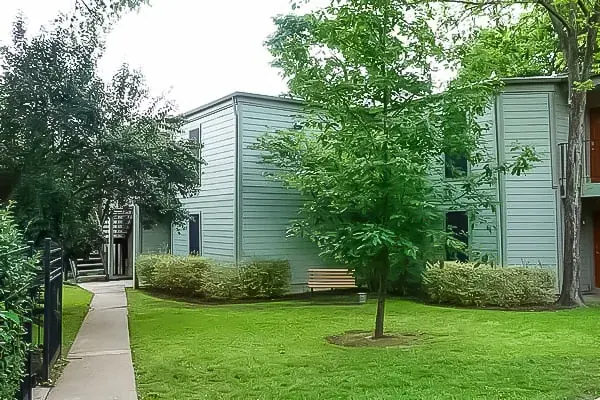
Inside Rustic Creek, our Austin flagship







A plain-language guide to common search terms for rehab
Families often feel lost because the language around treatment is inconsistent. These are common terms people use when searching for help, and what they typically mean. Use this section to translate “search language” into a care plan.
- alcohol rehab centers, alcohol rehab places, and alcohol treatment centers often refer to programs that treat alcohol use disorder, but the level of care can vary.
- drug abuse treatment centers and drug and alcohol treatment centers often mean programs that address multiple substances, including alcohol.
- rehab drug and alcohol is a common way people describe combined treatment for alcohol and other drugs.
- inpatient treatment, inpatient drug rehab, and inpatient alcohol treatment typically describe live-in care with full-day structure.
- in patient drug rehab is a frequent misspelling people use for inpatient drug rehab.
- clinic drug rehab and clinic drug rehabilitation may describe programs attached to medical clinics, hospitals, or licensed treatment settings.
- drug and alcohol treatment can describe any level of care, from detox through outpatient support.
- rehab places is an umbrella term that can include detox, inpatient, outpatient, and recovery housing.
- best addiction treatment centers, best alcohol rehab centers, best alcohol treatment centers, best drug treatment centers, and best drug treatment facilities are value-based searches. The “best” option is the one that matches clinical needs, safety, and aftercare planning.
- long term treatment centers and long term drug treatment centers usually mean residential care that lasts longer than a typical 28-day stay.
- mental rehab is sometimes used to describe inpatient mental health treatment, dual diagnosis care, or a psychiatric stabilization setting.
AA can be part of aftercare across many treatment pathways. Even when the terms are confusing, the goal is consistent: build support that continues after the formal structure ends.
After inpatient alcohol treatment: how AA supports the next phase
The hardest part of early recovery is often the transition. In residential rehab, your day is planned. After discharge, decisions return fast: where you live, who you spend time with, and how you handle stress. AA can help fill the structure gap, but it works best when it is part of a full plan.
Build an aftercare plan you can actually follow
- Meetings: choose a realistic weekly number and protect that time.
- Connection: check in with supportive peers, not only when cravings hit.
- Clinical care: continue therapy or a step-down level of care when recommended.
- Environment: choose housing that supports recovery, not relapse patterns.
AA-centered discharge checklist for the first month
- Put meetings on your calendar before you leave. Pick specific days and times, not vague intentions.
- Identify one “home group” meeting you can attend weekly. Familiar faces reduce the chance you disappear.
- Write down two people you can call when cravings spike. The plan is contact first, not isolate.
- Decide how you will handle high-risk hours. Many relapses happen in predictable time windows.
- Set clear boundaries with alcohol in your environment. Remove it, avoid it, or change routines that circle it.
- Pair AA with skills practice. Use coping tools you learned in treatment, then talk about it in meetings.
- Make relapse response steps obvious. If you drink, contact support quickly and return to care, not secrecy.
This checklist may sound simple, but simplicity is a strength in early recovery. When your nervous system is still recalibrating, a consistent routine beats an elaborate plan you cannot maintain.
Many people step down from inpatient treatment into structured outpatient services, such as an intensive outpatient program. If you are exploring options, review how outpatient treatment can support recovery as part of a broader plan.
For some people, sober housing provides accountability and community that make meeting attendance easier to maintain. If sober living is part of your plan, it helps to know the rules and expectations ahead of time. Review Eudaimonia’s sober living community rules to see what structure and accountability can look like.
How to compare alcohol rehab centers without chasing “perfect”
Choosing treatment can feel overwhelming, because the stakes are real. But the goal is not perfection. The goal is fit: safety, clinical intensity, and a clear path after discharge. These questions can help you compare options without getting stuck.
Questions to ask an inpatient program
- Do they assess withdrawal risk and provide appropriate medical monitoring?
- Do they treat co-occurring mental health needs, or coordinate care if needed?
- What does a typical day look like, and how much individual therapy is included?
- How do they plan discharge, including relapse prevention and community supports?
- How do they help you connect to peer support, such as AA, in a practical way?
If you are unsure where to begin, a free referral line can help you identify local options and next steps. SAMHSA’s National Helpline provides confidential help and treatment referrals.
How Eudaimonia Recovery Homes Supports Alcoholics Anonymous After Inpatient Treatment
Eudaimonia Recovery Homes can support people who are using Alcoholics Anonymous as part of their inpatient treatment plan by providing a stable, recovery-focused living environment after discharge. Many individuals leave inpatient treatment with strong momentum, but they still need structure, accountability, and supportive routines to maintain progress.
Eudaimonia offers a community setting where residents can practice the daily habits that help recovery stick, including consistent meeting attendance and sober social connection. In addition, recovery housing can reduce exposure to triggers that often show up when someone returns to an unstable home environment.
With clear expectations, peer support, and a focus on healthy daily structure, residents can stay connected to their goals while rebuilding independence step by step. This kind of support can be especially useful for people transitioning from residential rehab or a 28 day program who want more time to strengthen coping skills. Just as important, being around others who understand recovery can make it easier to reach out before stress turns into relapse risk. Over time, that steady environment can help AA principles translate into real-life choices that protect long-term sobriety.
Your Future Is Waiting
Tell us what you are looking for and admissions will walk you through the houses, the phases, and what a room actually costs.