
Published September 4, 2019 · Updated August 5, 2026
Key Takeaways
- What a “sober college” means (and what it doesn’t)
- How this list was selected (ranking method + limits)
- 10 most sober colleges in the U.S. (ranked list)
- How to choose a sober-friendly college if you’re in recovery
- Support options on campus and off campus
- Resources for next steps
On This Page · 23 Sections
College is often linked with parties, drinking, and pressure to “fit in.” But many students want something different. Some are in recovery. Others simply prefer an environment where alcohol and drug use is less central to campus life.
This guide explains what people mean by sober colleges, how national rankings are created, and how to choose a campus that supports your goals. You’ll also find a current list of 10 schools that students rate as having low beer use, plus practical steps for building a sober support plan.
What “sober colleges” means (and what it doesn’t)
A “sober college” is not a clinical term. In search results, it usually refers to a campus where students report:
- Lower visibility of drinking and partying
- Fewer alcohol-centered social events
- Stronger community standards and enforcement
- More substance-free ways to connect
It’s important to separate two ideas that often get mixed together:
1) A low-party campus. These schools tend to have fewer parties, less Greek-life influence, and student norms that don’t revolve around drinking.
2) A recovery-supportive campus. These schools may offer resources like counseling, peer recovery groups, or a collegiate recovery program (CRP). A campus can be “sober” in culture and still have limited recovery services, and vice versa.
Because searchers use both terms, this article uses “sober colleges” and “sober college” as broad, non-clinical labels. If you are in recovery, the most important question is not only “Is this a sober college?” but also “Will I have the support I need here?”
How these sober colleges were selected
To keep this list grounded in a consistent method, the schools below are pulled from The Princeton Review ranking called “Cancel the Keg”. The ranking is based on student ratings of how widely beer is used at their school.
Two quick notes before you use any ranking:
Rankings don’t tell the full story. A school can score “low beer use” and still have other risks (like heavy hard-liquor use off campus, or limited recovery supports).
Your experience can vary by program and housing. Even on the same campus, residence halls, athletics, and social circles can feel very different.
Use this list as a starting point for research: then confirm the details that matter most to you (housing policies, counseling, recovery meetings, campus conduct rules, and transportation).
10 most sober colleges in the U.S.
Below are 10 schools that appear at the top of the Princeton Review’s “Cancel the Keg” ranking. They are listed in the same order as the ranking.
Jump to a school: BYU | College of the Ozarks | Brooklyn College | Spelman | Taylor | CCNY | Baruch | Hunter | Wheaton | Naval Academy
1) Brigham Young University (UT)
BYU is widely known for campus standards that discourage alcohol use and emphasize community expectations. For students looking for a strongly structured environment, this can feel like a “sober college” experience. If you’re considering off-campus recovery housing in Utah Valley, you can also explore sober living in Provo, Utah.
2) College of the Ozarks
This small Missouri college has a reputation for conservative student conduct and a campus culture that prioritizes academics and work programs over partying.
3) City University of New York, Brooklyn College
Brooklyn College is part of the CUNY system and serves many commuter students. Commuter-heavy campuses can have fewer dorm-centered party scenes, which some students prefer.
4) Spelman College
Spelman is a historically Black college for women in Atlanta. Students researching sober colleges often consider not only alcohol culture, but also campus wellness resources and community norms.
5) Taylor University
Taylor University is a private Christian university in Indiana. Many faith-based schools have clearer student conduct expectations and more substance-free programming.
6) City College of New York (CUNY)
CCNY is another large, urban, commuter-heavy campus. Students who want access to a major city without a traditional dorm-party culture often look at schools like this.
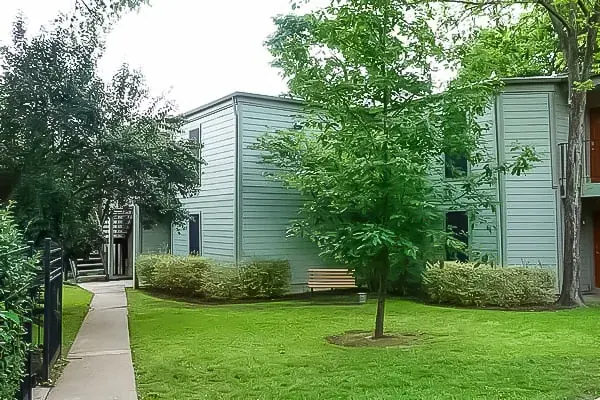
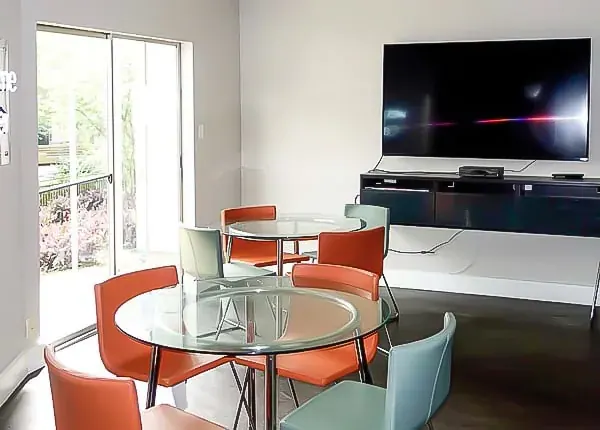
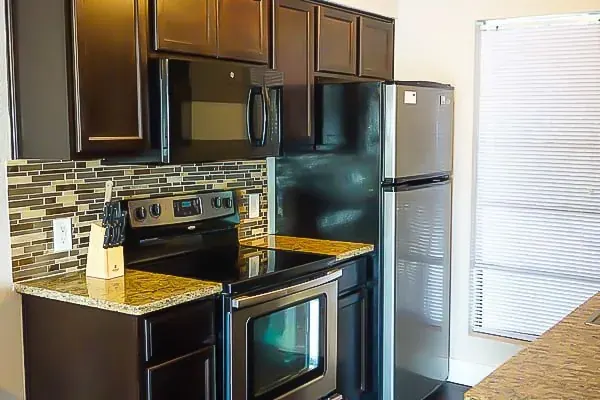
Inside Rustic Creek, our Austin flagship





7) City University of New York, Baruch College
Baruch is well known as a business-focused campus in New York City. A strong academic focus and commuter makeup can reduce the role that parties play in student life.
8) City University of New York, Hunter College
Hunter College is also located in New York City and is largely commuter-based. For some students, that structure creates fewer “default” drinking environments.
9) Wheaton College (IL)
Wheaton is a private Christian liberal arts college in Illinois. Students often cite faith-based community standards and substance-free social options as part of its appeal.
10) United States Naval Academy
Military academies have clear expectations, schedules, and accountability. That structure can reduce access and opportunity for substance use on campus.
Tip: If you’re building a shortlist, visit each college’s student conduct policies and counseling page, then look for student-led wellness groups. That combination often gives a clearer picture than a ranking alone.
How to choose a “sober college” if you’re in recovery
If you’re actively in recovery, a low-party campus can help, but support systems matter more than reputation. Here are practical factors to evaluate before you commit:
Look for recovery-specific support
Some colleges have a collegiate recovery program (CRP) or a recovery community with sober events, peer support, and staff coordination. If a school doesn’t have a formal CRP, ask whether the counseling center can connect you to recovery groups or local meetings.
Ask about substance-free housing
Many schools offer “substance-free” dorm floors or housing options. Ask what “substance-free” means in practice (rules, enforcement, roommate matching, and how they handle violations).
Evaluate the social default
Tour the campus on a weekend if you can. Look at the student activities calendar. Notice whether most “fun” events revolve around alcohol: or whether there are clubs, sports, volunteer programs, and late-night events that feel genuinely substance-free.
Plan for high-risk times
Orientation, big rivalry games, spring break, and weekends right after exams can be challenging. Ask what the campus offers during these times: late-night programming, sober events, or student group meetups.
Support options on campus and off campus
Even at the most sober colleges, you still need a plan. Consider building support in layers:
On campus: counseling services, recovery-friendly student groups, academic advising, and disability services (if you use accommodations).
In the community: peer-support meetings (12-step or alternative groups), therapy, and sober living options if living in a standard dorm feels risky. If you need help getting started, Eudaimonia’s recovery meetings and resources page can point you to common support options.
If living off campus is part of your plan, it can help to understand what structured sober living homes are and how they differ from dorm life.
Some students also prefer a structured, ongoing peer-support model outside campus. Options like a peer recovery support program can add accountability and routine alongside school commitments.
For day-to-day strategies, you may also find these guides helpful: 10 habits of successful sober college students and common relapse risks for students in recovery.
And if roommates are part of the challenge, this article on how to find sober roommates can help you think through practical screening and boundaries.
Sources and additional resources
- Princeton Review: “Cancel the Keg” ranking
- Collegiate Recovery: What CRPs are
- SAMHSA National Helpline
Disclaimer: This article is for informational purposes only and is not a substitute for professional medical advice, diagnosis, or treatment.
Your Future Is Waiting
Tell us what you are looking for and admissions will walk you through the houses, the phases, and what a room actually costs.