

Published January 28, 2026 · Updated March 30, 2026
Key Takeaways
- What pet-friendly meansKnow the typical policies and how they work in Austin.
- Pre-move checklistPrepare health records, supplies, and shared-space readiness.
- Questions to askConfirm pet rules, recovery structure, and avoid common red flags.
- Daily routine planBuild a schedule that supports recovery and consistent pet care.
- Housemate etiquetteSet clear expectations to prevent conflict in shared housing.
- Backup optionsCreate a Plan B for temporary care and pet emergencies.
- Next stepsGather what you need and start the application process.
On This Page · 28 Sections

Sober Living
Austin
10506 Parkfield Dr, Austin, TX 78758
Choosing sober living is a practical step toward stability. For many people, the choice is also emotional: you do not want to leave your dog or cat behind.
Pet friendly sober living can make that transition feel possible, but it works best when you plan ahead. In a shared home, your pet’s needs and your recovery needs have to fit the same routine.
If you are specifically looking for pet friendly sober living options, start with a clear overview of how approval works and what to expect from pet guidelines: Pet-Friendly Sober Living.
This guide focuses on pet friendly sober living in Austin, TX with one goal: help you prepare a realistic plan so you can follow house rules, protect your recovery, and keep your pet thriving.
What “pet-friendly sober living” really means in Austin
Sober living is structured, substance-free housing where residents practice daily recovery skills. Most people work, attend an intensive outpatient program (IOP), or go to meetings while living in the home.
Pet friendly sober living means the residence allows approved pets under written guidelines. “Pet-friendly” does not mean “no rules.” It usually includes limits on animal type, behavior, and who is responsible for care and cleanup.
If you are also comparing general options and expectations in Central Texas, review this broader Austin overview for costs, rules, and how to evaluate a home: Sober Living in Austin, TX: Costs, Rules & How to Choose.
Common pet policy pieces you should expect
- Approval step before move-in, rather than “bring your pet anytime.”
- Proof of vaccinations and basic health status.
- Limits on number of pets, and sometimes size, age, or species.
- Standards for behavior (non-aggressive, house trained, controllable on a leash).
- Defined pet areas and pet-free areas inside the home.
- Rules for cleaning, waste disposal, odor control, and damage responsibility.
- A plan for supervision when you are at work, IOP, or meetings.
Pets, service animals, and housing rules are not the same thing
People often mix up three categories: pets, service animals, and other assistance animals. A service animal is a dog trained to perform tasks for a person with a disability, and it is treated differently than a pet in many public settings. For a clear federal definition, see the ADA guidance here: ADA Requirements: Service Animals.
In housing, “assistance animal” can include an animal that provides emotional support related to a disability. Even so, recovery housing can still use safety-focused policies and practical steps to protect roommates and property.
The best approach is to ask for the policy in writing, share honest details about your animal, and plan for daily care before you sign.
A pre-move pet checklist for sober living with pets
Before you apply to sober living that allows pets, make sure your pet is ready for shared living. A good home will want basic proof of health, plus signs your pet can handle a new environment.
Health and documentation basics
- Rabies vaccination and current vet records. In Austin, Texas law requires cats and dogs to have current rabies vaccinations.
- Flea and tick prevention plan, especially if your pet spends time outdoors.
- Microchip details and an updated ID tag, in case your pet slips a leash during a stressful move.
- Your emergency contact list for pet care if you get sick, have a schedule change, or need a short hospital visit.
Behavior and shared-space readiness
- A plan for barking, scratching, or litter box odor. In sober living, small issues become big fast.
- Comfort with new people. A home may have roommates, staff, and visitors moving through common areas.
- House training or litter habits that are stable, not “usually okay.”
- Safe containment, like a crate, gate, or quiet room setup, for times you are at work or meetings.
Move-in supplies that reduce stress for everyone
- Food and measured treats, plus two bowls that are easy to wash.
- Leash, harness, waste bags, and a portable water bottle for walks.
- Crate or bed, so your pet has one predictable “safe spot” from day one.
- Grooming basics (brush, nail trim plan) to reduce shedding and odor.
- Enzyme cleaner, lint roller, and a small vacuum plan for shared spaces.
Pack with the household environment in mind. This Eudaimonia checklist can help you avoid bringing items that are not allowed and remember daily essentials: What to Bring to Sober Living.
Questions to ask sober living facilities that allow pets
When you call sober living facilities that allow pets, your questions should cover two areas: recovery structure and pet structure. You are not only finding housing; you are finding a routine you can keep.
Pet policy questions that prevent surprises
- Which animals are allowed, and are there size, breed, or number limits?
- Is a pet deposit or monthly pet fee required, and what is refundable?
- Are pets allowed in common areas, or only in your room?
- What happens if a roommate has allergies or fear of dogs?
- Is there a required plan for when you are away (crate, gate, pet sitter)?
- What is the process if there is damage, noise complaints, or repeated rule violations?
Recovery fit questions that matter just as much
- How are drug and alcohol rules enforced (testing, curfew, accountability)?
- How often are house meetings, and what is expected in chores and community duties?
- Can you realistically get to work, IOP, and meetings while meeting your pet’s needs?
How to discuss assistance animals respectfully
If you have an animal connected to a disability, ask how the housing provider handles reasonable accommodation requests. HUD explains how assistance animals relate to fair housing rules and what documentation may be requested: Assistance Animals (HUD.gov).
Even when an accommodation applies, shared living still requires practical safeguards. Plan for noise, cleaning, and safety so your animal supports recovery instead of adding stress.
Quick red flags when “pet-friendly” is not well managed
- No written policy, or staff who cannot answer basic questions about supervision and cleanup.
- Pressure to move in fast without reviewing rules, fees, and expectations.
- Vague answers about what happens if conflicts come up with roommates.
- Unsafe common areas for pets, like broken gates or poor sanitation.
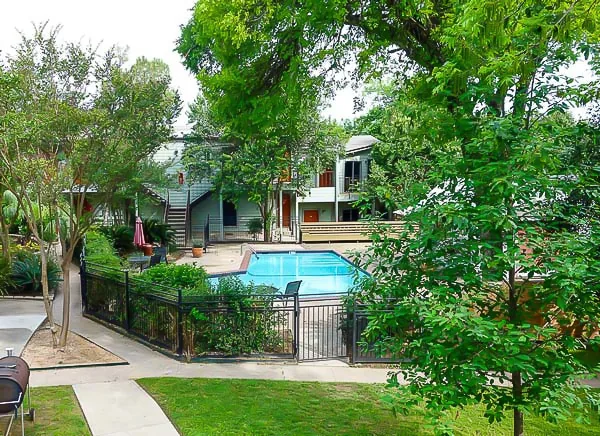

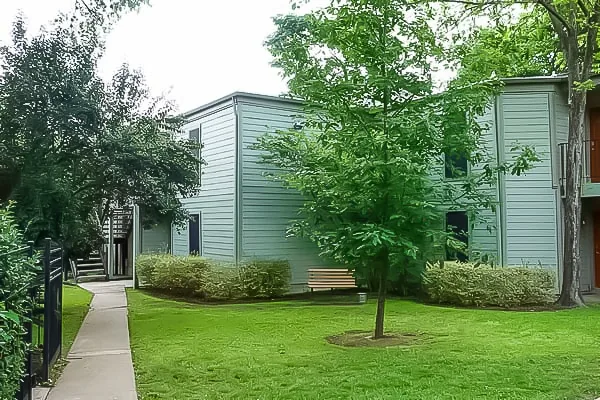
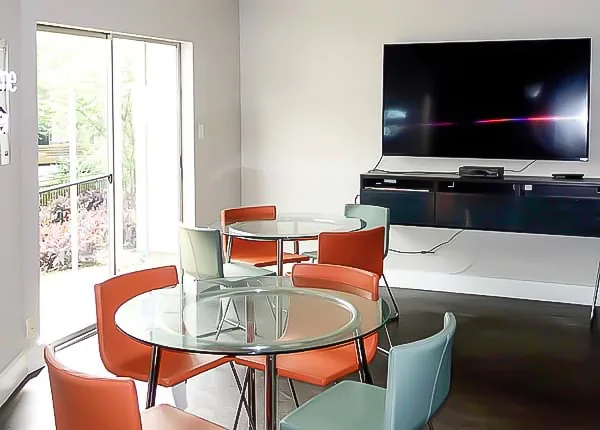
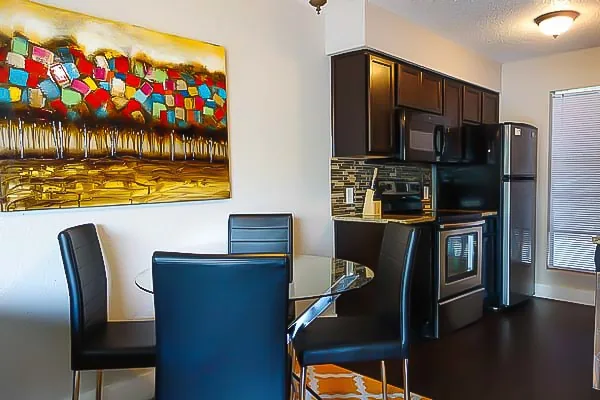

Eudaimonia's Success Stories – Real People, Real Freedom
A daily routine plan for pet-friendly sober living in Austin
In early recovery, structure is protective. Your pet can become a “routine anchor” that helps you wake up, move your body, and stay connected to responsibility.
In Austin, heat can be intense for much of the year. A simple adjustment, like walking early and carrying water, can protect your pet and reduce stress during the day.
“Schedule table” you can copy and use
Use this simple format to map pet care around meetings, work, and curfews. Adjust times to match your house schedule.
- MORNING | Short walk + feed | Quick room reset and medication check-in
- MIDDAY | Work/school/IOP | Backup plan: crate or pet sitter if needed
- LATE AFTERNOON | Longer walk/play | Shower, eat, and prep for a meeting
- EVENING | House meeting/chores | Calm time: grooming, brushing, or quiet training
- NIGHT | Final potty break or litter check | Lights-down routine that supports sleep
Use your pet time as a coping skill
- When cravings rise, do a short, repeatable task: leash up, walk one block, return.
- When anxiety spikes, practice “name five things” while you pet or brush your animal.
- When loneliness hits, use the walk as a safe way to connect with other sober supports.
Plan for the first week, not the perfect month
- Days 1–2: keep routines simple, limit new visitors, and focus on sleep and basic care.
- Days 3–4: confirm your commute and meeting schedule, then match pet care to it.
- Days 5–7: check in with the house manager about any concerns before they grow.
Housemate etiquette: the pet agreement that prevents conflict
Pet friendly sober living works when expectations are clear. In recovery housing, conflict can become a trigger, so plan for common friction points.
Simple pet agreement items to talk through
- Noise: what you will do if barking or whining starts during quiet hours.
- Cleanliness: where supplies live, how waste is handled, and who cleans accidents.
- Space: which furniture and rooms are pet-free, and how doors and gates stay secured.
- Supervision: who is responsible, and what “not responsible” means for roommates.
- Safety: how you manage reactivity, jumping, or food guarding in shared areas.
A simple repair script if a problem happens
- Name the issue: “I hear you. The barking woke you up.”
- Own your part: “That’s on me, and I want to fix it.”
- Offer a plan: “Tonight I’ll crate him during quiet hours and walk him before bed.”
- Set a check-in: “Can we revisit this in two days and see if it’s better?”
Align your plan with the house expectations you will already be following for sobriety. These rules often cover curfews, chores, testing, and visitor policies: Sober Living Community Rules.
If you can’t bring your pet immediately: Austin backup options
Sometimes the right recovery setting is available before the right pet-friendly bed opens. If that happens, protect your recovery first and build a temporary pet plan.
- Family or a trusted friend who can care for your pet short-term, with a clear written schedule.
- A foster plan through a local network, with a timeline and regular check-ins.
- Boarding for a short window while you stabilize, then reassess after the first 30 days.
Build a “Plan B” for pet emergencies
- Who can pick up your pet within 60 minutes if something happens?
- Where are your vet records and medication instructions stored?
- What is your budget cap for an urgent visit, and who can help if needed?
If you are relocating, you may notice searches like “pet friendly sober living orange county” or other out-of-state terms. The same planning logic applies in Austin: confirm policies in writing, plan the routine, and protect your early recovery environment.
Next steps: finding pet-friendly sober living in Austin, TX
If you are ready to look for sober living with pets, start with clear questions and honest details about your pet’s needs. The goal is a stable home where your recovery plan and your pet plan support each other.
What to have ready before you apply
- Basic pet details (species, age, weight, temperament, and daily routine).
- Vet records you can send quickly, plus a plan for ongoing prevention care.
- Your work, IOP, and meeting schedule so you can show how supervision will work.
- A backup caregiver list for pet emergencies.
You can begin the intake process here: Sober Living Program Application.
Medical disclaimer: This article is for education, not medical or legal advice. For urgent safety concerns or a mental health crisis, call 911 in the United States.
How Eudaimonia Recovery Homes Supports Pet-Friendly Sober Living in Austin, TX
Eudaimonia Recovery Homes can support people looking for pet friendly sober living by helping you find a stable, recovery-focused home where your responsibilities and routines are taken seriously, including caring for your pet. Their team can walk you through the intake process, discuss your pet’s needs, and explain how approval typically works in shared housing so there are no surprises after move-in. Because sober living is about structure, you can expect clear expectations around accountability, daily habits, and community standards that protect your progress and the household environment. For many residents, having a pet nearby can strengthen motivation, reduce isolation, and reinforce healthy routines like consistent sleep, regular walks, and calm evenings.
Pet-friendly living also requires practical planning, and Eudaimonia can help you think through things like supervision while you’re at work or outpatient treatment, cleanup expectations, and how to minimize stress during the transition.
If challenges come up, a structured sober living setting can make it easier to address issues early, adjust routines, and stay focused on recovery goals. Most importantly, you are not trying to navigate early sobriety and housing decisions alone: support, guidelines, and community can make the process feel manageable. If pet friendly sober living is part of what helps you stay engaged in recovery, Eudaimonia can help you explore options that fit both your clinical needs and your life with your pet.
Your Future Is Waiting
Tell us what you are looking for and admissions will walk you through the houses, the phases, and what a room actually costs.


