

Published May 5, 2026
Key Takeaways
- Sober living homes in Austin are voluntary recovery residences that provide structure, peer support, accountability, and a substance-free environment.
- Halfway houses often serve people with reentry, parole, probation, or court-related requirements and may involve stricter supervision.
- Monthly costs can differ because sober living is often private pay, while some halfway house placements may be publicly funded or subsidized.
- Rules and length of stay vary, but sober living usually offers more flexibility while halfway houses often follow set program timelines.
- The right choice depends on your recovery stage, legal status, budget, support needs, and long-term housing goals.
On This Page · 10 Sections

Sober Living
Austin
10506 Parkfield Dr, Austin, TX 78758
Sober living homes and halfway houses are often confused, but they are not the same. If you are comparing sober living vs halfway house austin options, it helps to understand how each one works, who each option serves, and what kind of support you can expect.
Both options can provide structure during a major life transition. However, the right fit depends on your recovery stage, legal status, budget, support needs, and long-term goals.
What is a sober living home in Austin?
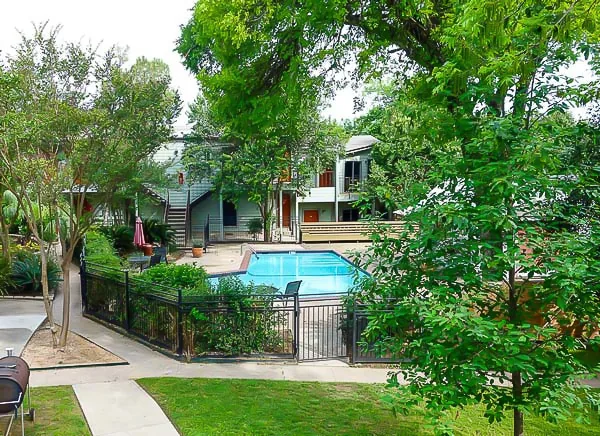
A sober living home in Austin is a substance-free residence for people who want structure and accountability after treatment or during early recovery. These homes are typically voluntary. Residents often attend meetings, follow house rules, complete chores, submit to drug and alcohol testing, and build healthy routines.
If you are comparing local recovery housing options, Eudaimonia offers sober living homes in Austin with structure, accountability, and recovery-focused support.
National recovery housing guidance explains that stable, substance-free housing can support long-term recovery by combining peer support, accountability, and connections to community-based care through recovery housing best practices.
What is a halfway house in Austin?
A halfway house in Austin may refer to a supervised living environment for people transitioning from incarceration, institutional care, or another structured setting. These programs are often connected to parole, probation, reentry services, or court-related requirements.
For a broader local overview, see our guide to halfway houses in Austin, Texas, including how the term is used for reentry, recovery housing, and transitional living.
The Federal Bureau of Prisons describes Residential Reentry Centers, also known as halfway houses, as structured and supervised settings that help people nearing release with employment counseling, job placement, financial management, and reentry services through Residential Reentry Centers.
Cost comparison — typical monthly fees and what's included
Cost is one of the biggest differences between sober living homes and halfway houses. Sober living homes are often private-pay residences. Monthly fees may cover rent, utilities, drug and alcohol testing, peer support, accountability services, and access to recovery resources.
Halfway house costs may vary based on funding, referral source, and program type. Some placements may be subsidized or connected to public reentry systems. However, residents should always ask about deposits, rent, fees, and included services before committing.
For a deeper breakdown of rent, fees, and what may be included, read our guide to the cost of sober living in Austin.
Eudaimonia's Success Stories – Real People, Real Freedom
Length of stay, structure, and rules — side-by-side
Sober living homes usually offer more flexibility. Many residents stay for several months or longer while they build stability, strengthen recovery habits, and prepare for independent living. Halfway houses may have more rigid timelines, especially when connected to reentry, parole, probation, or court requirements.
| Category | Sober Living Home | Halfway House |
|---|---|---|
| Primary purpose | Recovery support and sober housing | Reentry, supervision, or transitional placement |
| Typical resident | Someone in recovery who wants structure | Someone leaving incarceration or institutional care |
| Length of stay | Often flexible | Often time-limited |
| Rules | Curfew, testing, chores, meetings, accountability | Program rules, supervision, reentry requirements |
| Cost | Often private pay | May be subsidized or publicly funded |
Before choosing a home, review the sober living community rules so you know what to expect with curfews, testing, chores, meetings, visitors, and accountability.
Curfew is one of the most common questions families ask, so it may help to review how a sober living curfew works before making a decision.
If timing is your biggest concern, this guide explains how long a sober living home in Austin stay may last and what factors can affect it.
HUD notes that recovery housing may include peer support, recovery coaching, behavioral health connections, mutual-aid groups, and sober social supports through recovery housing program models.
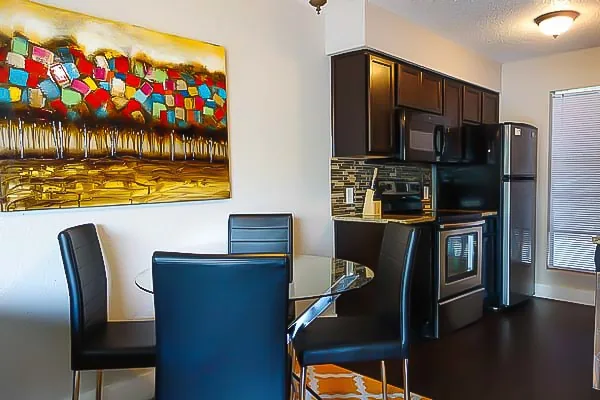
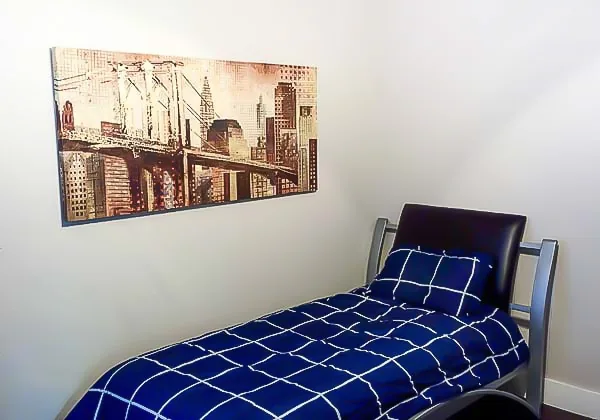
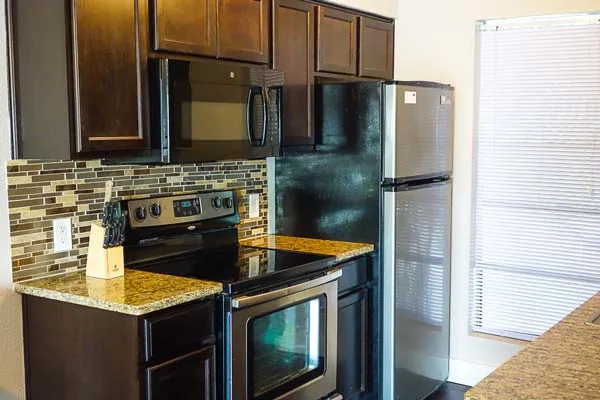
Which one fits your recovery — 5 questions to ask before you commit
Choosing between a sober living home and a halfway house depends on your needs. Before you commit, ask whether you need voluntary recovery housing, legal supervision, peer support, flexible timing, or a more formal reentry structure.
These five questions can help you compare your options:
- Do I need a recovery-focused home or a supervised reentry placement?
- Am I choosing housing voluntarily, or is it required by a court, parole officer, or probation officer?
- What rules, curfews, testing requirements, and accountability services are included?
- How much will I pay each month, and what services are included in that cost?
- Will this housing option help me build long-term stability, employment, and recovery support?
If you still have questions about availability, expectations, and next steps, visit our sober living FAQ before you apply.
How Eudaimonia Supports Sober Living vs Halfway House in Austin: What's the Difference?
Eudaimonia Recovery Homes supports adults in Austin who need structured sober living after treatment or during early recovery. The program focuses on accountability, peer support, recovery routines, and a substance-free living environment.
For people comparing sober living and halfway house options, Eudaimonia helps clarify the difference between voluntary recovery housing and supervised reentry housing. This guidance can make it easier to choose the right next step based on recovery goals, daily structure, budget, and long-term stability.
Your Future Is Waiting
Tell us what you are looking for and admissions will walk you through the houses, the phases, and what a room actually costs.


