

Published January 5, 2026 · Updated April 14, 2026
Key Takeaways
- Eudaimonia supportA structured sober living setting can reduce daily friction and help you stay consistent with recovery routines.
- Journey basicsSobriety usually involves skill-building, routine, and an environment that supports change.
- Without rehabSome people get sober outside inpatient rehab, but withdrawal safety and support planning still matter.
- Start at homeRemoving triggers and building a simple daily routine can make early sobriety more manageable.
- Sober stepsClear goals, accountability, and replacement coping skills help turn motivation into repeatable habits.
- Austin amenitiesPractical amenities plus accountability can lower stress and support stability during your sobriety journey.
- Choosing housingComparing rules, costs, and relapse policies helps you pick a sober home that fits your needs.
- Stay committedA sober social plan and preparation for triggers can support long-term follow-through.
- Get helpIf withdrawal risk or safety becomes a concern, it’s appropriate to seek clinical support quickly.
- FAQ answersCommon questions about costs, rules, and timelines can help clarify what to expect.
On This Page · 25 Sections

Sober Living
Austin
10506 Parkfield Dr, Austin, TX 78758
Choosing sobriety is often a practical decision as much as a personal one. People may want steadier health, fewer conflicts, or a life that feels more predictable.
A sobriety journey can start in different places: at home, in outpatient care, or in a structured living setting. What tends to matter most is having a plan that fits real life.
This article covers sober living amenities in Austin and how they can support living a sober life. It also addresses common questions, including can you get sober without rehab, how to get sober at home, and how to stay committed to sobriety once the first wave of motivation passes.
If you want a broader overview of how sober living works, review our sober living homes guide.
For a complete breakdown of homes, locations, and availability, visit our Sober Living in Austin, TX page.
What a Sobriety Journey Involves
A sober journey is usually a series of steps: stopping use, stabilizing, rebuilding routines, and learning how to handle stress without returning to substances. The timeline varies. Some people feel better quickly. Others need longer to regain sleep, focus, and emotional balance.
Early sobriety is a skills phase
In early sobriety, you may be practicing skills that substances used to “cover,” such as calming down, sleeping, or dealing with boredom. Structure helps because it reduces the number of daily decisions. Fewer decisions often means fewer opportunities to negotiate with cravings.
The role of environment
Environment can either support or undermine change. If your current home has alcohol or drugs present, frequent conflict, or limited privacy, staying sober can be harder. Sober living exists partly to provide a stable, substance-free setting with accountability and connection.
Can You Get Sober Without Rehab?
Some people do get sober without inpatient rehab. If you are searching for how to get sober without rehab, the safest starting point is to consider both health risks and the amount of support you will need.
When quitting alone can be unsafe
Withdrawal risk depends on the substance and the pattern of use. Alcohol withdrawal can become severe and may require medical care in higher-risk cases. Benzodiazepines also carry serious withdrawal risks, including seizures, especially if stopped abruptly after regular use. If there is any uncertainty, it is safer to talk with a clinician before stopping.
A plain-language overview of symptoms and care options is available from MedlinePlus on alcohol withdrawal.
Clinical literature also describes seizure risk with abrupt discontinuation in this PubMed summary on benzodiazepine withdrawal seizures.
When “without rehab” still includes support
How to get sober on your own does not have to mean doing everything alone. Many people combine self-directed changes with support such as outpatient counseling, recovery coaching, and mutual-help groups (12-step or non-12-step). These supports can add routine and accountability while allowing you to live at home.
How to Start Sobriety at Home
If you are focused on how to get sober at home, aim for a plan that is simple enough to follow when your mood and energy are inconsistent.
Set up your home to reduce triggers
Try to remove or reduce high-risk cues: alcohol in the kitchen, contacts that revolve around using, or routines that end in drinking. Stock easy meals and non-alcoholic drinks. When stress is lower, follow-through is easier.
Build a basic routine
A basic routine can include consistent sleep and wake times, regular meals, and one recovery-focused action each day. Recovery-focused can mean a meeting, therapy, journaling, or a check-in with a support person. Mutual-help groups and peer support can be part of this routine.
Eudaimonia's Success Stories – Real People, Real Freedom
Sober Steps and Ways to Become Sober
If you want sober steps that stay practical, start with the actions below. For many people, the answer to how to go sober is not one dramatic change, but a few repeatable habits.
- Define your goal clearly
Decide what “sober” means for you right now (for example, no alcohol, or no non-prescribed drugs). Clear definitions reduce bargaining during cravings. - Identify your top triggers
Triggers can be people, places, feelings, or even times of day. Noticing patterns helps you plan around them. - Add an accountability point
Accountability might be a daily check-in, a weekly appointment, or a structured living environment. The right level depends on your history and risk. - Replace the function of use
If substances helped you relax or sleep, you will need replacements. Options may include exercise, relaxation skills, therapy, and planned social time. - Plan for setbacks
A slip is a signal to adjust the plan. Decide in advance who you will contact and what you will change if you drink or use.
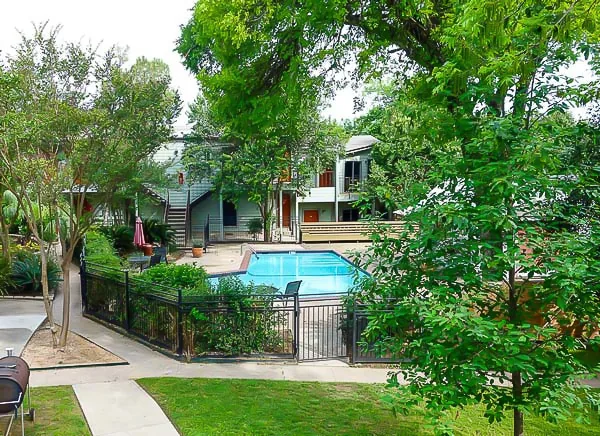

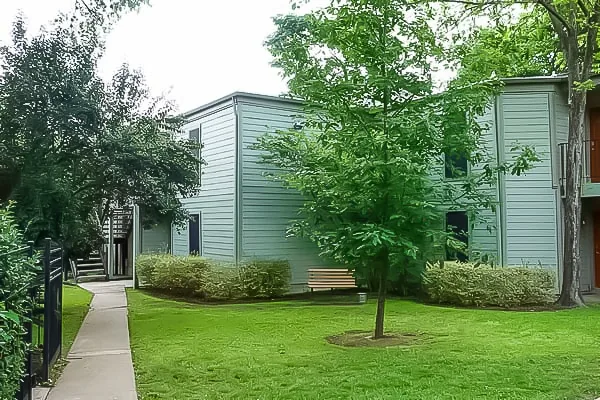
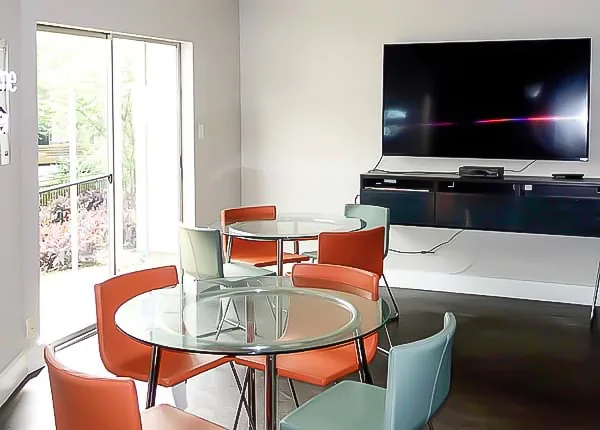
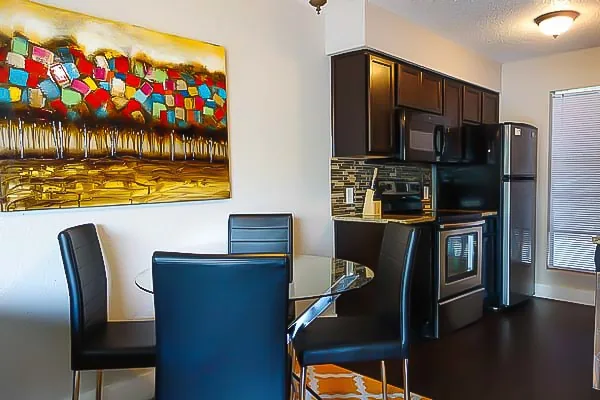

How Sober Living Amenities in Austin Can Help
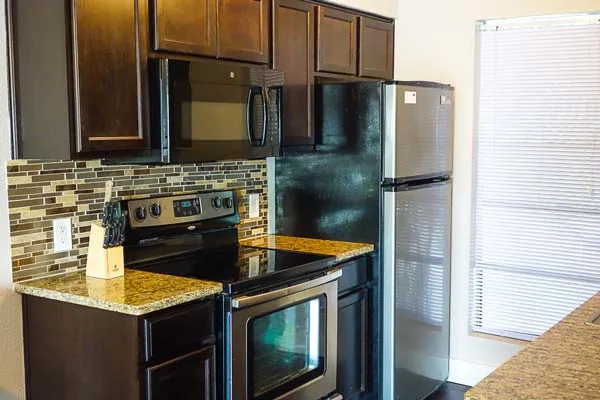
People searching for sober living amenities Austin are often trying to compare comfort, structure, and location. Amenities vary by home, but many programs combine practical comforts with features designed to support recovery behaviors.
For a city-specific overview of housing features and support options, see our sober living in Austin, TX page.
Practical amenities that lower daily stress
In early recovery, reducing stress is often a form of relapse prevention. Common amenities may include furnished rooms, Wi‑Fi, laundry access, shared kitchens, and utilities included in rent. These basics can make it easier to focus on work, school, or outpatient care.
Accountability and structure
Sober living is not only about where you sleep. It often includes house expectations such as curfews, house meetings, chores, and a drug- and alcohol-free standard. Some homes also use testing or staff support to help residents stay aligned with their goals.
To understand what structure can look like in practice, you can review our sober living community rules.
For a standardized view of recovery housing levels and expectations, see the National Alliance for Recovery Residences (NARR) Standard.
Lifestyle support
Some residences also offer space and resources that support healthy routines, such as fitness access, quiet areas for work, or group activities. These features are not required for recovery, but they may help people practice a daily life that feels sustainable.
How to Choose Sober Living in Austin
If you are comparing options, look for a match between the home’s structure and your current needs, not just the amenities list.
Questions to ask before you commit
When possible, get answers in writing:
- What are the house rules (curfew, visitors, meetings, chores)?
- What happens after a relapse or rule violation?
- Is there an on-site manager or staff support?
- What is included in the monthly cost, and what fees are extra?
For a more detailed checklist you can use while comparing options, read our guide on how to choose a sober living home.
How to Stay Committed to Sobriety
Long-term change usually depends on routines and support, not constant motivation. If you are learning how to live a sober life, the goal is to make sobriety the default, not a daily debate.
Build a sober social plan
If your social time previously centered on alcohol or drugs, replace it with something structured: meetings, hobbies, fitness, volunteering, or sober-friendly events. Ongoing peer support can help many people maintain recovery and reduce isolation.
If you are looking for local meeting options, our AA & NA meetings in Austin, TX resource can help you get started.
Prepare for triggers
Triggers eventually happen. Planning can include an exit strategy for events, a list of people to call, and an alternative activity for high-risk hours. Over time, coping skills often matter more than avoidance.
When to Get More Help
If you are trying to get sober without rehab but symptoms become severe, or you feel unable to stay safe, it is appropriate to seek urgent care. SAMHSA’s National Helpline (1‑800‑662‑HELP) is a free, confidential option for treatment referrals and information.
For more details on how this service works, visit SAMHSA’s National Helpline.
How Eudaimonia Recovery Homes Supports Your Sobriety Journey in Austin
Eudaimonia Recovery Homes can support the goals of “Sober Living Amenities in Austin for Your Journey” by providing a structured, substance-free place to live while you focus on recovery. Instead of trying to manage every trigger at home, residents can benefit from clear house expectations that encourage consistency day to day.
A stable living environment can make it easier to keep routines like work, counseling, and recovery meetings without constant disruption. Many people find that shared accountability and community reduce isolation, which can be a risk factor for relapse. Having practical amenities in place can also lower stress, so your energy goes toward building sober habits rather than solving basic logistics.
Eudaimonia can be a fit for people who want a middle step between intensive treatment and living completely on their own. It may also help those who are learning how to stay committed to sobriety by adding structure during the early months, when motivation often changes. The overall purpose is to support a safer, more predictable daily life so you can keep taking sober steps over time.
Your Future Is Waiting
Tell us what you are looking for and admissions will walk you through the houses, the phases, and what a room actually costs.


