

Published April 16, 2026 · Updated April 28, 2026
On This Page · 20 Sections

Sober Living
Austin
10506 Parkfield Dr, Austin, TX 78758
If you’re considering a sober living home in Austin, one of the first questions on your mind is probably: What will life actually look like day to day? Understanding the rules and daily routine of structured sober living can make all the difference between feeling anxious about the transition and feeling genuinely ready to embrace it. The truth is, the structure you’ll find in a quality sober living home isn’t there to control you: it’s there to support you while your mind, body, and habits realign around a sober life. This guide breaks down exactly what to expect from sober living rules in Austin, what a typical day looks like, and why that structure matters more than most people realize when they first arrive.
Why Rules and Structure Matter in Sober Living
Early recovery is one of the most vulnerable periods in a person’s life. The brain is still healing, old habits and triggers are everywhere, and the temptation to fall back on familiar coping mechanisms can be intense. This is precisely why structure isn’t optional in effective recovery housing, it’s foundational.
Research consistently shows that people in early recovery who live in structured environments have significantly better outcomes than those who return to unstructured living immediately after treatment. Rules and routines in sober living homes serve several important purposes:
- Accountability: Regular check-ins, curfews, and house meetings keep residents answerable to themselves and their peers, which strengthens commitment to recovery.
- Habit formation: A predictable daily routine replaces the chaos of active addiction with healthy, purposeful habits.
- Community safety: House rules protect every resident’s sobriety, not just the individual breaking a rule.
- Skill building: Responsibilities like chores and employment requirements teach life skills that many people in recovery need to rebuild.
- Reduced decision fatigue: When certain things are decided for you, wake time, curfew, meeting attendance, your mental energy goes toward recovery, not logistics.
If you want a deeper look at how Austin’s best recovery homes are designed with these principles in mind, our comprehensive guide to sober living in Austin is a great starting point.
Common Sober Living Rules in Austin Homes
While every sober living home has its own specific policies, most quality recovery homes in Austin follow a similar framework of core rules. Here’s what you can generally expect when it comes to sober living rules in Austin:
Zero Tolerance for Alcohol and Drug Use
This is non-negotiable in any reputable sober living home. Residents are required to remain completely abstinent from alcohol and all non-prescribed drugs. Random drug and alcohol testing is standard practice, not as a punishment, but as a tool that keeps everyone honest and safe. If a resident tests positive, the consequences typically range from a structured response plan to removal from the home, depending on the severity and the house’s policies.
Curfews
Curfews are one of the most commonly discussed rules in sober living. They exist to reduce exposure to high-risk situations during late-night hours and to promote healthy sleep schedules. Curfews vary by home and may become more flexible as residents demonstrate stability and earn more privileges over time. If you’re wondering about the specifics, you can learn more about curfew policies at Eudaimonia Recovery Homes directly.
Meeting Attendance Requirements
Most structured sober living homes in Austin require residents to attend a minimum number of 12-step or other recovery meetings per week, typically three to five. Austin has a rich recovery community with AA, NA, SMART Recovery, and other groups meeting daily across the city, so meeting this requirement is rarely difficult. Many residents find that building a meeting schedule becomes one of the most meaningful parts of their week.
Employment, School, or Structured Programming
Idle time is one of the biggest risks in early recovery. Most sober living homes require residents to be actively engaged: whether that means working a job, attending school, participating in an intensive outpatient program (IOP), or volunteering. This requirement usually kicks in within the first week or two of residency. It’s a safeguard against the boredom and purposelessness that can fuel relapse.
Chores and Household Responsibilities
Residents are expected to contribute to the cleanliness and upkeep of the home. Chore rotations might include cleaning common areas, doing dishes, taking out trash, or maintaining the yard. This isn’t just about keeping the house tidy, it’s about building personal responsibility and respect for shared community living.
No Overnight Guests Without Approval
To protect the sobriety and safety of all residents, overnight guests, especially romantic partners, are typically prohibited or require prior approval. This rule reduces potential triggers and maintains the integrity of the recovery-focused environment.
Respect for Housemates
Beyond written rules, sober living homes operate on a culture of mutual respect. Noise levels, shared spaces, and interpersonal conflicts are all governed by expectations of considerate behavior. House meetings are often the venue where interpersonal issues get addressed constructively.
What a Typical Daily Routine Looks Like
One of the things people are often surprised by when they move into a structured sober living home is how full and purposeful the days feel. Here’s a general picture of what a daily routine might look like in a structured sober living home in Austin:
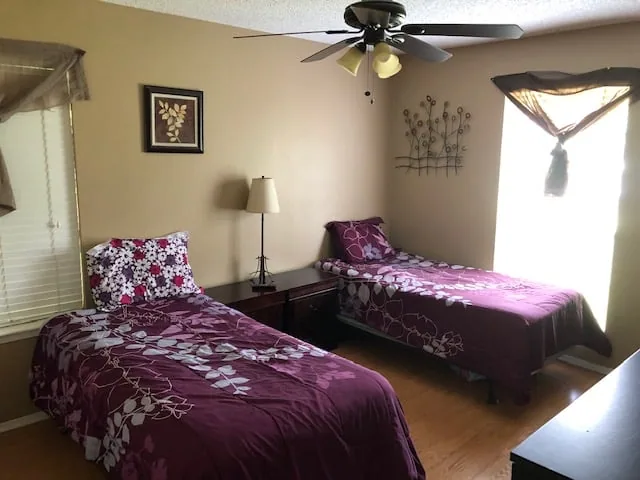
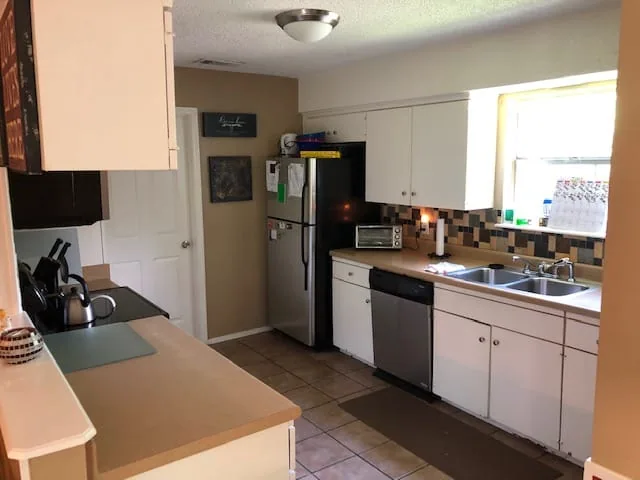
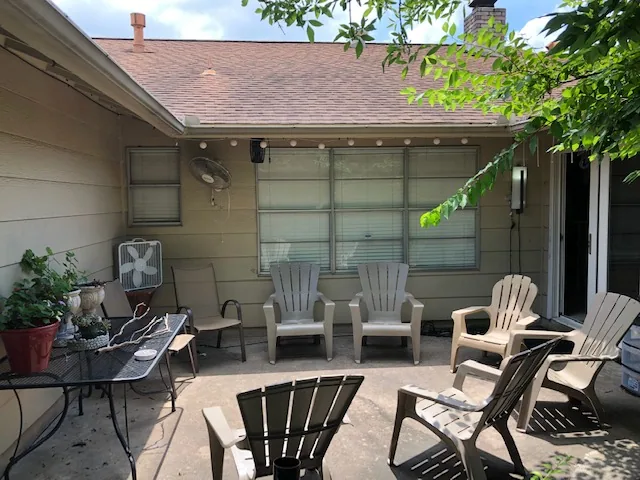
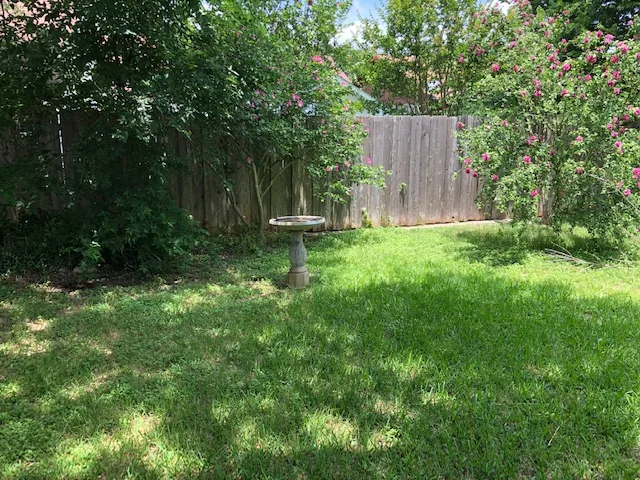
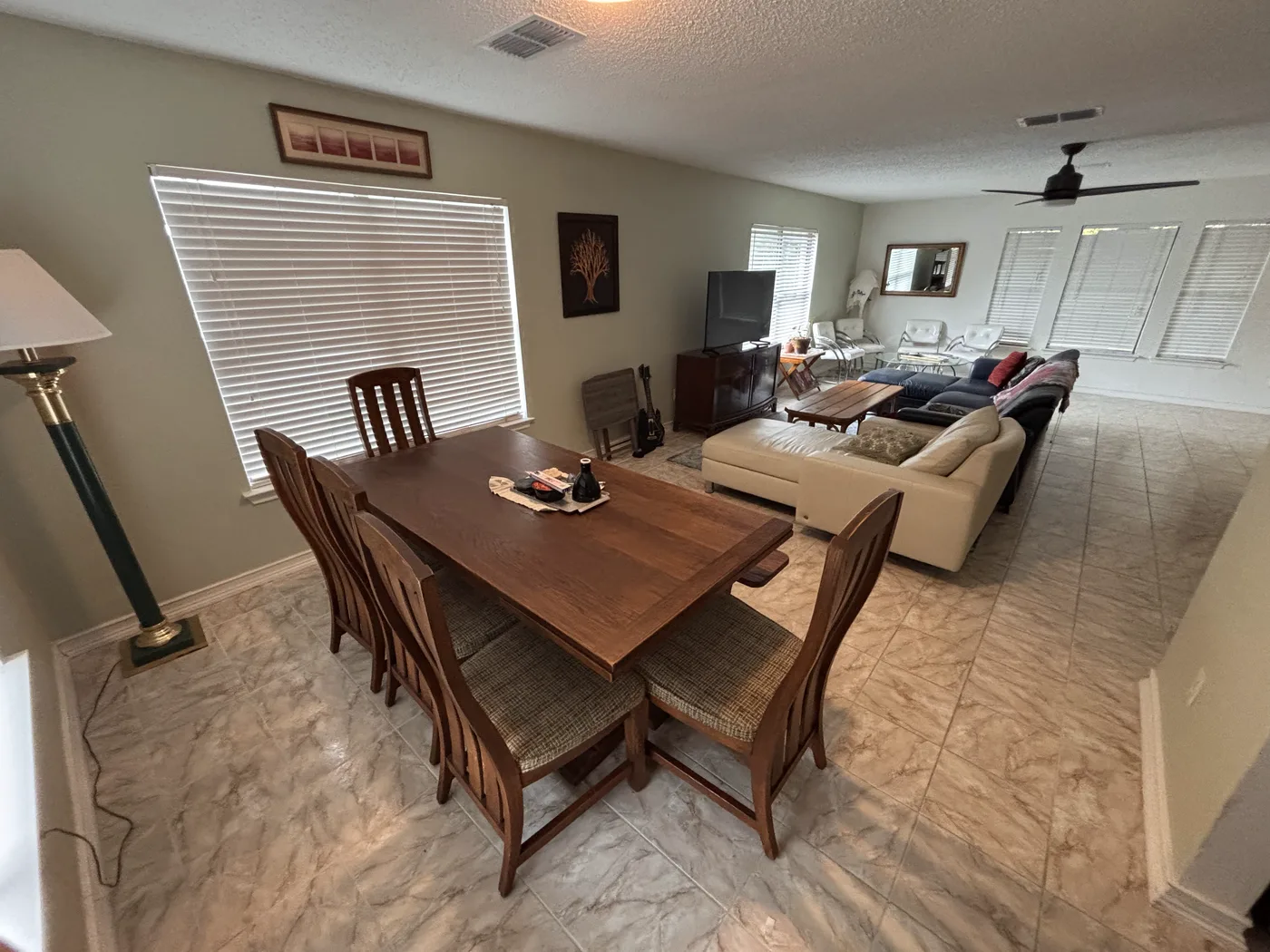
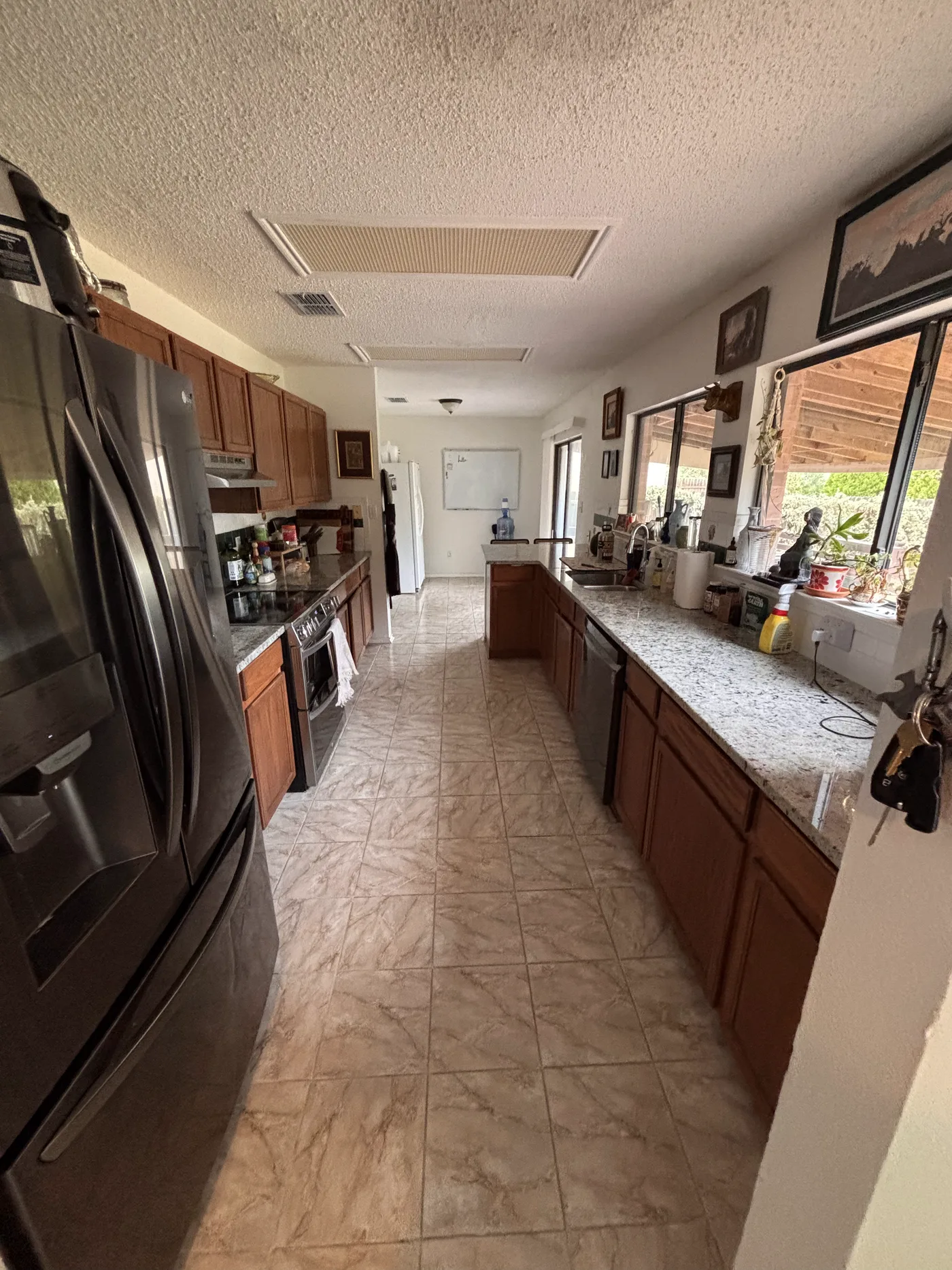
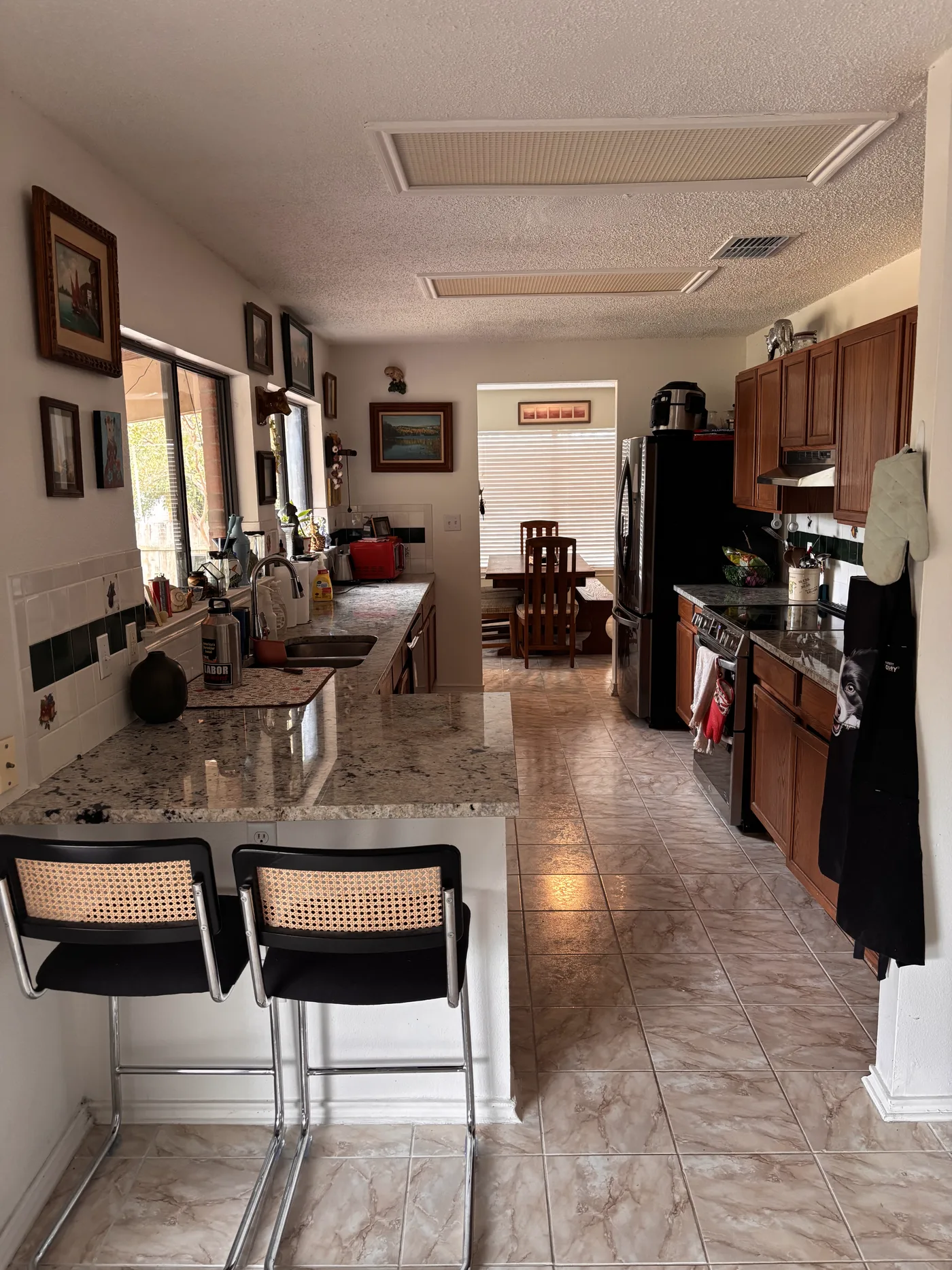
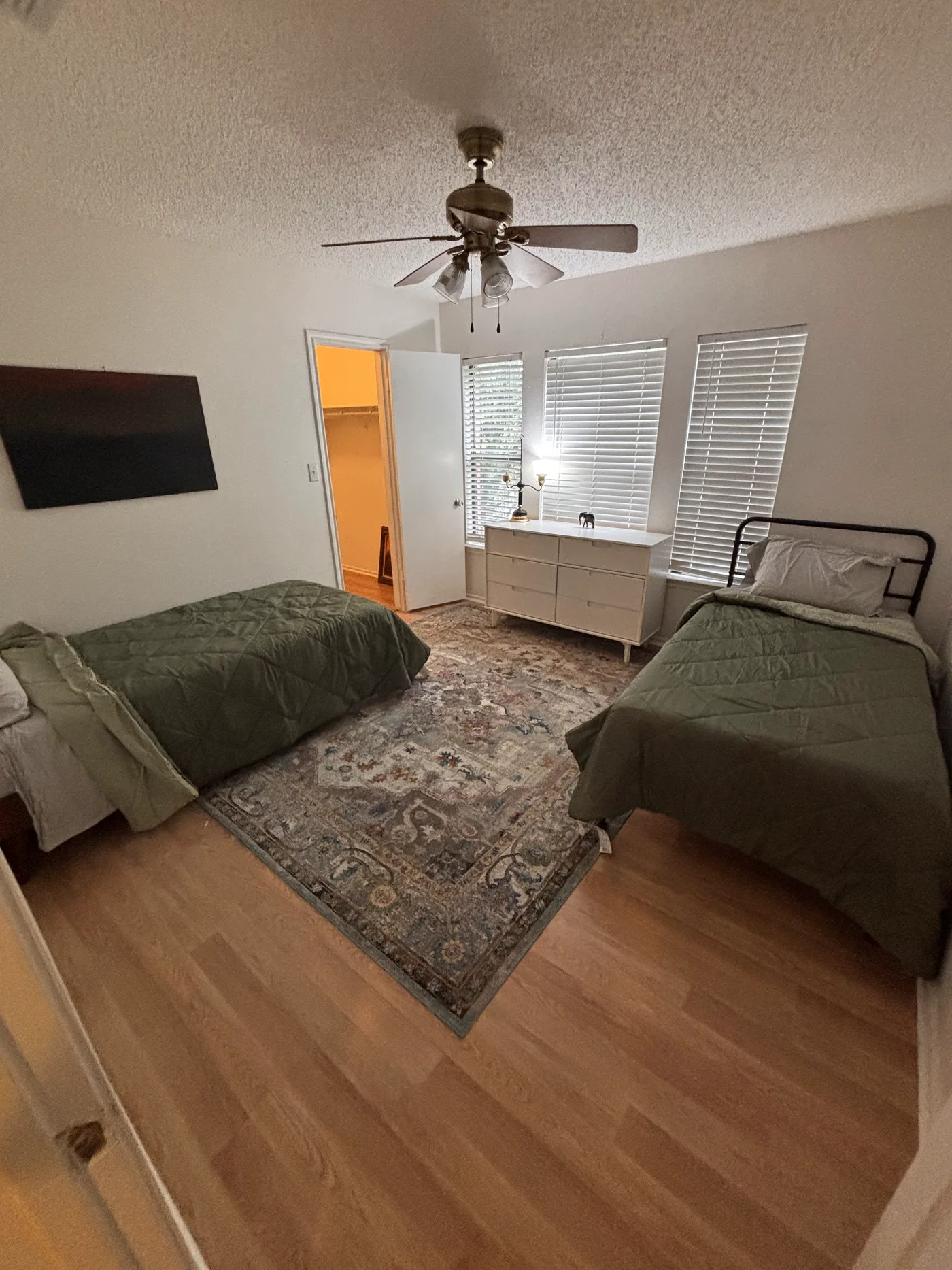
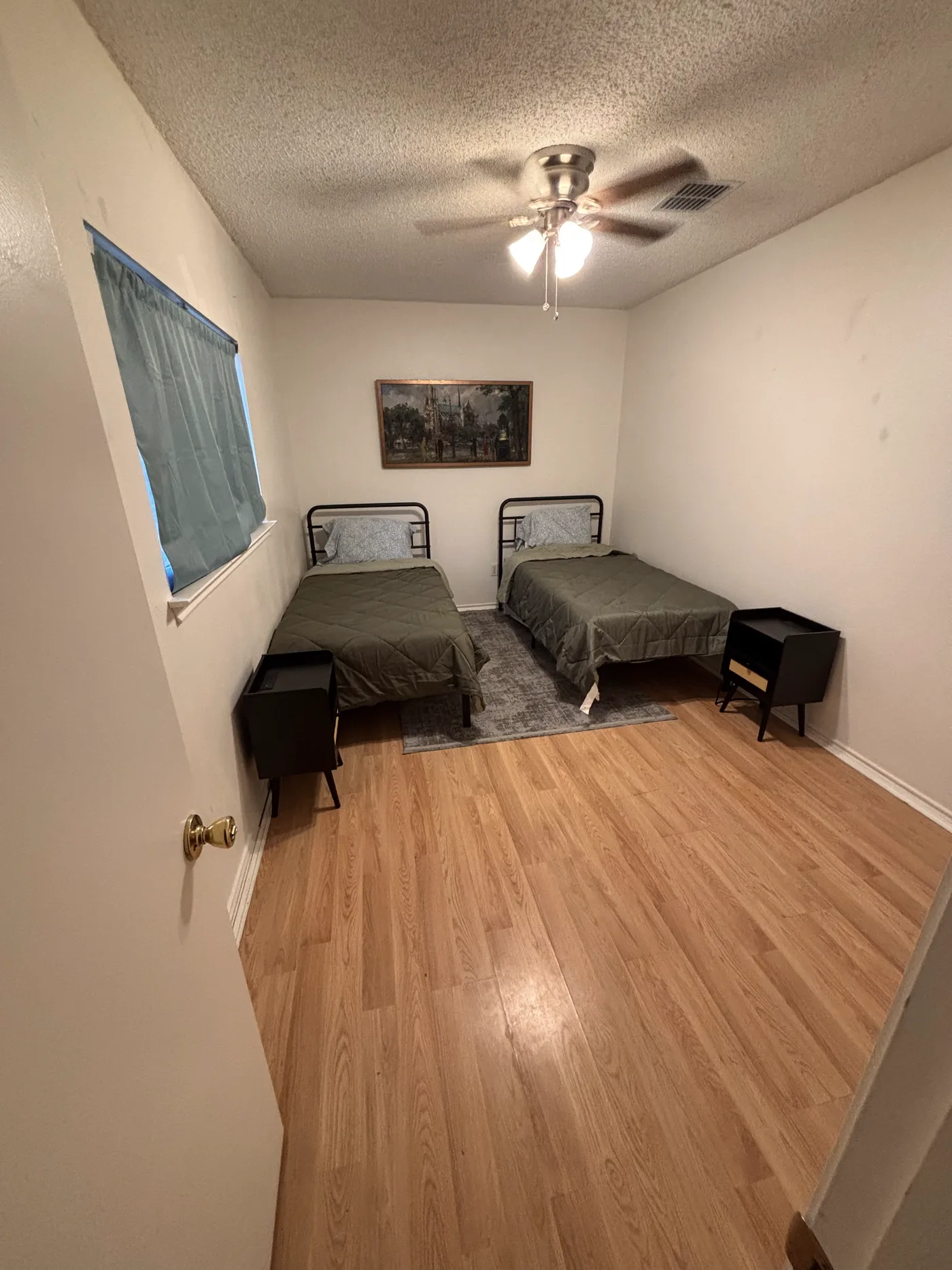
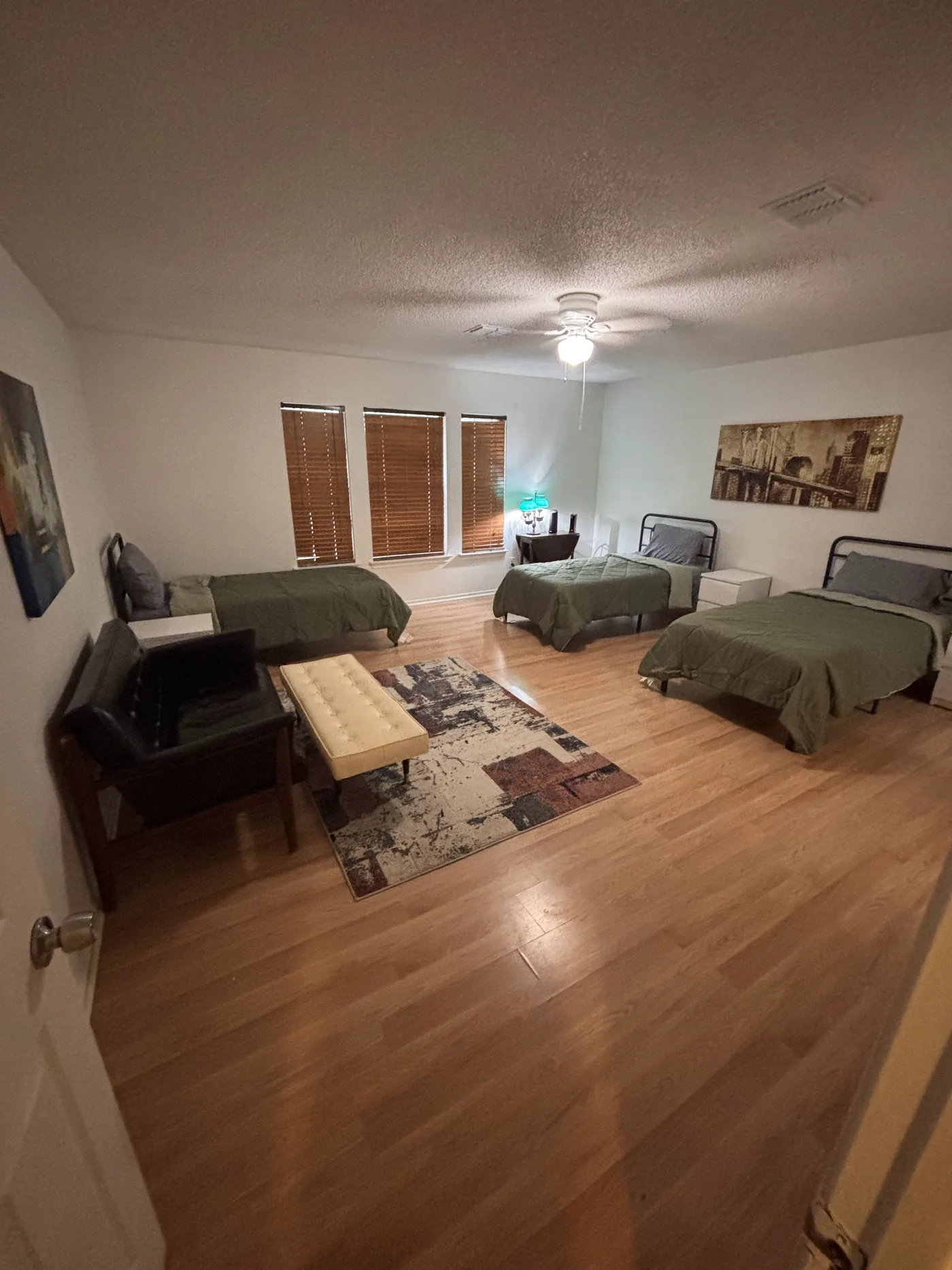
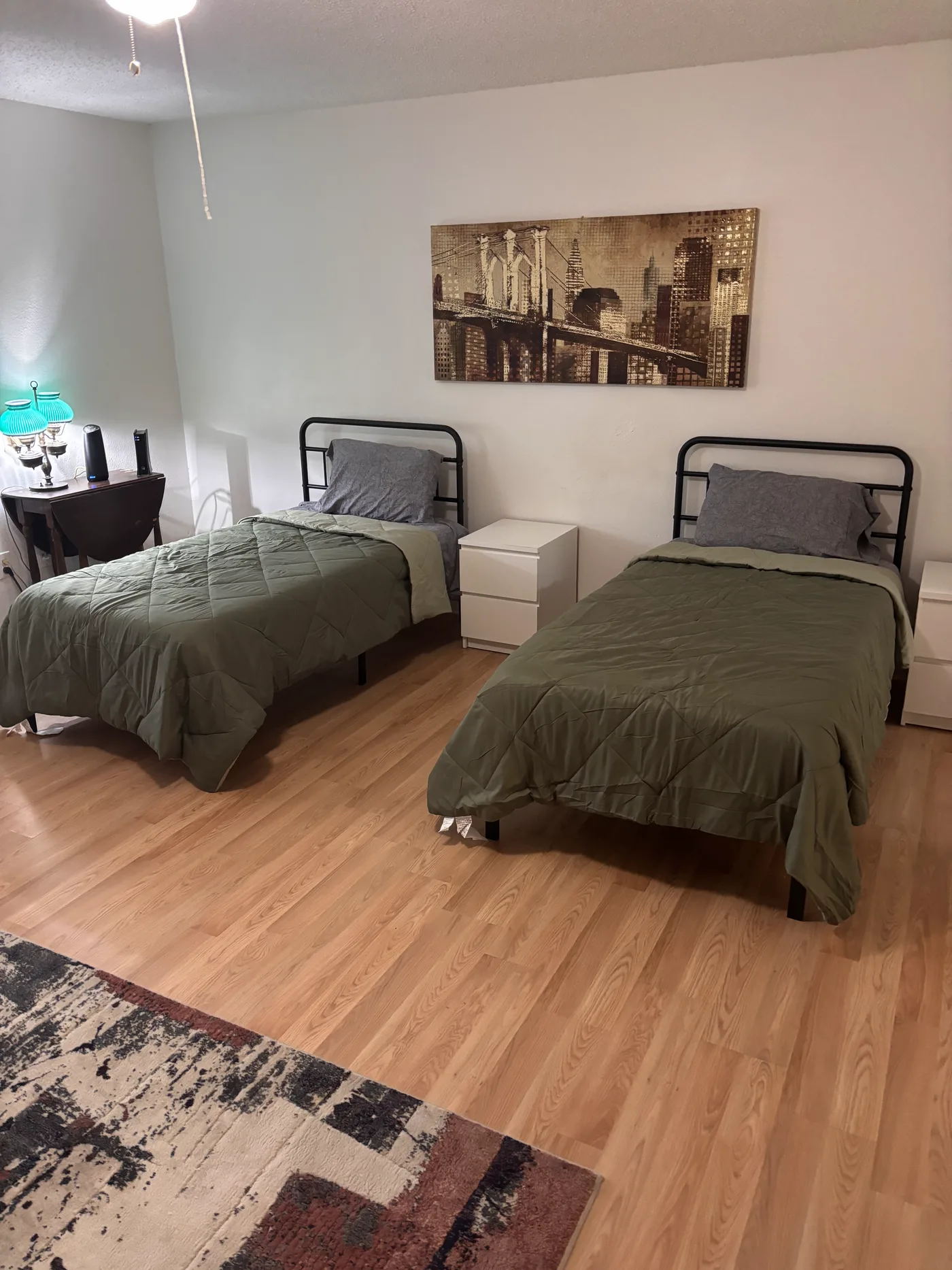
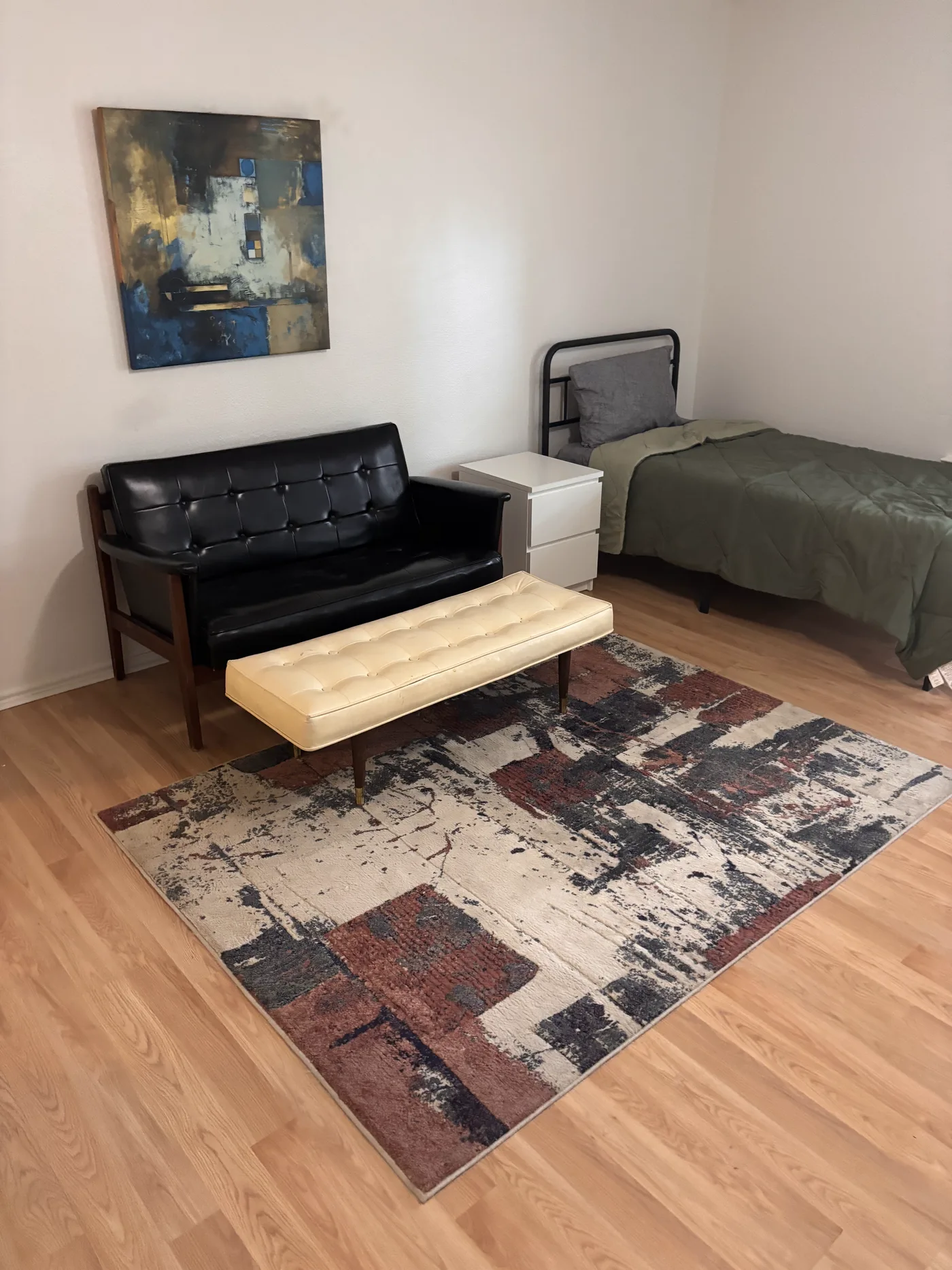
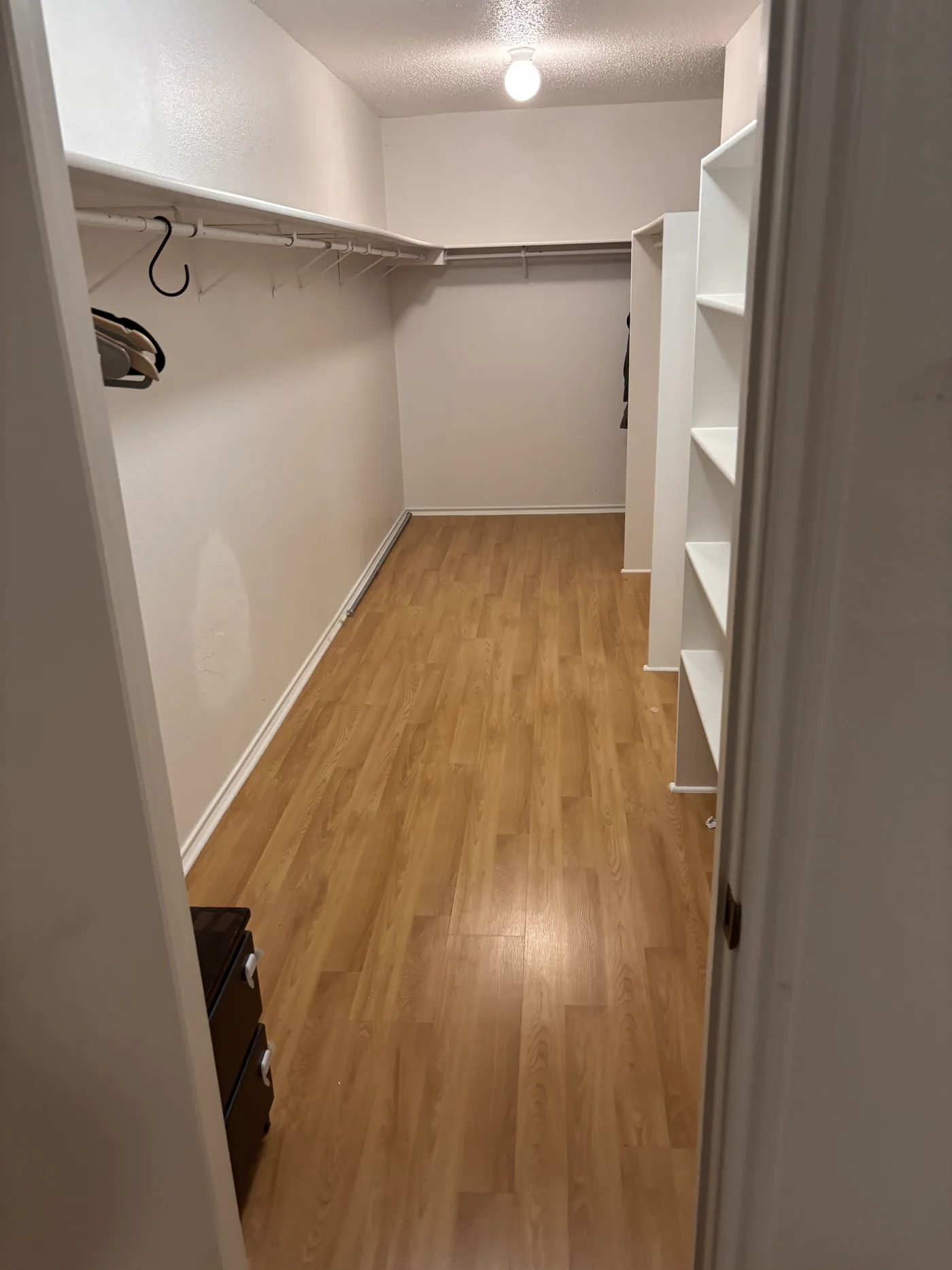
Inside the Austin homes
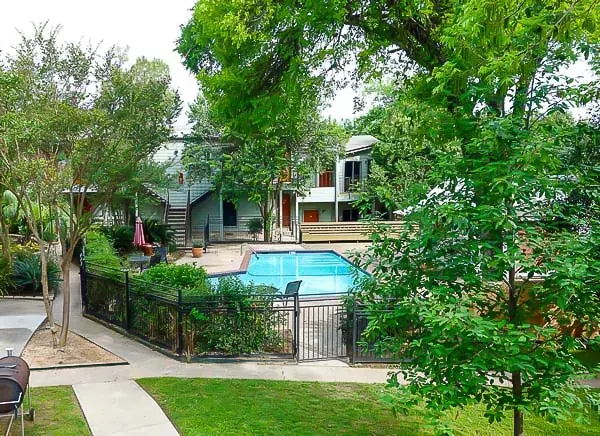
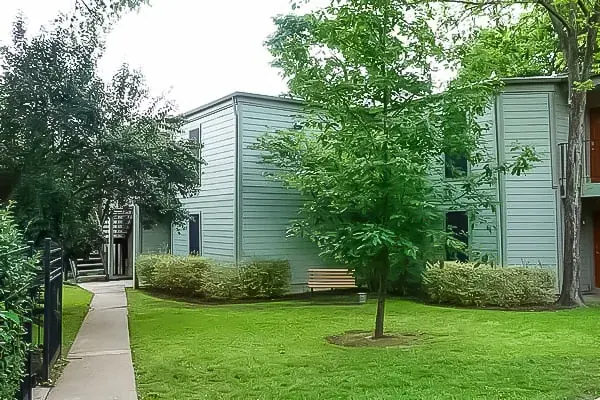


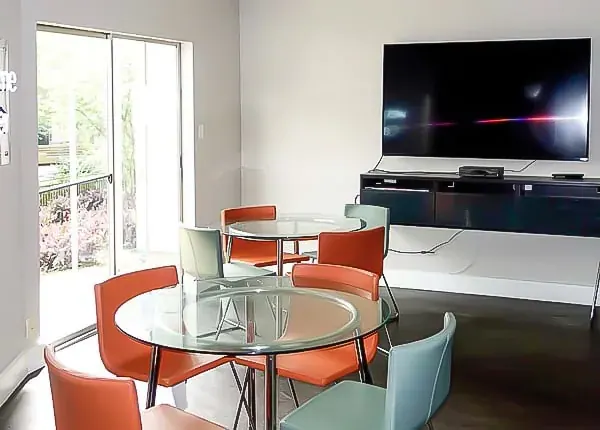


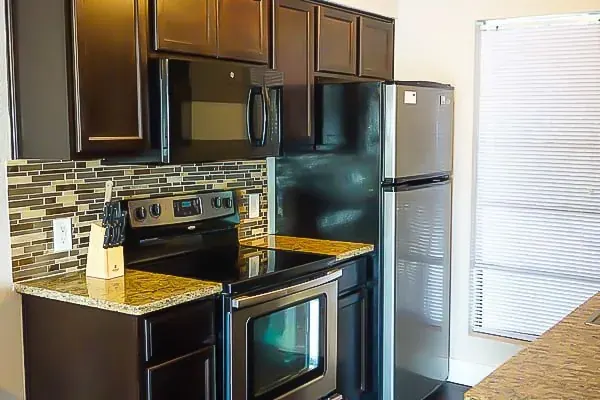

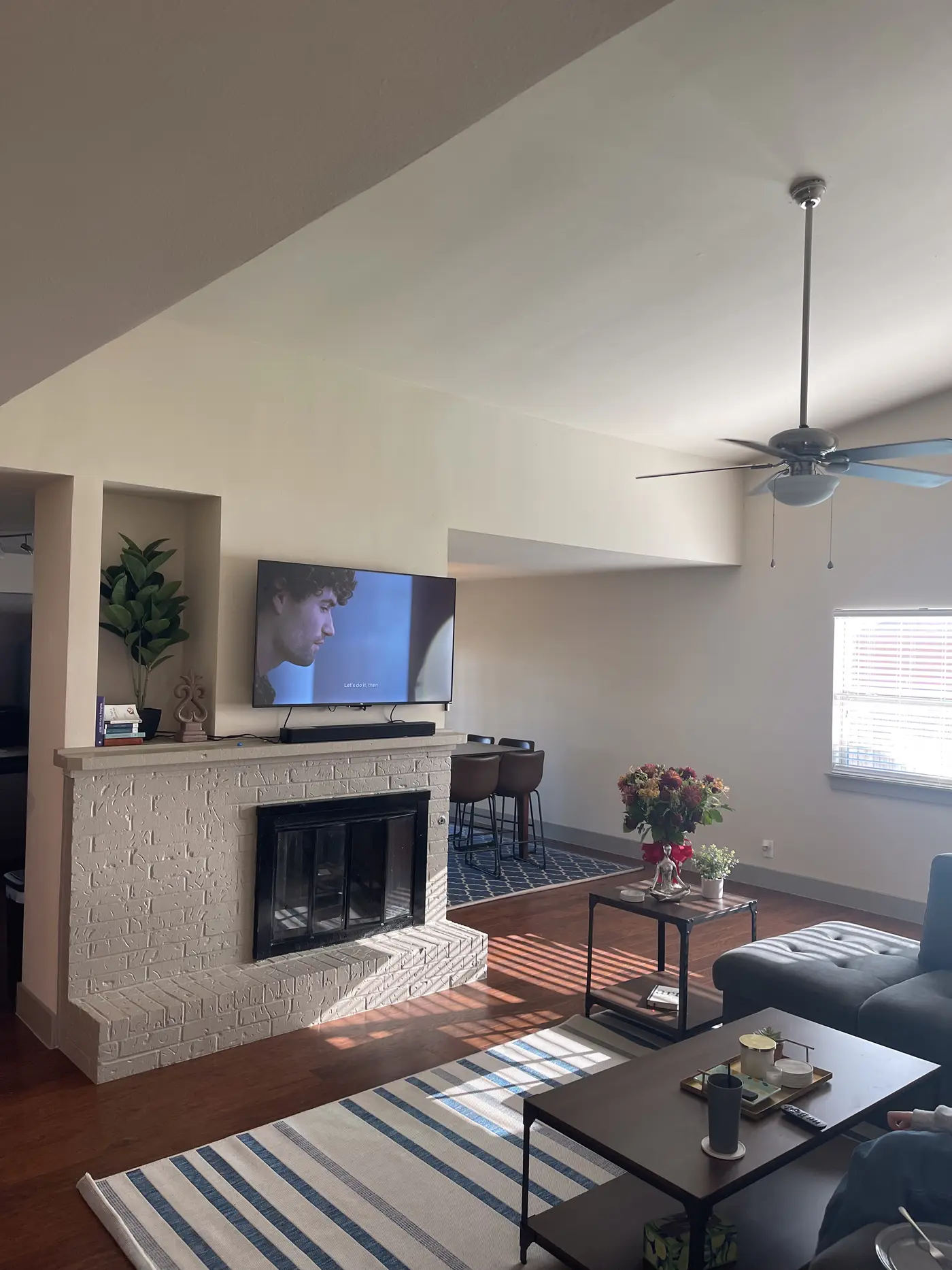
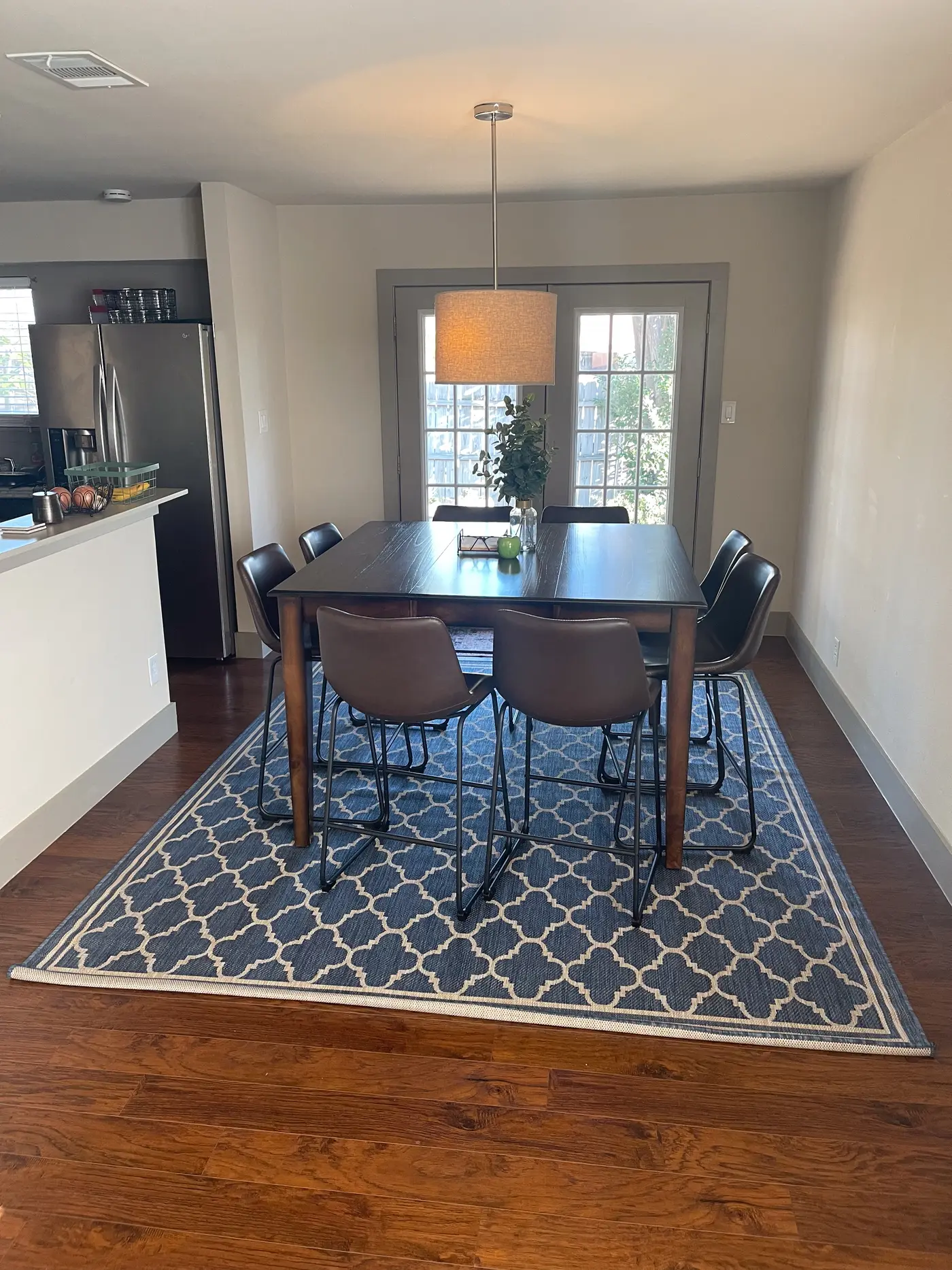
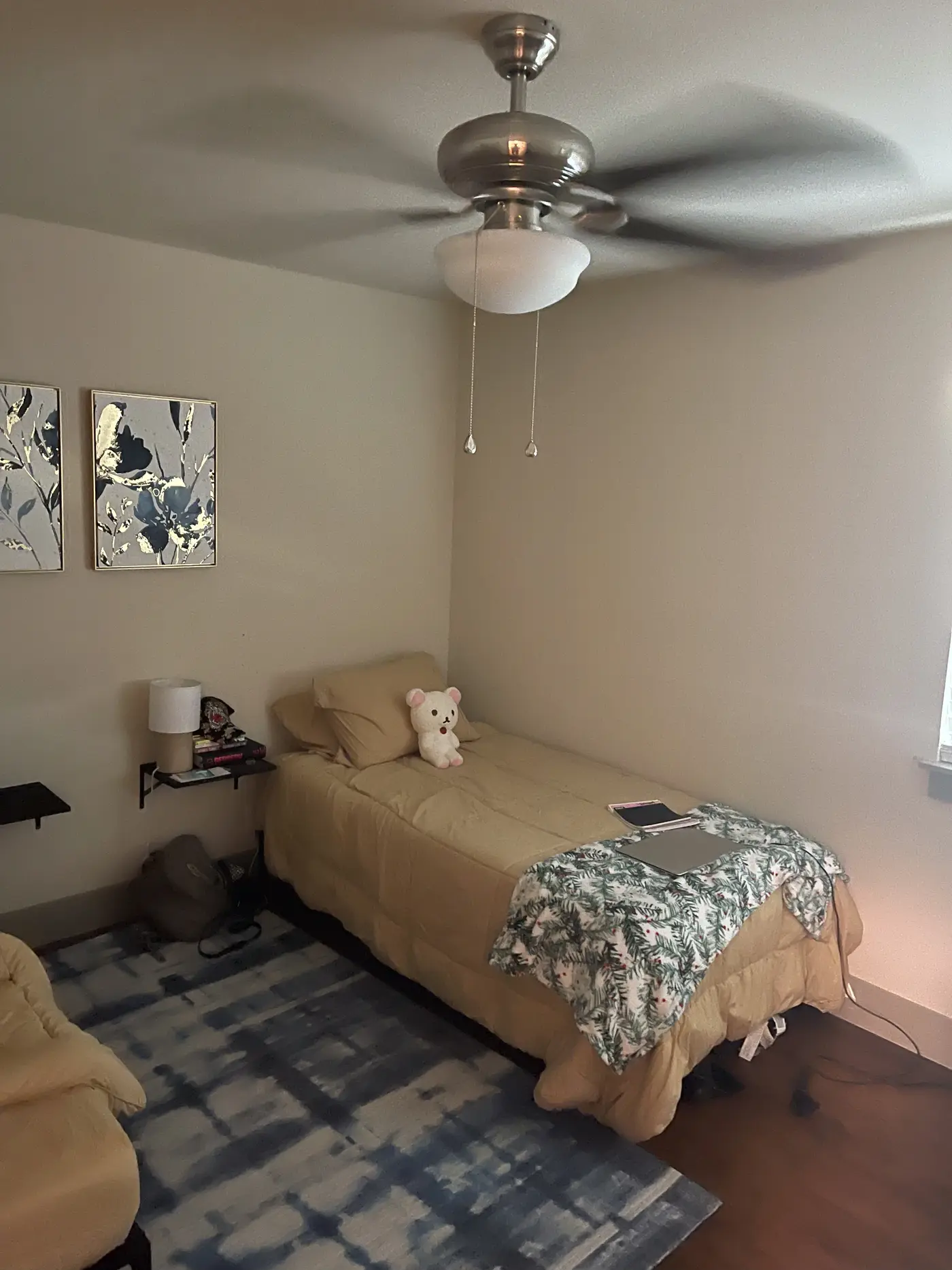
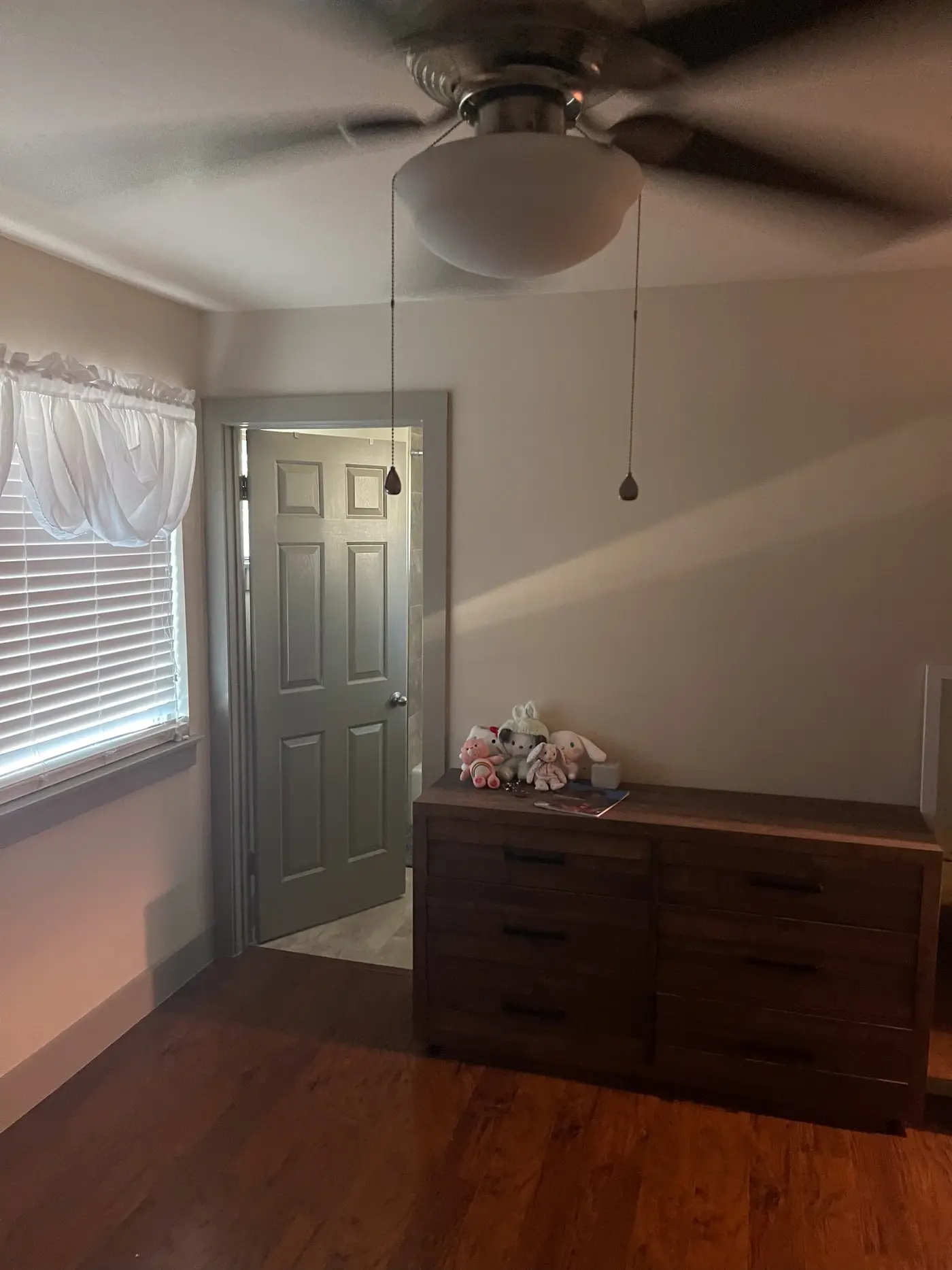
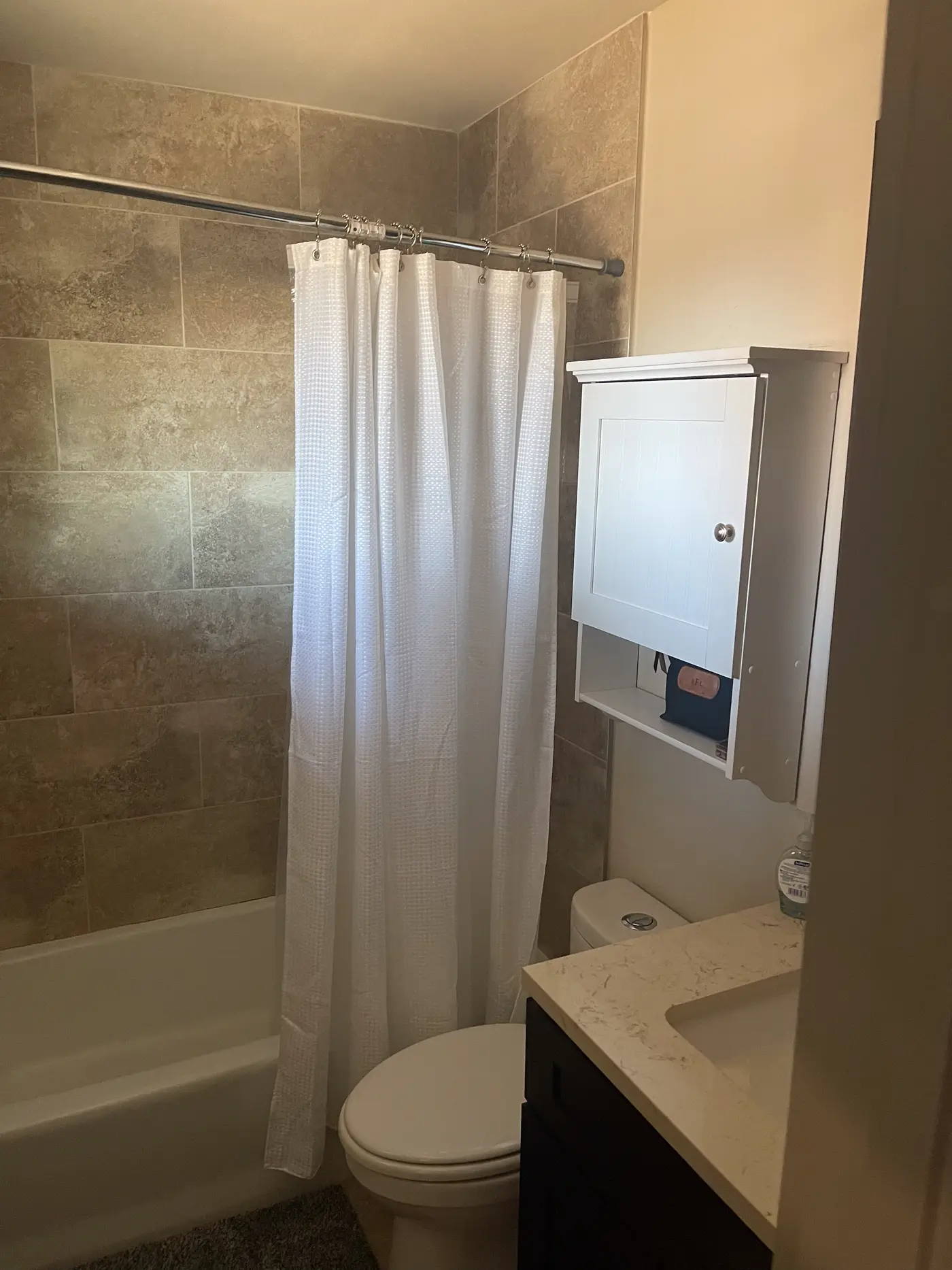
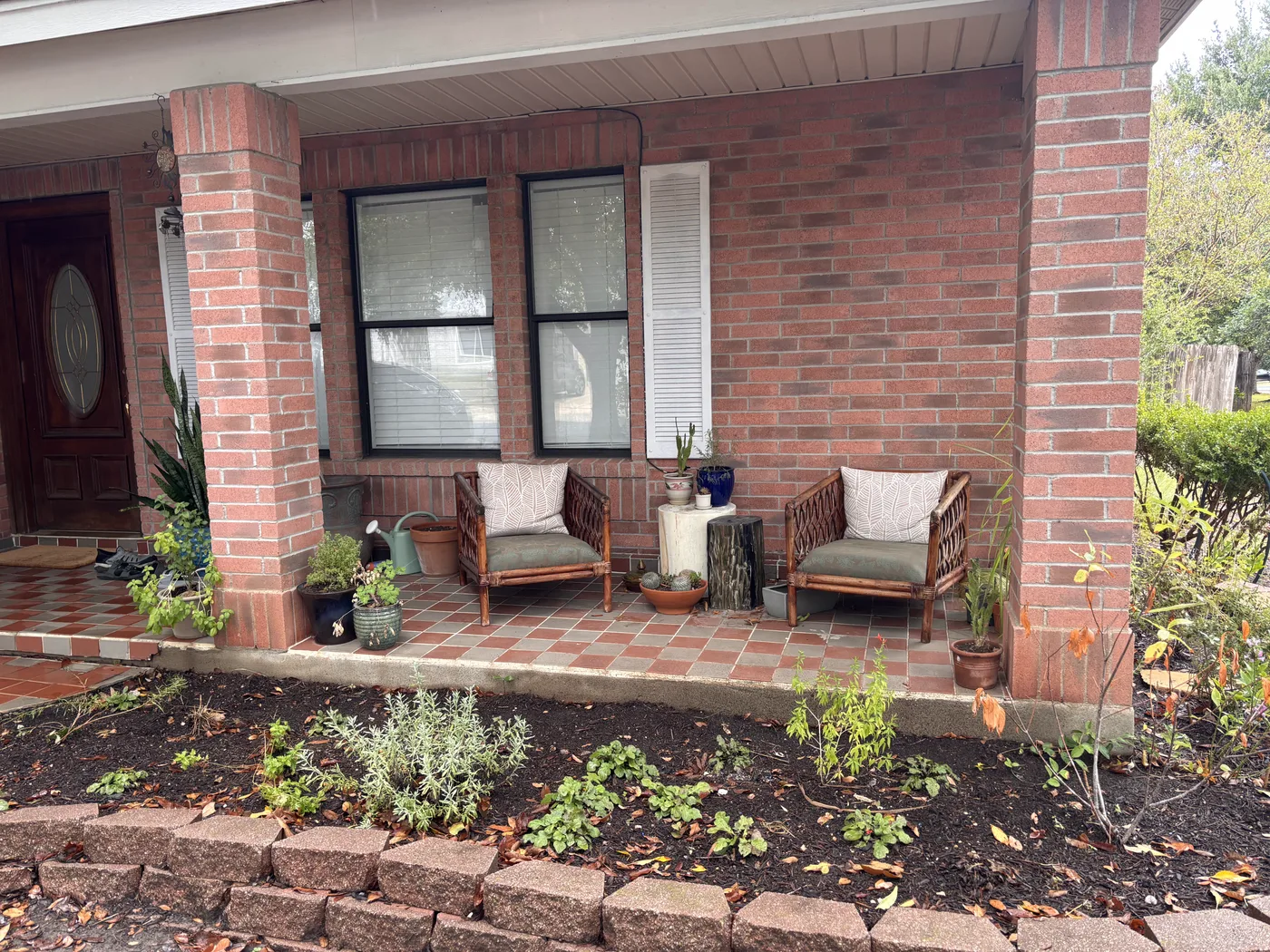
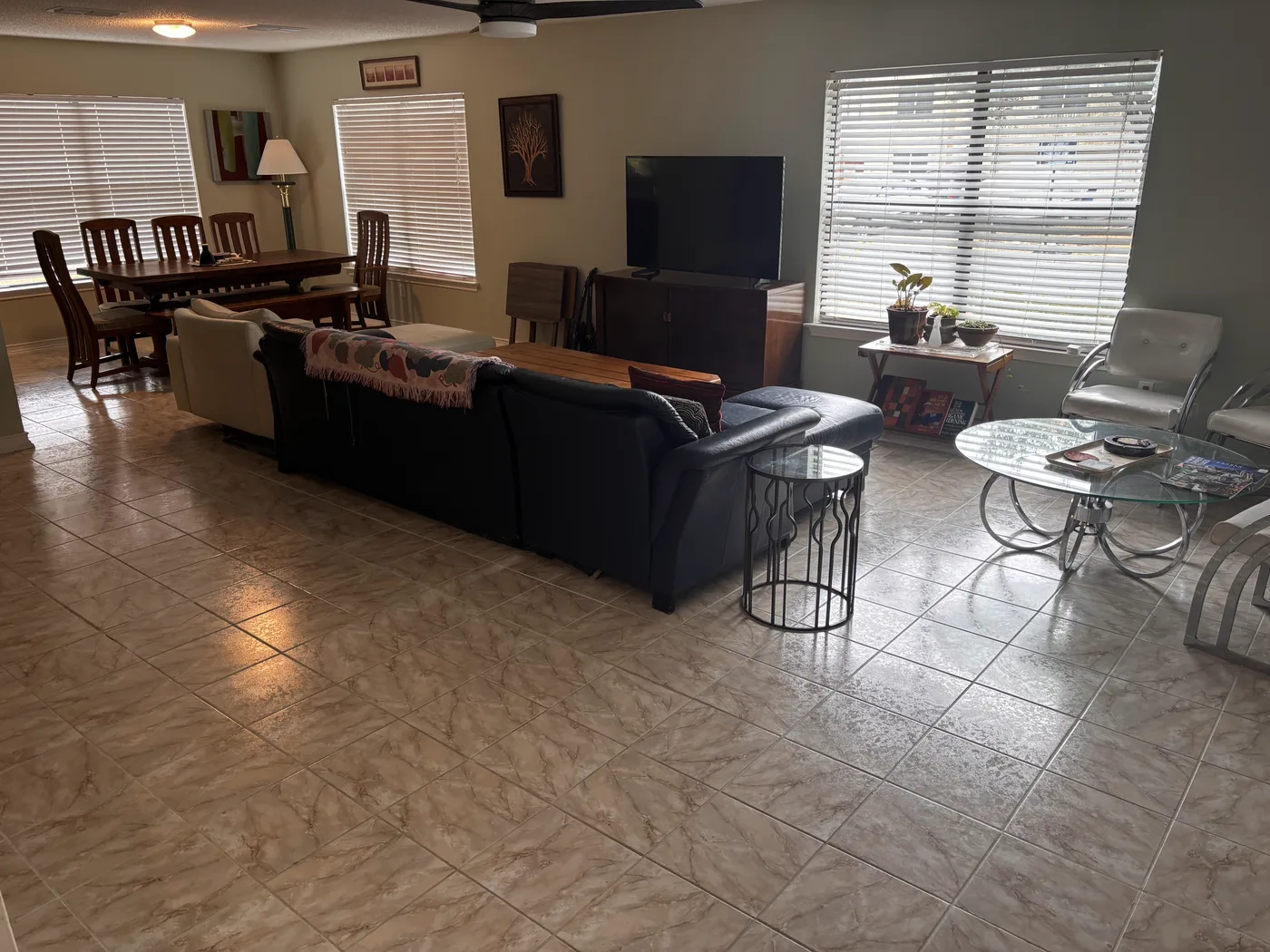
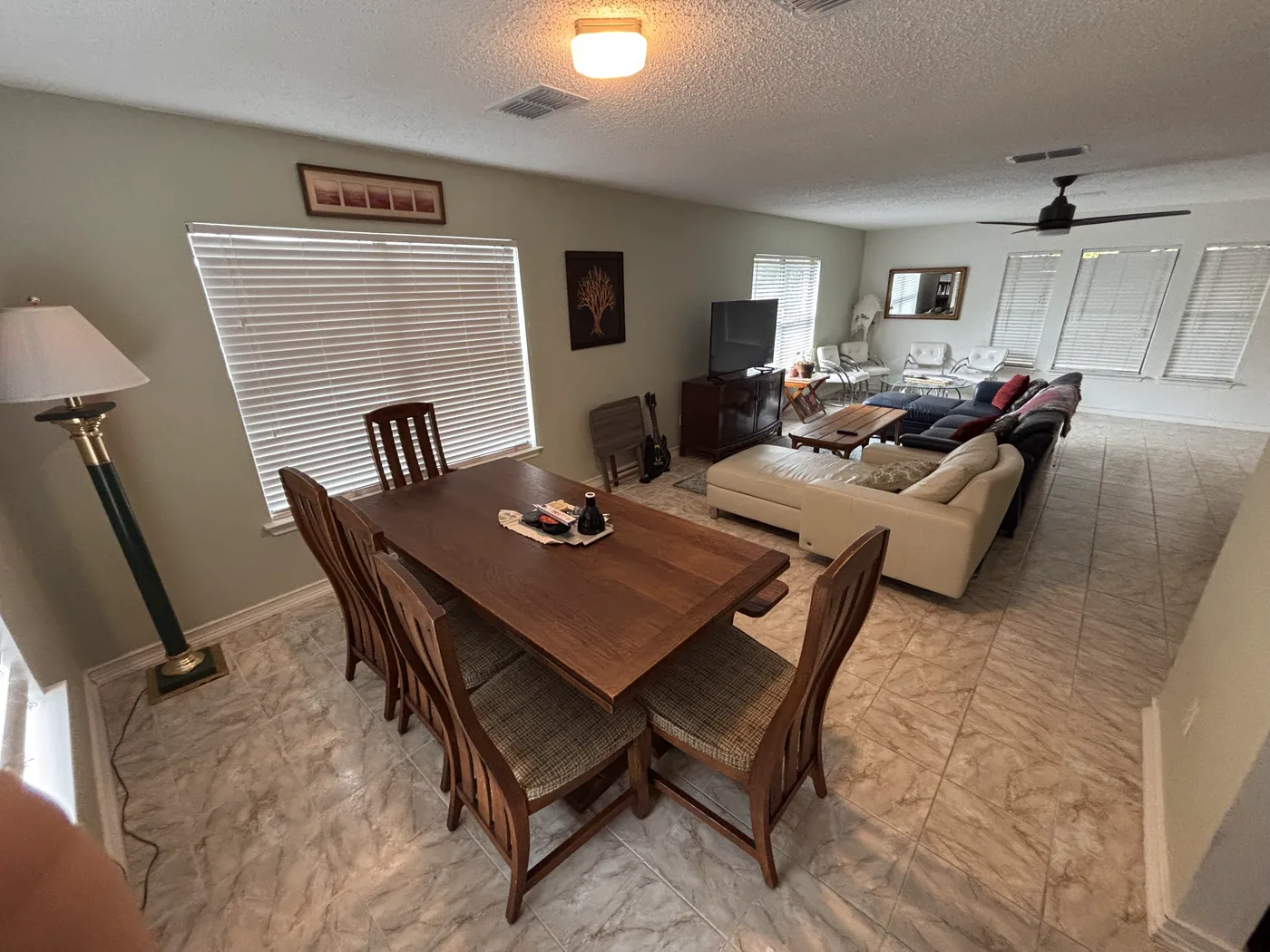
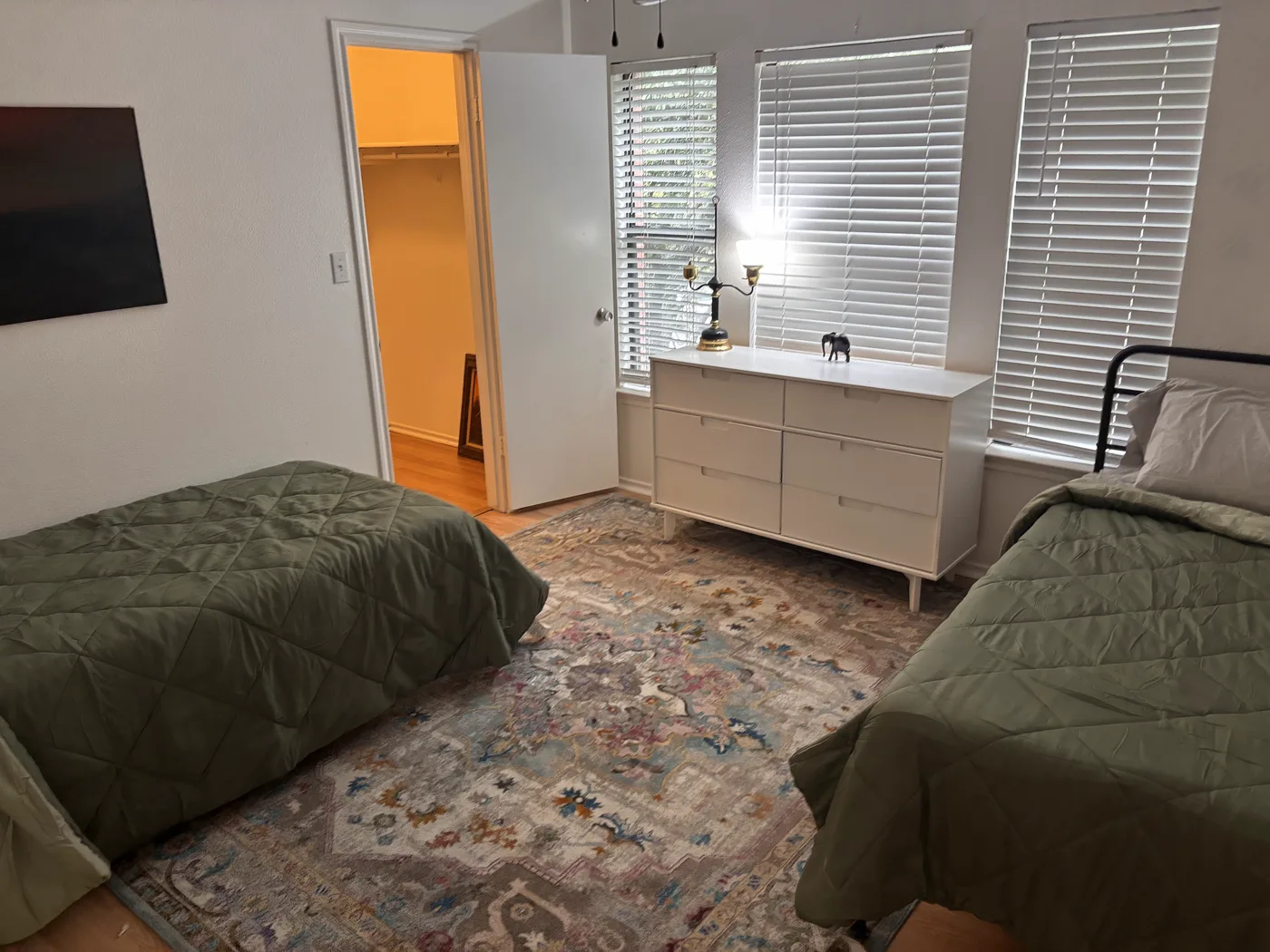
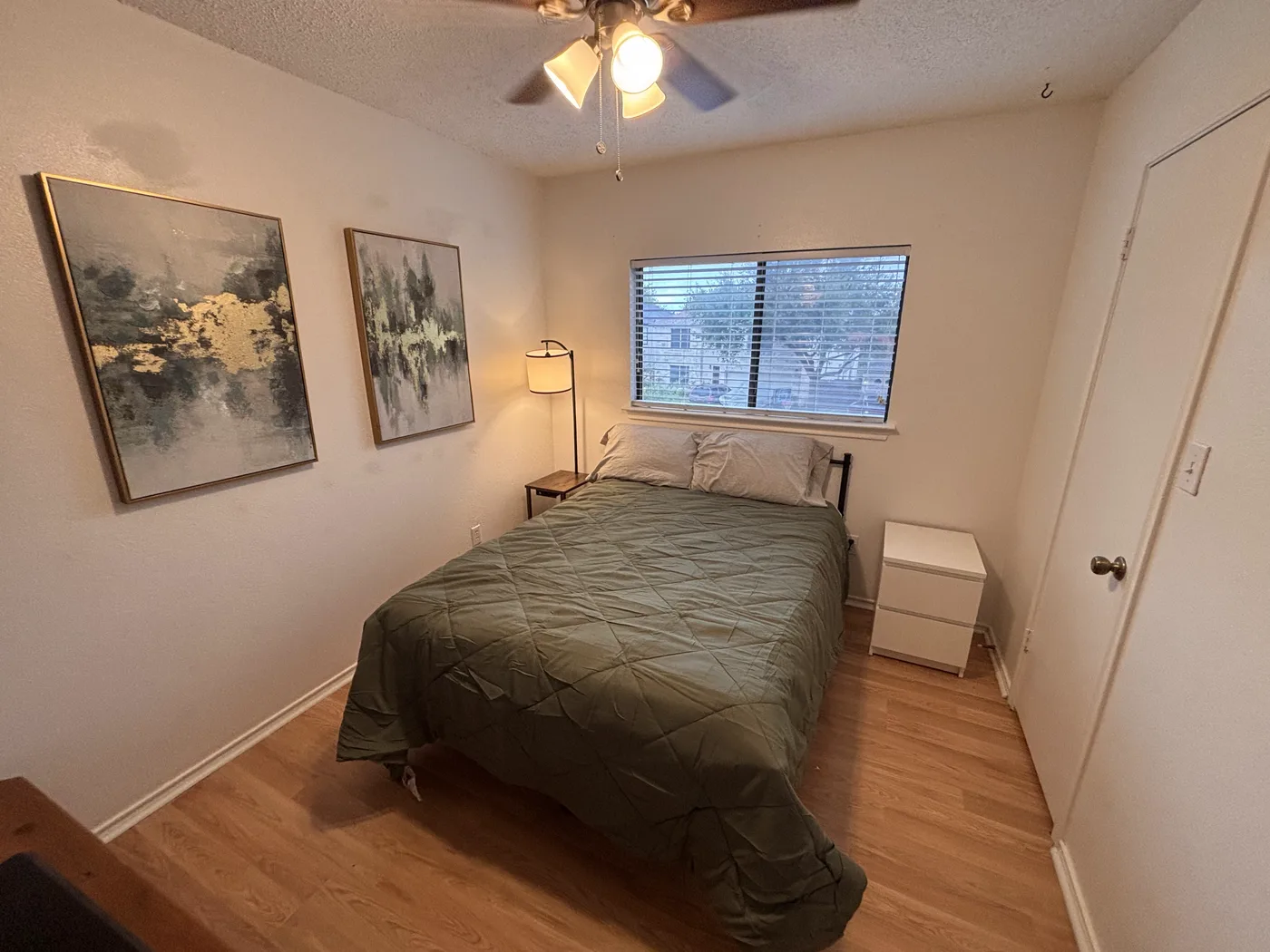
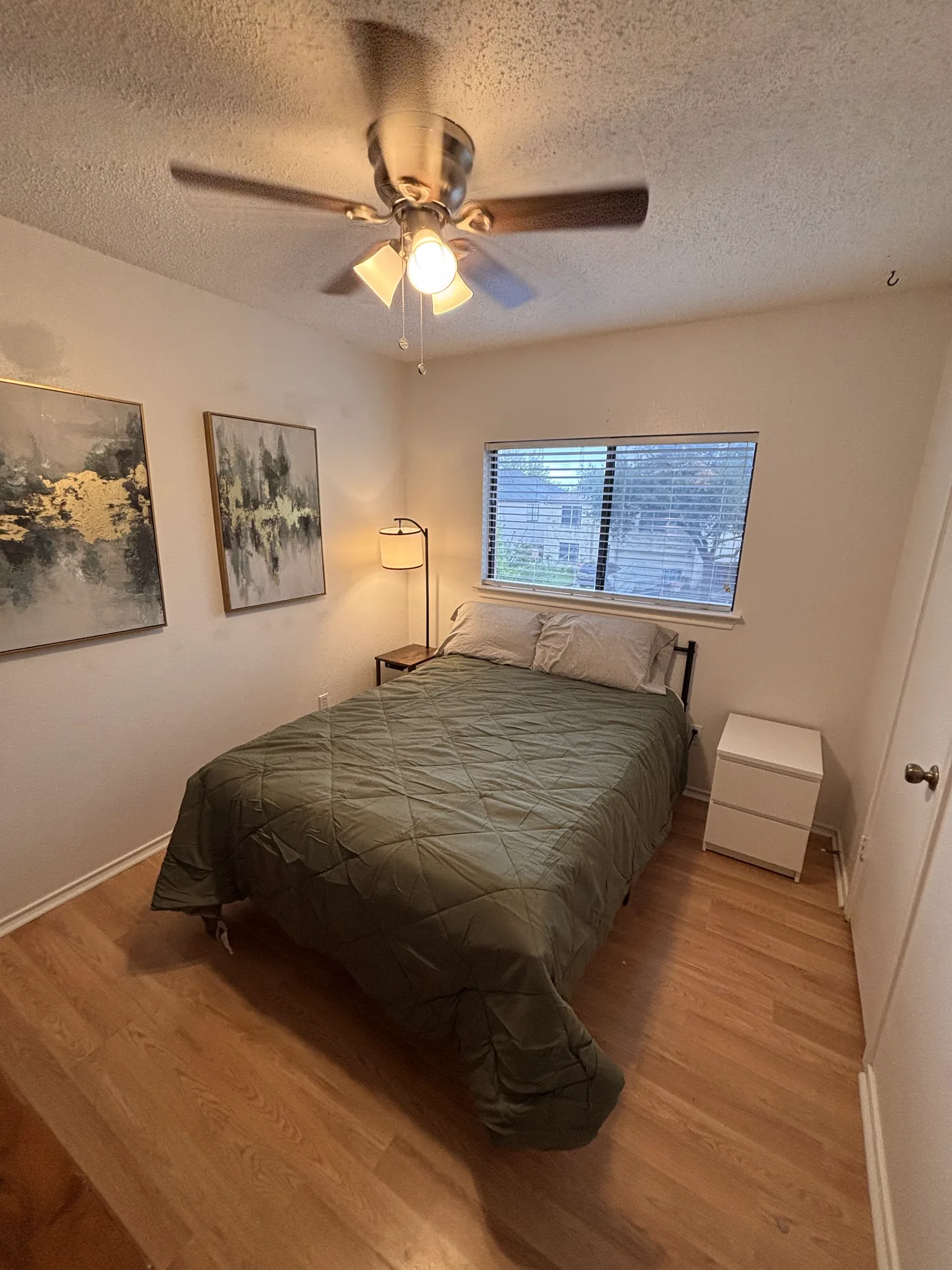
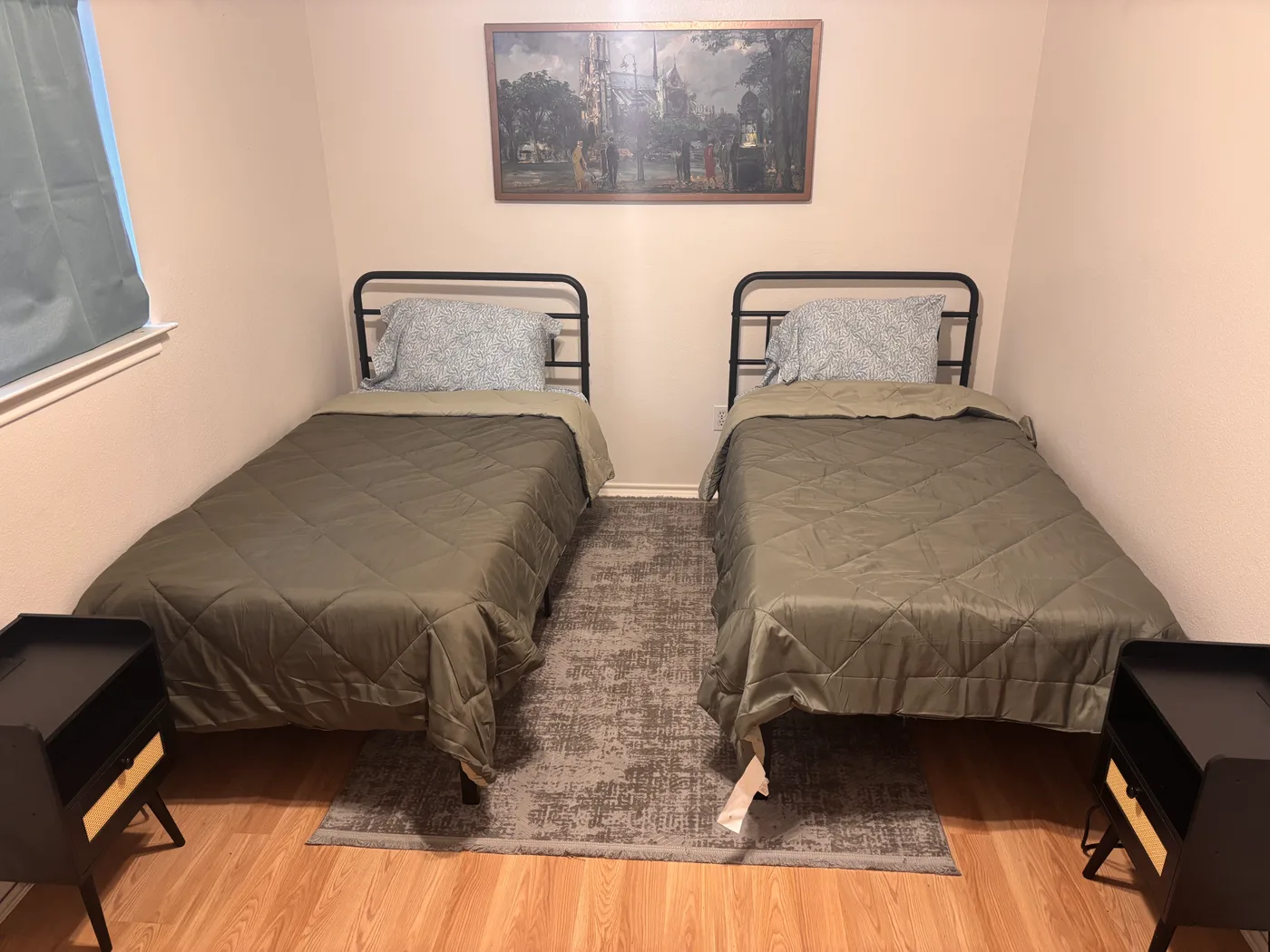
Morning (6:00 AM – 9:00 AM)
- Wake up at a consistent time
- Personal hygiene, breakfast, and medication (if prescribed)
- Morning reflection, journaling, or meditation, many residents use this time for spiritual practice or step work
- Chore completion before leaving for the day
Daytime (9:00 AM – 5:00 PM)
- Work, school, or IOP attendance, structured daytime engagement is required
- Therapy or counseling appointments as part of an outpatient treatment plan
- Lunch break, often used to connect with a sponsor or support network
Evening (5:00 PM – 10:00 PM)
- Dinner at the house, shared meals are a powerful community-building ritual
- Recovery meeting attendance (AA, NA, or similar programs)
- Free time for healthy recreation: exercise, hobbies, connecting with family
- Step work or call with a sponsor
- House meeting (typically once per week in the evening)
Night (10:00 PM – Lights Out)
- Curfew observed
- Wind-down routine: reading, journaling, personal reflection
- Consistent sleep schedule to support brain health and mood stability
This kind of rhythm might feel rigid at first, especially if you’re coming from a period of active addiction where days were unpredictable. But most residents describe a deep sense of relief that comes with knowing what’s expected of them and having a framework that carries them through the day.
How Structure Differs for Men's and Women's Sober Living in Austin
While the core rules and routines are similar across gender-specific homes, there are some meaningful differences in how men’s and women’s sober living environments are structured in Austin.
Women’s homes often place a stronger emphasis on trauma-informed care, emotional processing, and community bonding activities. Women in recovery are statistically more likely to have co-occurring mental health conditions, so programming in structured women’s sober living in Austin often reflects that nuance.
Men’s homes, like structured men’s sober living in Austin, often emphasize accountability structures, employment readiness, and peer-to-peer mentorship. Both environments prioritize safety, sobriety, and community, just with programming tailored to the specific needs of their residents.
Earning More Freedom Over Time
Structured sober living isn’t static. One of the most motivating aspects of a quality program is that the rules evolve with you. As you demonstrate consistency, staying sober, meeting your obligations, contributing positively to the household, you typically earn greater autonomy over time.
This might look like:
- Later curfew hours after several months of compliance
- Permission to have overnight guests after earning trust
- Transition to a less supervised living situation within the same program
- Taking on a leadership role in the house, like house manager, which carries additional responsibilities and respect
This graduated independence model mirrors the real world, it prepares you for autonomous, sober living in a way that feels earned rather than abrupt. To understand the full level of structure at Eudaimonia, you can review how structured Eudaimonia Recovery Homes really is.
What Happens If Rules Are Broken?
Transparency here matters. No one should move into a sober living home without understanding what happens when rules are violated. Most homes have a tiered consequences system:
- Minor violations (missed chore, curfew by a few minutes): Usually result in a warning or additional responsibility.
- Moderate violations (repeated curfew misses, disrespectful behavior): May result in a formal warning, house meeting discussion, or a temporary privilege reduction.
- Serious violations (positive drug test, bringing substances into the home, threatening behavior): Typically result in immediate removal from the home.
Consequences are applied consistently and fairly, and most house managers approach violations with a recovery lens, asking what’s going on for the person, not just enforcing punishment for its own sake. The goal is always to support sobriety, not to shame or punish.
Is Structured Sober Living Right for You?
If you’ve recently completed detox, inpatient treatment, or a residential program, or if you’ve struggled to maintain sobriety in an unstructured environment, structured sober living in Austin could be exactly the bridge you need. The rules and routines aren’t obstacles to your freedom. They’re the scaffolding that helps you rebuild a life worth living.
Austin is also an exceptional city for recovery. Between its vibrant 12-step community, abundance of outpatient programs, and strong culture of wellness and outdoor activity, it offers a genuinely supportive backdrop for the work of getting and staying sober. For an in-depth look at your options, explore our guide to quality sober living options in Austin, TX.
Take the Next Step Toward Structured Recovery in Austin
At Eudaimonia Recovery Homes, we’ve helped hundreds of men and women in Austin build sustainable sobriety through structured, community-centered sober living. Our homes offer the accountability, routine, and peer support that make early recovery not just survivable, but genuinely meaningful.
Whether you’re looking for a fresh start after treatment, trying to get back on track after a relapse, or seeking a safe and supportive place to rebuild your life, we’re here to help. Reach out to our team today at (512) 240-6612 or submit a sober living program application To take the first step. You don’t have to figure this out alone, structured support is just a phone call away.


