

Published November 24, 2025 · Updated February 18, 2026
Key Takeaways
- Typical stay lengths range from a recommended baseline of about 90 days to common stays of three to nine months, with flexibility based on how stable your recovery feels.
- Personal factors matter because your history with substances, mental health needs, work or school, and finances all influence how long it makes sense to remain in sober living.
- Long-term options exist through peer‑run and some staffed homes in Austin, where residents can remain for a year or longer when the structure and community continue to help.
- Readiness to move out is usually based on consistent sobriety, stable income or schooling, a safe next place to live, and a clear relapse‑prevention and support plan.
- Plan your next steps by asking each Austin sober living program about its minimum stay, maximum flexibility, review process, and housing support so your timeline fits your goals.
Choosing a sober living home Austin residents trust often raises a key question: how long can you live there while you rebuild daily life in recovery Across Austin sober living programs, most people are encouraged to plan on at least 90 days in structured housing, with many staying five to nine months and some remaining a year or longer when that support still helps.
At the same time, some peer‑run homes operate month‑to‑month with no formal maximum as long as residents follow the rules and pay their share.
This guide explains how length of stay usually works in sober living homes in Austin, Texas, what can influence your personal timeline, and how to plan for a safe transition out of recovery housing.
On This Page · 25 Sections

Sober Living
Austin
10506 Parkfield Dr, Austin, TX 78758
What a sober living home Austin residents use actually is
A sober living home is alcohol‑ and drug‑free shared housing with rules, regular drug or alcohol testing, and peer accountability. It bridges the gap between intensive treatment and fully independent living. If you’re exploring sober living in Austin, TX for the first time, a sober living home is alcohol‑ and drug‑free shared housing with rules, regular testing, and peer accountability.
In Austin, sober living homes are often:
- Gender‑specific, with separate houses or apartments for men, women’s sober living homes in Austin, Texas, and LGBTQ+ residents. Gender‑specific, with separate houses or apartments for men, women, and LGBTQ+ sober living in Austin.
- Structured, with curfews, house meetings, chores, and recovery‑related expectations such as support groups or outpatient care.
- Integrated into the city, so residents can access public transit, jobs, colleges, and local recovery meetings.
Texas treats these residences as housing rather than treatment, but it now offers voluntary accreditation for “recovery houses” that meet standards consistent with the National Alliance for Recovery Residences (NARR) and Oxford House. The Texas Recovery Oriented Housing Network (TROHN) maintains a directory of certified homes statewide.
How long can you live in a sober living home in Austin, TX?
Short answer
Putting different Austin guides, directories, and program descriptions together, several patterns appear:
- Plan on at least 90 days. Shorter stays are common but are less often recommended as a minimum goal.
- Expect a common range of 3–9 months. Many residents move out somewhere in this window once work, school, and support systems feel steady.
- Recognize that 6–12+ months is also normal. Some people extend their stay to consolidate skills, save money, or mentor newer residents.
- Know that some homes are open‑ended. In Oxford House‑style residences, there is no preset maximum; you can stay as long as you follow rules, stay sober, and contribute financially.
Recent research on sober living houses found that residents who stayed at least six months had better abstinence, mental health, and legal outcomes than those who left earlier.
Typical ranges you will hear
When you talk with admissions teams or review directories for Austin sober living, you will often see:
- 30, 60, 90‑day phases in some extended‑care or “step‑down” programs.
- 3–6 months as a standard expectation for many staffed homes.
- Six months to a few years as a possible span in some recovery residences and peer‑run houses.
For more specifics on timelines and how outpatient care fits into the picture, see our detailed guide on how long you can live in Austin sober living.
Why programs talk about a 90‑day baseline
Many addiction‑treatment and recovery‑housing sources point to about three months of structured involvement (treatment, sober living, or both) as a practical threshold for better outcomes.
Ninety days gives you time to:
- Move through acute withdrawal and early cravings with support.
- Build routines for work, school, sleep, meals, and meetings.
- Test relapse‑prevention strategies in real life instead of only in treatment settings.
From there, most providers encourage reassessing every month or two instead of setting a rigid end date on day one.
What affects how long you stay
Recovery and clinical needs
Your personal recovery history shapes your ideal timeline in sober living homes in Austin Texas:
- Past relapses or overdoses may suggest a longer stay with more structure.
- Co‑occurring mental health conditions (such as depression or anxiety) often call for extended support while therapy and medication plans stabilize.
- Ongoing engagement in intensive outpatient (IOP), individual counseling, or mutual‑help groups can make a longer stay more useful, because you have extra time to practice what you learn in these settings.
One study of treatment‑affiliated recovery housing found that structured sober living was linked to longer treatment engagement and higher rates of satisfactory discharge.
Practical factors
Non‑clinical issues also matter:
- Employment and school. If you are just starting a new job or semester, staying in the same structured environment through that transition may reduce stress.
- Finances and housing. Sober living can offer time to save for deposits, clear debts, or identify a stable next home.
- Transportation and location. Proximity to work, meetings, and healthcare can make staying longer in the same house more convenient.
House model and rules
Different house structures in Austin sober living influence timelines:
- Staffed homes may spell out a typical range (for example, 3–12 months) and use phases that gradually relax curfews or meeting requirements as you progress.
- Peer‑run homes such as Oxford House vote on membership, split expenses, and operate month‑to‑month with no fixed maximum; average stays often reach a year or more.
- Accredited recovery residences in Texas follow NARR‑aligned standards that emphasize safety, ethics, resident rights, and written policies.
Because of this variation, the same person might get very different answers about “how long you can live there” depending on the home they ask.
Can Austin sober living be long‑term housing?
Some people use sober living mainly as a short‑term bridge after rehab. Others find that staying longer provides stability similar to a supportive roommate situation.
Staffed programs
Staffed programs typically present sober living as time‑limited but flexible. Evolving research and provider guidance show benefits when residents remain six months or more, especially for those with multiple prior treatment attempts.
However, these homes still encourage people to transition to independent housing once key stability markers, consistent sobriety, income, and support, are in place.
Inside the Austin homes
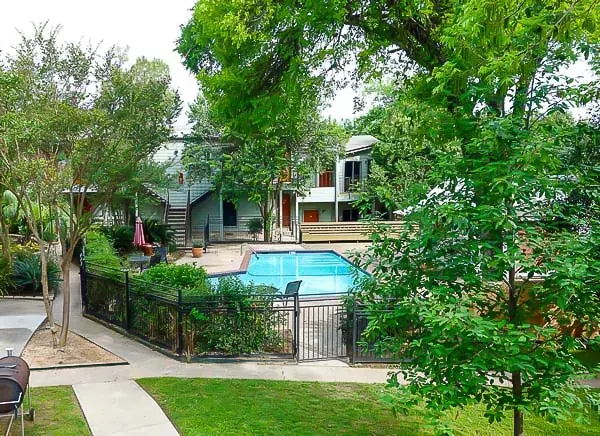
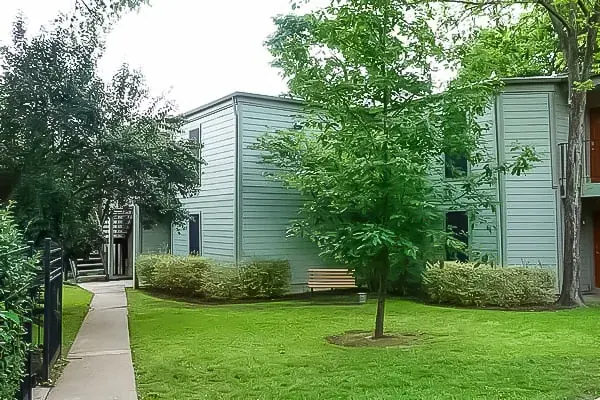

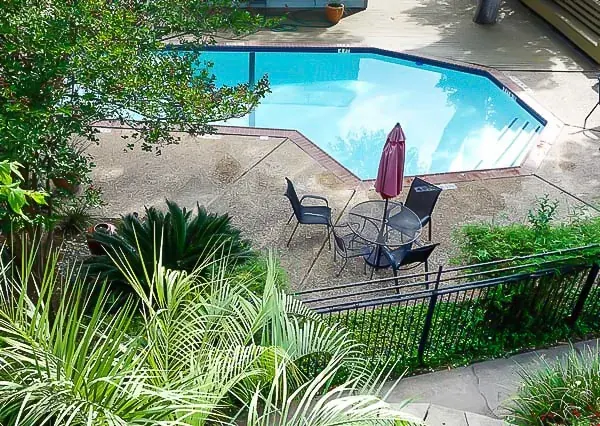
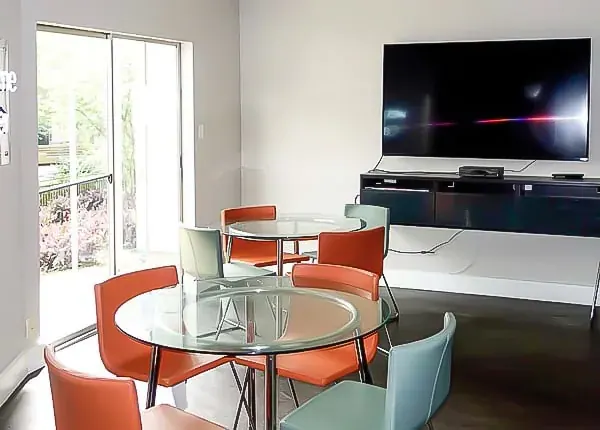
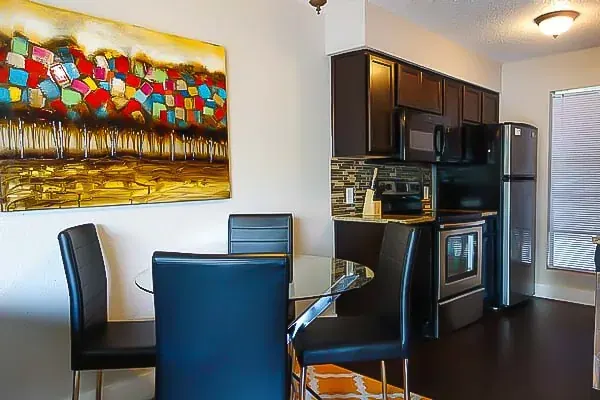

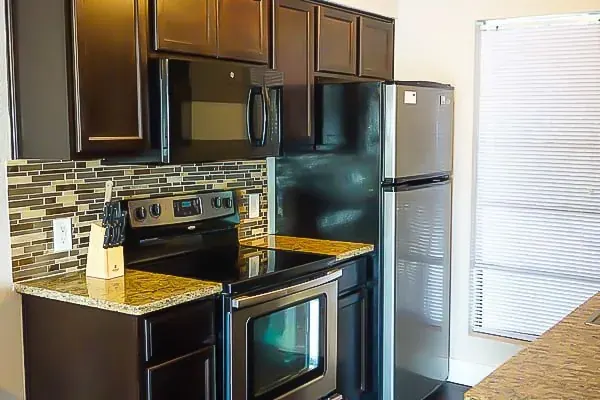
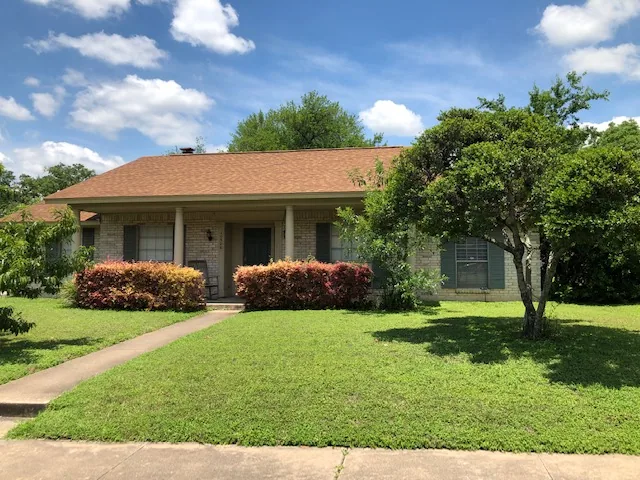
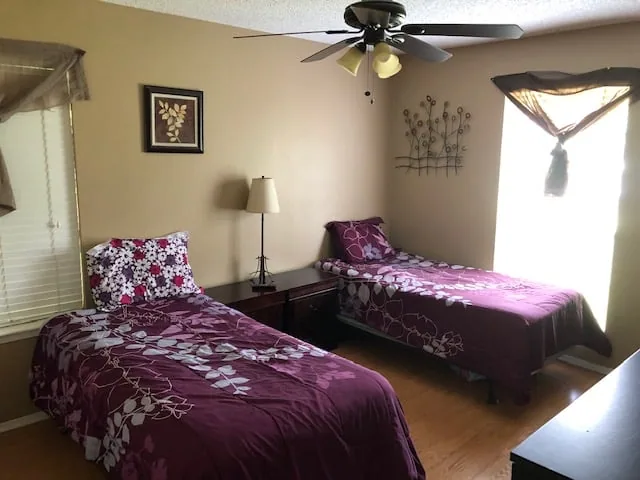
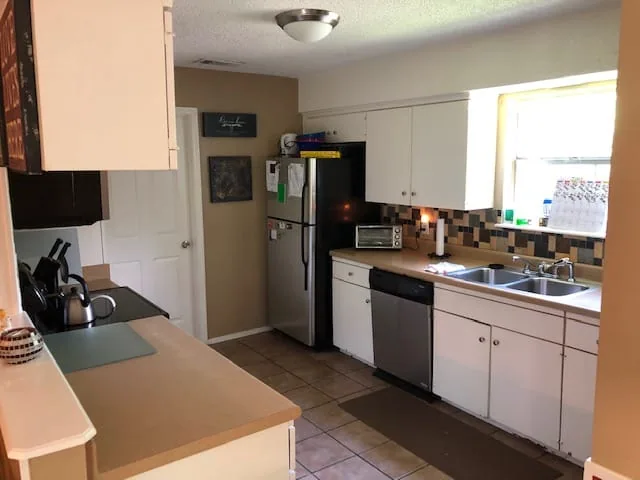
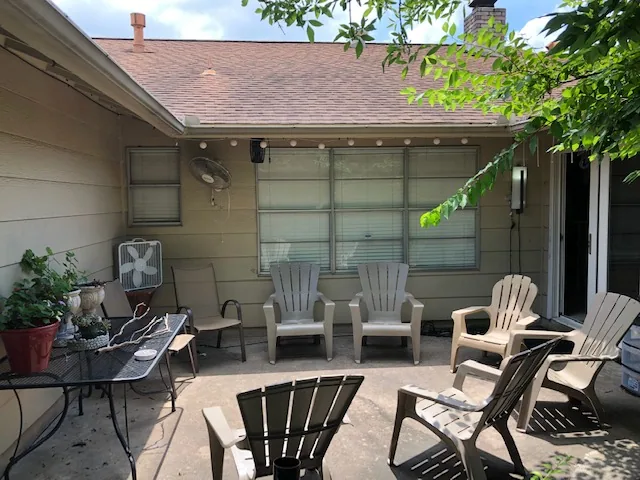
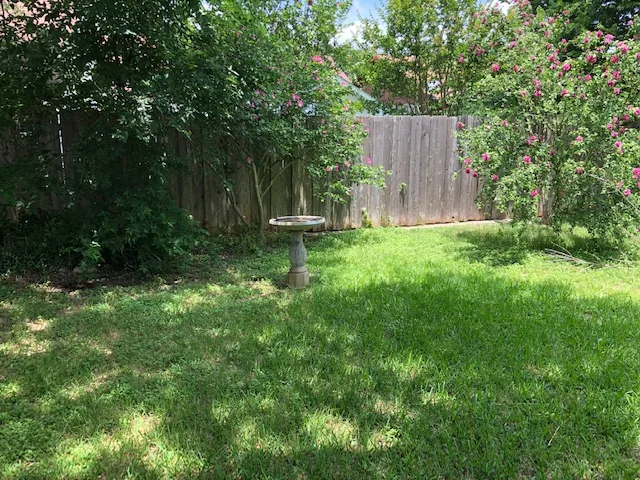
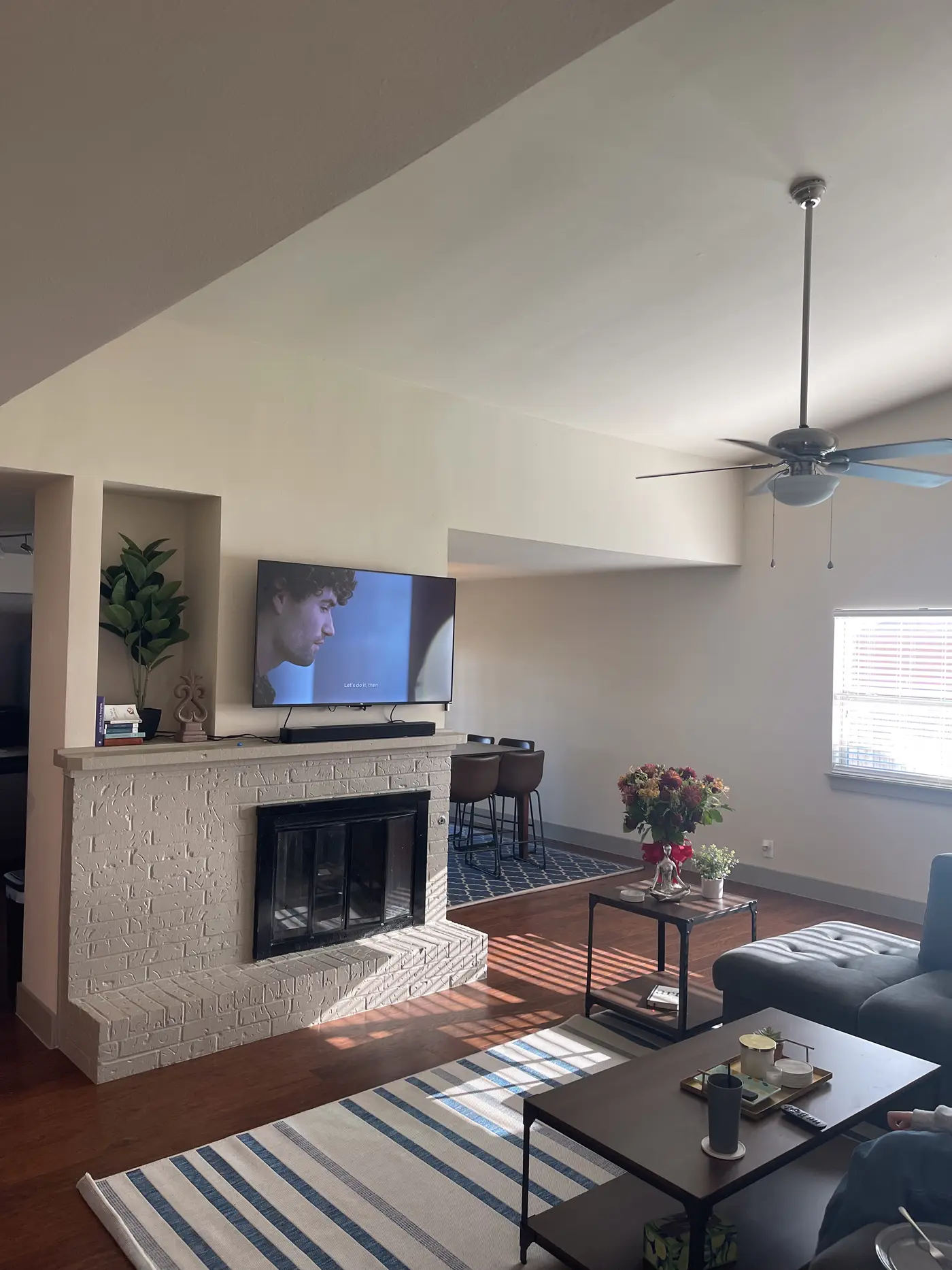
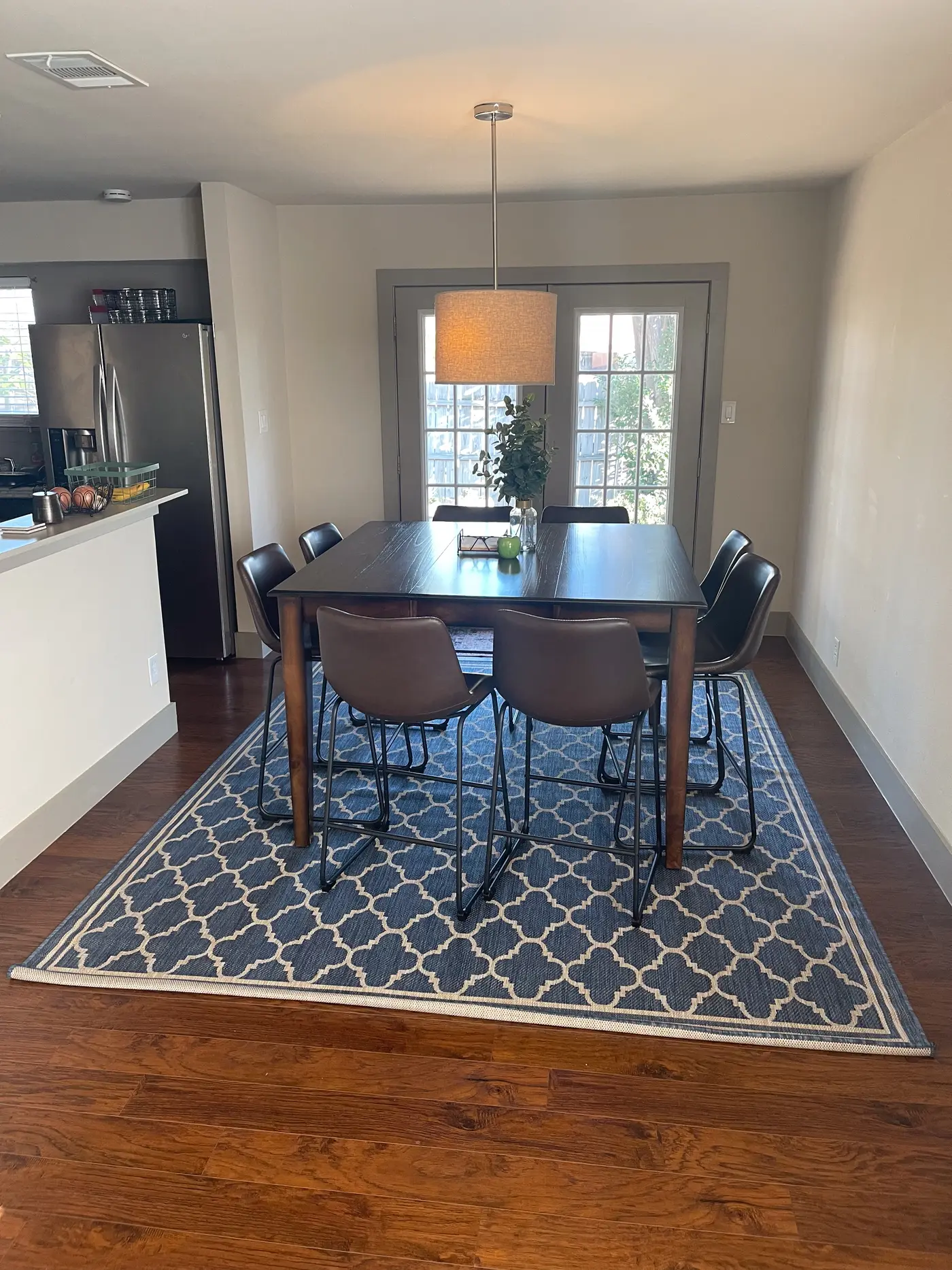
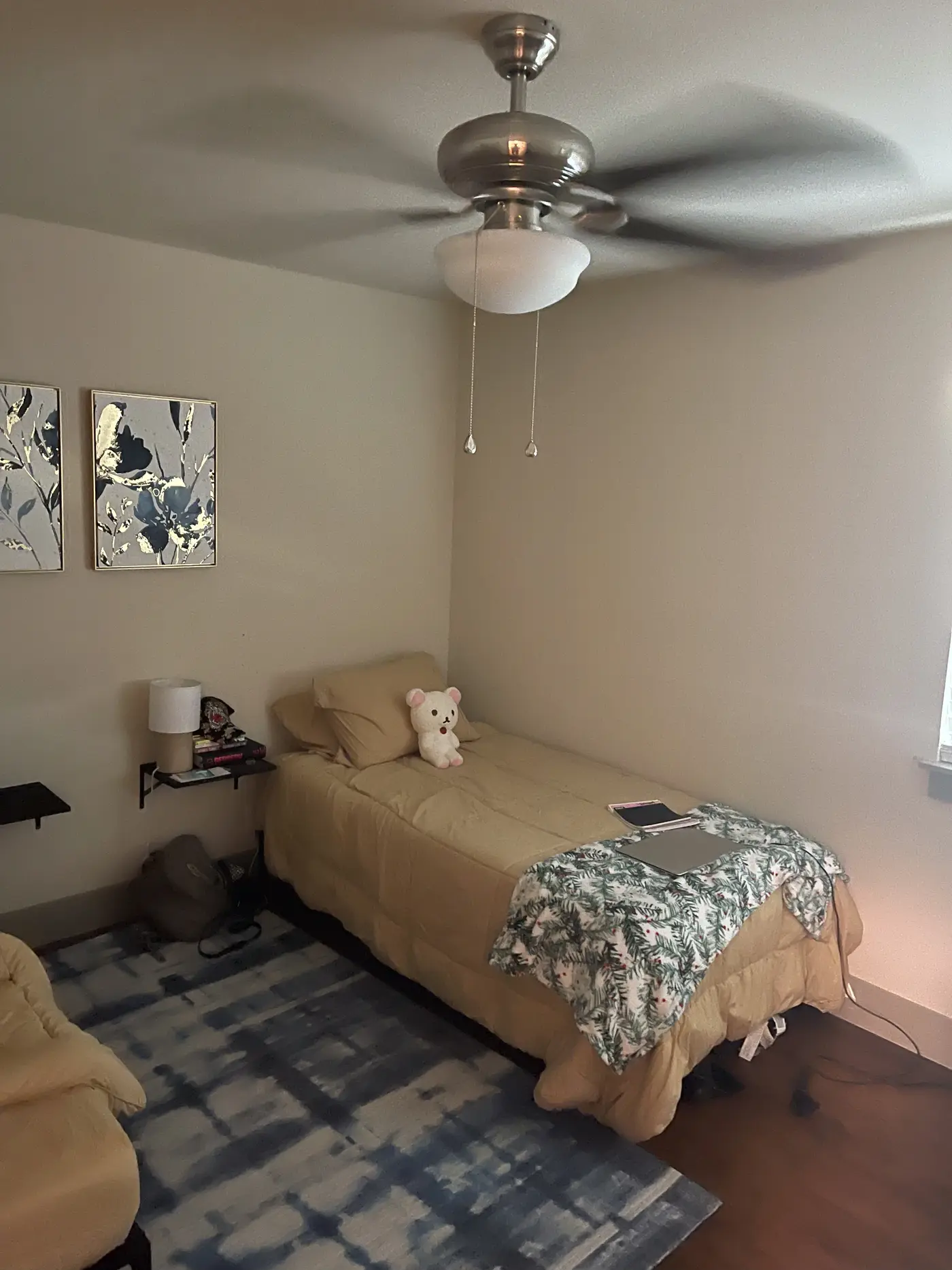
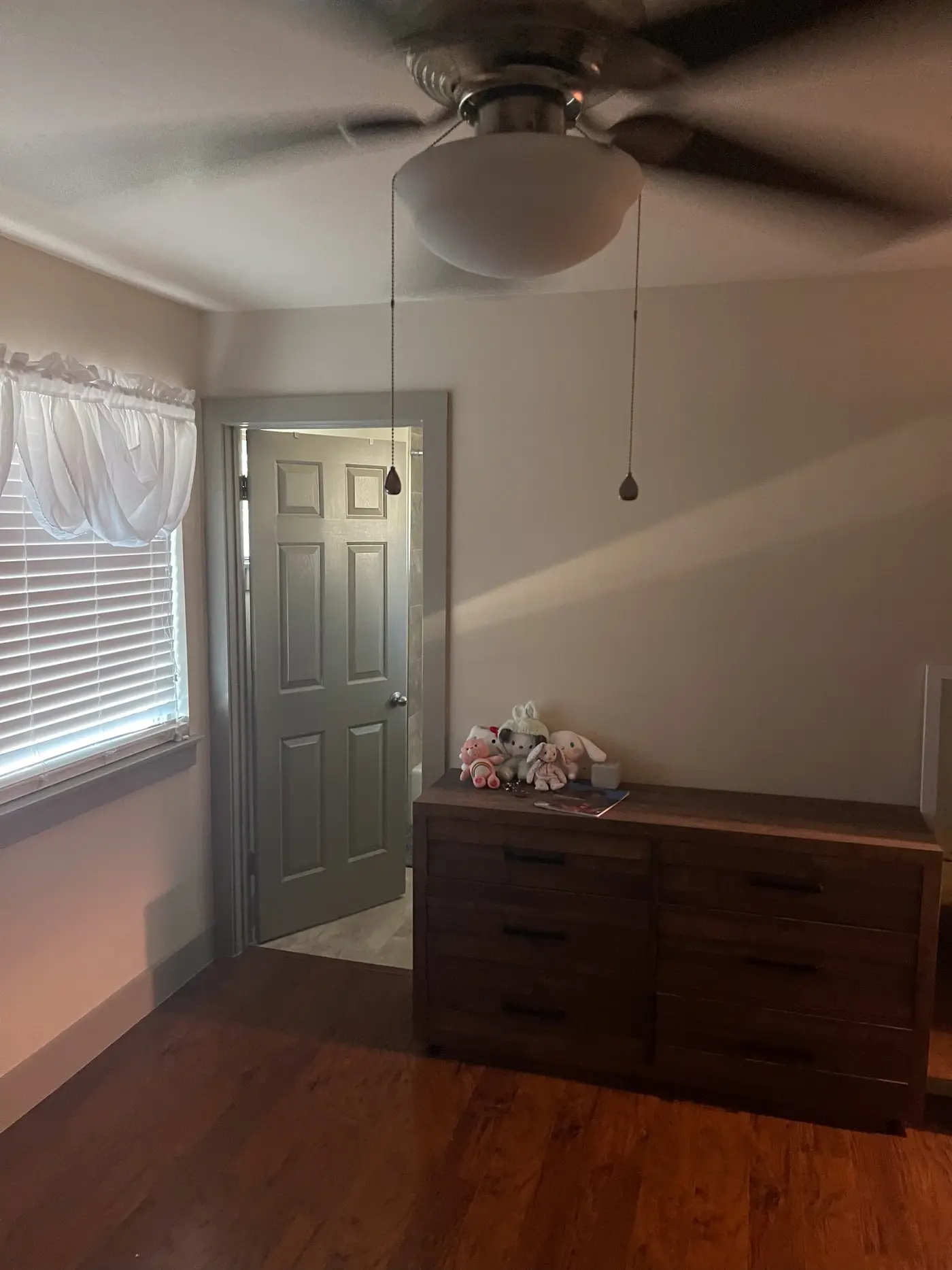
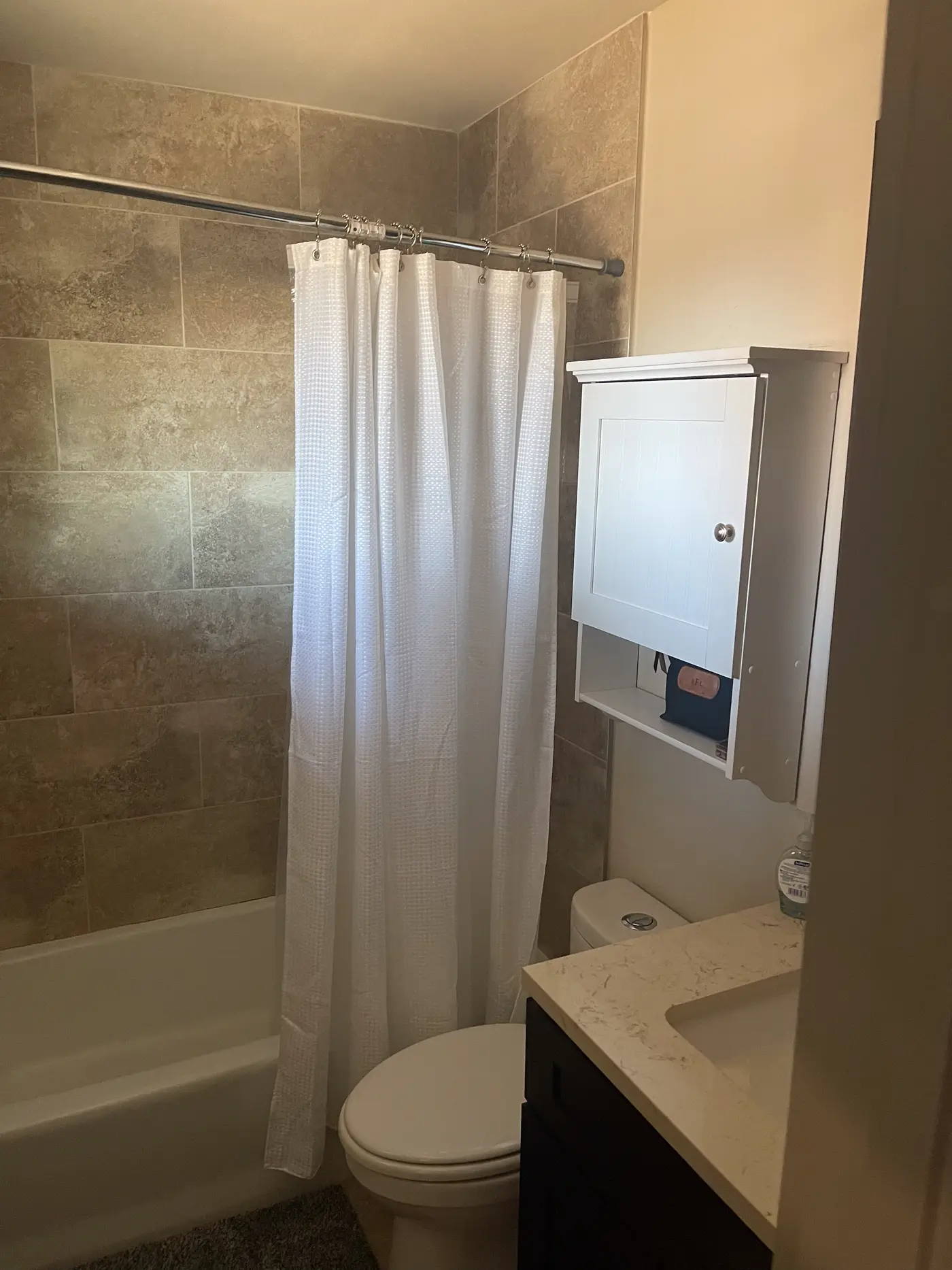
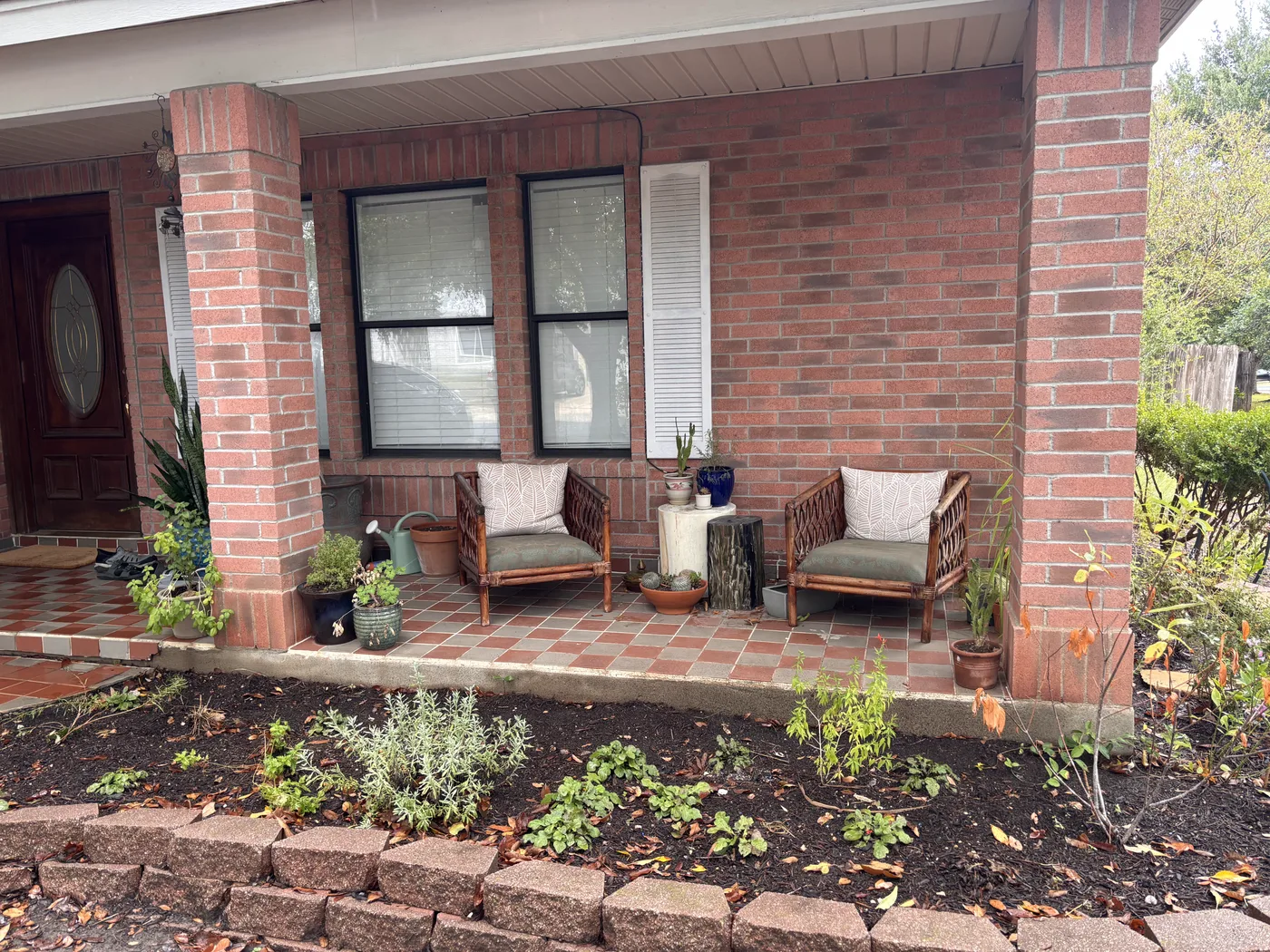
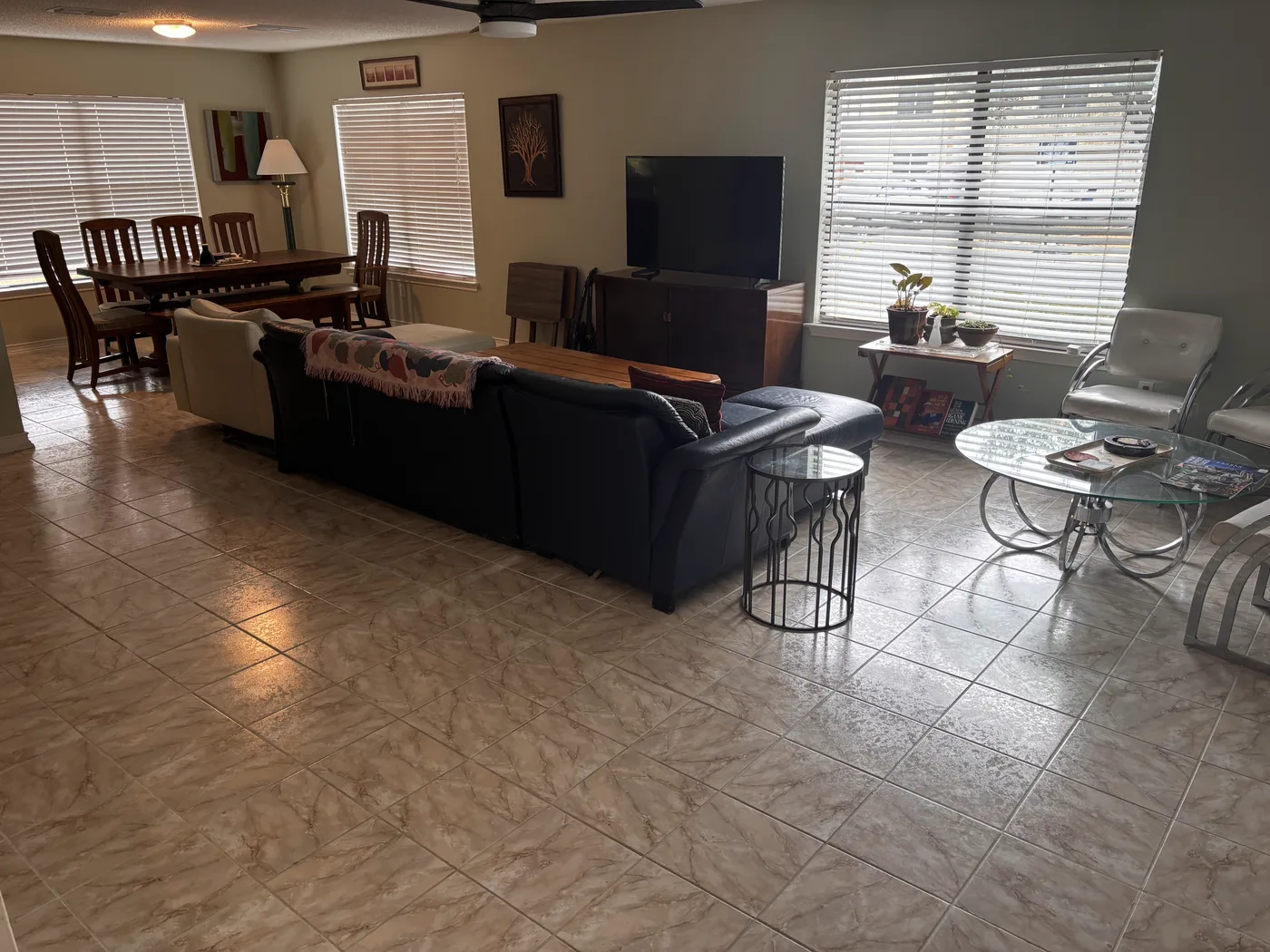
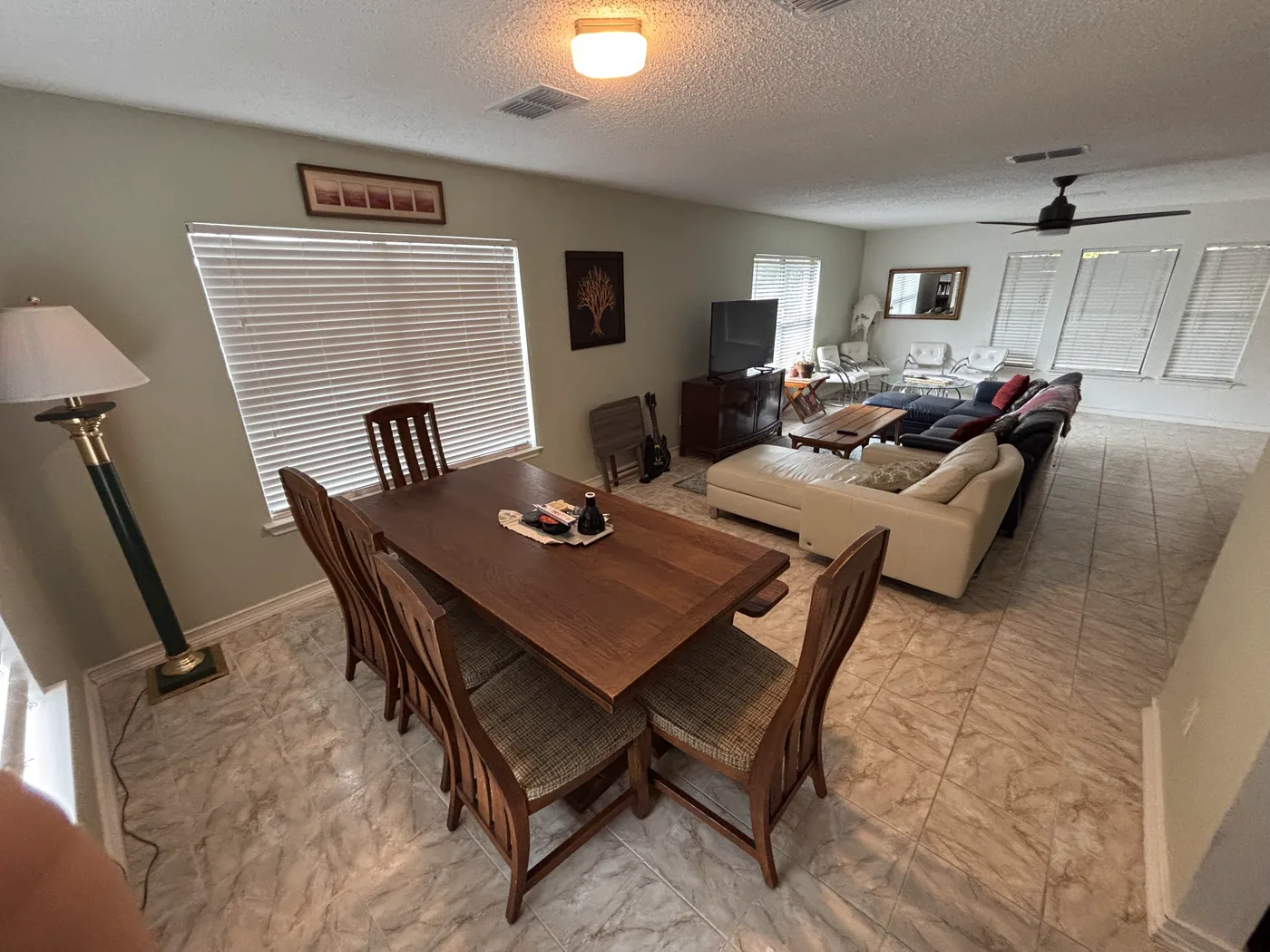
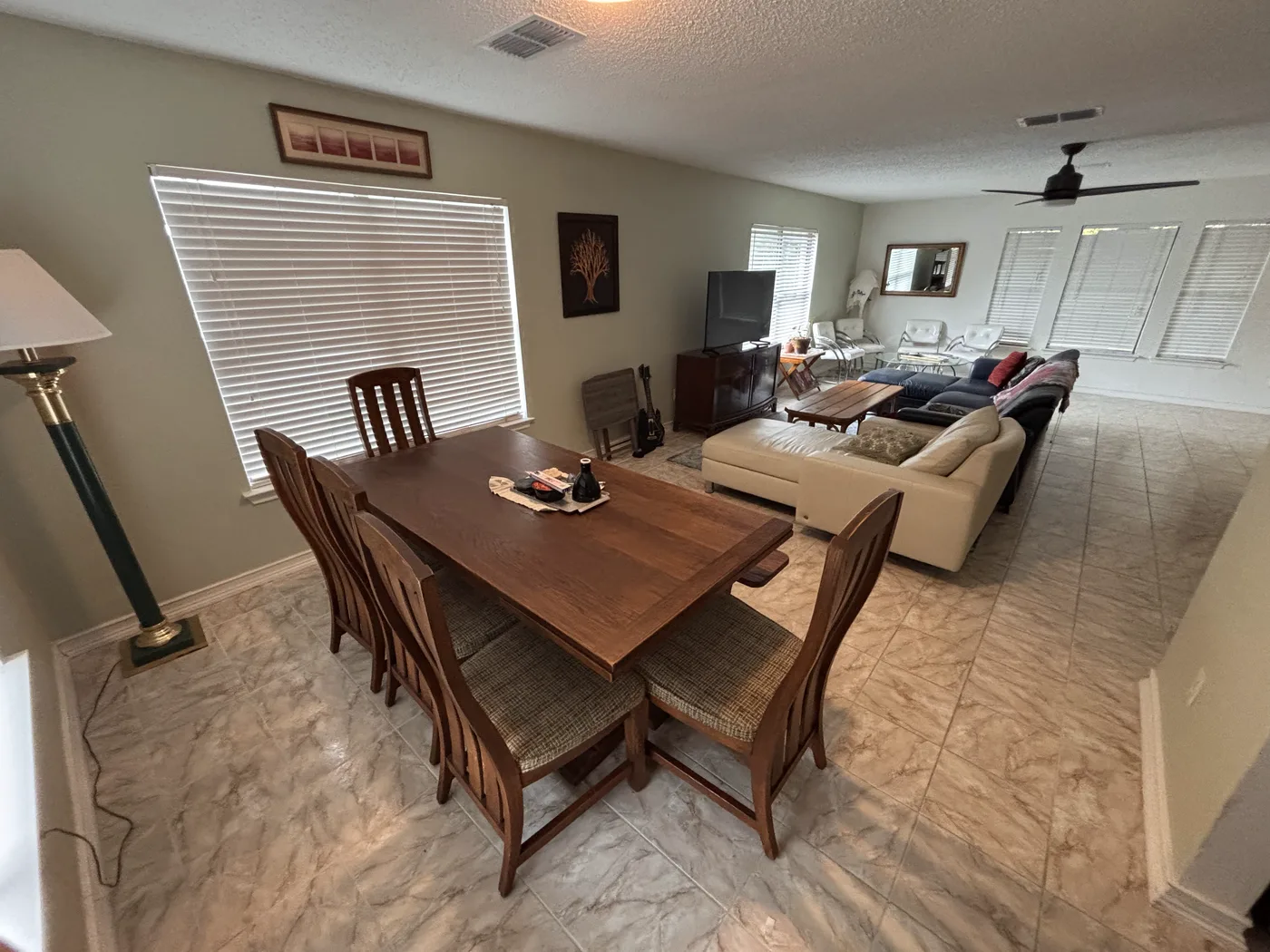
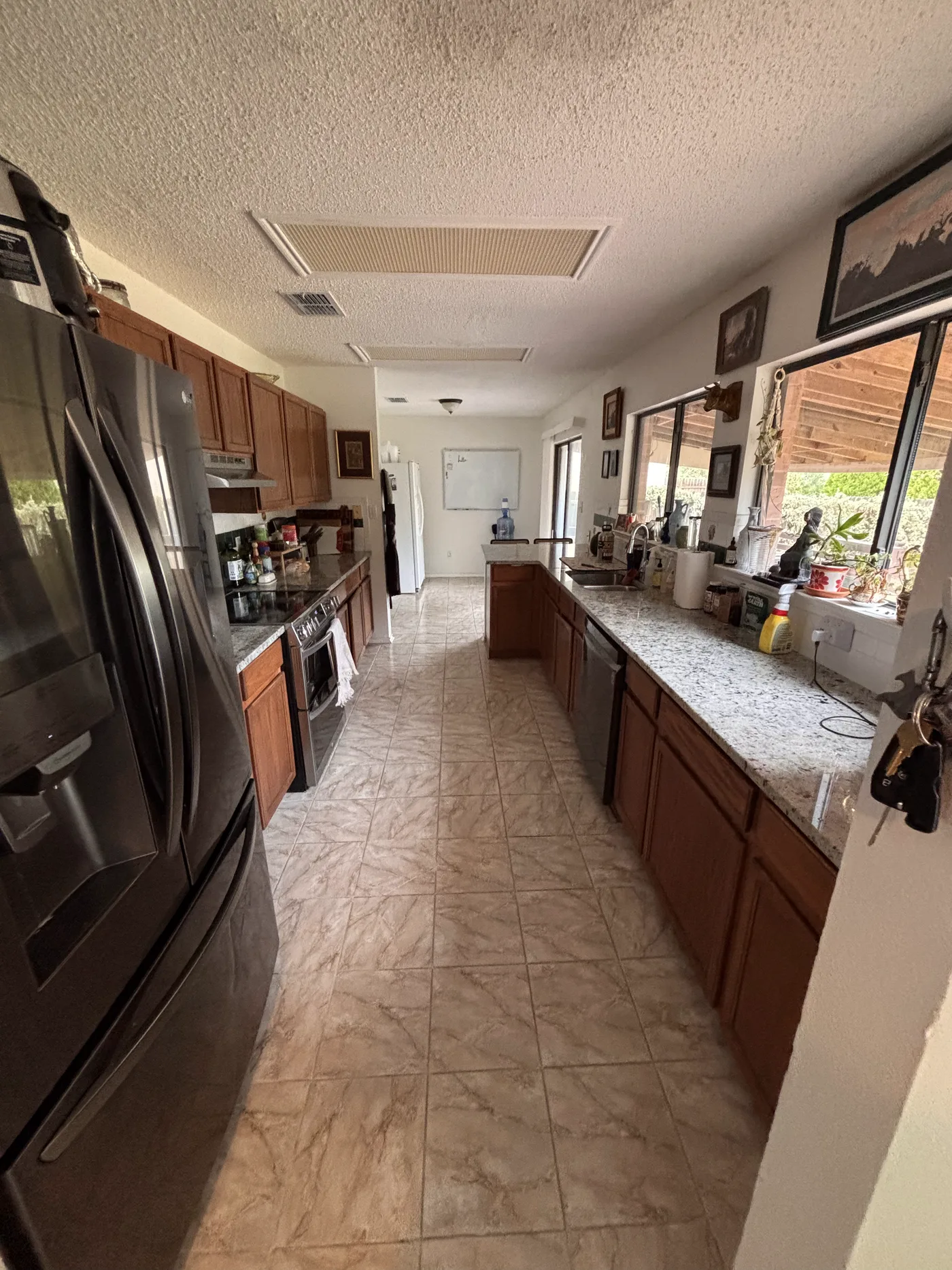
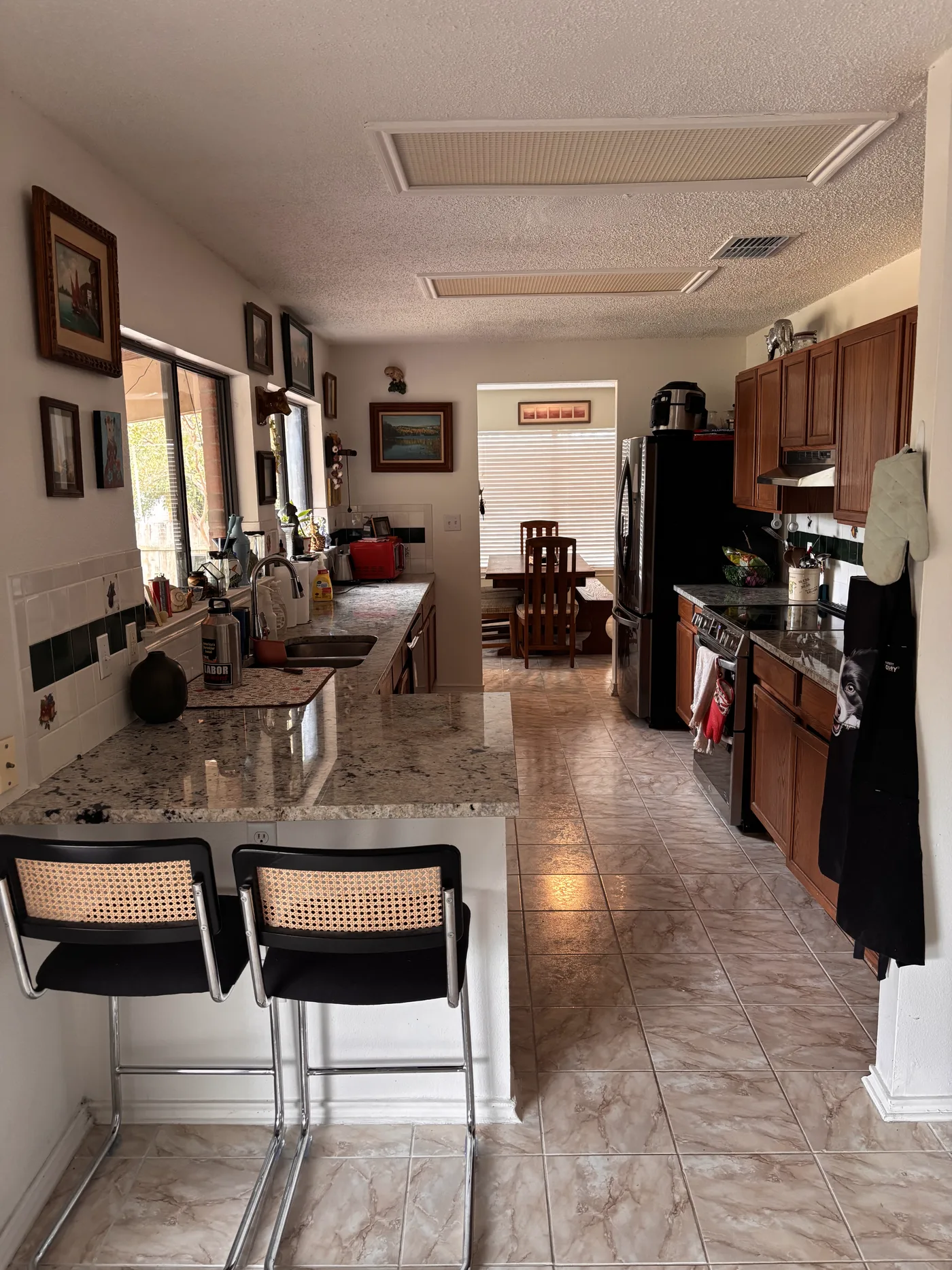
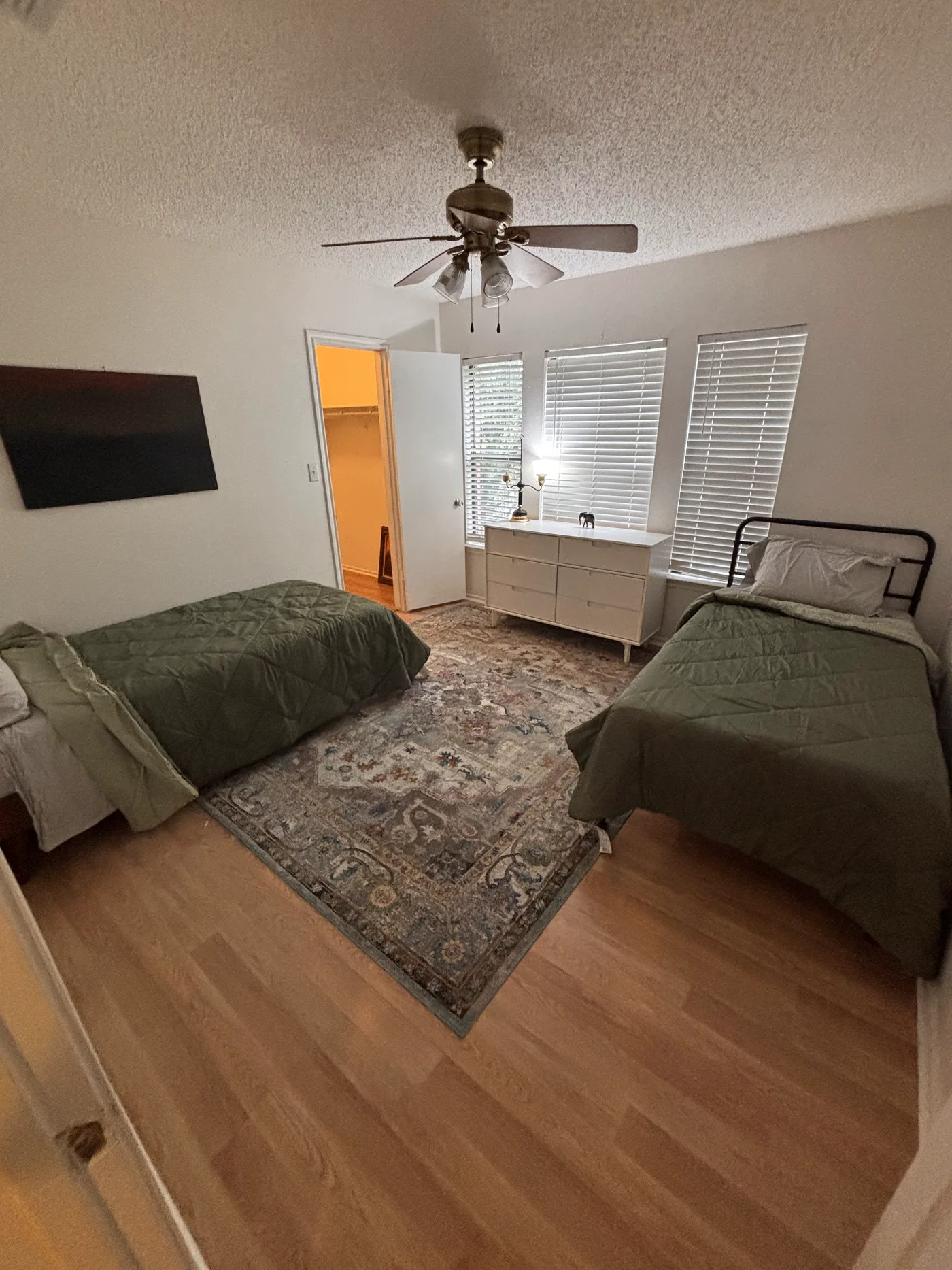
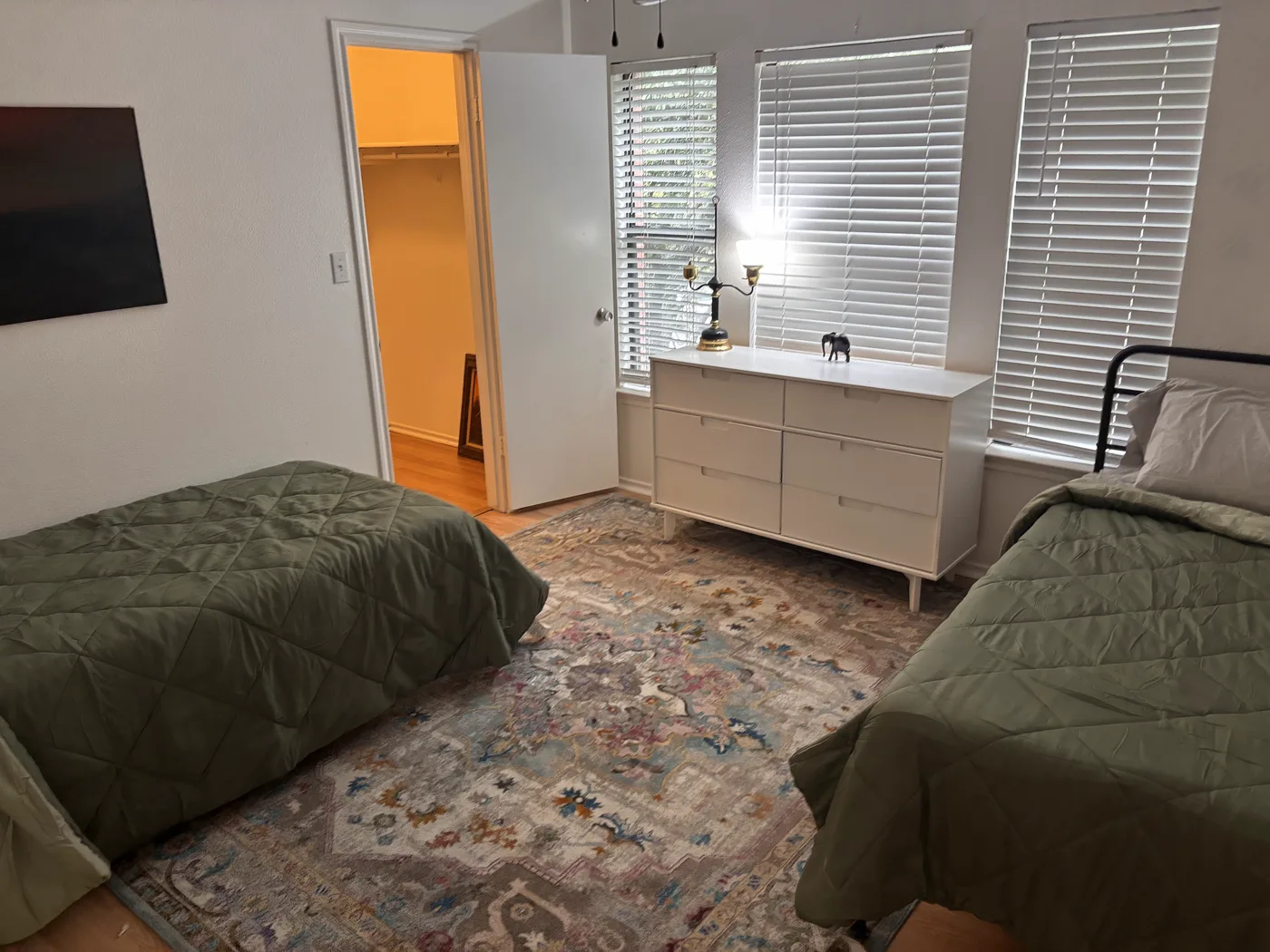
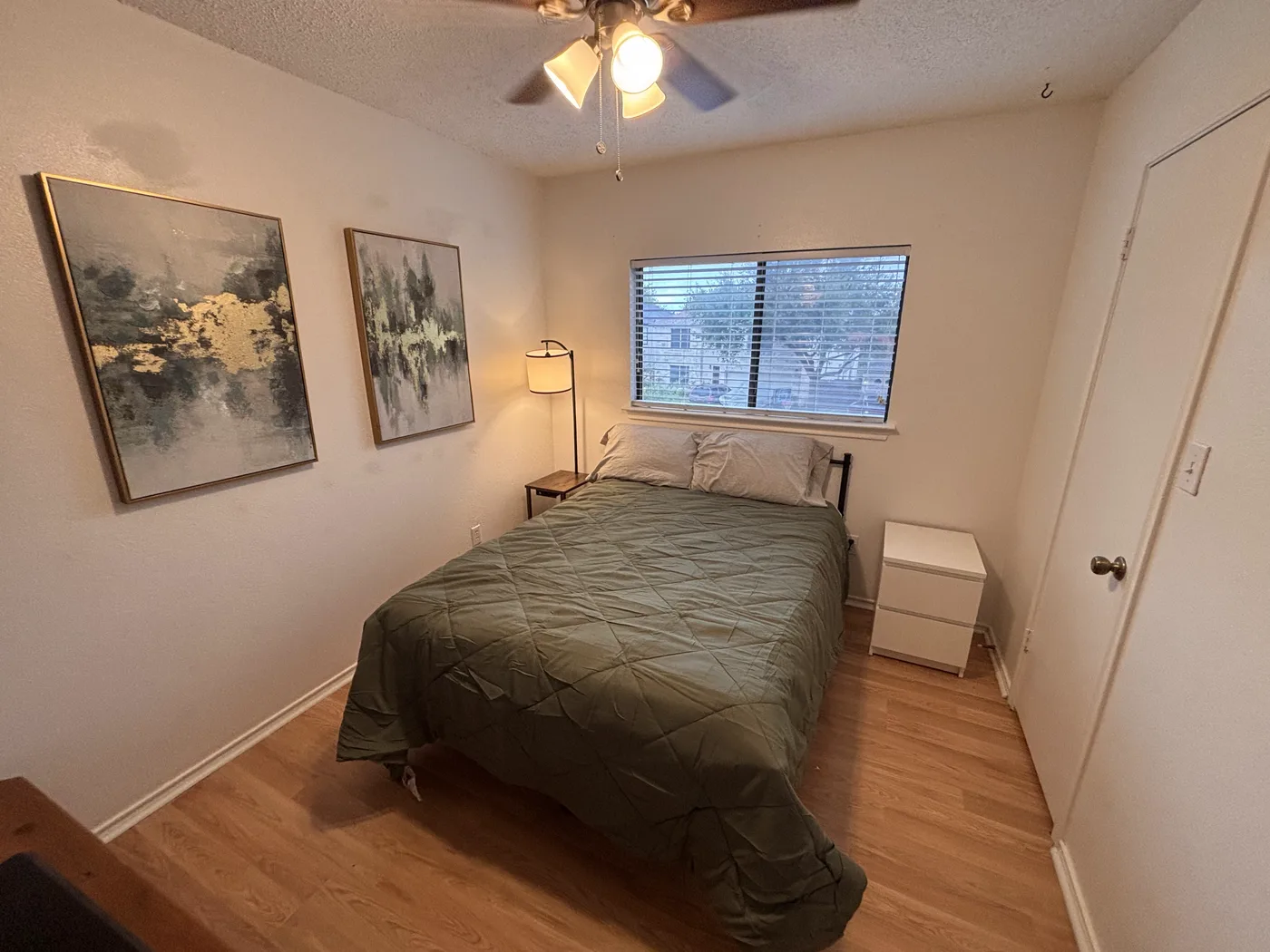
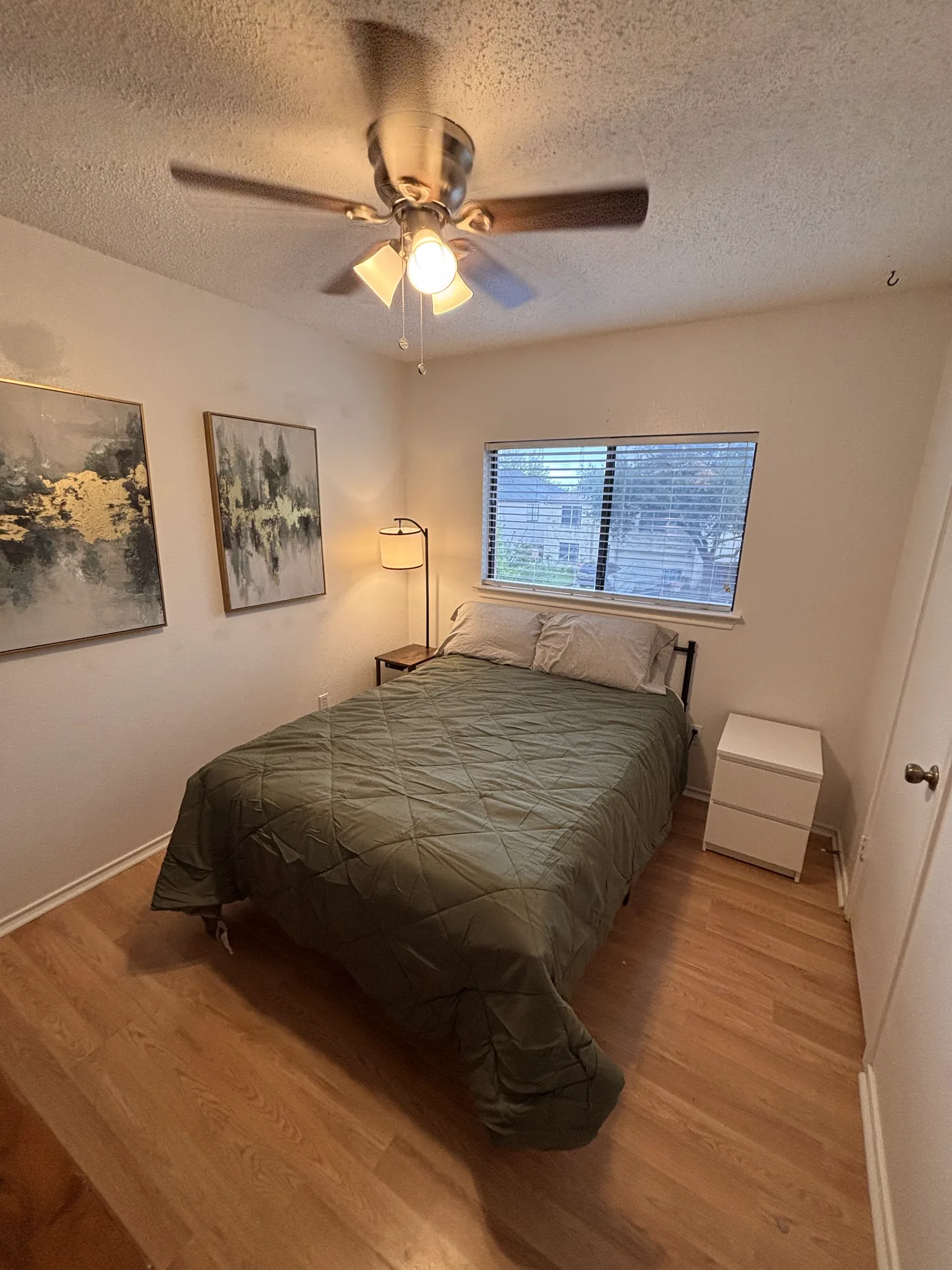
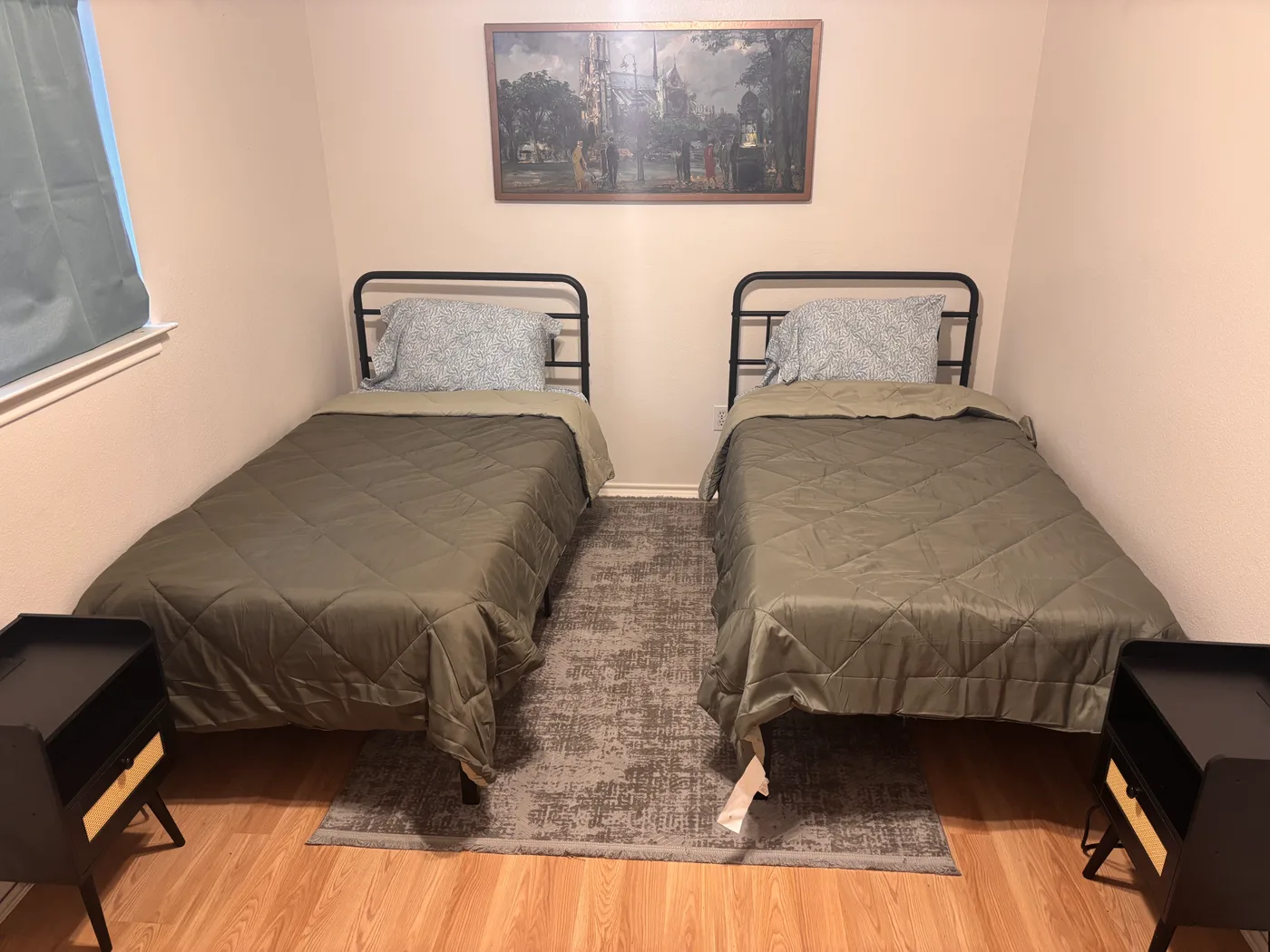
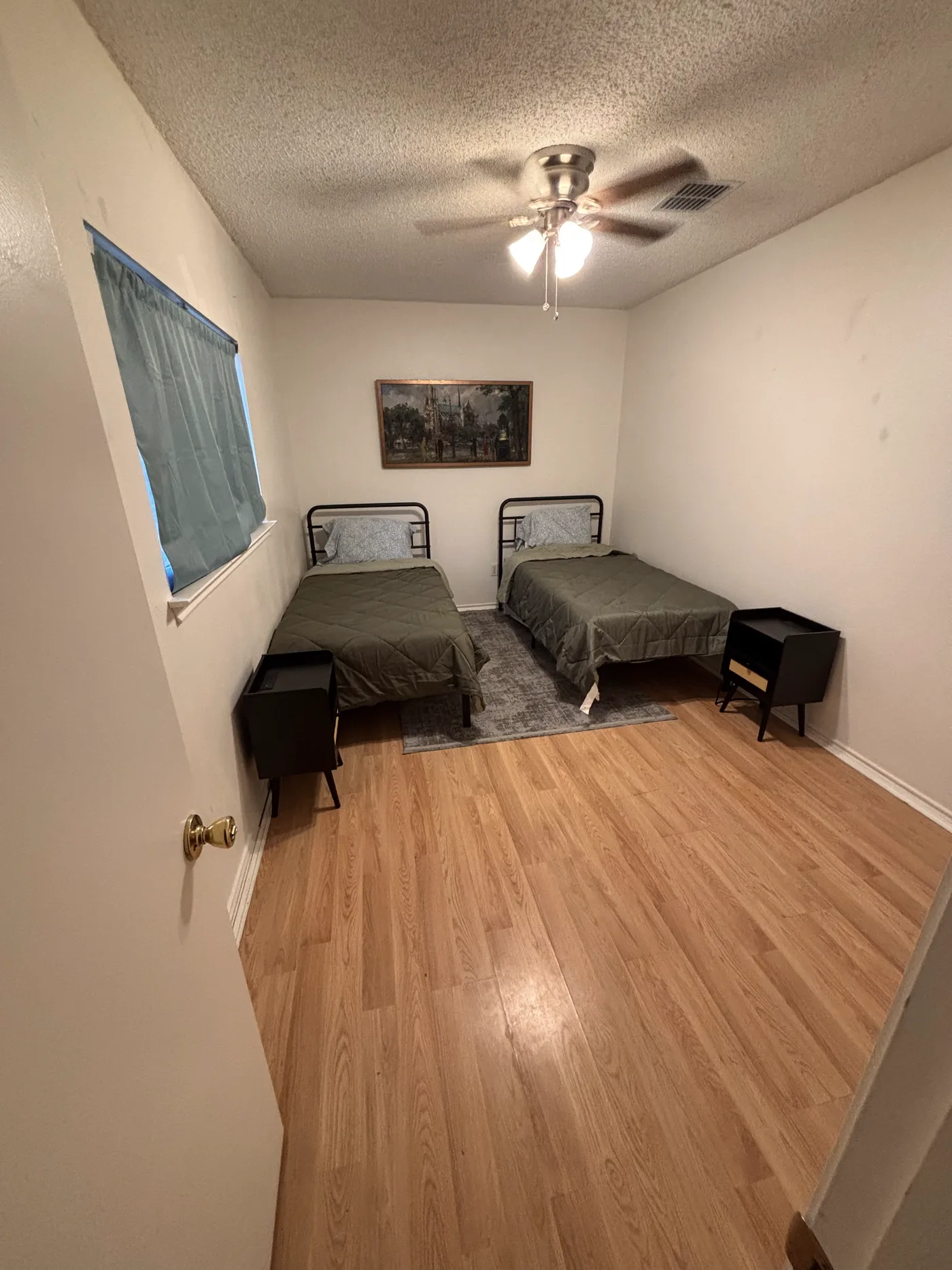
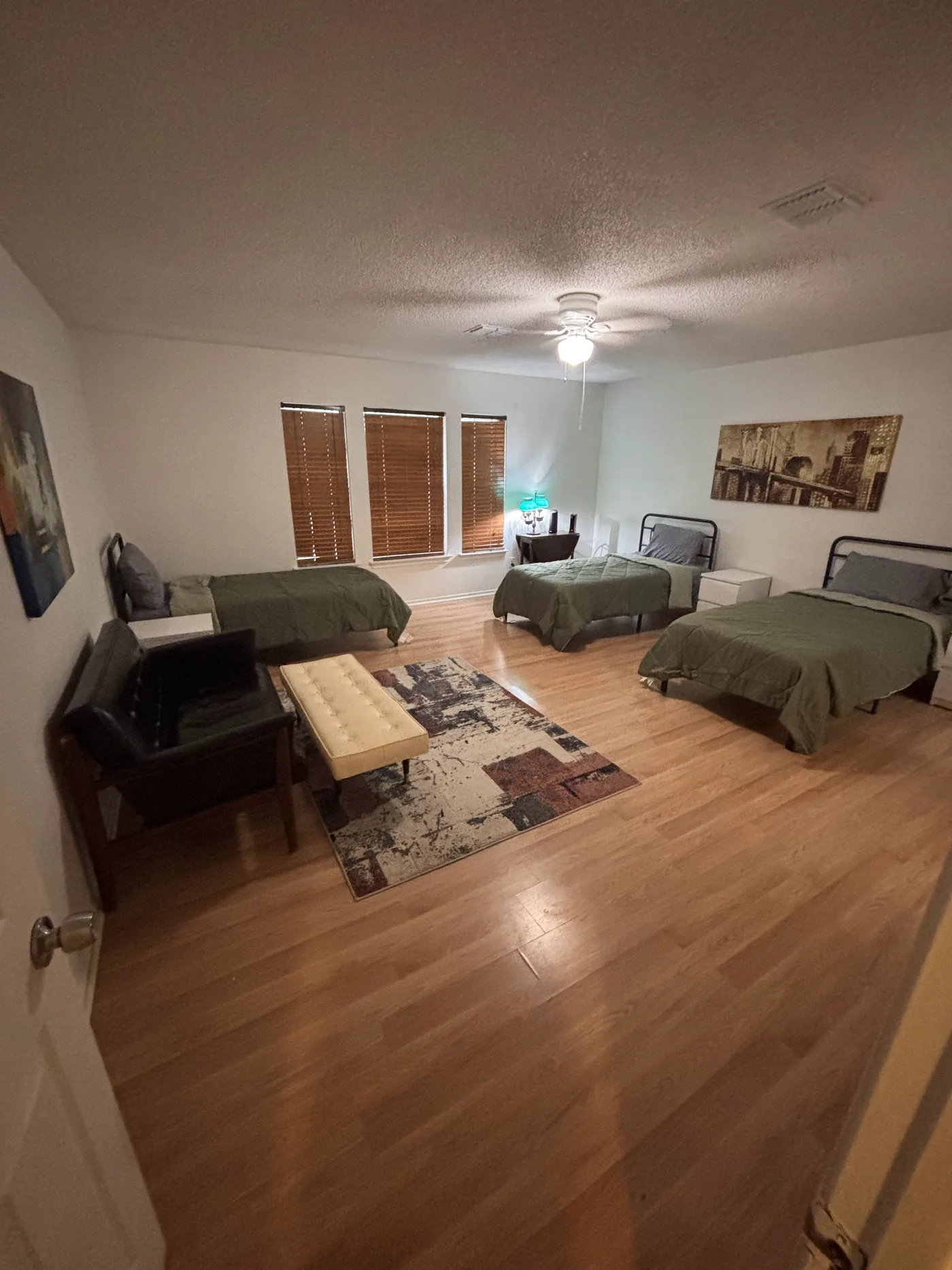
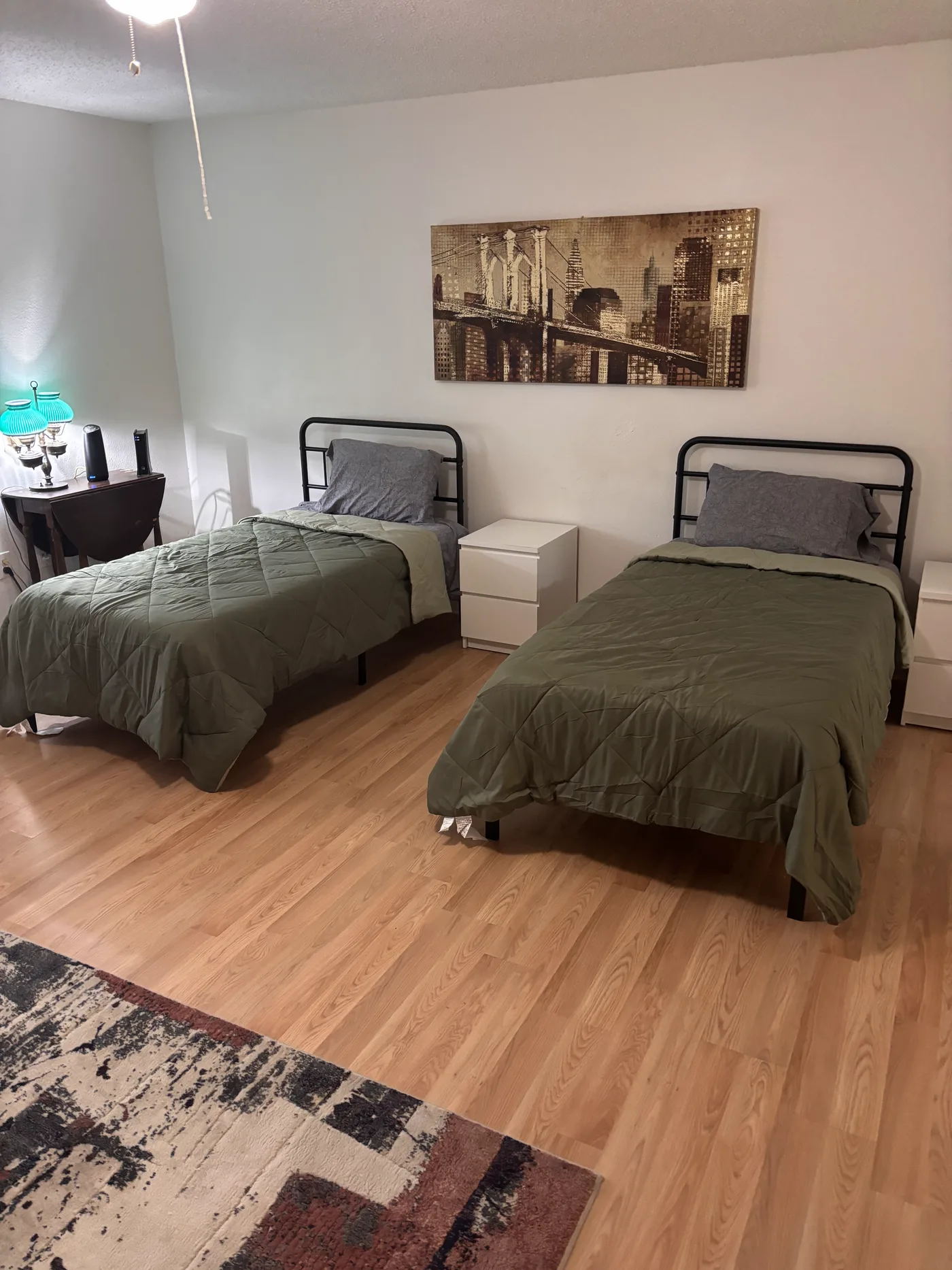
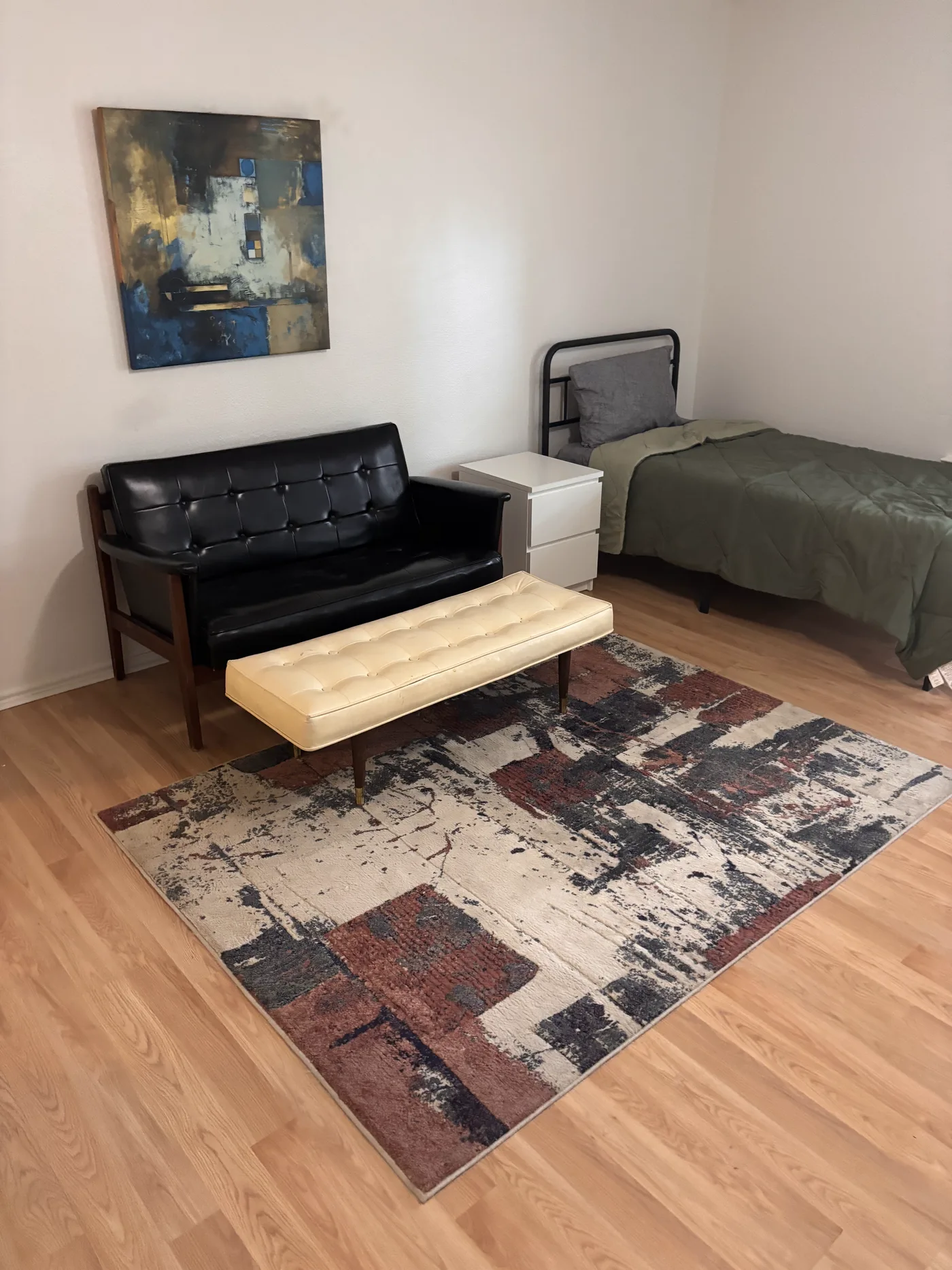
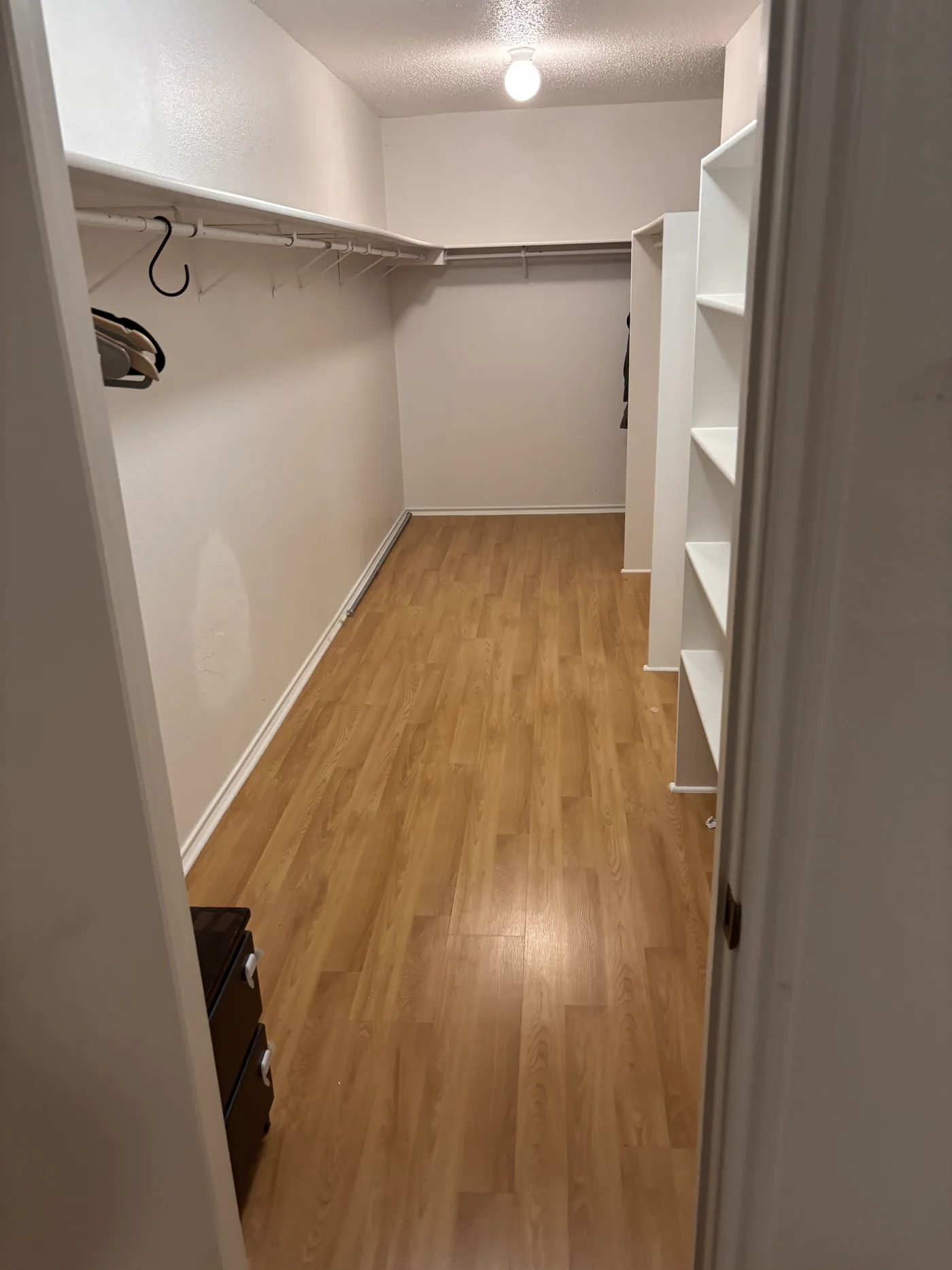
Signs you might be ready to move out
Markers of readiness
You may be ready to step down from a sober living home Austin provides when many of the following are true:
- You have remained substance‑free for several months in the house and during everyday stress.
- Cravings feel manageable with the coping tools you use now.
- You maintain steady employment, school, or volunteering and can cover basic living costs.
- You have a safe next place to live, not simply a couch or an unstable environment.
- Your schedule includes ongoing support, such as therapy, peer groups, or spiritual communities.
- You have a written relapse‑prevention plan, including people to call, early‑warning signs, and emergency options.
Signs staying longer might help
Continuing in Austin sober living may make sense if:
- You feel unsure about how you would handle triggers without house rules or testing.
- There is no clear plan for where you will live or how you will pay for it.
- Your mental health treatment is new or still adjusting.
- You are moving through major changes, such as a new job, relationship, or legal situation, and want extra structure during that period.
In these cases, many homes will talk with you about extending your stay rather than pushing for a specific end date.
Planning your timeline in sober living homes in Austin Texas
Questions to ask when you tour
When you visit or call potential homes, consider asking:
- Is there a minimum or maximum length of stay?
- How often do residents and staff review progress and timelines?
- What happens if I want to extend my stay or leave earlier than planned?
- Are there different phases, and do rules change over time?
- What supports are available for finding housing when I move out?
- Is the home accredited or listed with TROHN or other directories?
Having these details in writing can reduce uncertainty and help you compare sober living homes in Austin Texas on more than just price or neighborhood.
Working with eudaimonia sober living Austin Texas
Programs like eudaimonia sober living Austin Texas use a structured, multi‑phase model that allows residents to stay as long as they continue meeting expectations and progressing in recovery, rather than imposing a one‑size‑fits‑all deadline.
In practice, this means:
- Clear house rules, including drug and alcohol testing, curfews, and participation in work or school.
- Access to on‑site or nearby intensive outpatient services, support groups, and recovery coaching when needed.
- Regular check‑ins to discuss whether extending your stay, stepping down, or changing homes is the safest option.
Even if you choose another provider, these features can serve as a useful reference point when evaluating any sober living home Austin offers.
Medical Disclaimer
The information on this page is provided for educational purposes only and is not a substitute for professional medical advice, diagnosis, or treatment. Decisions about detox, rehab, or sober living should be made with a qualified healthcare provider or licensed treatment professional who understands your full medical and mental health history.
Never start, stop, or change any prescribed medication, or make major treatment decisions, without first consulting your doctor. If you are experiencing severe withdrawal symptoms, a medical emergency, or thoughts of self-harm, call 911 in the United States or seek immediate in-person help. For confidential emotional and mental health support, you can dial 988 to reach the Suicide & Crisis Lifeline, available 24 hours a day.
Select Our 10506 Parkfield Dr, Austin, TX Location
Select LocationVisit Our 9415 Quail Meadow Dr, Austin, TX Location
Select LocationChoose Our 7211 Northeast Dr, Austin, TX Location
Select LocationEudaimonia's Success Stories – Real People, Real Freedom
How Eudaimonia Recovery Homes Supports Your Sober Living Stay in Austin
Eudaimonia Recovery Homes can help you with the question at the heart of “Sober Living Home Austin: How Long Can You Stay?” by offering a structured but flexible environment that adjusts to your needs over time. Their Austin sober living homes provide clear house expectations, routine drug and alcohol testing, and daily accountability so you can focus on building stable recovery.
As you progress, staff work with you to review how long it makes sense to remain in a sober living home Austin residents trust, rather than forcing a fixed end date. If you need more time, Eudaimonia sober living Austin Texas offers phased support that can extend your stay while you secure work, continue outpatient care, or strengthen your support network. If you are ready to move on sooner, they can help you plan a safe transition into more independent housing. Eudaimonia offers fully furnished apartments and houses, including men’s sober living in South Austin, TX, so you can choose a location that fits your work, school, and support network.
Throughout your stay, Eudaimonia Recovery Homes connects you with local meetings, counseling options, and community resources so you are not navigating Austin’s recovery landscape alone. This combination of structure, flexibility, and local connections can make it easier to decide how long to remain in sober living homes in Austin Texas. By partnering with you on these decisions, Eudaimonia Recovery Homes helps you match the length of your stay to your goals, safety, and long‑term stability.
Your Future Is Waiting
Tell us what you are looking for and admissions will walk you through the houses, the phases, and what a room actually costs.


