

Published November 13, 2025 · Updated February 18, 2026
Key Takeaways
- Minimum stay is typically about 90 days in Austin sober living to build routines before stepping down.
- Average length often spans five to nine months, with flexibility based on progress and program model.
- Longer stays are linked with better stability in housing, employment, and relapse prevention outcomes.
- House model Drives timelines, staffed programs use phased ranges while peer‑run homes can be open‑ended.
- Staffed homes Commonly target 3–12 months and adjust length after regular check‑ins.
- Peer‑run homes (Oxford House style) have no preset limit if residents remain sober and in good standing.
- IOP pairing with men’s sober living supports recovery while you keep working or studying.
- What IOP adds Is 9–19 hours per week of structured therapy alongside a recovery‑focused living environment.
- Stay factors include clinical needs, co‑occurring issues, participation, employment, transportation, and fit with the house.
- Costs & rules cover shared expenses or program fees, testing, curfews, meetings, and house chores.
- Move‑out signs include steady sobriety, stable income, confirmed housing, and a written relapse‑prevention plan.
- Local options Are plentiful in Austin: compare neighborhood, commute, rules, and amenities before choosing.
On This Page · 25 Sections

Sober Living
Austin
10506 Parkfield Dr, Austin, TX 78758
What “sober living” means in Austin, TX
“Sober living” (also called recovery housing) is alcohol‑ and drug‑free shared housing with house rules, testing, and peer accountability.
In Austin, many homes are gender‑specific and ask residents to work, attend school, volunteer, or participate in mutual‑help meetings while they live there. This setup helps people transition from treatment to independent living. For a practical overview of options and how to get started, see sober living in Austin.
You’ll see the main search phrases used interchangeably by programs and directories: sober living Austin, sober living Austin TX, sober living home Austin, and sober living houses in Austin Texas. All point to the same idea: structured, recovery‑focused housing inside the city limits or nearby suburbs.
See current locations, amenities, and FAQs on sober living near me in Austin.
Typical length of stay in Austin sober living
The short answer
- Plan on at least 90 days of structured support. That threshold shows better outcomes and is widely referenced.
- Average stays often land between ~5 and 9 months (about 166–254 days), depending on progress and the house model.
- Open‑ended options exist. Peer‑run Oxford House residences do not set a maximum length of stay; members can remain while in good standing.
Why these timelines matter
Multiple studies and provider summaries report that time in sober living correlates with fewer substance problems, lower arrest rates, higher employment, and more stable housing for up to a year and a half post‑residency. More time can deepen routines, community ties, and relapse‑prevention skills.
For a deeper dive on signs you’re ready to step down, read how long should I stay at a sober living home.
Findings from a sober living outcomes study show sustained benefits beyond the initial months.
How the house model affects your timeline
Staffed sober living (Austin programs)
Many staffed homes outline a target range of 3–12 months, with check‑ins to adjust length based on work/school stability, recovery participation, and readiness to live independently.
Peer‑run homes (Oxford House)
No preset time limit. Residents vote on membership, share expenses, and can stay a year or longer as long as they maintain sobriety and follow house rules. Average tenure is about one year, and some stay several years.
Factors that shape how long you stay
Clinical and recovery factors
- Craving and trigger control during daily life
- Co‑occurring mental health needs
- Participation in IOP, counseling, and mutual‑help meetings
- Relapse history and coping skills
Evidence‑based guidance favors at least 90 days of treatment involvement, with length tapered as stability increases.
Practical factors
- Work/school stability and income
- Transportation to IOP or meetings
- Fit with the house culture (men’s houses often emphasize peer mentorship and steady routines)
House policies
Austin homes vary. Some offer 30/60/90‑day phases or “graduate” apartments, while peer‑run homes simply maintain month‑to‑month membership with no maximum.
Program structure typically follows NARR standards emphasizing safety, ethics, and resident care.
Men’s sober living + IOP in Austin: how they fit together
What IOP adds
An intensive outpatient program (IOP) is structured therapy delivered 9–19 hours per week in groups and individual sessions. If you’re weighing structure and community, our men’s sober living homes outline house expectations, peer support, and how length of stay is personalized. You live at a sober living home and commute to treatment, which allows you to work or study while receiving care.
IOP pairs best with men’s sober living in Austin, where daily structure and peer support reinforce therapy.
Why men combine them
- Accountability at home, therapy after hours. House rules, testing, and meetings reinforce what is practiced in therapy.
- Predictable schedule. Many men attend IOP in the evening and hold daytime jobs or classes.
- Step‑down approach. After detox or residential care, men step into sober living with IOP, then taper to lower‑intensity counseling before moving out. Austin programs and directories present this pairing as common.
If you’re ready to combine housing with therapy, start with our Intensive Outpatient Program (IOP) admissions page for scheduling and enrollment.
A simple, month‑by‑month arc
- Months 1–3: Settle in, attend IOP, secure work/school, build a relapse‑prevention plan.
- Months 4–6: Shift to less‑intense therapy, take on house leadership or mentoring.
- Months 7–9+: Either transition out with a housing plan or continue if the structure still helps. Typical averages in Austin fit somewhere on this curve.
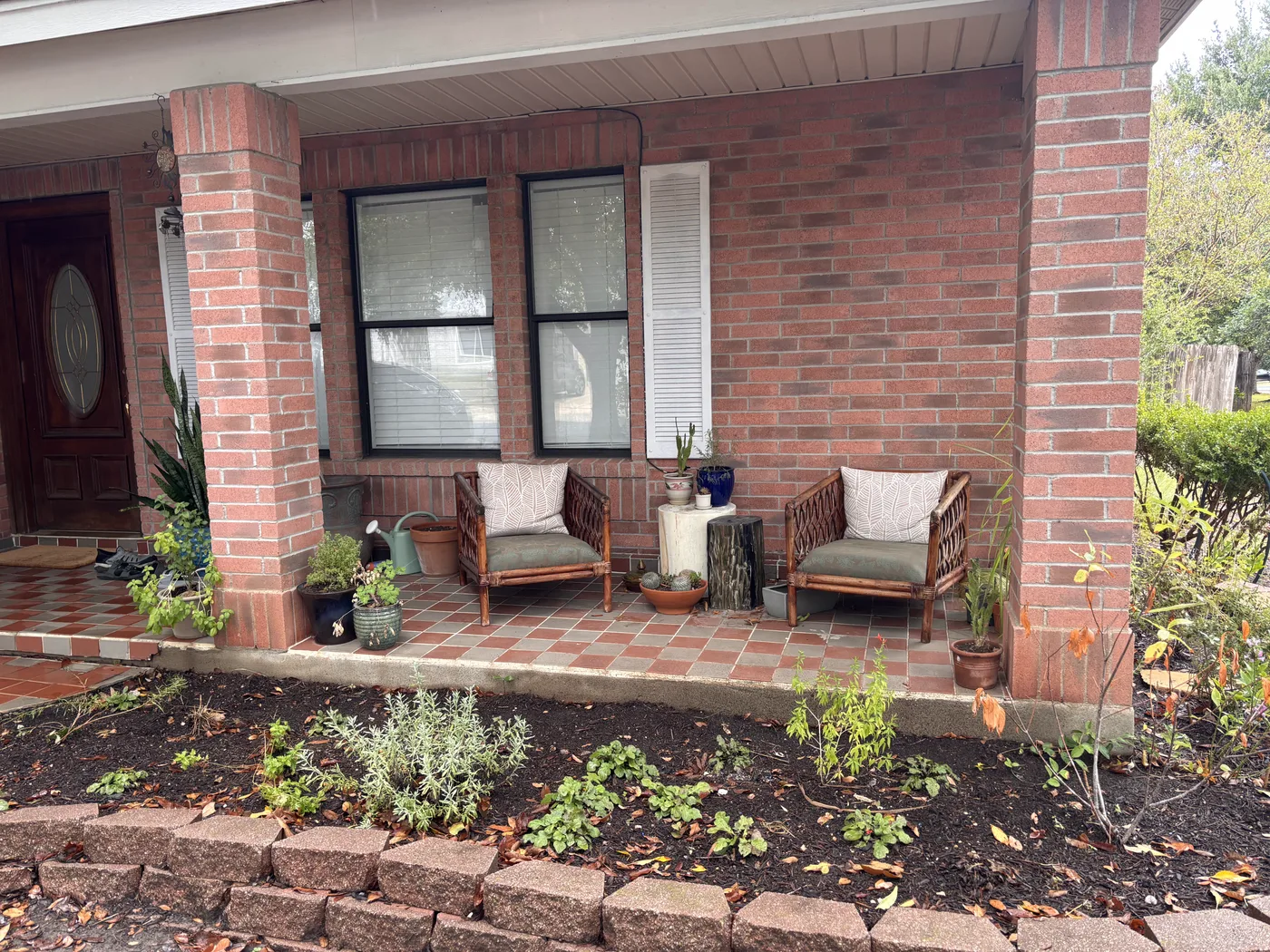
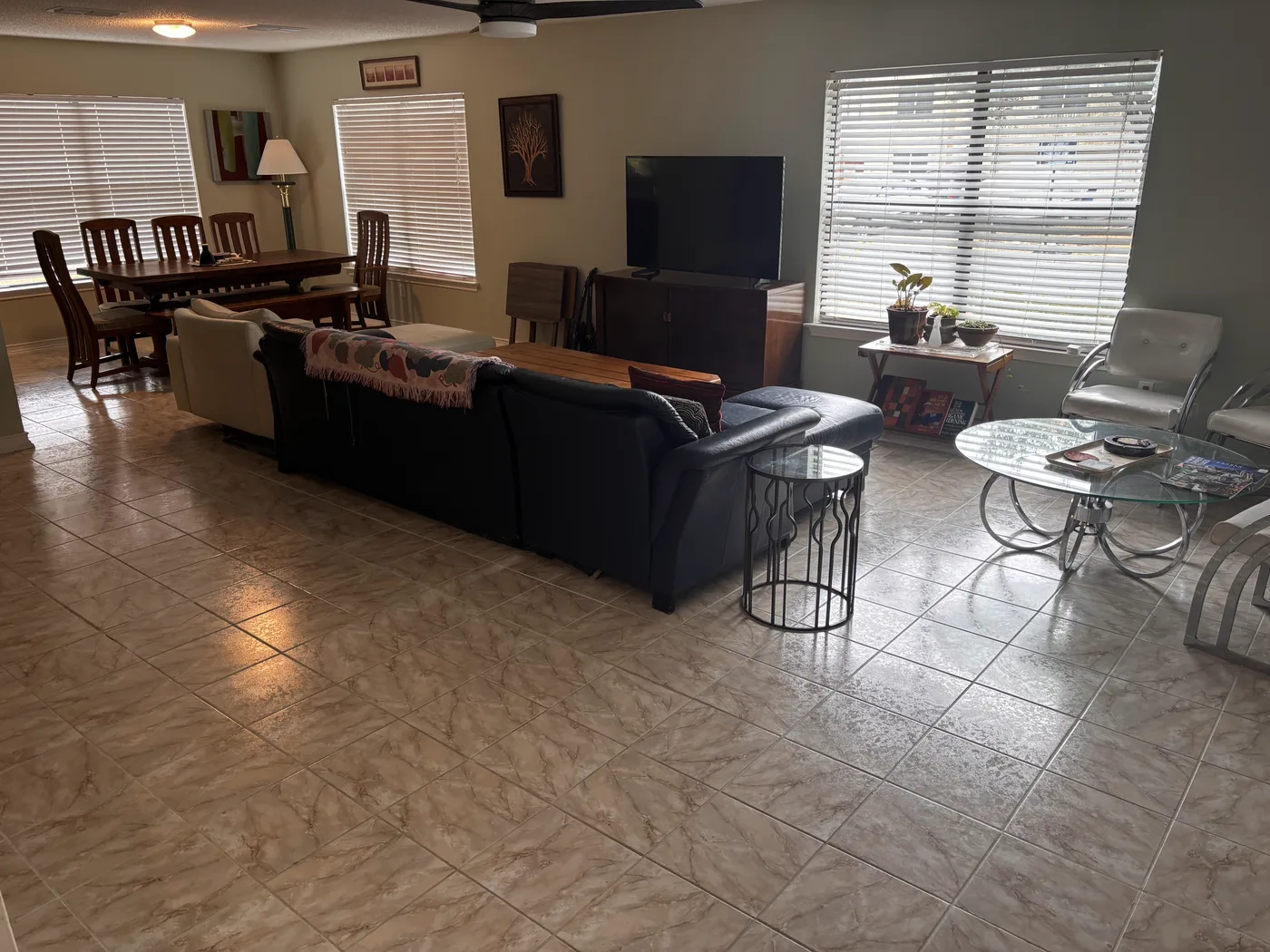
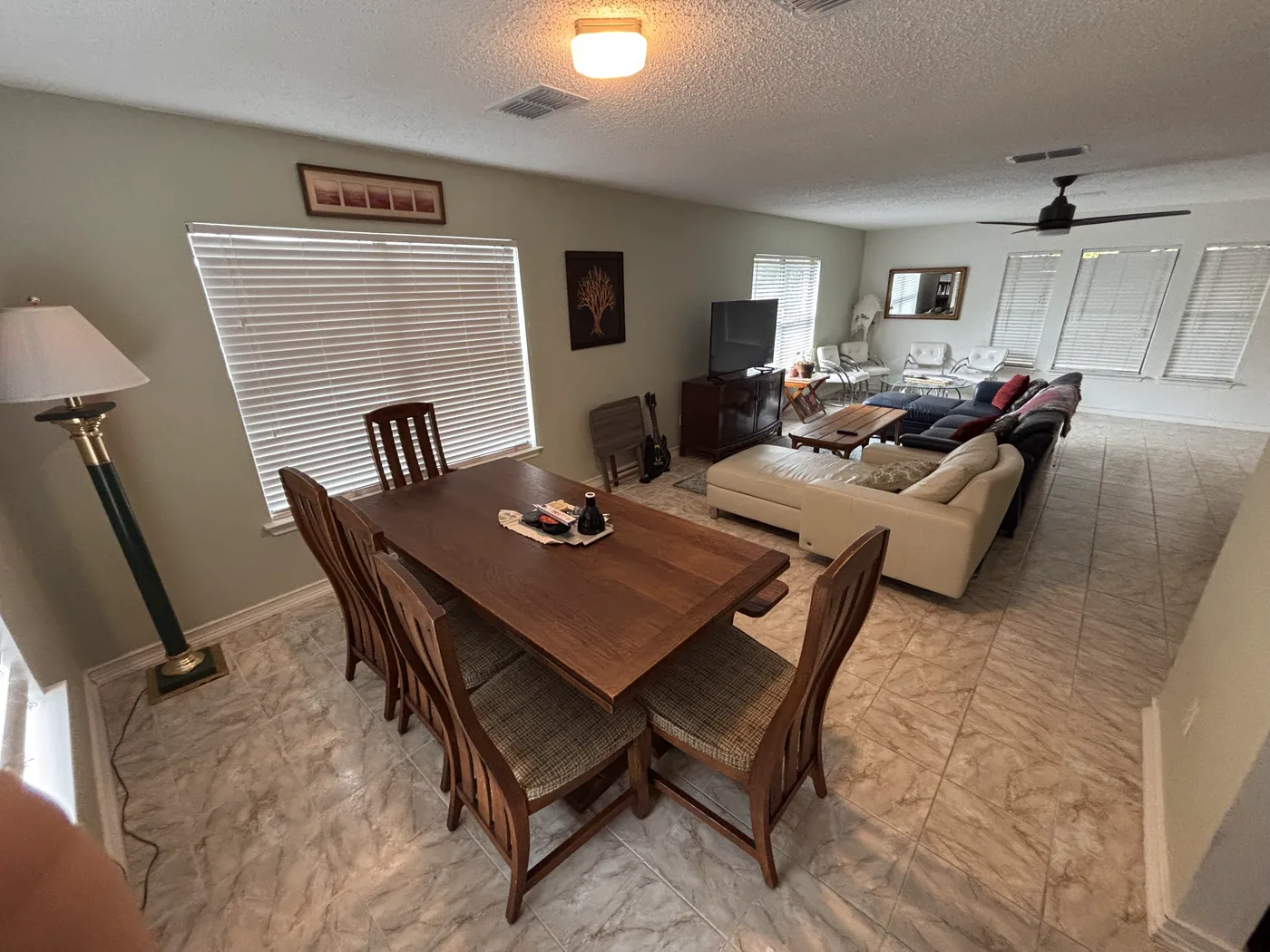
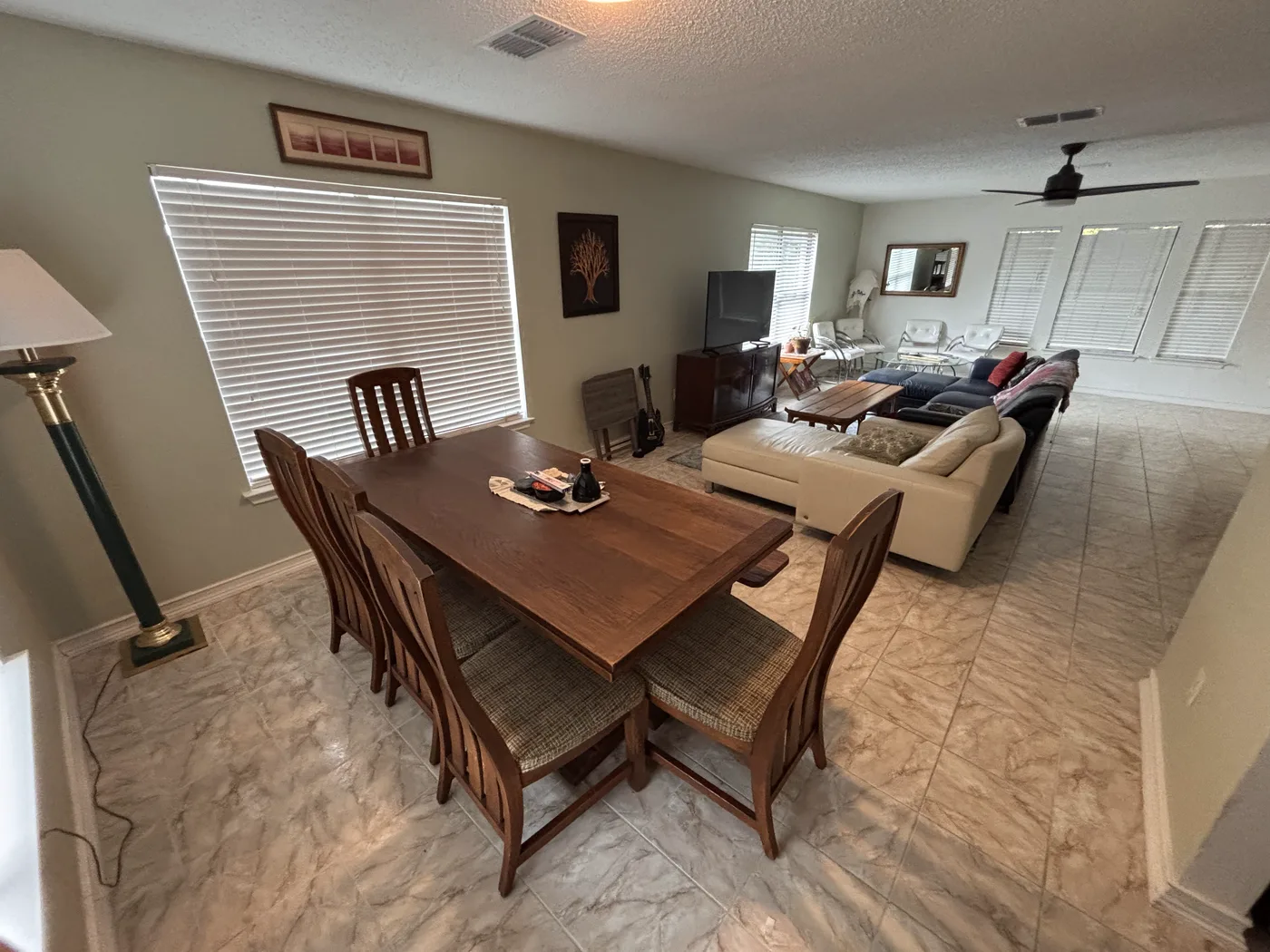
Inside the Austin homes
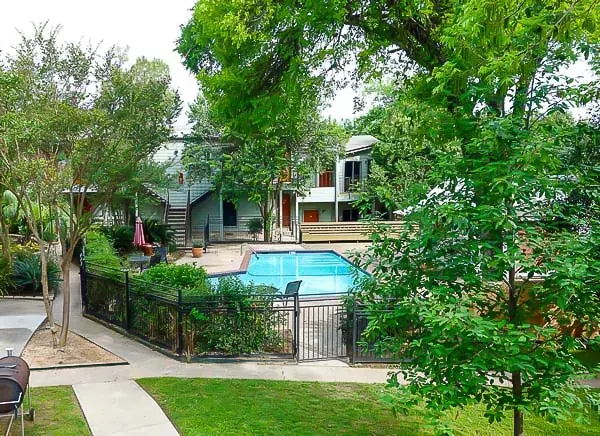
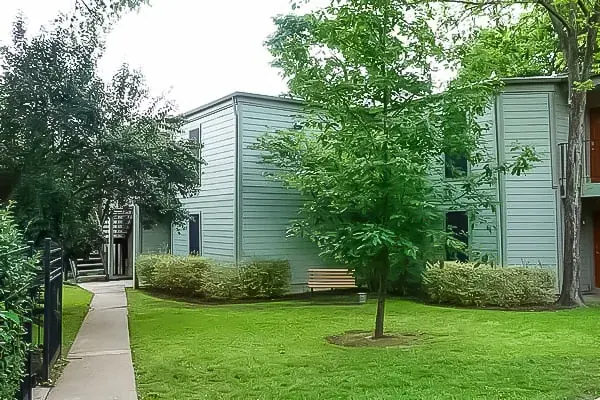

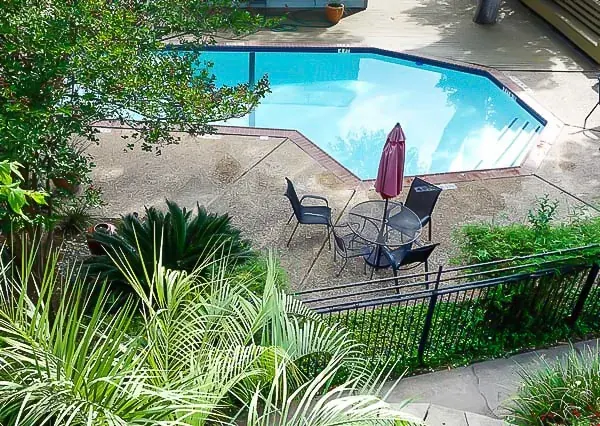
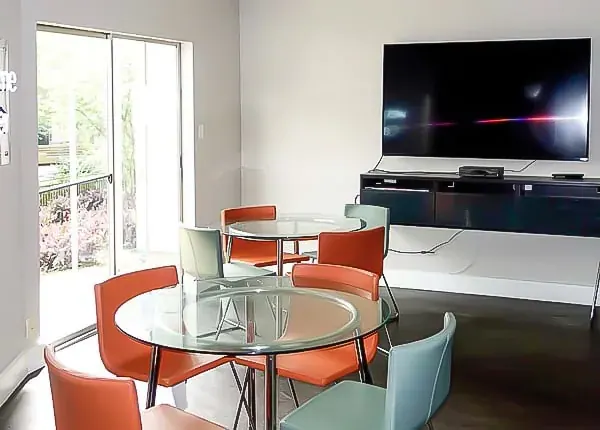
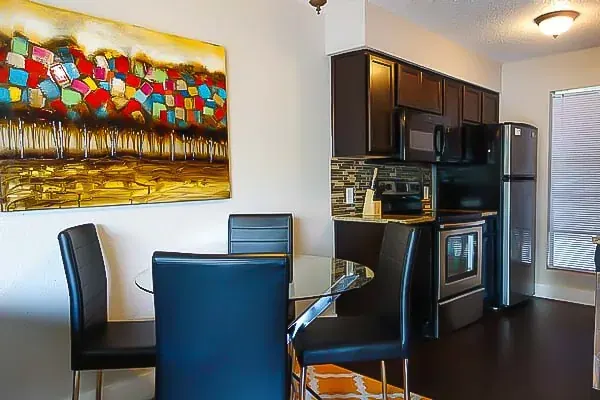

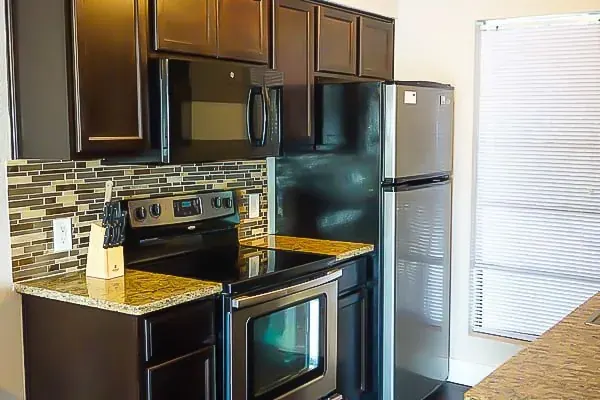
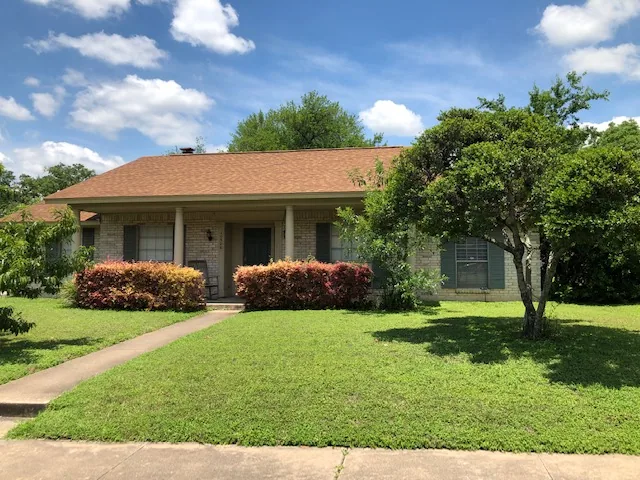
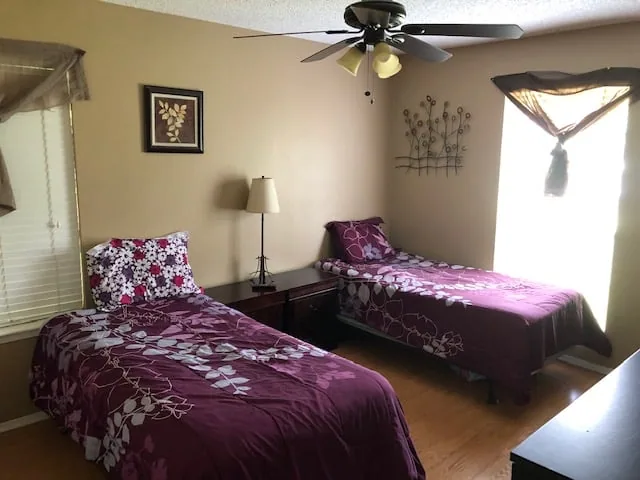
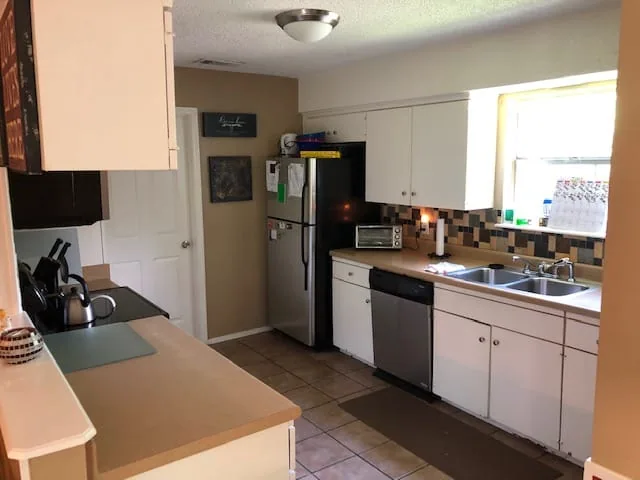
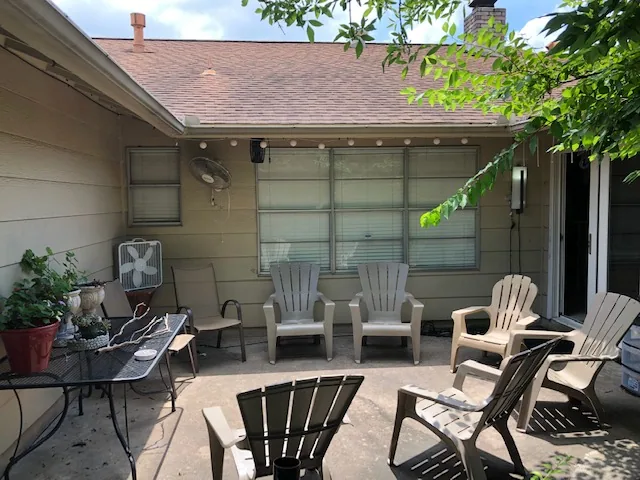
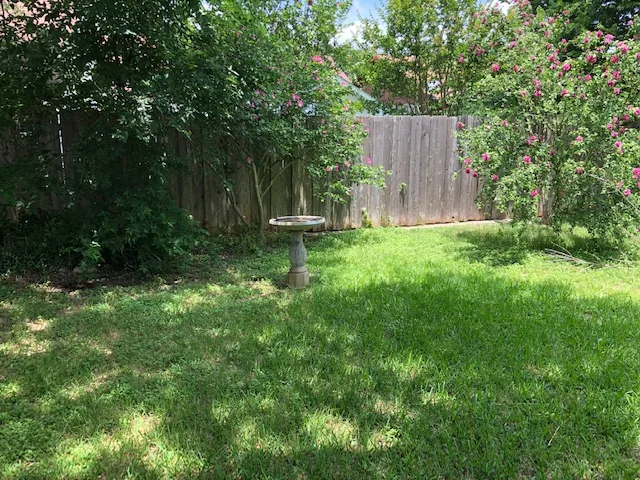
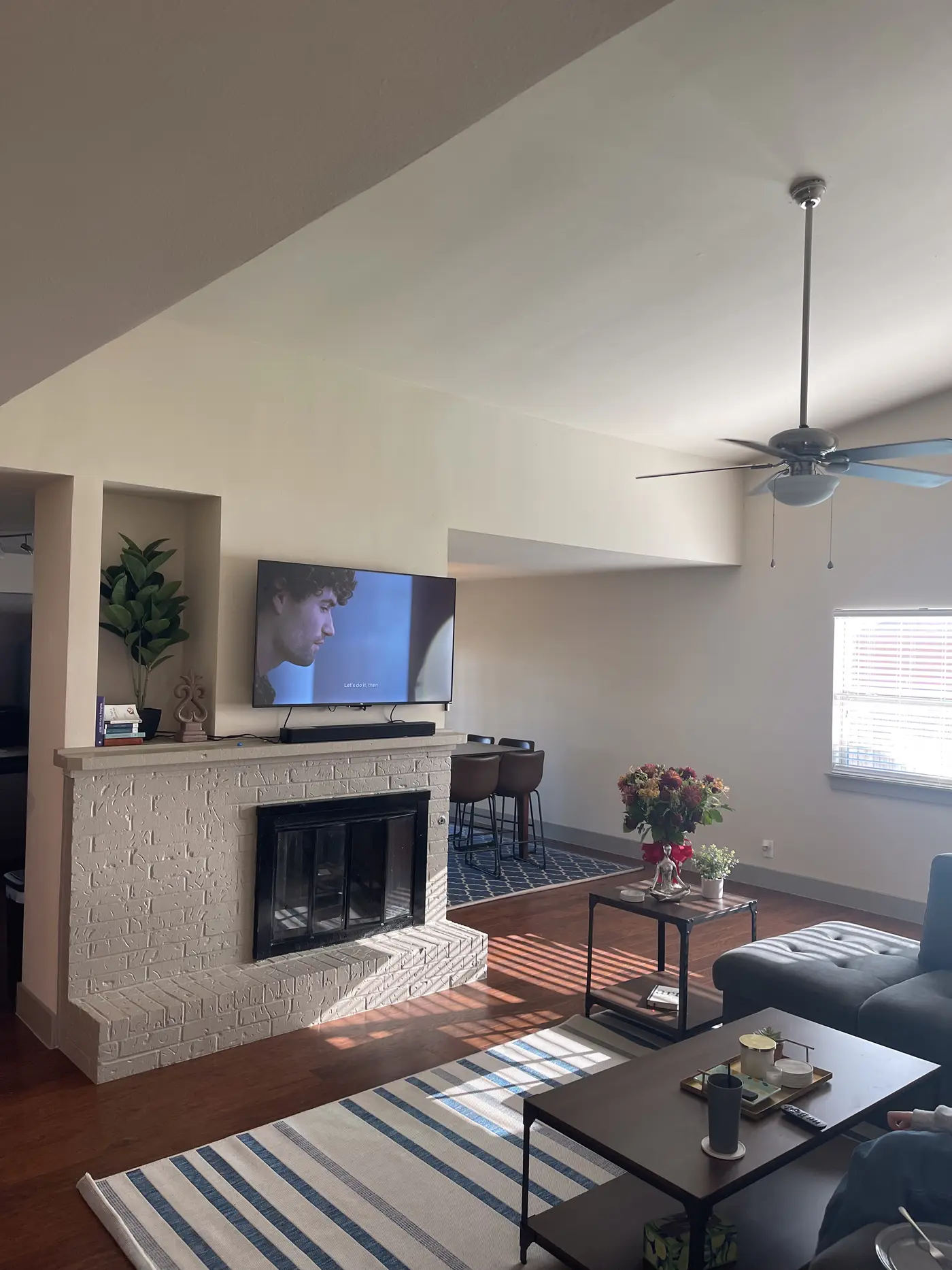
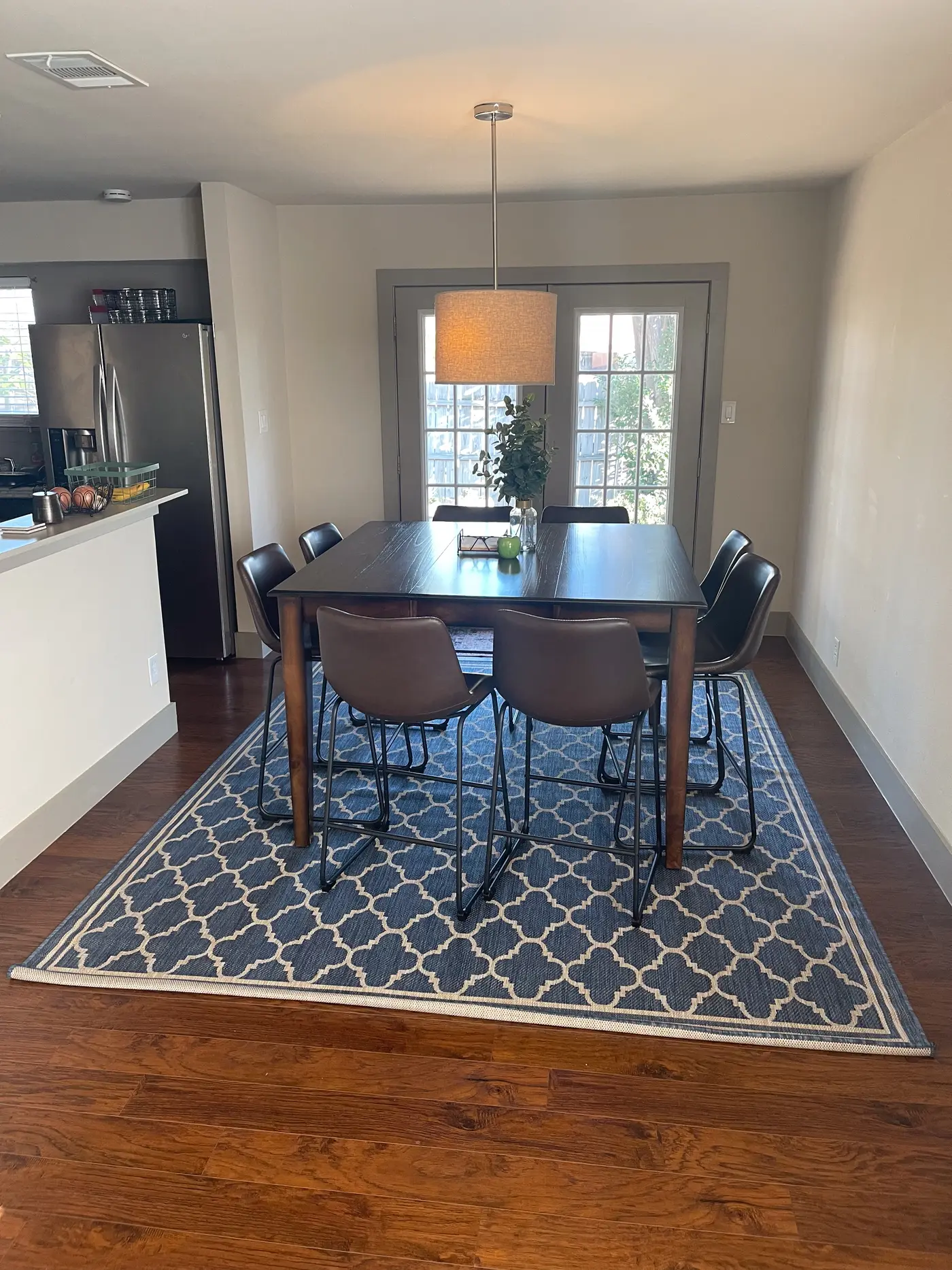
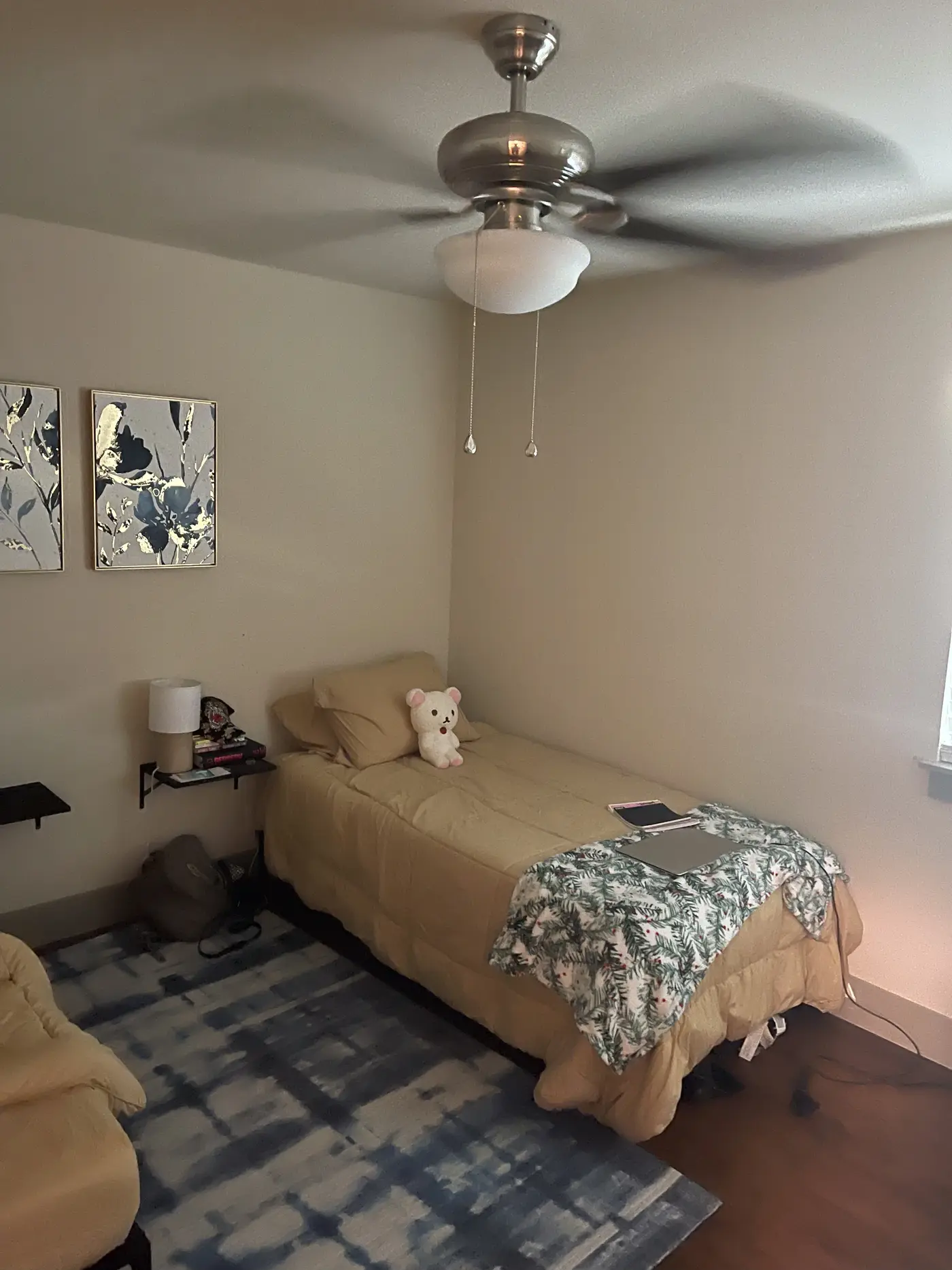
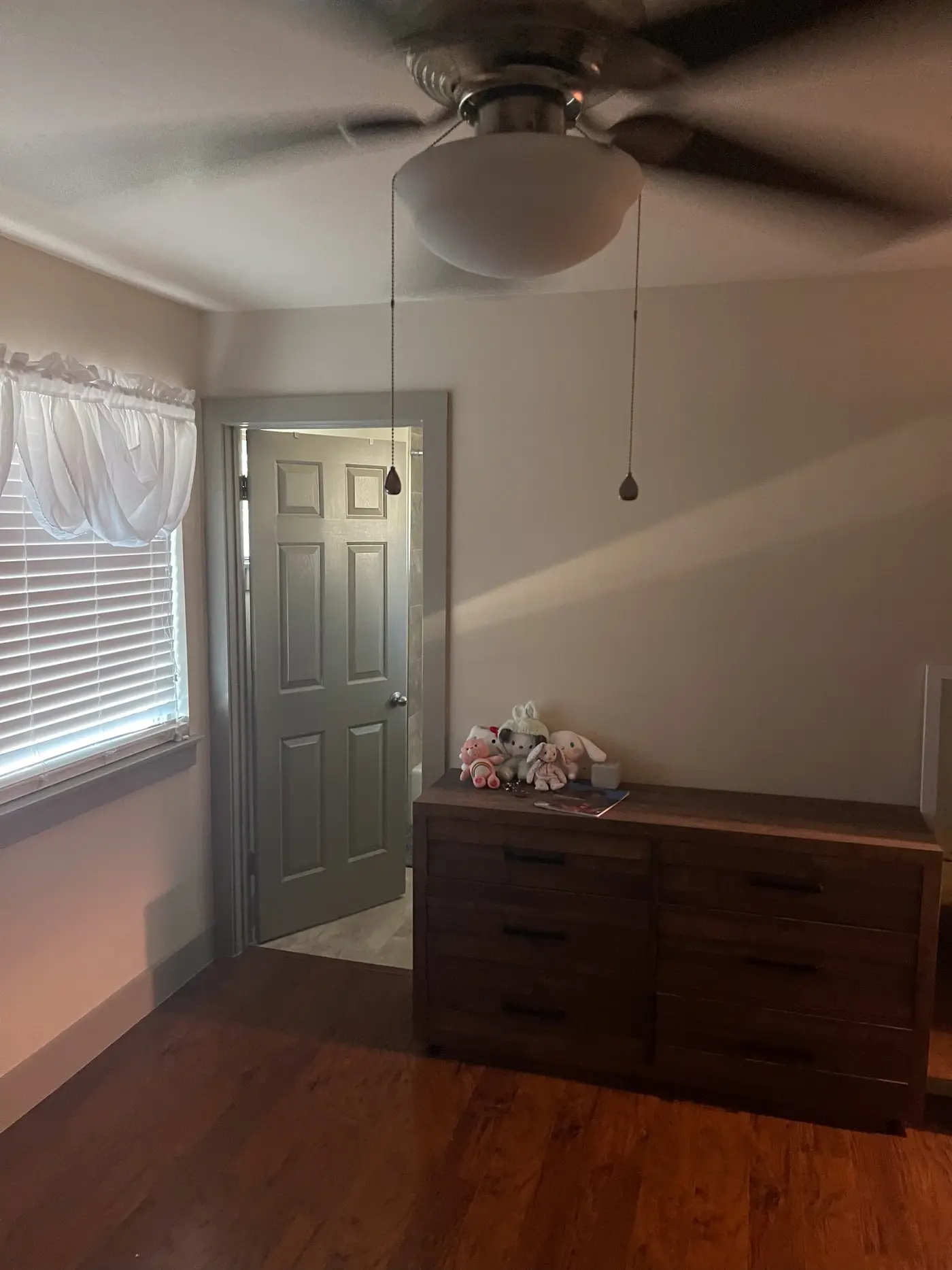
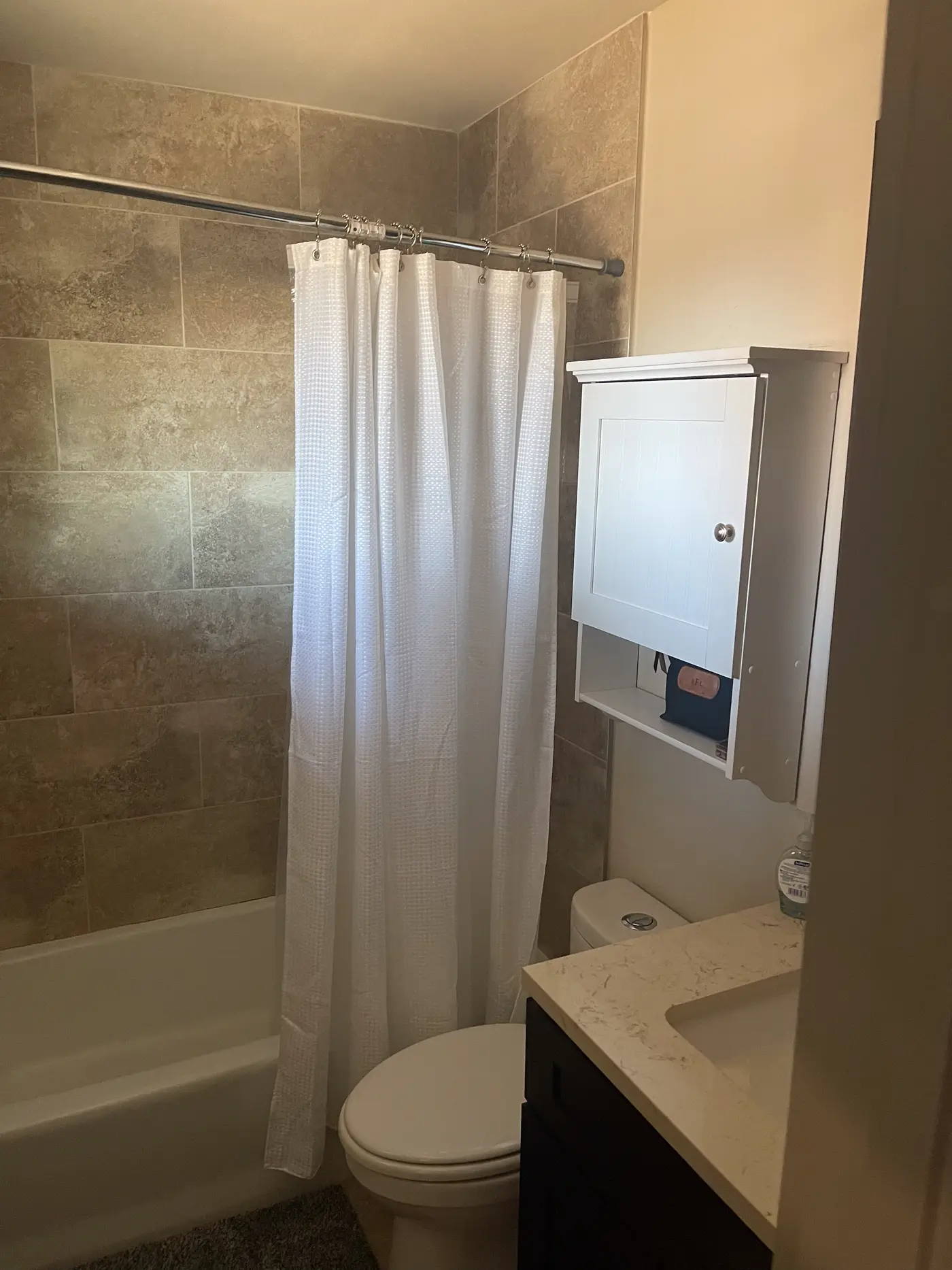
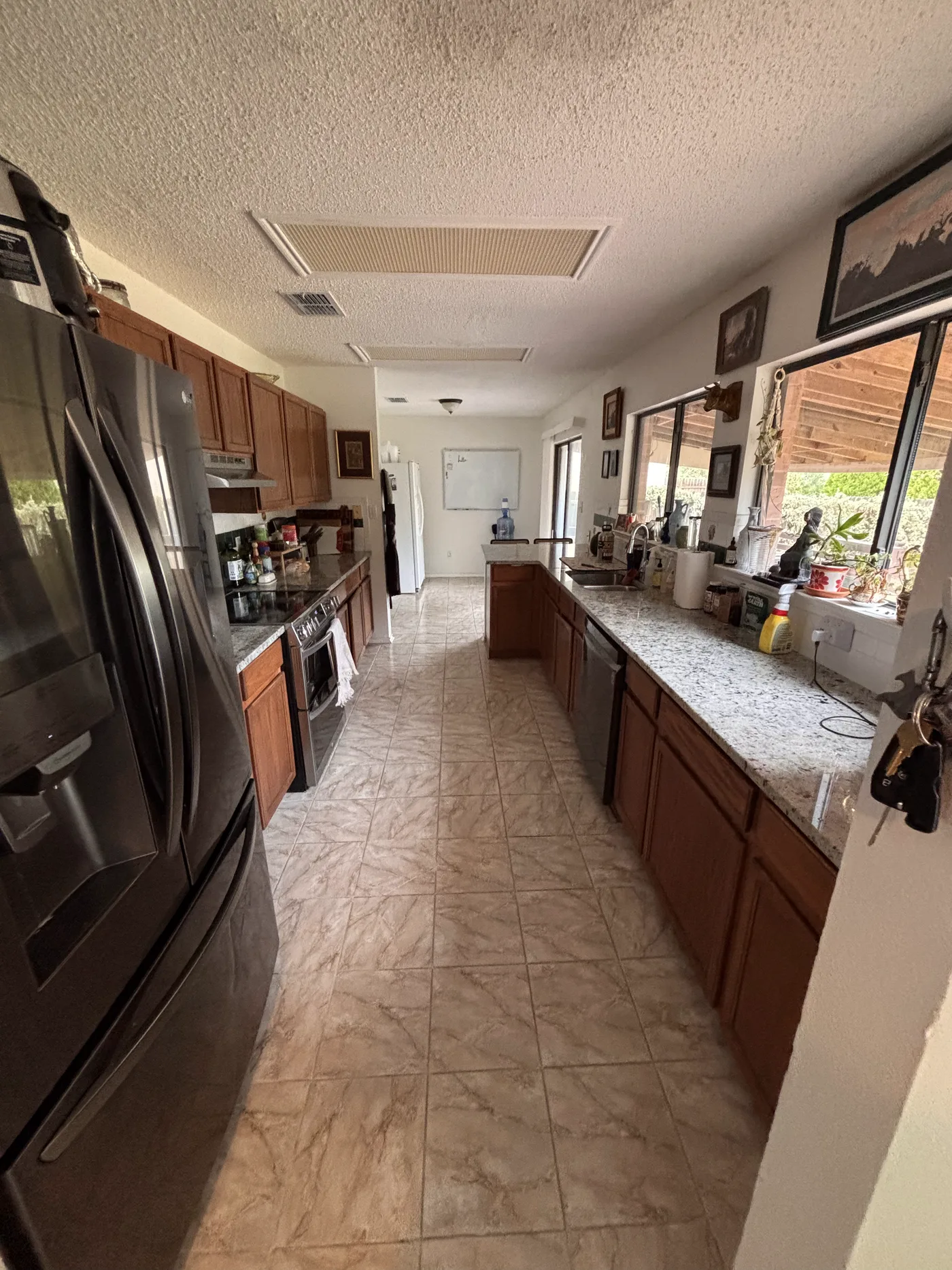
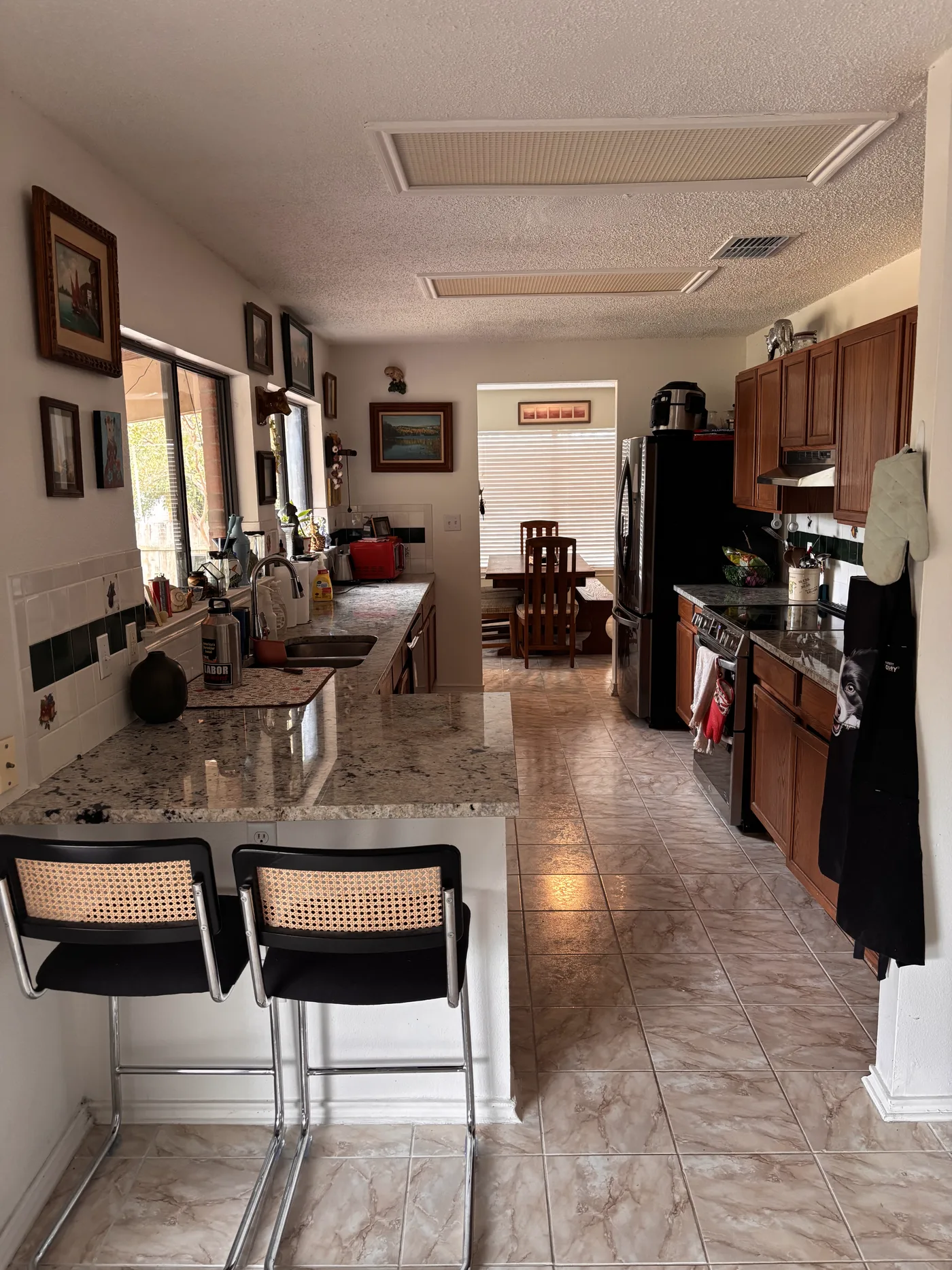
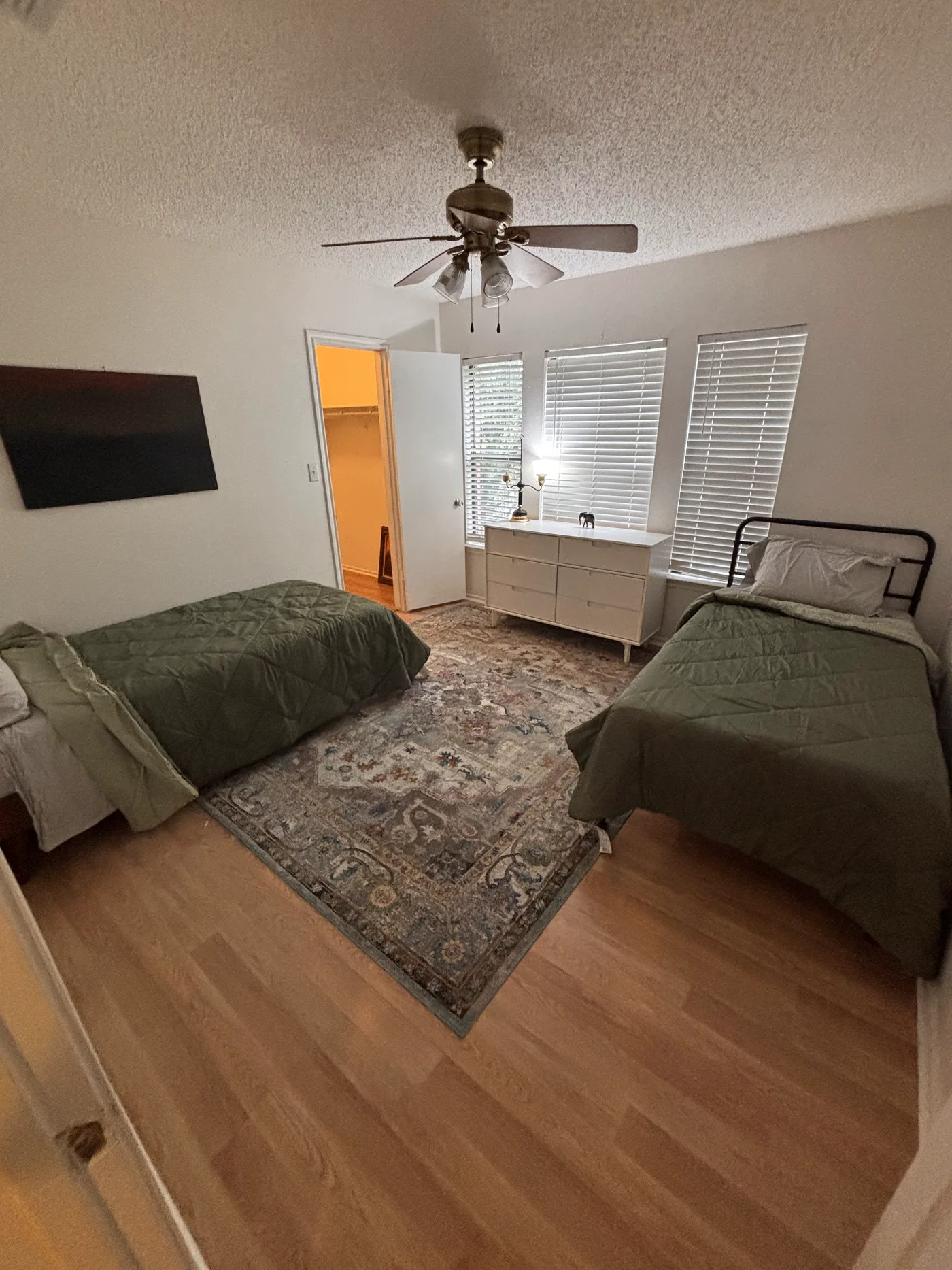
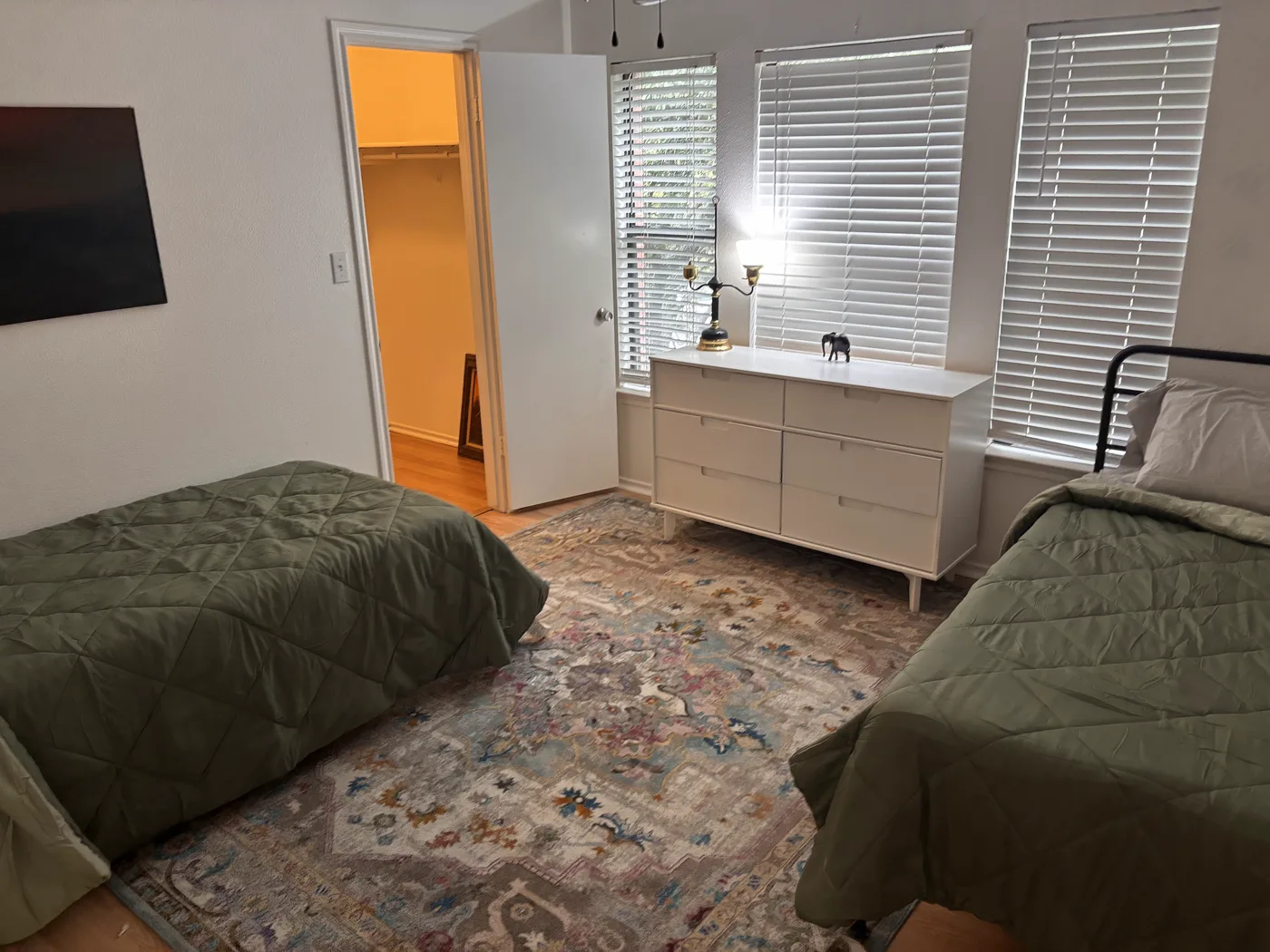
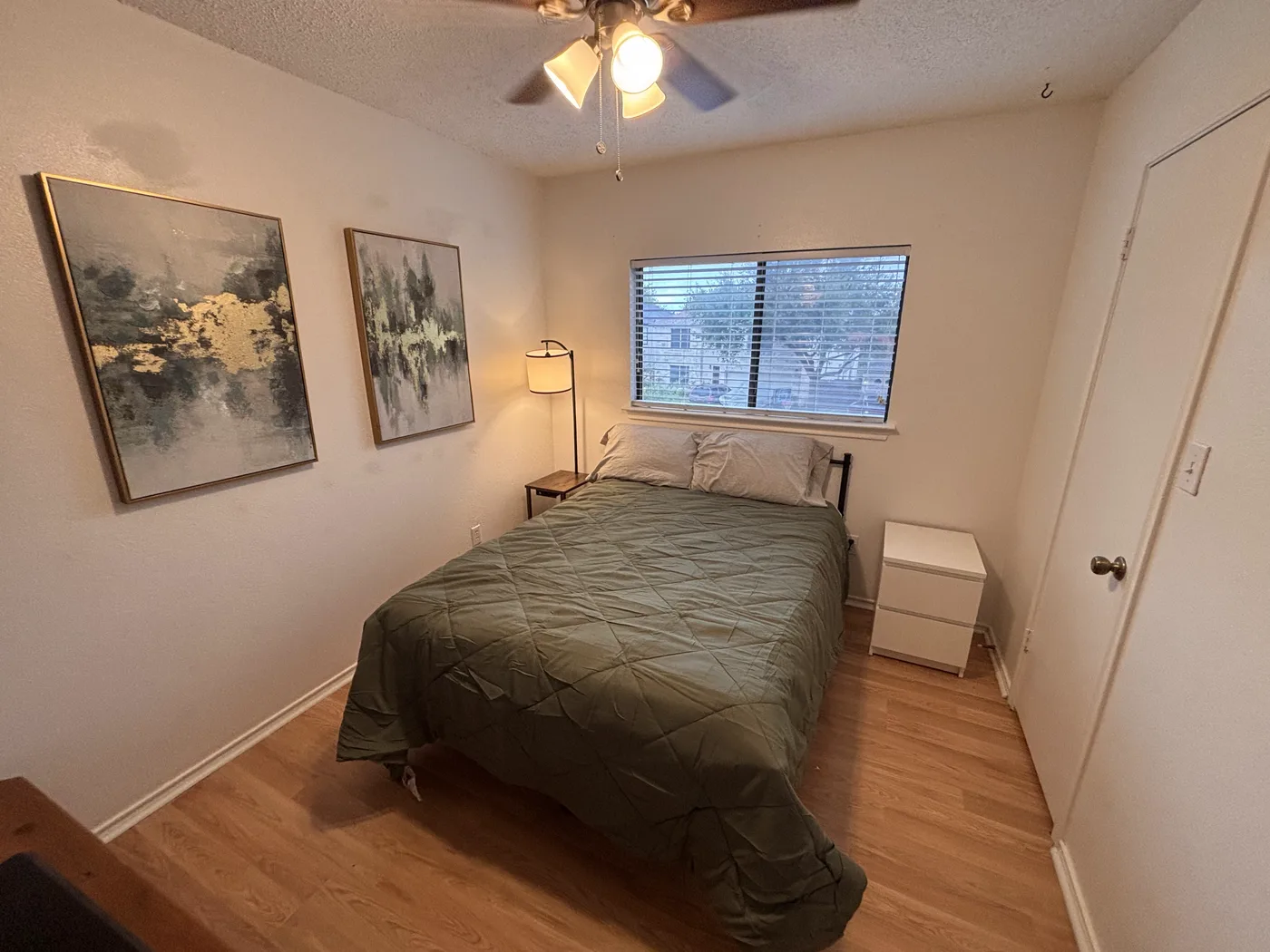
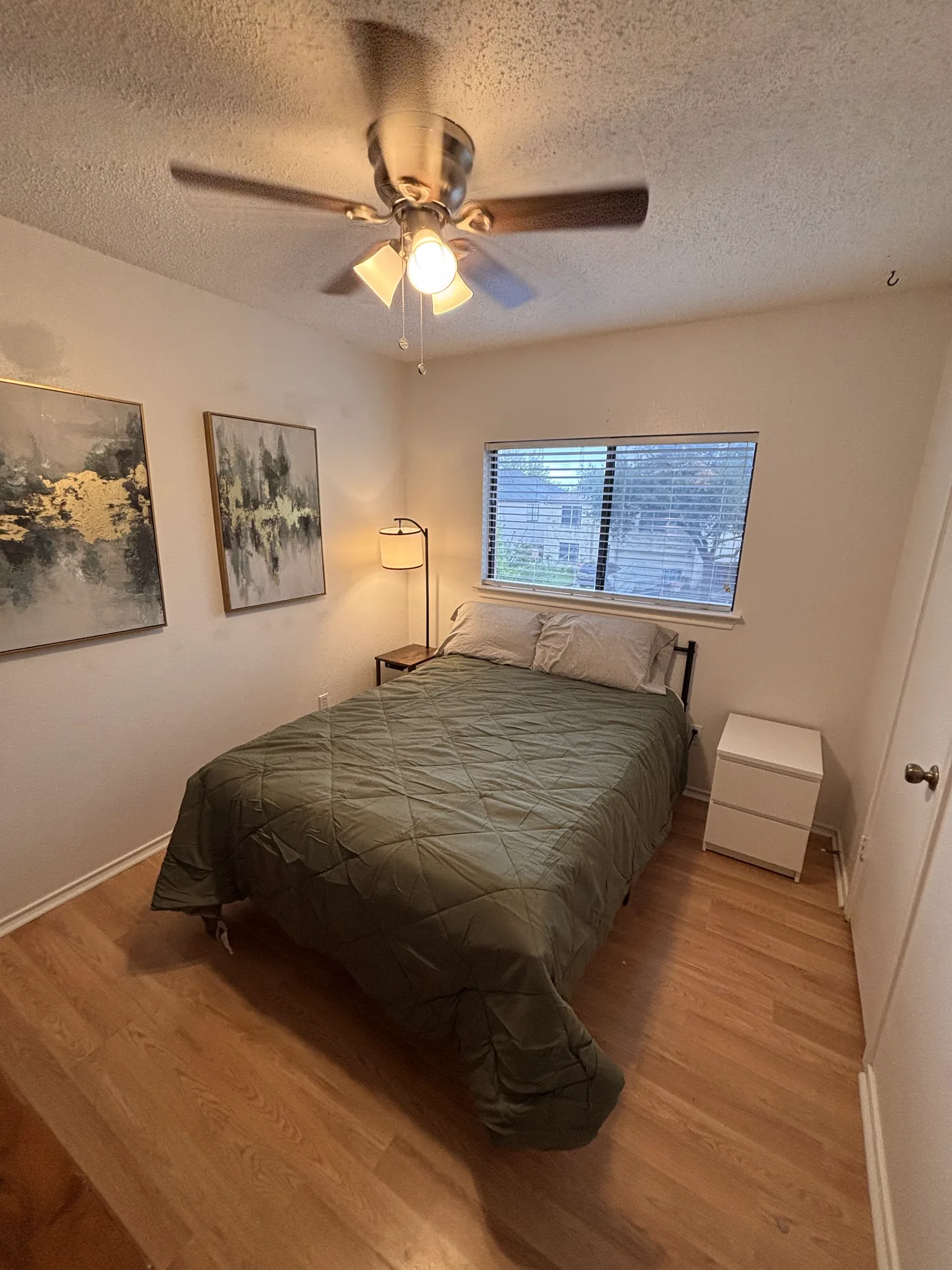
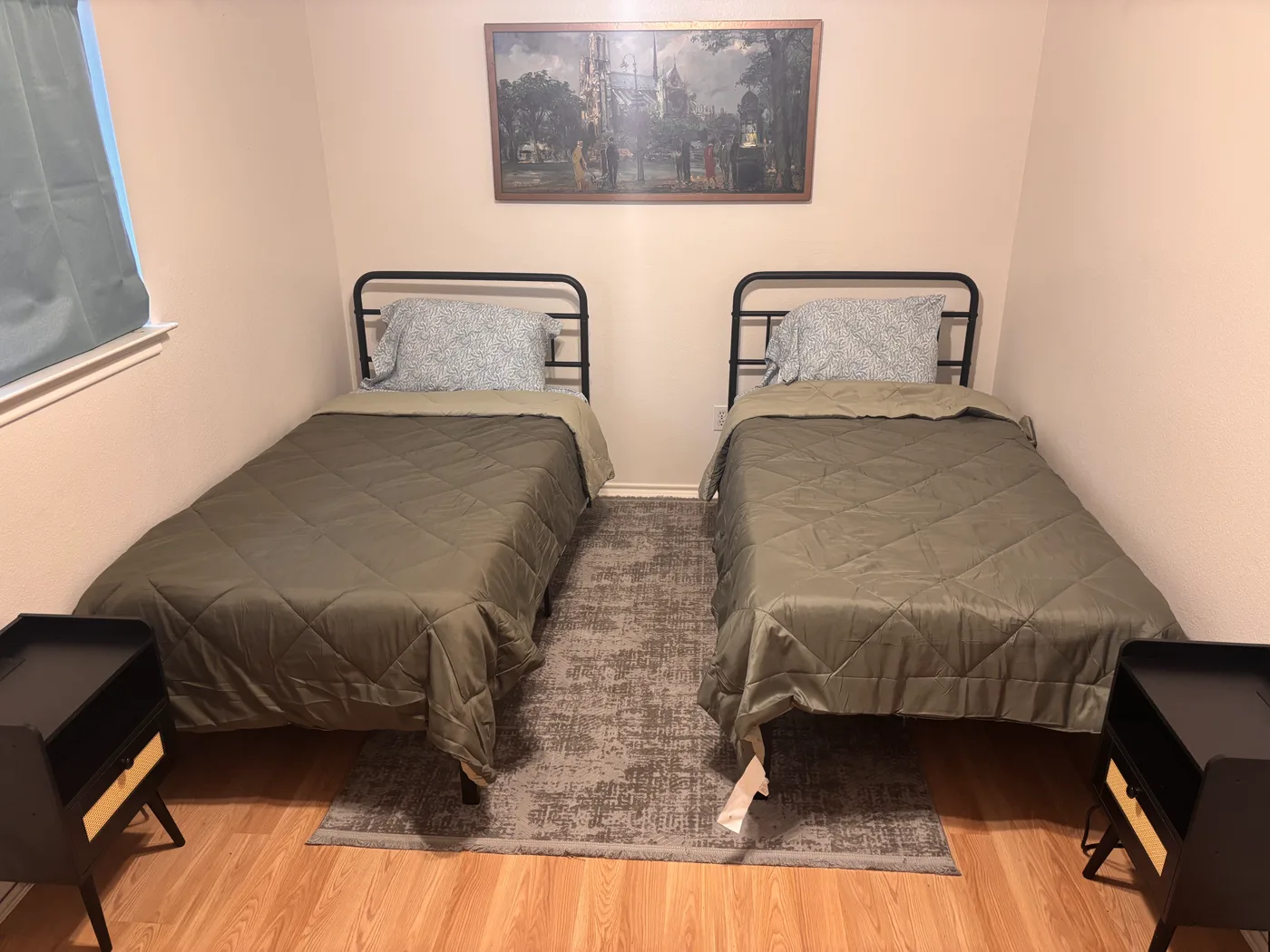
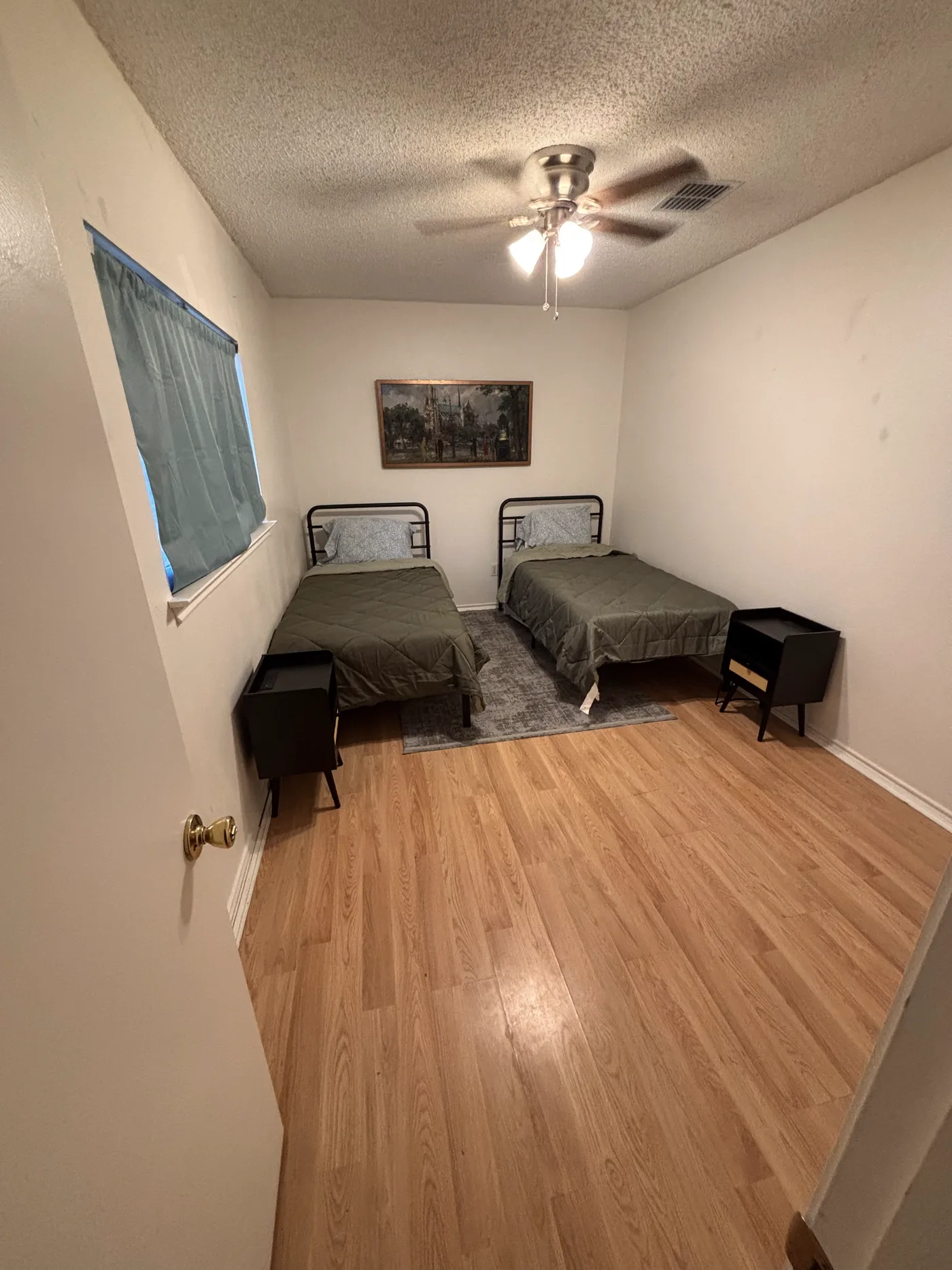
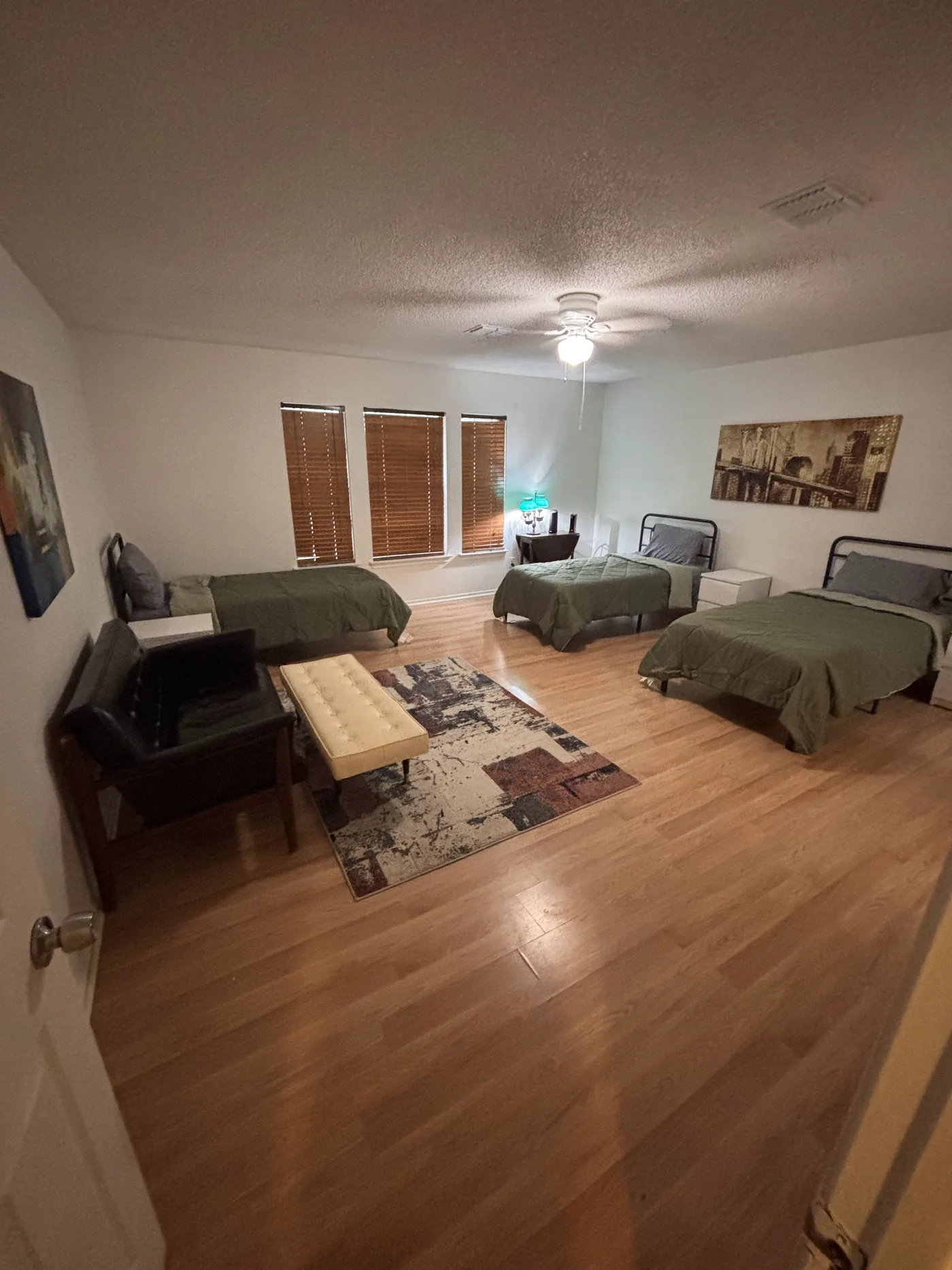
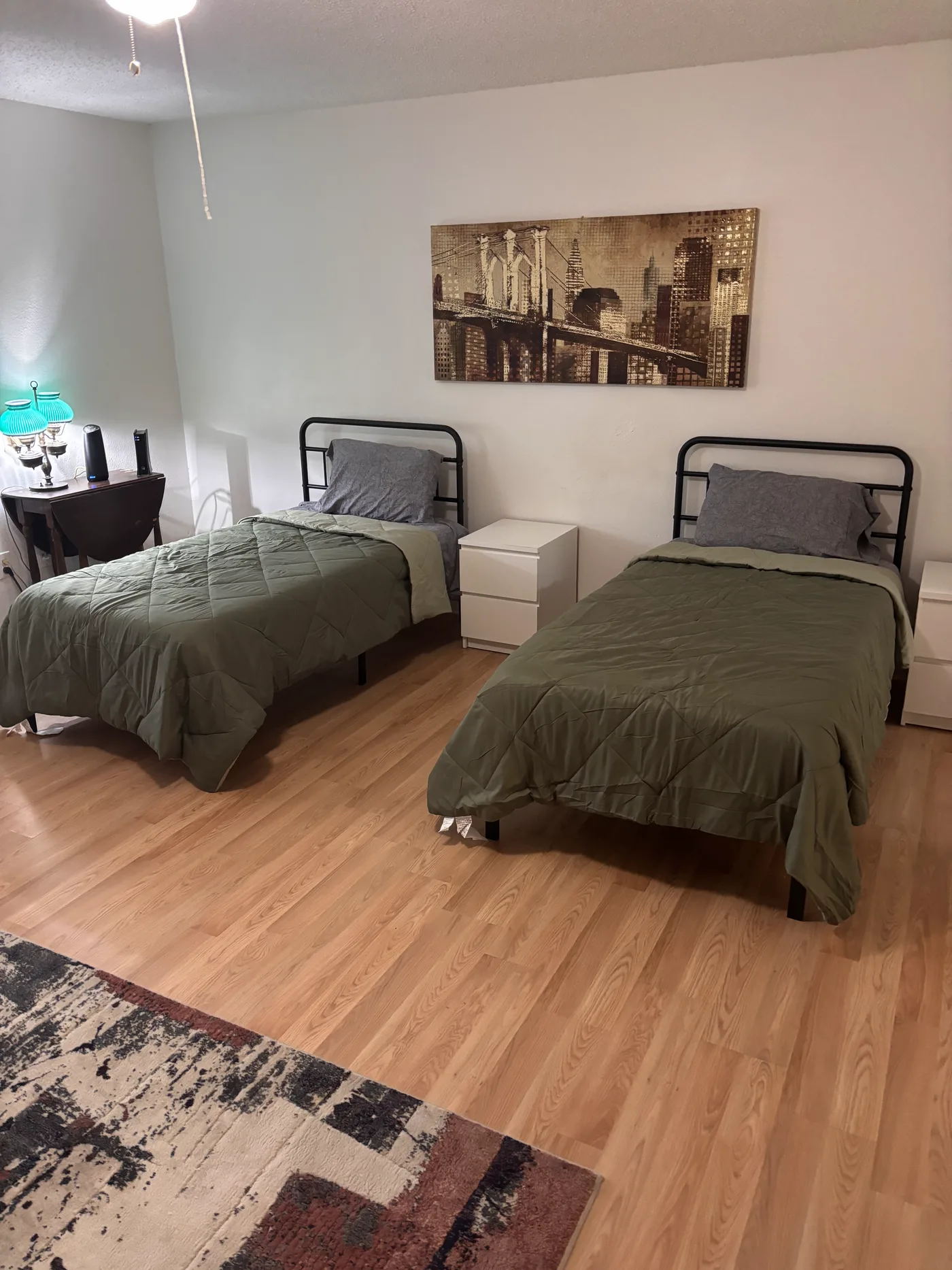
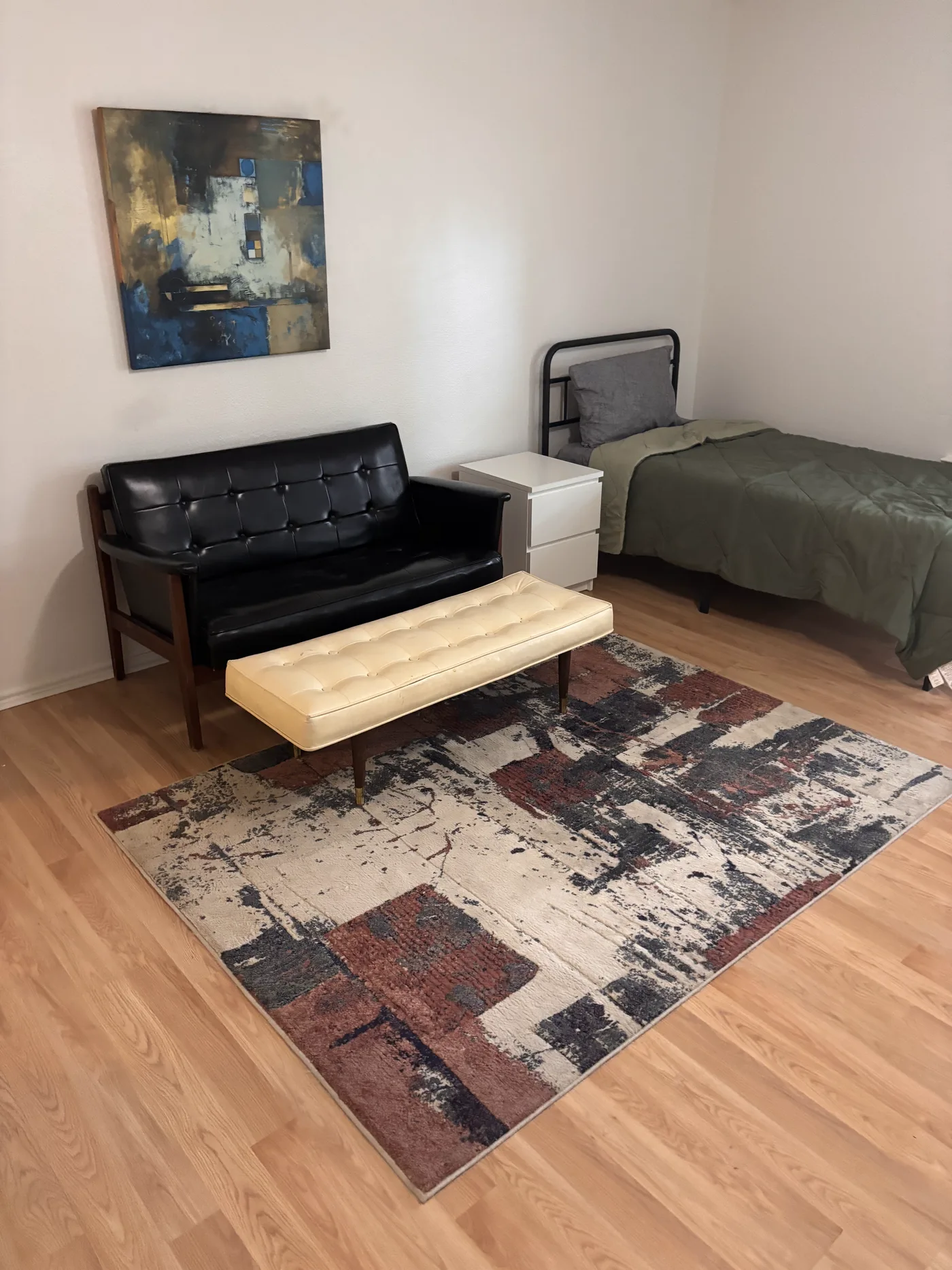
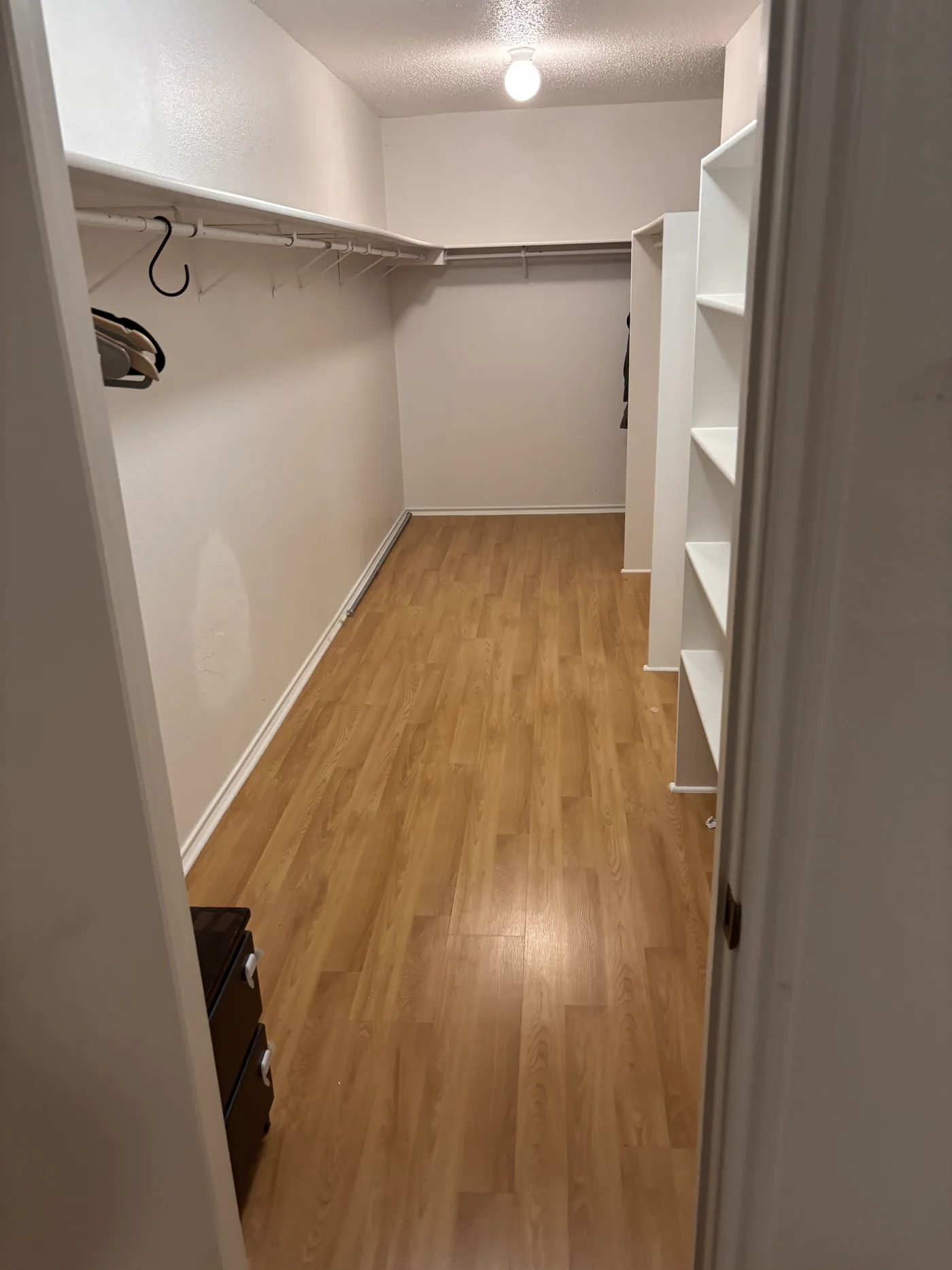
Costs, rules, and expectations in sober living houses in Austin, Texas
- Costs: Monthly fees vary by neighborhood and services; residents typically split rent and utilities in peer‑run homes and pay a program fee in staffed homes.
- Rules: Substance‑free property, curfews, drug/alcohol testing, house meetings, and shared chores are standard.
- Participation: Many houses require proof of work, school, or service plus ongoing therapy or meetings. Expect written consequences for violations, up to discharge.
Texas recognizes recovery residences; details are posted by Texas HHS recovery residences.
When are you ready to move out?
You’re usually ready when you can show stable sobriety, steady income or savings, reliable housing, and a written relapse‑prevention plan with support contacts. Many guides suggest starting with 90 days, then reassessing every 30–60 days until you meet these markers.
Local context: finding men’s sober living in Austin
Austin offers a dense network of men’s sober living options: peer‑run residences and staffed homes spanning North Central, Central, South, and East Austin. Community directories stress visiting several homes, asking about costs and rules, and choosing a location that fits your work, school, or IOP schedule.
For current options, amenities, and typical monthly ranges, see our page on sober living in Austin, TX with furnished apartments and program details.
Medical Disclaimer
The information provided on this page is for educational purposes only and is not a substitute for professional medical advice, diagnosis, or treatment. Decisions about sober living, mental health care, substance use treatment, or participation in an intensive outpatient program should always be made in consultation with a licensed healthcare professional. If you are experiencing a medical emergency, severe withdrawal symptoms, or a mental health crisis, call 911 in the United States or seek immediate medical help. For confidential support related to emotional distress, substance use, or suicidal thoughts, you can contact the 988 Suicide & Crisis Lifeline, available 24 hours a day.
Select Our 10506 Parkfield Dr, Austin, TX Location
Select LocationVisit Our 9415 Quail Meadow Dr, Austin, TX Location
Select LocationChoose Our 7211 Northeast Dr, Austin, TX Location
Select LocationEudaimonia's Success Stories – Real People, Real Freedom
How Eudaimonia Recovery Homes Supports Your Length of Stay in Austin Sober Living
Eudaimonia Recovery Homes can help you plan and right‑size your time in Austin sober living by offering flexible, progress‑based stays rather than a fixed end date. Their men’s apartments in North Central Austin provide a safe, recovery‑focused setting that makes it realistic to commit to several months while you stabilize work, school, and routines.
The Austin program includes structured sober‑living programming and amenities that support daily accountability without sacrificing comfort.
A three‑phase program with accountability measures like alcohol and drug screening helps residents step down gradually as readiness improves. If you need continued therapy, you can pair housing with in‑person or online IOP in Austin, which lets you keep working or studying while staying engaged in treatment.
Community and alumni involvement create ongoing peer support so a longer stay, when appropriate, feels purposeful and connected. Clear pricing and unit availability make budgeting and planning easier for multi‑month stays. In practice, Eudaimonia reviews timelines against your recovery milestones, and many residents stay three to twelve months with room to extend if additional structure is helpful. In short, the program aligns length of stay with your progress, treatment needs, and life commitments so you can move out when you’re ready, not on a clock.
Your Future Is Waiting
Tell us what you are looking for and admissions will walk you through the houses, the phases, and what a room actually costs.


