

Published December 18, 2025 · Updated February 26, 2026
Key Takeaways
- Understand sober living as substance-free housing with structure that can support daily recovery habits.
- Amenities reduce stress by making routine needs (sleep, meals, laundry, internet) easier to manage.
- Austin location matters because commute time and access to meetings, work, and care can affect follow-through.
- Compare total cost by reviewing what’s included and planning a realistic monthly budget.
- Expect clear rules since curfews, chores, and house expectations are designed to keep the home stable.
- Use four recovery steps to focus on routines, support, relapse-prevention skills, and rebuilding purpose.
- Life after addiction often includes rebuilding work habits, relationships, and mental health supports.
- Ask practical questions to compare homes based on weekly fit, not just how a tour looks.
- Plan your transition by setting milestones and strengthening supports before moving to more independent housing.
- Check common FAQs for quick answers on cost, length of stay, rules, and how sober living differs from other housing.
On This Page · 29 Sections

Sober Living
Austin
10506 Parkfield Dr, Austin, TX 78758
Life after addiction often changes in small steps. One of the biggest practical steps is choosing where to live. For many people, sober living in Austin offers a stable place to practice recovery while returning to work, school, and daily life.
People who search “sober living amenities Austin” are often trying to answer a simple question: what will daily life look like there? This article breaks down common amenities and explains how they can support safety, routine, and follow-through.
What “sober living” means and how amenities help
Sober living homes are also called recovery residences or transitional housing. The details vary, but most options share a goal: provide a substance-free place to live with added structure. If you’re comparing options, this guide on sober living vs. halfway houses explains the common differences people ask about.
For a clear overview of recovery residence levels and expectations, see NARR’s recovery residence standards.
Many homes ask residents to follow a curfew, attend house meetings, and complete chores. Some also use drug and alcohol testing. These rules can feel strict. They are usually meant to reduce risk and to make expectations clear for everyone in the home.
Amenities matter because recovery is lived in daily routines. If housing is unstable, it is harder to keep up with appointments, work hours, and healthy habits. A home that meets basic needs can make it easier to focus on recovery work.
Amenities vs. services
People use these words in different ways, but one simple view is this: amenities are the features of the home (like furniture, internet, laundry, or a workspace), while services are added supports (like case management, coaching, or help with transportation). Both can be useful, and they solve different problems.
Common sober living amenities in Austin
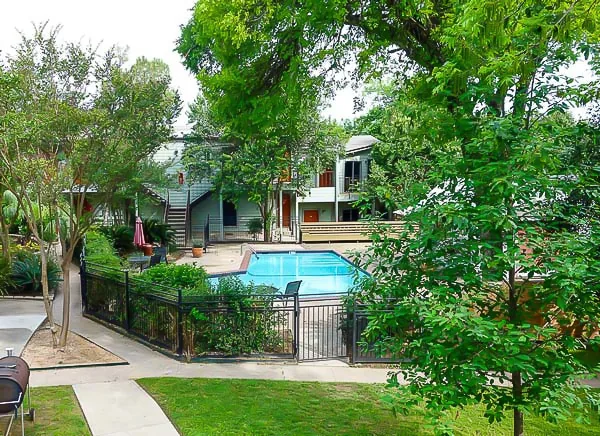
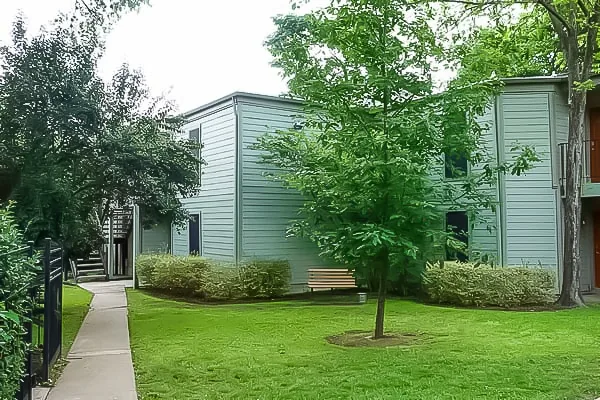
Austin has many types of sober living, including shared houses and apartment-style options. Amenities depend on the program and price, but several themes come up often.
Basics that support daily life
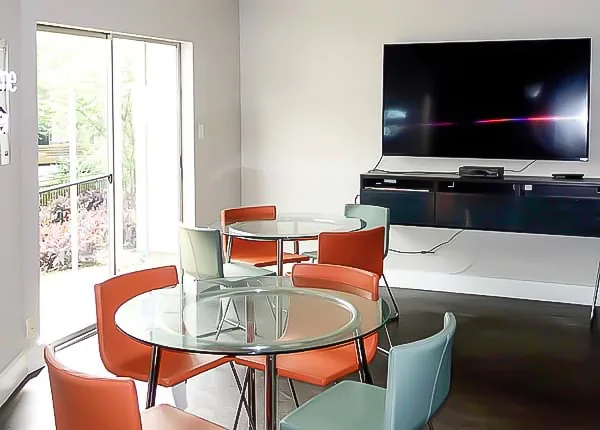
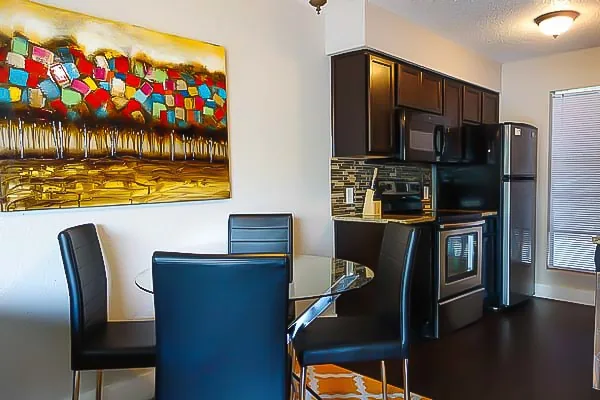
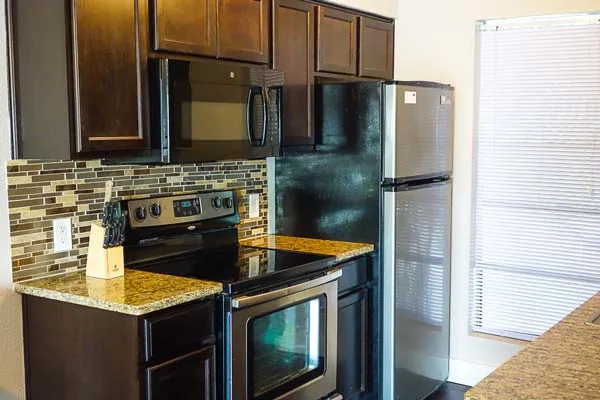
Common “must-have” amenities include a safe bedroom, reliable utilities, and a kitchen that works. Many homes also offer:
- Furnished rooms and shared living space
- Wi‑Fi for work, school, and telehealth
- Laundry access (on-site or close by)
- Basic kitchen supplies so residents can cook at home
These basics can reduce stress and costs during early recovery.
Safety and structure features
Some of the most important “amenities” in sober living are tied to safety and structure. Depending on the home, that may include clear visitor rules, quiet hours, house meetings, shared chores, a house manager or on-site staff, and regular drug and alcohol testing. The point is to keep the home stable and predictable.
Predictability can be a real benefit when someone is working through cravings, mood changes, or early sobriety fatigue.
Location and transportation in Austin
Austin is spread out. A long commute can add stress, especially when a person is also going to meetings or outpatient care. When looking at sober living amenities in Austin, “location” is an amenity too.
Many people look for housing that is close to work, school, job training, recovery meetings, groceries, pharmacies, and clinics. If transportation is a barrier, ask if the home helps residents plan rides to meetings or coordinate carpools.
For a location-specific overview of options, see our guide to sober living in Austin, TX.
Wellness and routine-building options
Some homes add wellness features like outdoor space, nearby parks, or planned group activities. These are not required for recovery. Still, they can help people build healthy routines that replace older patterns.
Cost considerations for sober living in Austin
Costs can vary based on the neighborhood, the room setup, and what is included. A private room often costs more than a shared room. Homes that include utilities, internet, furniture, and household supplies may also have a higher monthly rate, but the total monthly budget can still be predictable.
Before choosing a home, it can help to ask for a clear breakdown of charges. In addition to the monthly rate, some homes may have move-in fees, deposits, or rules about what happens if a resident leaves early.
If cost is a deciding factor, this cost of sober living in Austin breakdown explains common pricing factors and what is often included.
A practical way to compare cost
Instead of comparing “rent” alone, compare the full monthly picture: housing, food, transportation, required meetings or outpatient care, and basic personal expenses. If a home includes internet, laundry access, and a kitchen setup, that may reduce other costs that add up quickly.
Eudaimonia's Success Stories – Real People, Real Freedom
Typical house rules and expectations
Most sober living settings have written rules. Rules can differ, but common expectations include curfews, chores, meeting attendance, limits on visitors, and standards for respectful behavior in shared spaces.
If you are deciding between options, ask whether the home provides a resident handbook. A written set of expectations often makes daily life simpler. It also helps residents and families understand how the home handles safety concerns.
Best-practice guidance also recommends written policies and resident expectations in a handbook to support clarity and safety (see TIP 65 best practices for recovery housing).
4 steps to recovery after treatment
“4 steps to recovery” is not one official method. The steps below are a practical way to think about life after addiction while living in sober housing.
Step 1: Build routines that protect sobriety
Early recovery is often easier when the day has a basic rhythm. That rhythm can include sleep, meals, work or school, meetings, and time to rest.
Sober living can support this step when the home is quiet at night, has clear expectations, and makes it easy to cook, clean, and stay organized.


Step 2: Use support on purpose
Support matters most when it is used, not just available. A support network can include peers in the home, a sponsor, a therapist, a coach, or trusted family members.
Sober living can reduce isolation because people share routines and recovery goals. Over time, it helps to build support outside the home as well, so the next move feels less risky.
Step 3: Practice relapse prevention in real situations
Relapse risk often rises during specific times: weekends, late nights, payday, conflict, or loneliness. Planning ahead can help.
A simple plan can include going to a meeting, calling someone, leaving a risky place, taking a walk, or using coping skills learned in treatment. In sober living, these choices happen in real life, which can strengthen confidence over time.
Step 4: Rebuild life skills and purpose
Life after addiction is not only “staying away” from substances. It is also building a life that feels stable and worth protecting.
Common targets include work, school, budgeting, health care, and safer relationships. Practical amenities, like internet access, a quiet place to study, and a predictable home routine, can support this step by lowering daily friction.
Life after addiction: what people often work on
Recovery is personal, but many people face similar areas of change after treatment. SAMHSA’s working definition of recovery highlights “Home,” “Purpose,” and “Community” as core dimensions of recovery (see SAMHSA’s working definition of recovery).
Work, school, and time management
Some people return to a past job. Others start fresh. Either way, a steady schedule is often a key part of stability. Housing that supports sleep, study time, and reliable transportation can make this easier.
Relationships and boundaries
Trust usually rebuilds through steady actions over time. Boundaries also matter. This can mean avoiding certain people or places, limiting contact during high-risk periods, and planning safer social time.
Sober living rules can support boundaries at first, but personal boundaries still need practice. Over time, the goal is to make these choices without needing the house structure to enforce them.
Mental health and stress
Many people in recovery work on anxiety, depression, trauma symptoms, or sleep problems. Stress does not go away in sobriety. The goal is to respond to stress without returning to old coping patterns.
Stable housing can help by making it easier to keep appointments, take medication as prescribed, and follow daily routines.
How to compare sober living amenities in Austin
A useful approach is to compare homes by how they will fit your normal week, not only by how they look on a tour. For a step-by-step checklist, see this guide on how to choose a sober living home.
Daily living questions
Consider asking:
- What is included in rent (furniture, utilities, internet, supplies)?
- How many people share bathrooms and common areas?
- What are the expectations for chores and cleanliness?
- Are there quiet hours that support sleep and work schedules?
Recovery structure questions
Structure varies. Ask:
- What are the rules for curfew, meetings, and visitors?
- How is rule-breaking handled, and what happens after a lapse?
- Is there a house leader or on-site management?
- How often is testing used, if the home uses testing?
Location and schedule fit
Also ask yourself: can I get to work, meetings, and appointments without losing hours in traffic? Do I have safe options at night if I work late or have evening meetings? Is the neighborhood a good fit for my daily routine?
Planning the next step after sober living
Sober living is often a phase, not an end point. If you’re planning a timeline, this guide on how long to stay in sober living outlines common considerations people use to decide.
Many people do best when they plan their next housing step early. This can include saving money, building credit, and keeping the routines that worked.
It can also help to watch for early warning signs that structure is slipping, such as skipping meetings, isolating, hiding stress, or drifting back to old social circles. If those signs appear, the safest move is usually to increase support quickly, not to “wait it out.”
How Eudaimonia Recovery Homes Supports Life After Addiction
Eudaimonia Recovery Homes can support people who are looking for sober living amenities in Austin by offering a structured, substance-free place to live while they rebuild daily life after addiction. Residents can use a stable home base to practice routines like consistent sleep, meal planning, and getting to work or appointments on time.
Shared living with others in recovery can reduce isolation and create everyday accountability without turning the home into a clinical setting. House guidelines and expectations around respectful behavior can make the environment more predictable, which may lower stress during early recovery.
Practical amenities such as furnished common areas, kitchen access, and reliable internet can help residents focus on recovery goals instead of constant logistics. Being in Austin can also make it easier to stay connected to local recovery meetings, outpatient services, and community supports, depending on the location that best fits a person’s schedule.
For someone following a “4 steps to recovery” plan, sober living can reinforce routines, support connections, relapse-prevention habits, and real-world skill building. The best fit still depends on personal needs, so it helps to ask clear questions about rules, costs, and what is included before choosing a home.
Your Future Is Waiting
Tell us what you are looking for and admissions will walk you through the houses, the phases, and what a room actually costs.


