
Published September 16, 2024 · Updated July 20, 2026
On This Page · 17 Sections

Sober Living
Austin
10506 Parkfield Dr, Austin, TX 78758
Stress and anxiety are common experiences for many people, especially those recovering from alcohol and drug addiction. While various therapeutic approaches help manage these feelings, music healing therapy has become an increasingly popular tool in the sober living community. At Eudaimonia Recovery Homes, we incorporate this powerful technique into our sober living programs to help clients achieve emotional balance and sustain long-term recovery.
What Is Music Healing Therapy?
Music healing therapy, or music therapy, involves using music to improve mental, emotional, and even physical well-being. This therapeutic approach has been scientifically shown to reduce stress, anxiety, and depression, making it an excellent tool for those recovering from addiction. By engaging in music creation, listening, or even meditative sound exercises, individuals can tap into deep emotional reservoirs, allowing them to release negative emotions and replace them with calm and peace.
Music therapy doesn’t require any prior musical experience, which makes it accessible to everyone. Whether you’re tapping your foot to a rhythm, listening to calming melodies, or engaging in guided music activities, it can be transformative in promoting emotional healing.
How Music Therapy Reduces Stress and Anxiety
For individuals in recovery, stress and anxiety can be significant triggers for relapse. This is why managing these emotions is critical to maintaining long-term sobriety. Here’s how music healing therapy can help:
Alters Brain Chemistry
One of the most compelling effects of music therapy is its ability to change the brain’s chemistry. Listening to soothing music can increase the production of dopamine, the “feel-good” neurotransmitter. Dopamine plays a key role in motivation and mood regulation, both of which are often disrupted by substance abuse. Music healing therapy helps restore a healthy balance, reducing the impact of stress and anxiety on the brain.
Promotes Relaxation
Music, especially slow-paced rhythms, is a natural tool for relaxation. The tempo and tones in calming music can slow the heart rate and reduce blood pressure. This physical relaxation leads to mental calmness, making it easier to manage stress without feeling overwhelmed.
Encourages Mindfulness
Mindfulness is another important aspect of addiction recovery. Music therapy encourages mindfulness by bringing you into the present moment. By focusing on the sounds, melodies, and rhythms of the music, you can escape from the negative thoughts and worries that fuel stress and anxiety. Through repeated practice, music therapy helps individuals develop this mindfulness, creating a sustainable way to cope with emotional turmoil.
Fosters Emotional Expression
Addiction often stems from unexpressed or unresolved emotions. Music can provide an outlet for these emotions in a safe and controlled environment. Whether playing an instrument, singing, or simply listening to a song that resonates with your feelings, music allows for the release of emotional tension, which reduces stress and anxiety over time.
Incorporating Music Therapy in Sober Living
At Eudaimonia Recovery Homes, we recognize that healing from addiction requires more than traditional treatment methods. Our holistic approach includes evidence-based therapies such as music healing therapy, which complements our clients’ physical, mental, and spiritual recovery. Music therapy sessions are integrated into our sober living program, helping clients develop new coping mechanisms and providing a creative outlet for emotional release.
During a music therapy session, clients might participate in various activities, including:
Guided Music Listening
Clients listen to specific tracks or genres that are designed to calm the mind or evoke particular emotions. This helps identify emotional triggers and creates awareness of how music can influence mood.
Music Creation
Some clients find relief in creating music, whether playing instruments or composing simple melodies. This activity fosters creativity and self-expression, which are critical elements in building a new life in recovery.
Meditative Music Exercises
Meditation accompanied by soft music is a powerful tool for reducing stress. Clients are guided through breathing exercises and visualization techniques, all to the backdrop of calming music that enhances relaxation.
Benefits of Music Therapy in Addiction Recovery
Music therapy is more than just an enjoyable activity. It offers measurable benefits that can significantly enhance recovery from addiction. Below are some of the key benefits of incorporating music healing therapy into a sober living program:
- Reduces Cravings
Music therapy has been shown to reduce cravings for drugs and alcohol by providing an emotional release and calming mental stress. This helps prevent relapse, especially during the challenging early stages of recovery. - Improves Sleep
Insomnia and other sleep disorders are common in early recovery. Relaxing music before bedtime can help ease the transition to sleep, providing clients with a natural and non-addictive way to improve their sleep patterns. - Enhances Emotional Regulation
For those recovering from addiction, emotional regulation can be a difficult skill to master. Music therapy offers a safe way to explore and express emotions, whether joy, sadness, anger, or frustration. By becoming more attuned to these emotions, clients are better equipped to manage them without turning to substances. - Boosts Overall Well-being
The psychological and physiological effects of music therapy contribute to a general sense of well-being. Whether through active participation or passive listening, clients leave sessions feeling rejuvenated, less anxious, and more centered. These improvements ripple into other aspects of their recovery, helping them stay focused on their goals.
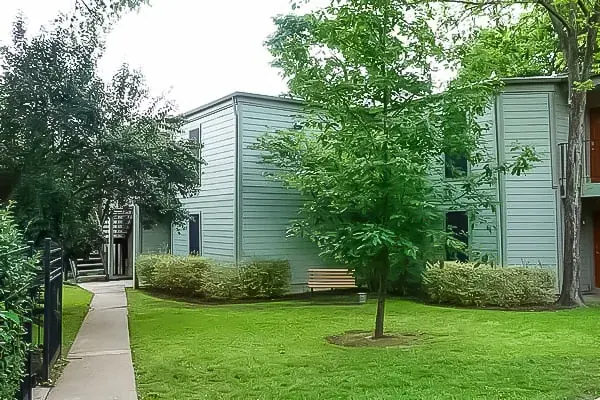
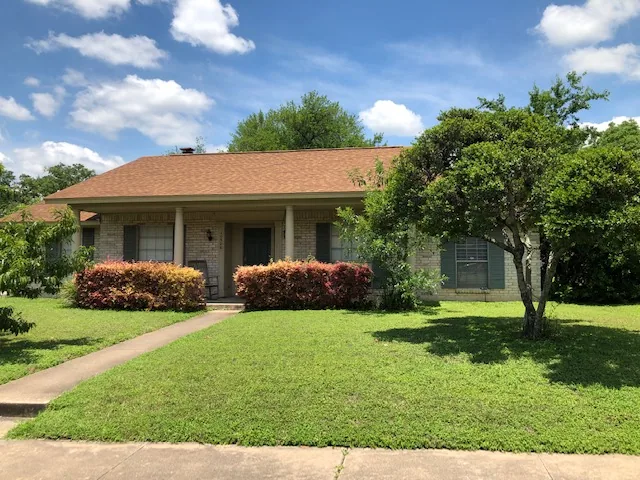
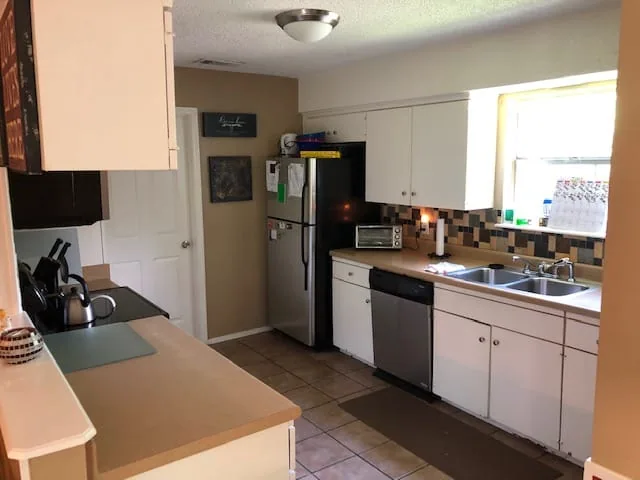
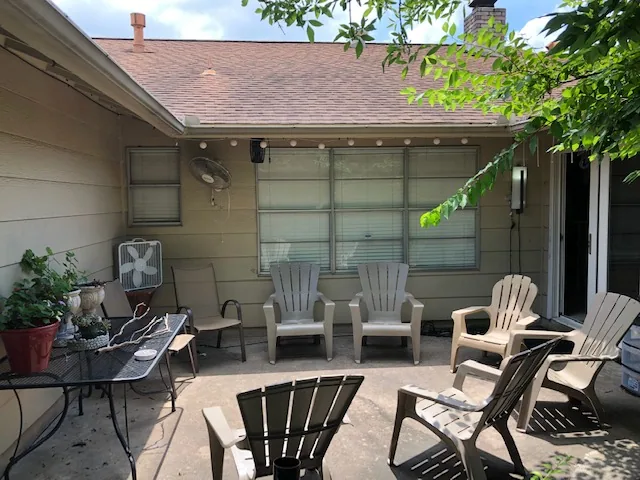
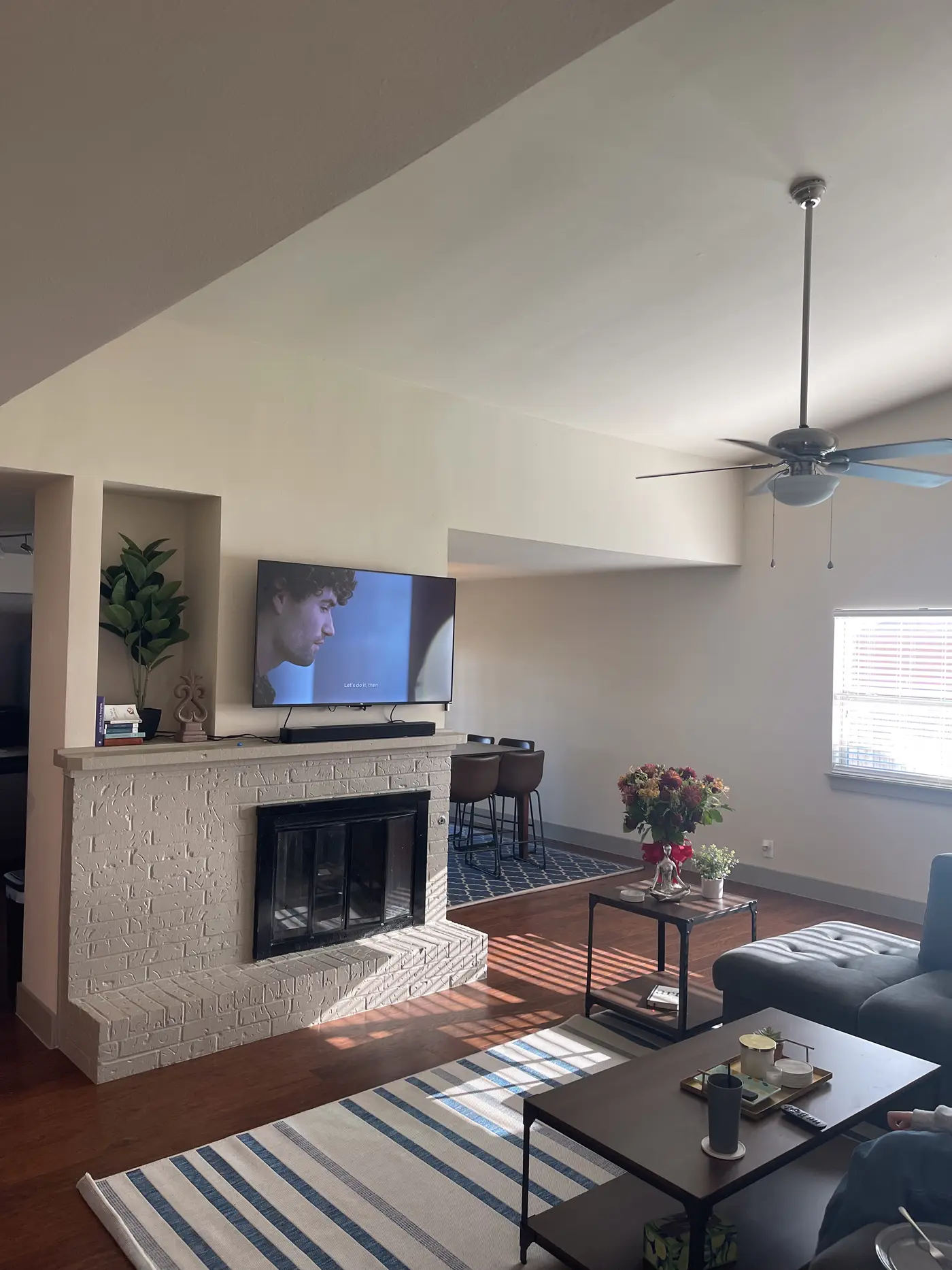
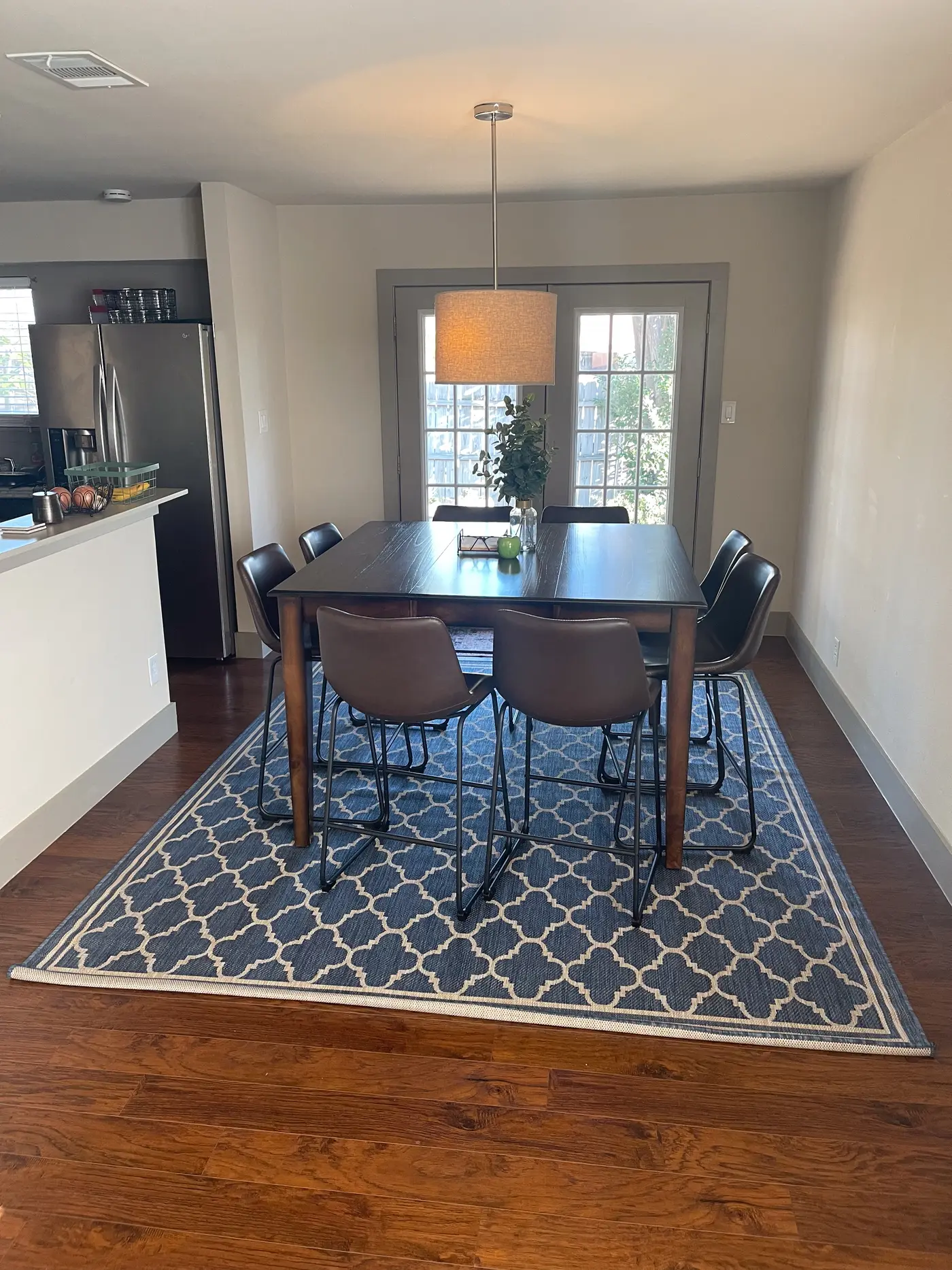
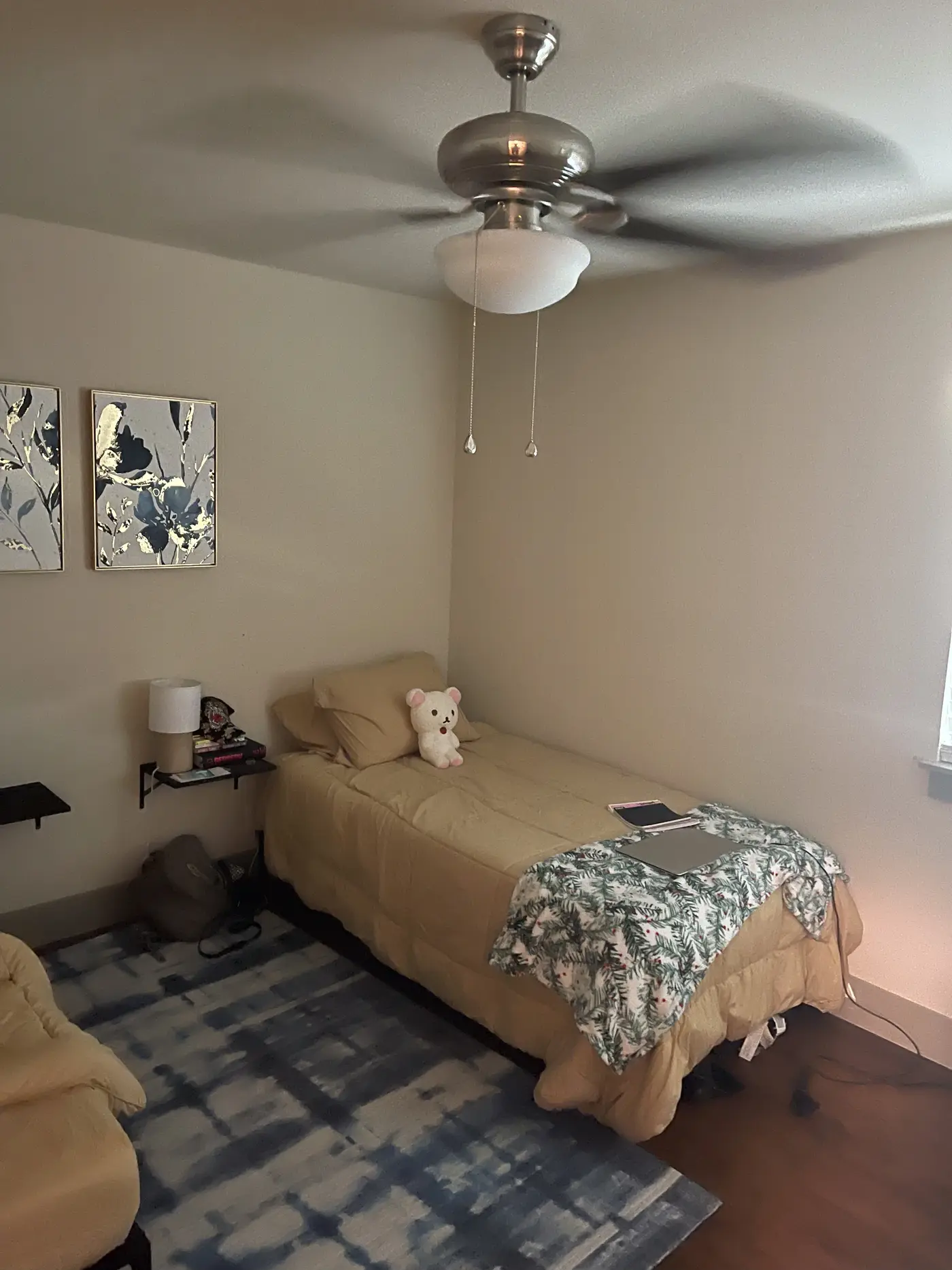
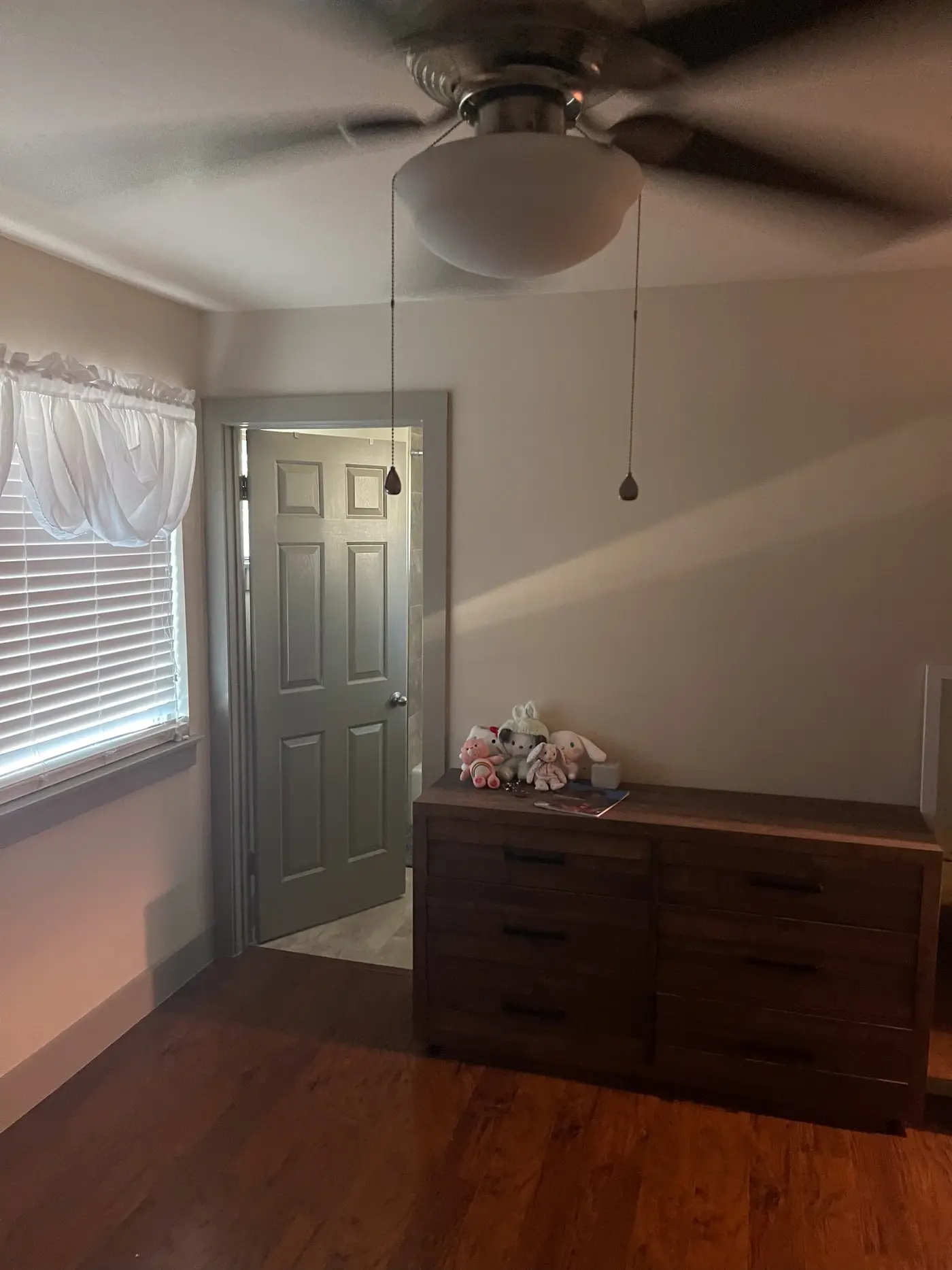
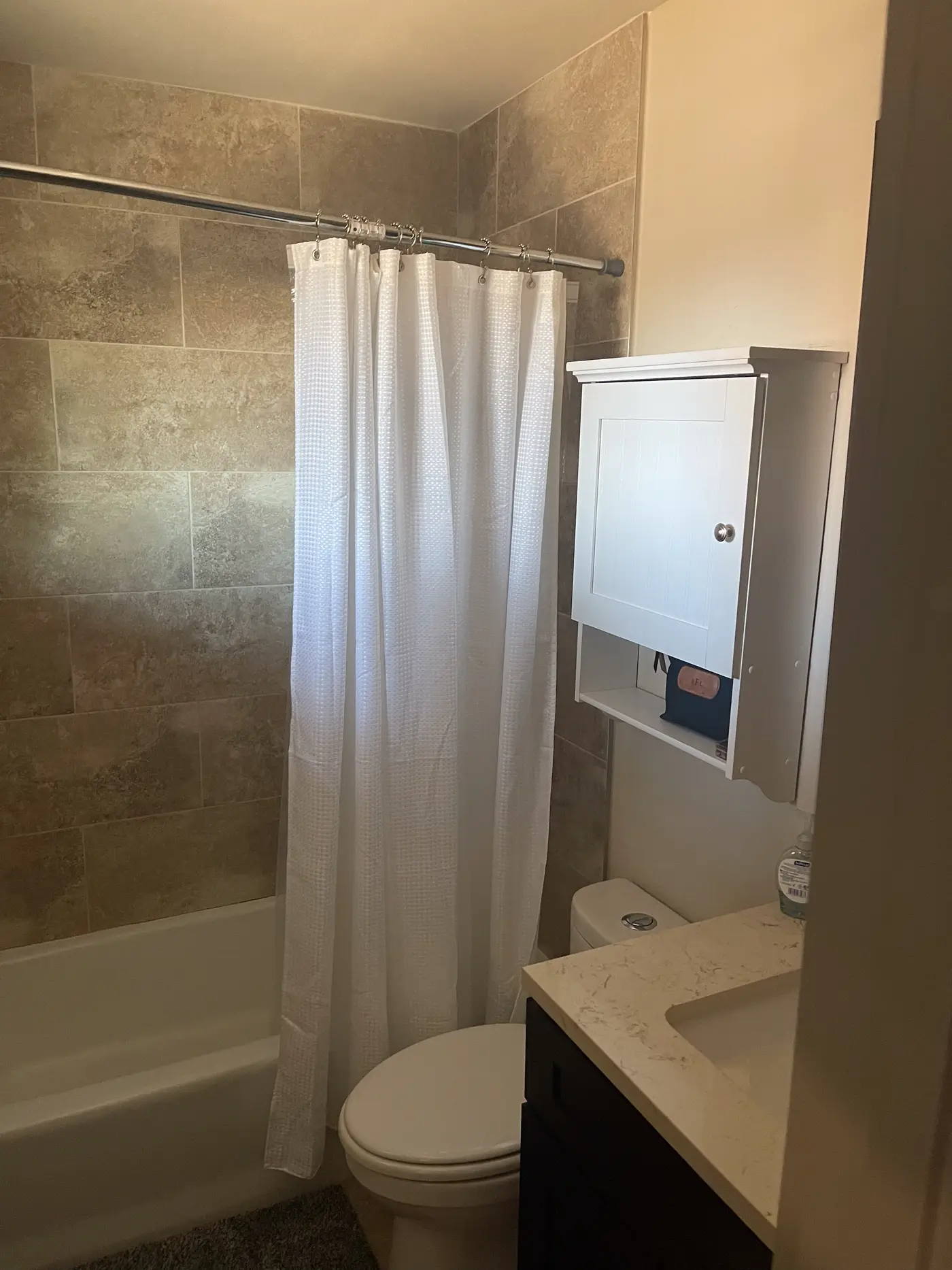
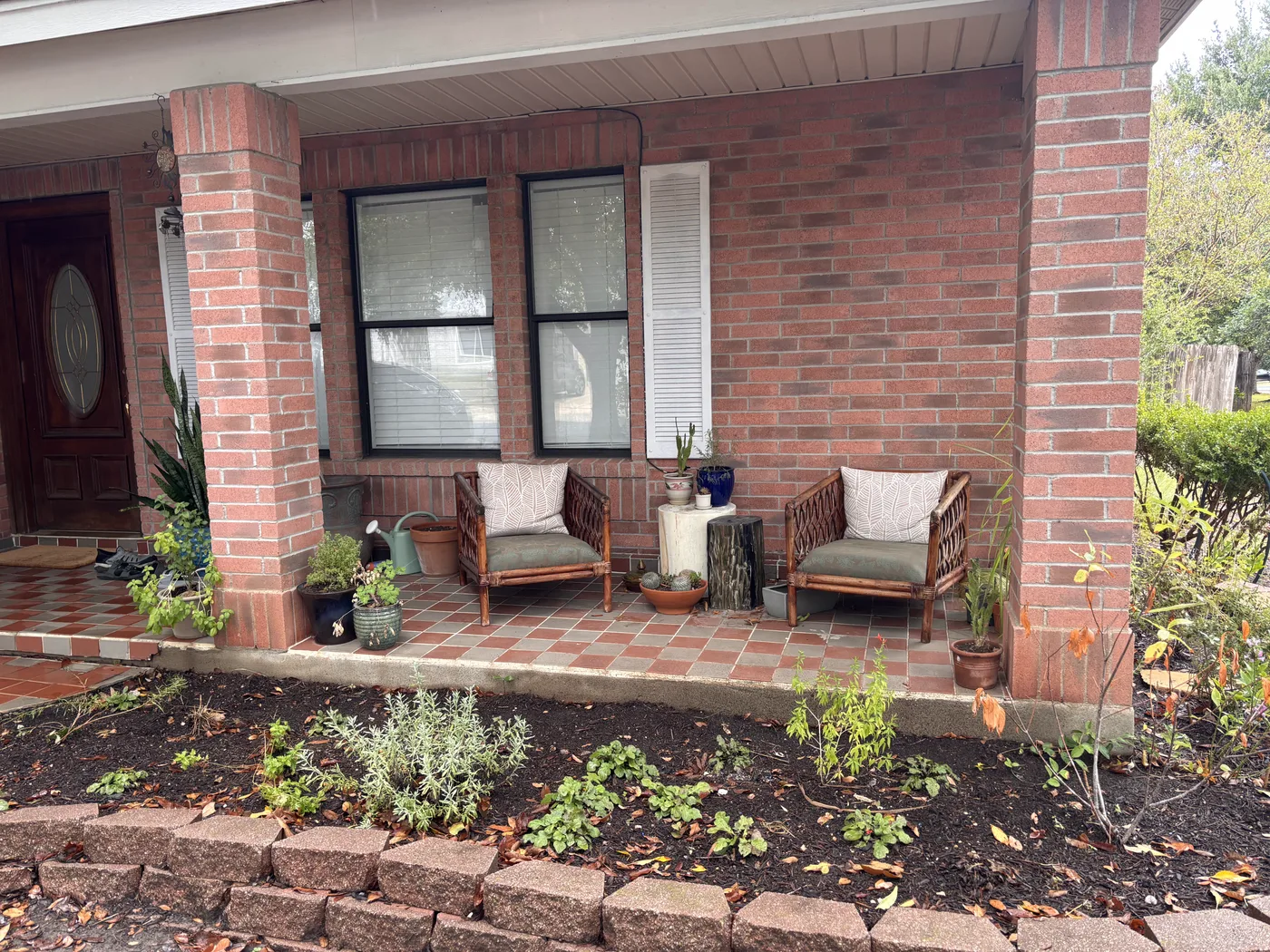
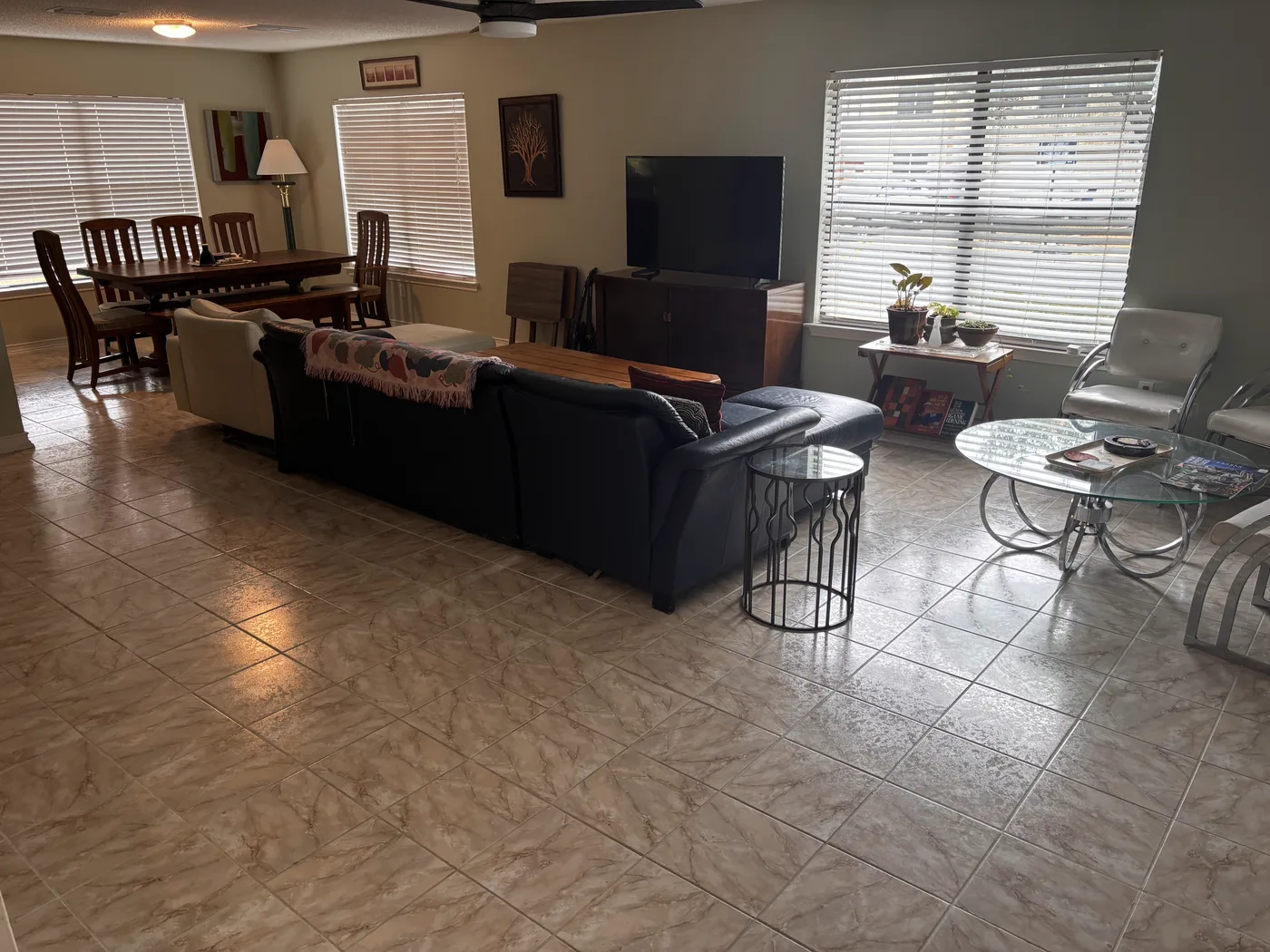
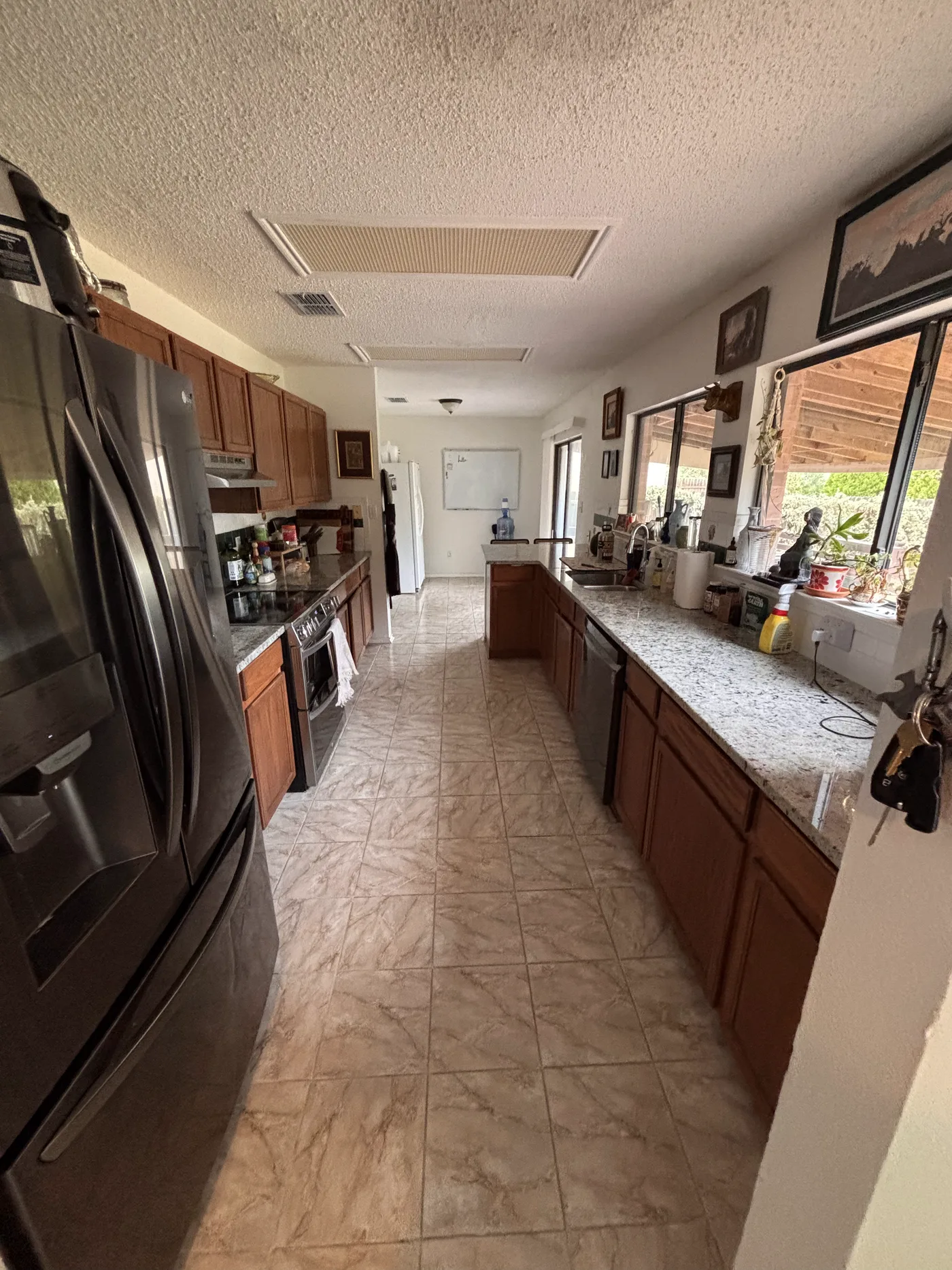
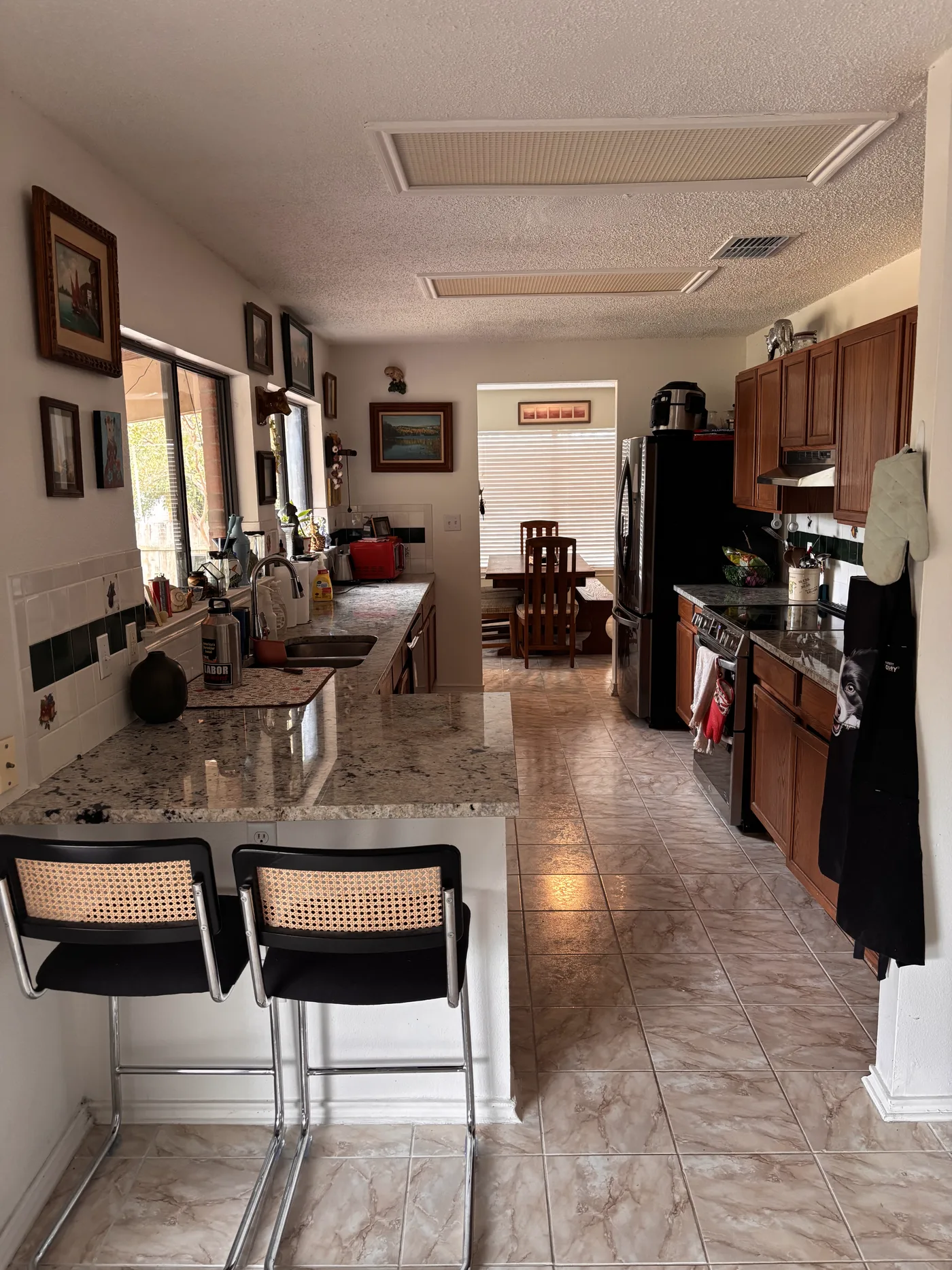
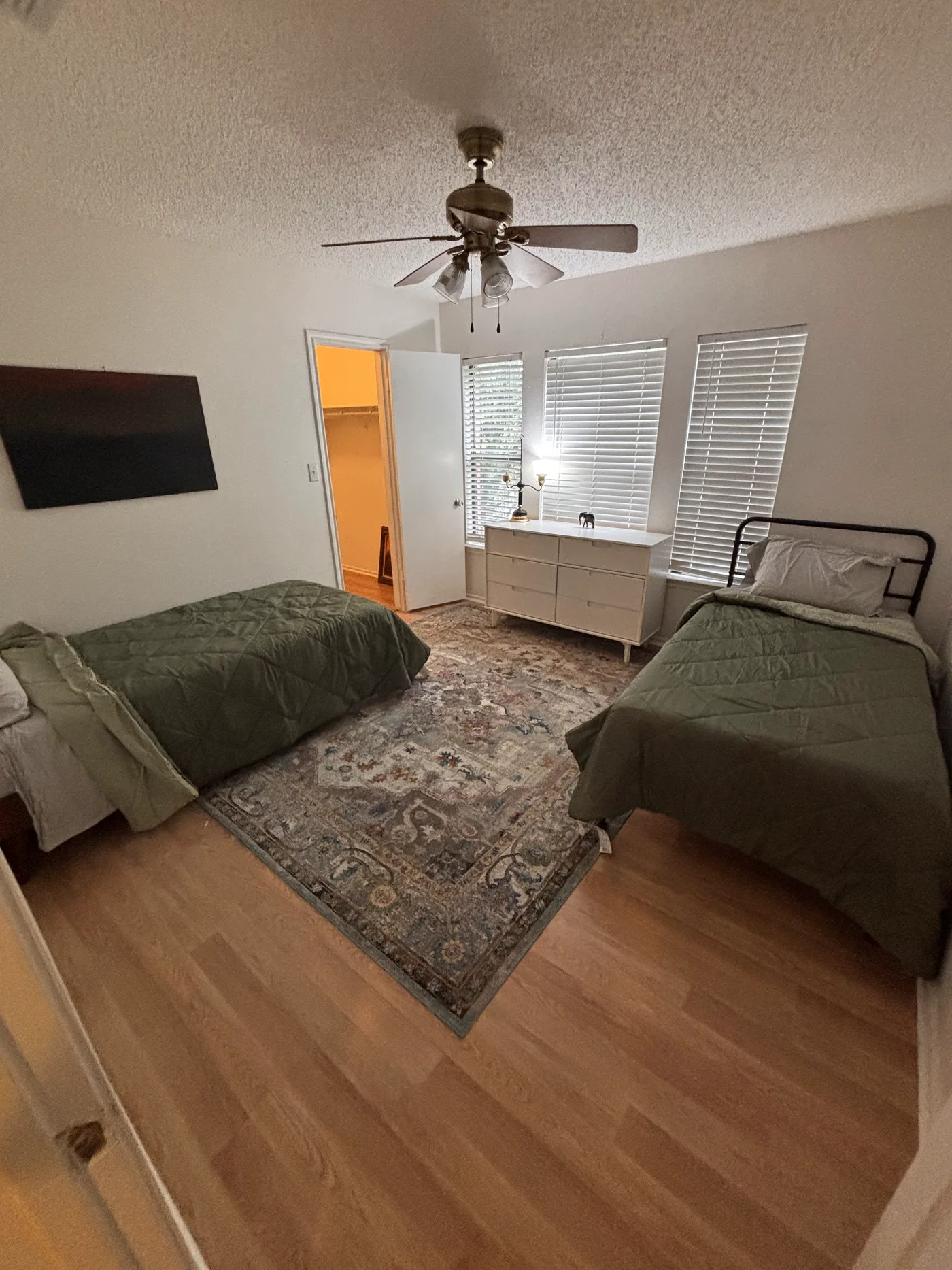
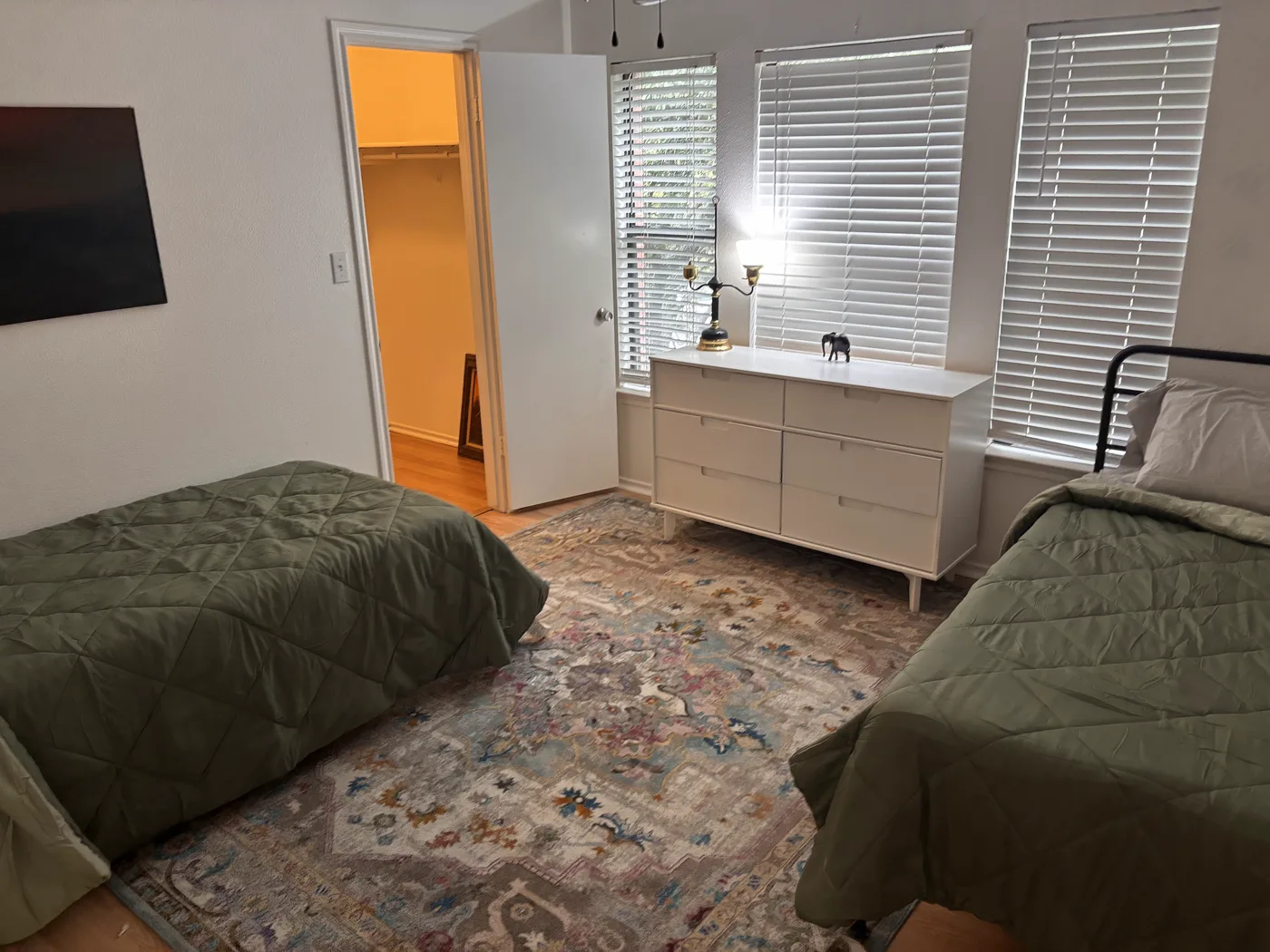
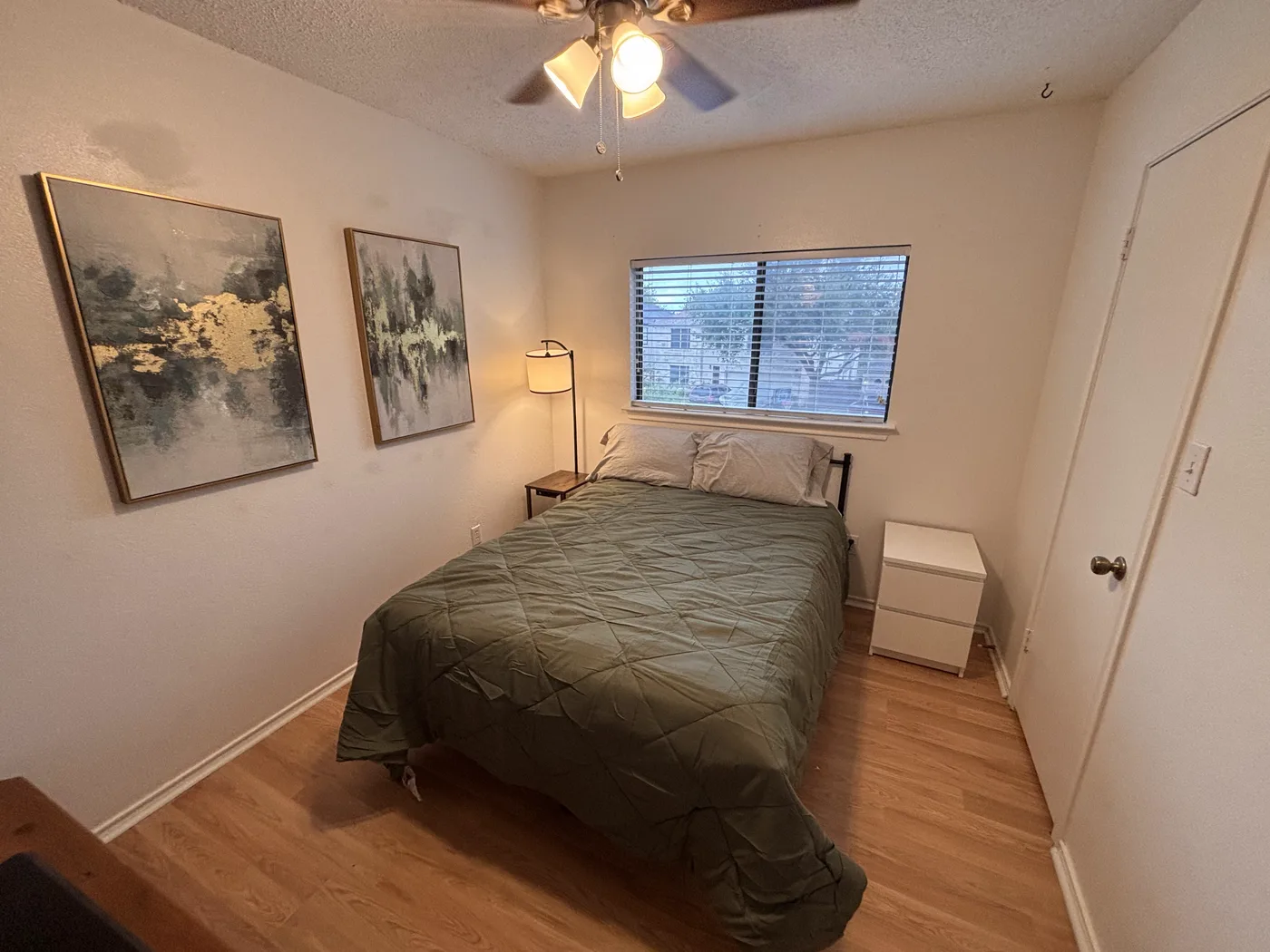
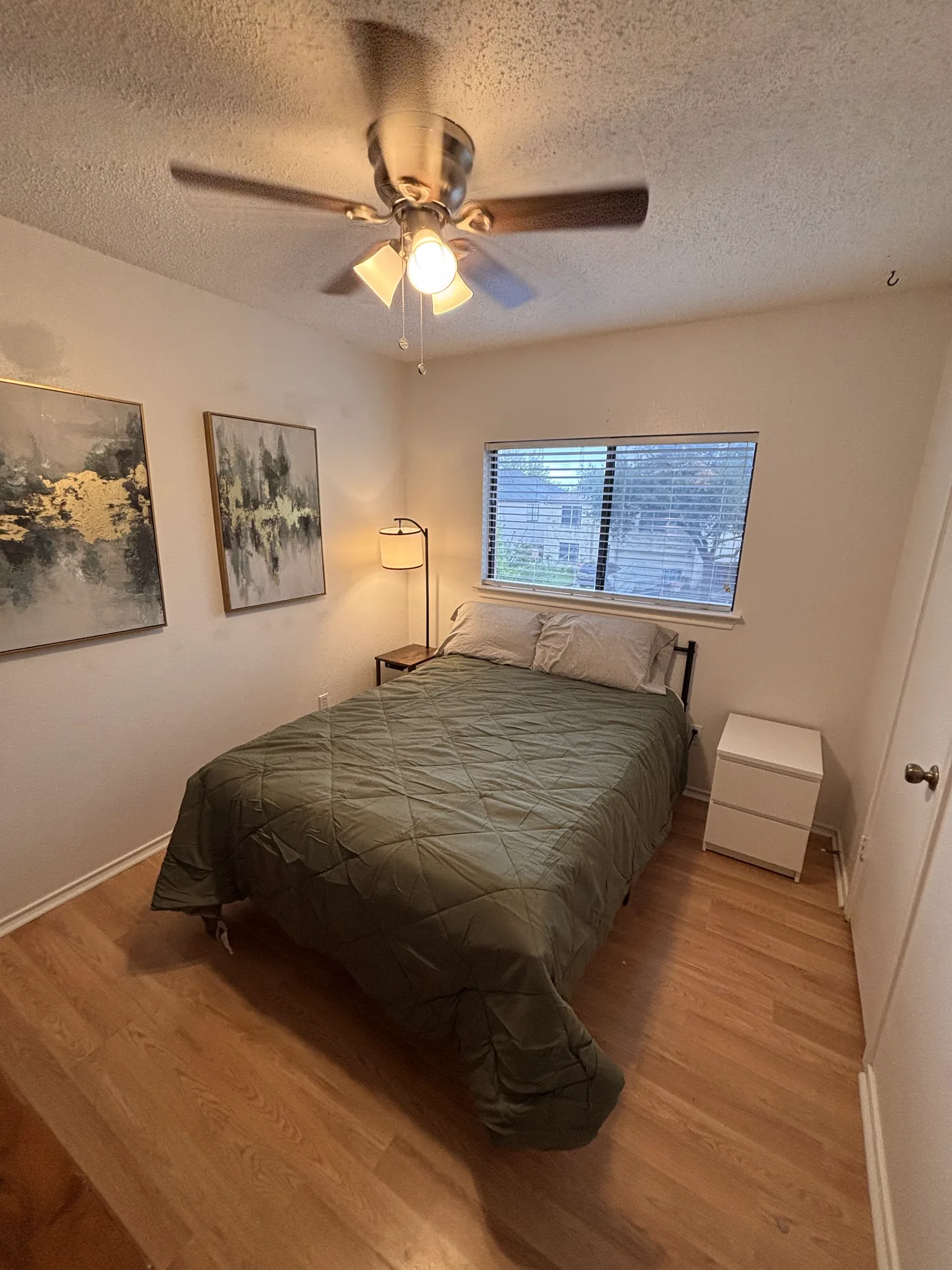
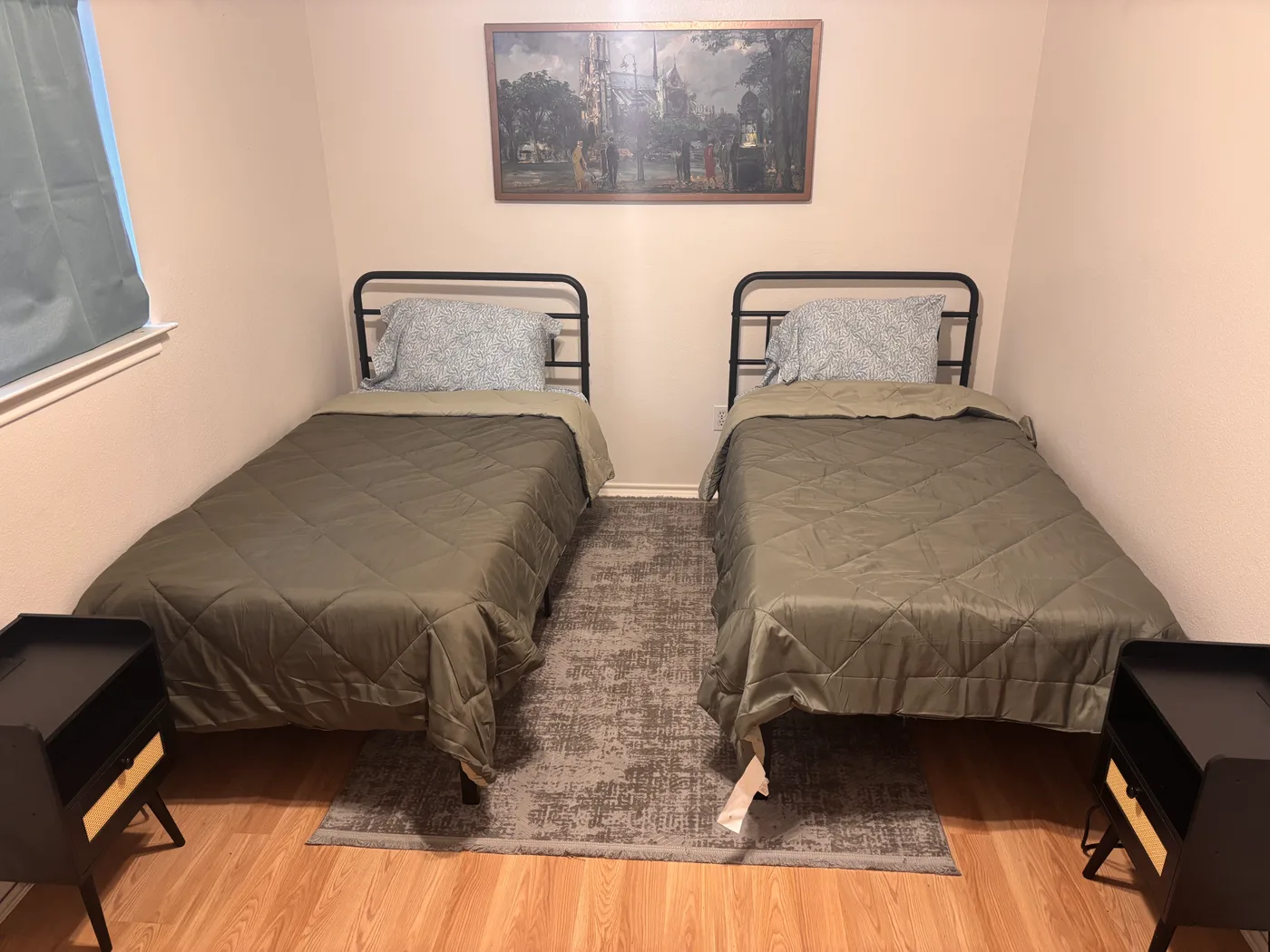
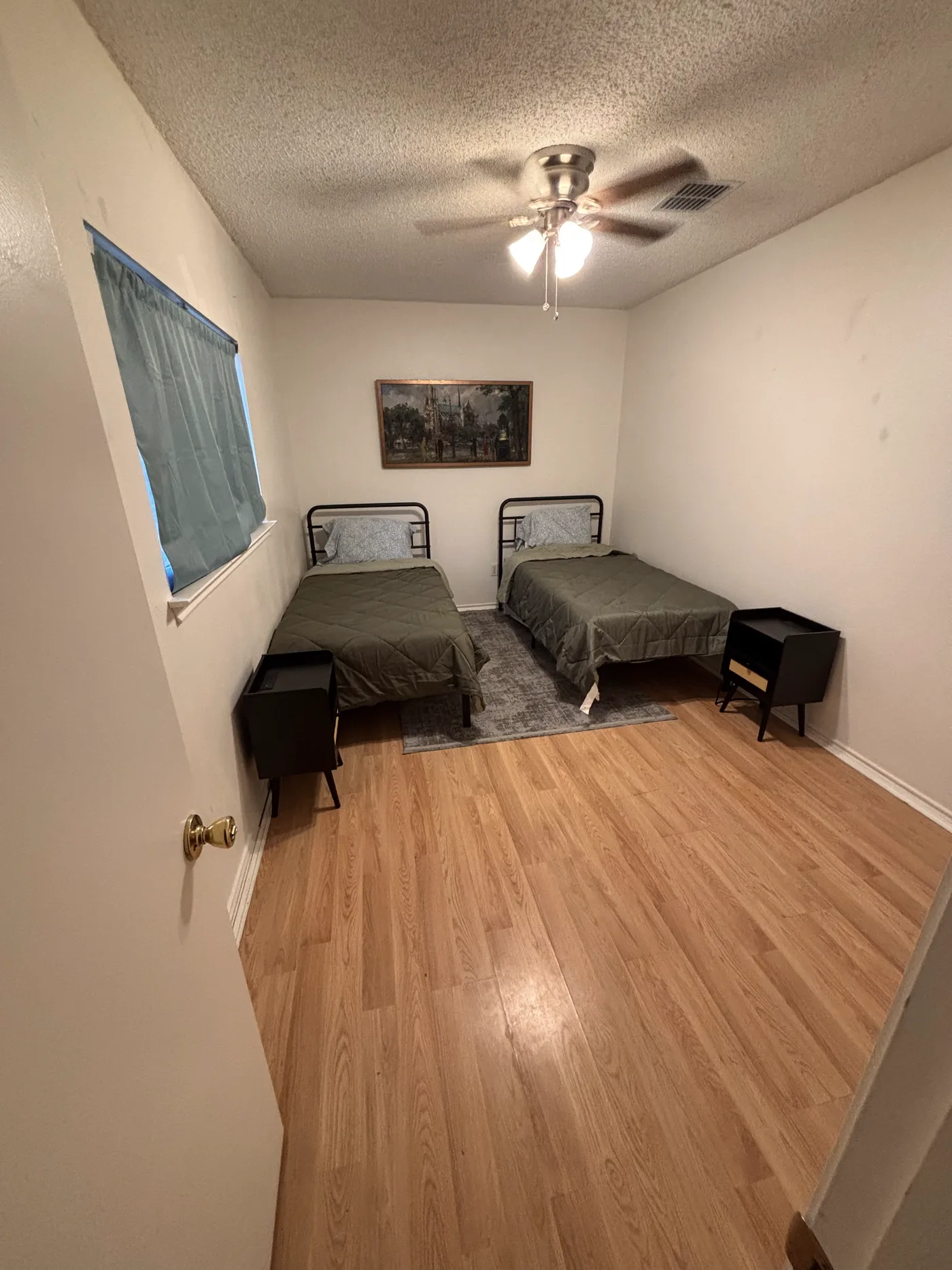
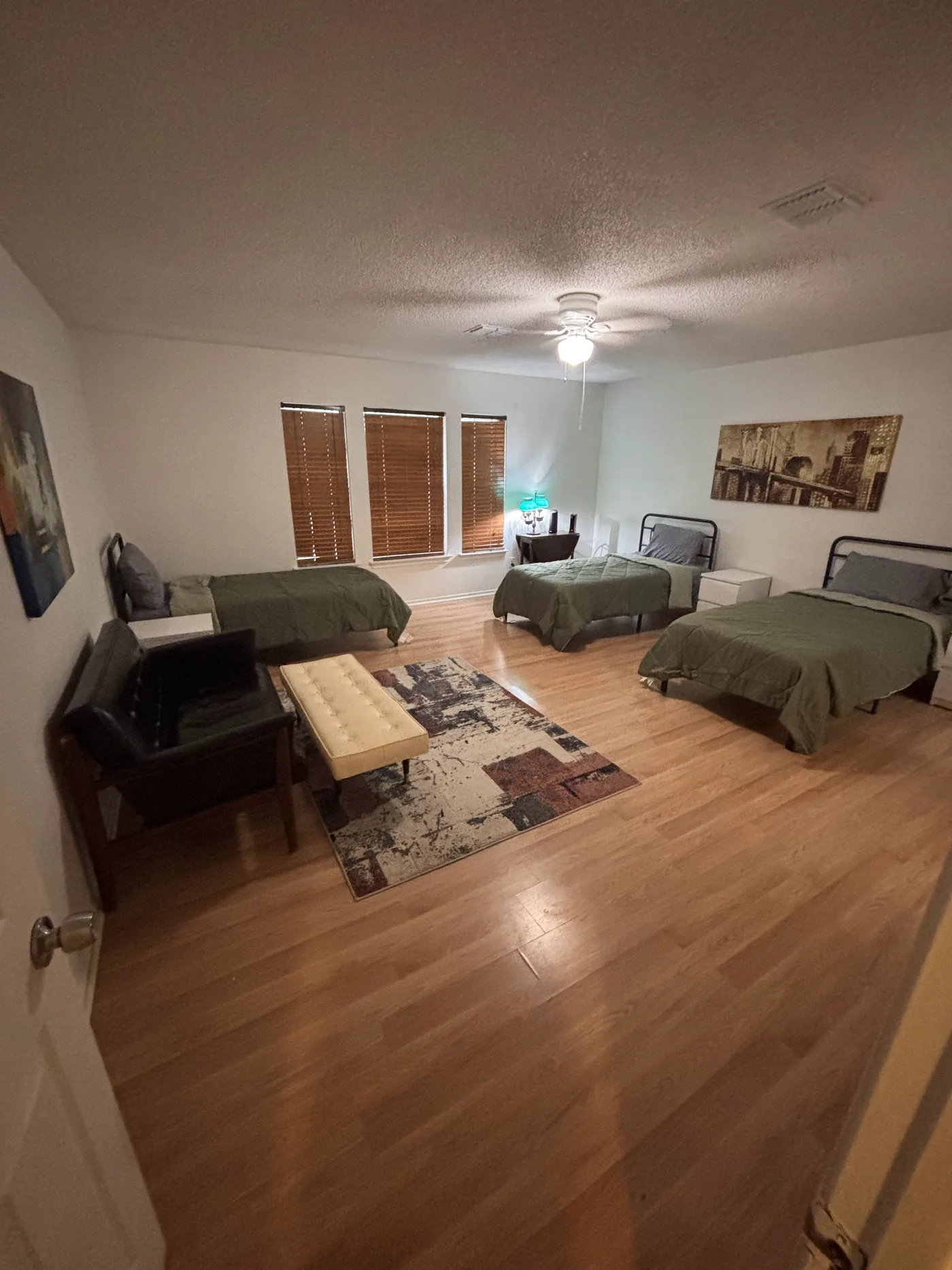
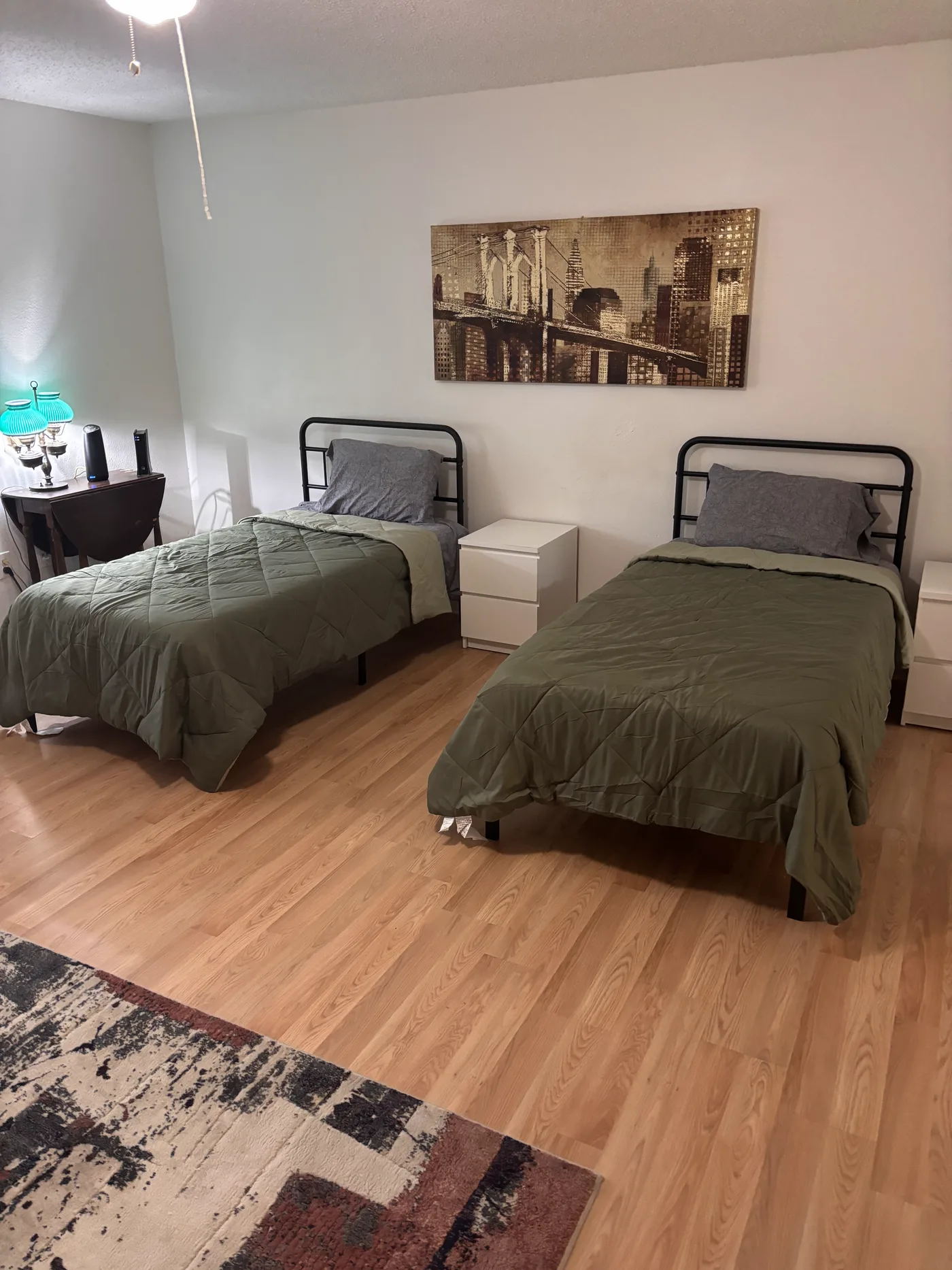
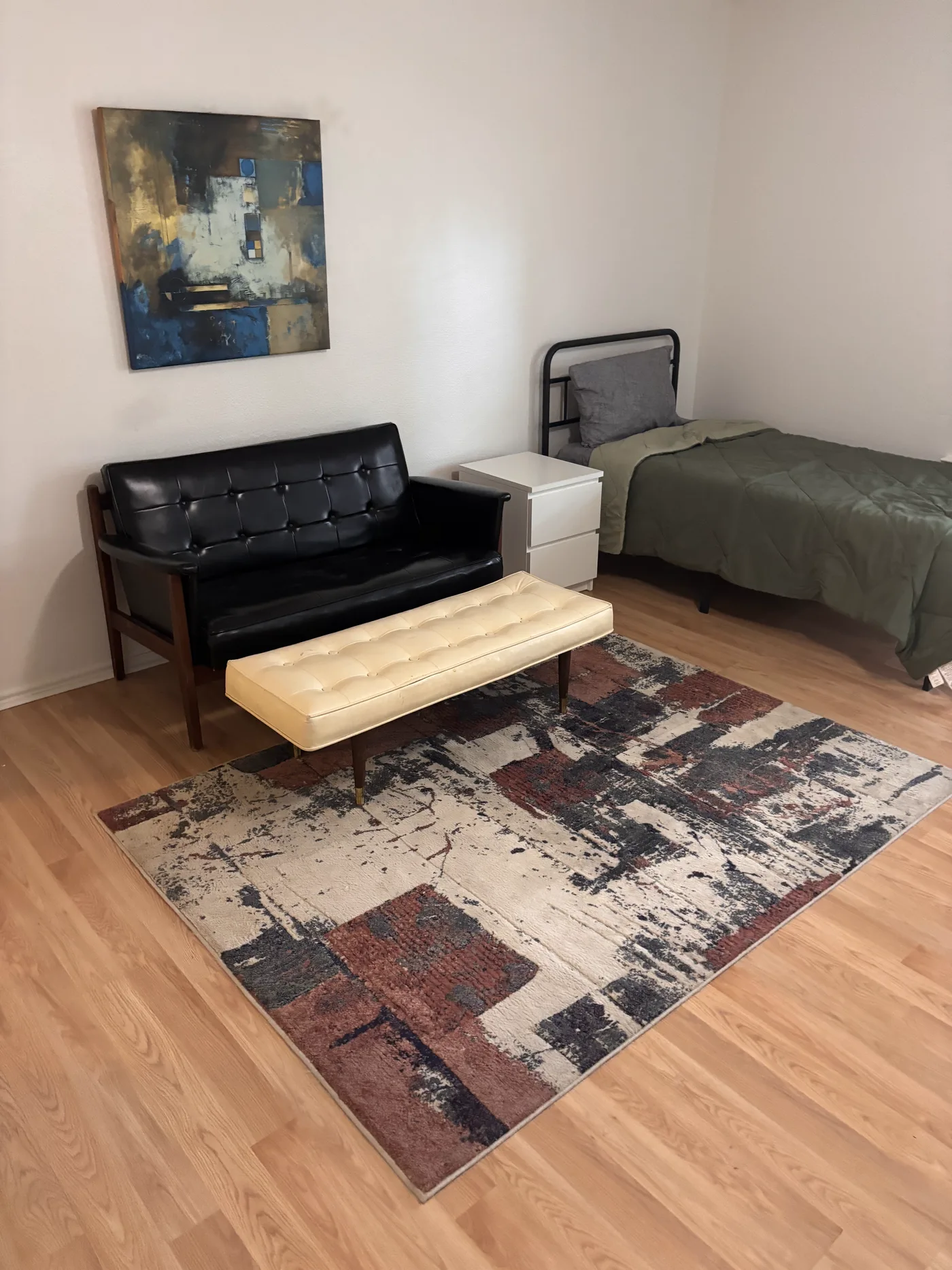
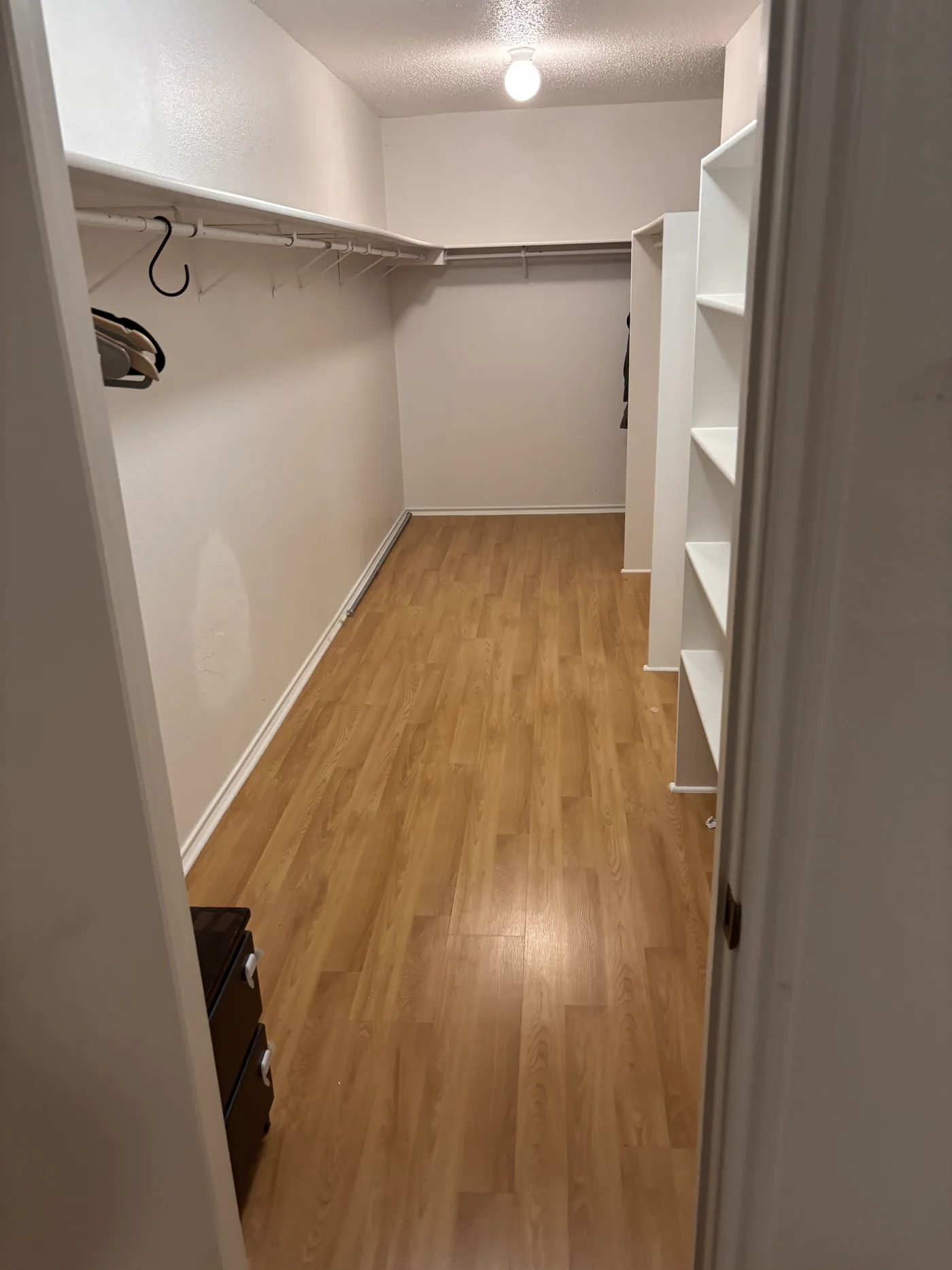
Inside the Austin homes











How Eudaimonia Recovery Homes Supports Your Healing Journey
At Eudaimonia Recovery Homes, we offer comprehensive sober living services that support long-term recovery from drug and alcohol addiction. Music healing therapy is just one of the many evidence-based treatments we incorporate into our programs. By addressing the mind, body, and soul, we provide our clients with the tools they need to navigate the ups and downs of recovery.
If you’re ready to take the next step in your recovery journey, our team at Eudaimonia Recovery Homes is here to help. Get Help Today with a Confidential Availability Check, and start building a healthier, sober future.
Eudaimonia Can Help Keep You on the Path to Recovery
Eudaimonia offers excellent recovery programs with tailored care. In these programs, individuals can develop positive coping skills with the tools necessary to maintain sobriety. Eudaimonia even provides tailored care based on gender and orientation. We also include supervised, short-term housing to provide support for newly sober individuals.
But no matter where you are in your recovery, Eudaimonia Sober Living Homes can provide support every step of the way. We have facilities for sober living in Austin, Houston, and Colorado Springs ready to assist you in living your sober lifestyle. Call Eudaimonia Sober Living Homes at (512) 240-6612 for more information on the admissions process and current room availability.
What Role Does Music Play in Addiction Recovery, and How Can I Use It as a Recovery Tool?
Music plays a powerful therapeutic role in addiction recovery by regulating emotions, reducing stress and cravings, fostering community connection, and providing a healthy outlet for self-expression. At Eudaimonia Recovery Homes in Austin, Houston, San Antonio, Colorado Springs, Philadelphia, and Baton Rouge, residents use music as a daily recovery tool through structured activities, personal playlists, group sessions, and mindfulness practices that support long-term sobriety.
Research shows that music activates the brain’s reward pathways in healthy ways, helping to rewire neural circuits damaged by substance use. Whether you’re listening to calming acoustic tracks during moments of anxiety, joining a group music session to build sober friendships, or creating playlists that anchor your recovery routine, music becomes a practical, accessible companion throughout your journey in sober living.
How Music Supports Your Recovery at Eudaimonia Recovery Homes
- Emotional regulation: Music helps you process difficult emotions like guilt, shame, or loneliness without turning to substances, creating space for healing.
- Stress and anxiety relief: Listening to or creating music lowers cortisol levels and activates relaxation responses, reducing triggers that might lead to relapse.
- Craving management: Upbeat or calming music can distract from cravings and shift focus during high-risk moments, giving you time to reach out for support.
- Community and connection: Group music activities, like jam sessions, sing-alongs, or attending local sober concerts, build the peer bonds that are essential in recovery housing.
- Identity and self-expression: Writing lyrics, playing an instrument, or curating meaningful playlists helps you rediscover who you are beyond addiction.
- Routine and structure: Integrating music into morning routines, exercise, or evening wind-down rituals reinforces the predictable, healthy patterns that sober living provides.
Practical Ways to Use Music as a Recovery Tool in Sober Living
Residents at Eudaimonia incorporate music into daily life in simple, effective ways:
- Create recovery playlists: Build playlists for different moods or situations: morning motivation, workout energy, evening calm, or craving management. Label them clearly and keep them accessible on your phone.
- Join or start a house music night: Coordinate with housemates to share favorite songs, tell the stories behind them, or hold acoustic open-mic sessions that deepen community ties.
- Use music during mindfulness or meditation: Pair instrumental or ambient music with breathing exercises, journaling, or yoga to enhance focus and emotional grounding.
- Attend live sober events: Austin, Houston, San Antonio, Colorado Springs, Philadelphia, and Baton Rouge all offer sober concerts, open mics, and music festivals, great opportunities to practice social recovery skills in safe environments.
- Learn an instrument: Taking up guitar, piano, drums, or even singing lessons gives you a productive hobby, builds discipline, and provides a sense of accomplishment that reinforces self-worth.
- Write your own music or lyrics: Songwriting is a powerful form of therapy, letting you narrate your recovery story, process trauma, and celebrate milestones in your own voice.
If you’re ready to explore how music and other evidence-based recovery tools can support your journey in a structured, supportive sober living environment, call Eudaimonia Recovery Homes today at (512) 240-6612. Our Austin, Houston, San Antonio, Colorado Springs, Philadelphia, and Baton Rouge locations offer the structure, community, and therapeutic activities, including music-based healing, that help you build a life of lasting sobriety.


