

Published February 26, 2026 · Updated February 24, 2026
Key Takeaways
- Red eyes after alcohol are often temporary and may be due to irritation or dehydration, not liver disease by themselves.
- Liver effects add up because repeated drinking can drive fat buildup, inflammation, and scarring over time.
- Fatty liver can improve in many cases when alcohol stops early and follow-up monitoring is consistent.
- Alcoholic hepatitis matters because symptoms like jaundice, fever, and belly pain can signal serious inflammation.
- Cirrhosis risk varies and depends on long-term patterns, health factors, and co-existing liver conditions.
- Know urgent signs such as confusion, vomiting blood, severe swelling, or rapidly worsening jaundice.
- Support improves follow-through because recovery is easier with structure, accountability, and a stable environment.
- Sober housing can help by reducing relapse risk and making it easier to maintain routines that protect liver health.
On This Page · 26 Sections
Red eyes after drinking are common. They often come from dehydration, poor sleep, or irritation from smoke, screens, or contact lenses. Still, long-term heavy drinking can injure the liver. When liver problems get worse, the eyes can change in other ways.
This guide explains what “red eyes alcoholic liver disease” can mean, how alcohol affects the liver, and which symptoms are more closely tied to liver damage from alcohol. It is general information and can’t replace care from a licensed clinician.
Alcoholic liver disease and eye changes
Why drinking can cause red, bloodshot eyes
Alcohol can widen (dilate) small blood vessels. It can also dry you out. Both can make tiny surface vessels look more visible, which may lead to red or bloodshot eyes for a short time. Alcohol can also worsen dry eye by reducing tear quality and raising irritation. This is more likely if you already have allergies or dry eye.
Redness that comes and goes with drinking is not a strong sign of alcoholic liver disease. It is not specific. Many non-liver issues can also cause red eyes, including conjunctivitis (“pink eye”), eyelid inflammation, eye strain, and lack of sleep.
Why liver damage can cause yellow eyes (jaundice)
Yellowing of the whites of the eyes is different from redness. Yellow eyes (often searched as “yellow eyes alcoholism”) can point to jaundice. Jaundice happens when bilirubin builds up because the liver can’t clear it well. In alcoholic hepatitis (also called alcohol-associated hepatitis), jaundice is a common symptom. It can also appear in advanced alcohol-related liver disease and cirrhosis.
How alcohol affects the liver
People often ask what does alcohol do to your liver, what does drinking do to your liver, or how does alcohol affect the liver over time. Alcohol is a toxin. The liver breaks it down. With heavy or frequent use, the liver has less capacity for other tasks, like handling fats and making proteins that help blood clot. These changes are common alcohol effects on liver health and part of the broader alcohol impact on liver function.
Alcoholic fatty liver disease (fatty liver and alcohol)
Alcoholic fatty liver disease is an early stage of alcohol-associated liver disease. You may also see the term alcoholic liver disease or ALD in notes (some people search “ALD liver”). In this stage, fat builds up in liver cells. Many people have no symptoms. The problem is often found on labs or imaging done for another reason. The fatty liver stage may improve when alcohol stops, which is why cutting back or quitting is a key step.
Alcohol induced hepatitis (alcoholic hepatitis, EtOH hepatitis)
Alcohol induced hepatitis is liver inflammation and injury from alcohol exposure. Clinicians may call it alcoholic hepatitis, alcohol-associated hepatitis, or “EtOH hepatitis.” Symptoms can include fatigue, loss of appetite, nausea, belly pain or tenderness, fever, and jaundice. Some people become very sick, especially if drinking continues.
Eudaimonia's Success Stories – Real People, Real Freedom
Alcoholic cirrhosis (alcoholic liver cirrhosis)
Alcoholic cirrhosis is a later stage. Long-term injury leads to permanent scarring. Scar tissue can block blood flow through the liver. Liver function can drop as healthy tissue is replaced. Cirrhosis can lead to serious problems. Examples include internal bleeding from enlarged veins, fluid buildup in the abdomen (ascites), confusion from toxin buildup (hepatic encephalopathy), liver cancer, and kidney failure. In severe illness, liver and kidney failure due to alcoholism can occur, including hepatorenal syndrome.Alcoholic hepatitis symptoms and early signs of ALD
Alcoholic liver disease and alcohol induced hepatitis can be hard to spot early. Many people have no clear symptoms until injury is advanced.What are the first signs of liver damage from alcohol?
When symptoms do show up, early signs can be vague. People may notice fatigue, low appetite, nausea, or discomfort in the upper right belly. Some notice weight loss or a general feeling of being unwell. These symptoms can overlap with many other conditions. Testing is often needed to confirm liver damage from alcohol.Is alcoholic hepatitis contagious?
Alcoholic hepatitis is not contagious. It is not passed from person to person because it is not caused by a virus. The topic of hepatitis and alcohol can be confusing because “hepatitis” simply means liver inflammation, and it can have many causes. Viral hepatitis (A, B, or C) can be contagious, and alcohol can make liver injury worse in people who already have viral hepatitis.14 signs of liver damage from alcohol
The signs of liver damage from alcohol range from mild to urgent. Not every symptom is specific to alcohol. Many appear only after significant injury. This list can help people notice patterns that deserve medical care.- Ongoing fatigue or low energy.
- Loss of appetite.
- Nausea or vomiting.
- Pain or tenderness in the upper right belly.
- Weight loss or muscle loss that is hard to explain.
- Fever, especially with alcoholic hepatitis.
- Yellowing of the skin or whites of the eyes (jaundice).
- Dark urine or pale, clay-colored stools.
- Easy bruising, bleeding gums, or frequent nosebleeds.
- Swelling in the belly (ascites) or legs/ankles (edema).
- Itchy skin without a clear cause.
- Confusion, sleep changes, or memory problems.
- Vomiting blood or black, tarry stools.
- Physical exam clues such as red palms or “spider-like” blood vessels on the skin.
How much alcohol causes cirrhosis?
Why there is no single number
Many people search for a clear threshold: how much alcohol causes cirrhosis, how much alcohol causes cirrhosis of the liver, or how much drinking causes cirrhosis. There is no single number that guarantees cirrhosis. Risk rises with total amount and years of use. Risk is also shaped by sex, genetics, body weight, nutrition, and other liver problems. Some people develop serious disease sooner than others.Inside Rustic Creek, our Austin flagship

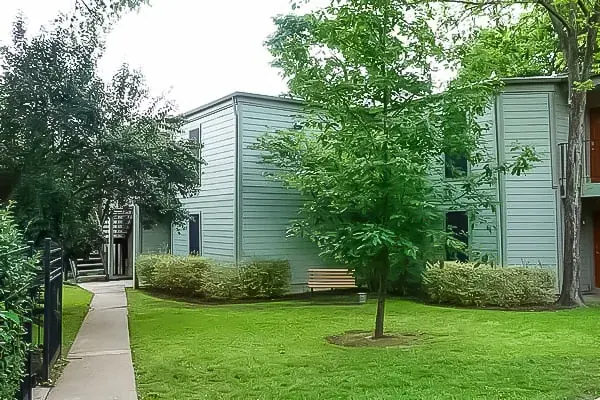





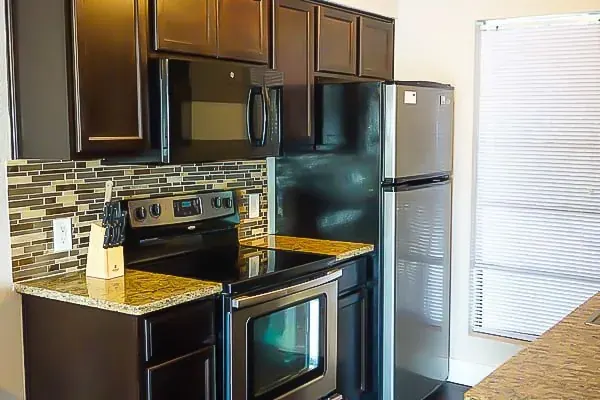
What “heavy drinking” often means in medical references
A common definition of heavy drinking is about three or more drinks per day (or 21 or more per week) for males, and about two or more per day (or 14 or more per week) for females. Many people with alcohol-associated liver disease develop it after years of heavy use, often around five to 10 years. These figures help explain risk in groups, but they can’t predict what will happen for one person.Diagnosis and tests for liver damage from alcohol
Diagnosis usually combines history, an exam, and testing.Medical history and physical exam
A clinician may ask about drinking patterns, symptoms, medications, and other health issues. On exam, they may look for jaundice, swelling, an enlarged liver or spleen, and skin findings such as red palms or spider-like vessels.Blood tests and imaging
Common tests include liver function tests, blood counts, and clotting studies. Clinicians may also check for other causes of liver disease. Imaging such as ultrasound, CT, or MRI can look for fatty change, scarring, and fluid. In some cases, a liver biopsy is considered.Treatment and next steps
How to reduce alcohol fatty liver
For alcoholic fatty liver disease, the key step is reducing or stopping alcohol use. Ongoing drinking keeps fat and inflammation in motion. Nutrition support can matter, because heavy drinking is linked with poor nutrient intake in some people. Clinicians may also look for other stressors, such as obesity, certain medications, and viral hepatitis.
If you are new to the term, this guide explains what sober living is and how it fits into recovery: sober living meaning.
Federal guidance also recognizes recovery housing as a common model that can support recovery and well-being by pairing stable housing with recovery-oriented supports (see SAMHSA’s recovery housing overview).
How to repair liver damage from alcohol (what can and cannot heal)
People often ask how to repair liver damage from alcohol. The answer depends on stage.
Fatty liver can improve, sometimes a lot, when alcohol stops. Alcohol-induced hepatitis may improve with abstinence and medical care, but severe cases can be life-threatening. Cirrhosis is permanent scarring. The scarring usually does not reverse, but stopping alcohol can slow or stop further injury and can lower the risk of complications.
Because symptoms can be delayed, some people feel “mostly fine” while damage is building. Follow-up visits and lab checks can help show whether someone is in the fatty liver stage, alcohol induced hepatitis, or alcoholic cirrhosis.
Some people do better when sober housing is paired with outpatient support; here is what that combination can look like: IOP sober living.
If alcohol use has strained relationships, structured support for loved ones may help during recovery: family support.
When planning next steps, budgeting questions are common; this breakdown explains typical sober living cost ranges and what can change pricing.
When to seek urgent care
Immediate medical attention is generally needed for vomiting blood, black or tarry stools, severe confusion, severe belly swelling, trouble breathing, or quickly worsening jaundice. These can signal bleeding, infection, liver failure, or other complications of advanced alcoholic liver disease.
How Eudaimonia Recovery Homes can help
Eudaimonia Recovery Homes can support people who are trying to stop drinking and stay stable in early recovery. Their residences function as clean and sober housing with structure, which may lower day-to-day exposure to alcohol and other triggers. Some people start with searches like “sober living near me” or “clean and sober housing near me” when they compare local options. For someone worried about drinking effects on liver health, a sober living home can be a bridge between treatment and independent living while medical follow-up continues with a clinician. Eudaimonia provides sober living apartments and recovery apartments, including sober living in Austin, TX, and they also operate sober living houses in several markets.
Some people describe this step as clean and sober transitional living, especially when it is paired with counseling or other outpatient care. Some people also call it outpatient sober living when housing is combined with a structured outpatient plan.
To see what ongoing accountability can include in practice, review Eudaimonia’s recovery support services.
A peer-reviewed description of Eudaimonia’s model has characterized it as structured recovery housing with centralized admissions and recovery support services such as testing and regular meetings with a recovery coach (see this published study).
In that setup, housing is not the medical treatment for alcoholic liver disease, but it can support habits that make medical care more likely to work, such as abstinence, steady meals, sleep, and keeping appointments. People sometimes use the term halfway house for recovery housing, but sober living programs can vary in structure and rules. Eudaimonia also offers gender-specific options, including men’s sober living and women’s sober living, and length of stay can be short-term or long term sober living depending on goals and program fit.
A stable sober environment typically includes clear expectations; Eudaimonia outlines those in its structured sober living rules.
For context, NARR’s recovery residence standards describe “sober living” as substance-free recovery housing that relies on house rules and peer accountability.
For some people, staying connected to daily routines includes keeping a pet; Eudaimonia also offers sober living with pets (eligibility varies by home and pet).
Your Future Is Waiting
Tell us what you are looking for and admissions will walk you through the houses, the phases, and what a room actually costs.


