

Published April 25, 2026 · Updated May 1, 2026
On This Page · 9 Sections

Sober Living
Austin
10506 Parkfield Dr, Austin, TX 78758
One of the most common questions people ask when they’re considering a sober living home in Austin is: How long do I actually have to stay? It’s a fair question: and the honest answer is that the right sober living length of stay in Austin depends on where you are in your recovery, your personal goals, and the progress you’re making toward independent living. There’s no universal countdown clock, but there are proven guidelines, research-backed timeframes, and real-world signs that can help you and your support team know when you’re truly ready to fly solo.
In this post, we’ll walk you through what the research says about sober living timelines, what factors influence how long you should stay, and how to know, honestly, when you’re ready to move out on your own.
The Short Answer: Most Residents Stay 6 to 12 Months
If you’re looking for a ballpark, most addiction recovery professionals and sober living operators recommend a minimum of 90 days in transitional housing, but the sweet spot for lasting recovery outcomes tends to be somewhere between six months and one year. Many residents stay even longer, especially if they are rebuilding their careers, completing educational goals, or working through co-occurring mental health challenges.
Research published in peer-reviewed journals on substance use recovery consistently shows that longer lengths of stay in structured recovery housing are associated with better long-term outcomes: including reduced relapse rates, improved employment stability, and stronger social support networks. In short, the longer you invest in the structured environment of sober living, the better your foundation for independent life tends to be.
That said, this isn’t about staying indefinitely. The goal of sober living is to graduateTo build the skills, confidence, and routines that make independent living sustainable. Think of your time in a sober living home as an investment in your future self, not a holding pattern.
Why 90 Days Is Considered the Minimum
You’ve probably heard the number 90 days thrown around in recovery circles, 90 meetings in 90 days, 90 days of sobriety as a milestone. That number isn’t arbitrary. The first three months of recovery are widely recognized as the most vulnerable period, when cravings are strongest, triggers are still being identified, and new coping skills are still being built.
Staying in a sober living home during those first 90 days provides a crucial buffer between the structured environment of inpatient treatment or detox and the full independence of living alone. The house rules, peer accountability, and access to support resources during this window can literally be the difference between relapse and long-term recovery.
Leaving a sober living home before 90 days, unless there’s a compelling reason and a robust support plan in place, significantly increases the risk of relapse. Most experienced sober living operators in Austin, including the team at Eudaimonia Recovery Homes, encourage residents to commit to at least this initial timeframe before seriously evaluating their readiness to move on.
Call Now: (512) 240-6612Factors That Influence Your Sober Living Timeline in Austin
Your ideal length of stay isn’t just a number, it’s a reflection of your individual circumstances. Here are the key factors that influence how long you should stay in transitional housing before moving out on your own:
- Length and severity of addiction: If you’ve been struggling with substance use for many years, your brain and body need more time to heal. A longer stay allows for deeper neurological recovery and habit restructuring.
- Co-occurring mental health conditions: Anxiety, depression, trauma, and other mental health challenges often need ongoing attention alongside addiction recovery. A stable sober living environment supports that dual focus.
- Prior relapses: If this isn’t your first time in recovery, a longer stay can help you identify the patterns that led to previous relapses and build stronger safeguards this time around. Read more about what it looks like to get back on track after relapse in Austin.
- Employment and financial stability: If you’re still getting your finances in order, building a work history, or completing a degree, staying in sober living longer can give you the stability to do that without the full burden of independent housing costs.
- Strength of your support network: If you have a strong, sober support network in Austin, sponsor, home group, sober friends, family, you may be better positioned to move out sooner. If that network is still being built, staying longer makes sense.
- Quality of daily routines: Recovery thrives on structure. If your routines around sleep, nutrition, exercise, meetings, and self-care are solidly in place and sustainable on your own, that’s a strong readiness indicator.
What Does a Healthy Sober Living Timeline Actually Look Like?
To make this concrete, here’s a general framework many residents follow at structured sober living homes in Austin:
Months 1–3 (Early Recovery Foundation): Focus is on stabilization: building a routine, getting to know housemates, attending meetings, re-establishing communication with family, and beginning or continuing therapy. The structure of the house is doing a lot of the heavy lifting for you during this phase.
Months 4–6 (Building Independence Skills): You start taking on more responsibility: finding or maintaining employment, managing your schedule, contributing to the household, and practicing the life skills that independent living requires. Cravings may still arise, and the community around you helps you navigate them.
Months 7–12 (Preparing to Launch): You’re functioning with greater autonomy. You have a sponsor, a home group, a job, savings, and a clear plan for where you’re moving. This phase is about testing your wings while still having the safety net of sober community around you.
Of course, some people move more quickly through these phases, and others take longer. Neither is failure, they’re just different recovery trajectories.
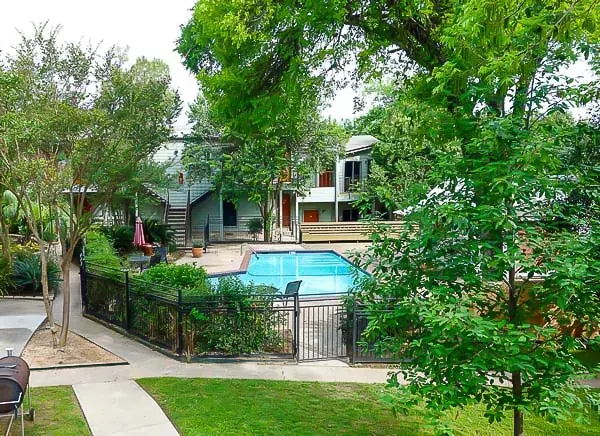
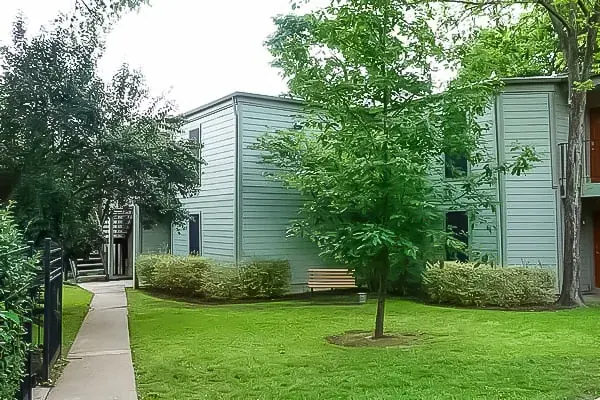
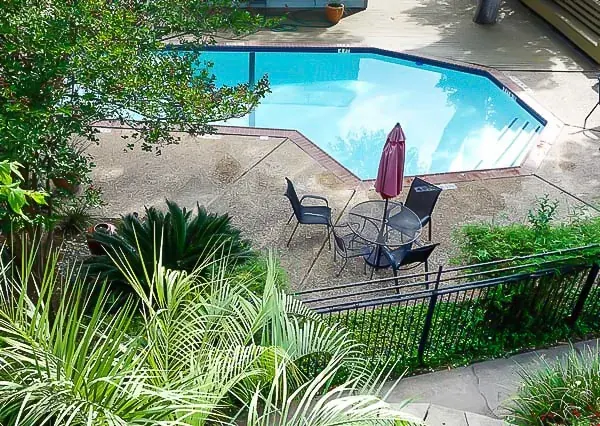
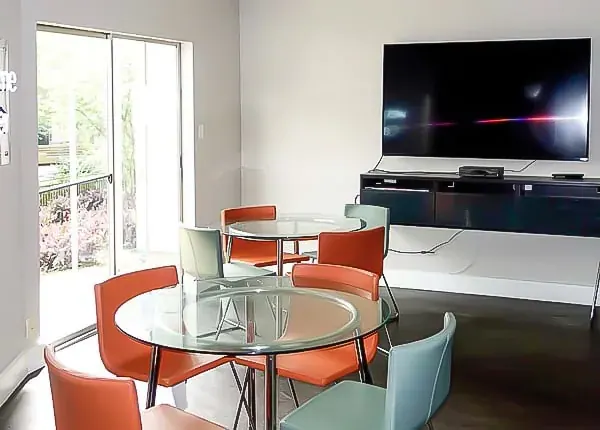
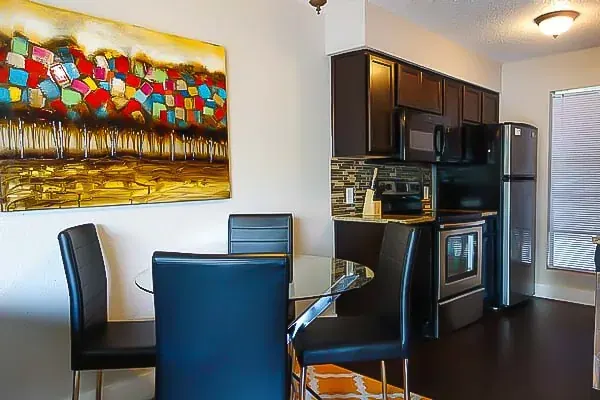
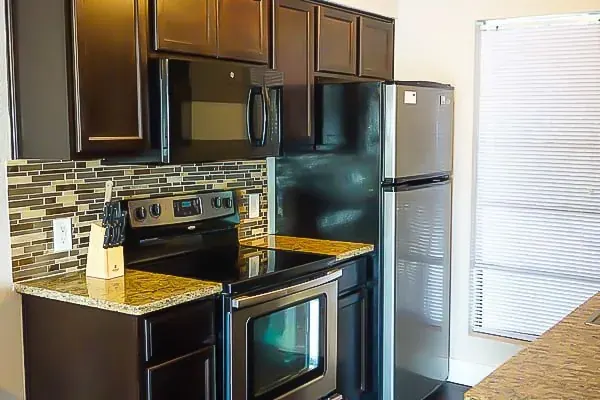
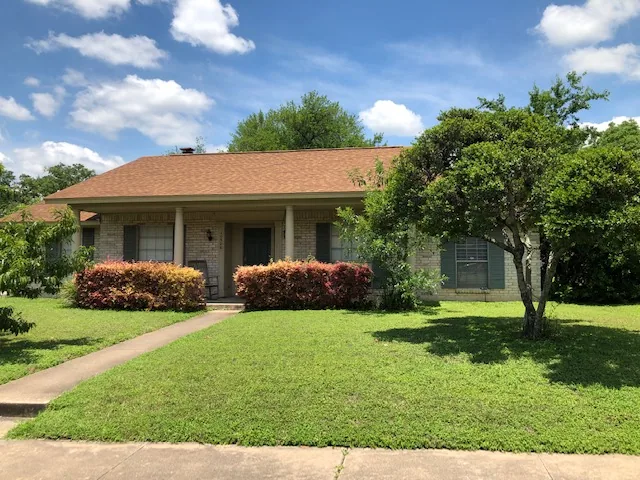
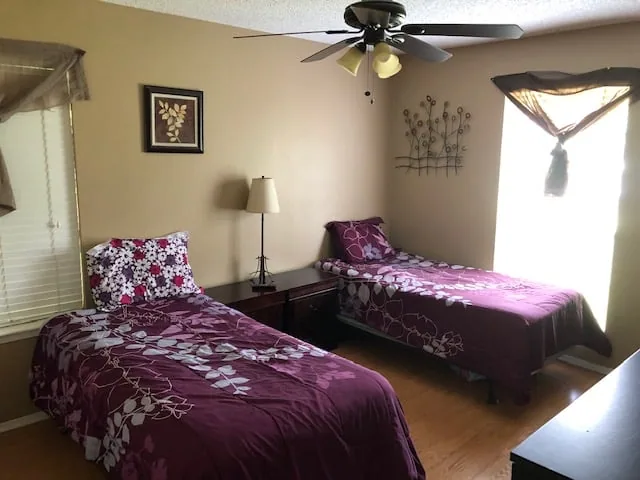
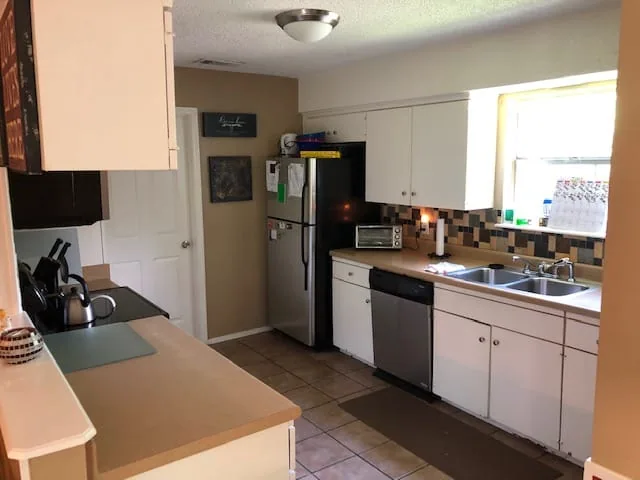
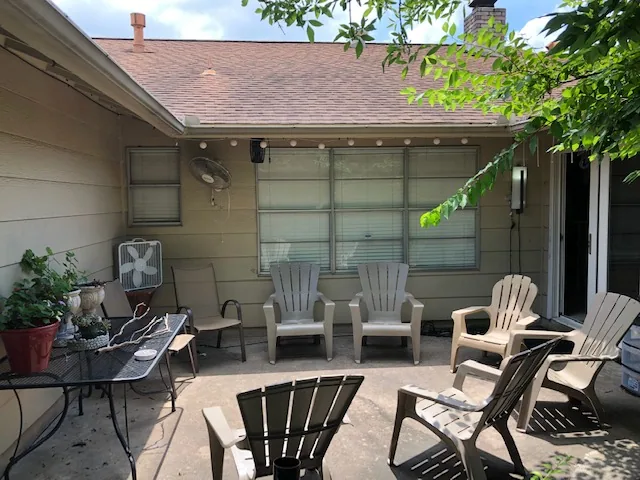
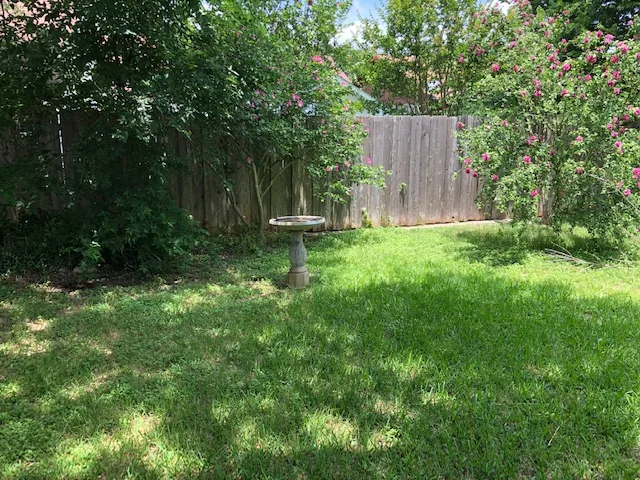
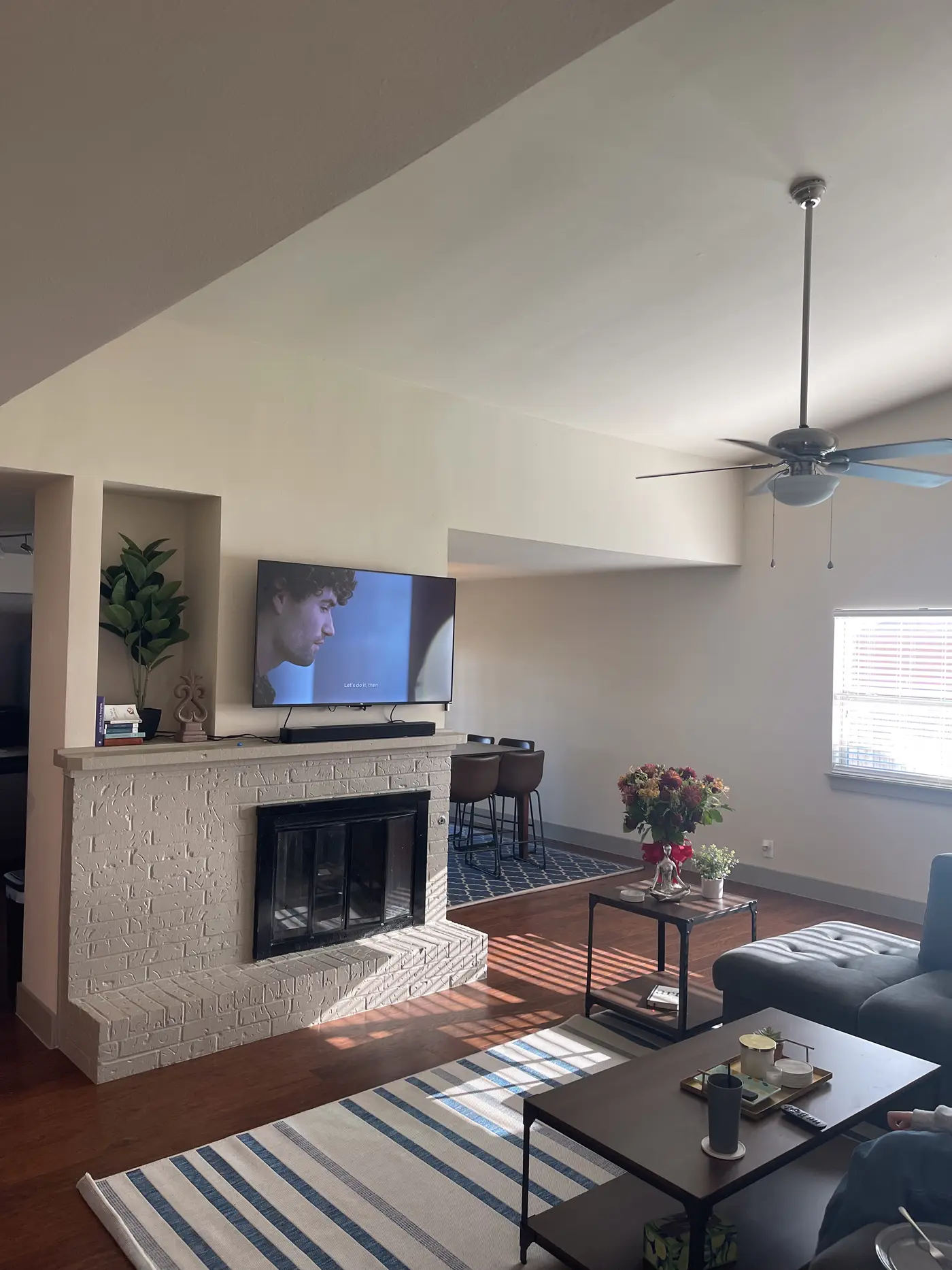
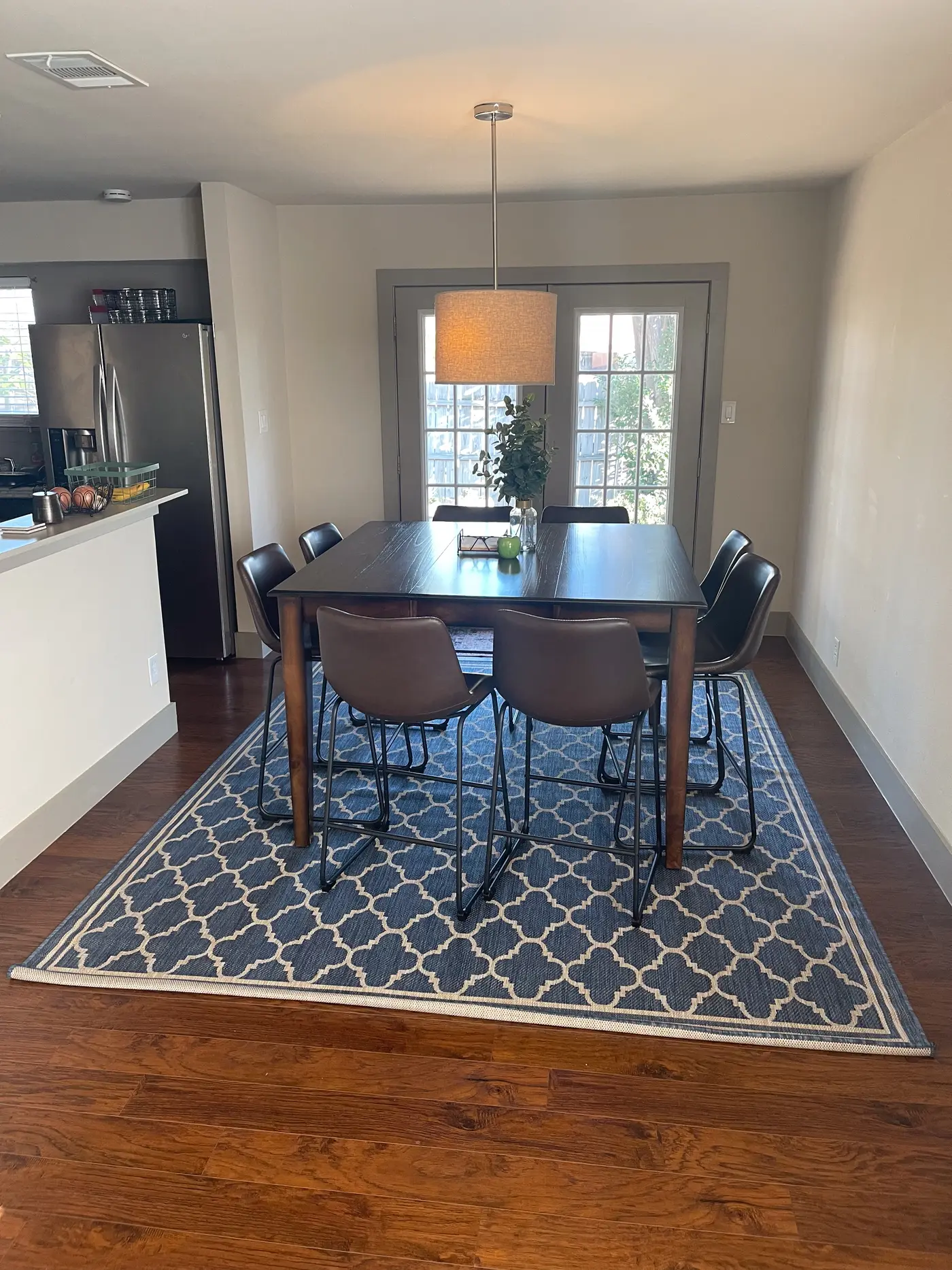
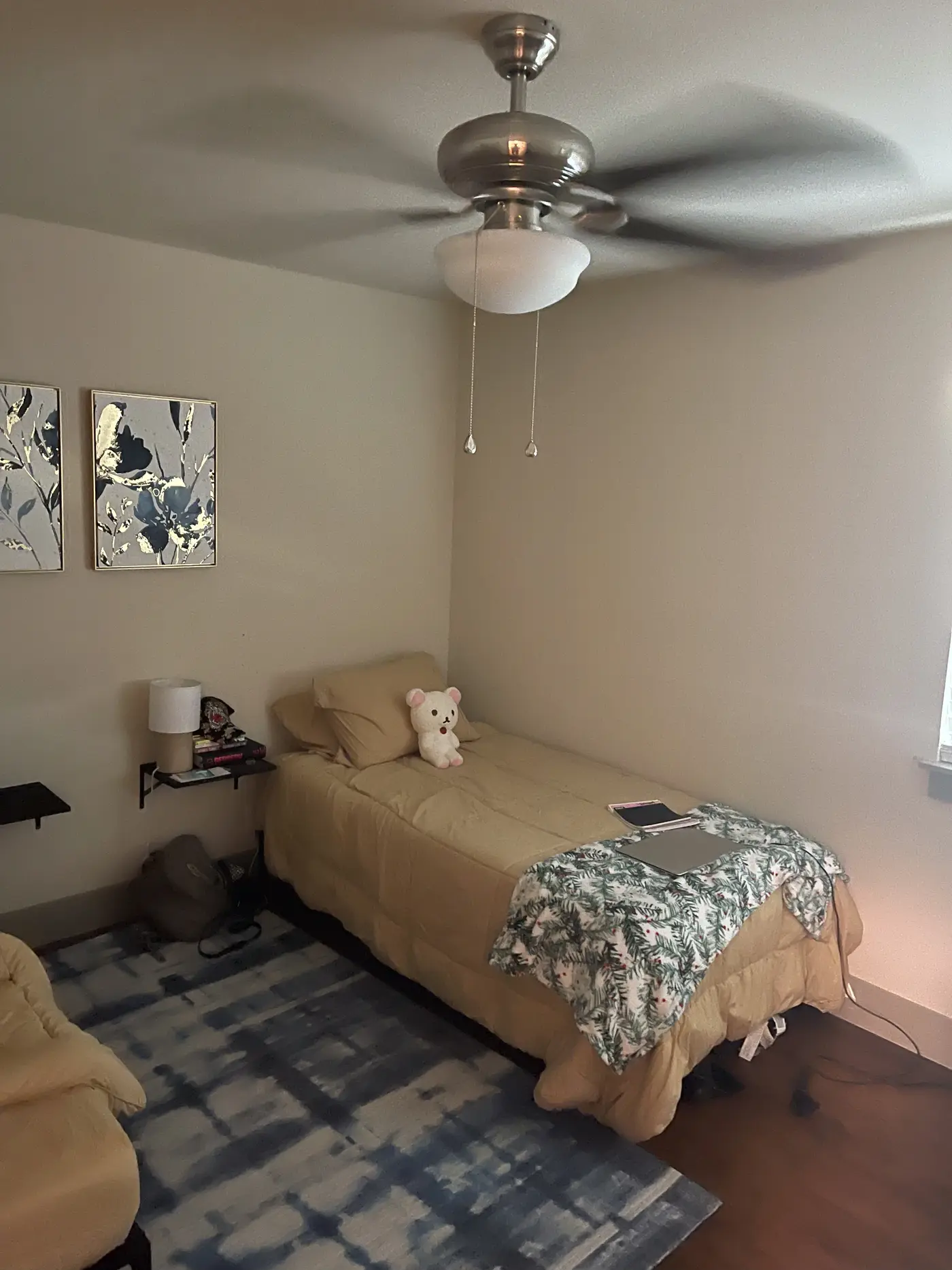
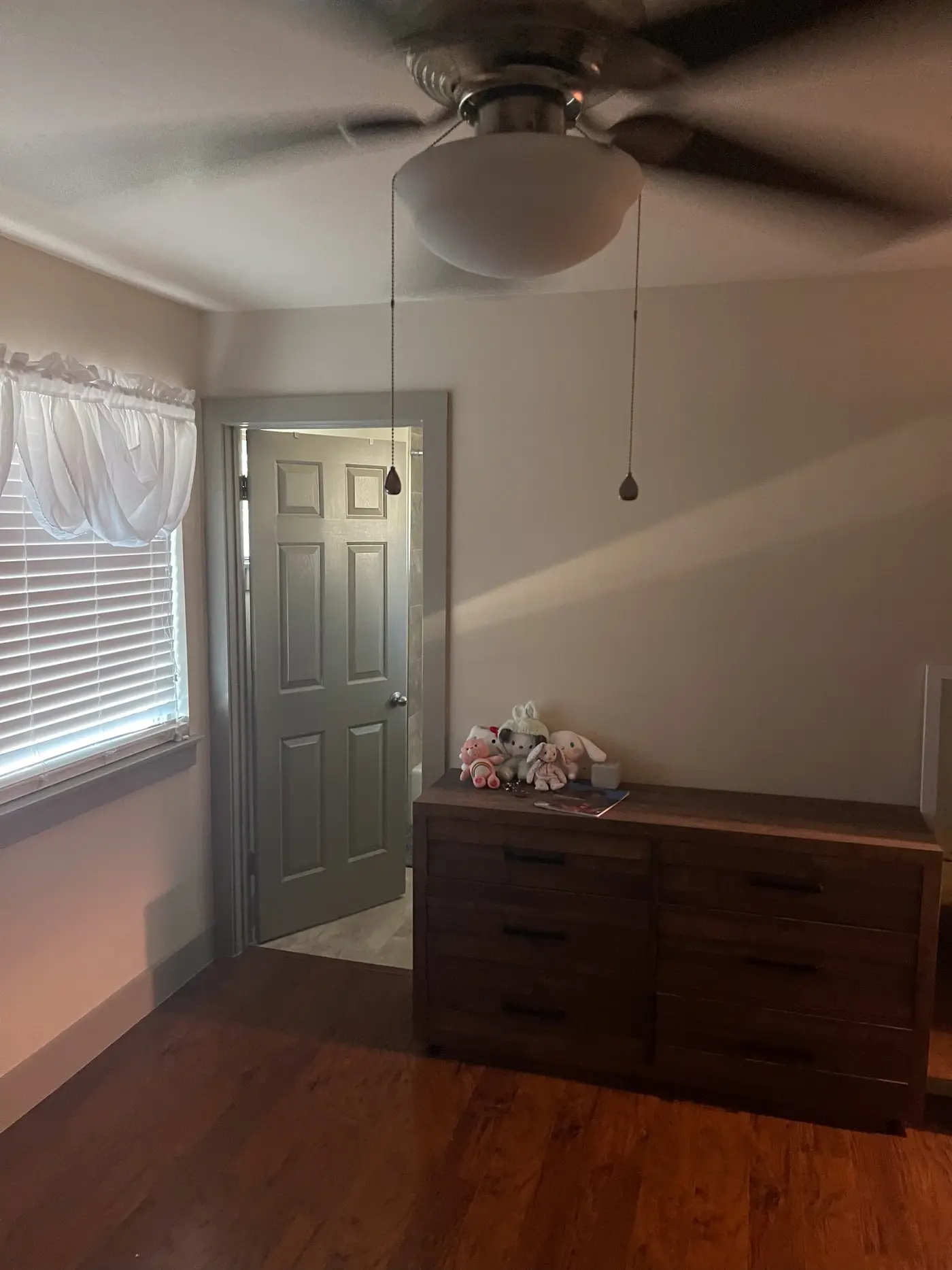
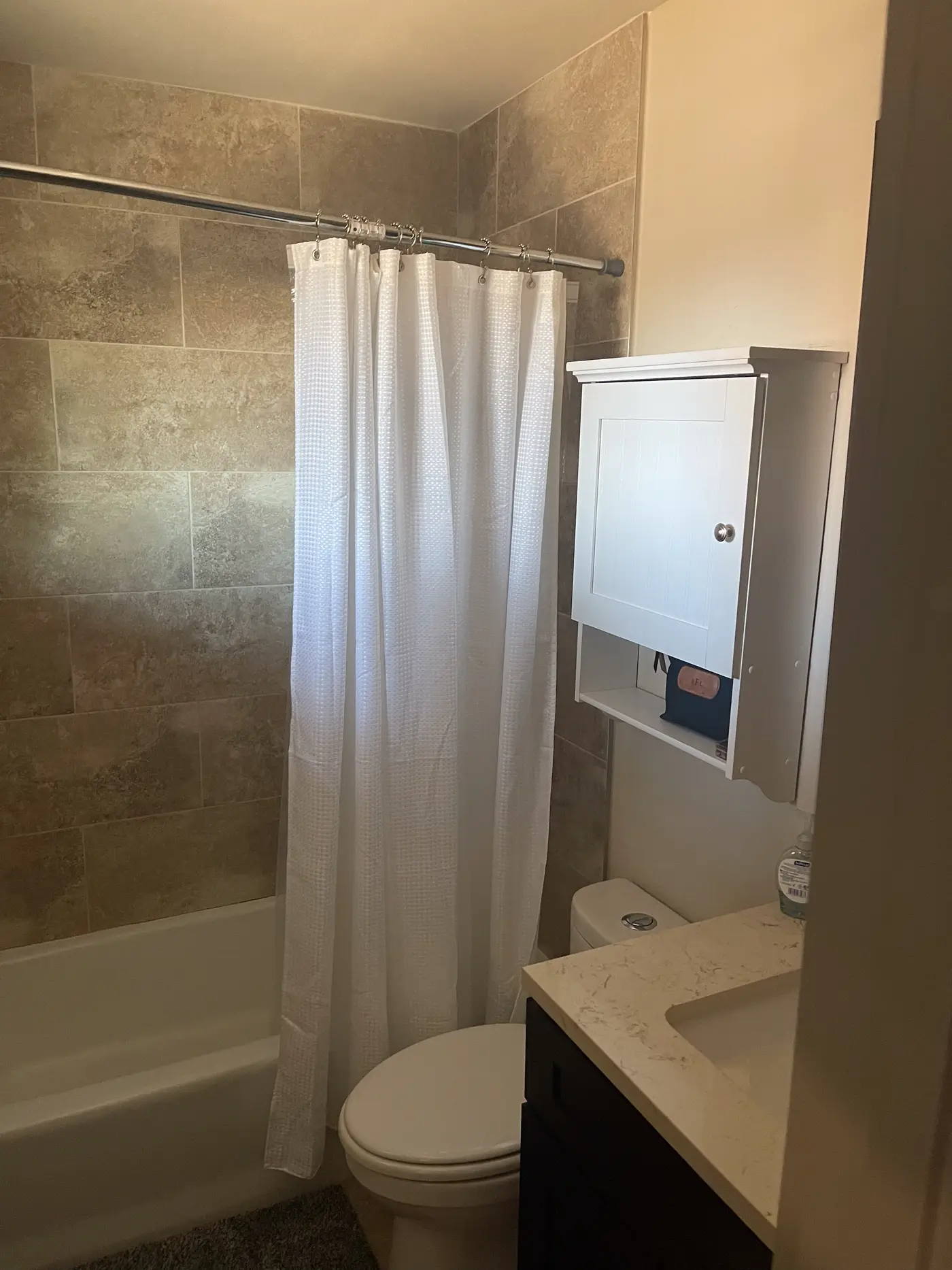
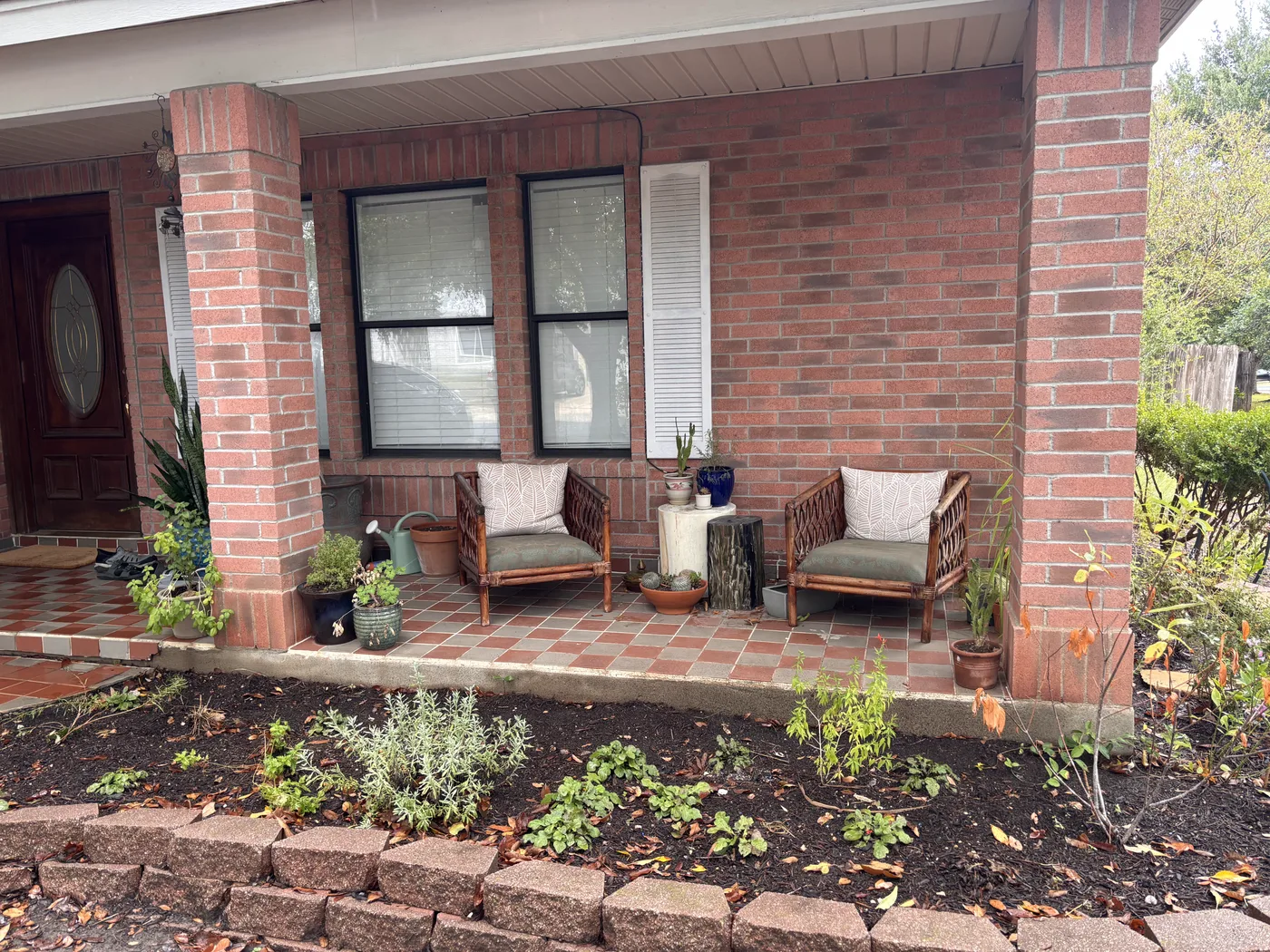
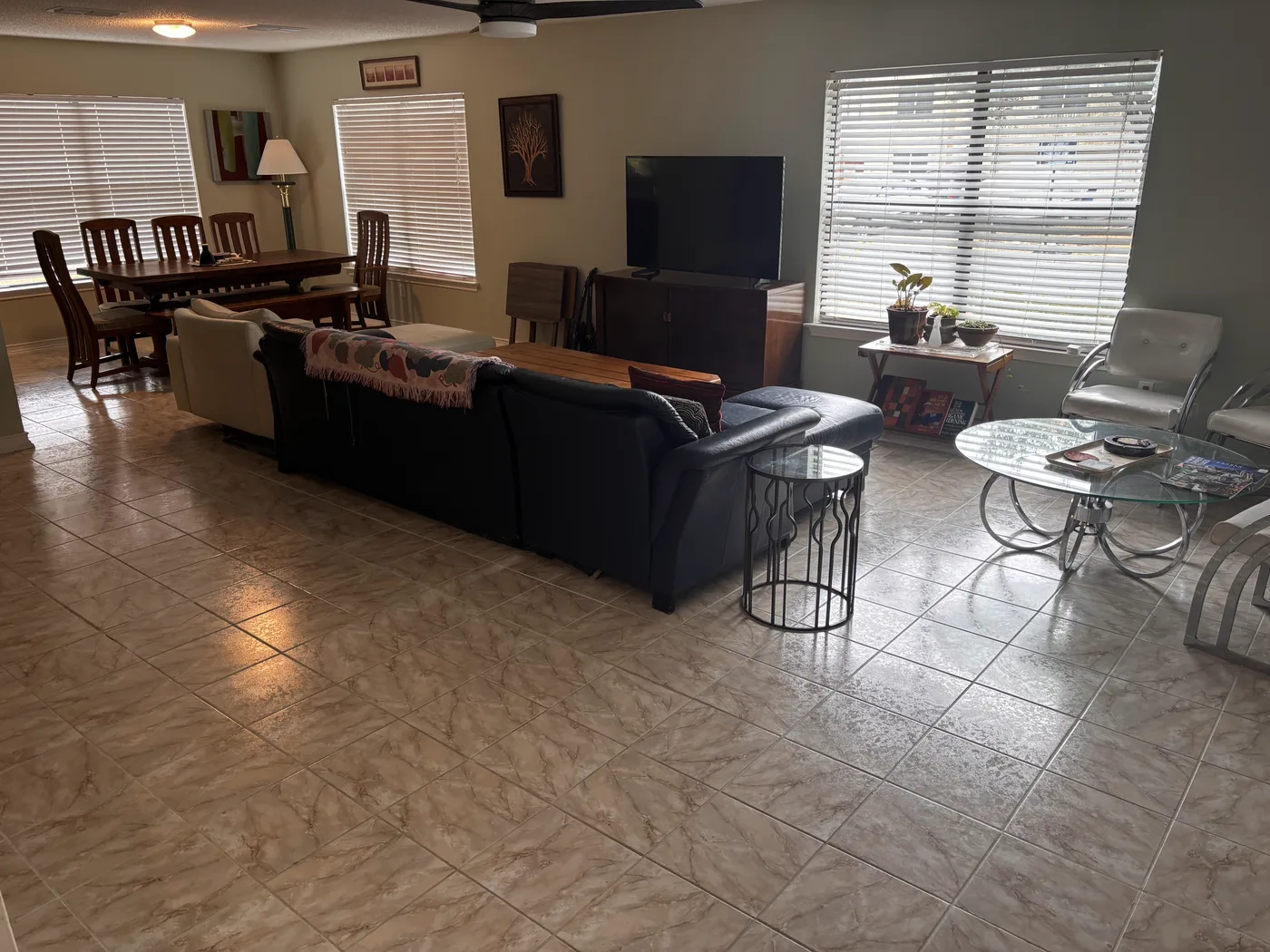
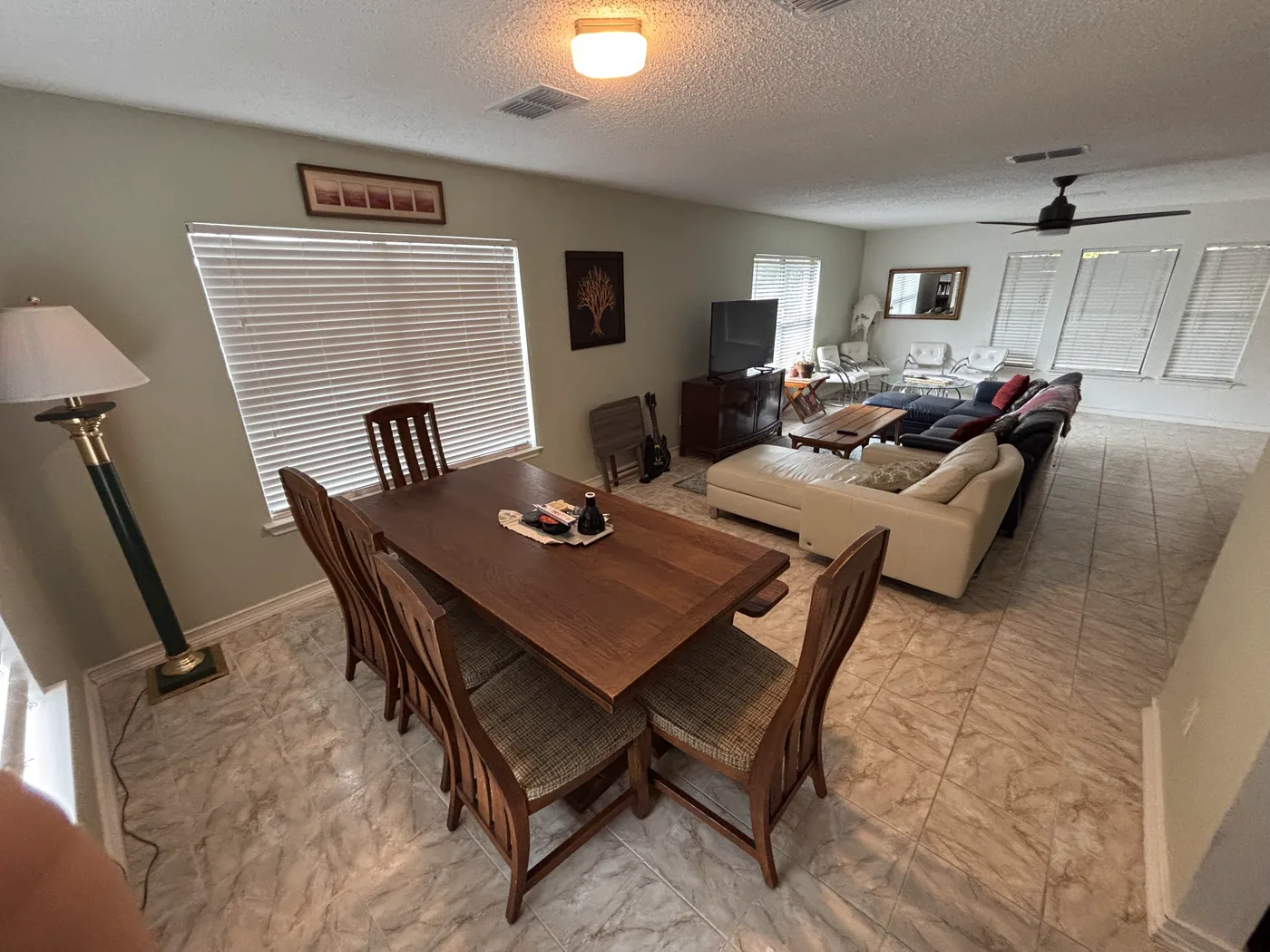
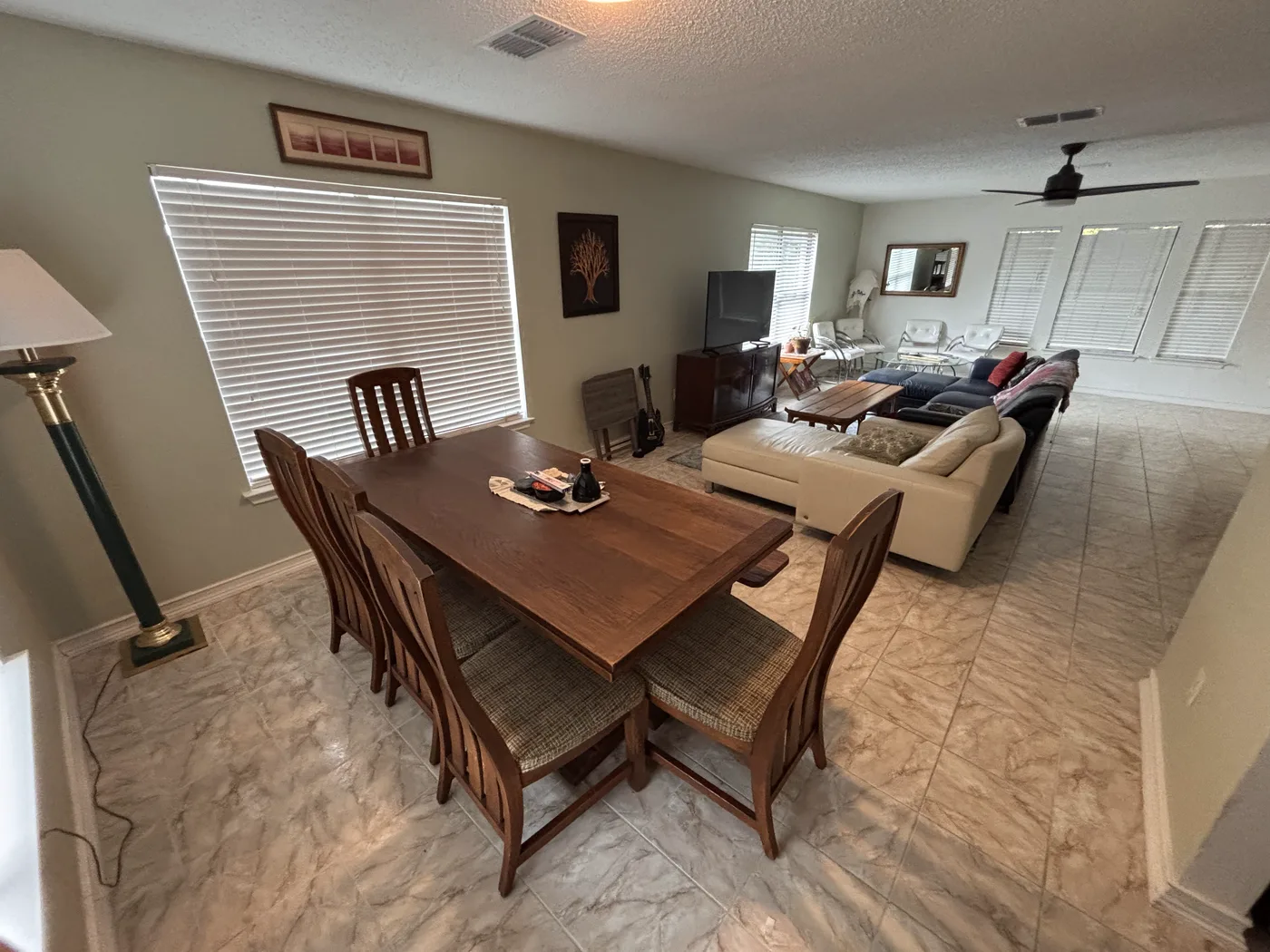
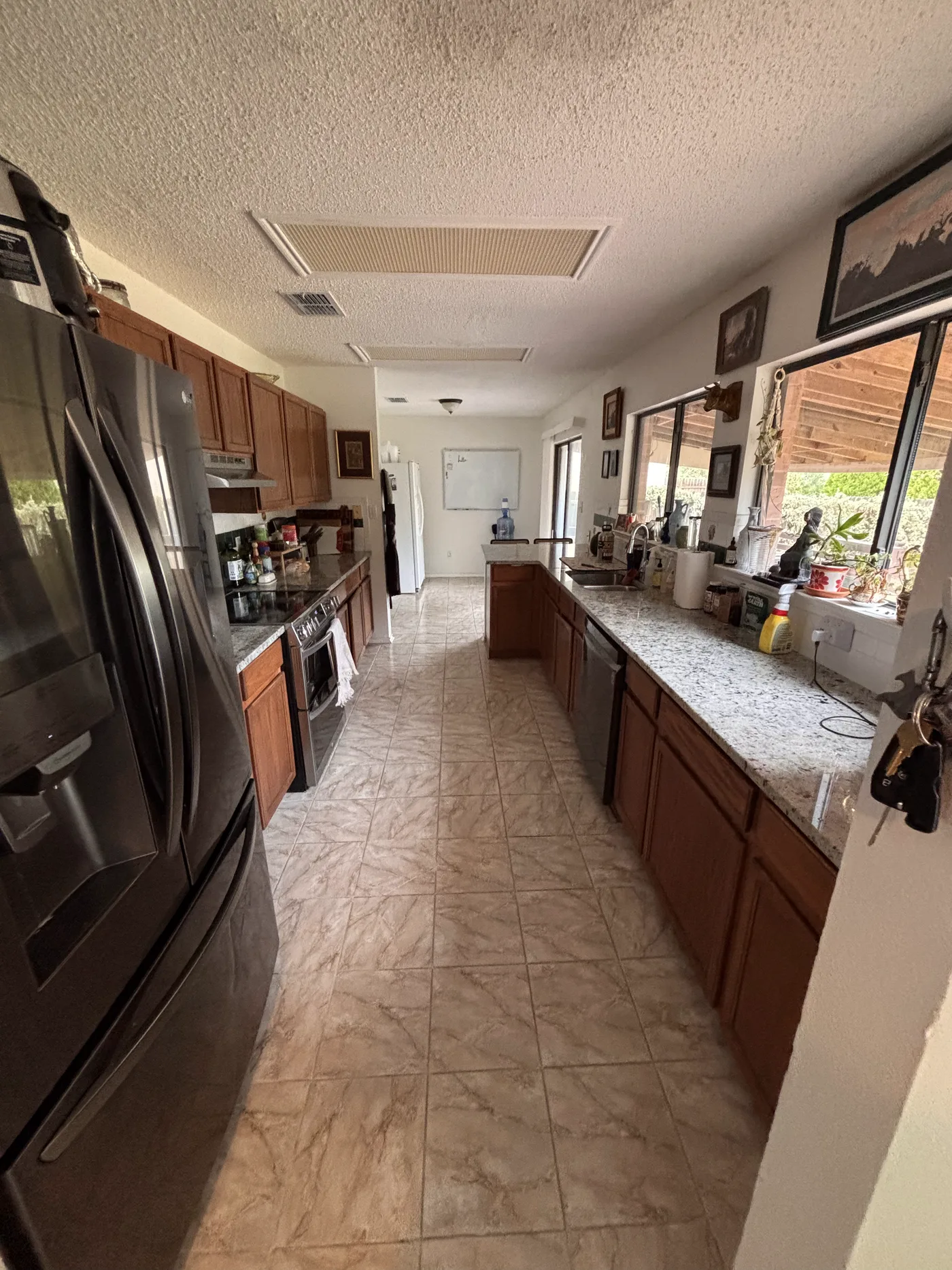
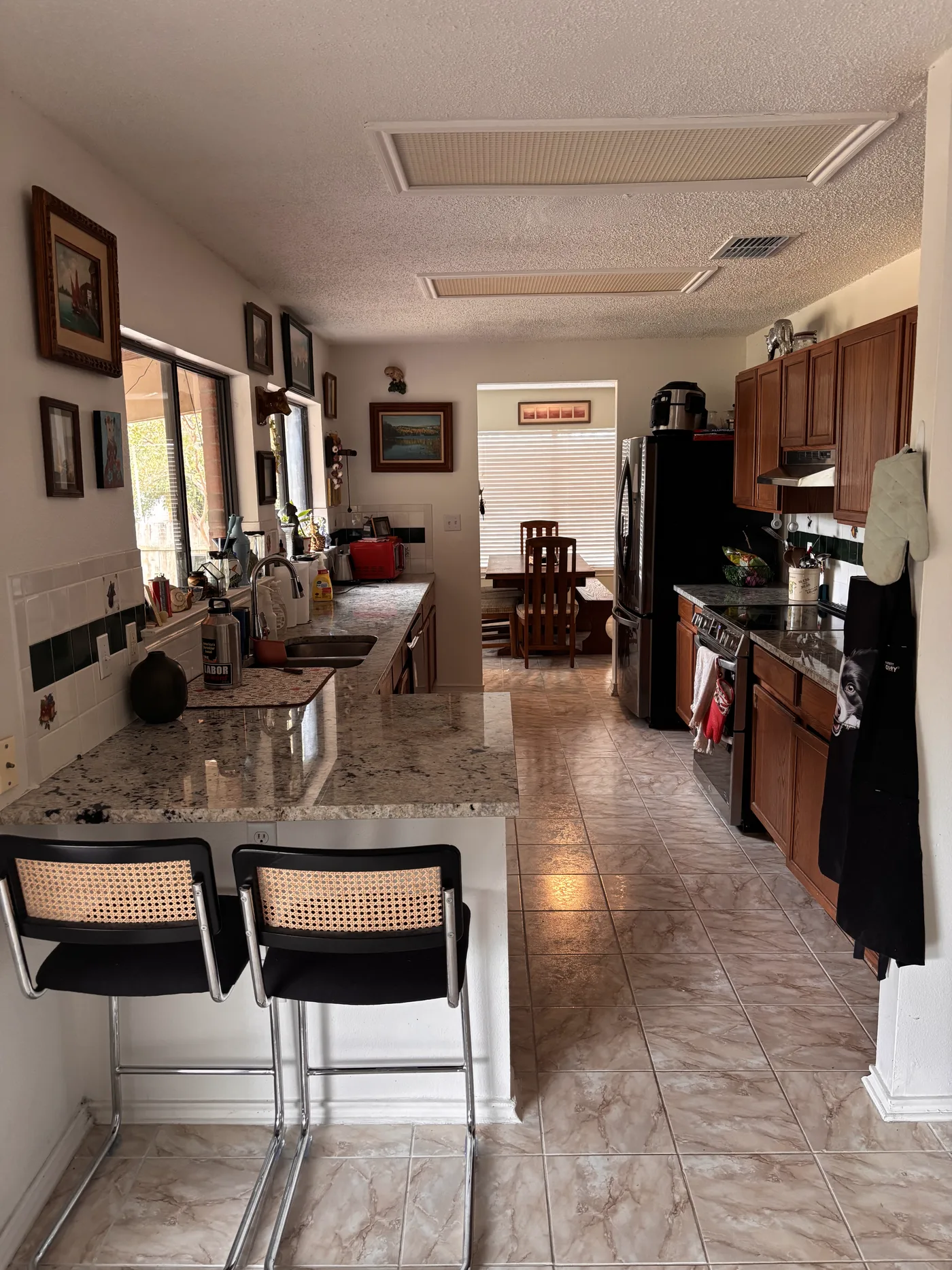
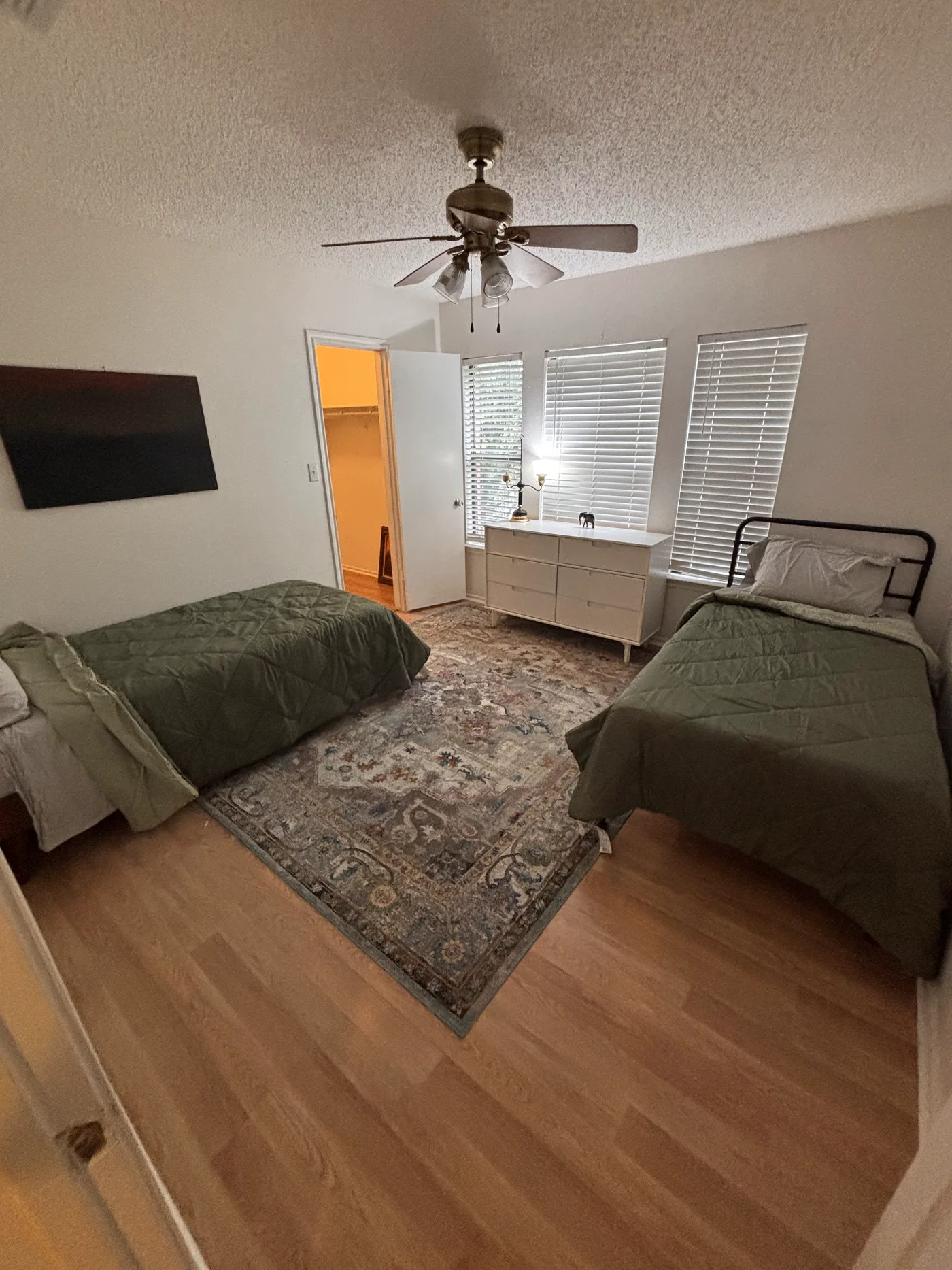
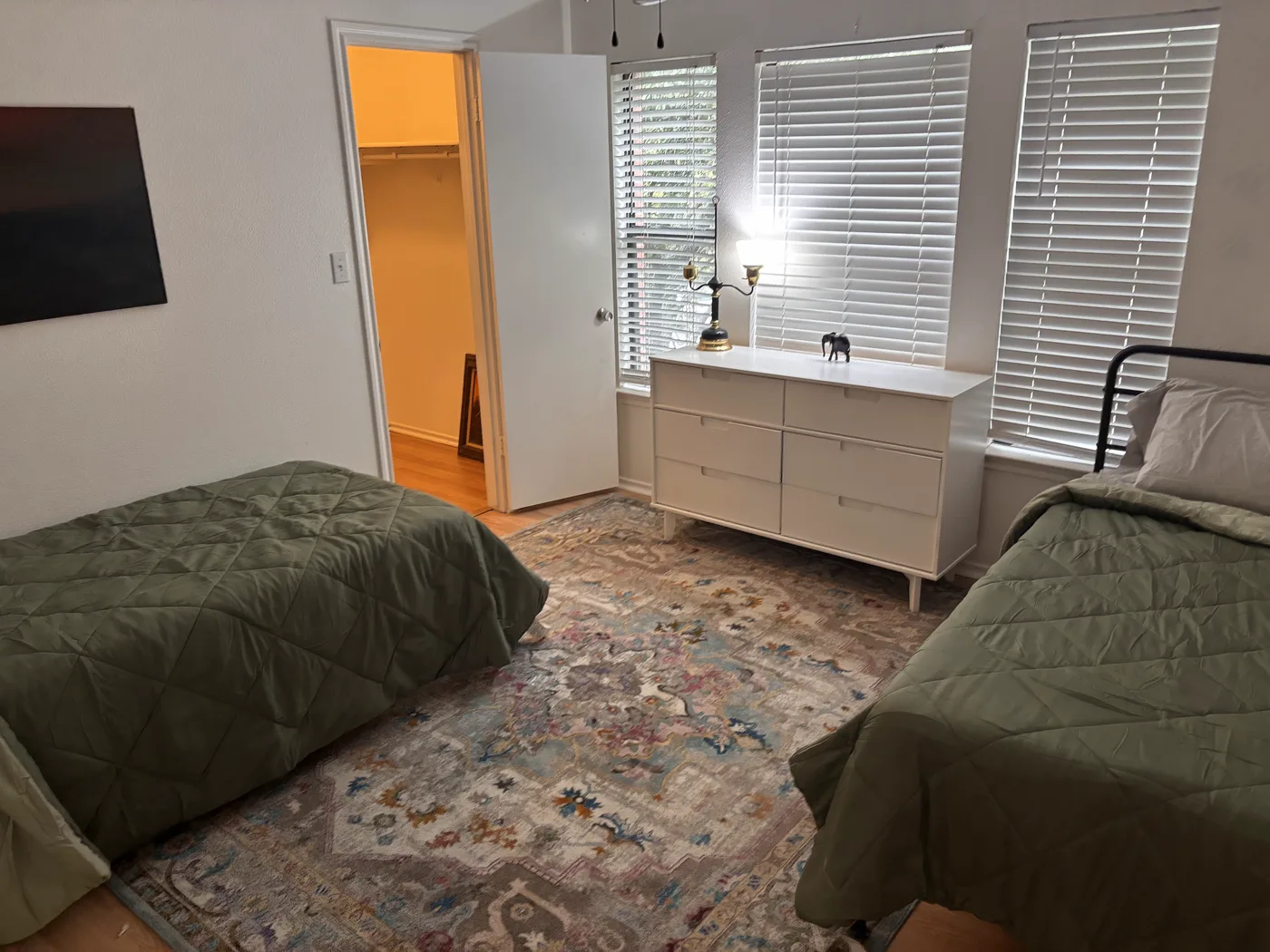
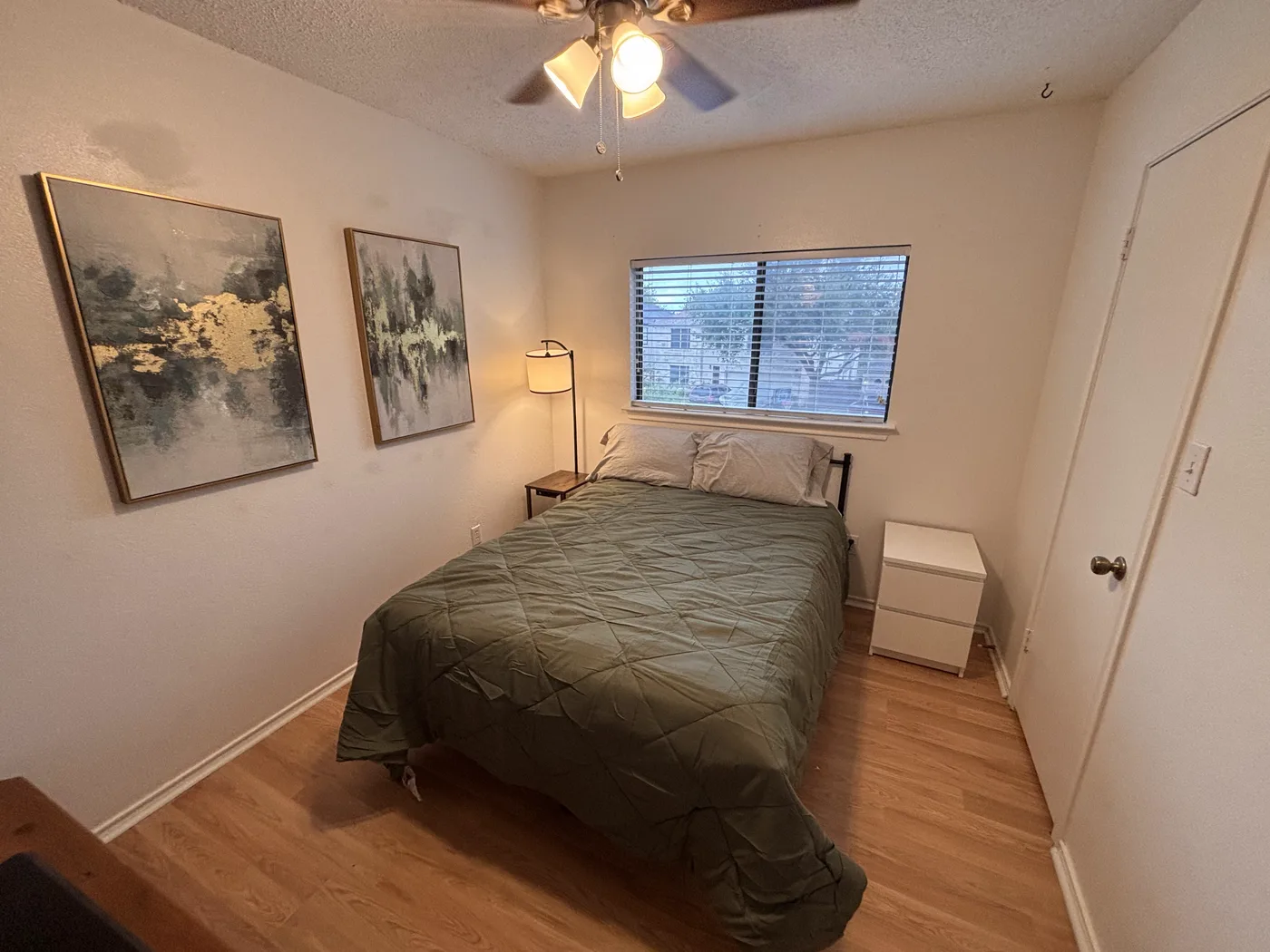
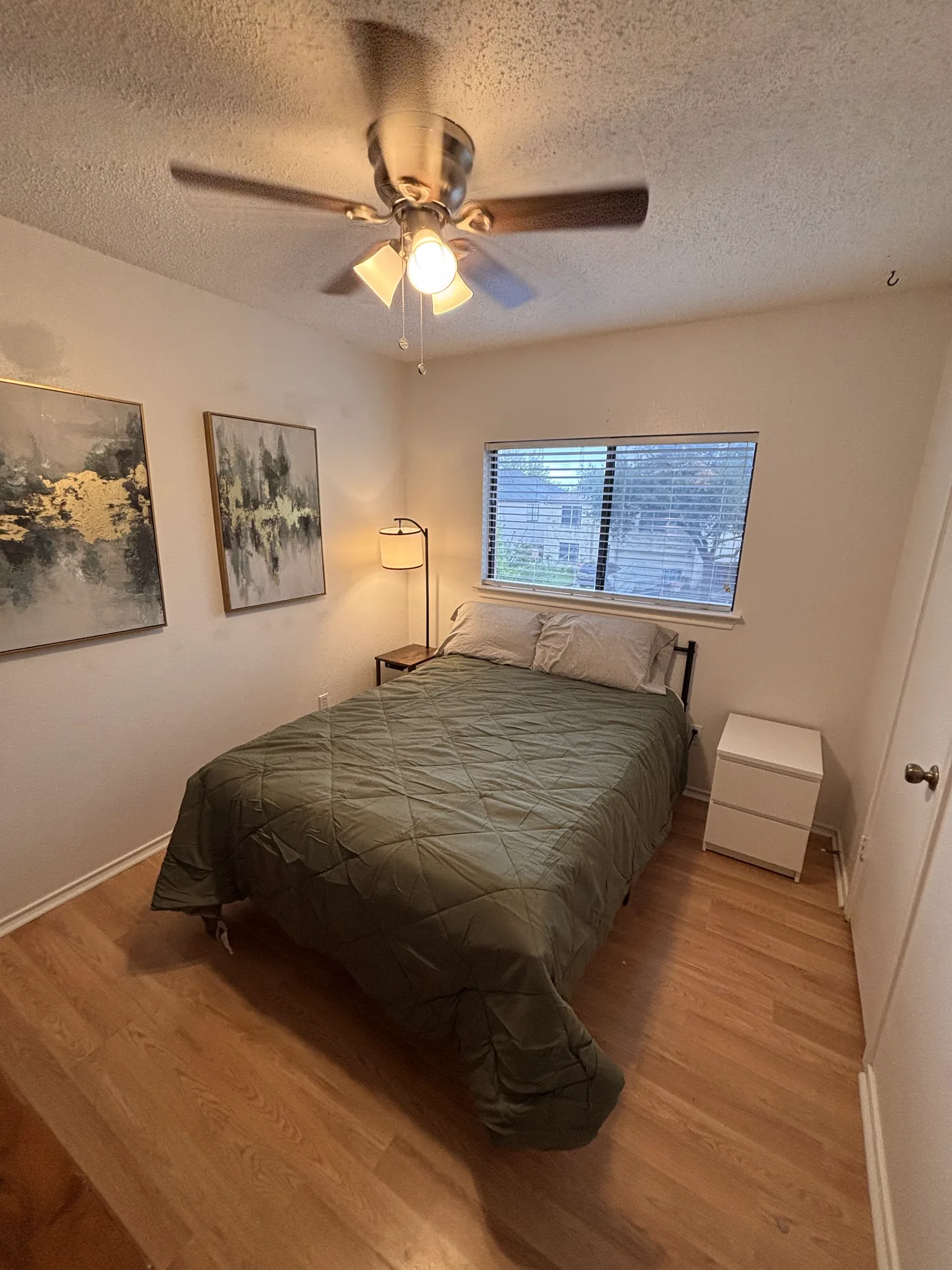
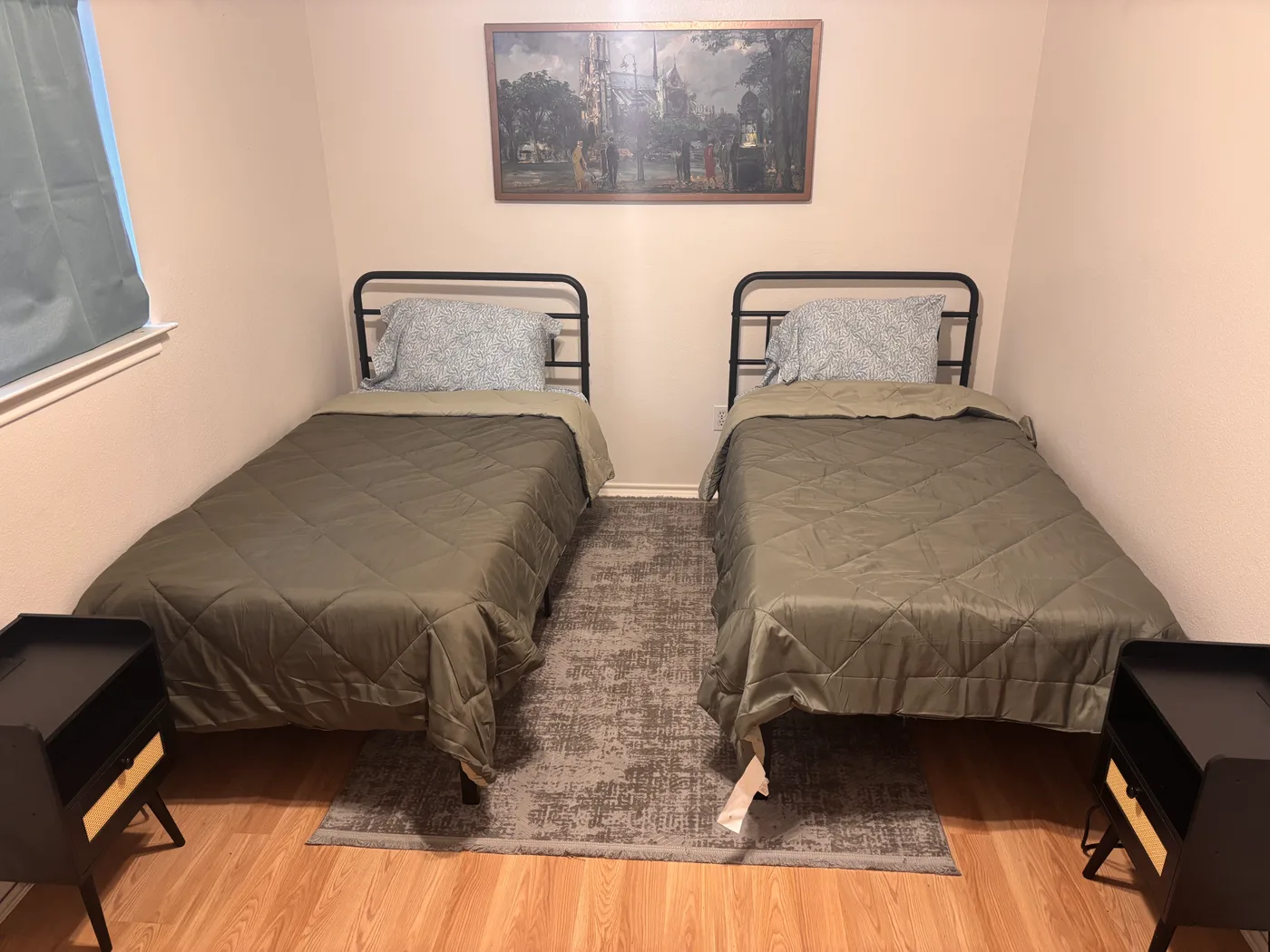
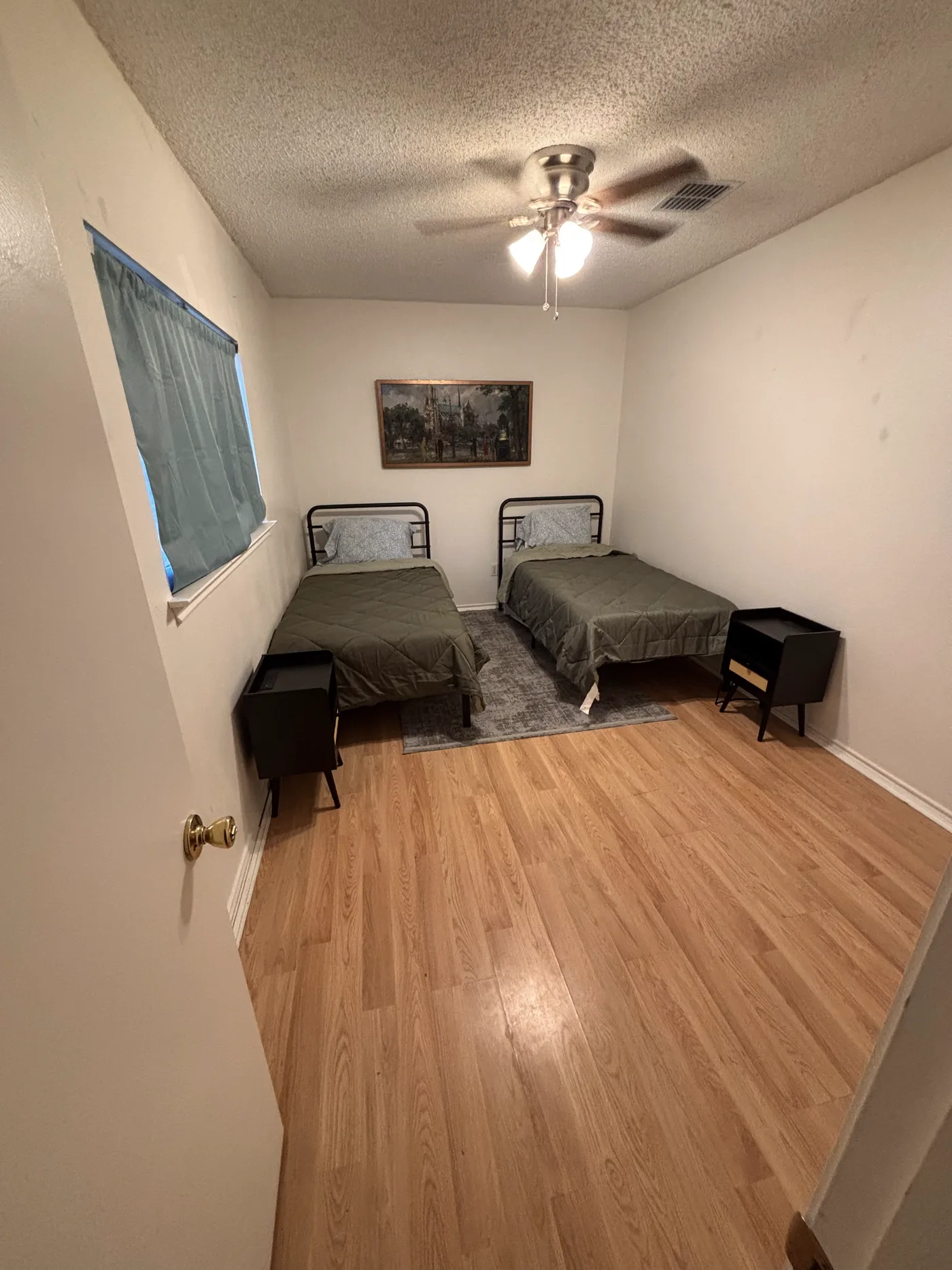
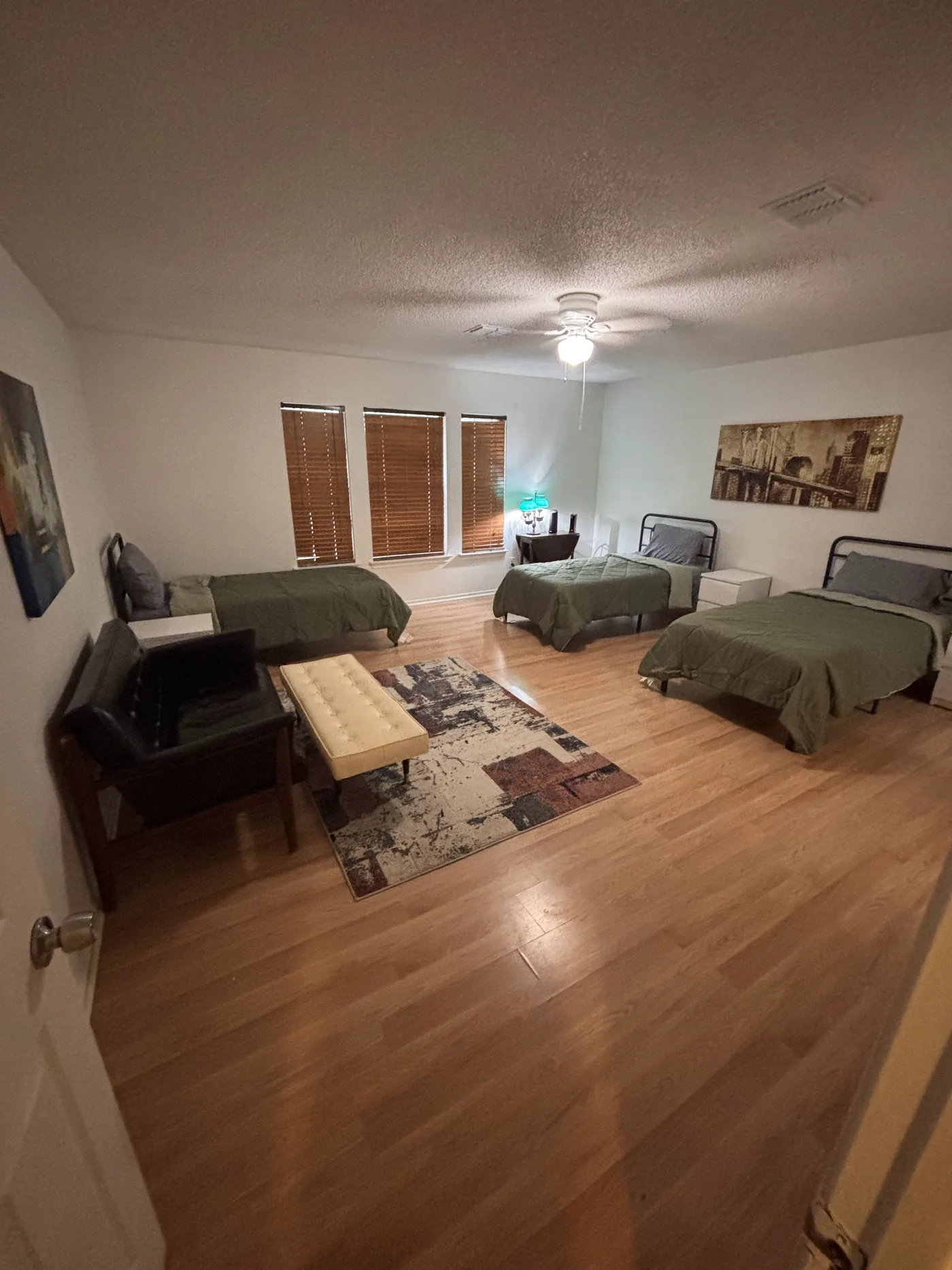
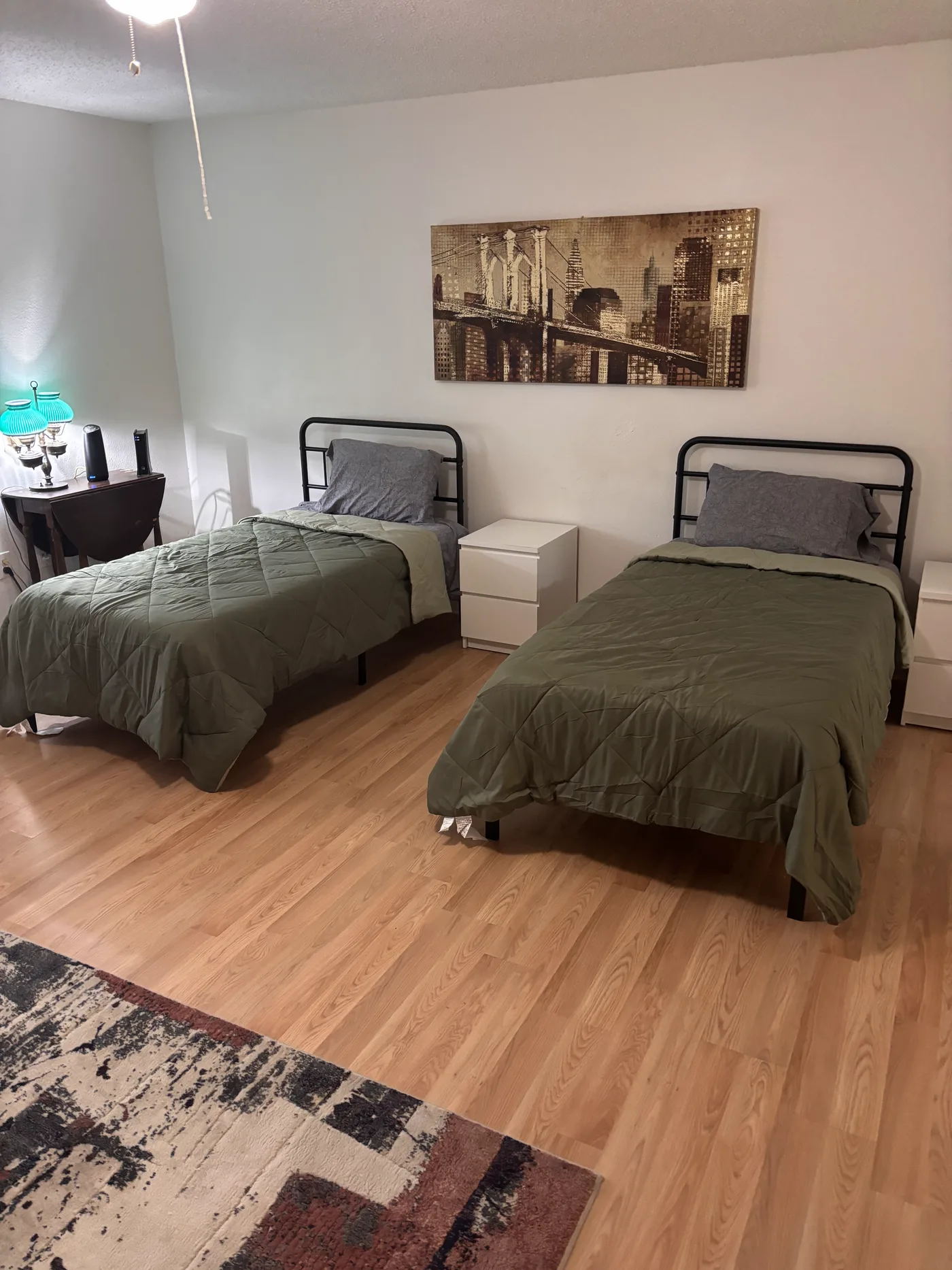
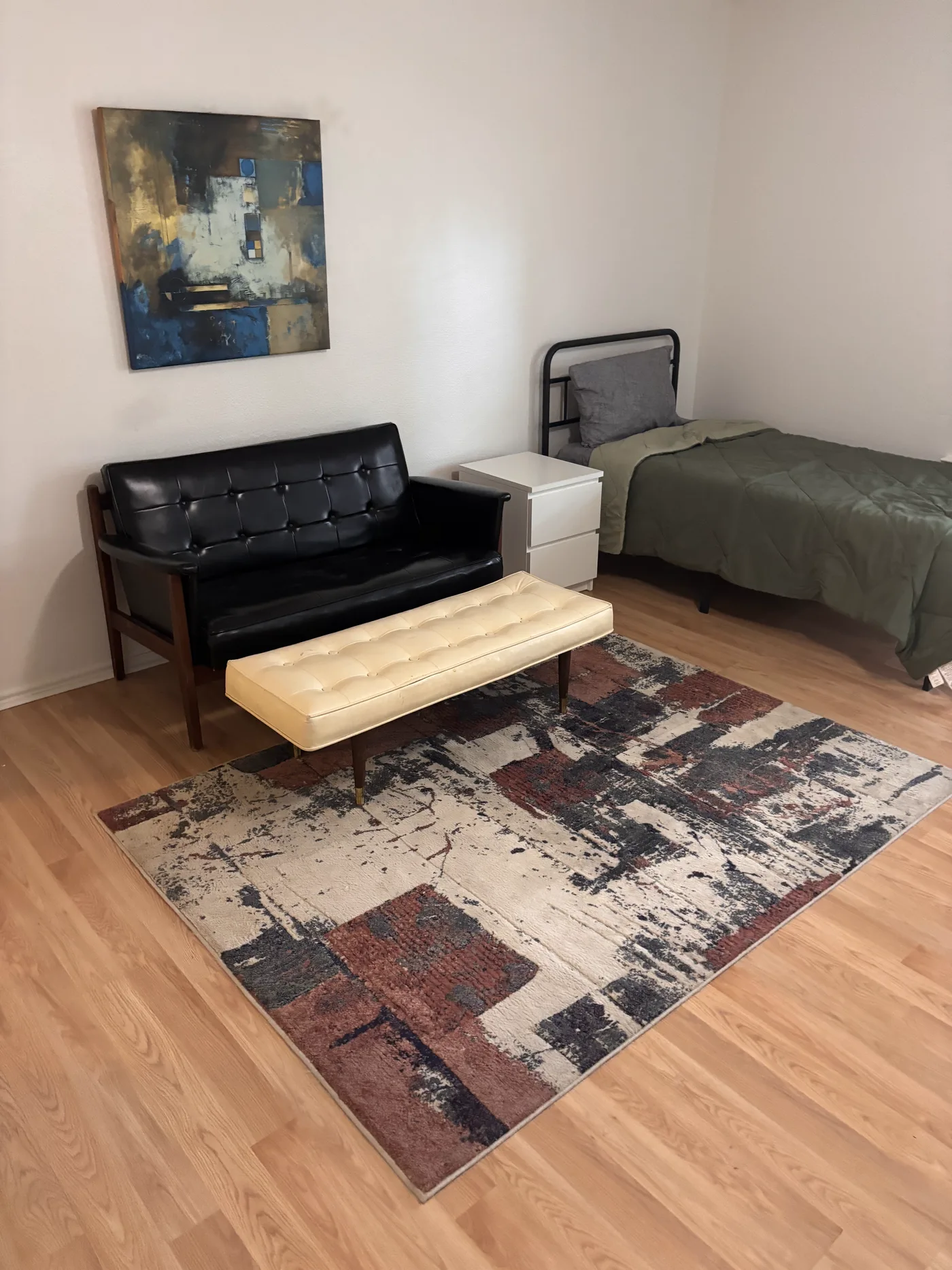
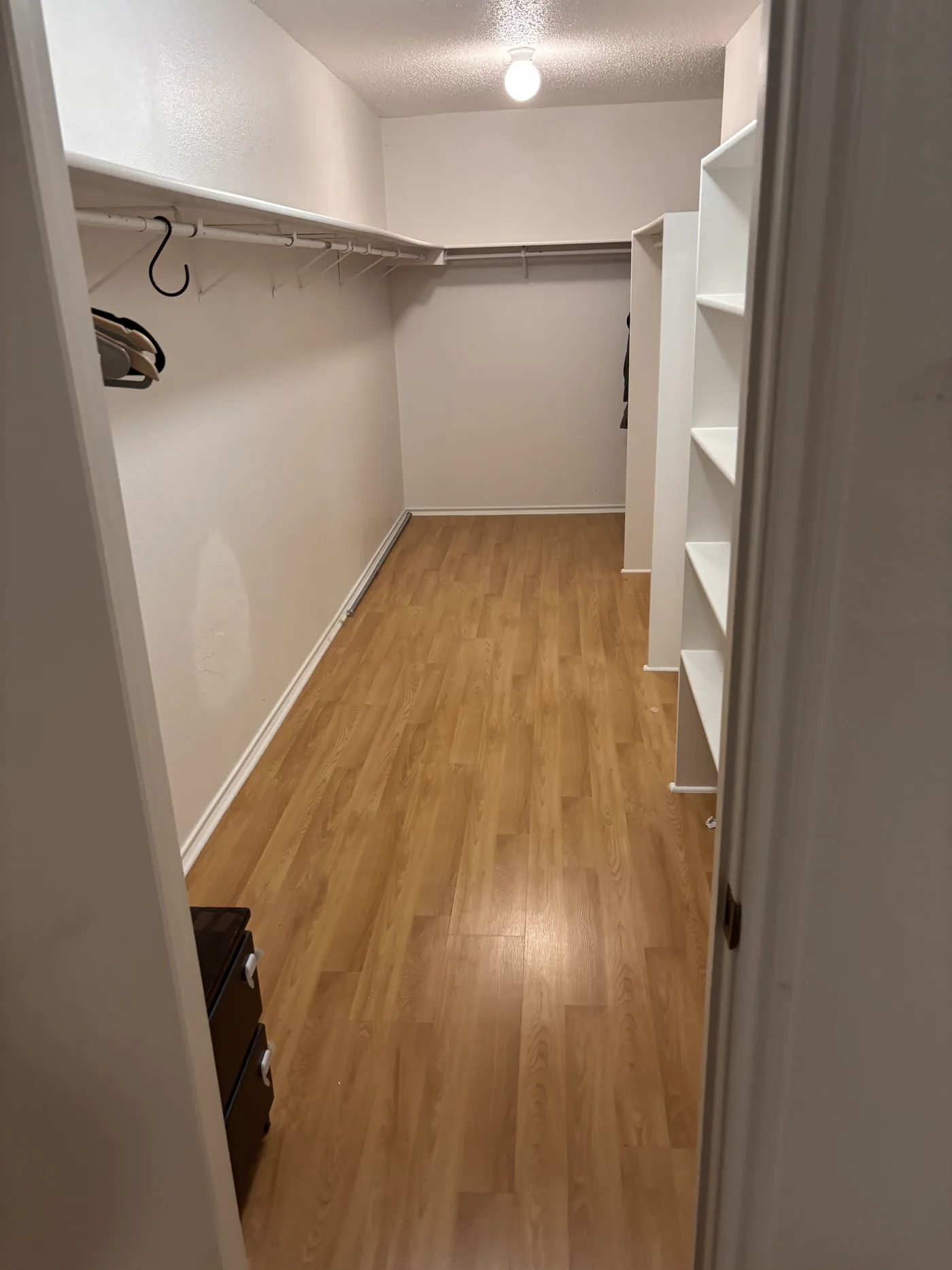
Inside the Austin homes


Signs You May Be Ready to Move Out on Your Own
Knowing when you’re ready is as important as knowing how long you should stay. Here are some of the most reliable signs that you’re genuinely prepared for independent living:
- You have consistent, stable employment or a reliable income source
- You’ve saved enough money to cover first/last month’s rent and living expenses without financial stress
- You have an active sponsor and a home group you attend regularly
- You’ve identified your personal relapse triggers and have concrete plans to address them
- You feel emotionally stable and can manage stress without turning to substances
- Your relationships with family and supportive friends are in a healthy place
- You’ve discussed your readiness with your counselor, sponsor, and sober living house manager, and they agree
- You’ve already identified your next living situation and it’s in a sober, supportive environment
If several items on that list feel shaky, that’s valuable information, not a judgment, but a signal to stay a little longer and shore up those foundations.
What Makes Austin a Great Place to Build This Foundation
Austin has a remarkably strong recovery community. The city has dozens of AA and NA meetings happening daily, a growing network of sober social events and activities, and a culture that increasingly embraces wellness and sobriety. Whether you’re interested in outdoor activities like hiking the Greenbelt, building a career in Austin’s tech or creative industries, or pursuing a degree at UT or another local college, sober living here gives you access to all of that while keeping your recovery front and center.
For those considering their options, our comprehensive Sober Living Austin Guide Walks through everything you need to know about transitional housing in the city, from what to expect in a quality home to how to evaluate your options. And if you want to compare specific programs, discovering quality sober living options in Austin, TX can help you find a home that fits your stage of recovery and your personal needs.
Austin is also an excellent city for those in college or early career recovery. Eudaimonia has specific programs designed to help residents balance the demands of academic life with the demands of early sobriety. You can read more about that through our sober living in Austin Texas recovery and college program page.
Structure That Supports Your Timeline at Eudaimonia Recovery Homes
At Eudaimonia Recovery Homes, we’ve built our programs around the understanding that recovery isn’t one-size-fits-all, but structure and accountability matter enormously during the transitional housing period. Our homes offer a level of structure that supports your early recovery while giving you increasing autonomy as you grow stronger in your sobriety.
We offer gender-specific homes across Austin for both men and women, including structured men’s sober living in Austin and structured women’s sober living in Austin, designed to foster community, accountability, and personal growth in a comfortable, home-like environment. We also welcome four-legged family members at select locations, because pets can be a meaningful part of recovery, too.
Our team works with each resident to set realistic goals and milestones, and we help you think through your timeline thoughtfully, not rushing you out the door, but also not letting complacency take root. The goal is always to help you build a life you’re genuinely excited to live: sober, stable, and on your own terms.
Ready to Talk About Your Recovery Timeline?
If you or someone you love is trying to figure out the right sober living length of stay in Austin, the best next step is a real conversation. Every recovery journey is different, and the right timeline for you depends on factors that a phone call or a home tour can help clarify.
The team at Eudaimonia Recovery Homes is here to help you think through where you are in your recovery, what structure you need right now, and what a realistic plan for independent living actually looks like. We’ve helped hundreds of people in Austin make that transition successfully, and we’d love to help you do the same.
Call us today at (512) 240-6612 to speak with a team member, or explore our top sober homes in Austin To learn more about what Eudaimonia has to offer. You don’t have to figure this out alone, that’s exactly what we’re here for.
Call Now: (512) 240-6612


