

Published April 18, 2026 · Updated May 1, 2026
On This Page · 10 Sections

Sober Living
Austin
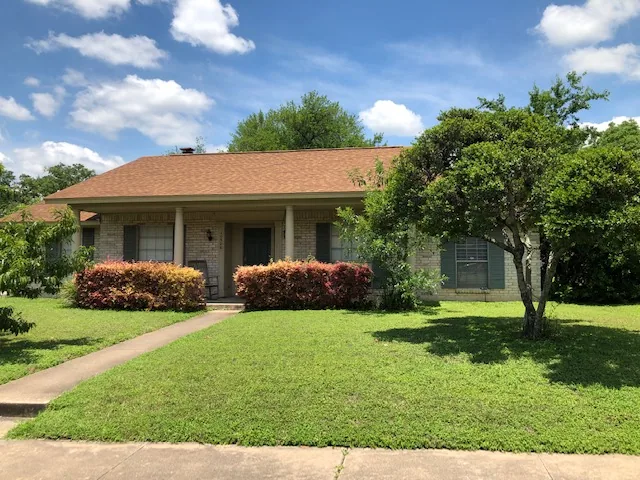
10506 Parkfield Dr, Austin, TX 78758
If you’re considering a sober living home in Austin, or helping a loved one take that next step after treatment, one of the first questions that comes up is: how long will I actually need to be there? The honest answer is that sober living length of stay varies from person to person, but research and real-world experience point to some clear patterns. Understanding the typical timeline can help you plan, set expectations, and make the most of one of the most valuable tools in long-term recovery.
What the Research Says About Sober Living Length of Stay
Studies on recovery housing consistently show that longer stays are associated with better outcomes. Research published in the Journal of Substance Abuse Treatment found that residents who stayed in sober living homes for six months or more had significantly higher rates of sobriety, employment, and stable housing compared to those who left earlier.
The Substance Abuse and Mental Health Services Administration (SAMHSA) has long supported extended-care models, noting that the first year of recovery is the most vulnerable period for relapse. A sober living home provides the structured, substance-free environment that helps people navigate that critical window.
In practical terms, most people stay in sober living homes anywhere from three months to two years, with six to twelve months being the most common range. The right timeline depends on your specific situation, and that’s something worth exploring honestly.
Factors That Influence How Long You Stay in Sober Living
No two recovery journeys look the same. Here are the most common factors that determine how long someone stays in a sober living home in Austin:
- Severity and length of addiction: Someone with a decade-long substance use disorder will generally benefit from a longer stay than someone addressing a shorter-term issue.
- Type of substance used: Recovery from certain substances, particularly opioids, methamphetamine, or alcohol, often involves a longer neurological healing process. Many residents find that the brain fog, mood swings, and cravings don’t fully settle until month three or four.
- Prior treatment history: If this is your first time in a structured recovery environment, you may need more time to build foundational skills and a support network. If you’ve been through treatment before, you may already have tools in place that allow for a smoother transition.
- Employment and financial stability: If you’re rebuilding your career or finances, having the stability of sober living while you work through that process makes a significant difference in outcomes.
- Mental health and co-occurring disorders: If you’re managing anxiety, depression, trauma, or another co-occurring condition alongside addiction, a longer stay gives you more time to stabilize under professional guidance.
- Family and relationship support: Residents with strong family support systems sometimes transition out sooner, while those rebuilding relationships or lacking a safe home environment benefit from a longer stay.
- Personal readiness: Ultimately, you and the people supporting you are the best judges of when you’re truly ready to live independently in sustained recovery.
The Typical Sober Living Timeline in Austin: Month by Month
To give you a more concrete picture, here’s what recovery tends to look like across different phases of a sober living stay:
Months 1–2: Stabilization
The early weeks focus on establishing routine, rebuilding sleep patterns, following house rules, and beginning or continuing outpatient treatment. Many residents describe this phase as the hardest: the newness of structured living, the raw emotions of early sobriety, and the work of reconnecting with daily life can feel overwhelming. This is also when the accountability of a sober living community is most critical.
Months 3–6: Foundation Building
By this point, most residents have settled into a rhythm. They’re attending 12-step meetings or other peer support groups, holding down part-time or full-time work, reconnecting with family, and actively practicing coping skills learned in treatment. Cravings typically decrease, but triggers are still very real. The sober living structure continues to provide a safe buffer.
Months 6–12: Growth and Planning
This phase is about deepening recovery and planning for the future. Residents are often working on longer-term goals: saving money, pursuing education, repairing relationships, or advancing in their careers. The sober living home transitions from a place of survival to a launching pad. Many people in this phase begin exploring what independent living will look like.
Month 12+: Continued Residency or Transition
Some residents choose to stay beyond a year, and that’s a perfectly valid and often wise choice. Others feel ready to transition into their own housing at or before the one-year mark. If you’re in Austin, the city’s robust recovery community, including ongoing AA and NA meetings, recovery-oriented social groups, and alumni networks, makes transitioning out of sober living less isolating than in many other cities.
Why Austin Is a Strong Place to Do This Work
Austin’s recovery community is one of the most active in Texas. The city has a large network of 12-step meetings, SMART Recovery groups, sober social events, and community organizations that support people in long-term recovery. Whether you’re new to sobriety or coming back after a relapse, Austin offers real infrastructure to support your journey beyond the walls of a sober living home.
That said, Austin also has its challenges. It’s a city with a vibrant nightlife and a social culture that often centers around alcohol. For many people in early recovery, that environment makes the stability of a sober living home even more valuable during those first critical months. Our comprehensive sober living Austin guide walks through exactly what makes the Austin recovery landscape unique and how to navigate it successfully.
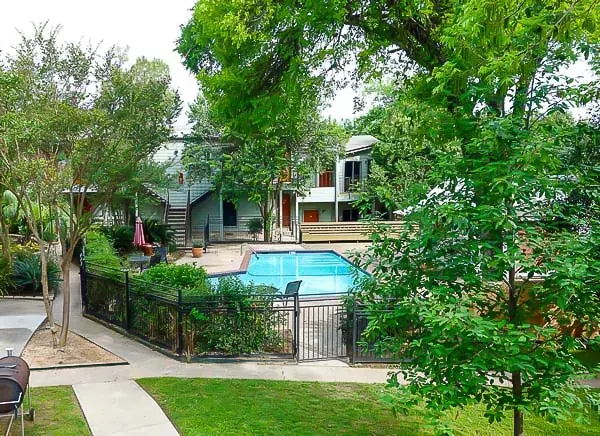
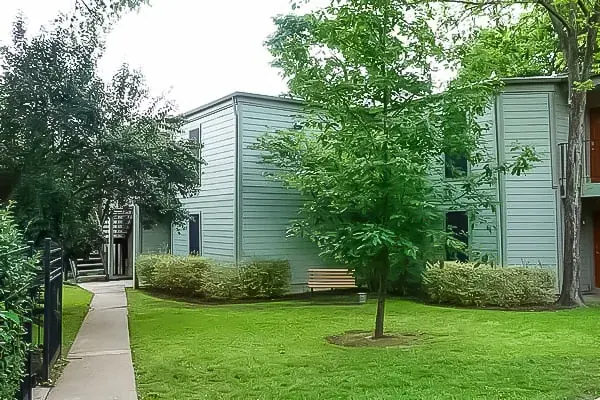
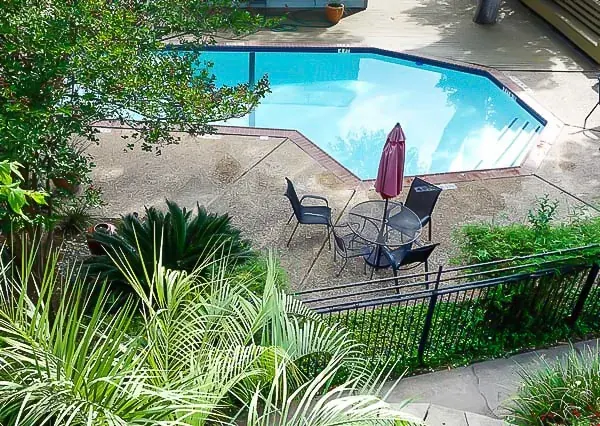
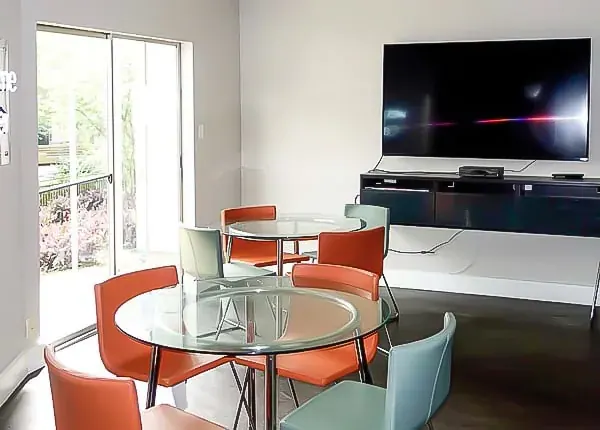
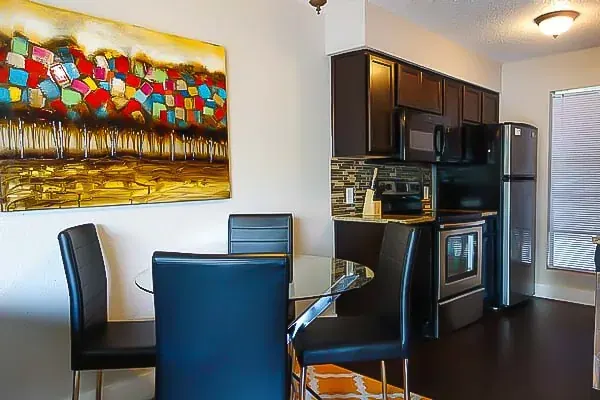
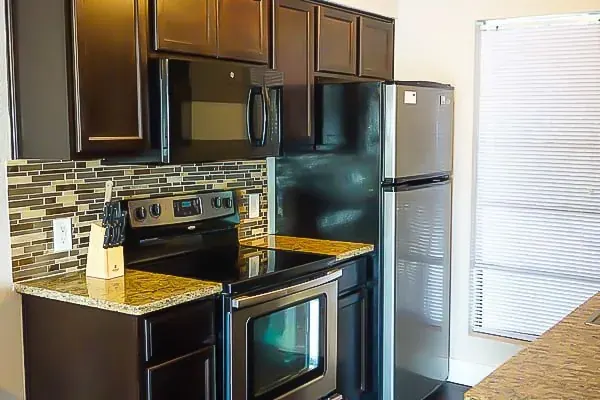
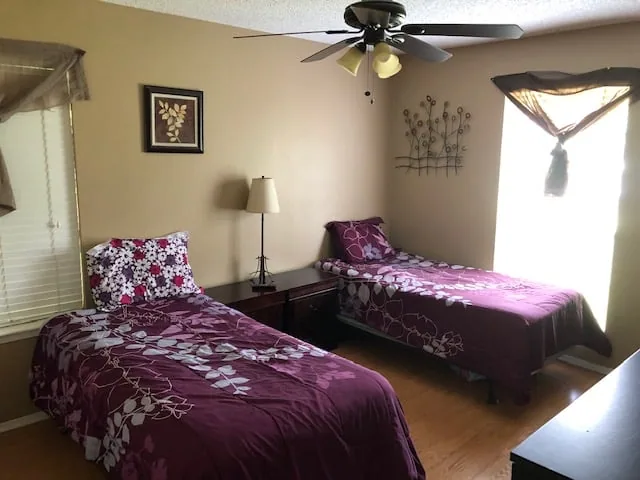
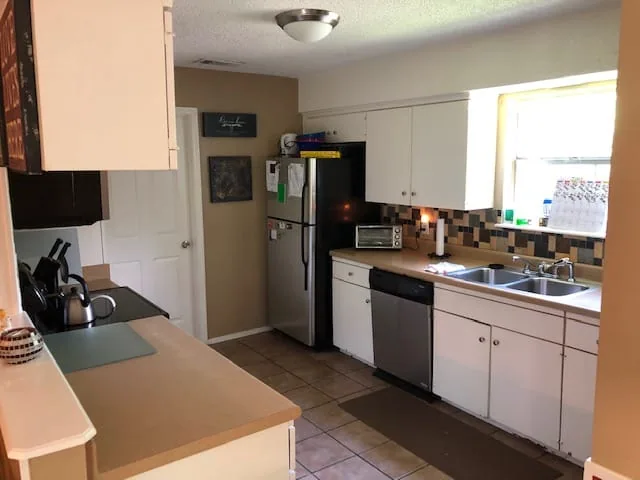
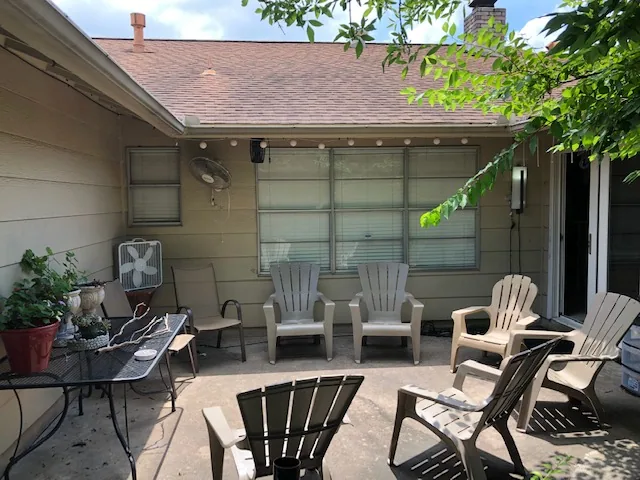
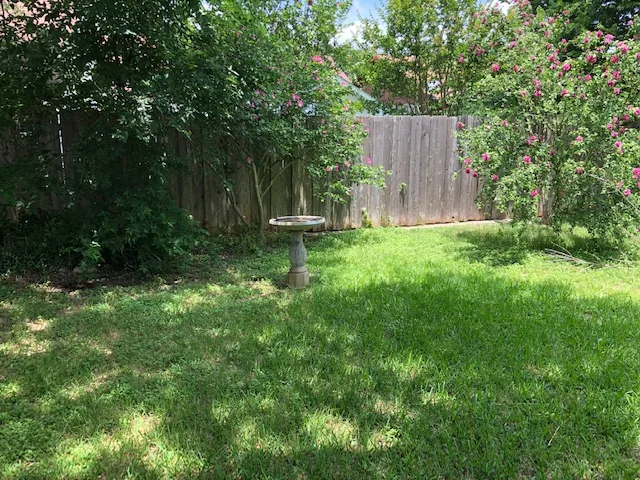
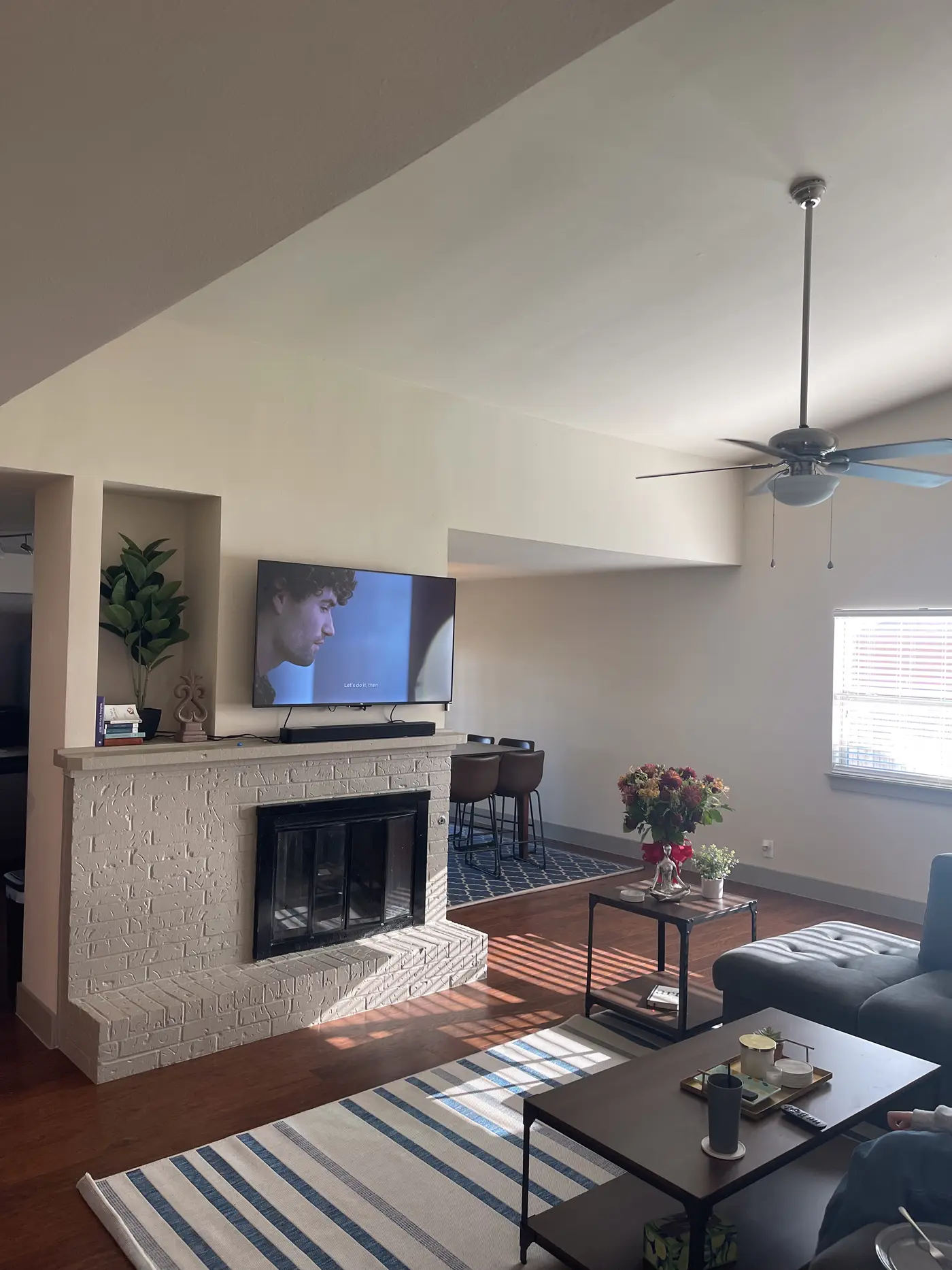
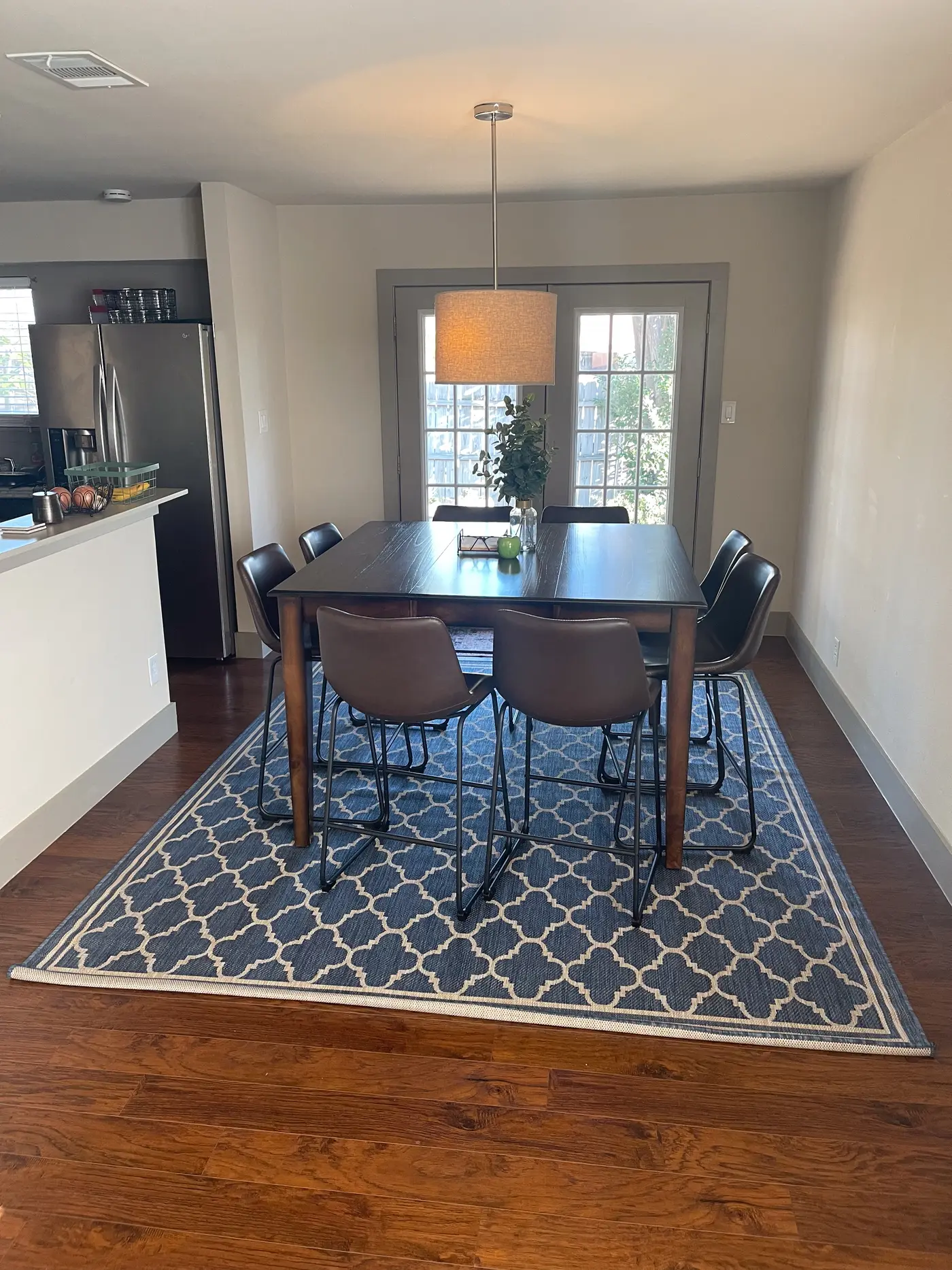
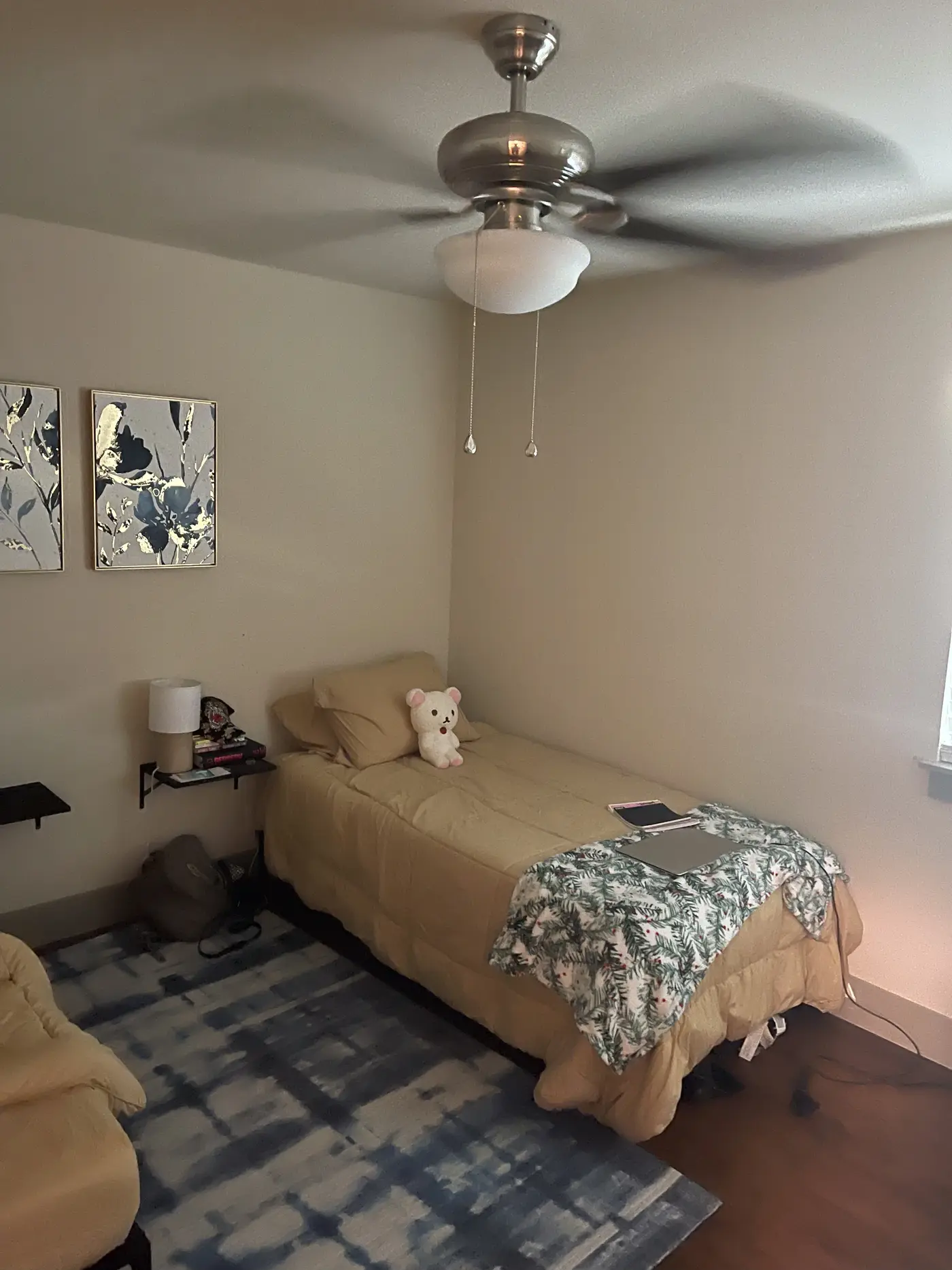
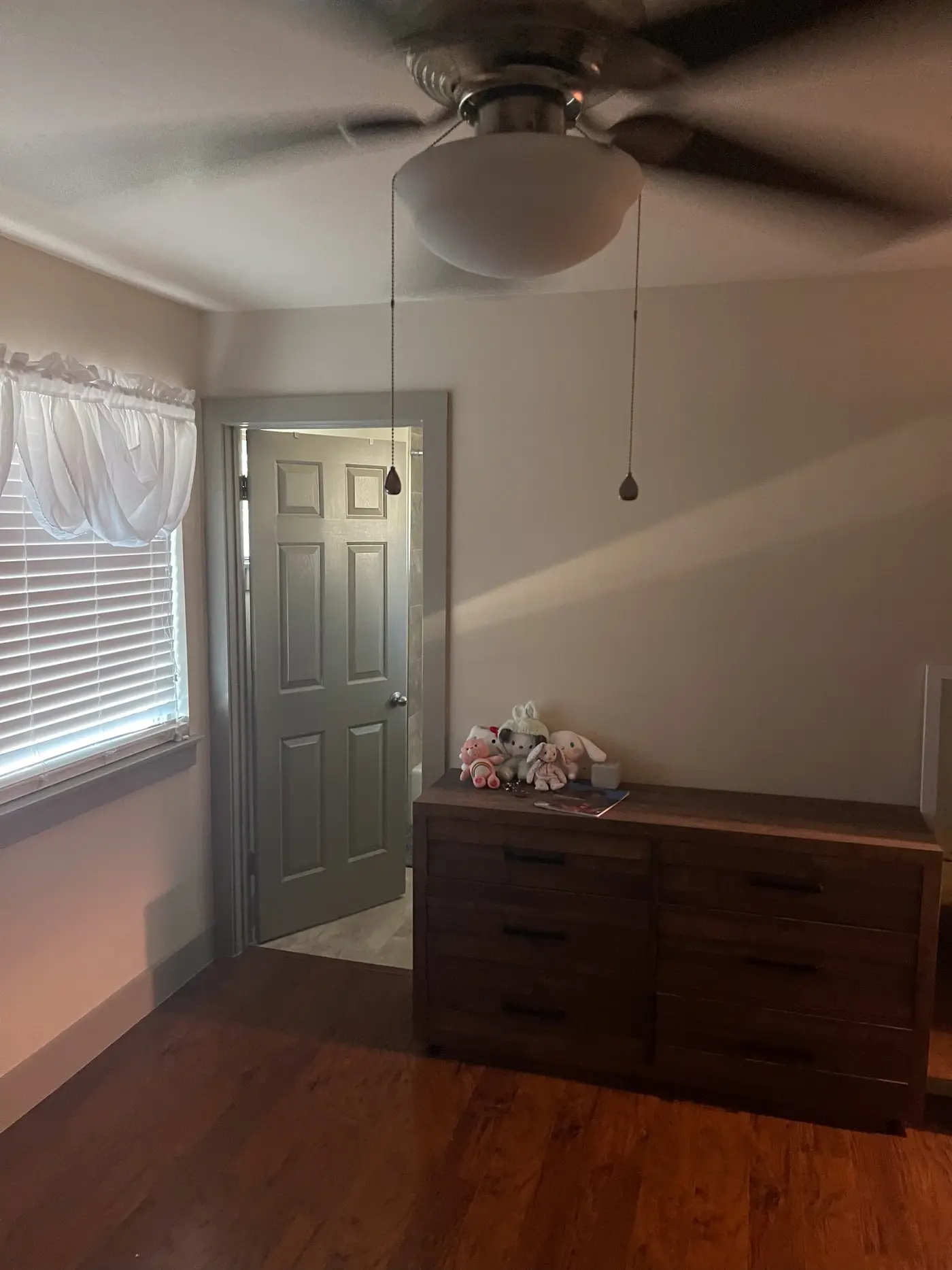
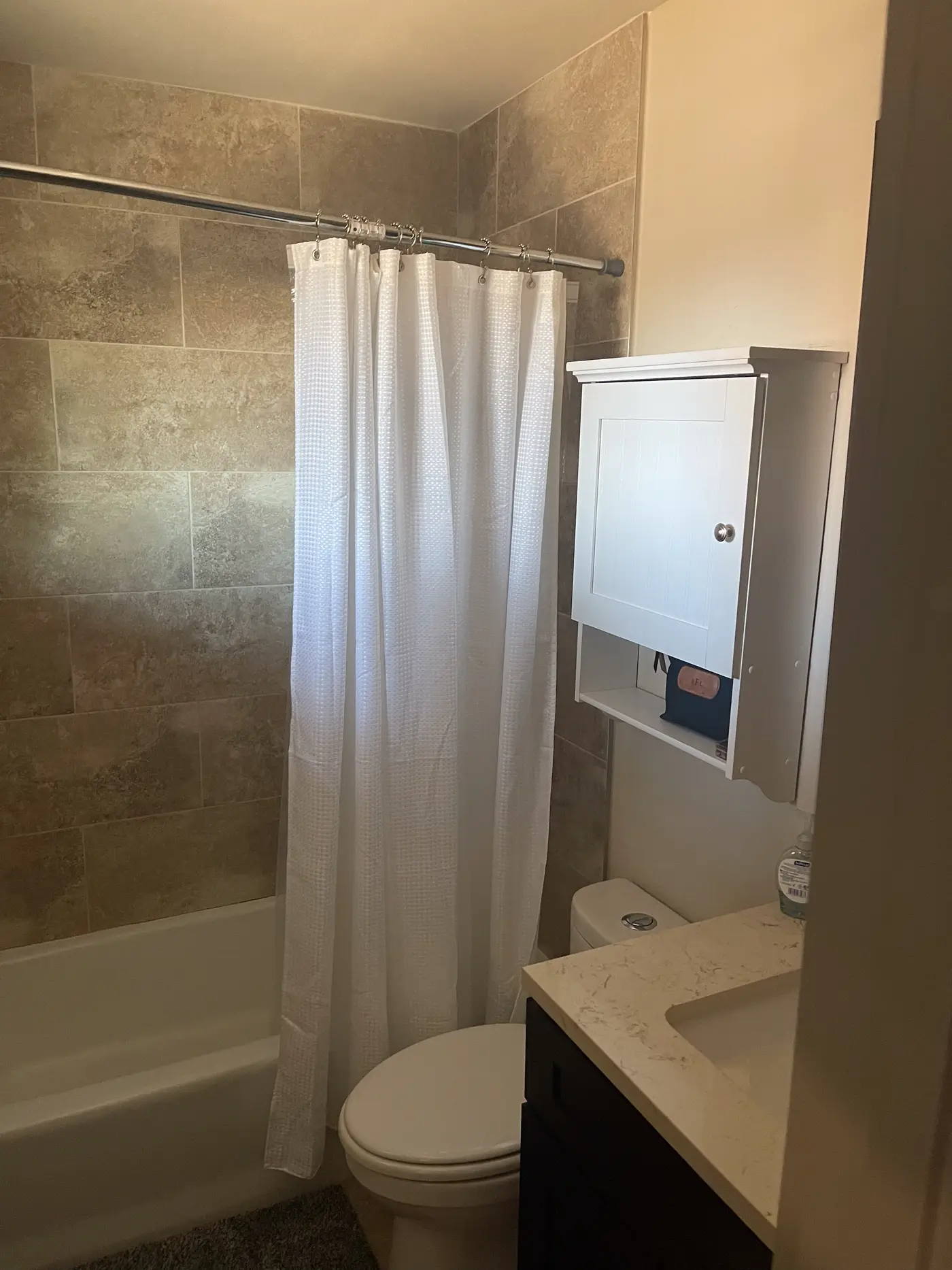
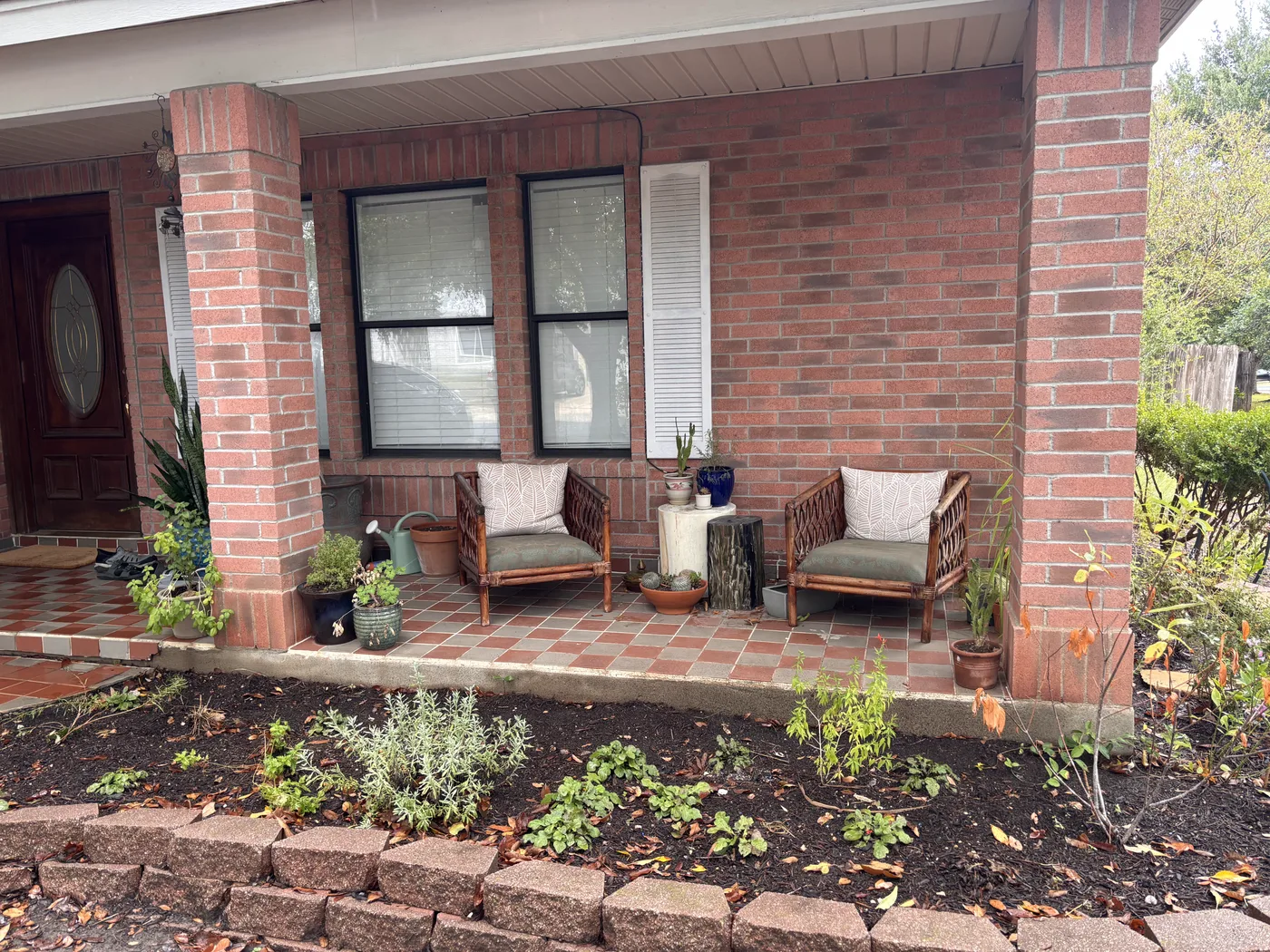
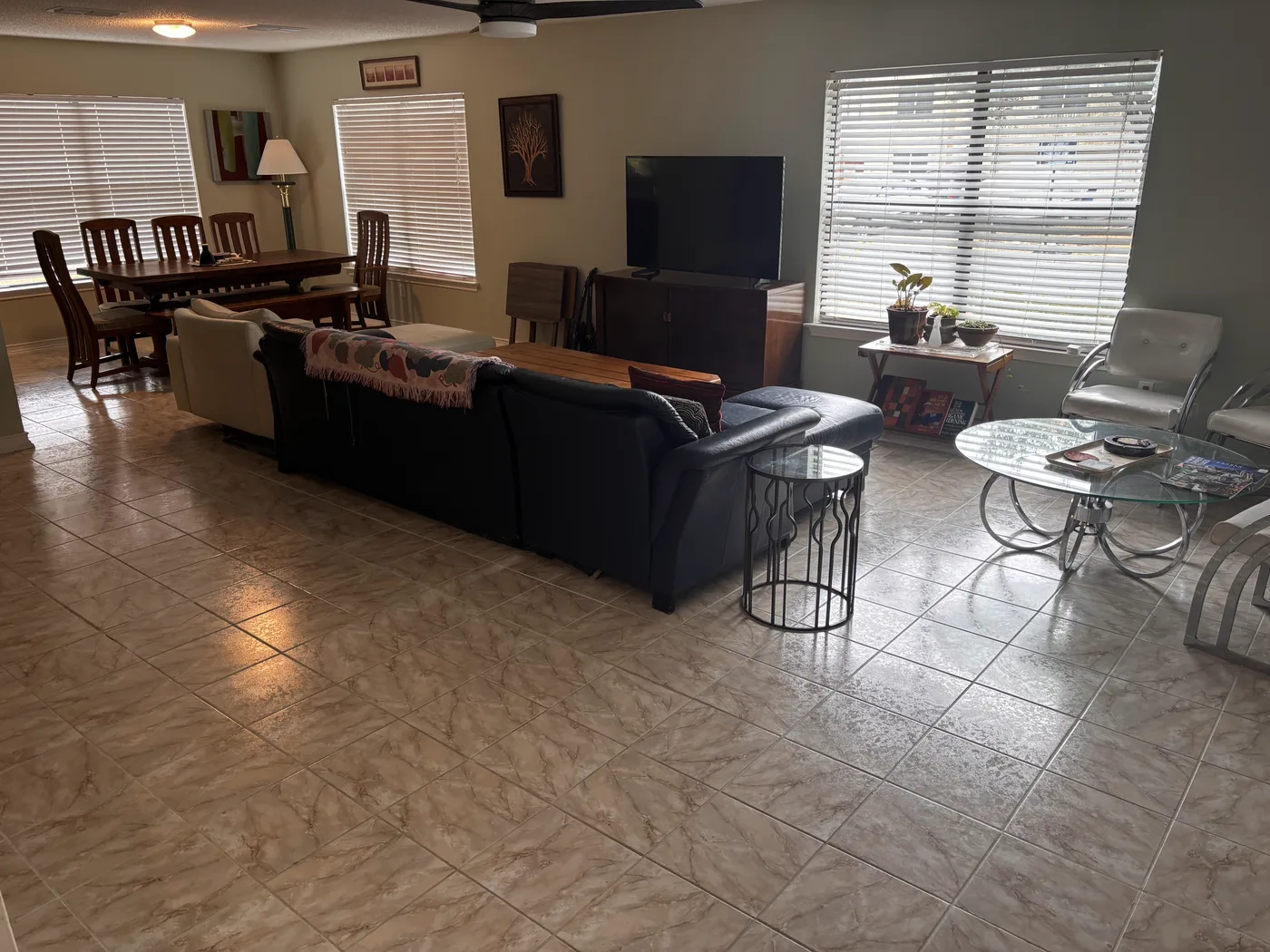
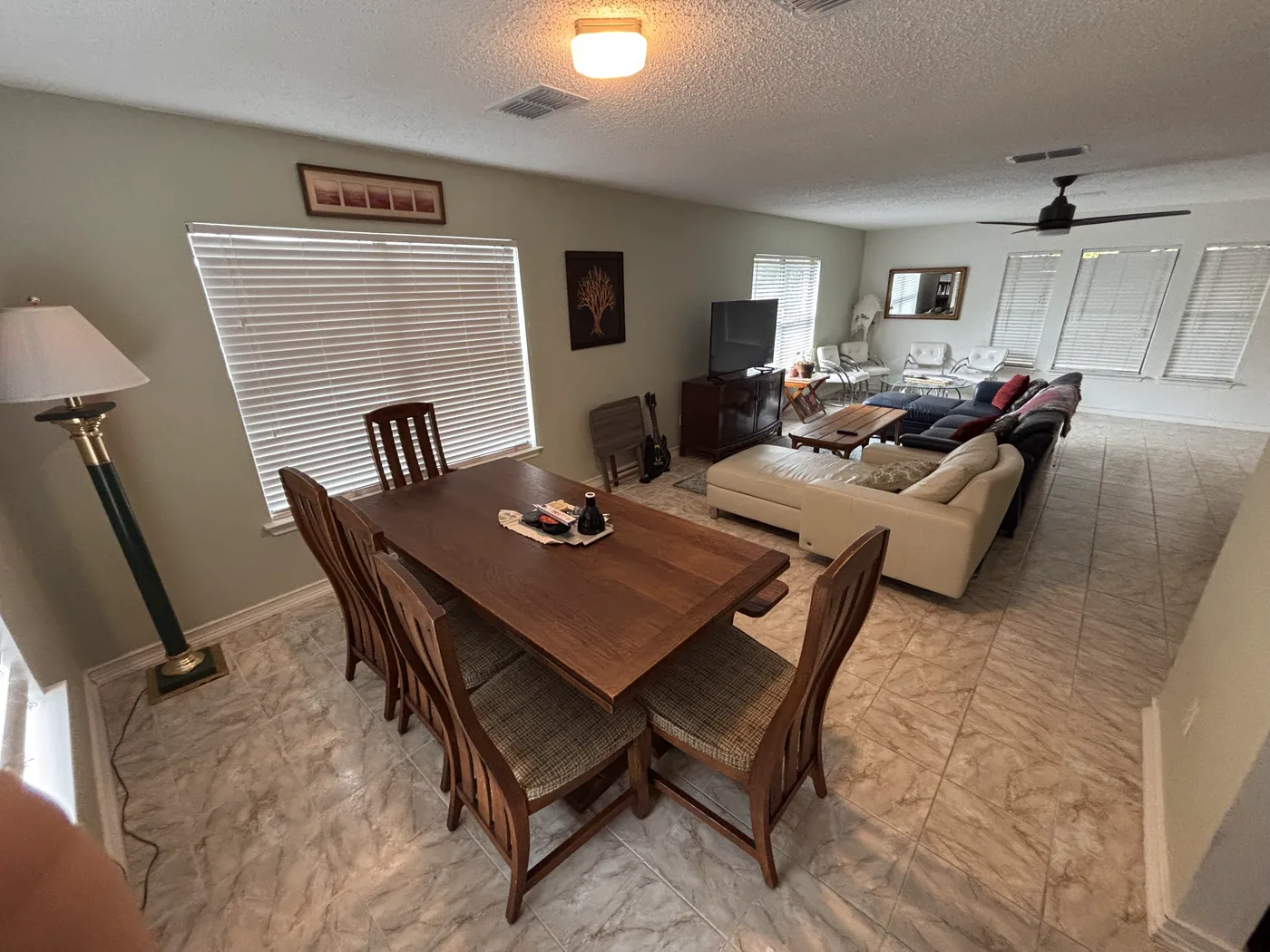
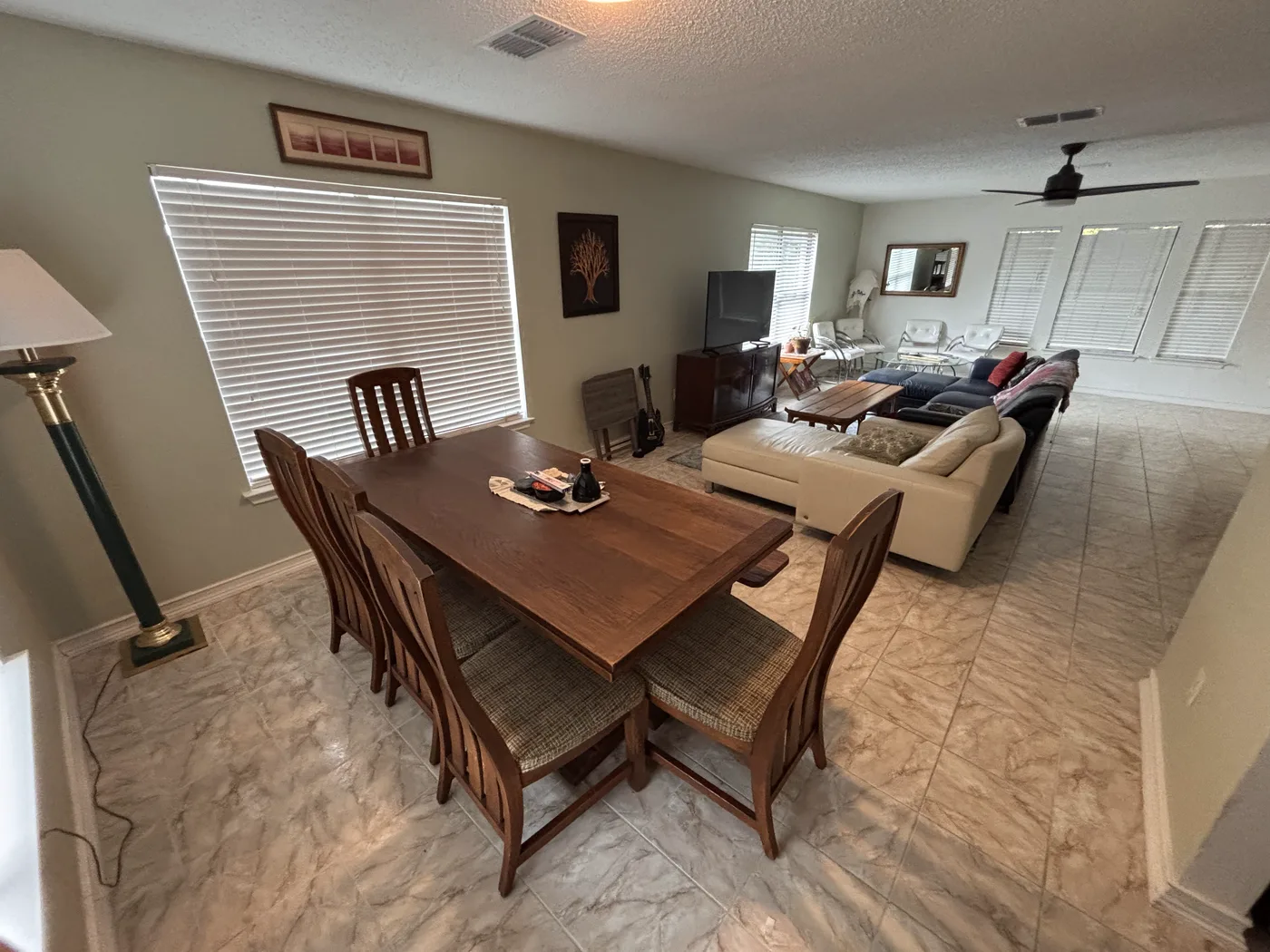
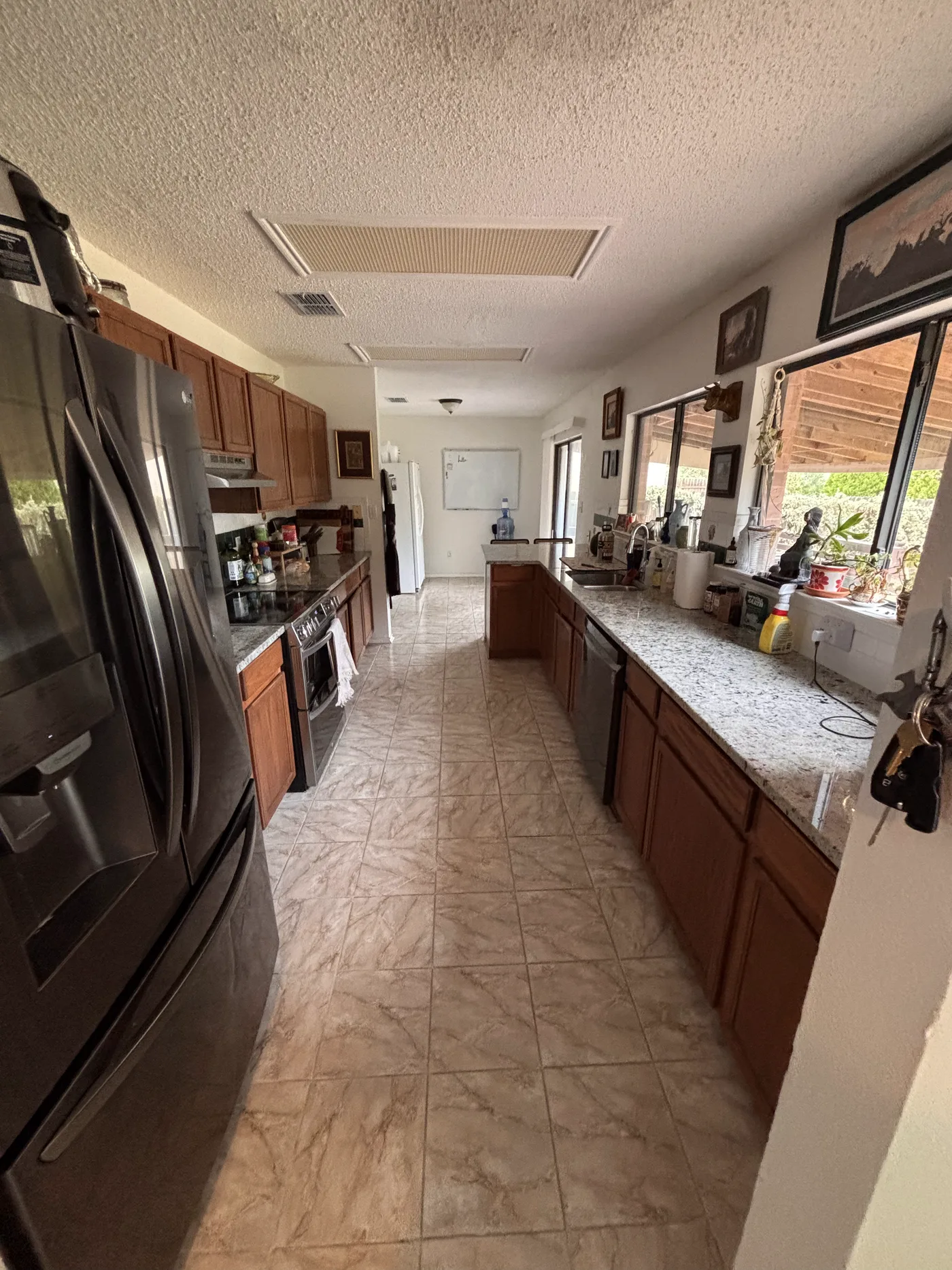
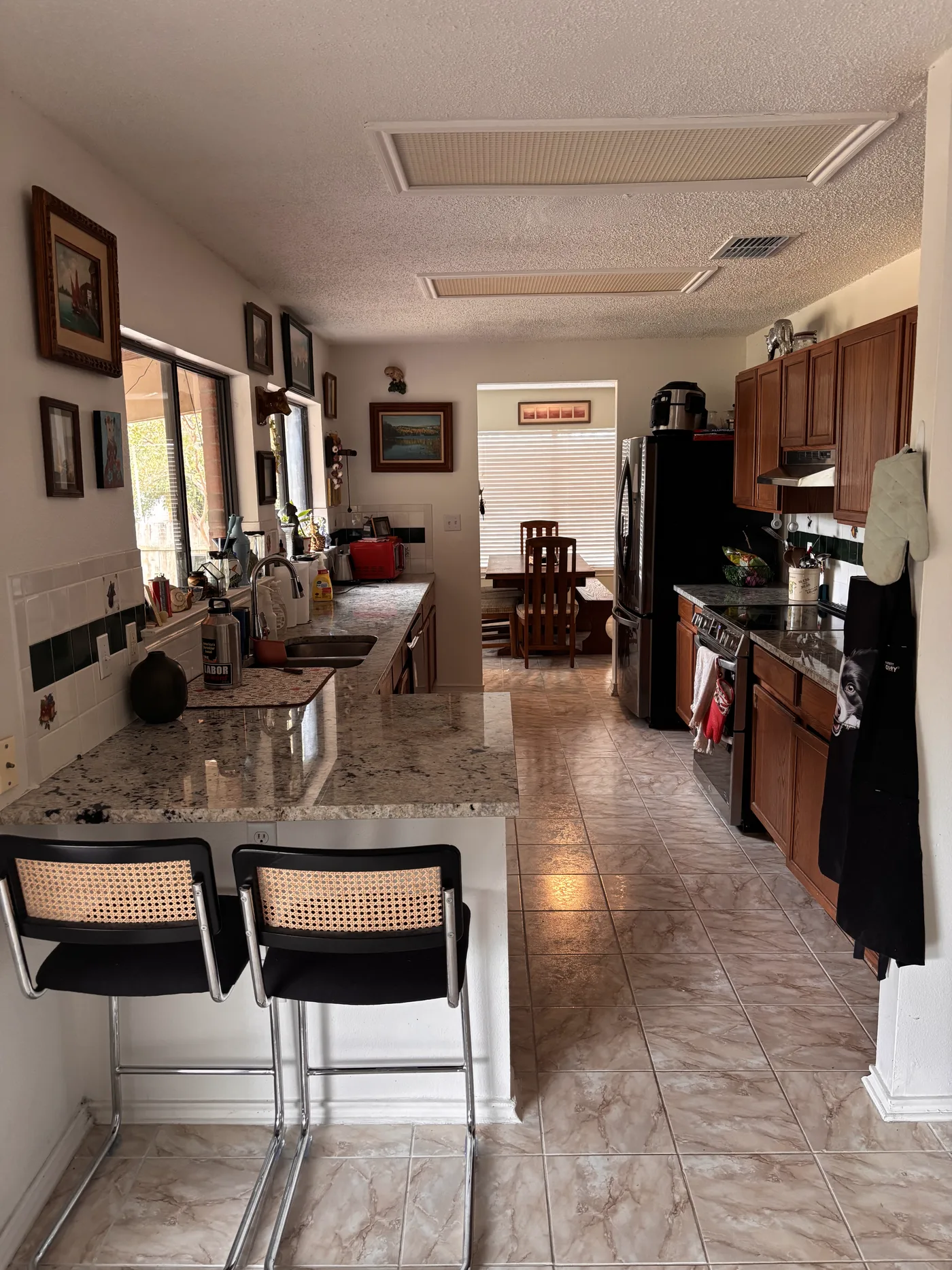
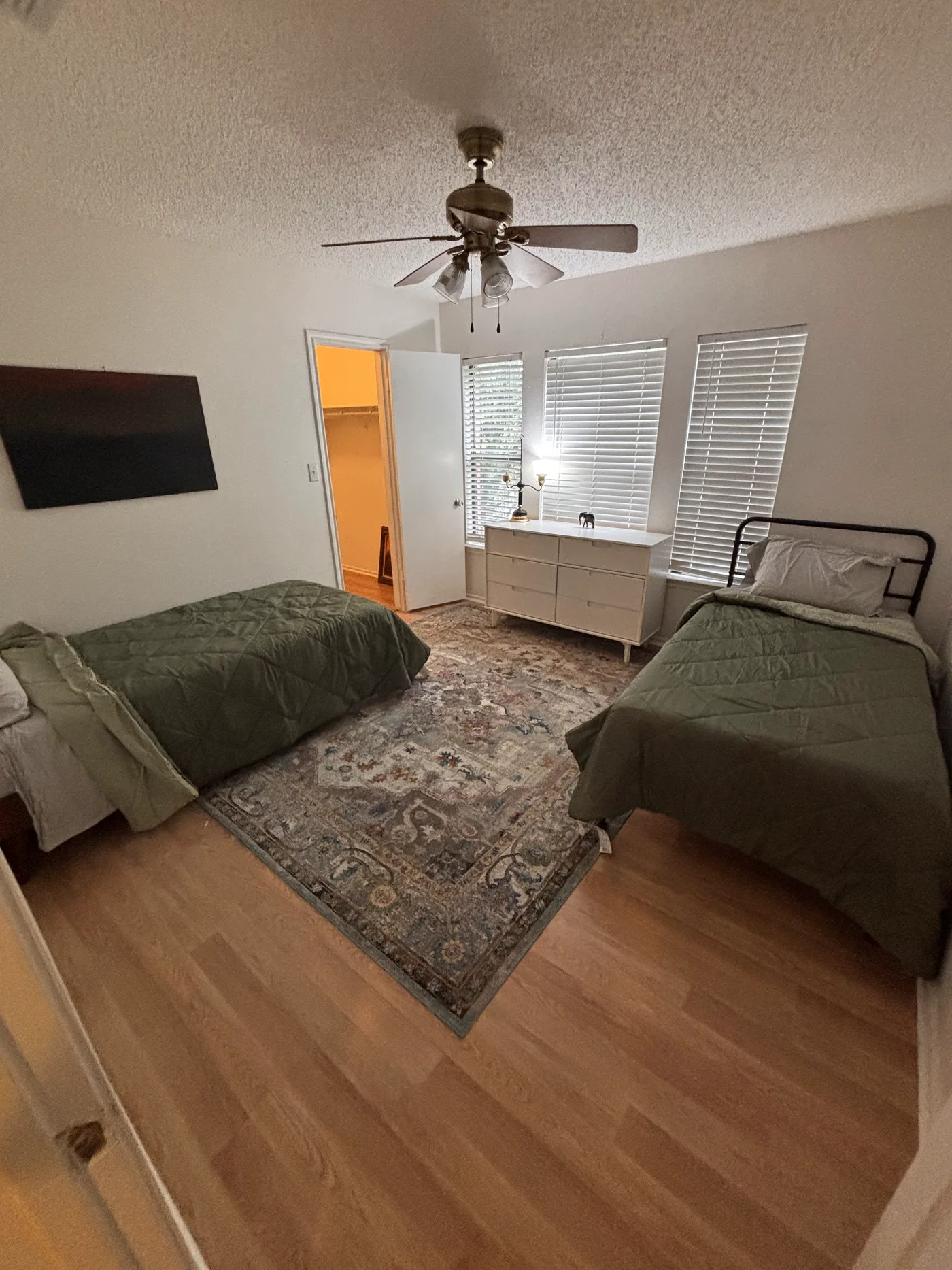
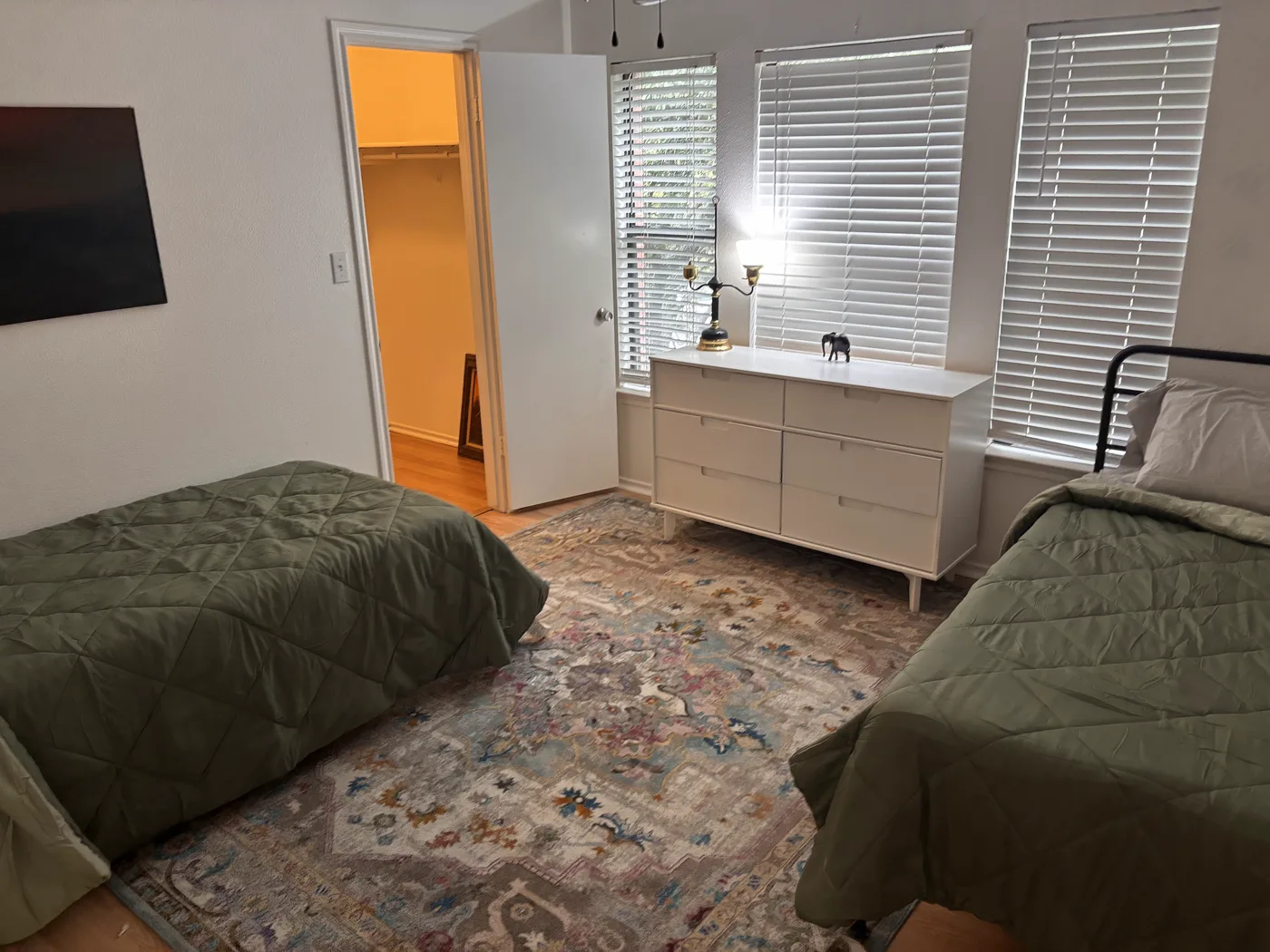
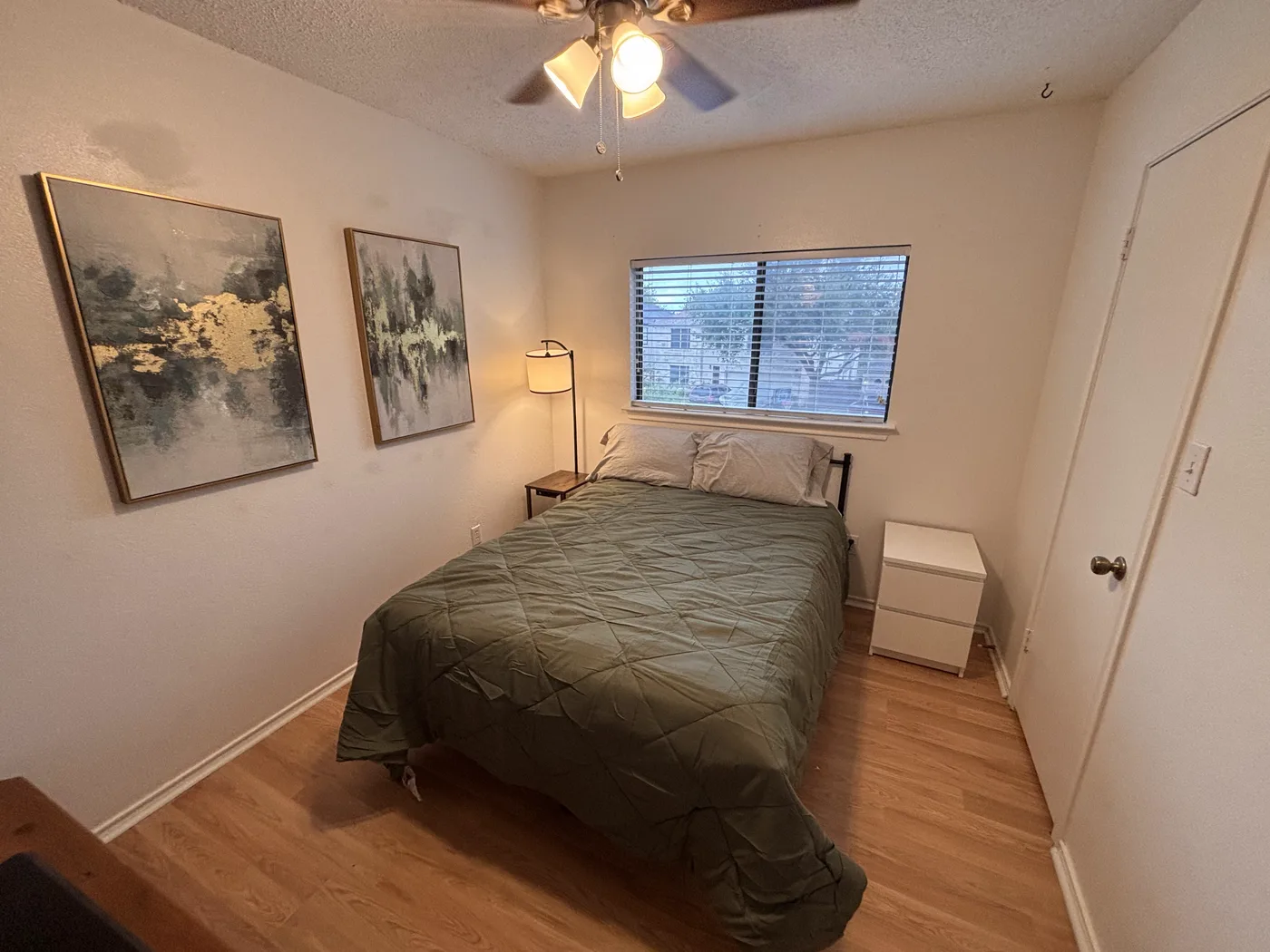
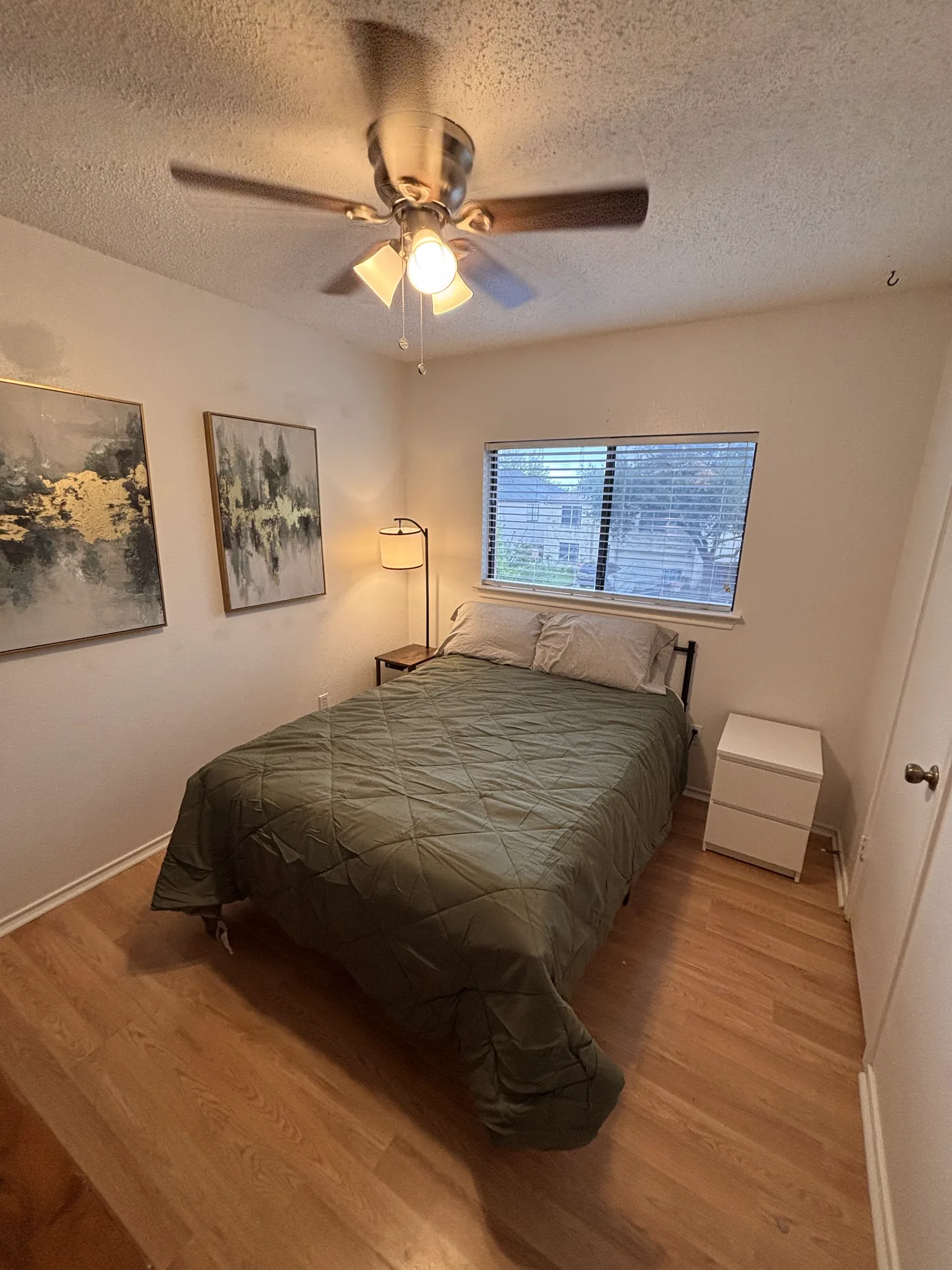
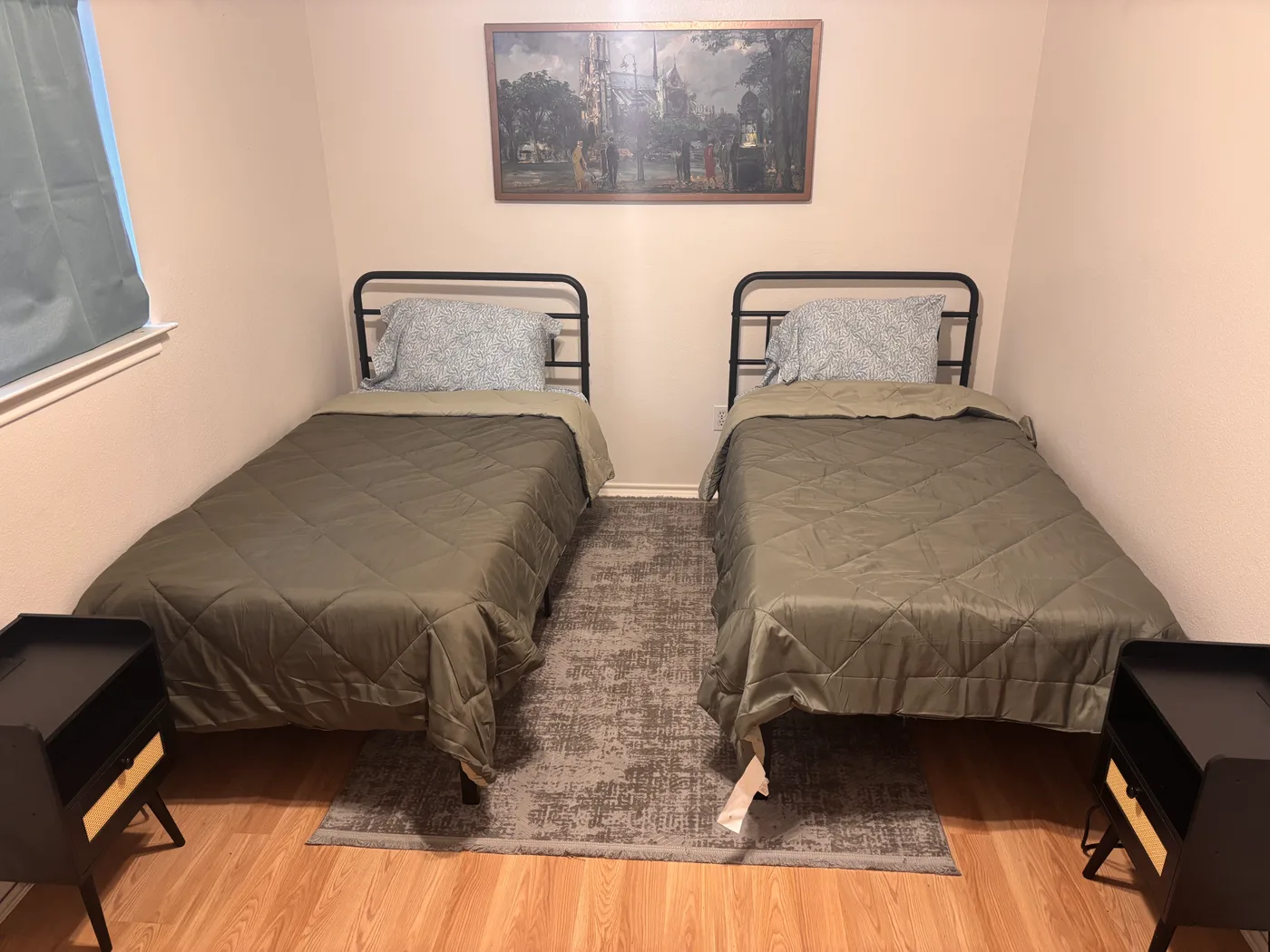
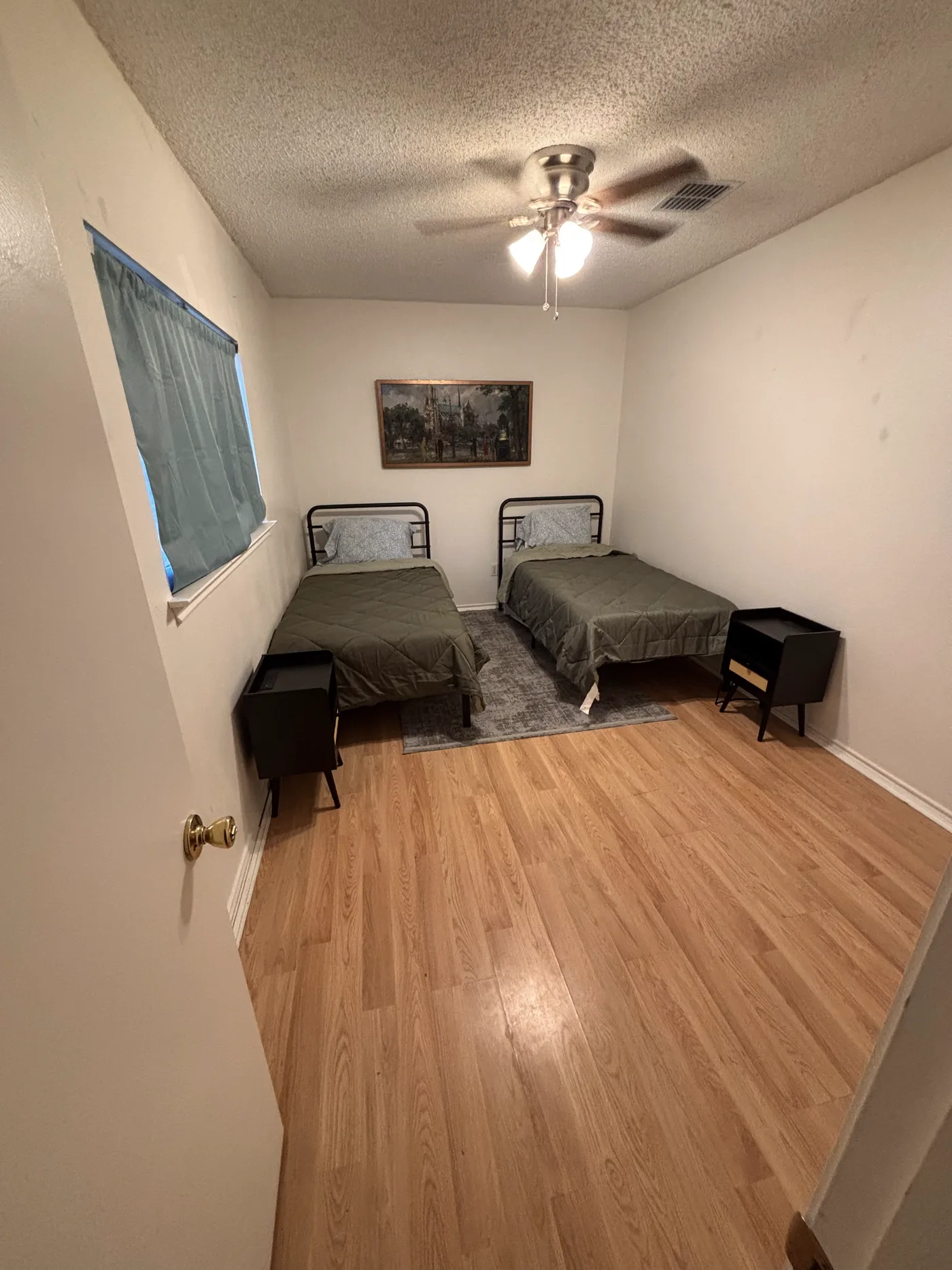
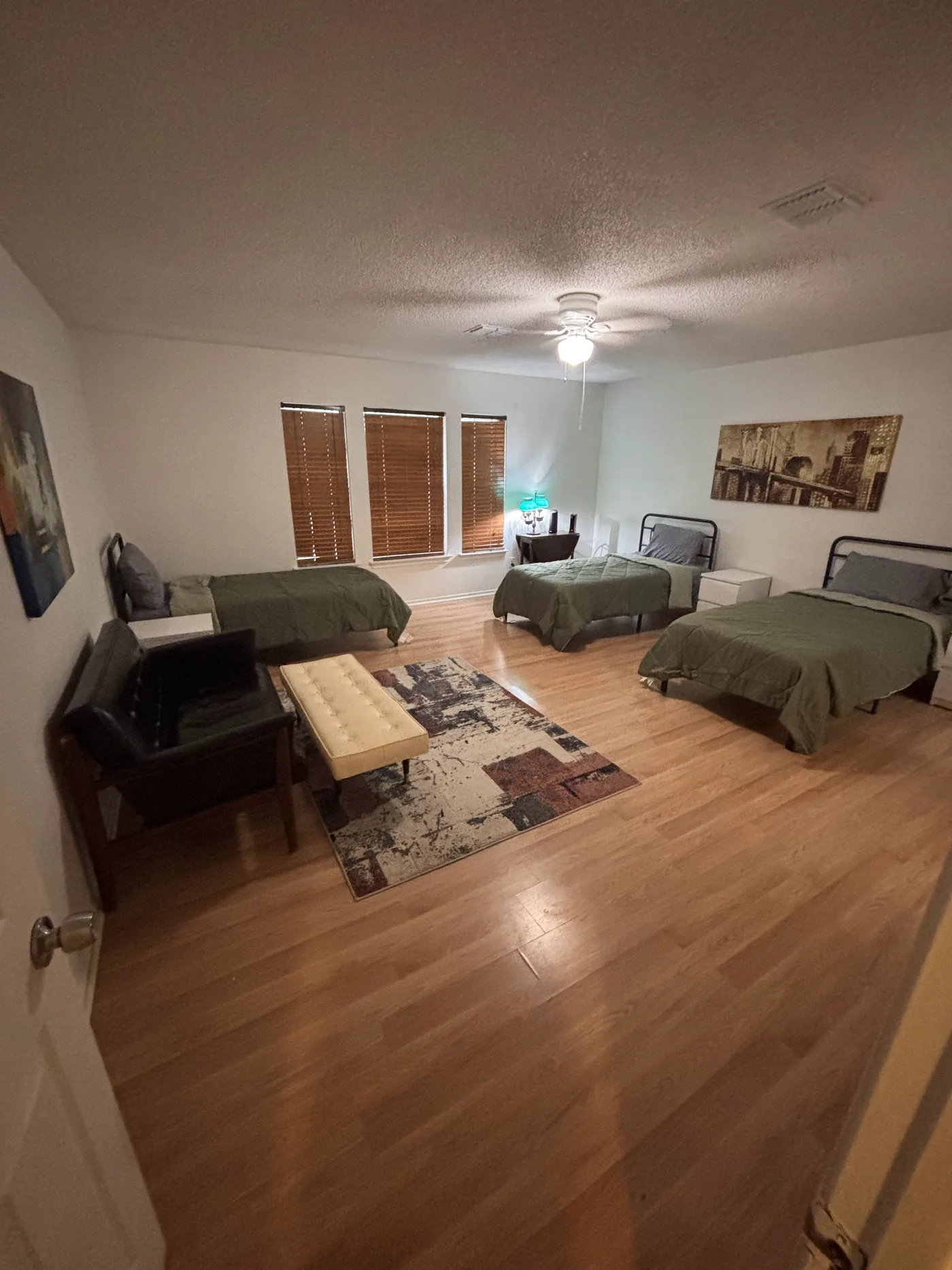
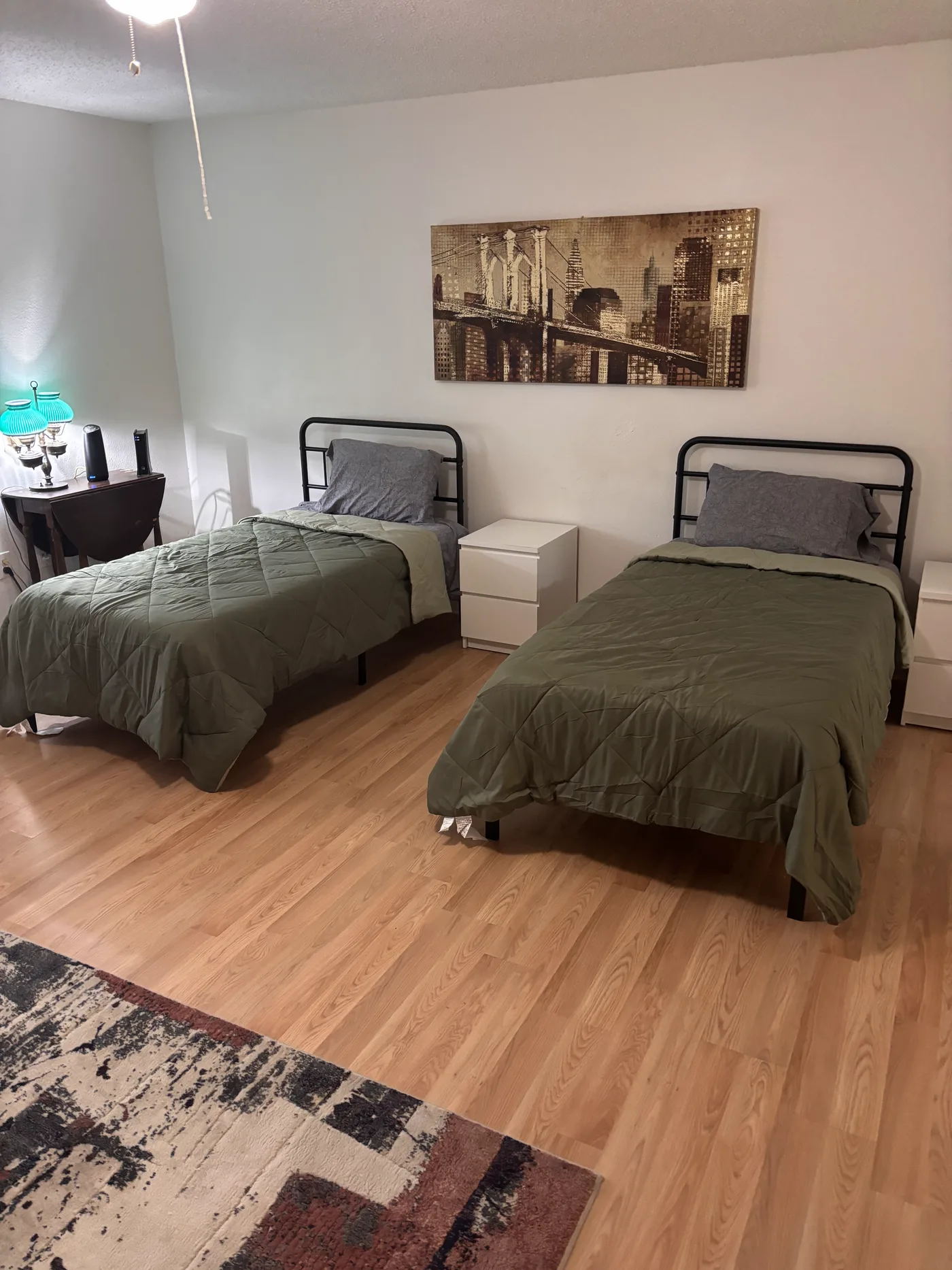
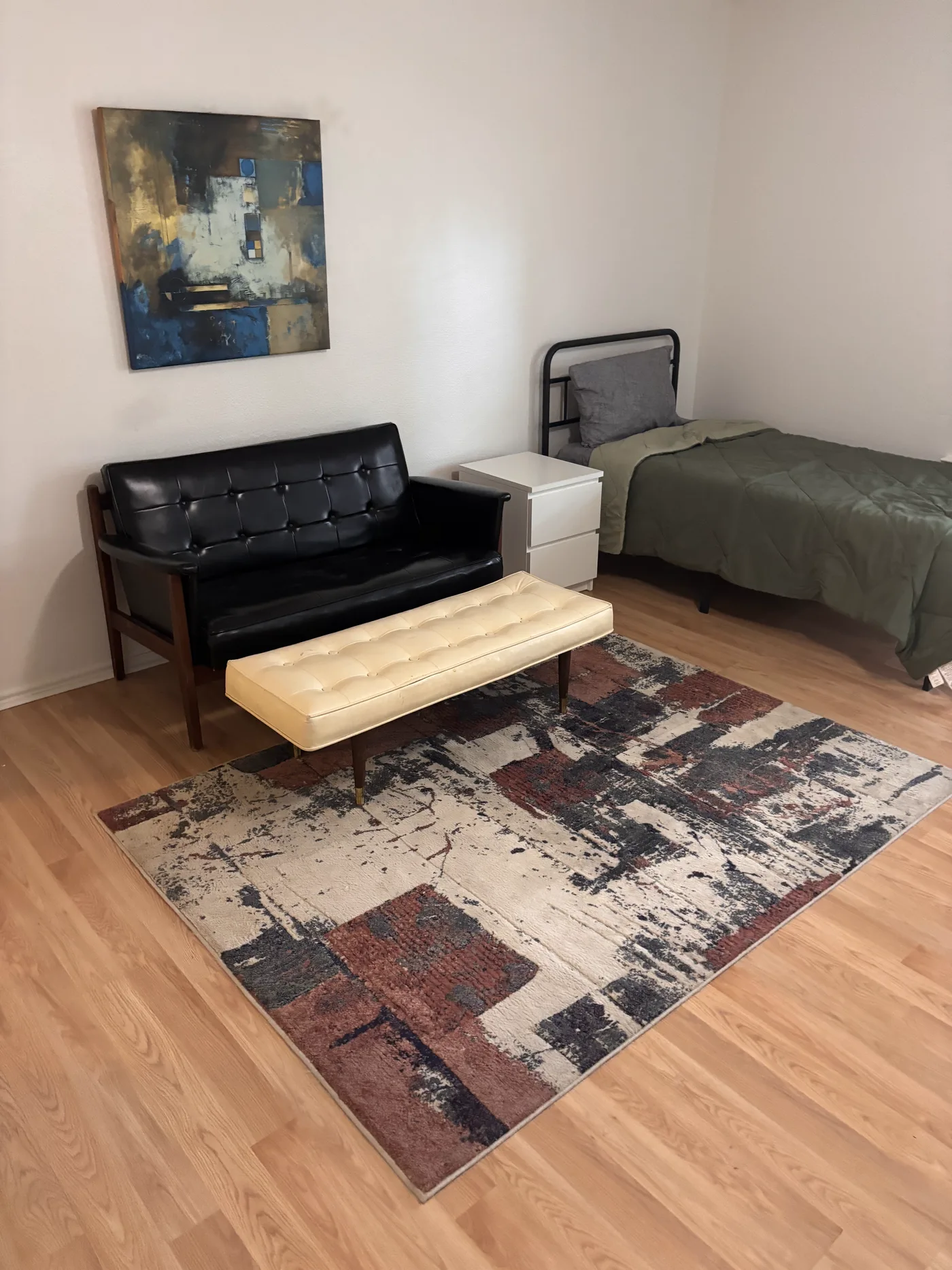
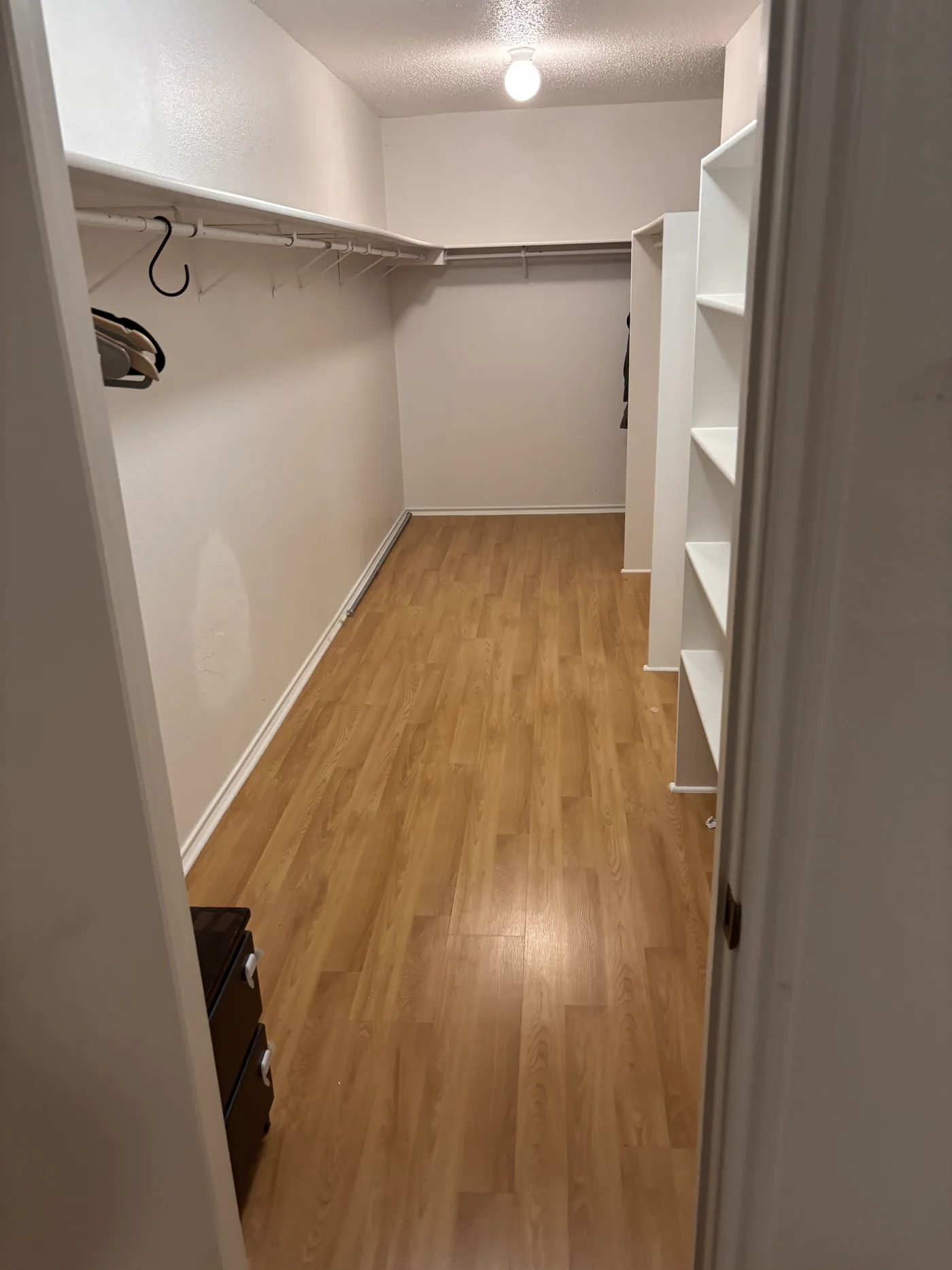
Inside the Austin homes


Structured Sober Living vs. Open-Ended Timelines
Not all sober living homes in Austin operate the same way. Some are loosely structured with minimal oversight and no set expectations around length of stay. Others, like Eudaimonia Recovery Homes, operate with clearly defined structure, accountability, and programming that actively supports your recovery progress.
Structured environments tend to produce better outcomes because they give residents a framework for growth rather than simply a place to exist. House meetings, chore responsibilities, curfews, and peer accountability aren’t restrictions, they’re tools that mirror the kind of structure successful adult life requires. For a closer look at what that looks like day-to-day, the post on structured men’s sober living in Austin breaks down what residents can expect in a high-accountability environment.
When you’re comparing your options, ask prospective homes about their expectations, house rules, programming, and how they support residents who are working toward transition. The best sober living homes will have clear answers, and they’ll be invested in your success beyond just filling a bed.
Is Staying Longer a Sign of Failure?
This question comes up more often than you might think, and the answer is a clear no. Staying in sober living longer than you originally planned is often a sign of wisdom, not weakness. Recovery is not a race, and the goal isn’t to prove you can handle independence as quickly as possible. The goal is to build a life that supports sustained sobriety for the long term.
Many people who rush out of sober living before they’re truly ready end up struggling or relapsing, and then returning to start over. Taking an extra three or six months to solidify your foundation is a much better investment than white-knuckling it in an environment that isn’t set up to support your recovery.
If you’re a family member reading this, resist the urge to push a loved one out before they’re ready. The cost of sober living is modest compared to the cost, financial and emotional, of another round of treatment following a preventable relapse.
How to Know When You're Ready to Leave
Readiness to transition out of sober living isn’t just a feeling. It shows up in tangible ways. Here are some signs that you may be ready to take the next step:
- You have stable, sober housing lined up with a safe and supportive environment
- You have consistent income or financial support that covers your needs
- You have an active, ongoing connection to a recovery community (AA, NA, SMART Recovery, etc.)
- You have a relapse prevention plan you’ve worked through with a counselor or sponsor
- You’ve practiced navigating triggers and have a clear strategy for high-risk situations
- Your relationships, with family, friends, and yourself, are in a healthier place than when you arrived
- You feel genuinely confident, not just eager to leave
If you’re unsure whether you’re ready, talk to your house manager, counselor, or sponsor. These are exactly the conversations that well-run sober living homes are designed to support.
Finding the Right Sober Living Home in Austin
Length of stay matters, but it’s only part of the picture. The quality of the home you’re in shapes everything. A structured, well-run sober living environment with strong peer community, clear expectations, and genuine investment in your recovery will give you far better outcomes than a longer stay in a loosely managed house.
At Eudaimonia Recovery Homes, we offer gender-specific, structured sober living in Austin with a focus on accountability, community, and long-term recovery. Whether you’re coming directly from a treatment program or looking for a fresh start, we work with you to build a timeline and plan that actually fits your life. You can explore our quality sober living options in Austin, TX to learn more about our homes, our approach, and what sets our program apart.
We also offer options for structured women’s sober living in Austin for those seeking a gender-specific environment built around community and mutual support.
Take the Next Step Toward Lasting Recovery
If you’re asking how long sober living in Austin takes, you’re already asking the right questions. The fact that you’re thinking seriously about length of stay, structure, and planning for the long term means you’re approaching this with the mindset that recovery actually requires.
The typical sober living length of stay in Austin ranges from six to twelve months, but the right answer is always the one that sets you up for a sustainable, fulfilling life in recovery. Don’t rush it. Build it right.
Ready to learn more or explore availability at Eudaimonia Recovery Homes? Call us today at (512) 240-6612 or visit our top sober homes in Austin page to get started. We’re here to help you find the path that works for you.
Call Now: (512) 240-6612


