

Published November 7, 2025 · Updated February 28, 2026
Key Takeaways
- Typical halfway‑house stays run 3–12 months, and federal prerelease placements can be approved for up to 12 months.
- Halfway houses (RRCs) are structured bridges to independent living with curfews, testing, and employment expectations.
- How long someone stays depends on corrections or court requirements, program rules, and personal progress.
- Sober living homes are usually privately run and open‑ended; halfway houses are more structured and time‑limited.
- Halfway‑house placements tied to reentry may be publicly funded, while sober living is usually self‑pay.
- Austin’s recovery‑housing landscape includes month‑to‑month options with strong peer accountability and community links.
- In Austin, sober‑living stays are often 3–12 months, with programs recommending at least 90 days.
- Eudaimonia’s men’s community in North‑Central Austin offers furnished apartments, staffing, and access to IOP and meetings.
- At Eudaimonia, length of stay is flexible and progress‑based, commonly three to twelve months.
- Choose a halfway house for court‑directed, time‑limited support; choose sober living for a recovery‑focused home without a set end date.
- Before enrolling, ask about length‑of‑stay policies, curfews, testing, visitor rules, and refund terms.
On This Page · 27 Sections
Quick answer: typical length of stay
Most halfway house placements last three to twelve months. In the federal system, prerelease placement in a Residential Reentry Center (RRC) can be approved for up to 12 months, with the actual time set by need, risk, and program resources.
Sober living homes are different. Many operate month‑to‑month and let residents remain as long as they follow house rules; programs often suggest at least 90 days, and many residents stay six to twelve months.
Hazelden Betty Ford Foundation
What is a halfway house?
Purpose and residents
Halfway houses, called Residential Reentry Centers In the federal system, bridge the transition from custody or inpatient care to independent living. Residents must remain substance‑free, follow curfews, maintain or seek employment, and expect regular testing and monitoring.
What day‑to‑day looks like
Programs verify jobs, track schedules, and offer help with budgeting, housing, and community meetings. Violations can lead to tighter supervision or removal.
What actually controls how long you stay?
Court or corrections requirements
For people leaving federal prison, the Bureau of Prisons decides RRC length based on assessed need and public safety, up to 12 months is possible. State parole and probation rules vary; many placements run 3–6 months, sometimes longer when supervision or treatment needs are high.
How long sober living lasts in Austin?
Program rules and capacity
Some programs use month‑to‑month agreements with progress reviews. Bed availability and staffing can affect extensions, especially in contracted RRCs.
Personal progress
Employment stability, consistent recovery participation, and solid rule‑following often support a longer, but productive, stay; rapid progress can lead to earlier move‑out or a step‑down to home confinement when allowed.
Sober Living Homes Vs. Halfway Houses
The core differences
- Ownership and funding: Halfway houses are often government‑contracted; sober living homes are privately operated or peer‑run.
- Who they serve: Halfway houses may include people with court or reentry requirements; sober living homes typically serve people exiting treatment who want a recovery‑focused home.
- Structure and time limits: Halfway houses tend to be more structured and time‑limited. Sober living homes are less rigid and generally do not impose a hard limit.
Costs and coverage
Some halfway house placements tied to reentry are publicly funded or partly covered; sober living is usually resident‑paid rent and fees, so always ask about fees, deposits, and refund policies.
How long can you stay in each?
- Halfway house: Usually 3–12 months, with federal RRCs allowing up to 12 months when justified.
- Sober living: 90 days minimum is common guidance; many stay 6–12 months, and some homes allow longer if residents remain in good standing.
Everything You Need to Know About Halfway Houses in Austin
The local landscape
Austin has a broad mix of transitional housing and sober living communities. Many operate on month‑to‑month agreements, emphasize peer accountability, and connect residents with employment and outpatient services in the city’s active recovery network.
Typical stay length in Austin sober living
Because sober living isn’t tied to incarceration, there’s usually no fixed maximum as long as residents pay rent, follow rules, and keep progressing. Programs often recommend 90 days or more, and many residents remain 3–12 months.
Focus on Men: Eudaimonia Recovery Homes, Austin
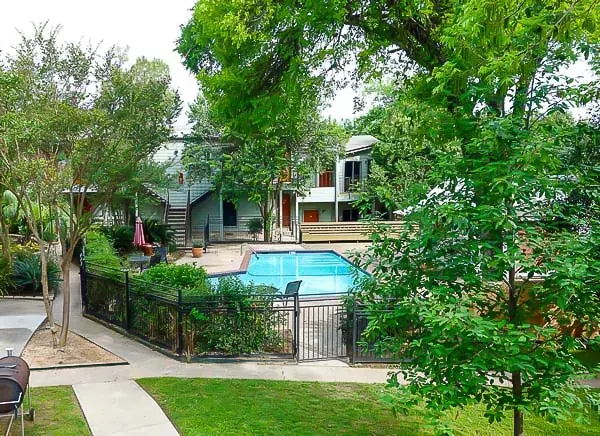
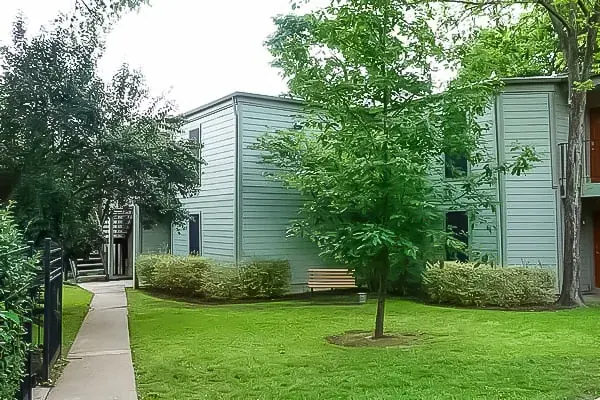
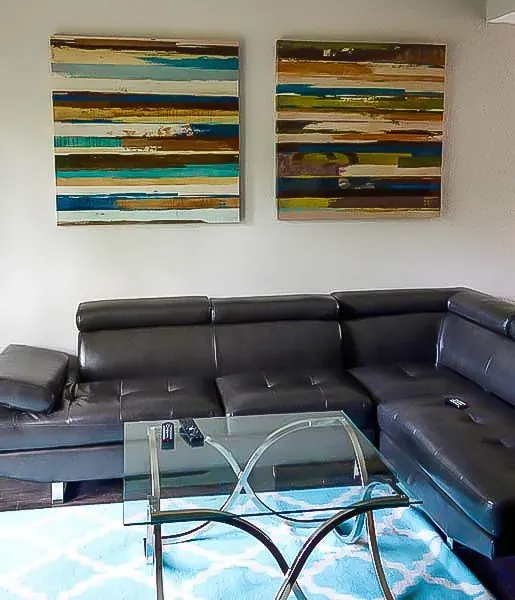
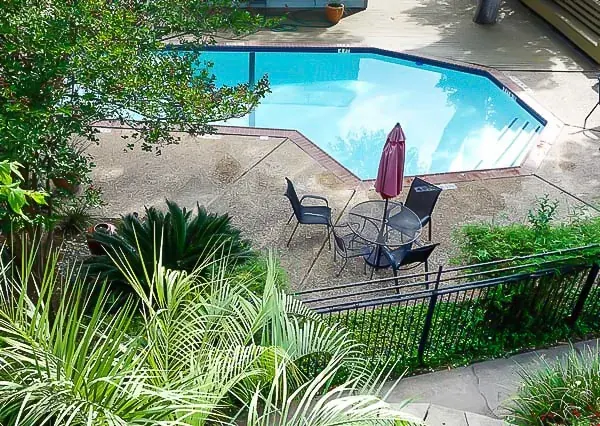
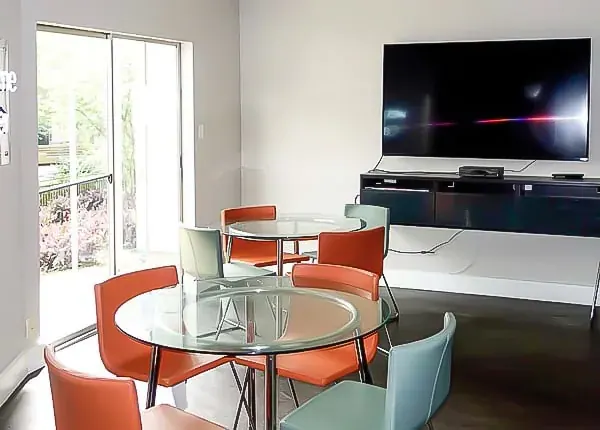
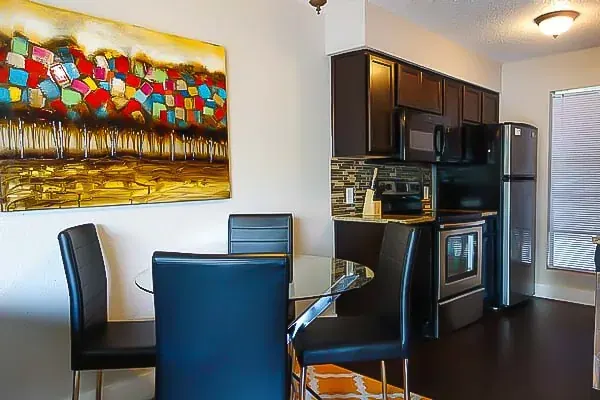
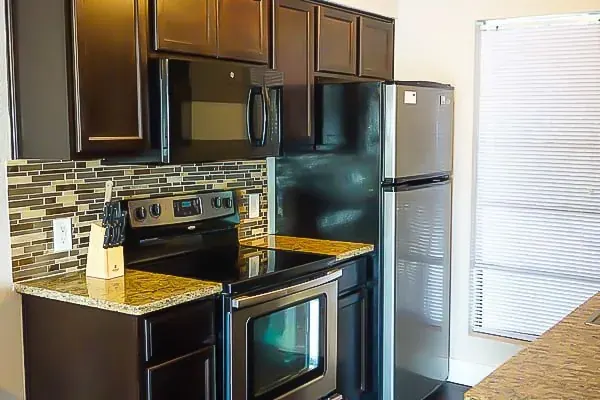
Men sober living Austin, what to expectEudaimonia Recovery Homes operates a men’s sober living apartment community in North‑Central Austin with structured support (drug/alcohol testing, staffing, peer accountability), access to IOP and recovery meetings, and fully furnished units. Amenities at Austin locations can include a pool, fitness center, community/coffee lounges, and pet‑friendly options.
Length of stay and progressionStays are flexible and often fall between three and twelve months, depending on progress, phase advancement, and readiness for independent living, consistent with sober‑living guidance that favors at least 90 days. (Program structure and pricing vary by unit.)
“eudaimonia recovery homes sober living Austin” at a glance- Location type: Men’s sober apartments in North‑Central Austin.
- Support: 24/7 staffing, recovery coaches, regular testing, access to IOP and meetings.
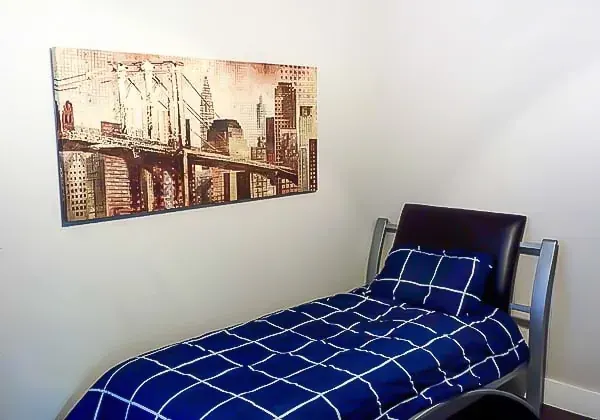
- Amenities: Furnished units, Wi‑Fi, community spaces; multiple room/pricing options.
Ask for: total monthly cost, deposit, testing fees, curfew fines (if any), guest policies, and refund rules. For peer‑run Oxford House options, review vacancy listings and the interview process via the official vacancy locator.
Safety and complaintsAccreditation is voluntary, but accredited homes must follow standards. TROHN maintains a grievance process; Texas rules limit advertising claims and outline responsibilities for accredited residences.
Inside Rustic Creek, our Austin flagship
Deciding between a halfway house and sober living (Austin)
Choose by level of structure and requirements
Pick a halfway house if you have court or supervision conditions and want a time‑limited, staff‑directed program. Choose sober living if you want a recovery‑focused home without a fixed end date, and you’re ready to practice daily routines with peer support.
Questions to ask any program
- What are the length‑of‑stay policies and review points?
- Curfew, testing, visitor, and employment expectations?
- How are conflicts handled and what are the refund terms?
- What support exists for job search, school, or clinical care?
Medical Disclaimer
The information on this page is intended for educational and informational purposes only. It should not be considered medical, psychiatric, or professional treatment advice. Recovery timelines, program lengths, and housing recommendations vary for each individual and should be discussed with a licensed healthcare or behavioral health professional. Do not delay or disregard professional advice because of information found here. If you or someone you know is in crisis, experiencing severe withdrawal symptoms, or considering self-harm, call 911 immediately in the United States or go to the nearest emergency department. For free and confidential emotional support, contact the 988 Suicide and Crisis Lifeline, available 24 hours a day.
Select Our 9415 Quail Meadow Dr, Austin, TX Location
Select LocationVisit Our 7211 Northeast Dr, Austin, TXv Location
Select LocationChoose Our 10506 Parkfield Dr, Austin, TX Location
Select LocationEudaimonia's Success Stories – Real People, Real Freedom
How Eudaimonia Supports Sober Living
Eudaimonia Recovery Homes in Austin helps men answer the practical question of how long to stay in a halfway house by giving structure before, during, and after that step. While Eudaimonia is a sober‑living program, not a halfway house, its staff reviews any court or program expectations, sets clear goals, and helps residents plan a safe timeline. Phased support, routine testing, and daily accountability create documented progress that case managers and supervising officers can consider.
The team coordinates with probation or parole contacts, outpatient providers, and families so everyone understands next milestones and dates. If you are waiting for a halfway‑house placement, Eudaimonia provides a stable sober living option so recovery work continues.
If you are stepping down from a halfway house, the month‑to‑month model lets you stay long enough to practice independence, often at least 90 days.
Job search guidance, transportation tips, and meeting schedules make each week purposeful and reduce the adjustment curve. Regular reviews show what is working, what needs attention, and how long each stage should take. The result is a smoother move from halfway house to sober living and, when ready, to independent housing.
Your Future Is Waiting
Tell us what you are looking for and admissions will walk you through the houses, the phases, and what a room actually costs.


