

Published December 4, 2025 · Updated February 18, 2026
Key Takeaways
- Authentic recovery is a long-term process that focuses on health, home, purpose, and community, not just short-term abstinence.
- Authentic recovery housing creates safe, structured, and accountable environments where residents can practice new habits and receive peer support.
- Texas and Austin standards use guidelines and voluntary accreditation to help recovery housing follow consistent, recovery‑oriented practices.
- Eudaimonia Recovery Homes offer sober housing in Austin with structure, accountability, and community that support residents in building authentic recovery.
- Choosing the right home means asking detailed questions about rules, relapse responses, costs, and support to ensure the environment matches your needs.
- Planning your path through and beyond recovery housing helps you match the level of support to your stage of recovery and prepare for stable, independent living.
On This Page · 23 Sections

Sober Living
Austin
10506 Parkfield Dr, Austin, TX 78758
Understanding Authentic Recovery
Finding housing after treatment can feel almost as stressful as treatment itself. Many people want more than a drug‑ and alcohol‑free room. They are looking for a place that supports honest change, steady routines, and real community. That is what people often mean by authentic recovery. If you want to see how these ideas show up in real programs, our Austin recovery center and housing guide explains how recovery housing and treatment connect across the city.
National guidance describes recovery as a long‑term process built on four pillars: health, home, purpose, and community. It is not a single program or discharge date, but an ongoing shift in how a person lives, relates to others, and manages stress.
This view is consistent with the framework used by the Substance Abuse and Mental Health Services Administration, which describes recovery as a process of change supported by health, home, purpose, and community.
From Abstinence to Real Change
Early recovery usually starts with abstinence. Stopping substance use is essential for safety, yet authentic recovery goes further. It focuses on building a life that makes ongoing sobriety realistic.
In practice, authentic recovery often includes:
- facing the impact of substance use
- learning tools to handle cravings, mood shifts, and relationships
- rebuilding roles at home, at work, or in school
- creating daily routines that support physical and mental health
Common Elements of Authentic Recovery
Programs that describe themselves as authentic tend to share a few features:
- they combine evidence‑based care with peer support
- they screen for mental health needs and offer appropriate referrals
- they provide clear expectations, such as curfews, meetings, and chores
- they invite residents to have a voice in decisions that shape daily life
These elements help people move out of denial, take responsibility, and practice new behaviors in a safe setting.
What Makes Recovery Housing “Authentic”?
Recovery housing is a broad term. It includes recovery homes, sober living houses, and other alcohol‑ and drug‑free residences that support people in recovery. The Texas Health and Human Services Commission describes recovery residences as supportive, shared living environments founded on peer support and strong connections to community services.
Research has linked this type of housing with lower substance use, fewer arrests, and better employment, especially when it is paired with treatment or outpatient care.
Housing as Part of the Care Plan
Best‑practice guidance from national organizations treats housing as part of a larger recovery plan, not an optional extra. In this model, an authentic recovery home or authentic recovery center:
- checks whether a potential resident’s needs match what the home can offer
- uses written policies for sobriety, safety, and respectful behavior
- connects residents with local services such as counseling, mutual‑help groups, and health care
- responds to relapse in a planned and transparent way, prioritizing safety while still supporting recovery
This approach treats residents as adults while recognizing that structure is still important. For a broader overview of how structured sober living homes work at Eudaimonia, you can explore our main sober living guide.
Environment, Habits, and Culture
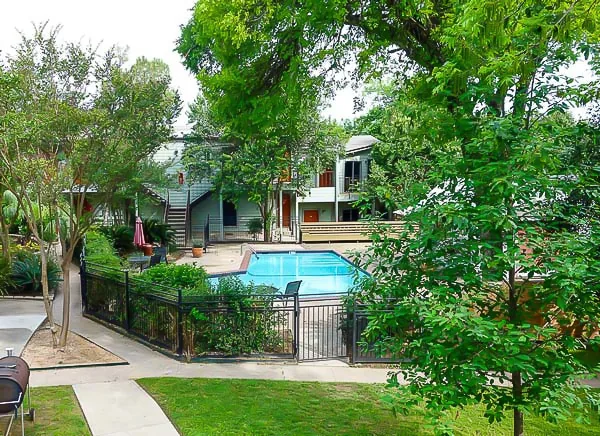
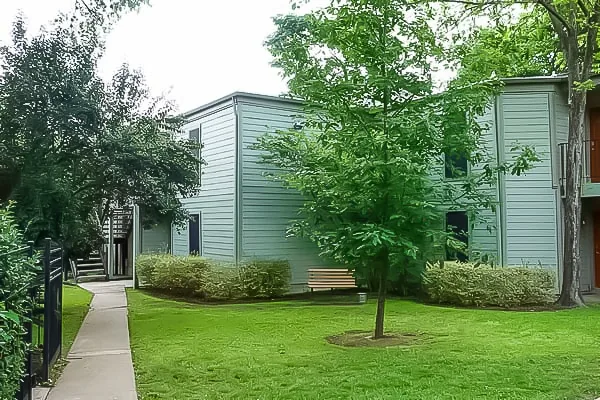
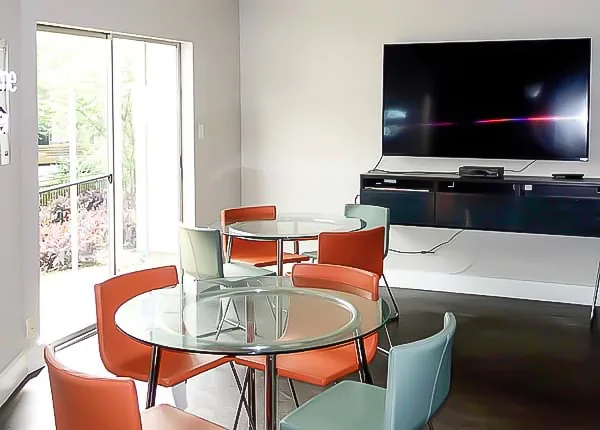
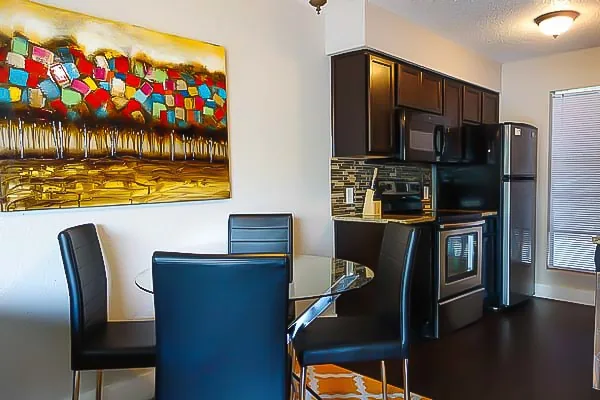
Living environment plays a major role in recovery. Authentic recovery homes look at more than beds and utilities. They pay attention to how clean and safe the space feels, how chores and shared rooms are managed, and how conflicts are handled.
The goal is not perfection. Instead, the home works toward a culture where honesty, responsibility, and mutual support are normal parts of daily life.
If you want a closer look at what a supportive sober living environment in Austin feels like day to day, Eudaimonia shares specific examples from its local homes.
Community, Accountability, and Support
Authentic recovery relies on connection. In many Austin homes, residents attend meetings together, share rides, and support each other in finding work or school options. Peer mentors or house managers with lived experience often provide extra guidance.
Accountability is also part of this community. Curfews, check‑ins, and drug or alcohol testing are common. When expectations are clear and consistent, many residents say they feel safer rather than controlled.
Recovery Housing in Austin: Framework and Standards
Austin has seen growing attention to sober living in Austin as overdose deaths and housing costs have increased. Research from the University of Texas at Austin notes that at least one in three people entering treatment report housing instability and that recovery housing can improve substance use and employment outcomes.
For a more detailed comparison of recovery housing and Austin rehab center options, you can explore our step‑by‑step guide to local programs.
Texas now defines “recovery housing” in state law and supports a voluntary accreditation system. These policies aim to expand access while protecting residents’ rights and safety.
How Texas Defines Recovery Homes
Under Texas law, a recovery house is a shared living environment that:
- is alcohol‑ and drug‑free
- supports people with substance use disorders
- does not provide licensed medical or personal care services on site
In other words, recovery homes are meant to feel like homes first, not hospitals. Staff offer support, structure, and links to outside services rather than intensive clinical care inside the house.
Accreditation, TROHN, and NARR
Accreditation in Texas is based on standards from the National Alliance for Recovery Residences (NARR), which sets national best‑practice guidelines for recovery homes.
The Texas Recovery Oriented Housing Network (TROHN) is the state affiliate that certifies homes to those standards, maintains a directory of certified residences, and manages a grievance process for residents and neighbors.
According to the National Alliance for Recovery Residences, TROHN is responsible for certifying recovery housing in Texas to the national standard and publishing a statewide directory of certified residences.
Certification is voluntary, but it signals that an outside group has reviewed a home’s safety, governance, and recovery focus. People searching for authentic recovery housing in Austin can use the TROHN directory as a starting point and then ask their own questions during tours or interviews.


Levels of Support You Might See
NARR standards describe four general “levels of support,” from peer‑run homes with little staff presence to service‑provider residences that combine housing with on‑site clinical services.
Many Austin‑area homes fall in the middle. They may have live‑in managers, structured rules, and close ties to outpatient programs while still operating as housing rather than licensed treatment. Knowing the level of support can help you decide whether a house matches your current needs and resources.
Eudaimonia's Success Stories – Real People, Real Freedom
Choosing an Authentic Recovery Center or Home in Austin
With many options available, it can be hard to know which home will truly support your recovery. Focusing on authenticity, rather than only price or amenities, can narrow your choices to homes that take recovery seriously.
If you are ready to compare Austin recovery center and housing options side by side, our dedicated guide breaks the process into practical steps.
Questions to Ask Before You Visit
When you contact a potential home, consider asking:
- How do you describe your approach to recovery and community?
- What stage of recovery are residents usually in when they arrive?
- How do you respond if someone relapses or breaks a rule?
- What is the typical length of stay?
- How do you help residents connect with work, school, or outpatient care in Austin?
- Are you certified through TROHN, and if so, at what level of support?
Clear, direct answers can show whether the home operates as an authentic recovery environment or functions more like basic room‑and‑board housing.
To start building a shortlist, you can use our guide to sober living homes in Austin, Texas and compare options side by side.
What Daily Life Looks Like
During a tour or phone call, it is helpful to ask about day‑to‑day expectations:
- curfews and visitor policies
- requirements for meetings or groups
- chore systems and how conflicts are handled
- rules around medications, including medications for opioid use disorder
- how residents give feedback or raise concerns
Daily structure should feel consistent and predictable. Residents should know what happens if rules are followed and what happens if they are not.
Red Flags to Watch For
Every home has its own style, but some warning signs suggest that a place may not support authentic recovery:
- vague contracts or unclear information about fees, deposits, or refunds
- no written policies for safety, relapse, or resident rights
- little evidence of peer support, mentoring, or links to outside services
- pressure to commit or pay before you have toured the property
- staff who discourage questions about standards, certification, or complaints
If several of these show up, it may be safer to continue your search.
Planning Your Path Through Authentic Recovery
Recovery housing is one step in a longer journey. Thinking ahead can make both entry and exit less stressful.
Matching Housing to Your Stage of Recovery
Before moving into a home, it may help to pause and consider:
- your current sobriety time and support network
- how much structure you need to stay safe
- whether you are working, in school, or preparing to do so
- any mental health or medical needs that require ongoing care
Someone leaving detox or residential treatment might choose a more structured home with close supervision. A person with longer sobriety who is working full‑time may prefer more independence with clear but flexible rules.
Preparing for Life After a Recovery Home
Authentic recovery centers and homes in Austin usually encourage residents to prepare for the next step while they are still in the program. That planning can include saving money, repairing credit, building a support system, and practicing daily routines, sleep, meals, work, and self‑care, that can continue in independent housing.
Over time, the habits learned in recovery housing can make it easier to maintain sobriety, manage stress, and participate fully in community life.
You can review typical sober living stay lengths in Austin to decide what kind of timeline might fit your own recovery plan.
How Eudaimonia Recovery Homes Supports Authentic Recovery in Austin
Eudaimonia Recovery Homes can support authentic recovery housing in Austin by offering a stable, sober environment where residents can practice the skills they learn in treatment. The homes provide consistent structure, such as curfews, house meetings, and routine check‑ins, that helps residents stay accountable to their recovery goals while they rebuild daily habits.
Trained staff and peer leaders encourage honest communication about setbacks, successes, and triggers, which can reduce isolation and shame. Residents are guided to connect with local resources in Austin, including outpatient treatment, mutual‑help meetings, employment services, and health care providers, so recovery reaches beyond the walls of the home. Clear house guidelines around sobriety, respect, and safety create predictable expectations, which can be reassuring during early recovery.
At the same time, residents are treated as adults and invited to take responsibility for chores, schedules, and personal progress. Over time, this mix of support and independence helps people move from short‑term stabilization to a more durable, authentic recovery lifestyle. By focusing on community, accountability, and practical life skills, Eudaimonia Recovery Homes can serve as a bridge between intensive treatment and long‑term independent living in Austin.
Your Future Is Waiting
Tell us what you are looking for and admissions will walk you through the houses, the phases, and what a room actually costs.


