

Published January 10, 2026 · Updated August 5, 2026
Key Takeaways
- Define a drinking problemFocus on loss of control and real-life impact, not just drink counts.
- Recognize alcoholic traitsWarning signs often show up as repeated patterns in priorities and consequences.
- Use an alcoholic checklistA quick check can reveal whether alcohol is taking up more space than you want.
- Take an alcoholic test quizA short questionnaire can guide your next step toward support or assessment.
- Notice signs in someone elseYou can’t diagnose others, but you can spot patterns and start a calm conversation.
- Understand why it developsAlcoholism risk factors are usually a mix of biology, stress, and environment.
- Consider AA as a next stepAA can help you compare patterns, build community, and reduce isolation.
- Know when to get assessedProfessional alcoholism assessment matters when safety, dependence, or control is an issue.
- Clarify your drinking typeSorting by control and consequences helps you choose the right level of change.
On This Page · 26 Sections
Many people search “how to know if you are an alcoholic” because the line between normal drinking and a drinking problem can feel blurry. You might drink less than your friends and still feel out of control. Or you might drink “only on weekends” and still see consequences build up.
Alcoholics Anonymous (AA) doesn’t require you to accept a label before you ask for help. AA is a peer fellowship for people who want to stop drinking, and many people begin by learning what AA is (and what it is not) and then asking honest questions about their own patterns. If you want a simple overview first, see our guide on AA definition and meaning and how it works.
This article gives you an alcoholic checklist, an “am I an alcoholic” questionnaire, and a practical way to define a drinking problem. It is educational, not a diagnosis. If you think you may have alcohol dependence or risky withdrawal, professional help matters.
Define a drinking problem and what constitutes alcoholism
Define drinking problem (plain language): a drinking problem is any pattern of alcohol use that you struggle to control and that causes harm in your health, relationships, work, finances, or safety.
What is considered a drinking problem depends less on the number of drinks and more on the impact. Two people can drink the same amount and have very different outcomes. “Problematic drinking” usually means alcohol is starting to create real-life damage, even if you do not drink every day.
What constitutes alcoholism is often described clinically as alcohol use disorder (AUD). The National Institute on Alcohol Abuse and Alcoholism explains AUD as an impaired ability to stop or control alcohol use despite negative consequences. Understanding alcohol use disorder can help you compare your experience to a medical definition.
So, how do I know if I have alcoholism? A strong starting point is this: if you repeatedly try to cut back and cannot, or if alcohol keeps costing you important things, it is worth taking an alcoholism assessment with a clinician. A self-check can also help you decide what to do next.
Alcoholic traits and warning signs of alcohol abuse
People often ask about “alcoholic traits” because they want a clear signal. In reality, alcohol problems show up as patterns. The warning signs of alcohol abuse include changes in control, priorities, and consequences.
Warning signs of a drinking problem in daily life
You drink more than you planned, even after promising yourself you would stop.
You think about drinking often, or plan your day around when you can drink.
You hide alcohol, lie about how much you drank, or feel you need to cover it up.
You keep drinking even when it causes fights, distance, or loss of trust.
You miss work, school, parenting tasks, or responsibilities because of drinking or hangovers.
You take risks while drinking, such as driving, unsafe sex, or mixing alcohol with medications.
You need more alcohol to feel the same effect, or you feel “off” when you stop.
You feel guilt, shame, or anxiety about drinking, but the pattern continues.
Signs that alcohol is shifting from “use” to “dependence”
Tolerance: needing more alcohol to get the same buzz or calm.
Withdrawal: shakiness, sweating, nausea, insomnia, or anxiety when alcohol wears off.
Narrowing: fewer hobbies, fewer friends, and more time spent drinking or recovering.
Loss of control: “one drink” turns into many, despite your intention.
If these warning signs of a drinking problem sound familiar, you are not alone. Many people first notice small changes, then realize those changes have been adding up for months or years.
Alcoholic checklist: a fast self-check
This alcoholic checklist is not a medical test. It is a quick way to notice patterns that people often report when alcohol becomes a problem.
Alcoholic checklist: check any items that fit you
I drink to cope with stress, sleep, anxiety, loneliness, or anger more than I want to admit.
I have tried to cut down, set rules, or “control it,” and those plans did not last.
I drink faster than others, or I feel restless if I cannot drink when I want to.
I bargain with myself about drinking (for example: “I’ll stop after this” or “I earned it”).
I have blackouts, memory gaps, or regret about things I said or did while drinking.
I have missed obligations or let people down because of alcohol.
I keep drinking even when it worsens my mood, health, or relationships.
I feel defensive when someone comments on my drinking.
I notice tolerance or withdrawal symptoms.
I have had legal, financial, work, or safety consequences linked to drinking.
When several items on an alcoholic checklist fit, it often means alcohol is taking up more space than you want. That does not make you a bad person. It means your plan needs more support than willpower alone.
Am I an alcoholic test quiz: a short questionnaire you can score
If you searched “am i a alcoholic test,” “am i an alcoholic questionnaire,” or even “am ia alcoholic quiz,” you were probably looking for clarity. People also look for an am i an alcoholic survey or a do i have a problem with alcohol quiz, different words for the same need. If you are asking “how do i know if im an alcoholic,” this section is a self-reflection tool, not a diagnosis.
Am I an alcoholic quiz: 12 questions
Do you often drink more, or longer, than you intended?
Have you tried to cut down or quit and found you could not?
Do you spend a lot of time drinking, thinking about drinking, or recovering?
Do cravings or urges to drink feel hard to resist?
Has drinking harmed your performance at work, school, or home?
Do you keep drinking even after it causes conflict, distance, or trust issues?
Have you given up activities you used to enjoy because drinking is easier?
Have you taken risks while drinking, or ended up in unsafe situations?
Have you needed more alcohol to get the effect you want?
Do you feel sick, shaky, anxious, or unable to sleep when you stop or cut back?
Do you drink in the morning, drink alone, or hide how much you drink?
Do you feel stuck in a cycle of regret, promises, and repeated drinking?
How to score this alcoholic test quiz
0–2 “yes” answers: You may not meet a clear pattern of alcohol dependence, but any harms still matter.
3–5 “yes” answers: Your drinking may be moving into problematic drinking. Consider support and a professional alcoholism assessment.
6+ “yes” answers: Your answers suggest a high likelihood that alcohol is causing significant impairment. It may help to talk with a clinician and consider peer support.
This “do i have a drinking problem quiz” is meant to guide your next step. If you want a structured screening tool focused on drinking levels and goals, the CDC offers a self-guided tool: Check your drinking.
If you are asking, “how do I know if I’m an alcoholic,” notice how you feel reading the questions. Relief, fear, anger, or recognition can all be data. The point is not perfection. The point is honesty.
Eudaimonia's Success Stories – Real People, Real Freedom
How can you tell if someone is an alcoholic?
People also search “how do you know if someone is an alcoholic” because they worry about a partner, friend, or family member. You cannot diagnose someone from the outside, but you can notice patterns and offer support.
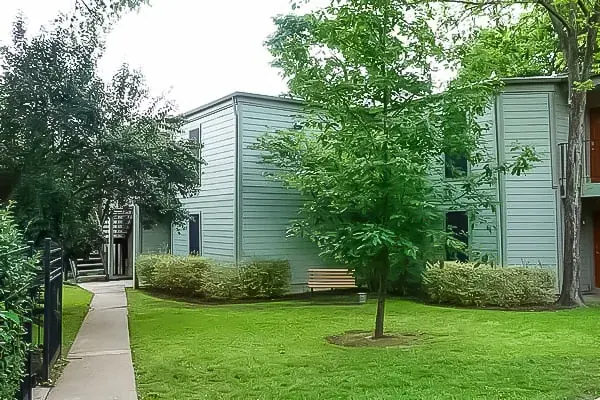
Inside Rustic Creek, our Austin flagship







Signs others may notice
Repeated broken promises about drinking (“I’m done,” then it happens again).
Drinking becoming the center of social plans, moods, and routines.
More secrecy: hidden bottles, missing money, or unexplained time.
Personality shifts when drinking: irritability, sadness, anger, or emotional numbness.
Health changes: sleep problems, appetite changes, tremors, or frequent “being sick.”
Consequences piling up: work warnings, relationship strain, or accidents.
If you are supporting someone, it helps to focus on specific impacts rather than labels. You can also learn more about supporting a loved one without losing yourself in the process in our guide on how to support family members who are recovering alcoholics.
How to start the conversation
Pick a calm time. Avoid confronting them when they are intoxicated.
Use “I” statements: “I’m worried about your health,” not “You’re an alcoholic.”
Bring 1–2 clear examples, not a long list of past mistakes.
Offer one next step: a doctor appointment, a meeting, or a counseling call.
How do you become an alcoholic? Factors that cause alcoholism
Many people ask “why does someone become an alcoholic” because they want a single cause. Alcohol problems usually develop through a mix of biology, experience, and environment. These are risk factors, not excuses, and they can be addressed.
Common factors that cause alcoholism
Genetics and family history: some people inherit a higher risk of developing alcohol dependence.
Brain reward sensitivity: alcohol can feel unusually relieving or “necessary” for some brains.
Mental health symptoms: anxiety, depression, trauma symptoms, and ADHD can increase coping-driven drinking.
Stress load: chronic stress, grief, burnout, and isolation can push drinking from social to survival.
Environment: easy access to alcohol, peer pressure, and social circles centered on drinking.
Learned coping: using alcohol as the main tool for sleep, confidence, or emotional regulation.
So how does someone become an alcoholic? Often it starts with alcohol “working” as a short-term solution, until it creates new problems. Over time, tolerance increases, alcohol takes priority, and quitting feels harder. The earlier you interrupt the pattern, the easier it is to change.
Alcoholics Anonymous as a next step
If your answers suggest a problem with alcohol, Alcoholics Anonymous can be a practical next step. AA meetings are free, widely available, and built around shared experience. You do not need to “prove” you are an alcoholic to attend. Many people simply start with curiosity.
If you are wondering what the first meeting is like, our guide to AA meetings near me can help you understand options like local groups, online meetings, and what “open” and “closed” meetings generally mean.
How AA can help you answer “do I have a problem with alcohol?”
You hear stories that help you compare patterns, not drink counts.
You build accountability through meetings, sponsorship, and community.
You replace isolation with a routine that supports change.
You focus on “one day at a time,” which lowers the fear of a lifelong decision.
AA is not medical care. If you have significant withdrawal risk, a medical plan comes first. AA can be one part of a broader recovery plan.
When to get a professional alcoholism assessment
Self-tests and checklists are useful, but they cannot replace a professional alcoholism assessment. Consider a clinical evaluation if alcohol is affecting your safety, you cannot cut back, or you suspect dependence.
Get urgent help if you notice withdrawal danger signs
Alcohol withdrawal can be dangerous for some people, especially after heavy daily drinking. If you are unsure about safety, read our educational overview on how long alcohol withdrawals last and seek medical guidance before you try to stop suddenly.
If you want confidential help finding treatment resources, SAMHSA provides a free, 24/7 national helpline: SAMHSA’s National Helpline.
Treatment options that can fit different levels of need
Brief counseling and behavior change support for early problematic drinking.
Therapy for coping skills, trauma, anxiety, and relapse prevention.
Medication support when appropriate. For an overview of how medication can fit, see our guide to alcohol craving medication and getting help.
Peer support, including AA and other community recovery groups.
Structured living support. Many people do better when their environment matches their goals; learn how sober living can add stability and accountability between treatment and independent life.
What kind of drinker am I? A practical decision guide
If you are stuck on “what kind of drinker am I,” try sorting your pattern by control and consequences. This can help you decide whether you need a small adjustment or a full change.
A quick decision guide
If you can reliably stop at your planned limit and alcohol rarely causes harm, you may be a low-risk drinker.
If you drink to cope, or alcohol sometimes causes regret or conflict, you may be in early problematic drinking.
If you cannot cut back, feel cravings, or have tolerance or withdrawal signs, you may be moving into dependence.
If alcohol repeatedly causes significant harm and you feel trapped, it is time to get support and a formal assessment.
Most importantly, you do not have to wait for a “rock bottom” moment. If you are asking the question, it is worth acting on it. A small, honest step today can prevent a much harder step later.
How Eudaimonia Recovery Homes Supports You When You’re Asking “How to Know If You Are an Alcoholic
If you’re trying to figure out how to know if you are an alcoholic, Eudaimonia Recovery Homes can help you move from uncertainty to a clear, supported plan. Many people start with self-checks like a checklist or quiz, but real progress often comes from talking with someone who understands problematic drinking and recovery options. Eudaimonia provides structure, accountability, and a sober-focused living environment that supports day-to-day choices while you build healthier routines.
Just as importantly, you gain a community that reinforces consistency, which can be hard to maintain alone. Through peer connection and recovery support, you can identify triggers, strengthen coping skills, and reduce the chances of slipping back into old habits.
Eudaimonia also helps you coordinate next steps, whether that means attending Alcoholics Anonymous meetings, developing a recovery plan, or finding additional clinical support when needed. Because stability matters, having a safe place to live with clear expectations can make it easier to follow through on goals like avoiding alcohol, improving sleep, and rebuilding relationships. If you’re asking this question today, reaching out can be a practical first step toward answers, support, and long-term change.
If having a stable environment would help you follow through, review sober living Austin to compare structured housing options and confirm availability.
Your Future Is Waiting
Tell us what you are looking for and admissions will walk you through the houses, the phases, and what a room actually costs.


