

Published February 24, 2026
Key Takeaways
- Spot key patterns to understand when drinking becomes disruptive at home.
- Name household stress so you can recognize how unpredictability affects daily life.
- Understand long-term impact on children of alcoholic parents and adult outcomes.
- Use coping strategies that support safety, boundaries, and stability.
- Plan calm conversations about drinking with less escalation and clearer limits.
- Connect to support through AA for the drinker and Al-Anon for family members.
- Know treatment options including outpatient, residential care, and approved medications.
- Consider sober living when stable housing strengthens early recovery routines.
- Explore Eudaimonia help for structured recovery housing and ongoing support.
- Review common FAQs for quick clarity on safety, boundaries, and next steps.
On This Page · 27 Sections
Living with an alcoholic mother can change day‑to‑day life. A parent may seem fine in public, while home feels tense and uncertain.
This article focuses on mothers and alcoholism, using phrases such as alcoholic mom, drinking mother, and my mum is an alcoholic. It also recognizes that some families face an alcoholic dad or other alcoholic parents. The goal is not to diagnose anyone. It is to describe patterns, risks, and support options in a neutral way.
Alcohol use disorder and what it can look like at home
Many families use “alcoholic mother” to describe a pattern that feels out of control. In health care settings, the term alcohol use disorder (AUD) is often used instead. AUD can be mild, moderate, or severe. Some people prefer “a parent with AUD,” while others use “alcoholic.” Either way, the day‑to‑day harm in the home matters.
Signs a parent’s drinking may be a problem
A parent can drink “too much” in more than one way. Still, these signs often show up in an alcoholic household:
- Drinking more, or longer, than planned.
- Trying to cut back and not being able to.
- Choosing alcohol over parenting, work, or key relationships.
- Hiding alcohol, lying about use, or getting defensive when asked.
- More conflict, money problems, or missed responsibilities.
If you keep returning to the thought, “how to deal with a parent who drinks too much,” it can help to track patterns over time. One argument rarely tells the whole story.
What stress in an alcoholic household can feel like
Many people describe an alcoholic household as tense and unpredictable. Plans can change at the last minute. Conversations can shift fast. A child may start “reading the room” to stay safe.
This is one reason people use the phrase alcoholic parent trauma. The body can learn to stay on alert, even during calm moments. Over time, that stress can shape sleep, focus, and mood.
Common family roles and unspoken rules
Families often adjust in ways that keep the household running. These roles can help in the short term, but they can also hide the problem:
- The “responsible one” who manages siblings, meals, or schedules.
- The “peacemaker” who prevents arguments and absorbs tension.
- The “invisible” child who avoids attention to reduce conflict.
These patterns can follow someone into adult life.
How growing up with alcoholic parents can affect children
Growing up with alcoholic parents can affect school, emotions, and relationships. Some children of alcoholic parents feel anxious or depressed. Many kids of alcoholics also describe chronic worry or feeling “on guard.” Research has found higher anxiety and depression among children of alcohol‑dependent parents compared with peers, although every family situation is different.
Growing up with an alcoholic father vs. a drinking mother
People sometimes ask whether growing up with an alcoholic father is different from living with a drinking mother. The impact often depends less on gender and more on the home environment. Key factors include consistency, safety, and whether another adult provides support. When both caregivers drink heavily, the risk to children often rises.
Effects that may appear later
For a child of an alcoholic, the stress can carry into adulthood. Adult children may notice:
- Difficulty trusting people, even when they want closeness.
- Shame, self‑blame, or over‑responsibility.
- Riskier coping, including alcohol or other drug use.
These patterns are not a life sentence. They are often learned responses to a hard setting.
Eudaimonia's Success Stories – Real People, Real Freedom
Coping with alcoholic parents day to day
Coping with alcoholic parents usually involves two tracks. One is protecting your own safety and health. The other is deciding what role you can play in encouraging change. What helps will depend on your age, your living situation, and the level of risk in the home.
How to cope with an alcoholic parent if you still live at home
If you are still in the home, focus first on safety and support.
- Identify one or two safe adults you can contact (relative, school counselor, coach, neighbor).
- Plan what you will do if conflict escalates (where you can go, who you can call).
- Keep routines that support you (sleep, meals, school, activities) as consistently as possible.
If there is violence, threats, or neglect, reaching out to emergency services or local child protection may be necessary. Safety comes first.
How to deal with an alcoholic parent as an adult child
As an adult, “helping” often means boundaries rather than rescue. Boundaries can include limiting late‑night calls, not lending money that supports drinking, or leaving if a visit becomes unsafe. For many people, how to deal with an alcoholic parent becomes a long‑term decision about what is sustainable.
Talking with your mother about drinking
Many people want a direct script, but there is no perfect conversation. Still, planning can lower conflict and clarify boundaries.
A practical way to start the conversation
Many guides suggest talking when the person is sober. It can also help to use “I” statements and stay specific. Steps that may help include:
- Choose a calm time and private place.
- Describe specific behaviors and how they affect you.
- Offer support options, but avoid trying to control the outcome.
- Decide what limits you will keep if nothing changes.
If you’re preparing for a difficult conversation, this guide on helping a loved one stop drinking offers additional neutral talking points.
How to help an alcoholic parent find support
When families search how to help an alcoholic parent, they are usually trying to reduce harm quickly. Change tends to be uneven. Support often works best when it is steady, realistic, and shared with others.
Where Alcoholics Anonymous may fit
Alcoholics Anonymous (AA) is a peer fellowship for people who want to stop drinking. Meetings are typically free and widely available. AA groups use the Twelve Steps, and many people also use sponsorship and regular meetings as structure. AA is not the only option, but it is one of the most common entry points because it is accessible.
Support for family members: Al‑Anon and Alateen
Al‑Anon is a peer support program for people affected by someone else’s drinking. You can learn more about Al‑Anon support for families and how meetings work.
For a plain-language overview, see this guide to Al‑Anon: hope and healing for families.
For teens, Alateen offers meetings designed for young people affected by alcoholism in the family. These groups can reduce isolation and provide practical tools for coping, boundaries, and emotional support.
Some adults also find support in Adult Children of Alcoholics & Dysfunctional Families (ACA). ACA meetings focus on recovery from the effects of growing up in a home shaped by addiction or dysfunction.
Families often benefit from structured guidance too, learn about family support in sober living and how involvement can work.
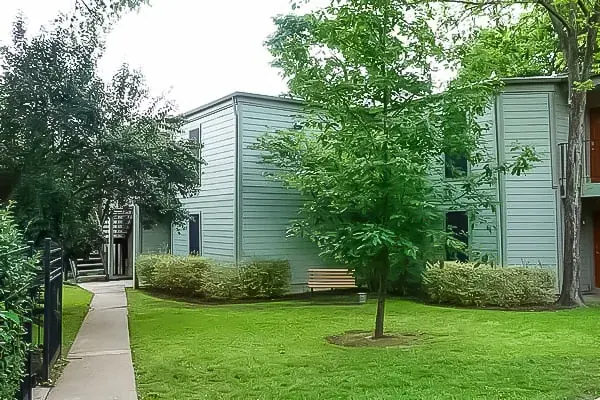
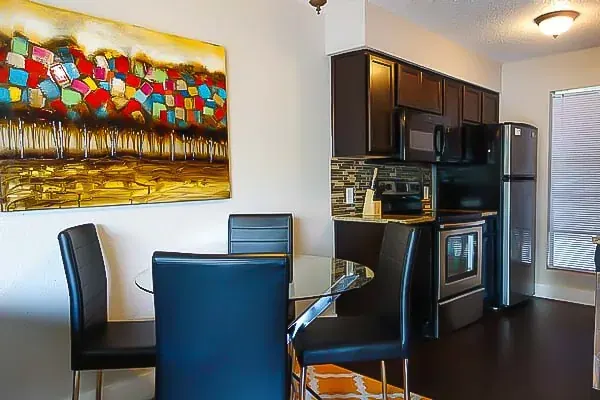
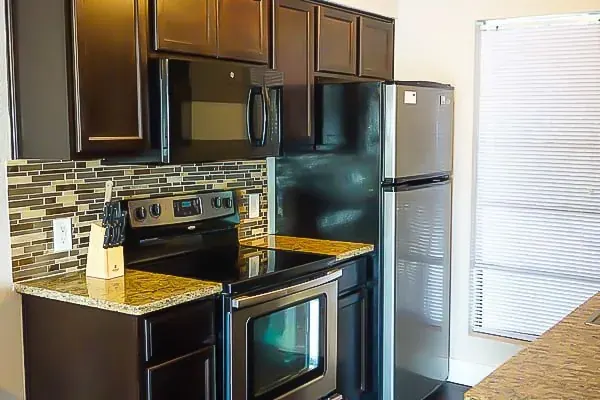
Inside Rustic Creek, our Austin flagship





Treatment options and what recovery can involve
Alcohol use disorder is a health condition, so professional care can matter. Options may include medical evaluation, therapy, medication, and structured programs. A primary care clinician or addiction specialist can help assess risk and recommend a level of care.
For a neutral overview of evidence-based care options for alcohol use disorder, see NIAAA’s guide to treatment for alcohol problems.
Common levels of care
Depending on severity and safety, families may hear about:
- Detoxification with medical support, when withdrawal risk is high.
- Inpatient or residential treatment, when daily structure and monitoring are needed.
- Outpatient treatment, when a person can live at home while attending care.
- Ongoing peer support, which may include AA and other mutual‑help groups.
- Family therapy, which can address communication, boundaries, and stress.
Some programs combine outpatient treatment with outpatient sober living. Others suggest sober living after rehab when the home setting is not stable. Some people describe this step‑down period as a living sober rehab phase.
If you are also seeking support for your own well‑being, individual counseling can help you process alcoholic parent trauma without placing the burden on the parent who is still drinking.
Sober living, transitional housing, and stability after treatment
After treatment, housing can be a practical turning point.
SAMHSA outlines how recovery housing supports recovery and why housing models can differ.
Many people look for a sober living home because early recovery can be fragile. Recovery housing is often described as a substance‑free living environment that uses peer support and connection to services to support long‑term recovery.
For a deeper overview, see what sober living is and how it works.
Clean and sober living homes and “near me” searches
People commonly search clean and sober housing near me, clean and sober living near me, or sober living center near me when they need a sober environment. You may also see clean and sober houses near me, sober housing near me, or sober living apartments near me. Some listings use the phrase clean & sober transitional living (or clean and sober transitional living) and clean and sober living homes. The shared idea is a structured home sober living setting with clear expectations.
For families, options may include family sober living homes or sober living homes for families near me. People also search men’s sober living homes near me and women’s sober living houses near me when they want gender‑specific housing. Some residences also advertise sober living with pets or sober living pets allowed, because pets can be part of stability.
If living with a pet is part of your stability plan, look into pet-friendly sober living options.
Cost questions: sober living vs. halfway houses
Costs vary by location and services.
For a city-specific example, review this sober living cost breakdown in Austin.
People may compare sober living cost, sober living house cost, and halfway house cost while planning. Some communities also offer help paying for sober living through scholarships or local support programs.
The term halfway house can mean different things. Some people use it for any transitional sober living option. Others use it for specific programs with time limits or legal referrals. Search terms like halfway house near me, halfway homes near me, drug halfway house, or sober halfway house often reflect that mix. You may also see halfway house for recovering addicts, halfway house for drug recovery, or halfway house for drug addicts in listings, even when alcohol is the main issue.
Location examples: sober living in Austin, Texas
If you are searching by city, you may see phrases such as sober living austin tx, sober homes austin tx, sober house austin tx, or sober living apartments austin tx.
If you’re comparing options locally, explore sober living in Austin, TX for availability and program details.
You may also see austin sober living homes, north austin sober living, or south austin sober living. These terms can help you filter results, but the fit still depends on safety, house rules, and the day‑to‑day culture. It can also help to find sober living through referrals, peer support, or local sober living homes listings.
Some people prefer more independent options such as recovery apartments, sober apartments, or sober living apartments. You may also see sobriety homes or sobriety homes near me in directories. Others want a community sober living model, or long term sober living communities, when they need stable structure for months. You may also see searches like long term sober living near me, sober living programs near me, or structured sober living near me.
Moving forward without carrying the problem alone
Living with a parent who drinks can create grief and confusion. For many people, progress starts with two truths: the drinking is real, and it is not the child’s fault.
If you are deciding on next steps, focus on what you can control today. That may mean support for yourself, clearer boundaries, and safer housing options. Those steps can support a more clean and sober life for you, whether or not your mother chooses recovery.
How Eudaimonia Recovery Homes Supports Adult Children of Alcoholic Parents
Eudaimonia Recovery Homes can support individuals who have grown up with an alcoholic mother by providing a stable and structured sober living environment. Many children of alcoholic parents struggle with boundaries, anxiety, and trust, even in adulthood. A consistent and substance-free home can reduce stress and create space for healing.
Eudaimonia offers clean and sober living homes that promote accountability, peer support, and daily structure. Residents benefit from a sober community that understands recovery and encourages personal growth. In addition, staff help connect residents to therapy, support groups, and outpatient services when needed. This level of structured sober living can be especially helpful for those coping with alcoholic parent trauma or transitioning out of treatment. By focusing on safety, routine, and connection, Eudaimonia Recovery Homes helps individuals build confidence and maintain a clean and sober life.
Your Future Is Waiting
Tell us what you are looking for and admissions will walk you through the houses, the phases, and what a room actually costs.


