

Published June 23, 2026 · Updated June 24, 2026
On This Page · 10 Sections

Sober Living
Austin
10506 Parkfield Dr, Austin, TX 78758
Yes, yoga plays a significant role in addiction recovery by reducing stress, improving emotional regulation, and supporting the mind-body connection that addiction often disrupts. In Austin, people in recovery can access yoga programs through local studios, recovery-focused classes, and structured sober living environments that integrate holistic wellness practices into daily routines. Yoga offers tools that complement traditional recovery work: helping residents develop self-awareness, manage cravings, and build resilience during the challenging transition from treatment to independent sober living.
Why Yoga Matters in Addiction Recovery
Addiction rewires the brain’s stress response and disconnects people from their bodies. Many in early recovery struggle with anxiety, restlessness, and racing thoughts, all conditions that make staying sober harder. Yoga directly addresses these challenges by activating the parasympathetic nervous system, which calms the body’s fight-or-flight response and creates space for healing.
The practice teaches people to sit with discomfort without reacting, a skill that translates directly to managing triggers and cravings. Unlike clinical treatment or detox, which focus on acute medical and psychological needs, yoga becomes a sustainable daily practice for people in sober living environments. It’s not about flexibility or athletic ability; it’s about learning to breathe through difficulty and reconnect with yourself.
Research shows that regular yoga practice reduces cortisol levels, improves sleep quality, and enhances mood stability, all critical factors in preventing relapse. For residents in recovery housing, these benefits support the structure and accountability that sober living provides, creating a holistic approach to long-term sobriety.
How Yoga Supports the Sober Living Experience
Sober living is about more than abstinence. It’s about rebuilding your life, learning healthy coping skills, and establishing routines that support recovery. Yoga fits naturally into this framework. Many recovery housing programs encourage residents to develop wellness practices that can be maintained long after they leave structured housing.
Yoga offers several specific benefits for people living in sober environments:
- Stress management: Recovery housing involves navigating new responsibilities, repairing relationships, and often returning to work or school. Yoga provides a portable stress-relief tool that doesn’t require substances.
- Community connection: Group yoga classes create accountability and fellowship, mirroring the community aspect of 12-Step programs and sober living itself.
- Routine and discipline: Committing to a regular practice builds the structure and self-discipline essential for maintaining sobriety.
- Emotional regulation: Breathwork and mindfulness techniques help identify and process feelings without numbing or avoiding them.
In cities like Austin, where Eudaimonia Recovery Homes operates, the recovery community has embraced yoga as a complementary practice. Residents often attend classes together, creating bonds that strengthen their support network and reinforce their commitment to sobriety.
Yoga Programs in Austin for People in Recovery
Austin’s wellness culture makes it an ideal city for integrating yoga into addiction recovery. Several studios and organizations offer classes specifically designed for people in recovery, often emphasizing trauma-informed teaching and creating safe, judgment-free spaces.
Recovery-focused yoga programs in Austin typically share these characteristics:
- Instructors trained in trauma-sensitive approaches who understand addiction and mental health
- Emphasis on breathwork and meditation alongside physical postures
- Welcoming environments for all experience levels, from complete beginners to advanced practitioners
- Flexible pricing or payment plans that accommodate people rebuilding their finances in early recovery
Some studios offer donation-based or community classes that make yoga accessible regardless of income. Others partner with recovery organizations to provide specialized programming. The key is finding a space where you feel supported and understood, where the focus is on healing rather than performance.
For residents of sober living homes in Austin or South Austin, proximity to these resources makes it easier to build yoga into your weekly routine. Transportation, accountability partners, and encouragement from housemates can help you stick with the practice even when motivation wanes.
Types of Yoga Best Suited for Recovery
Not all yoga styles serve recovery equally well. While any practice can offer benefits, certain approaches align more naturally with the needs of people rebuilding their lives after addiction. What role does yoga play in addiction recovery often depends on choosing the right style for your current needs.
Hatha yoga provides a gentle, accessible introduction. Classes move slowly through basic poses, making it ideal for beginners or those reconnecting with their bodies after years of substance use. The pace allows time to notice sensations and emotions without becoming overwhelmed.
Restorative yoga uses props to support the body in passive poses held for several minutes. This deeply calming practice helps regulate the nervous system and can be particularly helpful for people struggling with insomnia, anxiety, or the physical toll of early recovery.
Kundalini yoga combines movement, breathwork, chanting, and meditation. Many people in recovery find the structured sequences and focus on emotional release helpful for processing trauma and clearing mental clutter. The spiritual component, separate from any specific religion, resonates with those working a 12-Step program.
Vinyasa or flow yoga links breath with movement in a more dynamic practice. For those with restless energy or difficulty staying present, the continuous motion provides an outlet while still cultivating mindfulness. The physical challenge can also help rebuild confidence and body awareness.
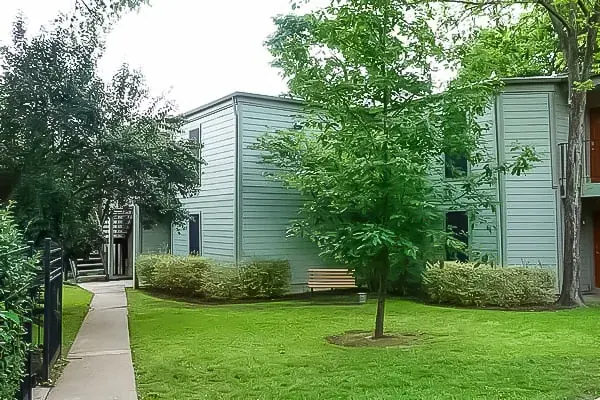
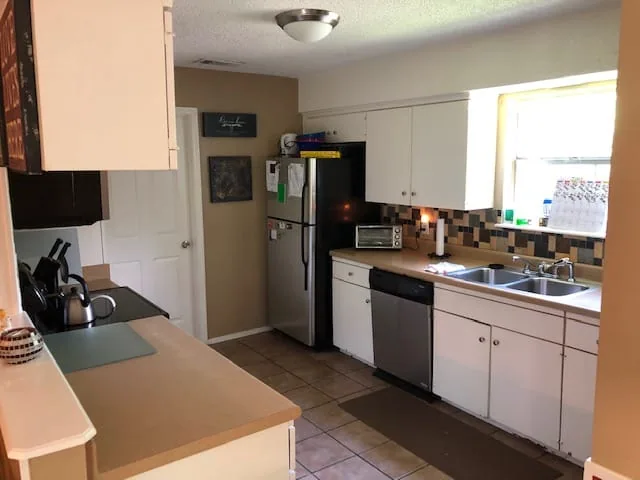
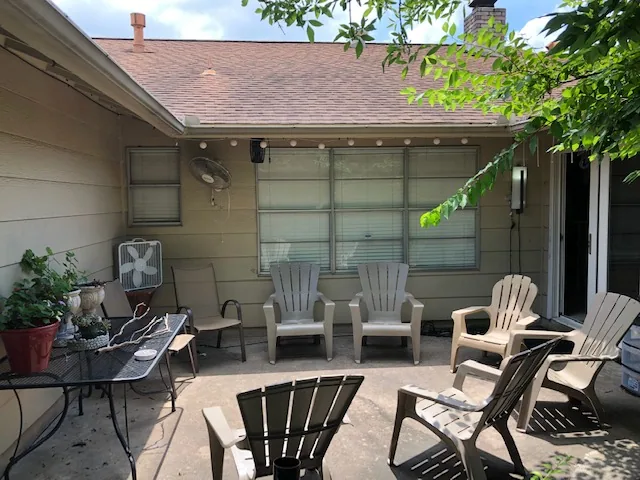
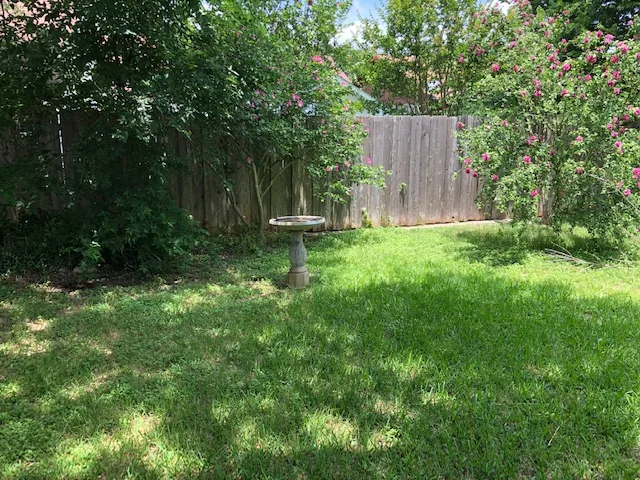
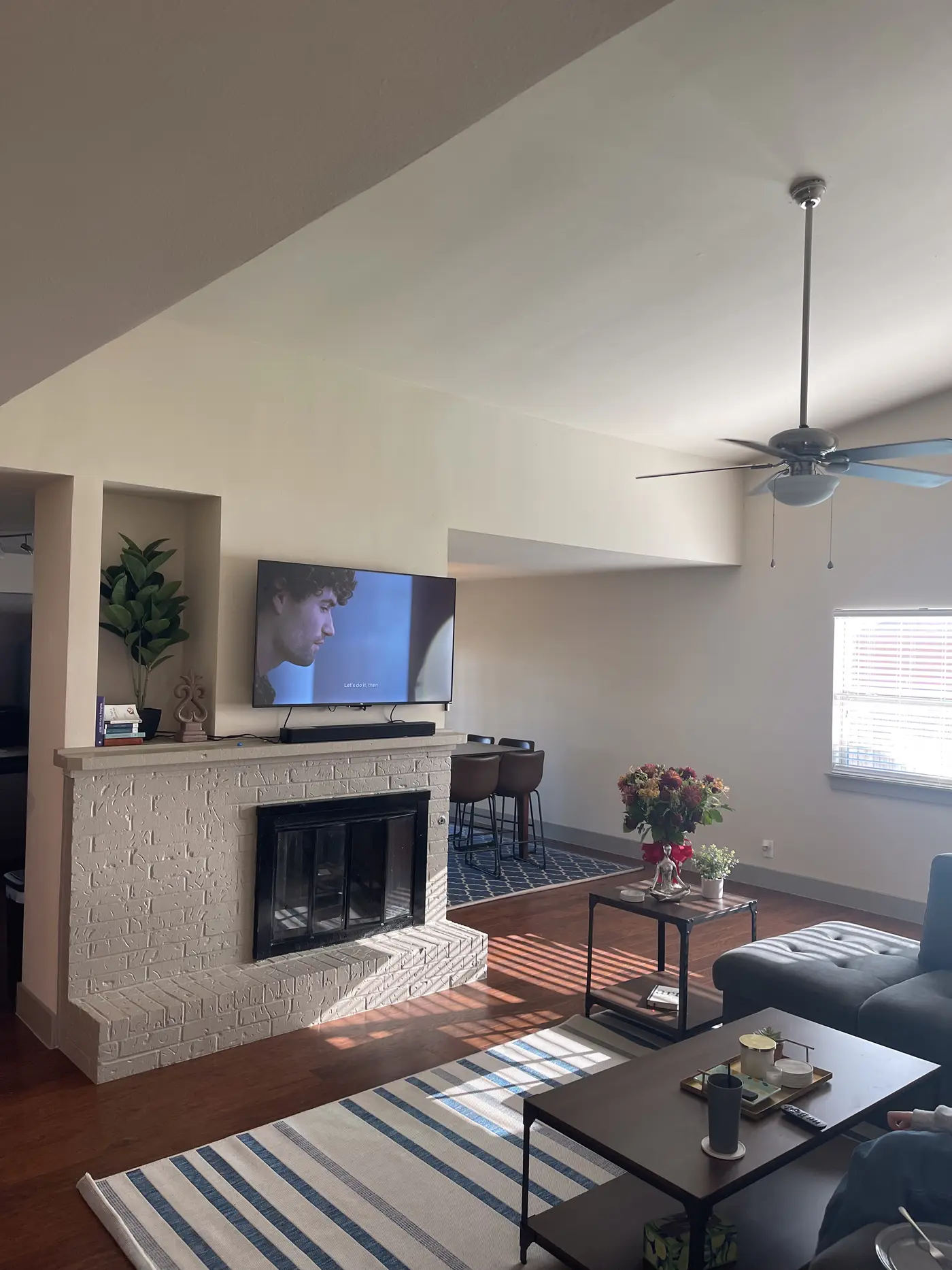
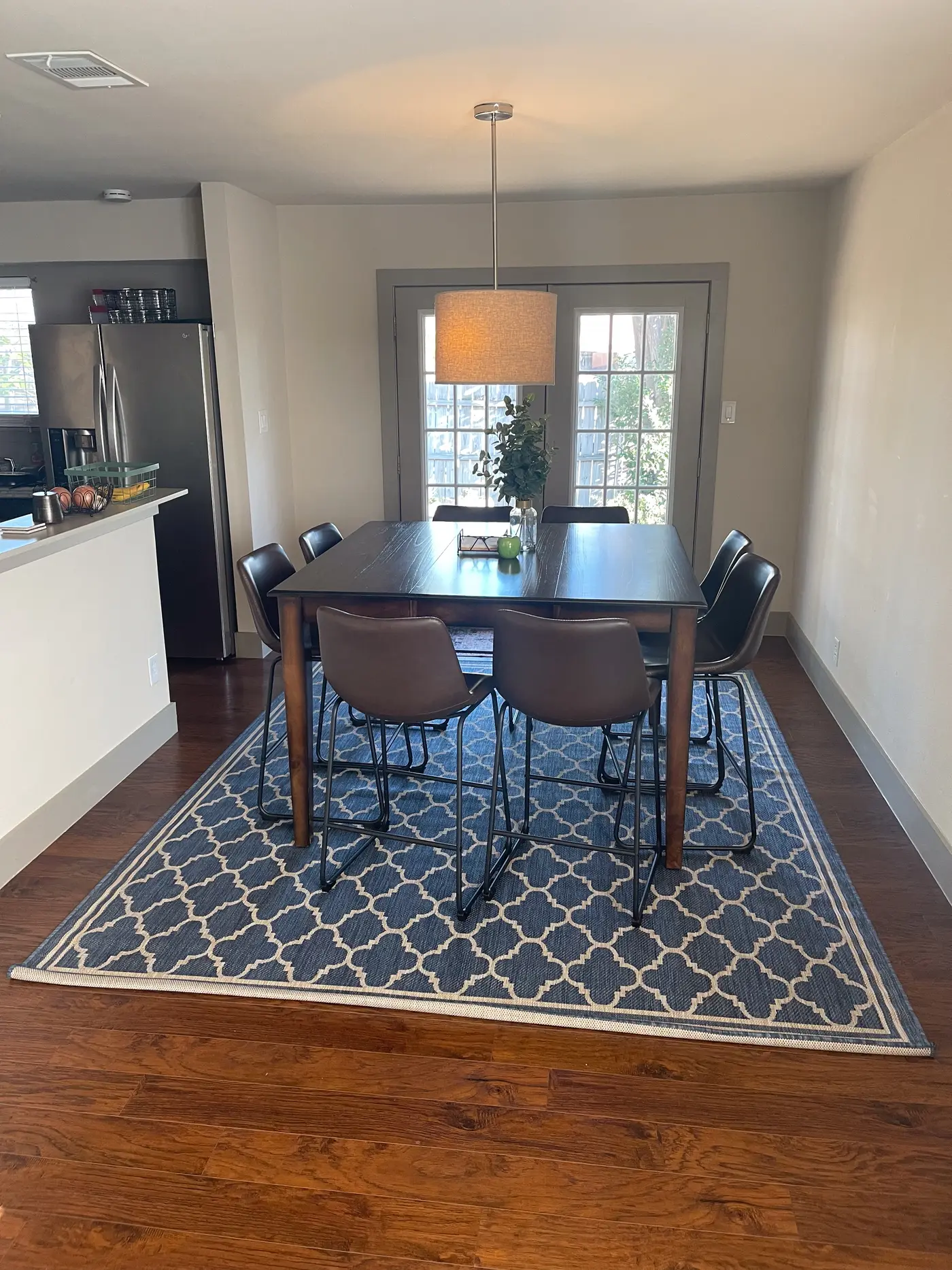
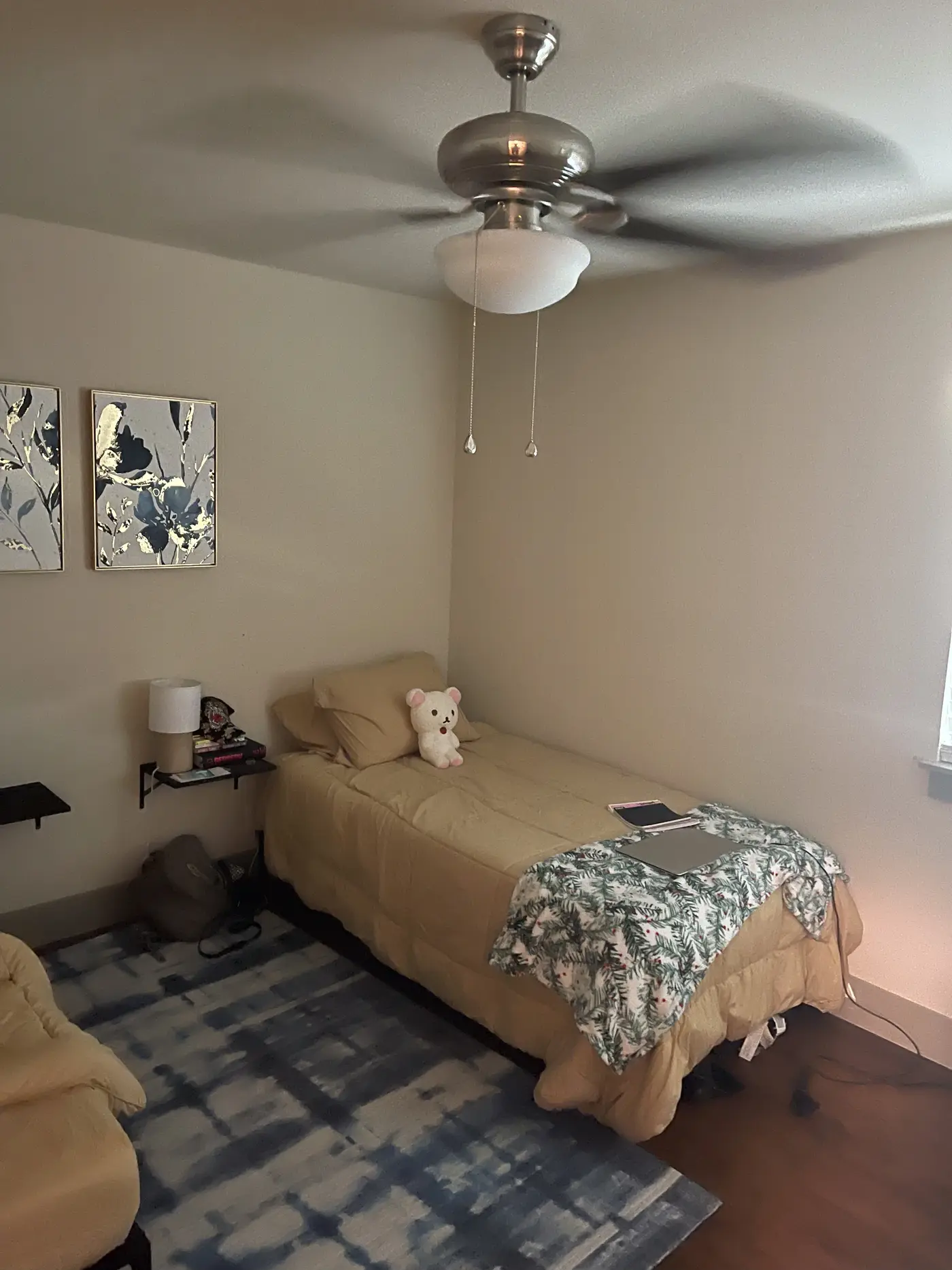
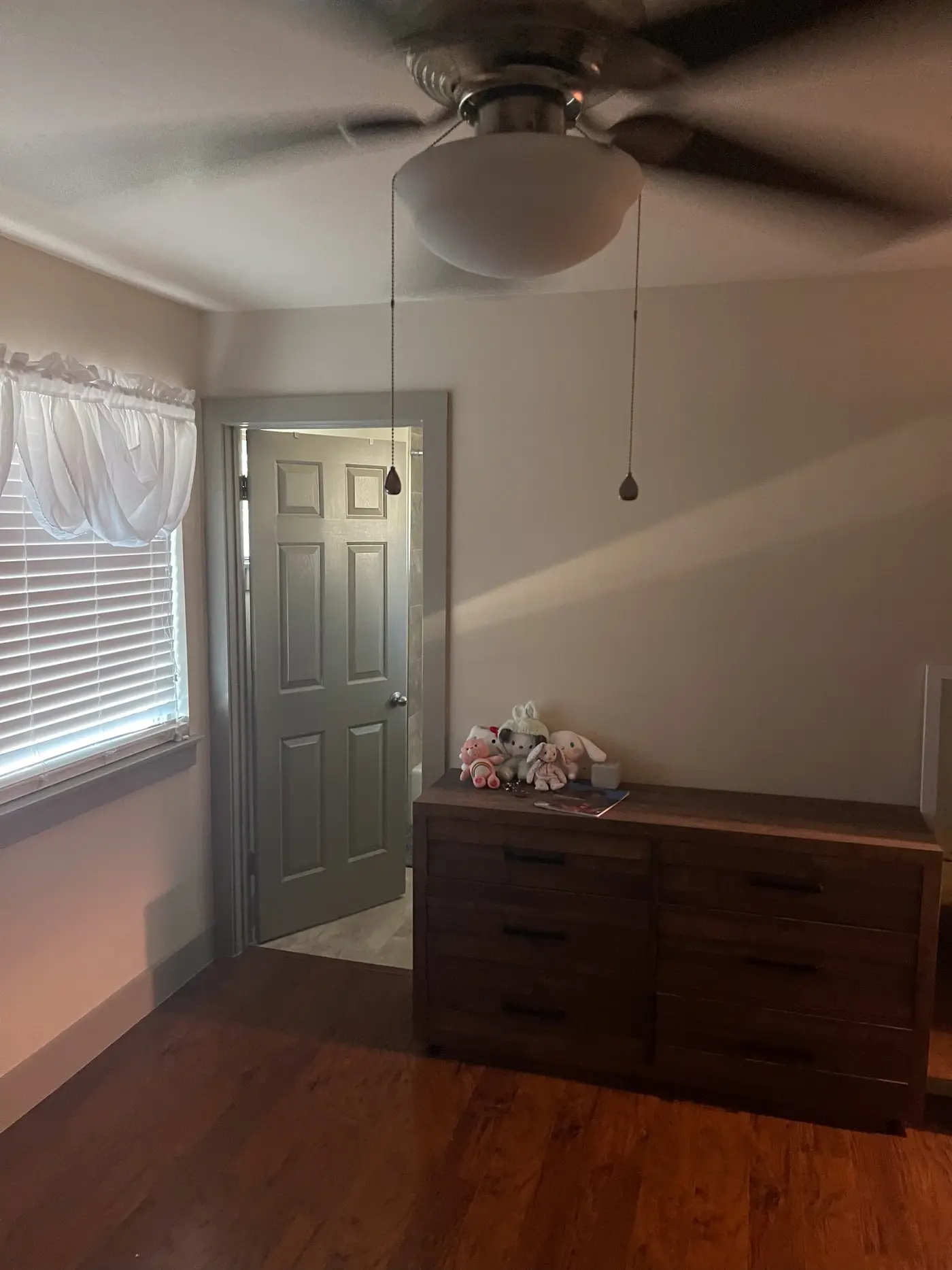
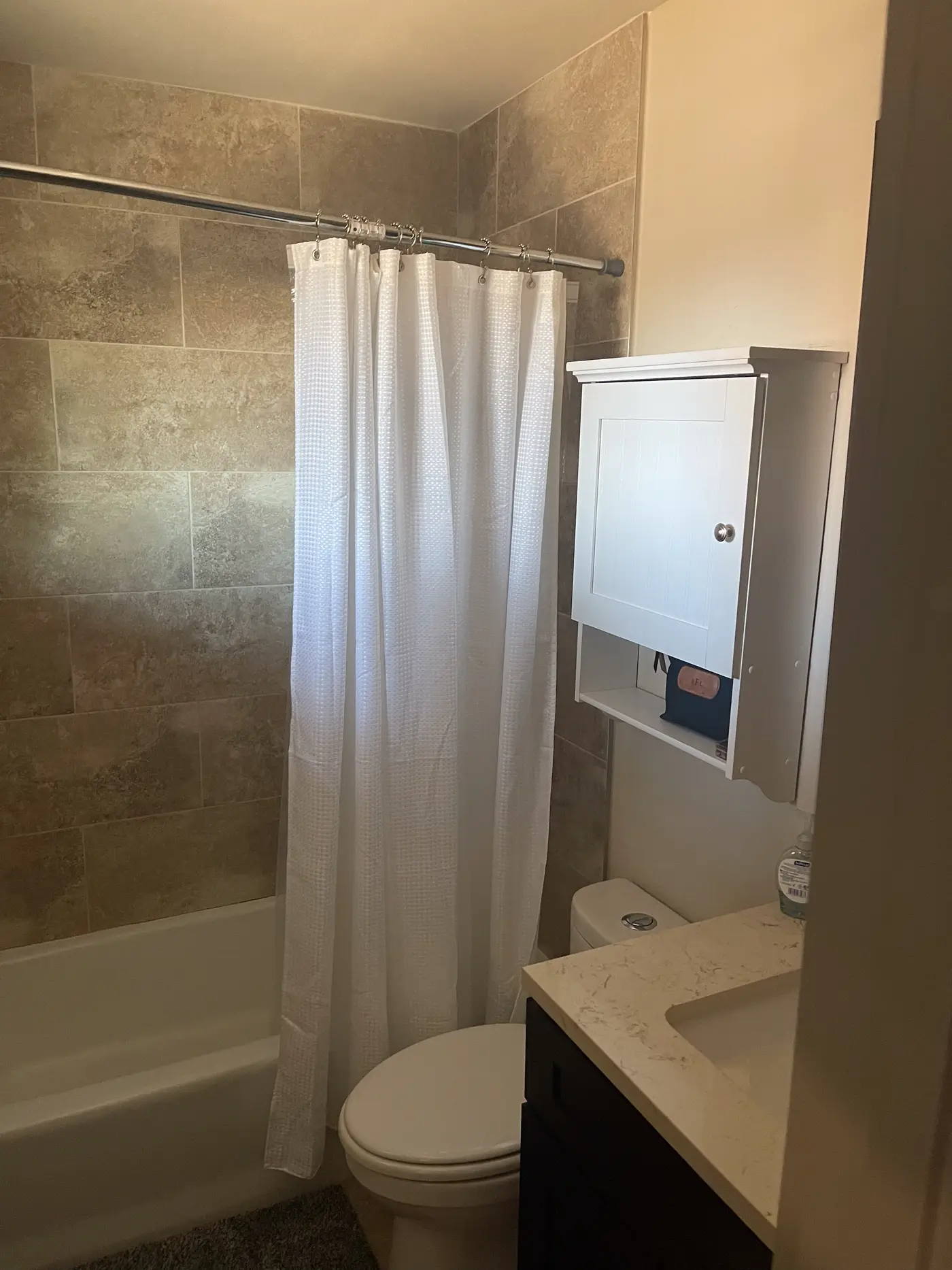
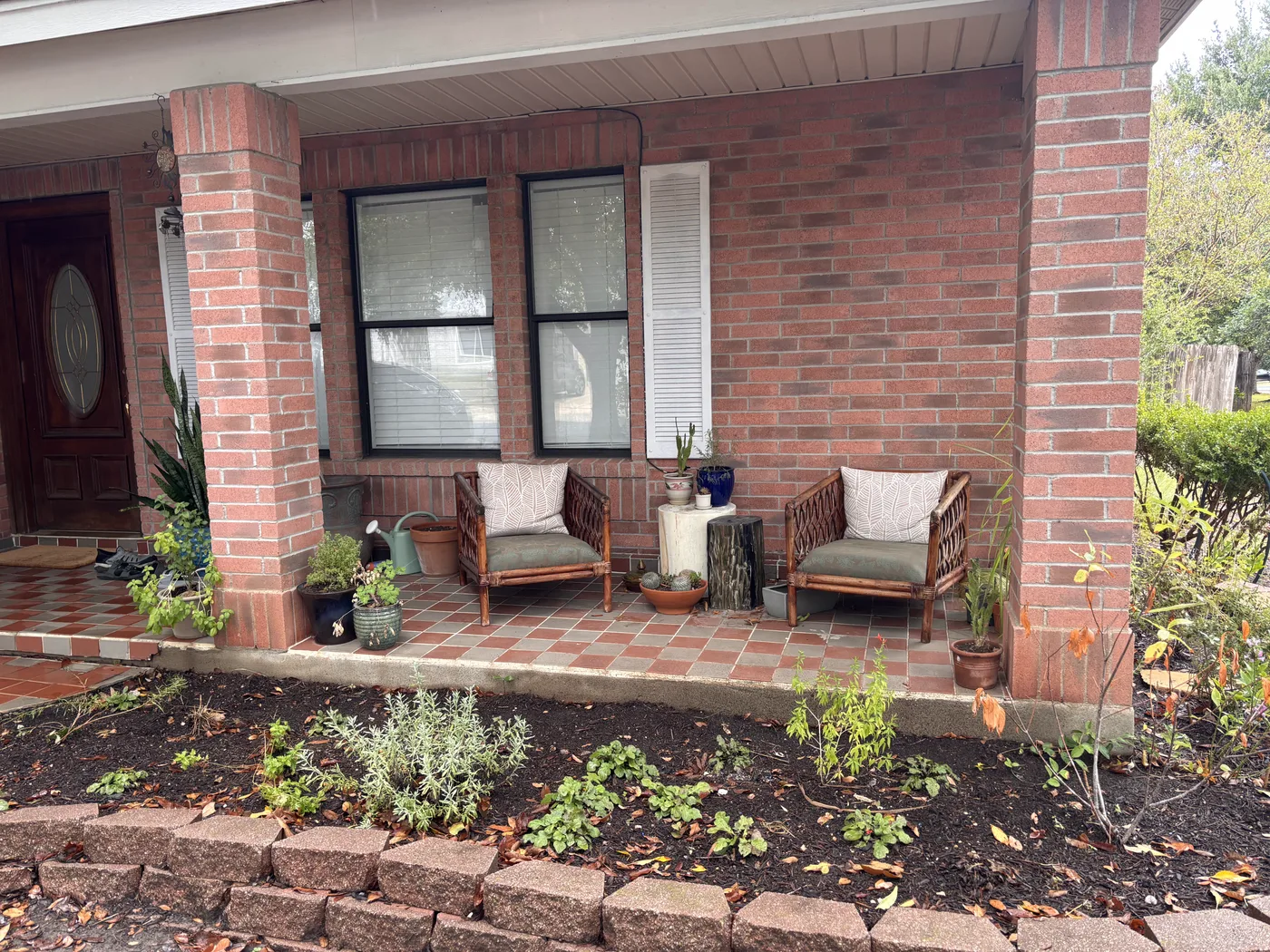
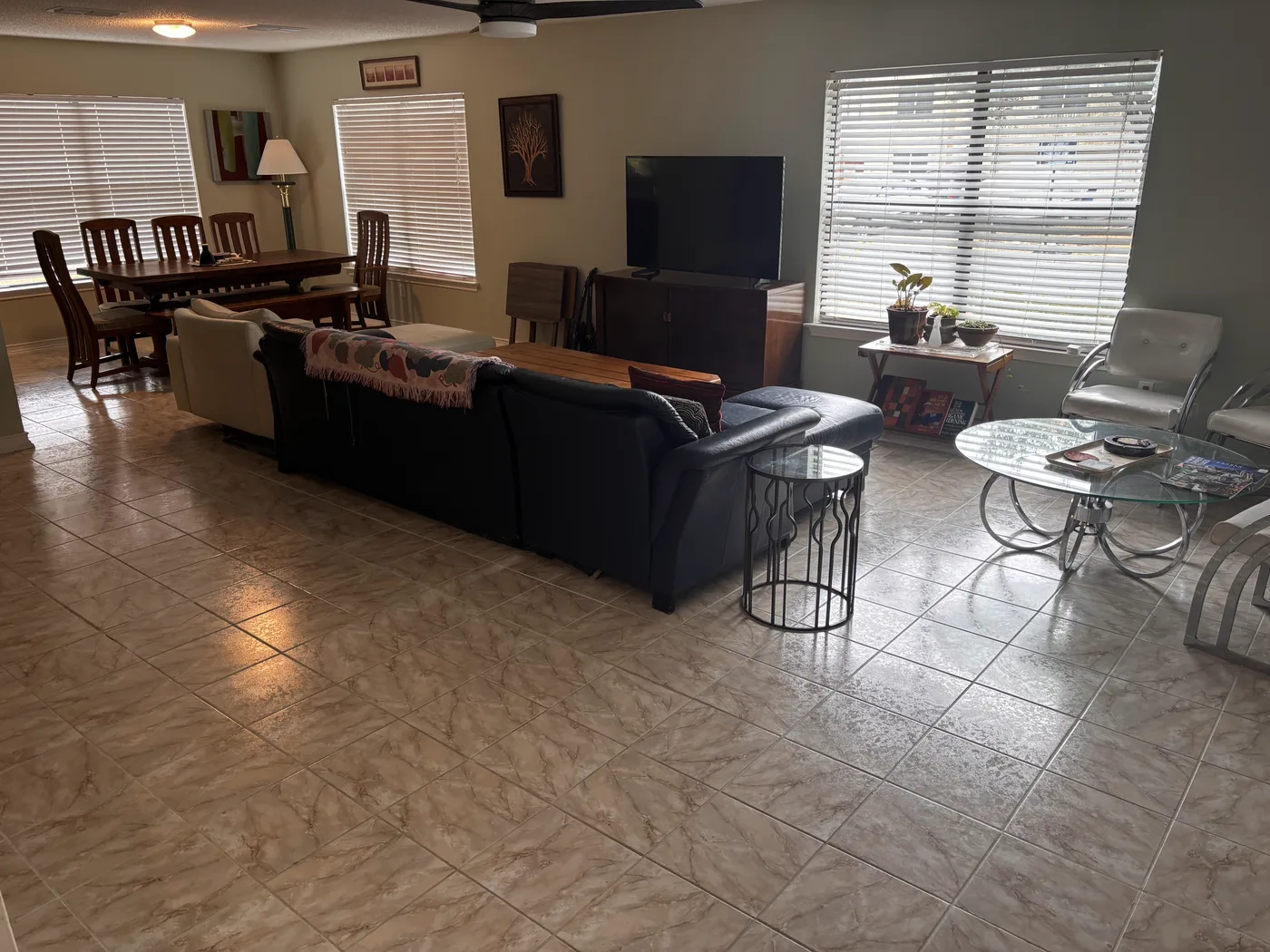
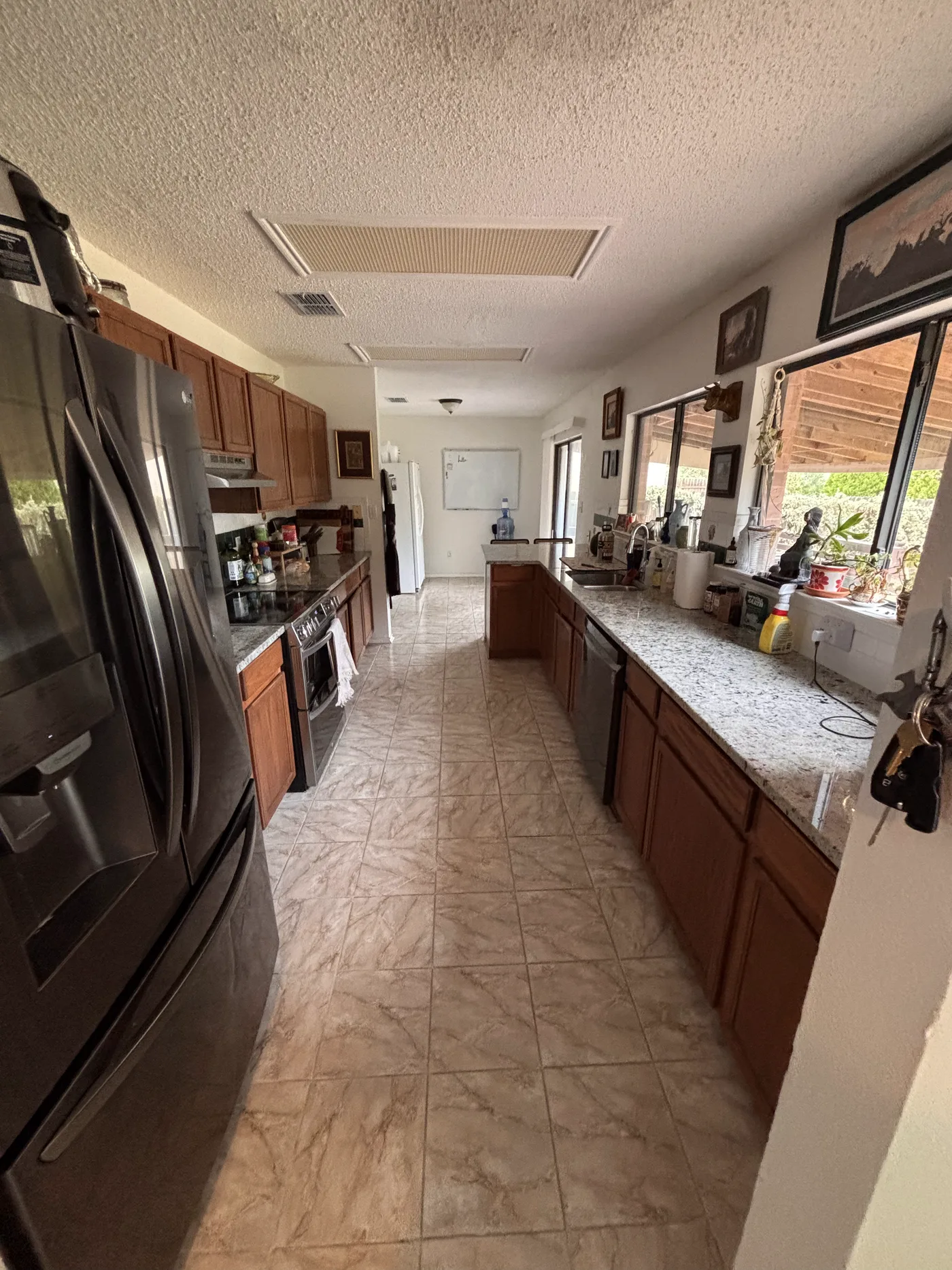
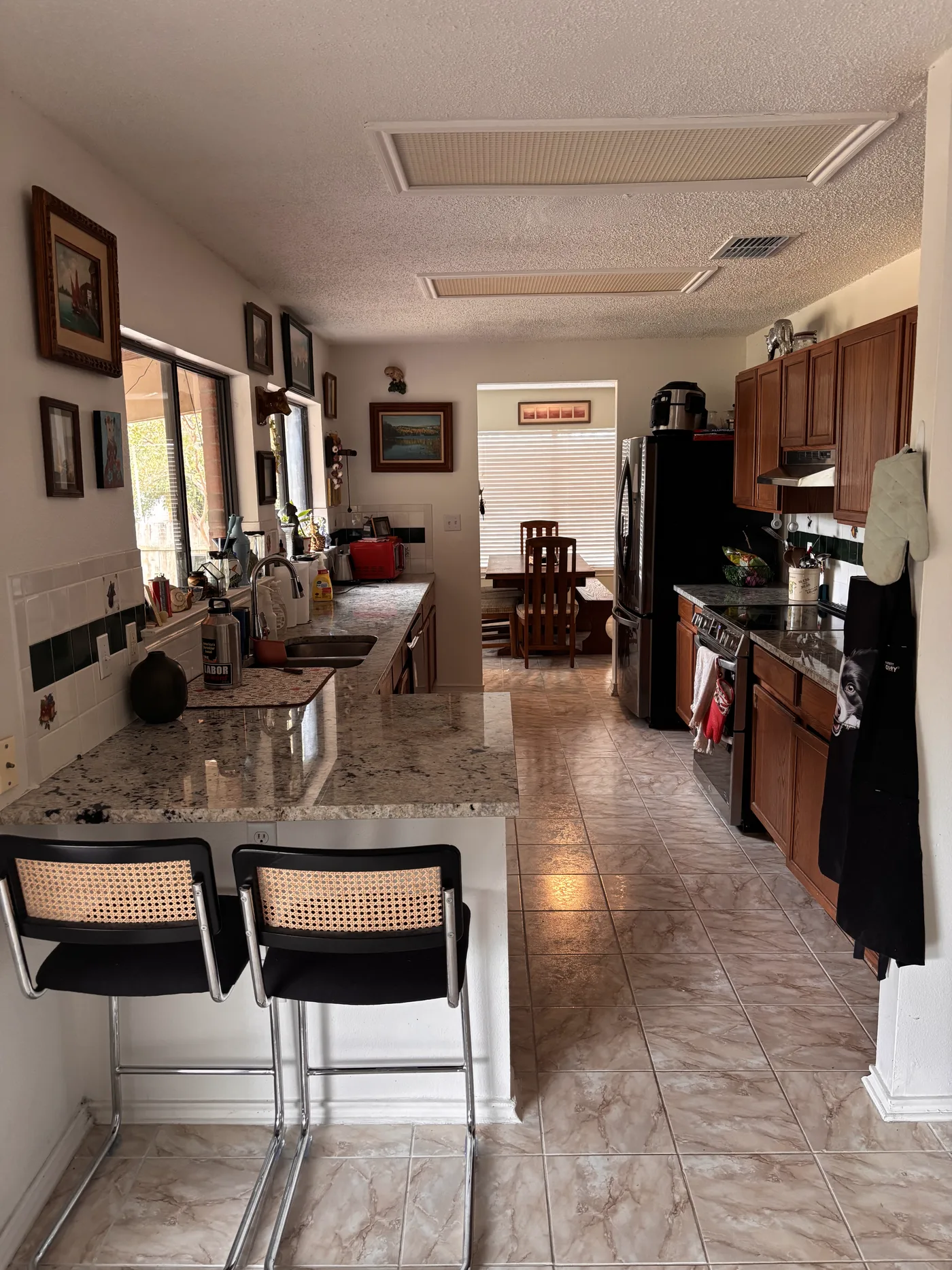
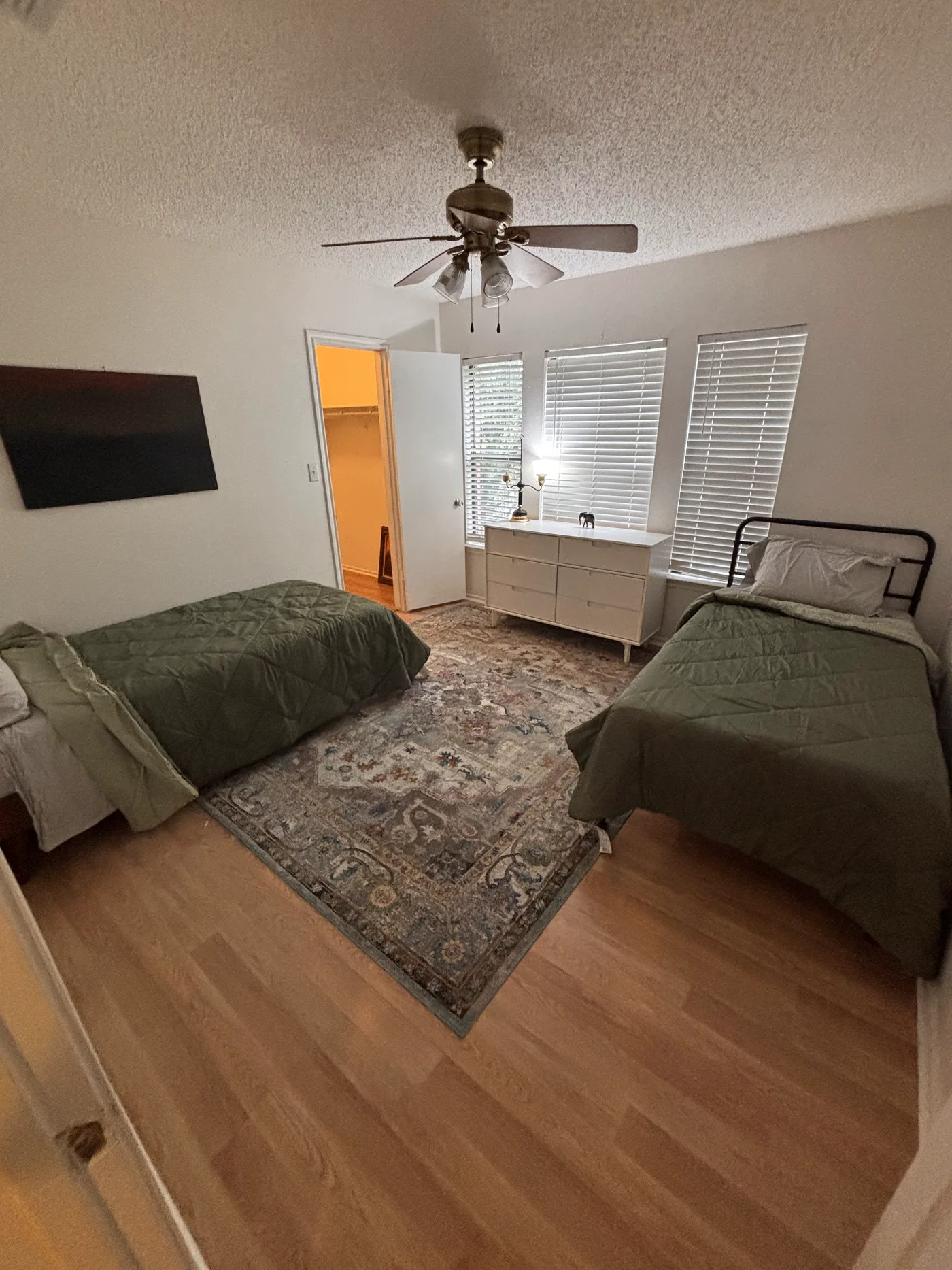
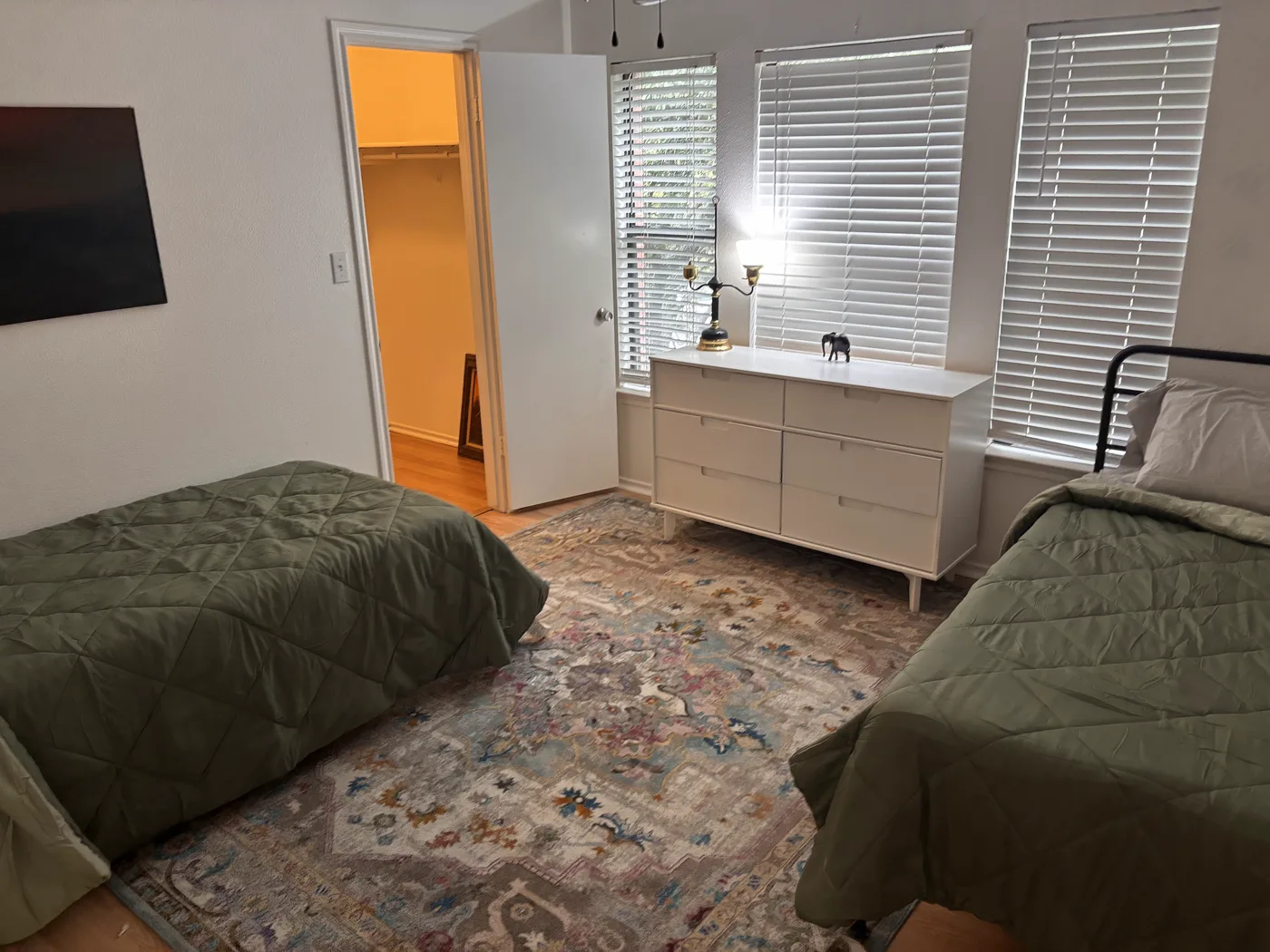
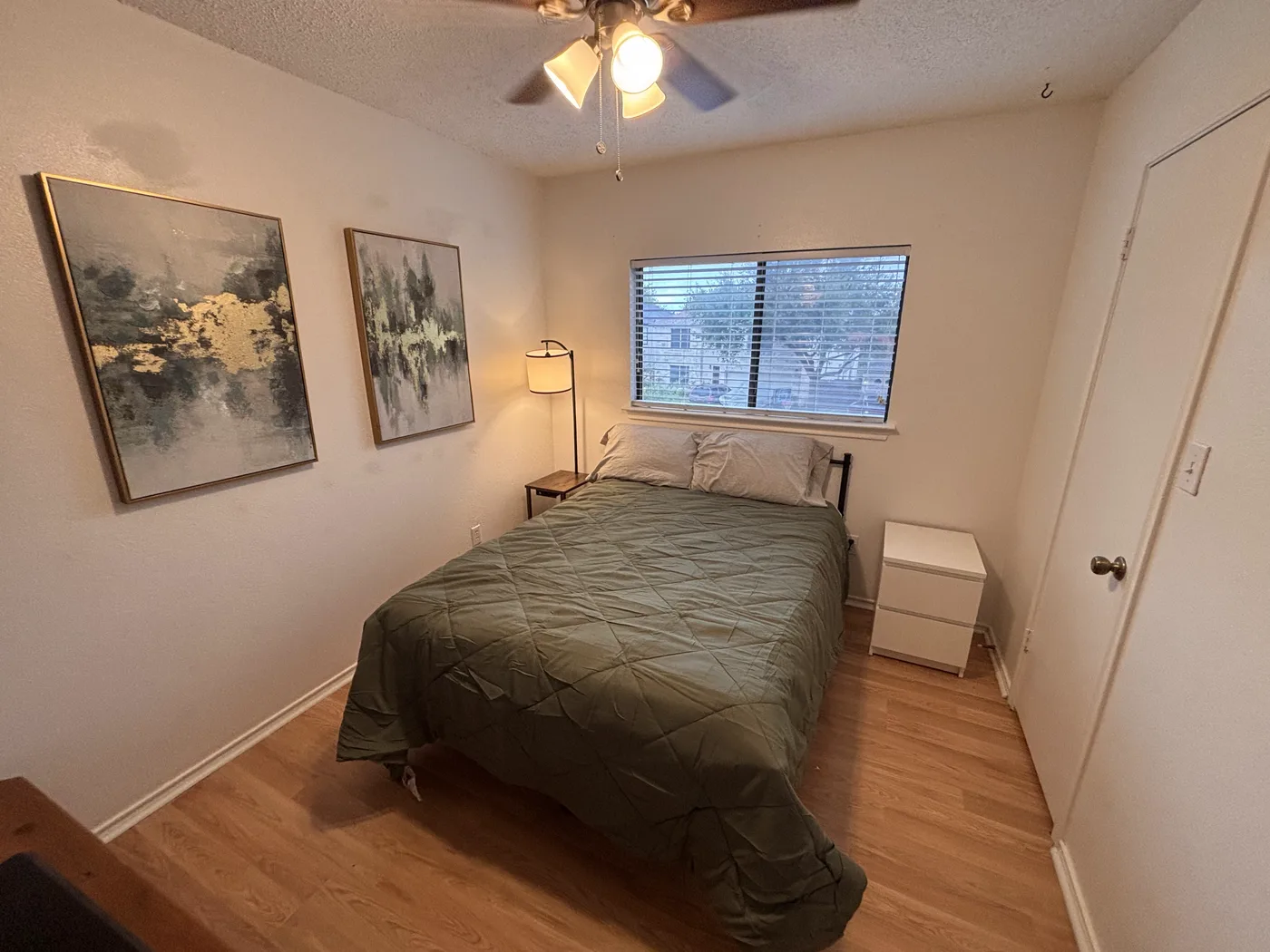
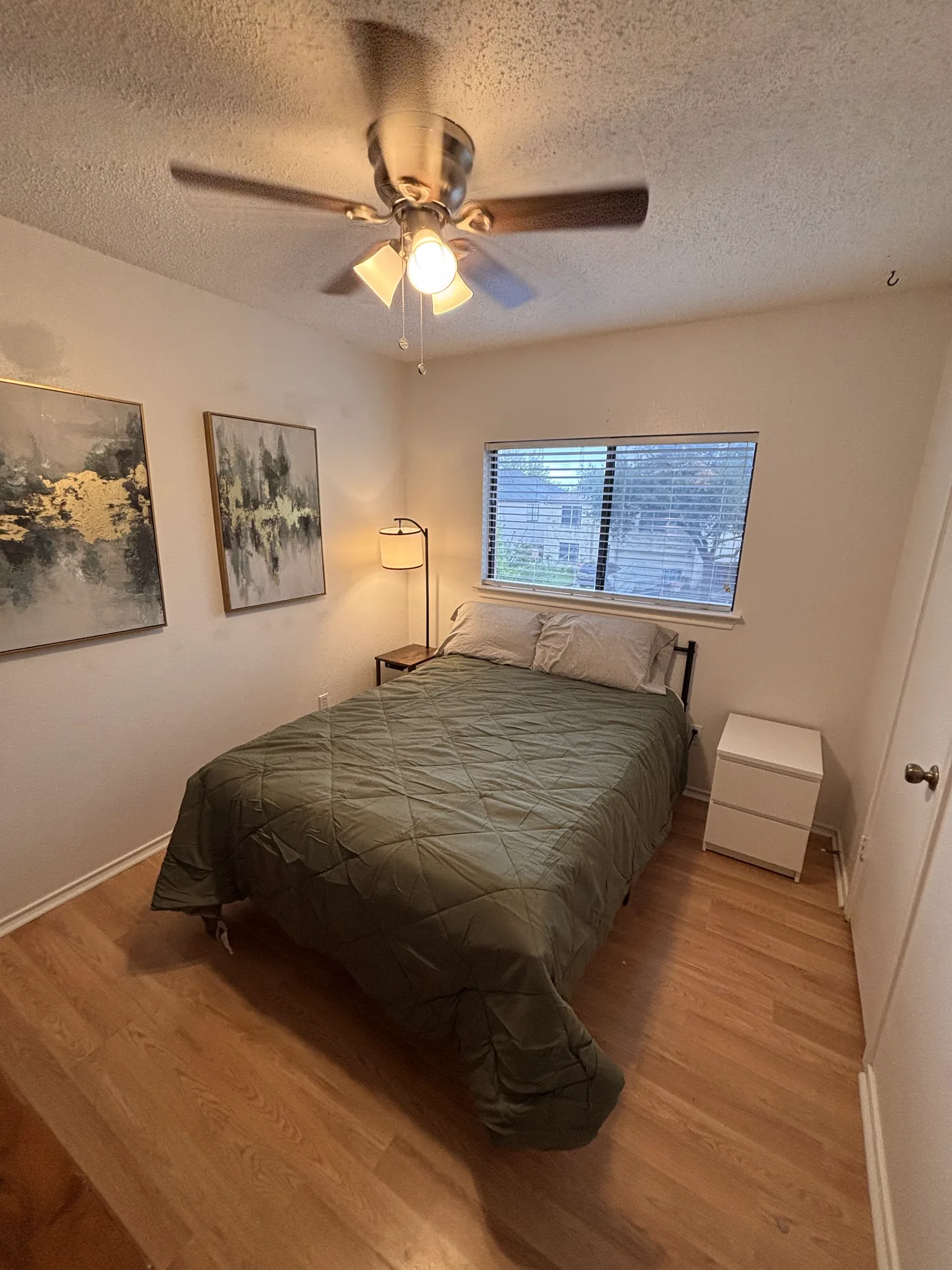
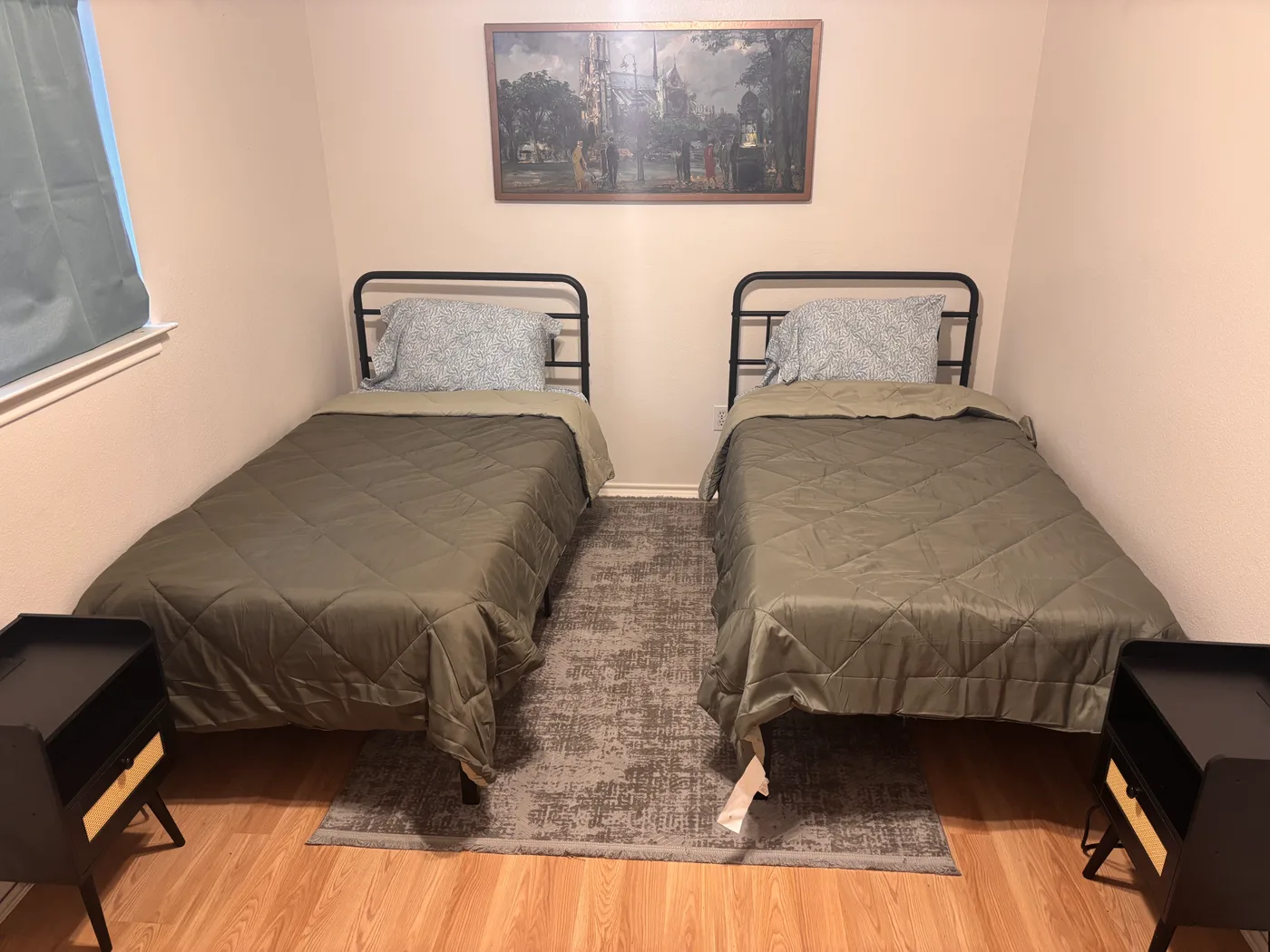
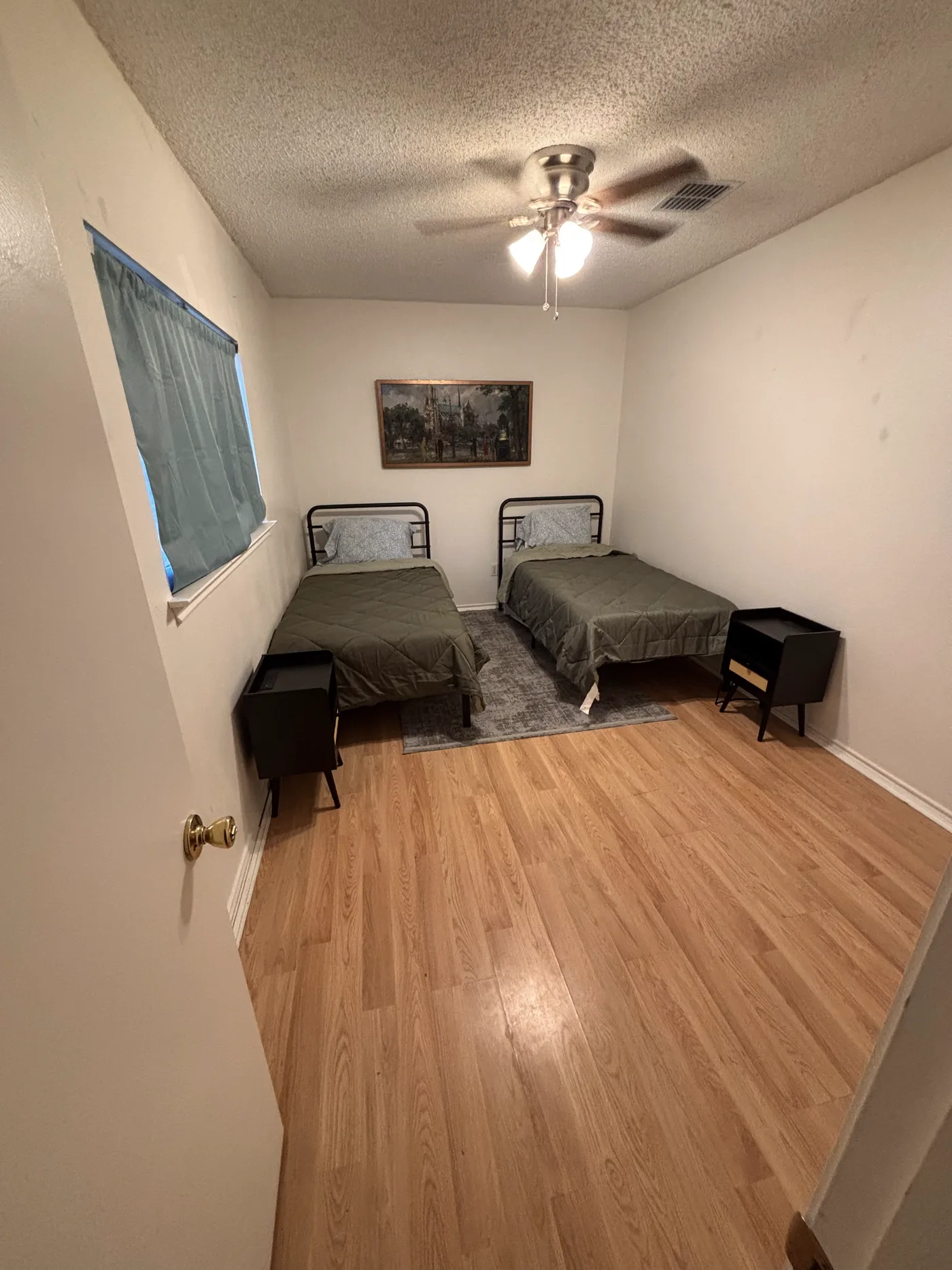
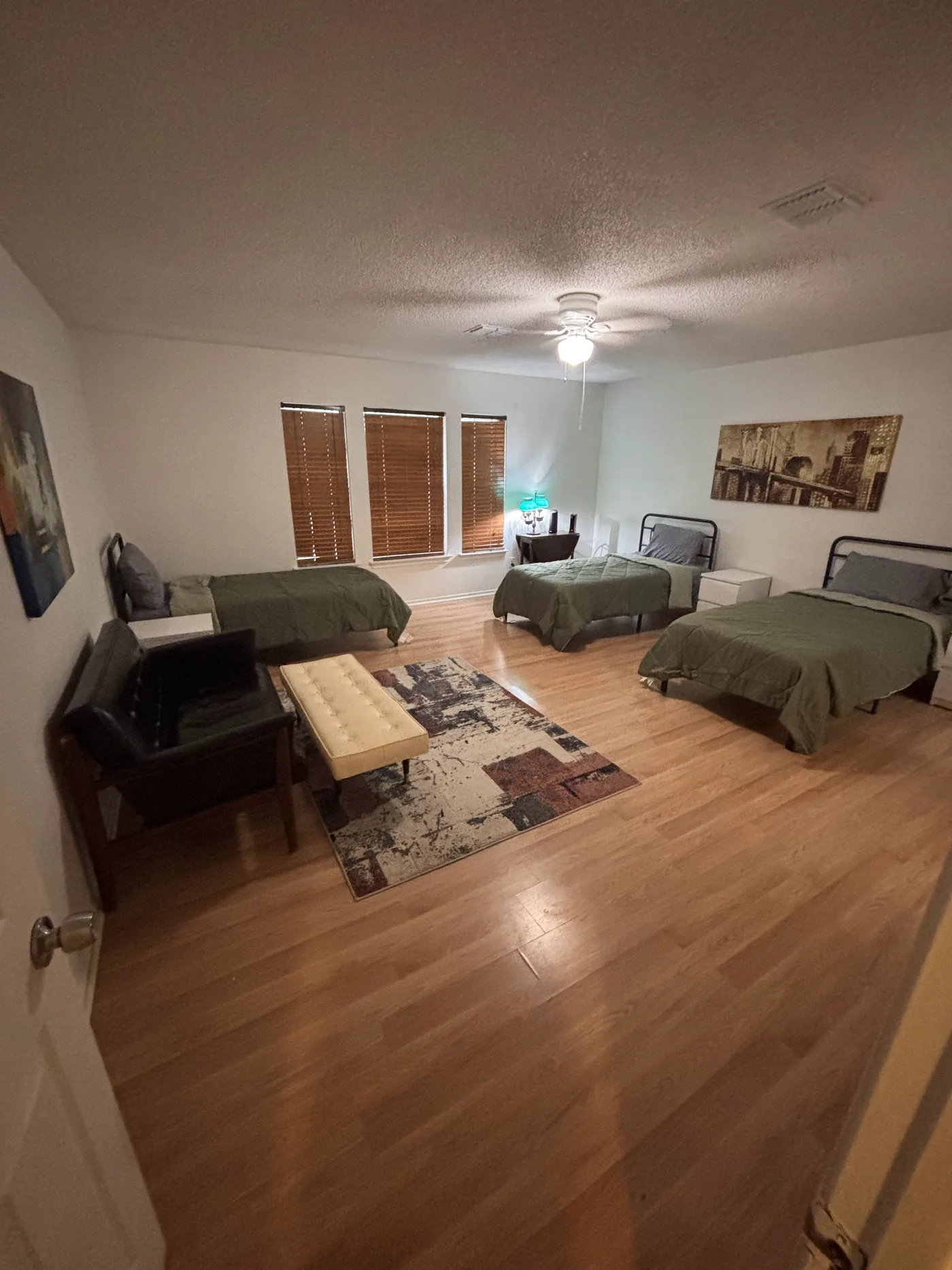
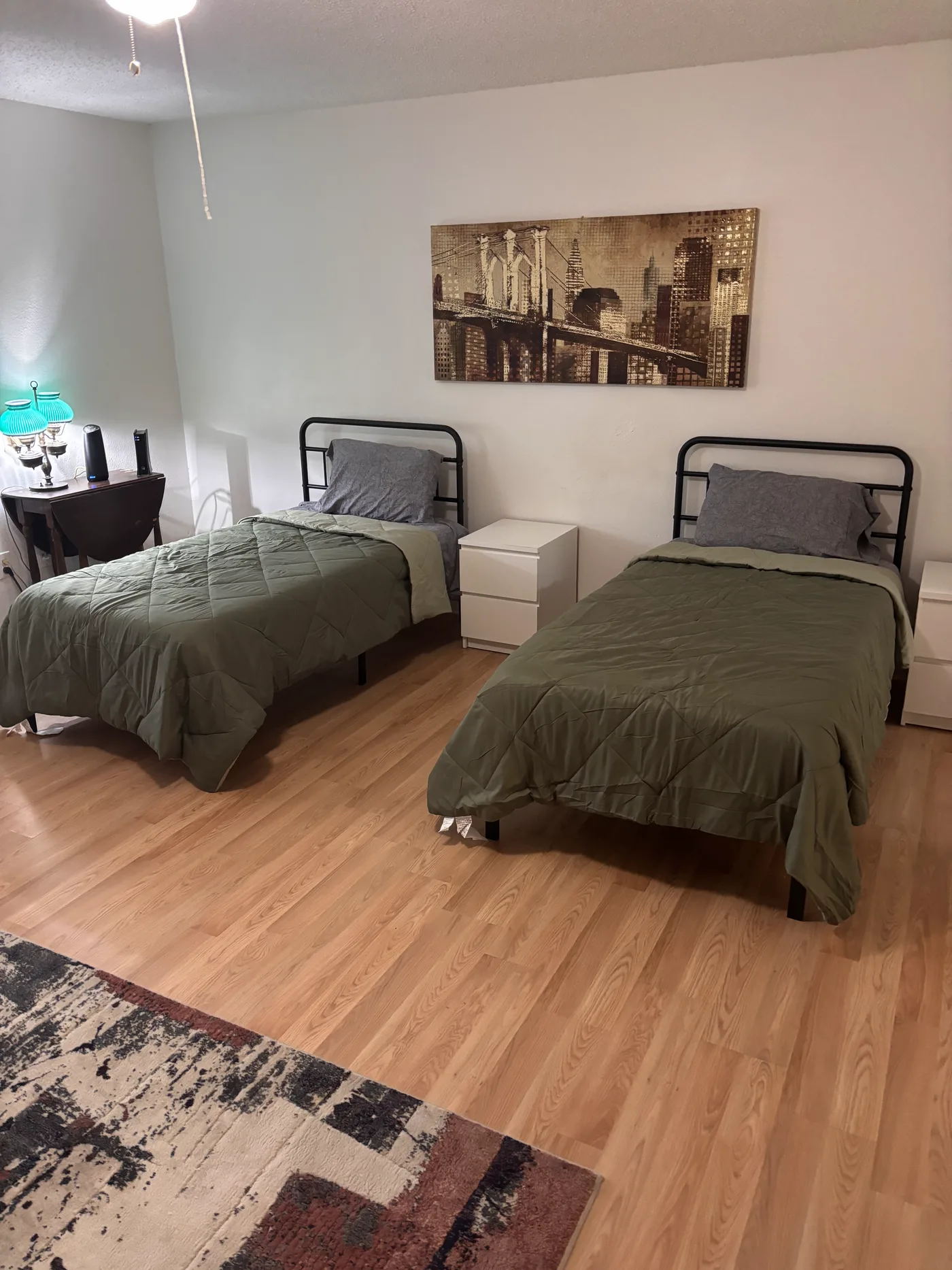
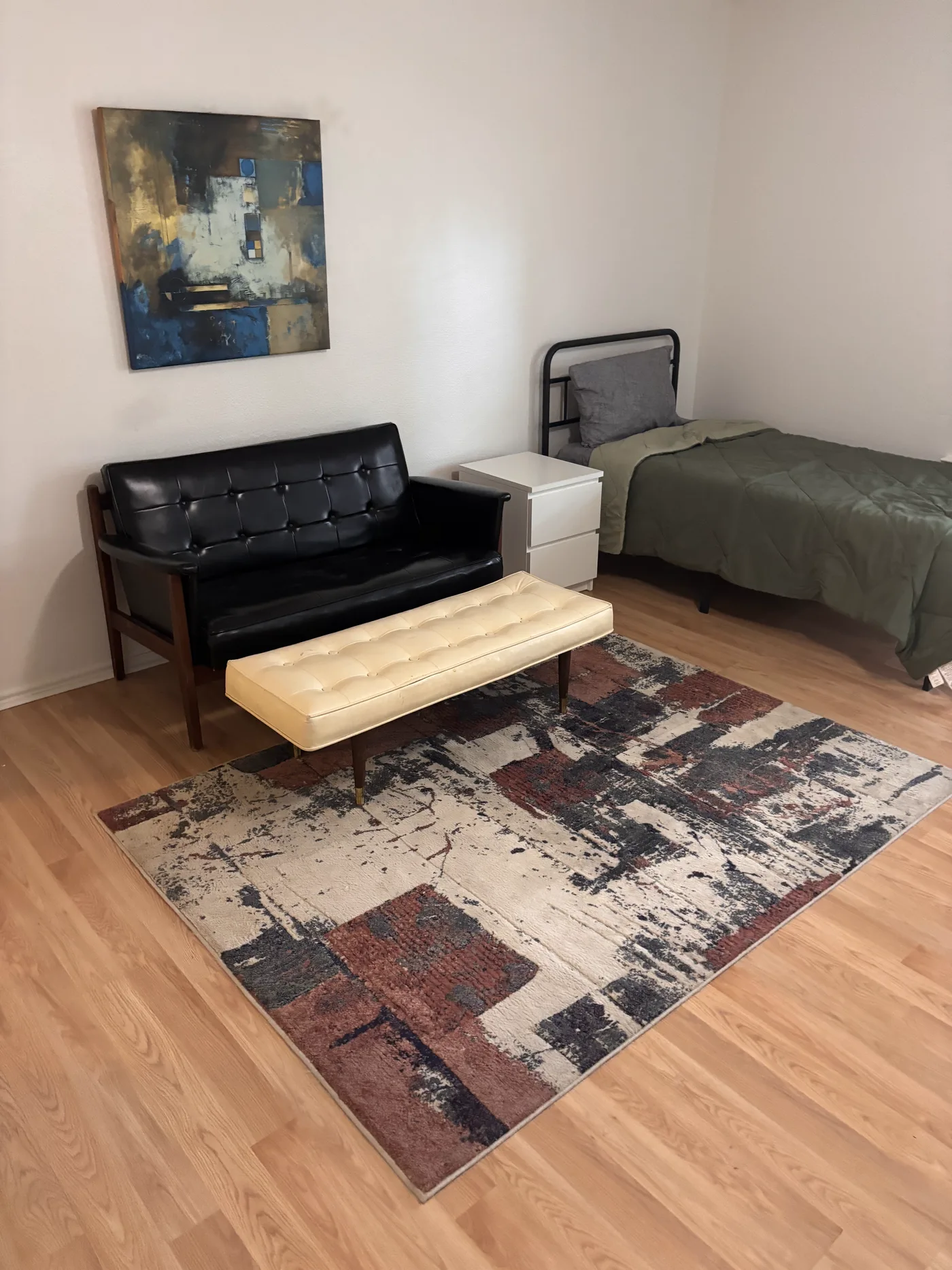
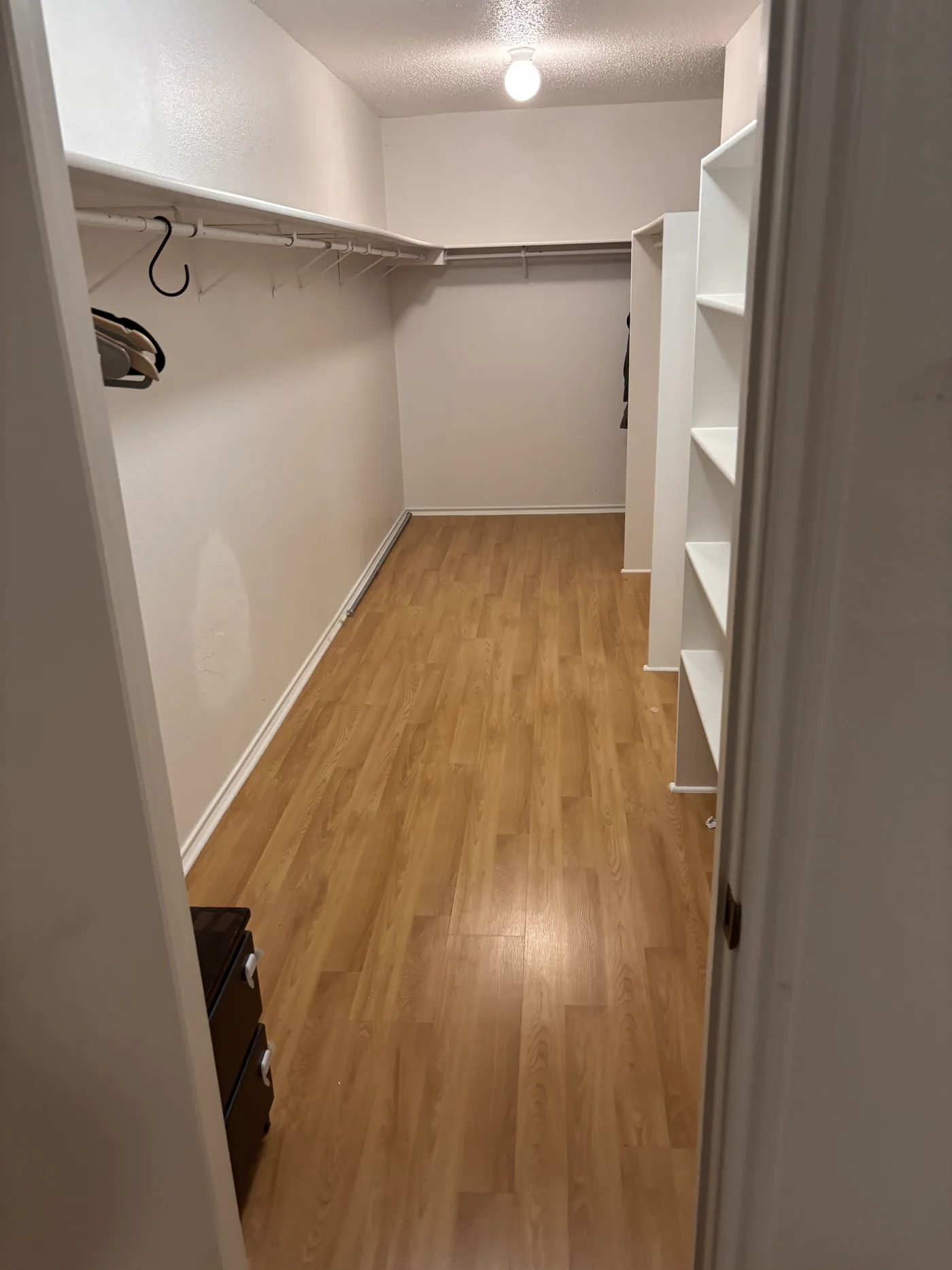
Inside the Austin homes











Integrating Yoga with 12-Step and Recovery Work
Yoga and traditional recovery programs complement each other beautifully. The 12 Steps emphasize surrender, spiritual growth, and daily practice, principles that align closely with yogic philosophy. Many people in recovery find that yoga deepens their understanding of concepts like acceptance, mindfulness, and connection to something greater than themselves.
The breath-focused nature of yoga supports Step 11’s call for prayer and meditation to improve conscious contact with a higher power. Whether you define that power as God, the universe, or your own inner wisdom, yoga provides a practical method for quieting the mind and cultivating presence.
Some recovery communities in Austin specifically blend yoga with 12-Step work, offering meetings that incorporate movement and breathwork or hosting yoga sessions before or after traditional meetings. This integration helps residents of sober living homes see wellness as holistic: addressing physical, mental, emotional, and spiritual health simultaneously.
Starting a Yoga Practice in Early Recovery
Beginning yoga while navigating early sobriety can feel daunting. You’re already managing so many changes, and adding another commitment might seem overwhelming. The key is starting small and being patient with yourself.
Here’s how to approach yoga as someone new to both the practice and recovery:
- Start with beginner or gentle classes labeled as appropriate for all levels
- Communicate with instructors before class about your needs and any physical limitations
- Bring a friend or housemate from your sober living community for accountability and support
- Focus on showing up rather than performing, your practice is about progress, not perfection
- Notice what you feel without judgment; simply observing emotions is part of the healing
- Commit to a realistic schedule, perhaps once or twice weekly, that you can maintain consistently
Many people in sober living environments find that attending the same class each week creates structure and community. You’ll see familiar faces, build relationships, and establish accountability that supports both your yoga practice and your sobriety.
Yoga as a Relapse Prevention Tool
One of yoga’s most valuable contributions to addiction recovery is its effectiveness in preventing relapse. The practice equips you with concrete tools to manage the situations that might otherwise lead back to substance use.
When cravings arise, the breathing techniques learned in yoga, like box breathing or ujjayi breath, can interrupt the urge and create space to make a conscious choice. The body awareness developed through regular practice helps you recognize early warning signs of stress, anger, or emotional dysregulation before they escalate.
Yoga also addresses the HALT acronym (Hungry, Angry, Lonely, Tired) that recovery programs teach. The practice reduces overall stress, improves sleep, fosters community connection, and encourages mindful eating, all factors that decrease relapse risk.
For residents in recovery housing in Houston, San Antonio, or other Texas cities where Eudaimonia operates, maintaining a yoga practice after transitioning to independent living provides continuity and stability. The mat becomes a safe space you can return to anywhere, anytime, a portable recovery tool that travels with you.
Building a Sustainable Wellness Routine in Sober Living
What role does yoga play in addiction recovery ultimately depends on how you integrate it into your daily life. Sober living environments provide the structure needed to establish healthy habits, and yoga can become a cornerstone of your wellness routine.
Consider pairing your yoga practice with other recovery activities. You might attend a morning yoga class before your weekly therapy appointment, or practice gentle stretches in the evening after a 12-Step meeting. The combination reinforces your commitment to holistic healing.
Track how different practices affect your mood, sleep, and overall sense of well-being. You might notice that restorative yoga helps on days you’re feeling anxious, while a more vigorous flow class helps when you’re restless. This self-knowledge empowers you to choose the right tool for each moment.
Remember that your practice will evolve. What works in the first month of sober living might shift as you grow stronger and more confident. Stay curious and open, allowing your yoga journey to mirror and support your recovery journey.
Finding Your Path in Recovery
Whether you’re just beginning your journey in sober living or working to maintain long-term sobriety, yoga offers a supportive practice that grows with you. In Austin and throughout Texas, recovery communities recognize that healing involves more than abstinence: it requires rebuilding your relationship with yourself, your body, and your community.
Yoga provides a framework for that rebuilding. It teaches you to breathe through discomfort, stay present with difficult emotions, and trust your own inner strength. These lessons extend far beyond the mat, supporting every aspect of your recovery.
If you’re looking for a sober living environment that supports holistic wellness and recognizes the value of practices like yoga in maintaining long-term sobriety, Eudaimonia Recovery Homes offers structured, supportive housing in Austin, South Austin, and other locations throughout Texas, Colorado, Pennsylvania, and Louisiana. We’re here to support your journey toward lasting recovery.
Ready to take the next step?
Eudaimonia Recovery Homes provides structured sober living and recovery support in Austin, TX. Call (512) 240-6612 to speak with our team today.


