

Published July 13, 2026
On This Page · 13 Sections

Sober Living
Austin
10506 Parkfield Dr, Austin, TX 78758
When moving into a sober living home in Austin, you should bring essential clothing for all seasons, personal hygiene items, any prescribed medications with documentation, bedding and towels, important documents like your ID and insurance cards, and items that support your recovery such as journals or recovery literature. Most homes provide furniture and kitchen basics, so focus on personal items that help you maintain structure and stay connected to your sobriety goals during your transition into recovery housing.
Understanding What to Bring to a Sober Living House
Moving into sober living in Austin marks a significant step in your recovery journey. Unlike packing for a hotel or even an apartment, preparing for a sober living home requires thoughtful consideration of both house rules and your personal recovery needs. The goal is to bring what supports your sobriety while leaving behind anything that could jeopardize your progress or violate community guidelines.
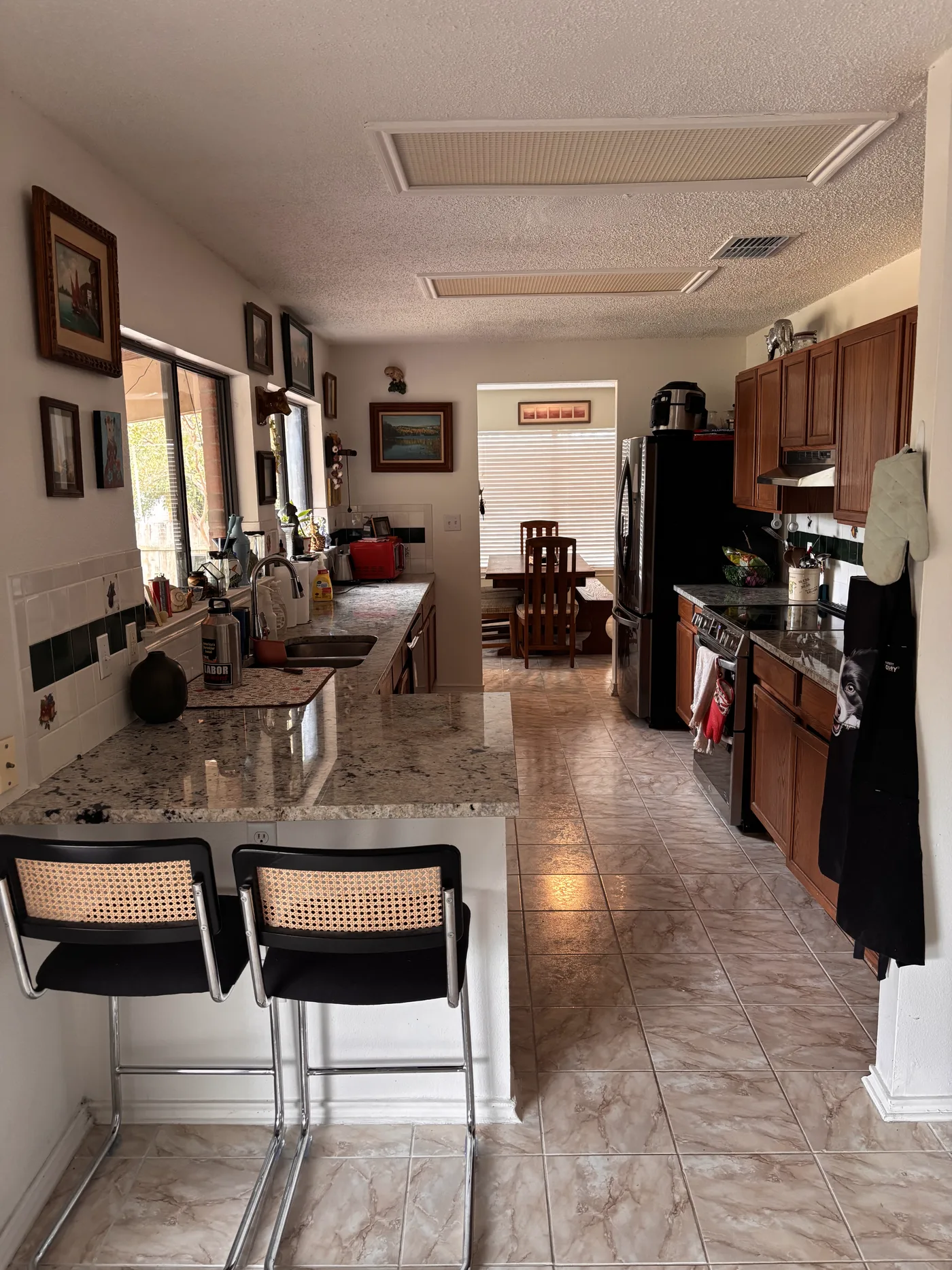
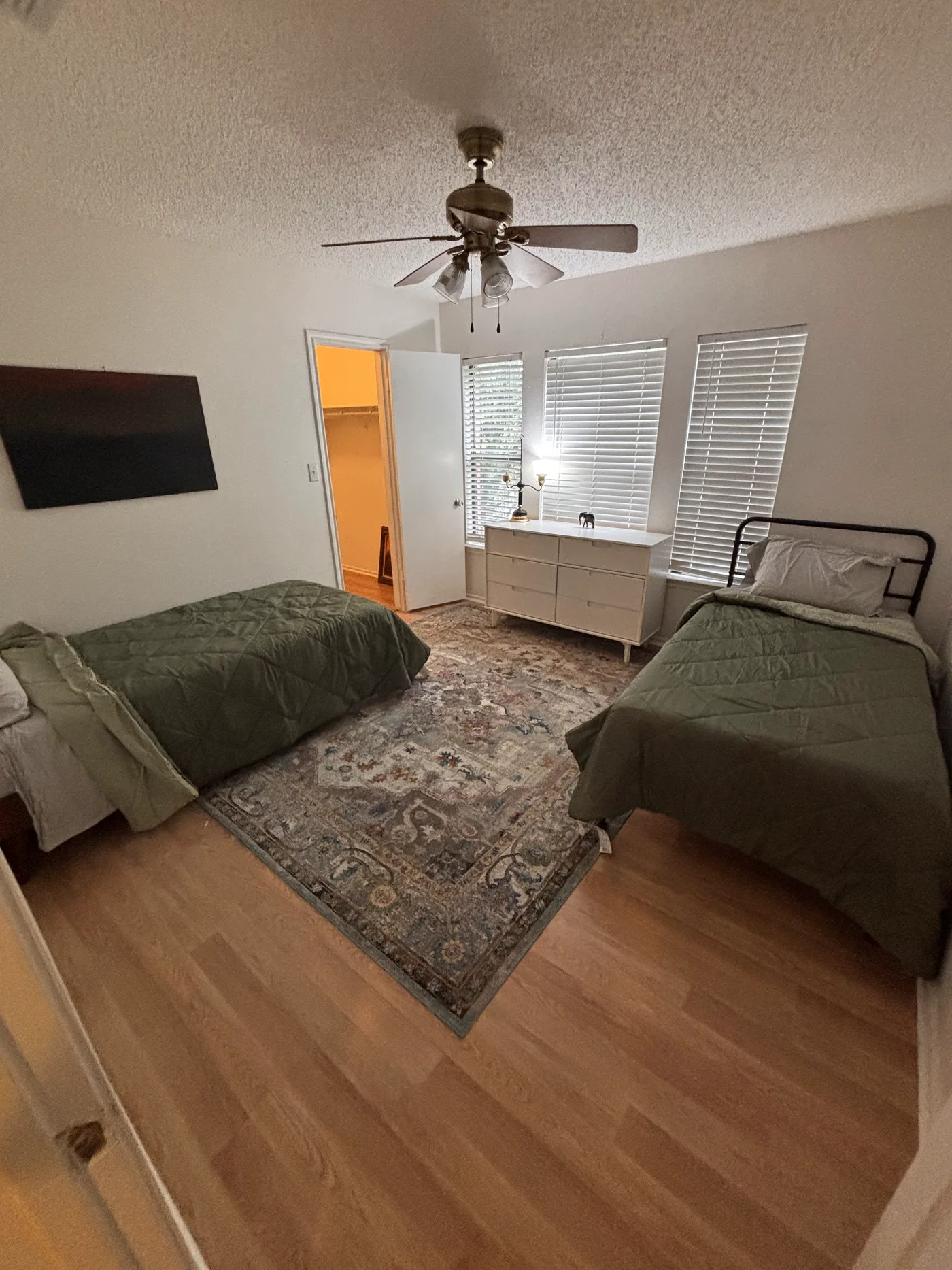
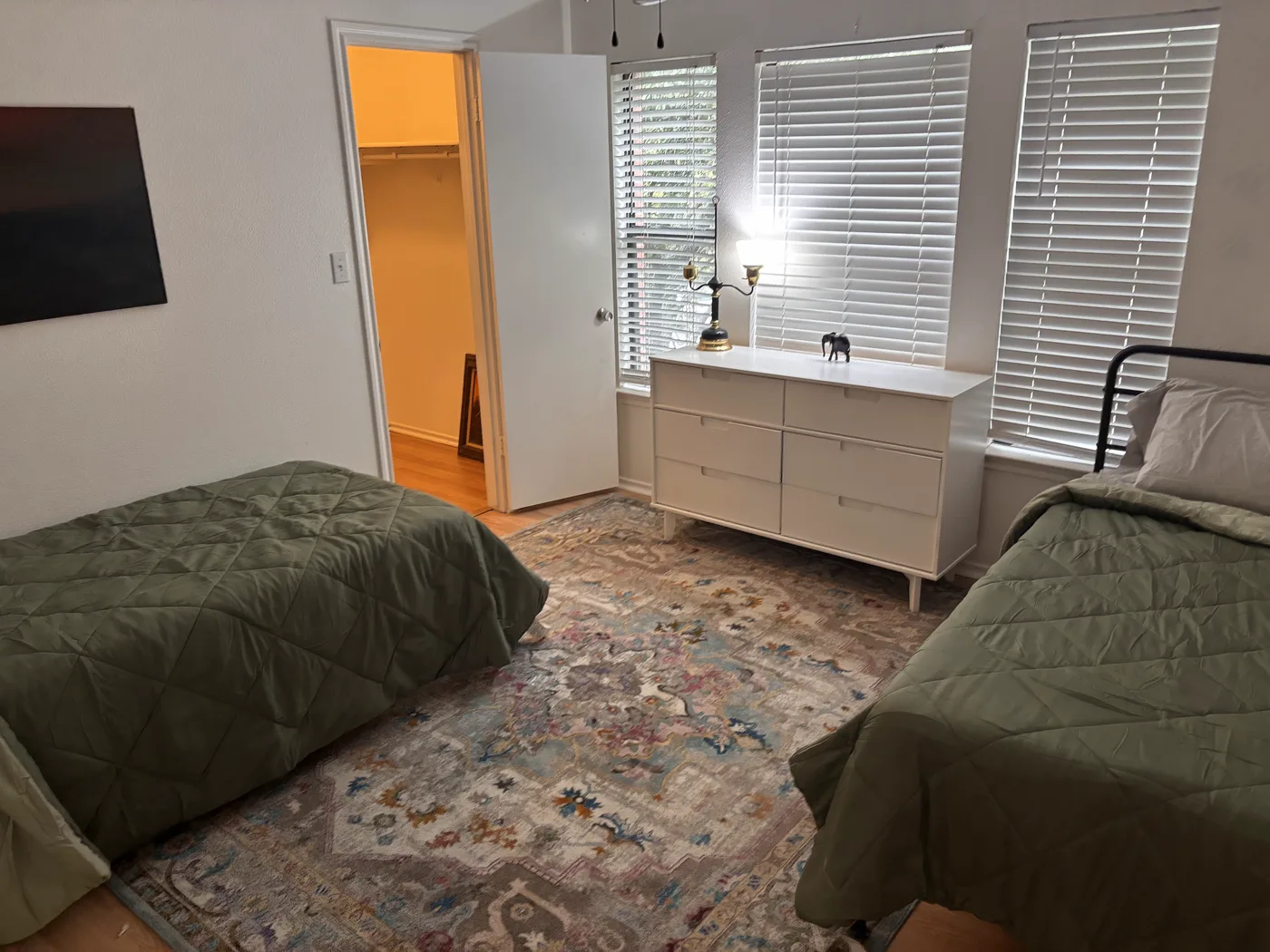
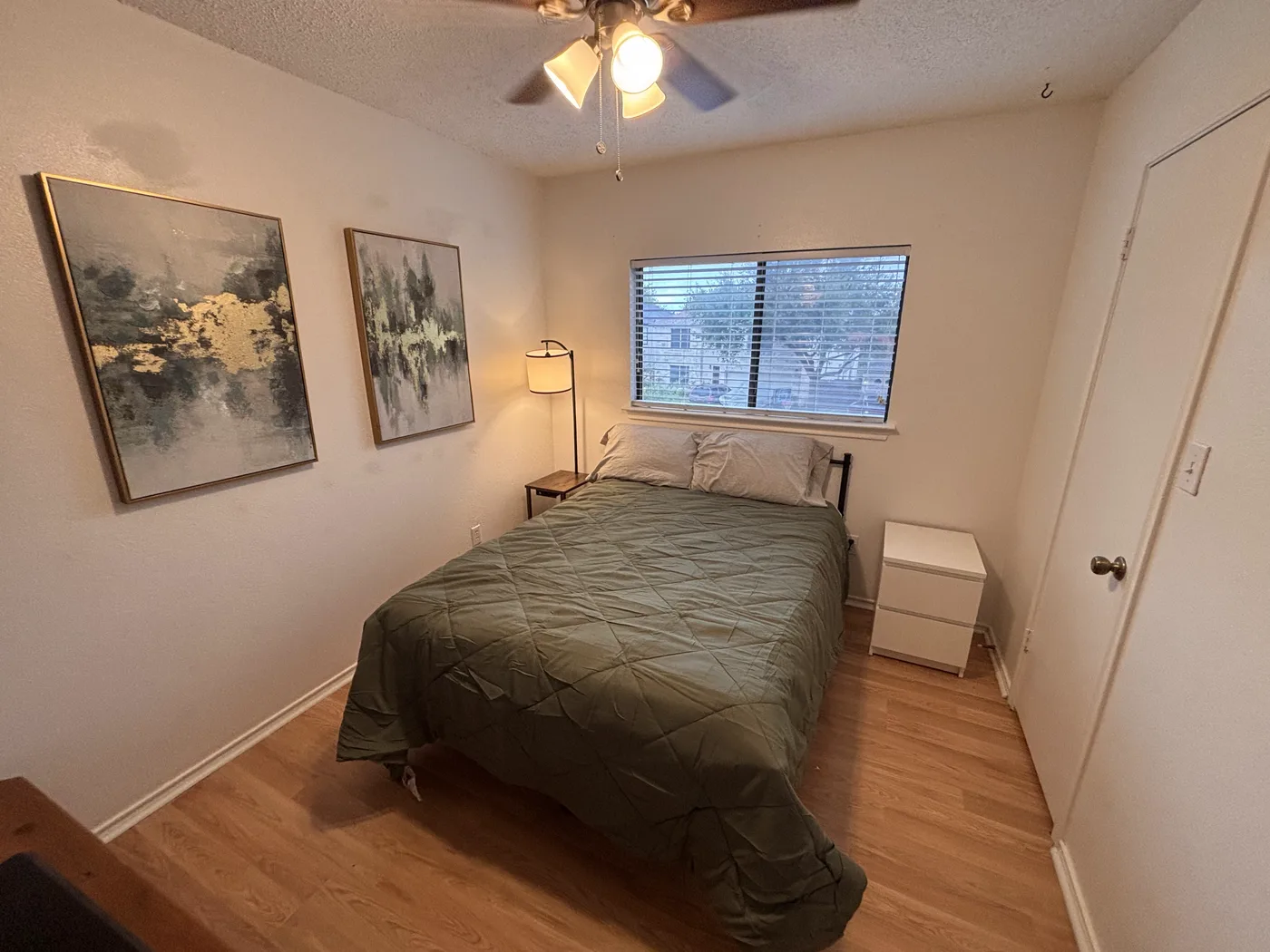
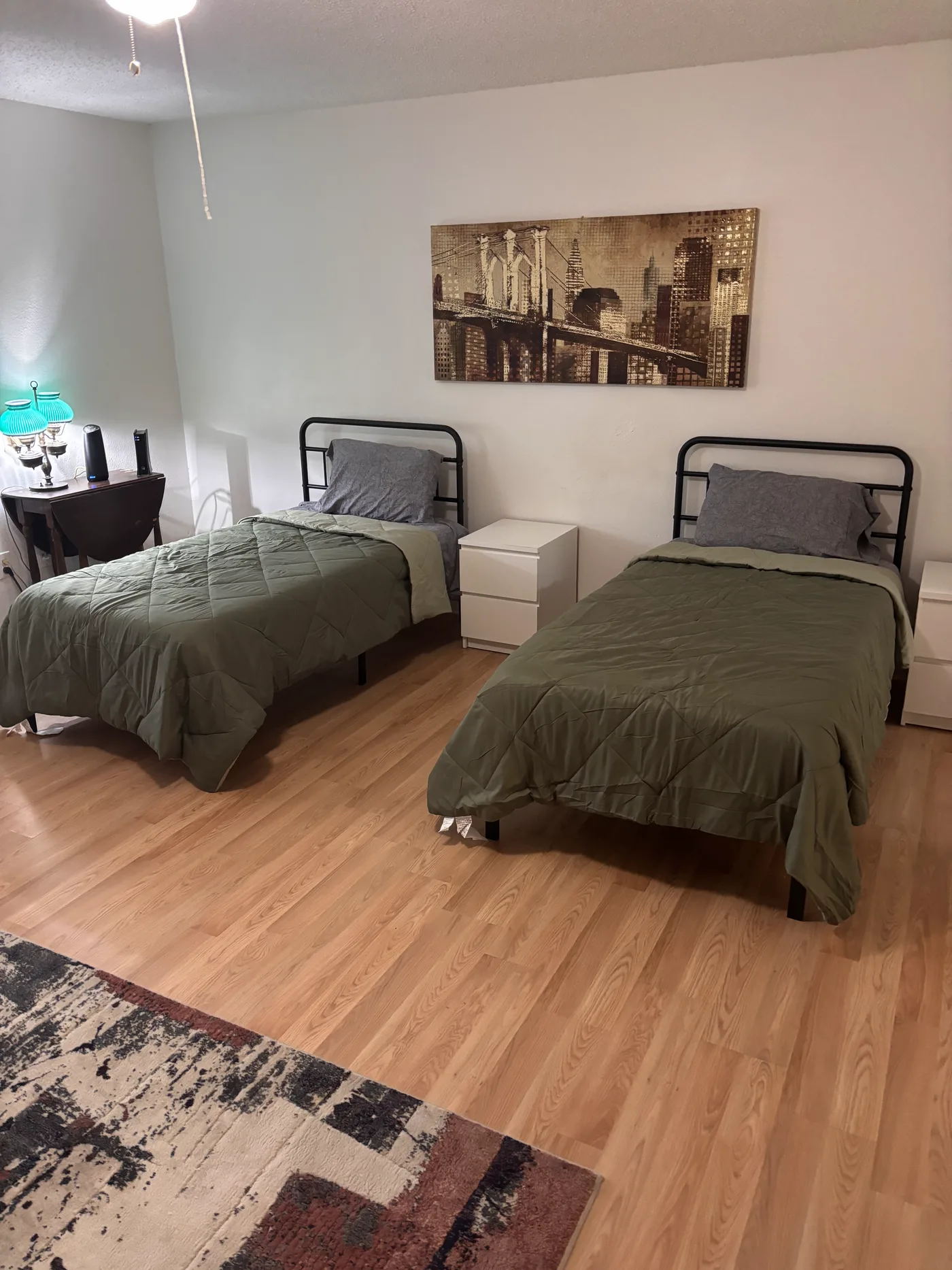
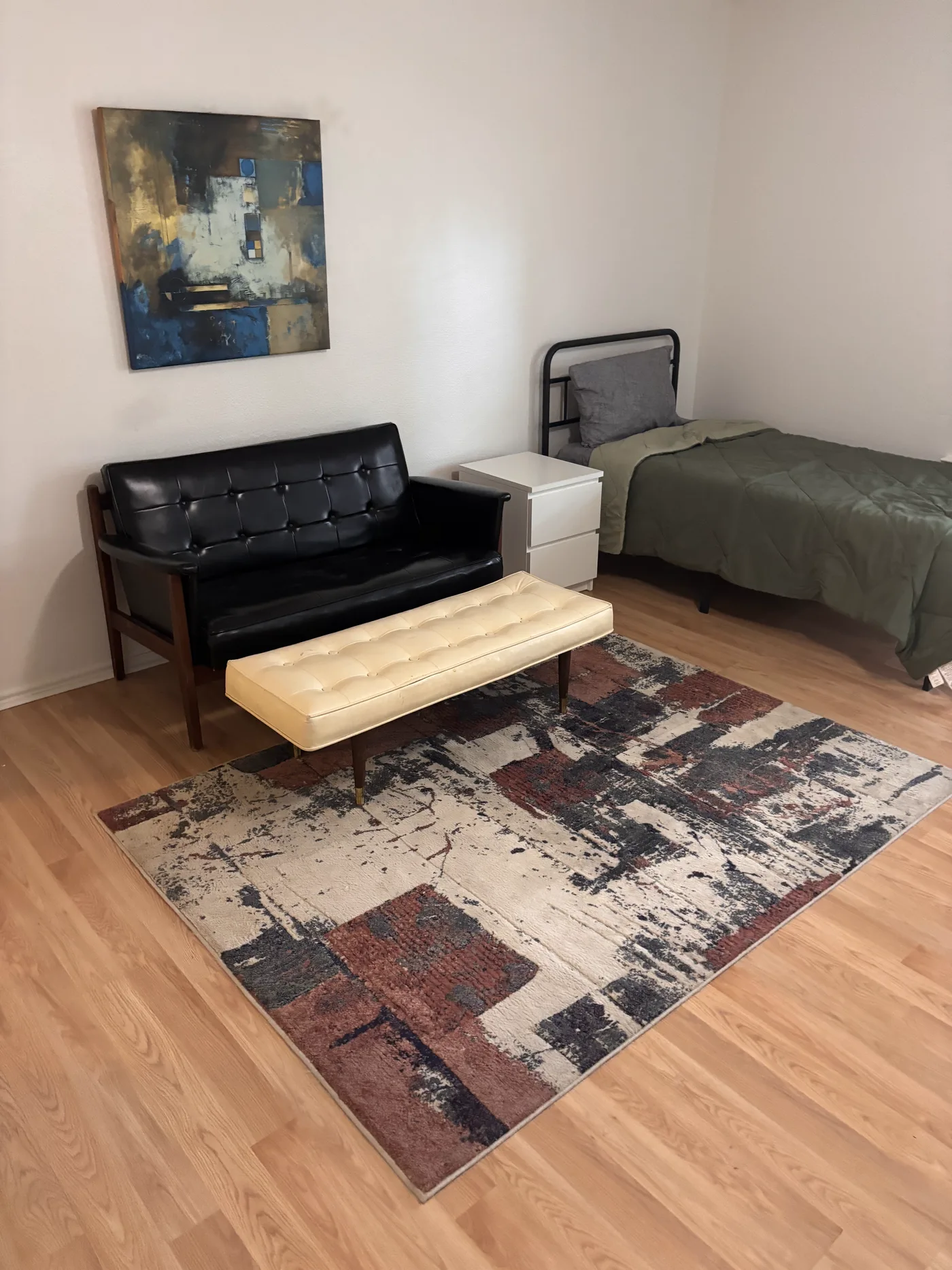
At Eudaimonia Recovery Homes in Austin, residents typically share bedrooms and common spaces, which means you’ll want to pack efficiently. Most sober living environments provide the major furniture, beds, dressers, kitchen appliances, but your personal belongings make the space feel like home while you build the foundation for long-term recovery.
Before you start packing, contact the specific sober living home to confirm their rules and what’s already provided. This prevents you from bringing prohibited items or duplicating what’s already there.
Essential Clothing and Personal Items for Sober Living
Austin’s climate ranges from hot summers to mild winters with occasional cold snaps, so pack accordingly. You’ll need enough clothes for about two weeks between laundry days, including:
- Casual everyday clothing (jeans, t-shirts, comfortable pants)
- Professional attire for job interviews or work
- Exercise clothes and comfortable shoes
- Sleepwear and undergarments
- Light jacket and a warmer coat for winter months
- Swimwear if the home has pool access
Remember that sober living homes often have guidelines about appropriate clothing, especially regarding drug or alcohol references on shirts. Leave those at home. Focus on building a wardrobe that supports your new identity in recovery.
Personal hygiene items are essential since these aren’t typically provided. Bring your toothbrush, toothpaste, soap, shampoo, deodorant, razor, and any other daily toiletries you use. If you have specific skin care or hair care needs, pack those products as well.
Medications, Documentation, and Health Essentials
Proper documentation is crucial when you move into a sober living home in Austin. Bring your government-issued ID, Social Security card, birth certificate, insurance cards (both health and auto if applicable), and any court documents or probation paperwork if relevant to your situation.
If you take prescribed medications, bring them in their original pharmacy bottles with clear labels. Many sober living homes, including those operated by Eudaimonia Recovery Homes, have medication policies that require documentation from your prescribing physician. Some homes use medication lockboxes or check-in systems to ensure everyone’s safety and accountability.
Contact the home before move-in to understand their medication policy. Never bring someone else’s medication or any controlled substances without proper documentation. Transparency about your medications protects both you and the recovery community.
Bedding, Linens, and Room Essentials
Most sober living homes provide the bed frame and mattress, but you’ll need to bring your own bedding. Pack sheets that fit a twin or full-size bed (confirm the size beforehand), pillows, pillowcases, a comforter or blanket, and at least two sets of towels and washcloths.
Having a second set of sheets and towels means you can rotate them during laundry day. Austin’s heat can make fresh bedding especially important for comfortable sleep, which is critical during early recovery when your body is healing.
Consider bringing a small bedside lamp if overhead lighting is harsh, an alarm clock (preferably not your phone to avoid late-night distractions), and perhaps a fan for Texas summer nights. Keep it simple, you’re sharing space and want to be respectful of roommates.
Items That Support Your Recovery Journey
What you bring to sober living in Austin should reinforce your commitment to staying sober after treatment. Recovery-focused items might include:
- A journal or notebook for daily reflection and gratitude lists
- Recovery literature (Big Book, Daily Reflections, meditation books)
- A calendar or planner to track meetings, appointments, and house responsibilities
- Inspirational quotes, photos of supportive family members, or affirmation cards
- Headphones for listening to recovery podcasts or meditation apps
- Exercise equipment like resistance bands or a yoga mat
These items help you build structure and maintain the recovery tools you learned in treatment. At Eudaimonia Recovery Homes, residents often find that having visible reminders of their goals helps during challenging moments.
If you’re coming directly from inpatient treatment, you might already have some of these items. If you’re transitioning from home, this is an opportunity to intentionally select what supports your new sober lifestyle.
Electronics and Technology Guidelines
Most sober living homes allow smartphones, laptops, and tablets since these are necessary for work, online meetings, and staying connected with supportive family and friends. However, there are usually guidelines around their use.
Bring your phone charger, laptop if you need it for work or online job searching, and headphones to respect shared spaces. Some homes have restrictions on gaming systems or limit screen time in common areas. Check before packing your gaming console or extensive electronics.
Many residents use their phones for recovery apps, meeting finders, and connecting with sponsors. Just be mindful that technology can sometimes become an escape or distraction from doing the difficult work of recovery. Balance is key.
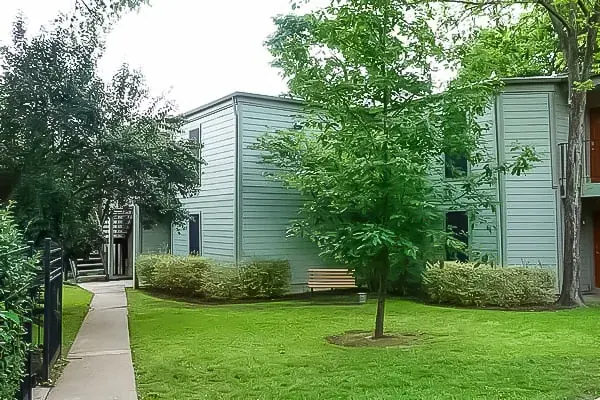
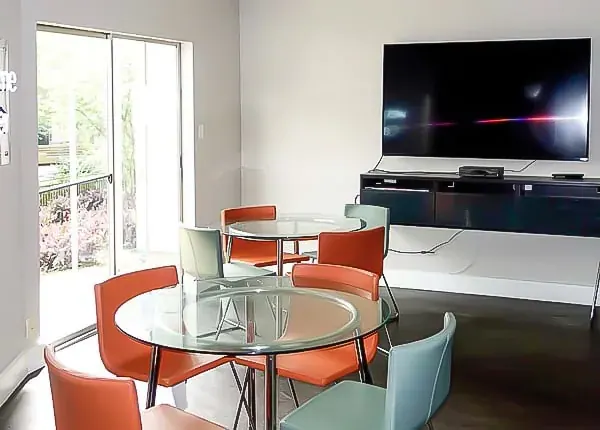
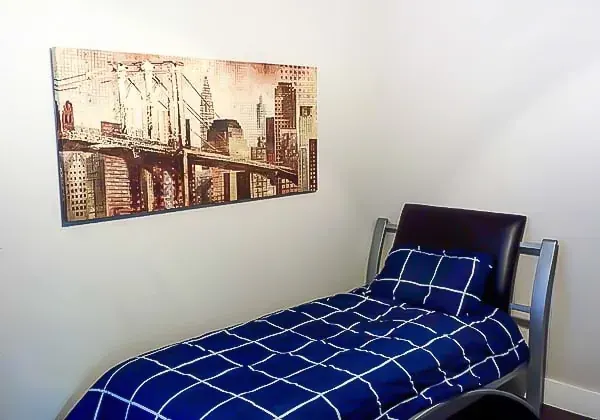
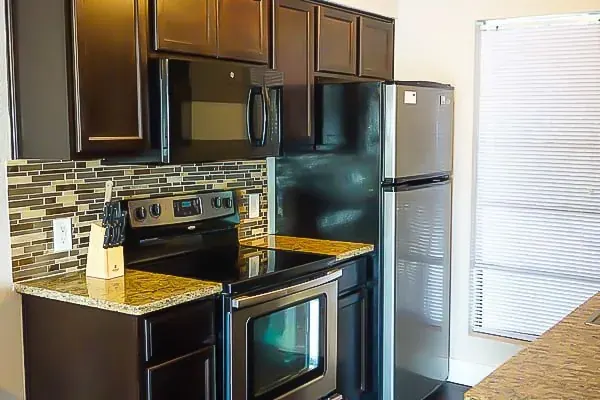
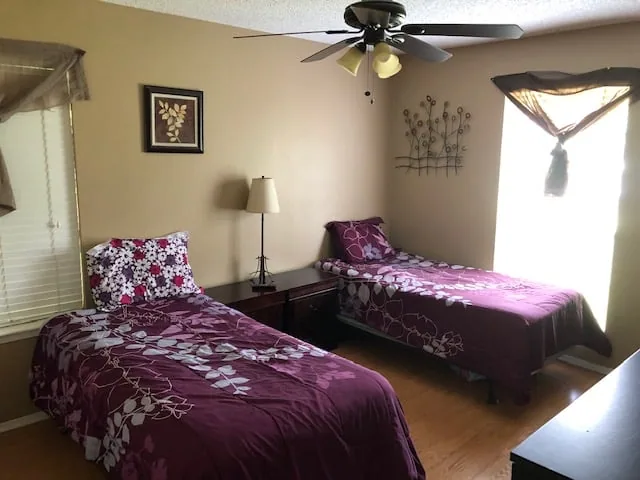
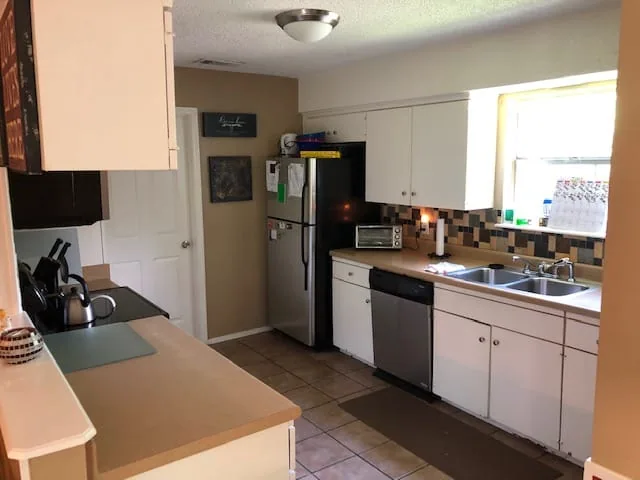
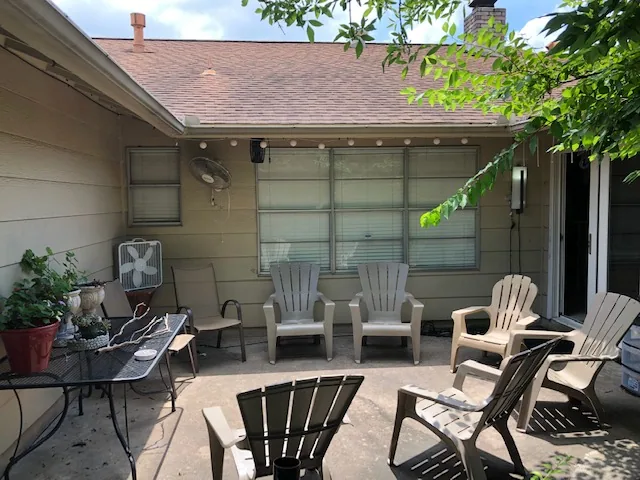
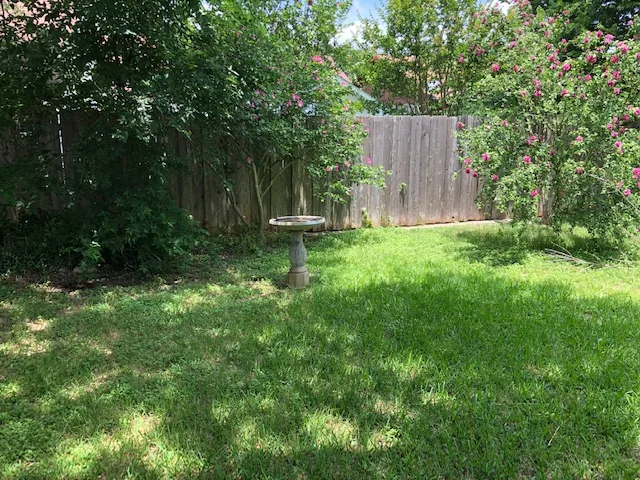
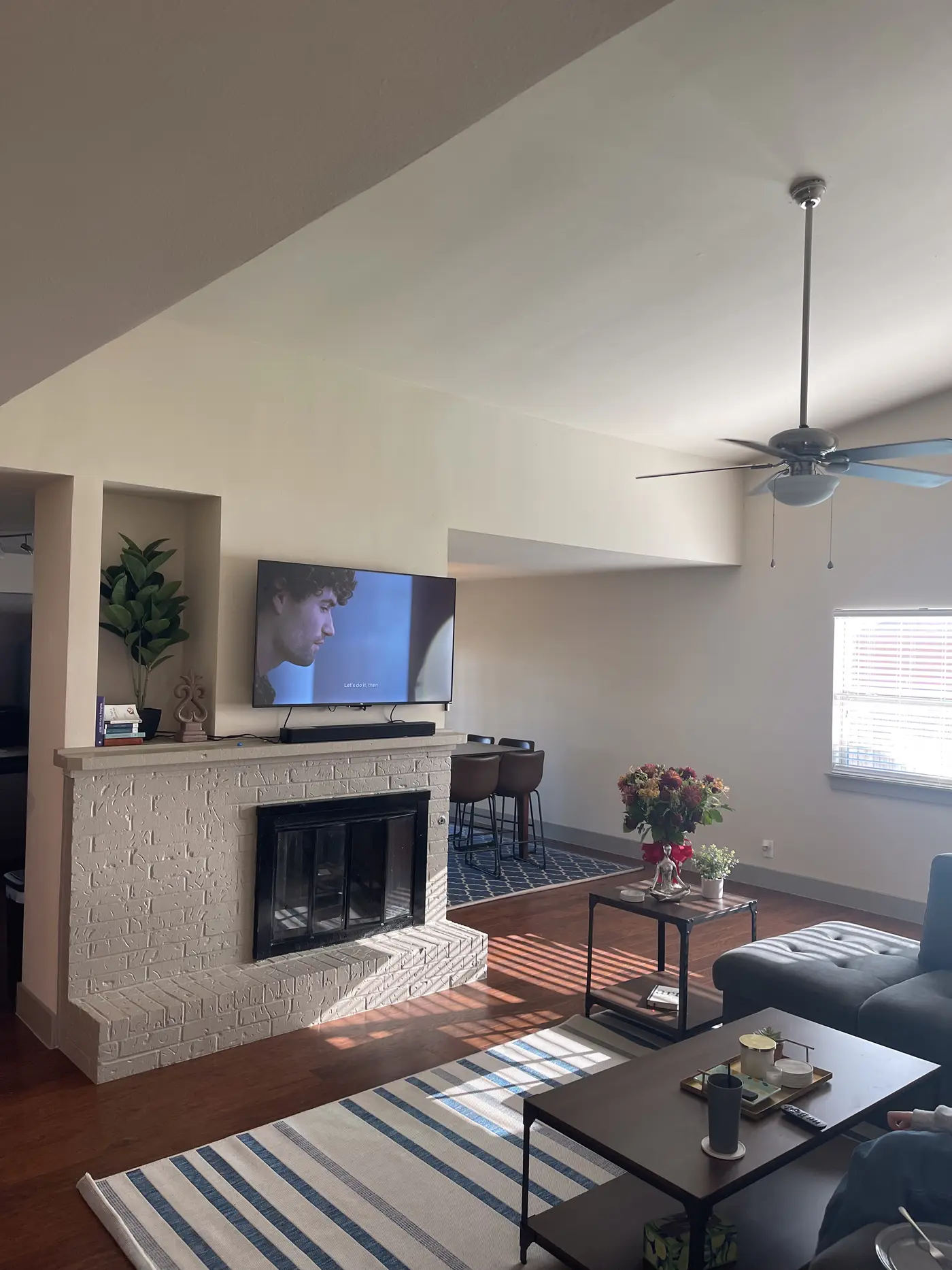
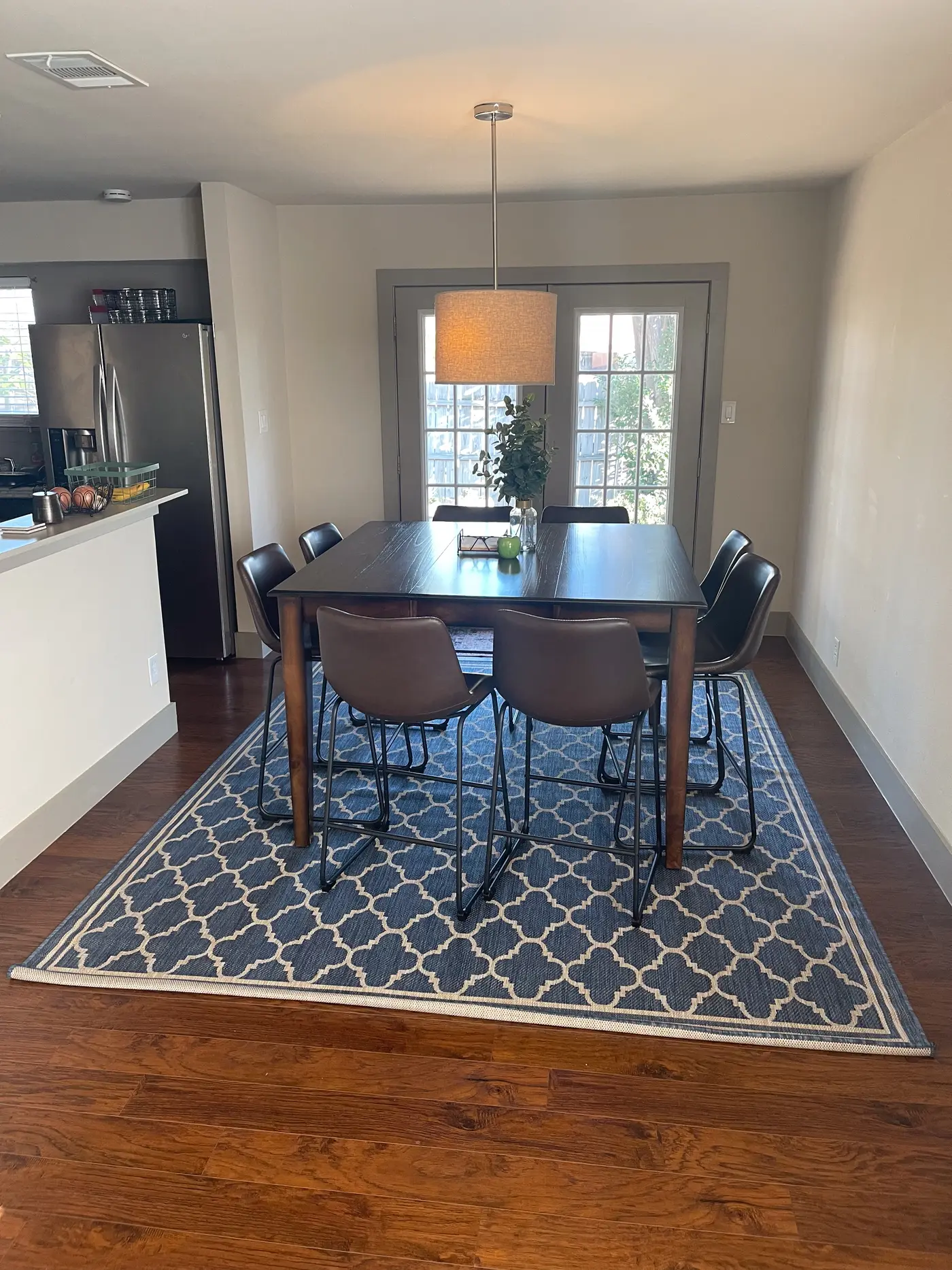
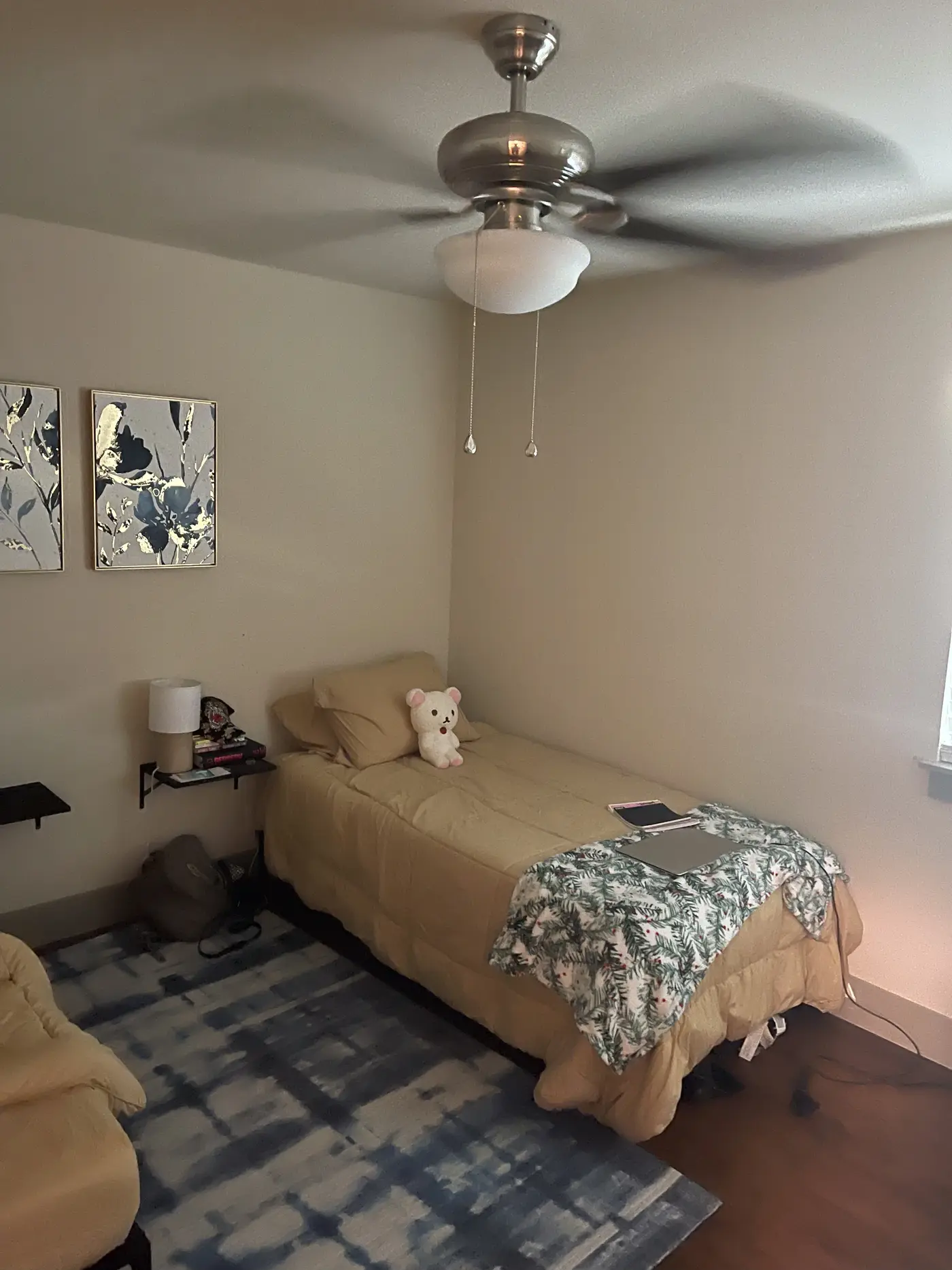
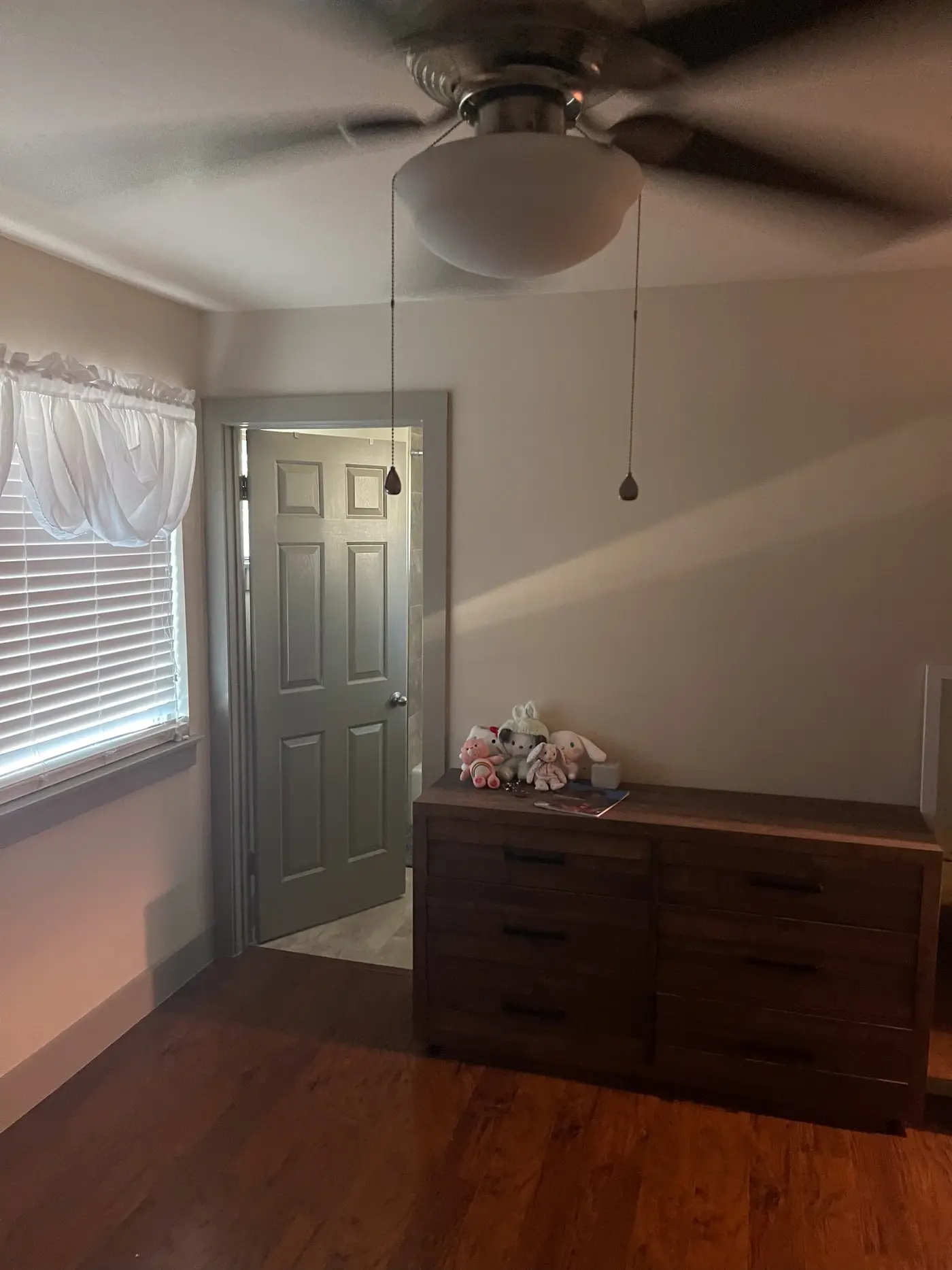
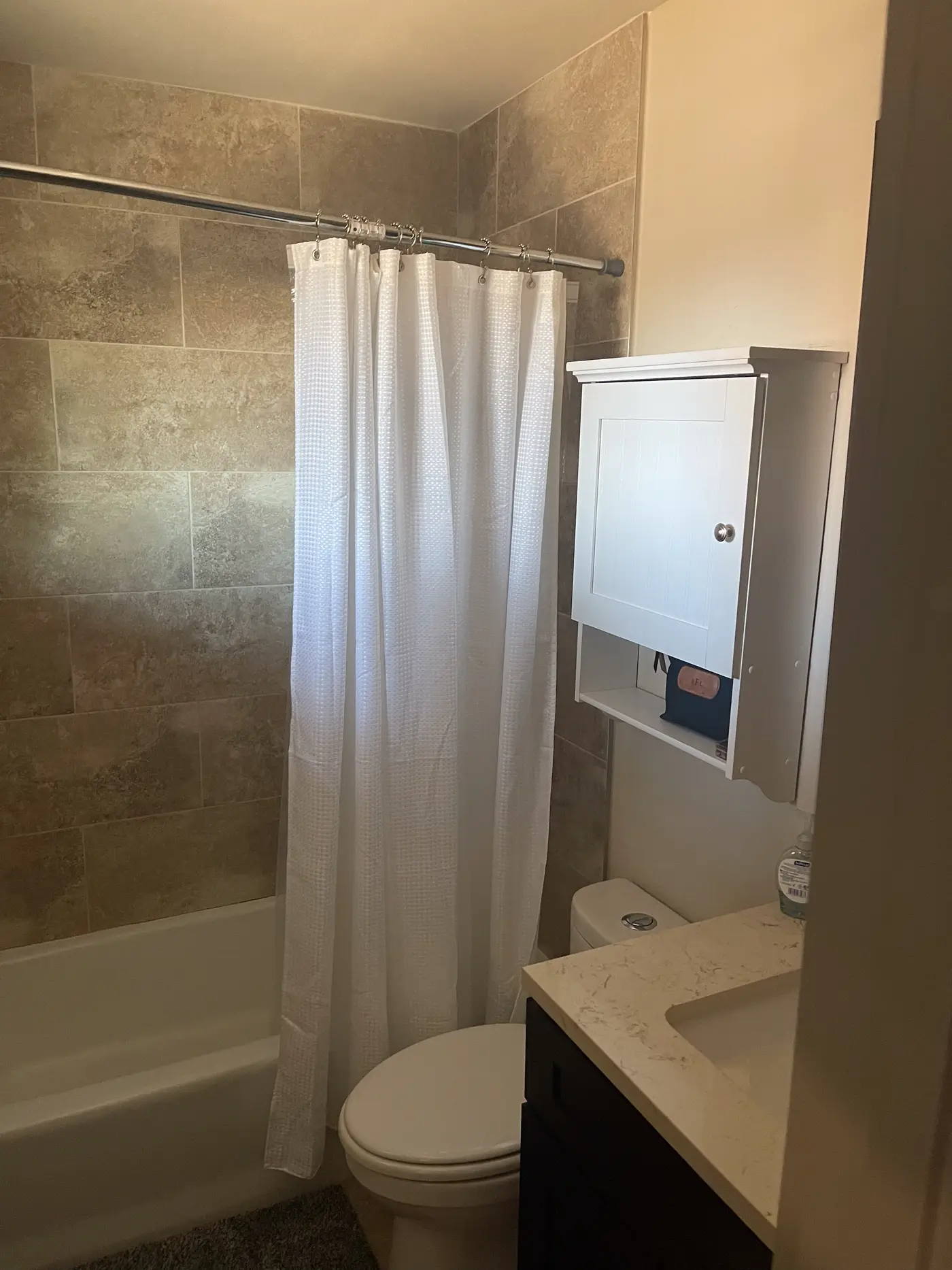
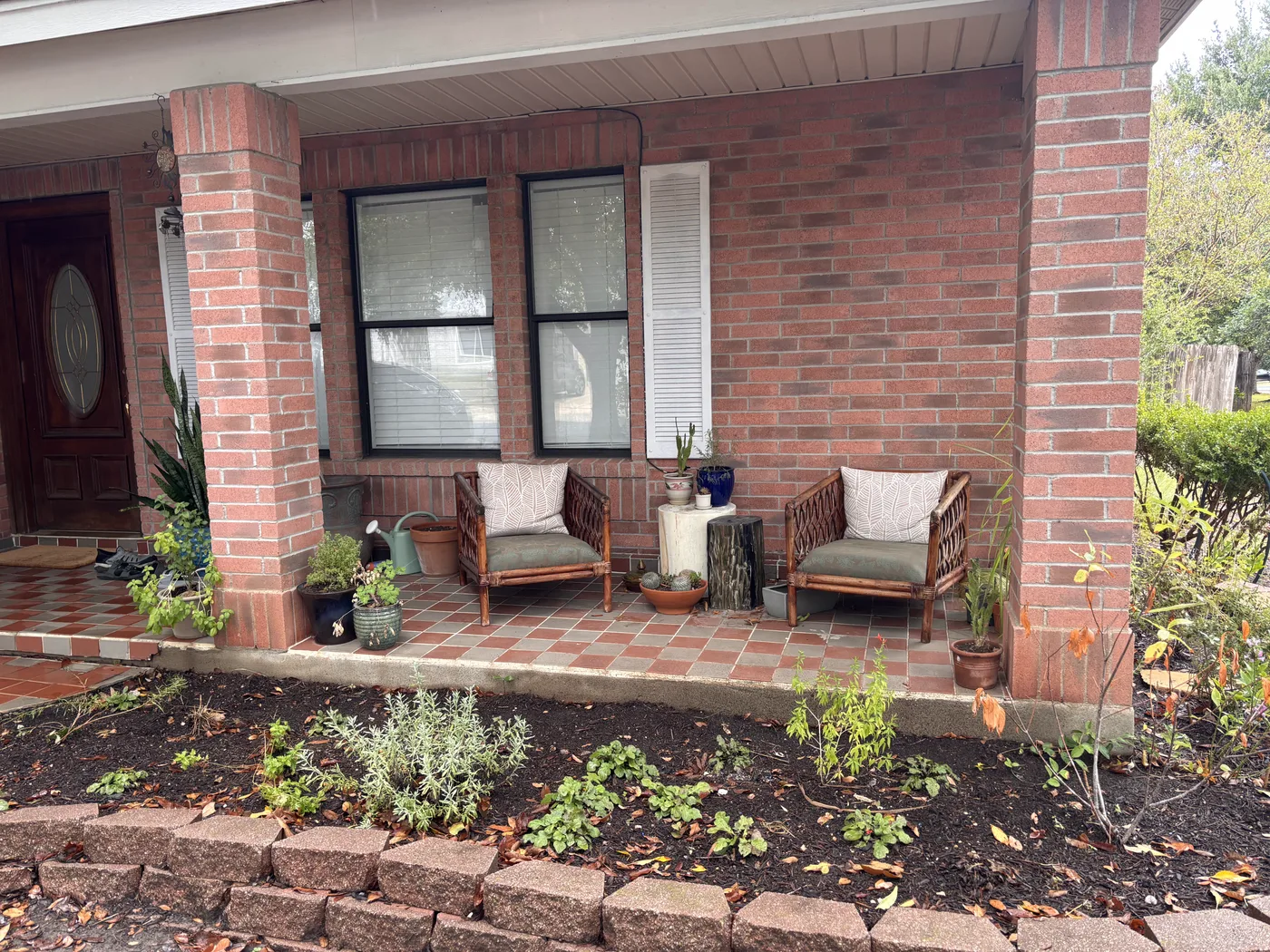
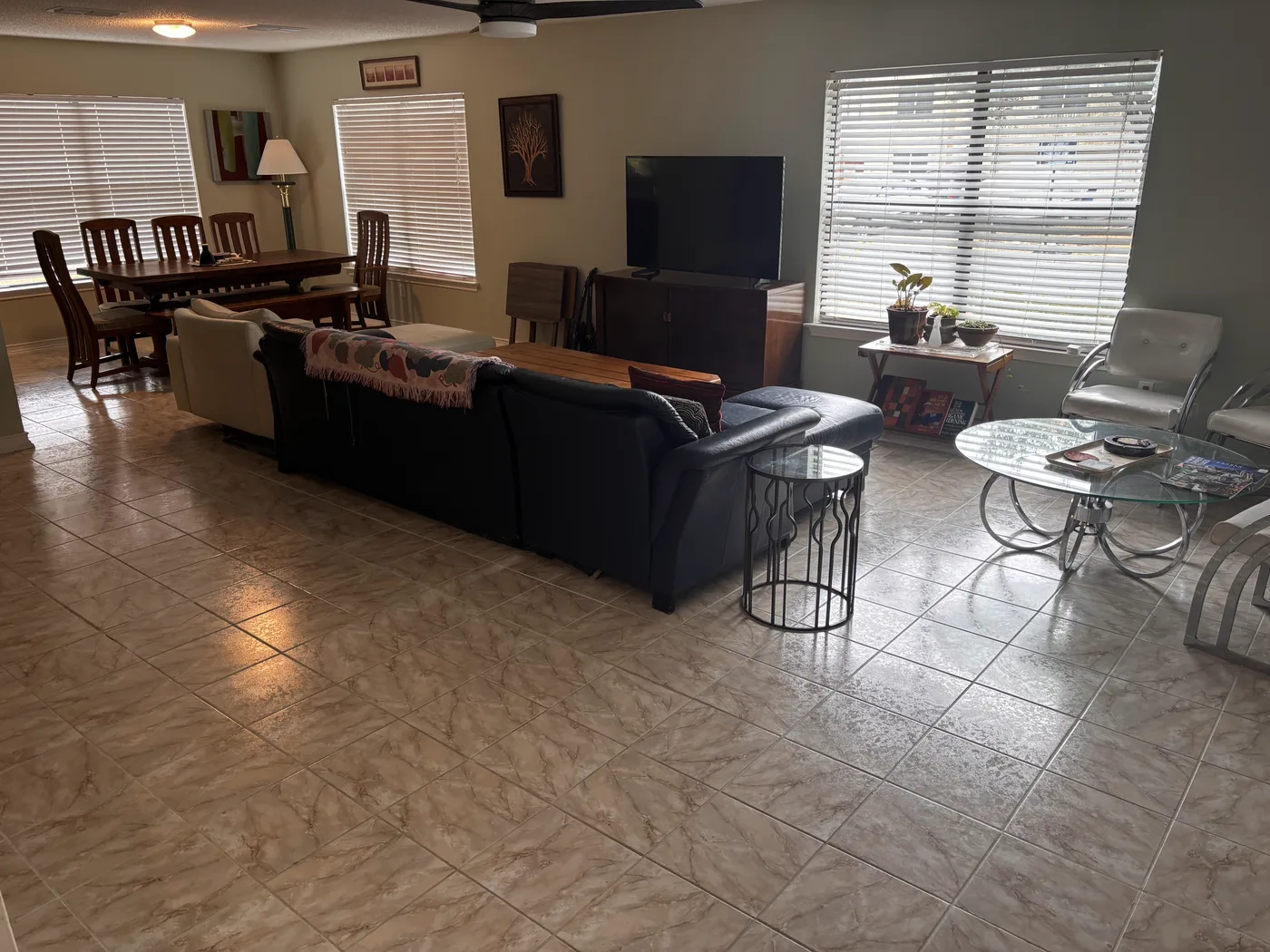
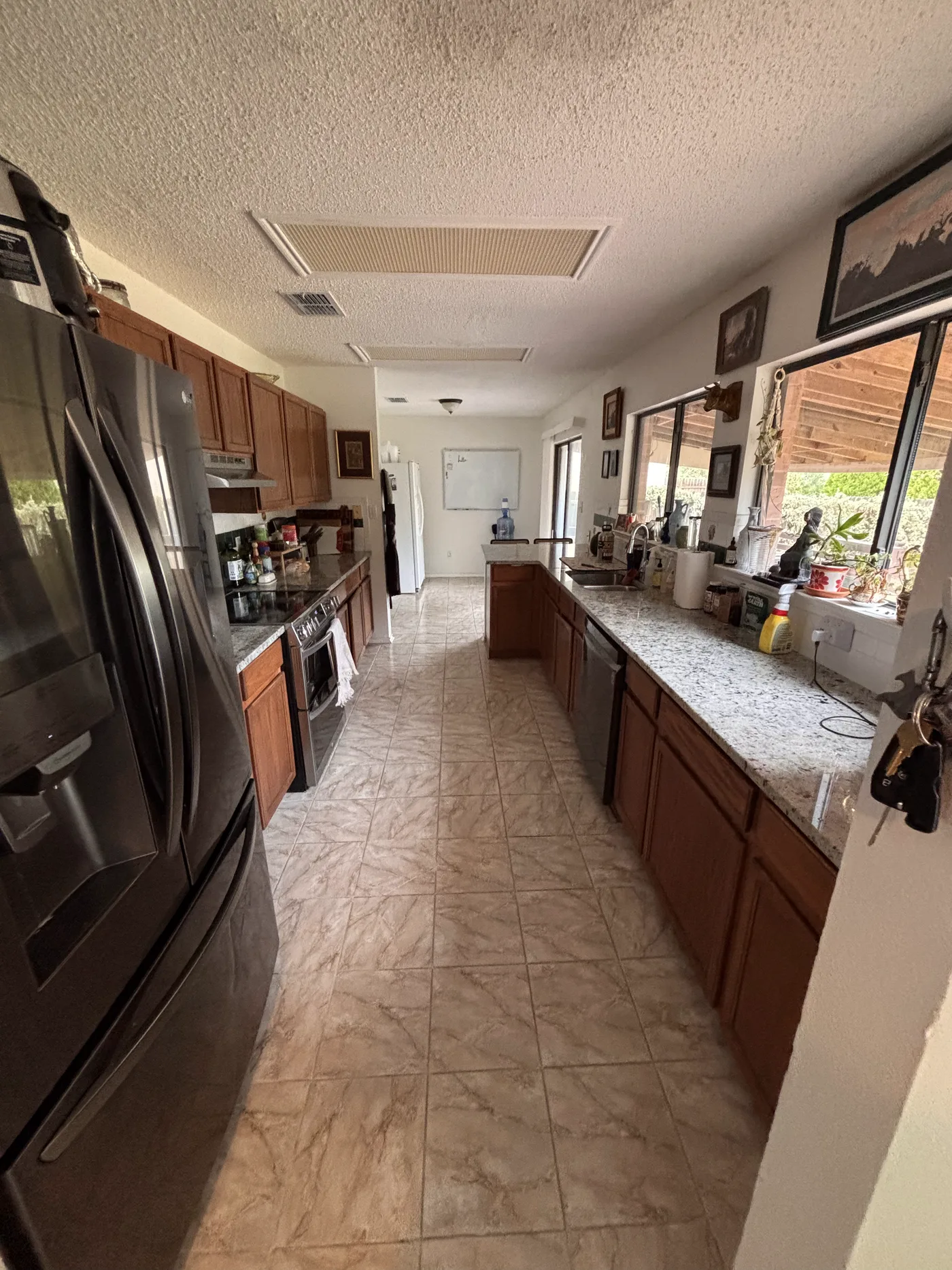
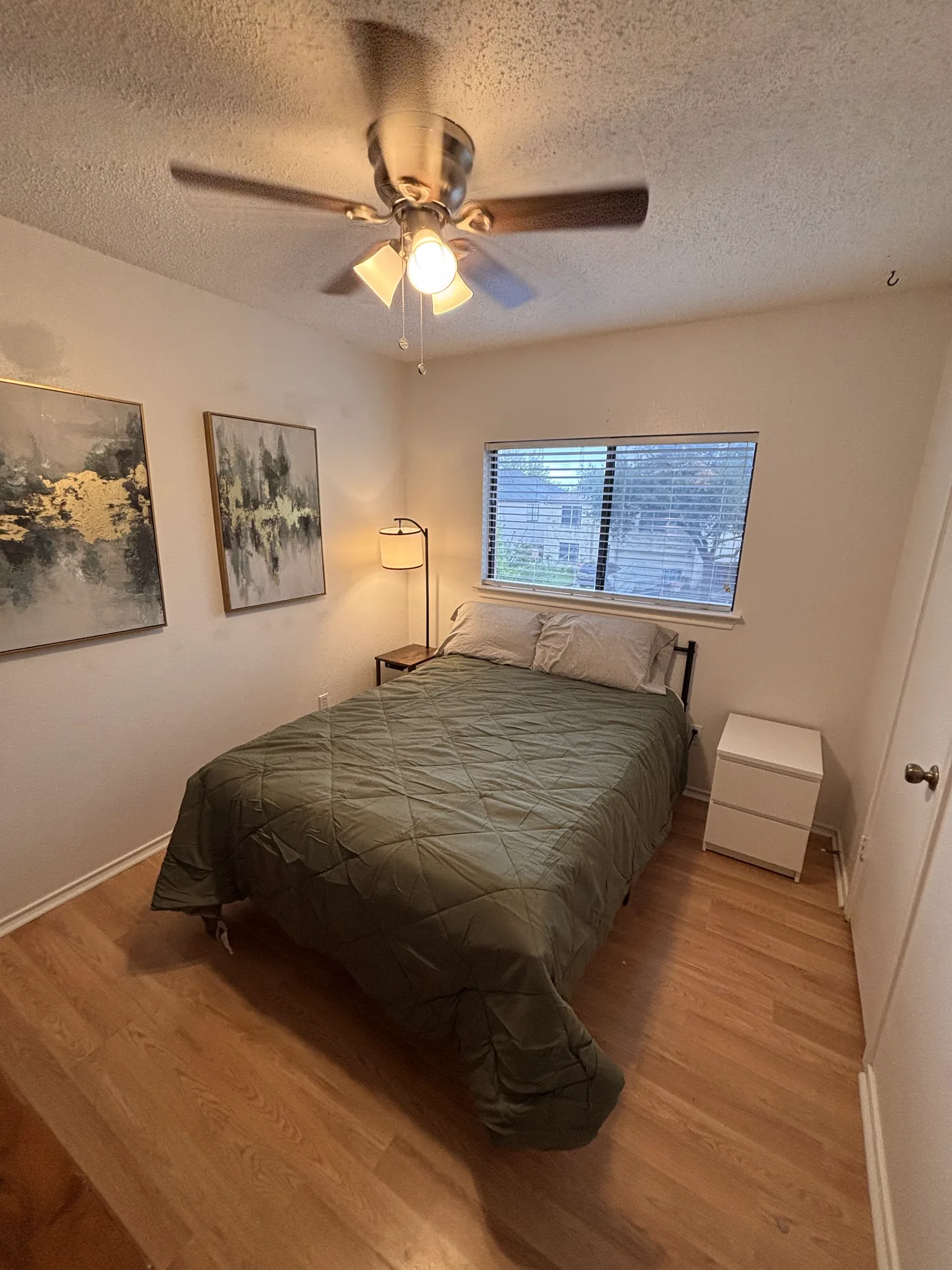
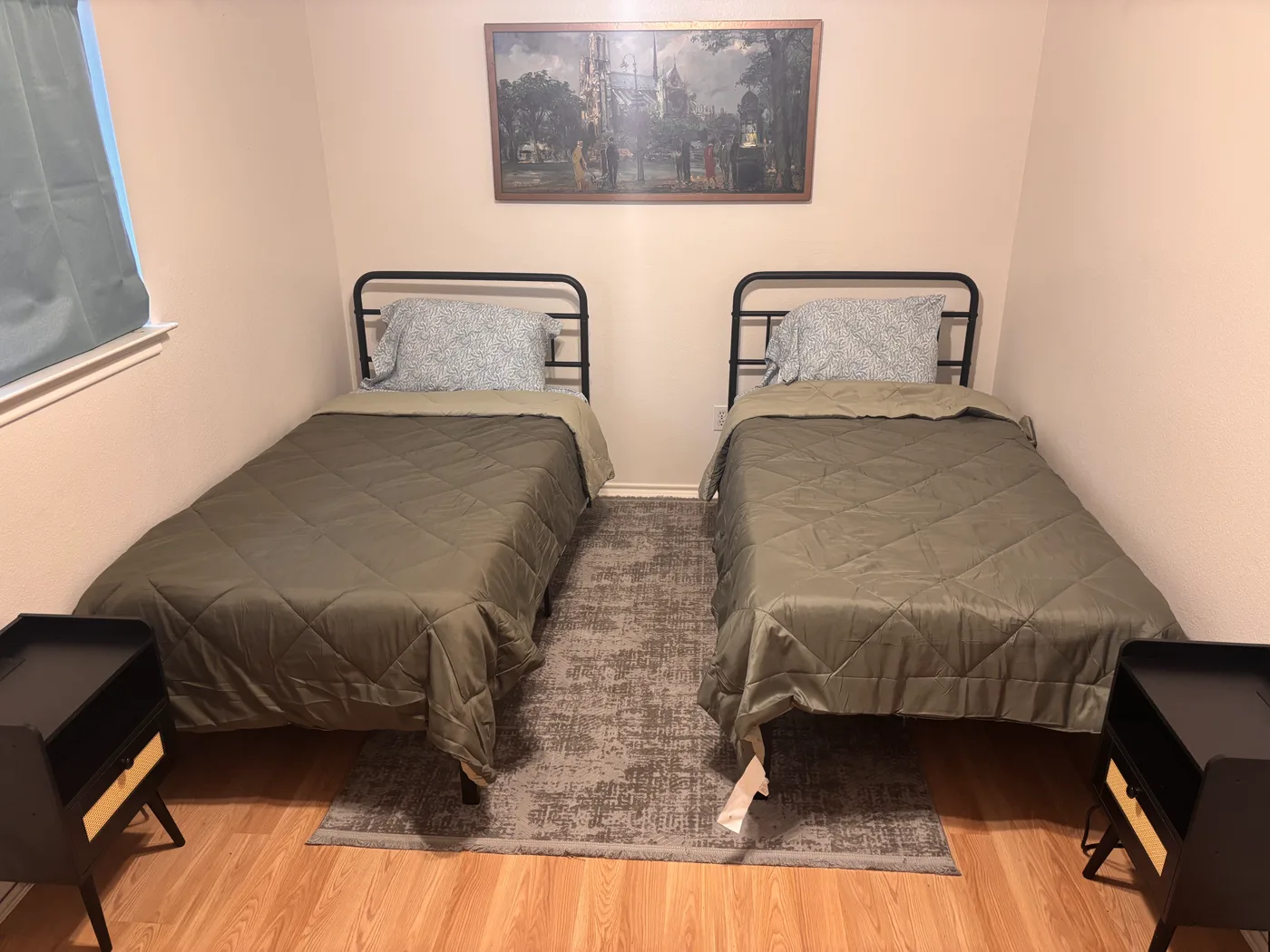
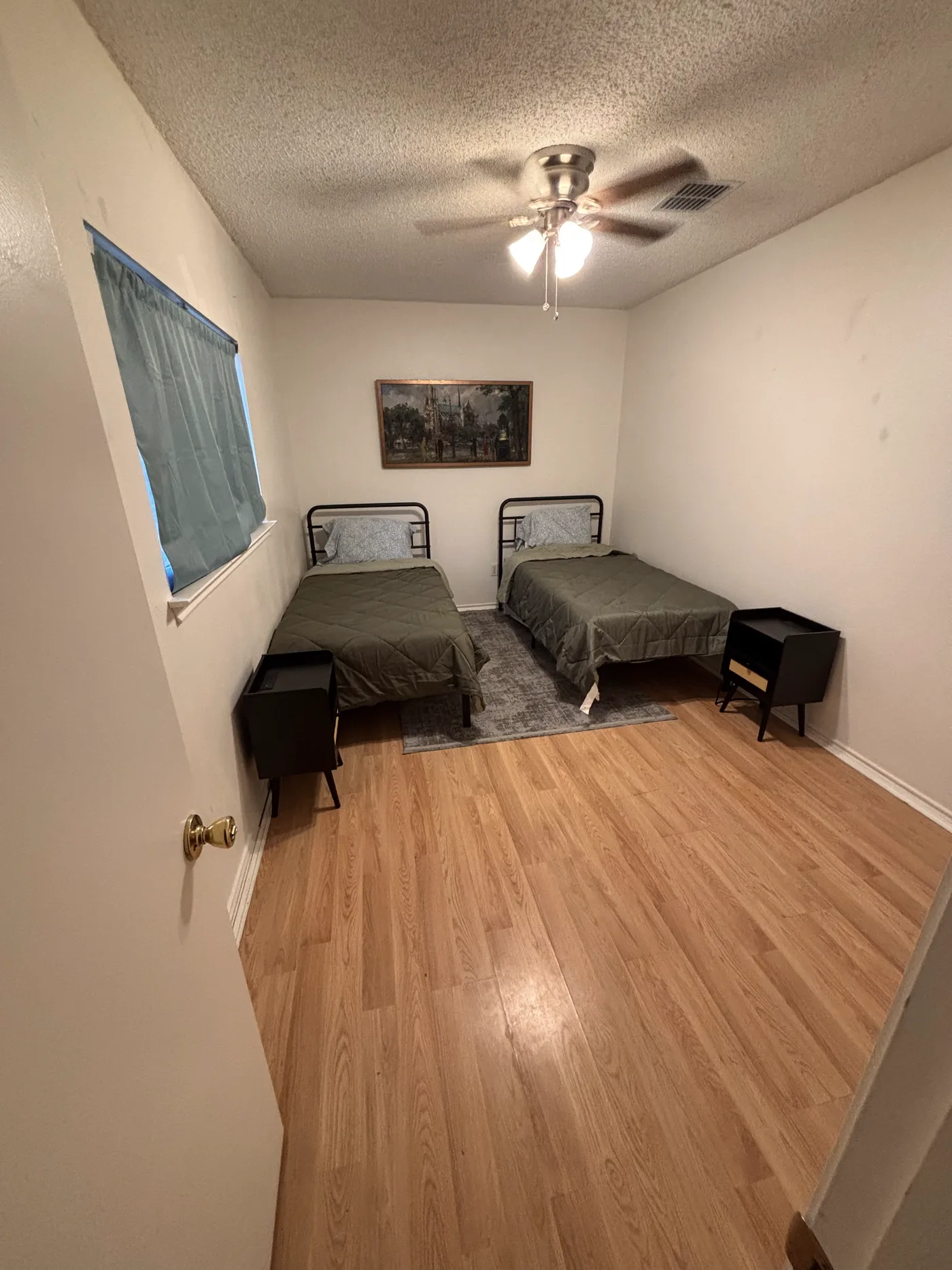
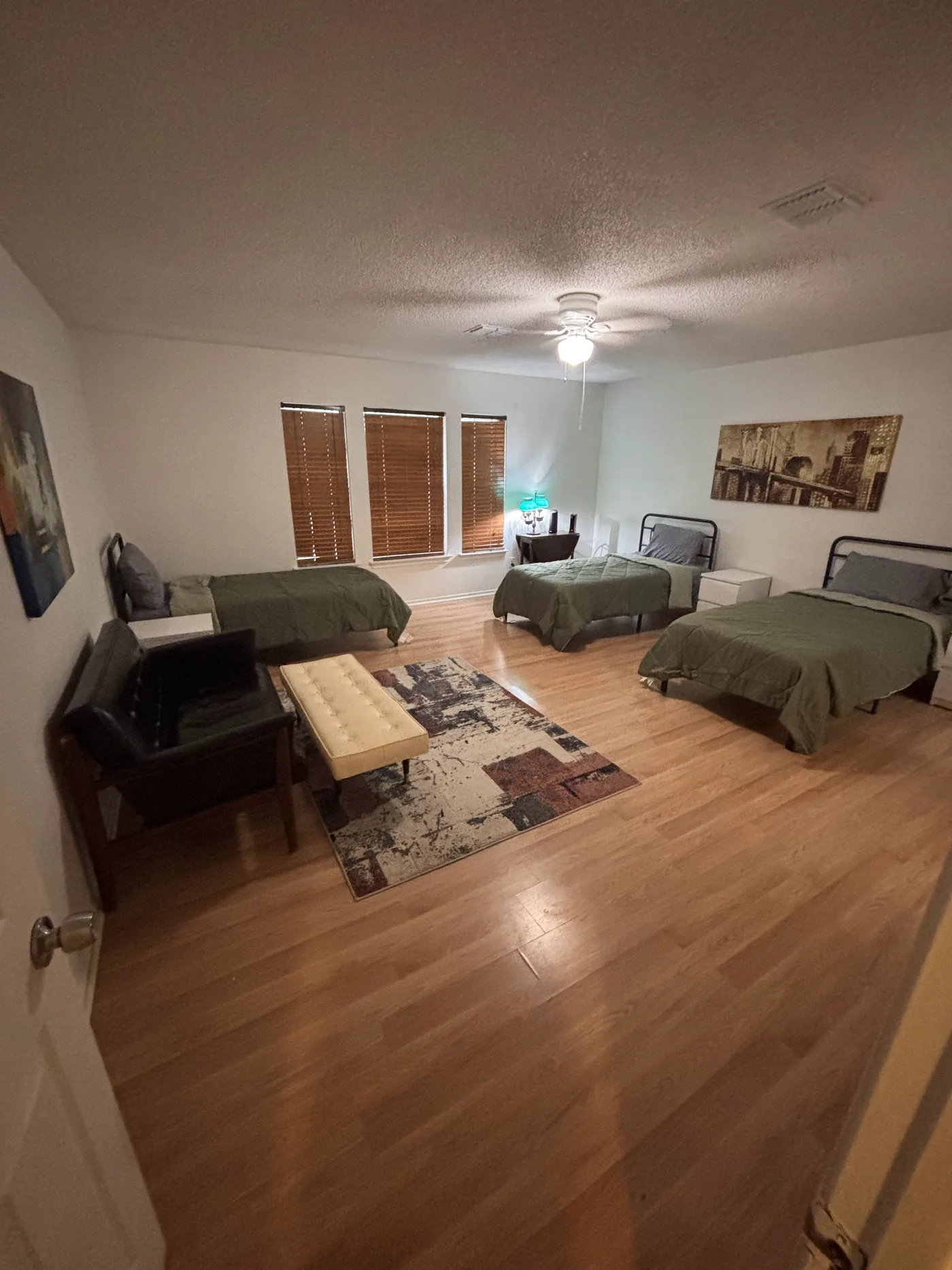
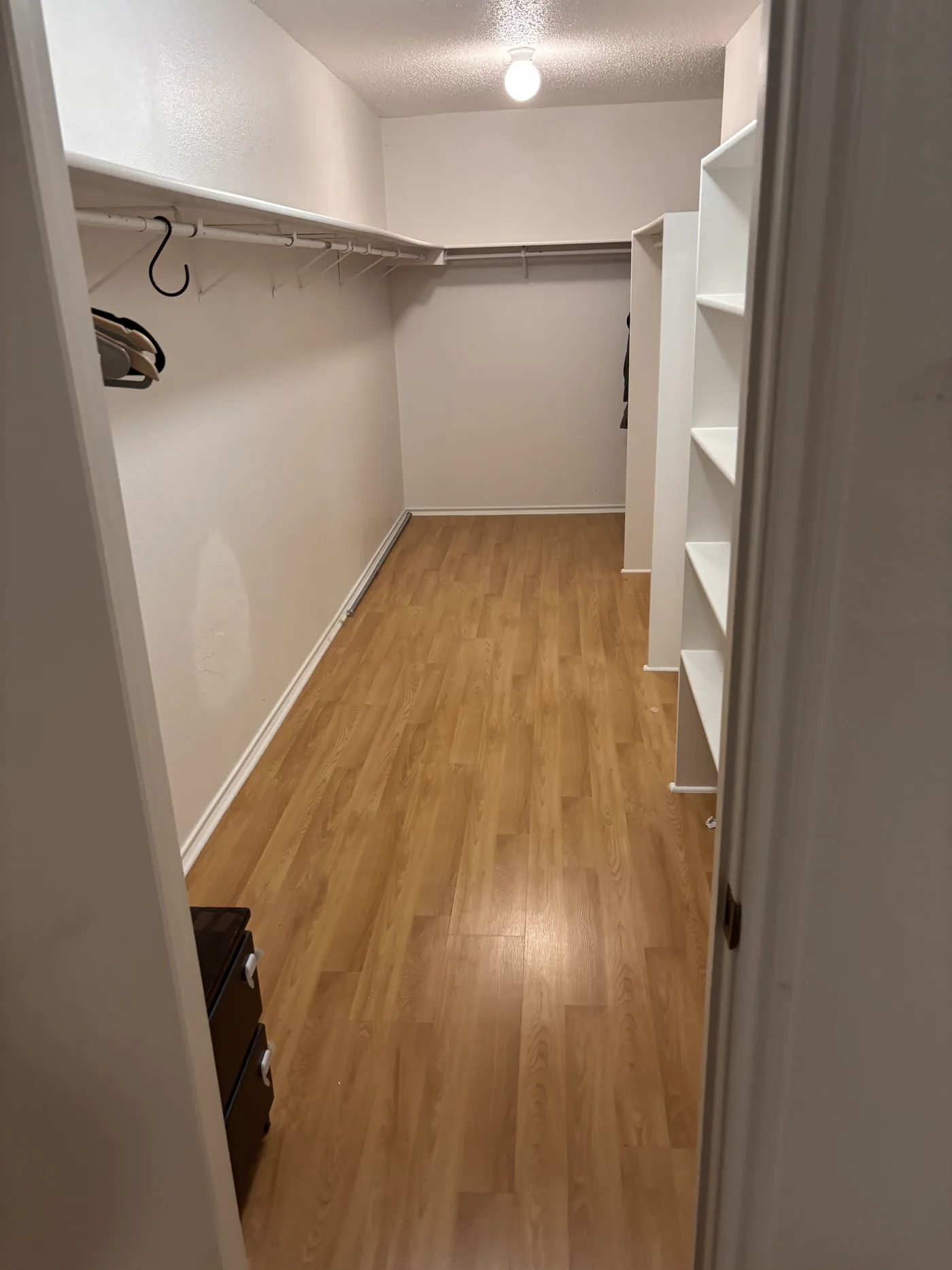
Inside the Austin homes







What NOT to Bring to Sober Living
Understanding what to leave behind is just as important as knowing what to bring when moving into a sober living home in Austin. Prohibited items typically include:
- Alcohol, drugs, or drug paraphernalia of any kind
- Weapons including firearms, knives beyond basic kitchen use, or anything that could be considered dangerous
- Mouthwash, cough syrup, or other products containing alcohol (even in small amounts)
- Vanilla extract or other cooking ingredients with alcohol content
- Pornographic materials
- Vaping devices or e-cigarettes if the home is tobacco-free
- Incense, candles, or anything with an open flame
Some homes have additional restrictions, so always verify the specific house rules. Bringing prohibited items can result in immediate discharge, jeopardizing your recovery and your housing stability.
If you’re unsure about something, ask before you pack it. The staff at sober living homes would rather answer questions upfront than deal with conflicts after move-in.
Financial Essentials and Personal Records
Bring your checkbook or banking information, any credit or debit cards you’ll need, and a small amount of cash for immediate expenses. You’ll be paying rent, possibly utilities, and covering personal expenses, so having access to your funds is important.
Keep important personal records organized in a folder or binder. This might include employment records, resumes, educational transcripts, medical records, or legal documents. Having these readily available helps when you’re applying for jobs, enrolling in school, or attending appointments, all common activities while living in recovery housing.
Consider bringing a small lockbox for securing valuables, important documents, and any cash you keep on hand. While sober living communities are built on trust and accountability, it’s wise to protect your personal items.
Making Your Space Feel Like Home in Recovery Housing
Personalizing your space within the guidelines helps you settle into sober living in north Austin or south Austin locations. Bring a few meaningful photos (nothing that glorifies past substance use or partying), perhaps a small plant if allowed, or artwork that inspires you.
Keep decorations minimal and appropriate for shared housing. Your roommates will appreciate restraint, and an uncluttered space often supports a clearer mind during recovery. The focus at Eudaimonia Recovery Homes is on building community and structure, not on creating an elaborate personal space.
Some residents bring small comfort items: a favorite blanket, a stuffed animal, or a special mug for morning coffee. These simple touches can provide emotional grounding during the adjustment period.
Preparing for Daily Life and Community Responsibilities
Sober living homes operate on structure and shared responsibility. Bring cleaning supplies if you have preferred products, though many homes provide basics. A laundry basket, detergent, and dryer sheets are essential since you’ll be doing your own laundry.
If you have dietary restrictions or preferences, you might bring some of your own groceries, though many sober living arrangements include shared meals. Check the kitchen policy before stocking a mini-fridge in your room.
Consider bringing items that help you contribute to the community, maybe you make great coffee and want to bring a French press, or you enjoy cooking and have a favorite recipe book. Shared activities strengthen the bonds that support everyone’s recovery.
Transportation and Getting Around Austin
If you have a vehicle, bring your car keys, registration, and proof of insurance. Many sober living homes require valid auto insurance if you’ll be parking on the property. Austin’s public transportation system serves many areas, so bring a reloadable transit card if you’ll be using Capital Metro buses.
A bicycle can be valuable for getting around Austin’s bike-friendly neighborhoods. If you bring one, also bring a good lock. Some residents use rideshare apps or coordinate rides with housemates to 12-step meetings and appointments.
Final Thoughts on Moving Into Sober Living in Austin
Packing for sober living in Austin is about more than just filling a suitcase. It’s an opportunity to thoughtfully choose what supports your recovery and leave behind what doesn’t serve your new life. Whether you’re moving into Eudaimonia Recovery Homes in Austin or considering sober living homes in San Antonio or Houston, the essentials remain similar: bring what you need for daily life, what supports your recovery, and what helps you participate fully in a structured community.
The transition into recovery housing can feel overwhelming, but remember that you don’t need to have everything perfect from day one. You can always add items later or adjust as you settle in and understand what you actually use versus what just takes up space.
If you’re preparing to move into a sober living home and have questions about what to bring or how to prepare for this next step in your recovery, reach out to Eudaimonia Recovery Homes today.
Ready to take the next step?
Eudaimonia Recovery Homes provides structured sober living and recovery support in Austin, TX. Call (512) 240-6612 to speak with our team today.


