

Published February 7, 2025 · Updated July 27, 2026
On This Page · 18 Sections

Sober Living
Austin
10506 Parkfield Dr, Austin, TX 78758
Recovery from substance use is not just about quitting drugs or alcohol, it’s about rebuilding a fulfilling and meaningful life. One of the most crucial elements of long-term sobriety is connection. Support from peers, loved ones, and the recovery community can make all the difference in maintaining a substance-free lifestyle. That’s why at Eudaimonia Recovery Homes, we emphasize the importance of sober living as a foundation for fostering healthy relationships and sustained recovery.
For individuals in Austin, Texas, struggling with addiction, sober living in Austin provides a structured, supportive environment that encourages accountability and connection. With a strong recovery network, individuals can overcome isolation, develop positive coping mechanisms, and create a lasting support system.
Why Connection Matters in Recovery
Addiction often leads to isolation. Many individuals withdraw from loved ones, avoid social settings, and lose trust in relationships. However, recovery thrives on support. Studies show that those who build strong social networks are more likely to maintain long-term sobriety. Here’s why connection is essential in the recovery process:
- Reduces Feelings of Loneliness – Isolation can be a relapse trigger. Engaging with a supportive community fosters a sense of belonging.
- Encourages Accountability, Being part of a recovery network helps individuals stay committed to their sobriety goals.
- Provides Emotional Support, Facing challenges in recovery is easier when surrounded by people who understand and encourage progress.
- Promotes Healthy Coping Strategies, Learning from others in recovery helps individuals develop better coping mechanisms and problem-solving skills.
How Sober Living Strengthens Connections
Sober living homes offer an ideal setting for individuals in early recovery to build and maintain positive relationships. At Eudaimonia Recovery Homes, we provide a structured environment where residents can connect with peers, mentors, and professionals who support their journey. Here’s how our sober living program fosters connection:
- Community LivingSharing a home with like-minded individuals in recovery creates a built-in support system. Residents encourage each other to stay on track.
- Guidance and MentorshipStructured sober living provides access to mentors and professionals who offer guidance and accountability.
- Routine and ResponsibilityA stable environment helps individuals develop structure and responsibility, essential for long-term recovery.
- Access to Recovery MeetingsAttending 12-step meetings, therapy sessions, and group counseling fosters deeper connections and continued learning.
Overcoming Isolation and Rebuilding Trust
Rebuilding relationships after addiction takes time, but it is possible with the right support. Sober living helps individuals reconnect with family, make amends, and develop healthier communication skills. It also provides opportunities to:
- Learn Conflict Resolution Skills, Understanding how to resolve conflicts in a healthy way strengthens personal relationships.
- Develop Emotional Resilience, Support groups and peer interactions help individuals manage emotions effectively.
- Establish New Friendships, Connecting with others in recovery creates a network of like-minded individuals who understand the journey.
Sober Living in Austin: A Foundation for Lasting Recovery
Choosing sober living in Austin is a step toward lasting sobriety. Eudaimonia Recovery Homes offers a safe, structured, and supportive environment that fosters personal growth and accountability. With our full continuum of care, we guide individuals through every stage of recovery, from detox to independent sober living.
At Eudaimonia Recovery Homes, we provide:
- A structured living environment that promotes long-term recovery.
- A supportive community of individuals committed to sobriety.
- Resources for relapse prevention and personal growth.
- Continued access to outpatient programs and peer support.
Take the Next Step Toward Sobriety
Recovery is possible with the right support system in place. If you or a loved one is struggling with addiction, consider sober living in Austin as a vital step toward rebuilding relationships and maintaining long-term sobriety.
Get Help Today. See Availability Today. Confidential Availability Check.
Contact Eudaimonia Recovery Homes today to take the next step toward a healthier, sober life.
Eudaimonia Can Help Keep You on the Path to Recovery
Eudaimonia offers excellent recovery programs with tailored care. In these programs, individuals can develop positive coping skills with the tools necessary to maintain sobriety. Eudaimonia even provides tailored care based on gender and orientation. We also include supervised, short-term housing to provide support for newly sober individuals.
But no matter where you are in your recovery, Eudaimonia Sober Living Homes can provide support every step of the way. We have facilities for sober living in Austin, Houston, and Colorado Springs ready to assist you in living your sober lifestyle. Call Eudaimonia Sober Living Homes at (512) 240-6612 for more information on the admissions process and current room availability.
What's the Importance of Community and Connection in Sober Living Homes for Long-Term Recovery Success?
Community and connection are essential to long-term recovery success in sober living homes because they combat isolation, provide accountability, and create a supportive network that reinforces sobriety. Research consistently shows that individuals in recovery who maintain strong peer connections have significantly higher rates of sustained abstinence. At Eudaimonia Recovery Homes in Austin, Houston, San Antonio, Colorado Springs, Philadelphia, and Baton Rouge, residents build meaningful relationships with others who understand their journey, creating a foundation of mutual support that extends far beyond their time in the home.
Living in a sober community transforms recovery from a solitary struggle into a shared experience. Daily interactions with housemates who are committed to sobriety normalize the recovery lifestyle and provide real-time encouragement during challenging moments. This peer support system offers something clinical treatment alone cannot: the lived experience of others who truly understand the day-to-day realities of maintaining sobriety.
How Community Support Strengthens Long-Term Sobriety
The power of community in sober living homes manifests in multiple ways that directly support sustained recovery:
- 24/7 peer accountability: Living with others in recovery creates natural checkpoints throughout the day, making it harder to rationalize relapse behaviors and easier to reach out before a crisis develops.
- Shared experience and reduced shame: Residents discover they’re not alone in their struggles, which reduces the isolation and shame that often fuel substance use.
- Practical life skills modeling: Watching peers navigate job interviews, manage stress, handle conflicts, and build healthy routines provides concrete examples of sober living in action.
- Social connection without substances: Residents relearn how to have fun, communicate authentically, and build friendships in an environment free from drugs and alcohol.
- Extended support network: The relationships formed in sober living often become lifelong friendships that provide ongoing support long after residents transition to independent living.
The Science Behind Connection in Recovery
Neurobiological research reveals why community matters so profoundly in addiction recovery. Substance use disorders disrupt the brain’s reward and social bonding systems, and meaningful human connection helps restore these neural pathways. Positive social interactions release oxytocin and dopamine, the same neurotransmitters affected by substance use, providing natural, healthy sources of pleasure and motivation. At Eudaimonia Recovery Homes, structured house meetings, group activities, and communal living spaces are designed to maximize these beneficial social interactions throughout each day.
Additionally, the experience of being understood and accepted by peers activates the prefrontal cortex regions associated with emotional regulation and decision-making. This neurological engagement strengthens residents’ ability to manage cravings, resist impulses, and make choices aligned with their recovery goals.
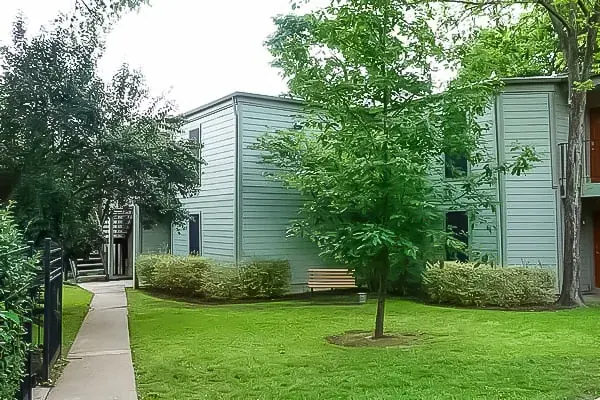
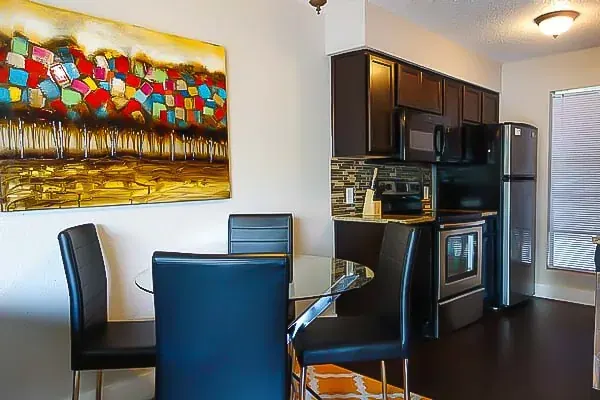
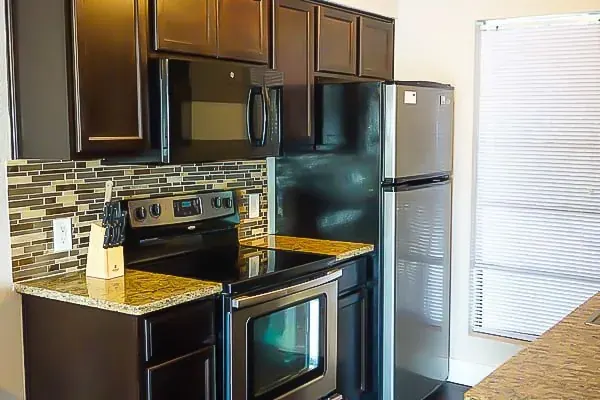
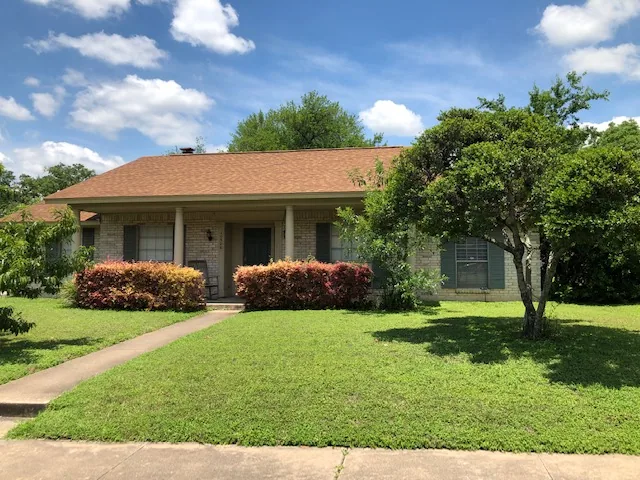
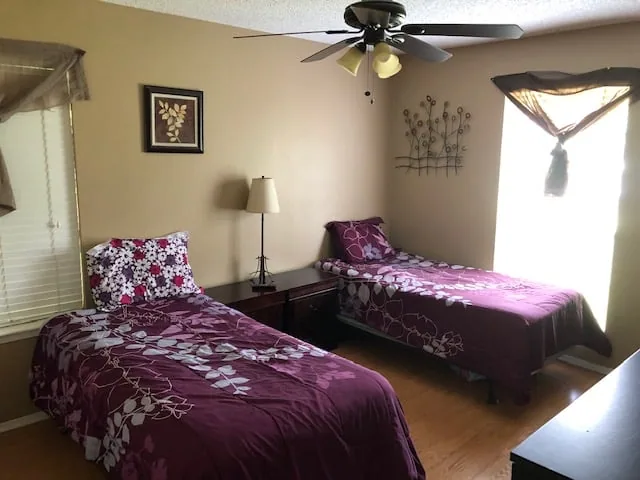
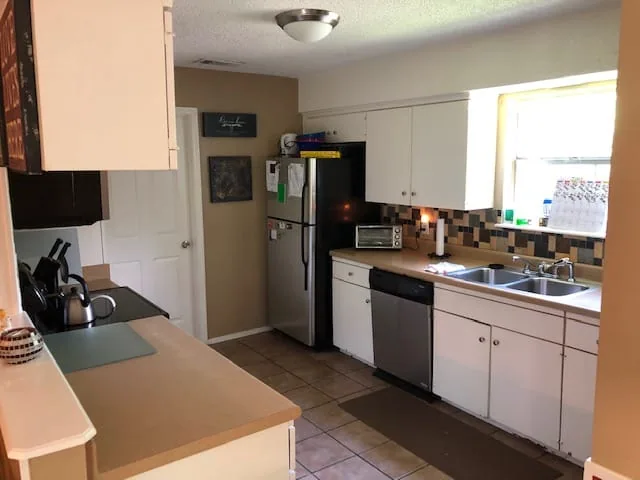
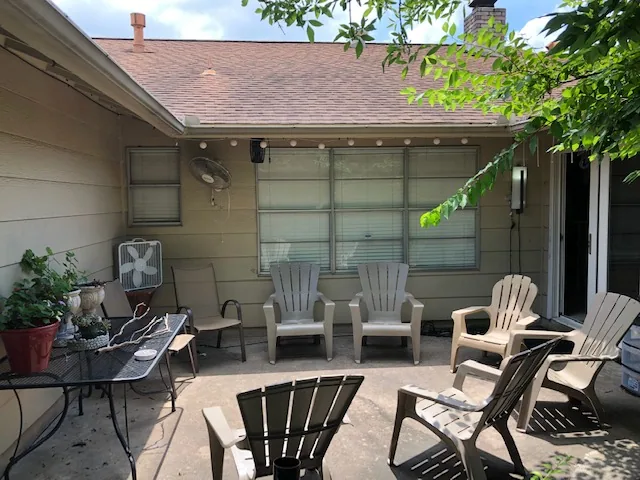
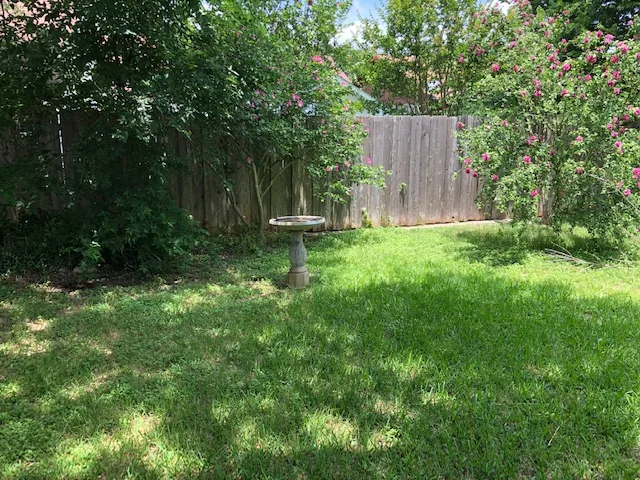
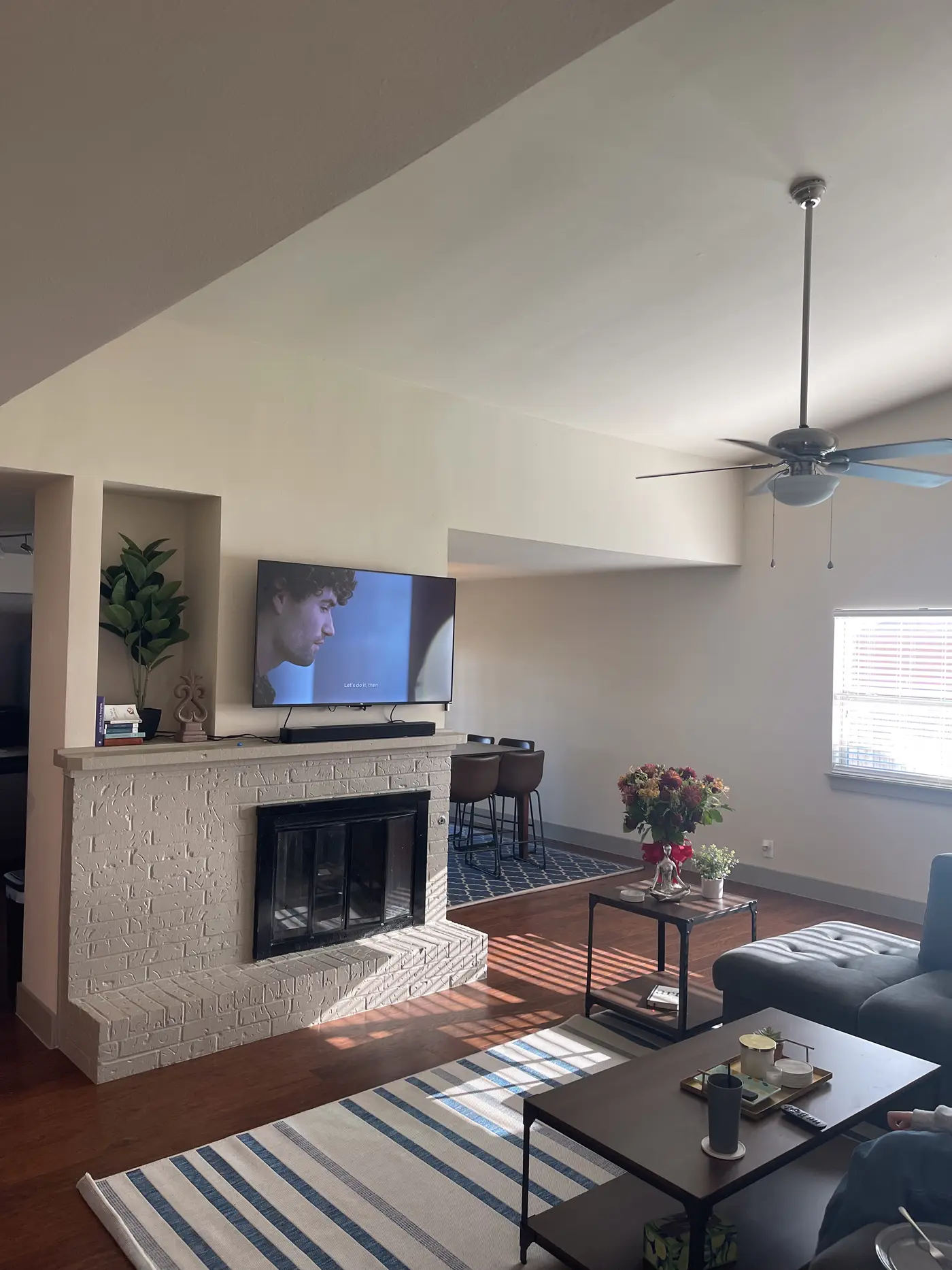
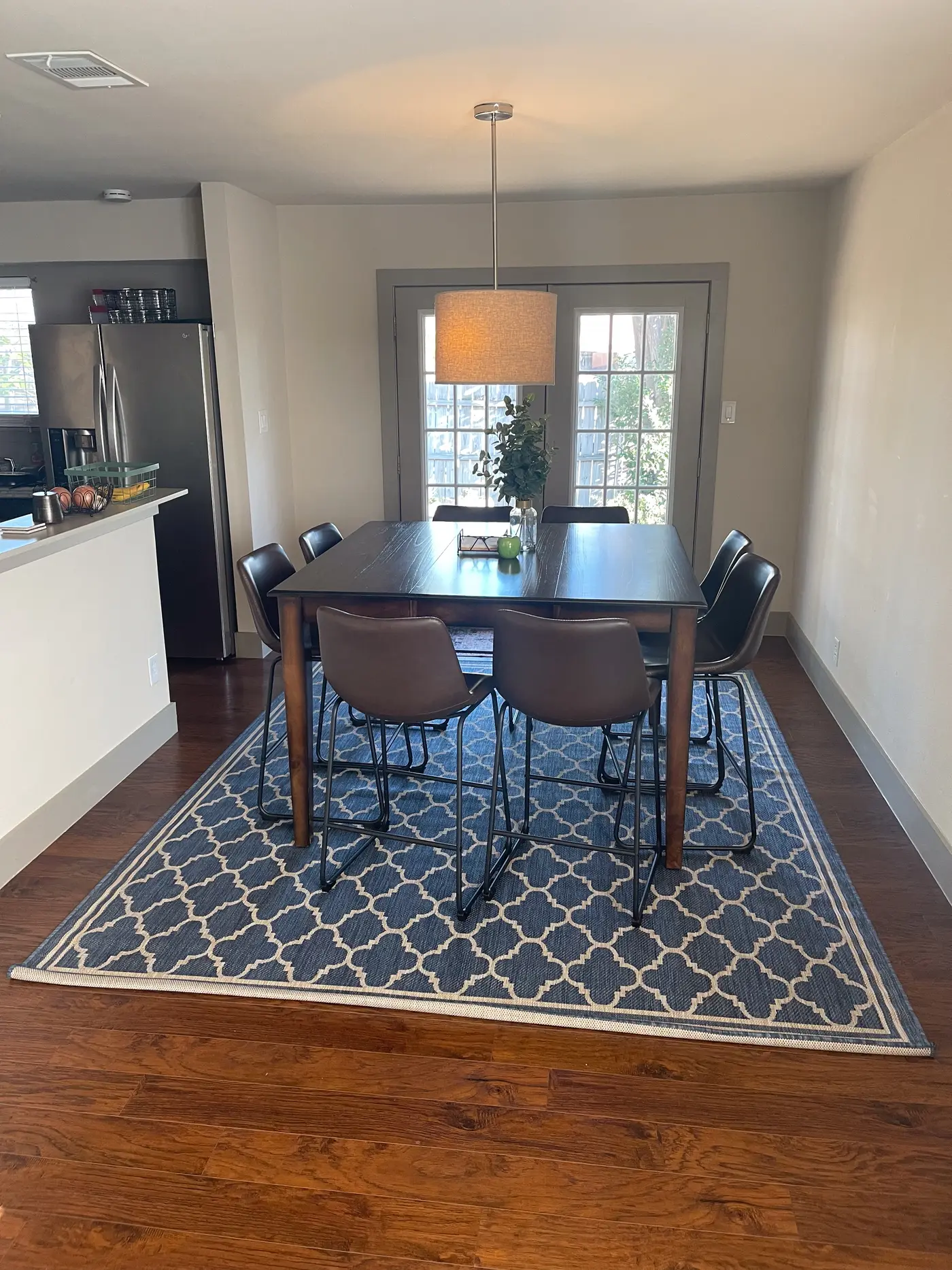
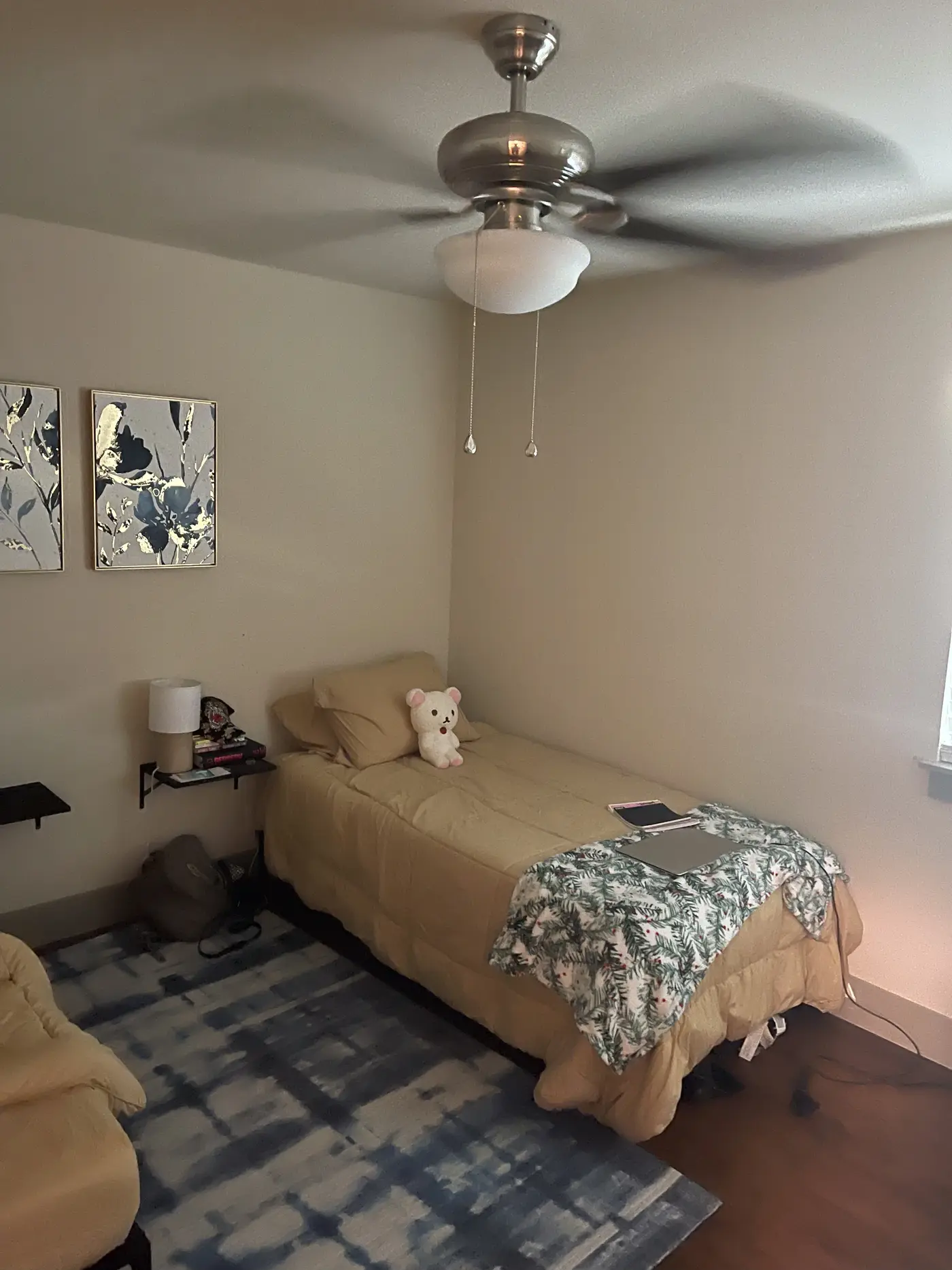
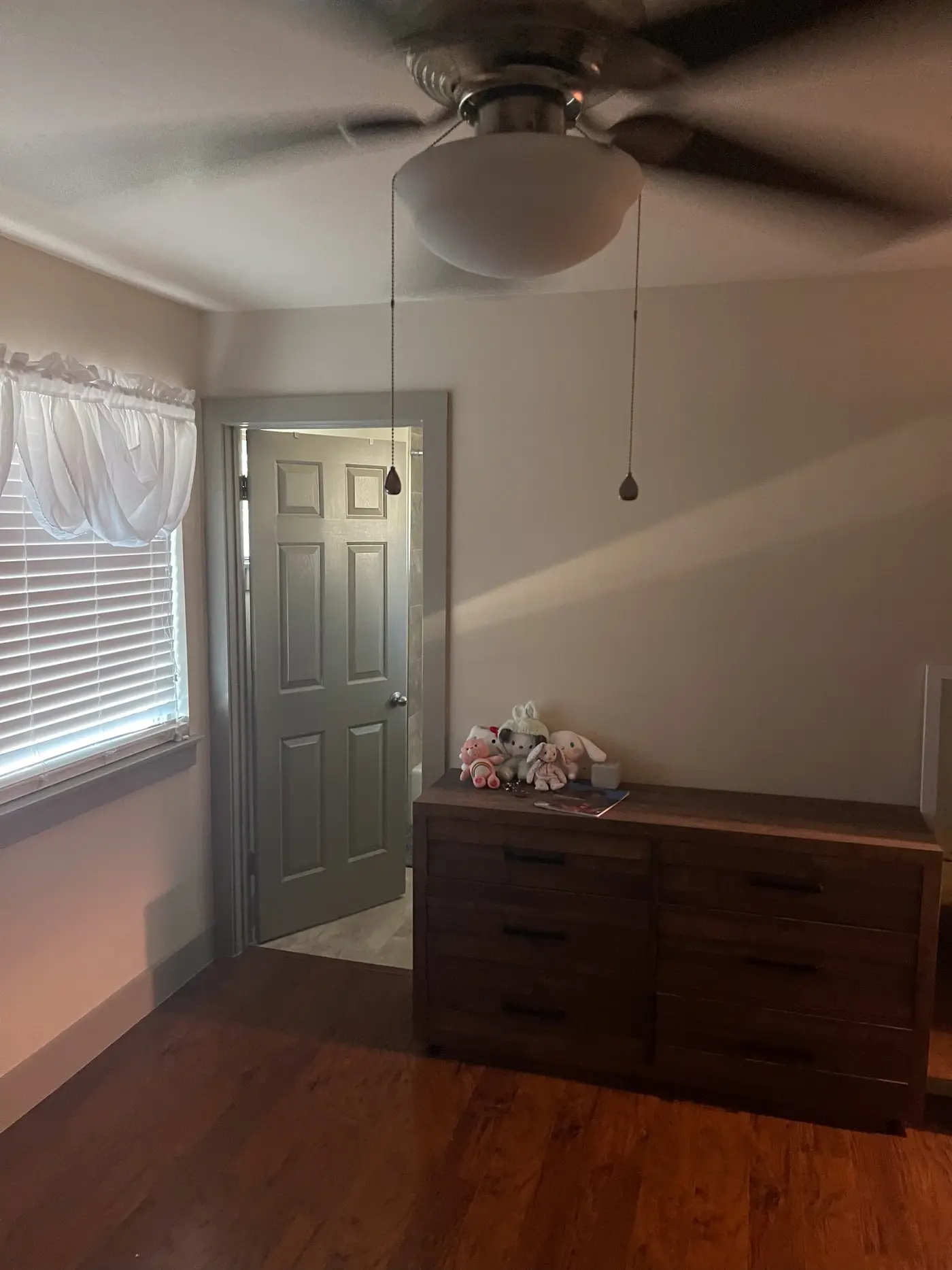
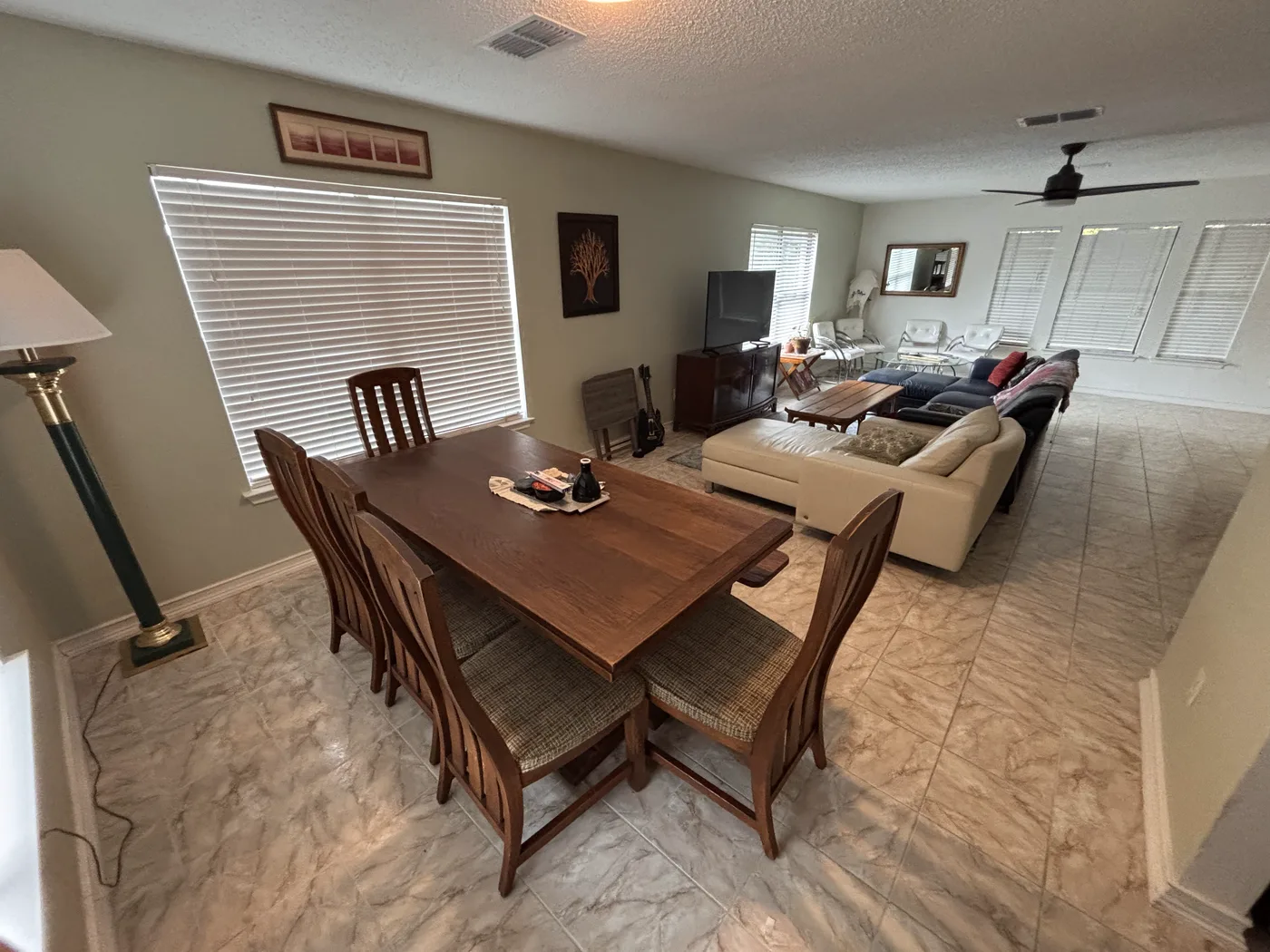
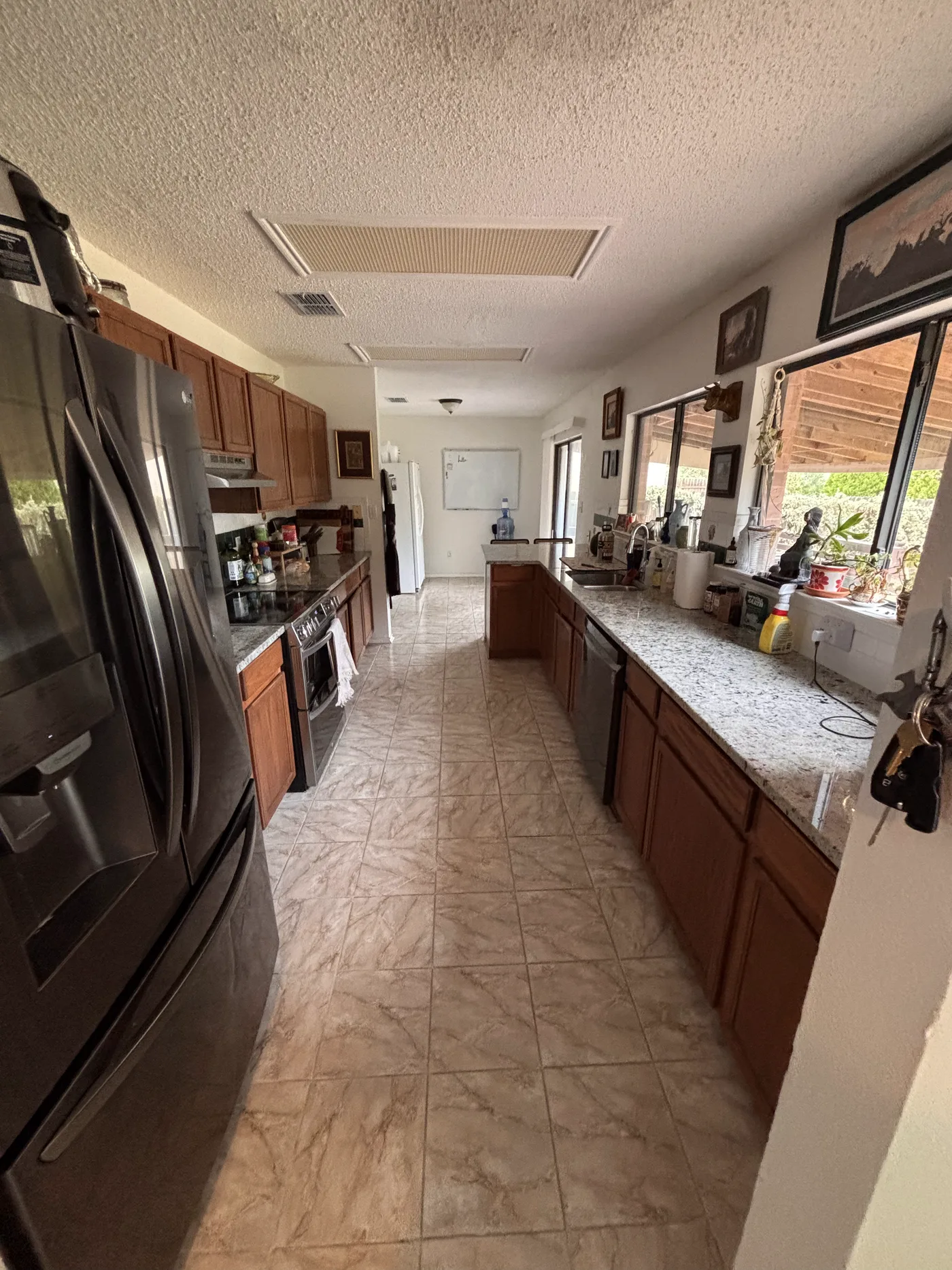
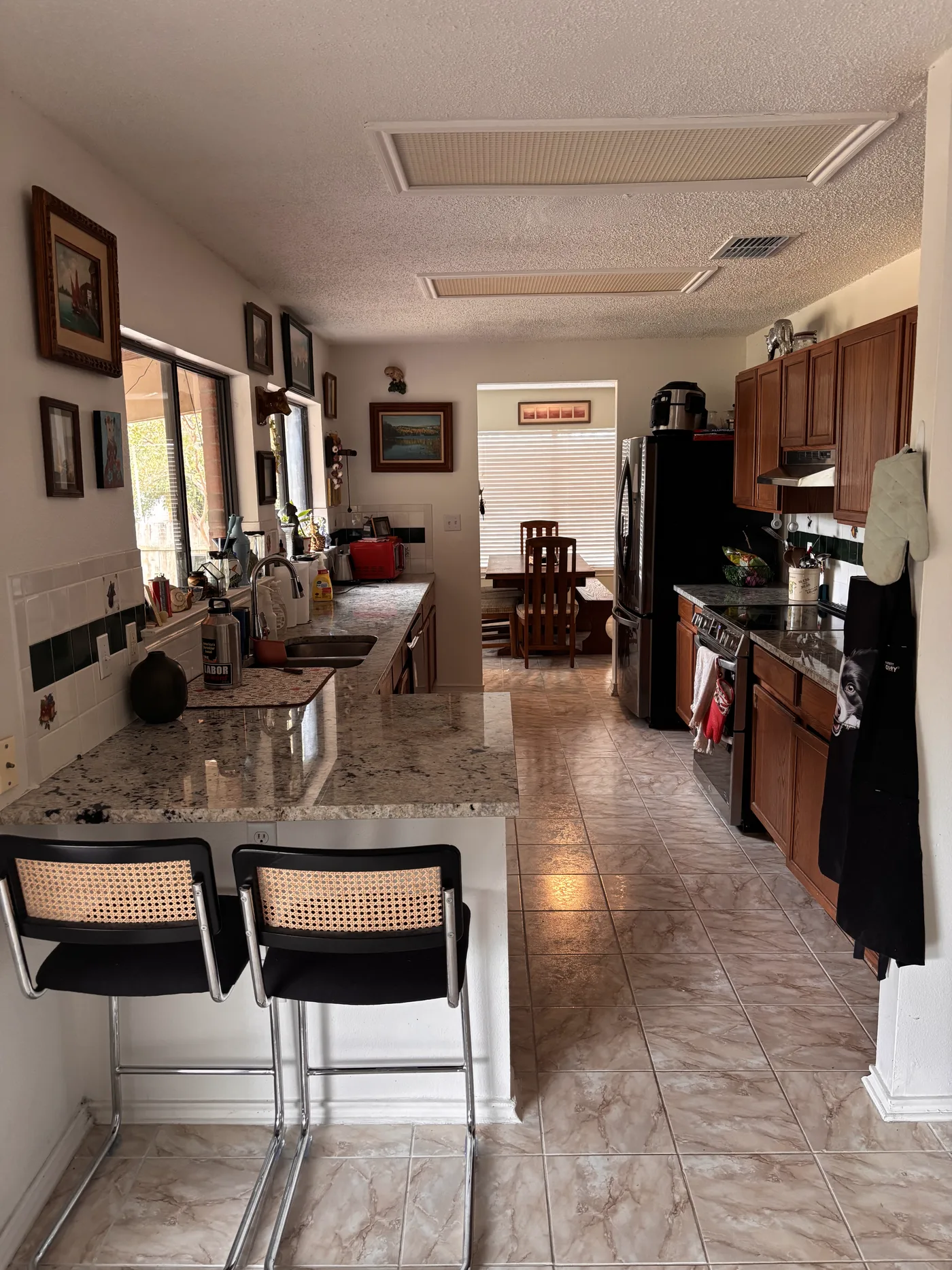
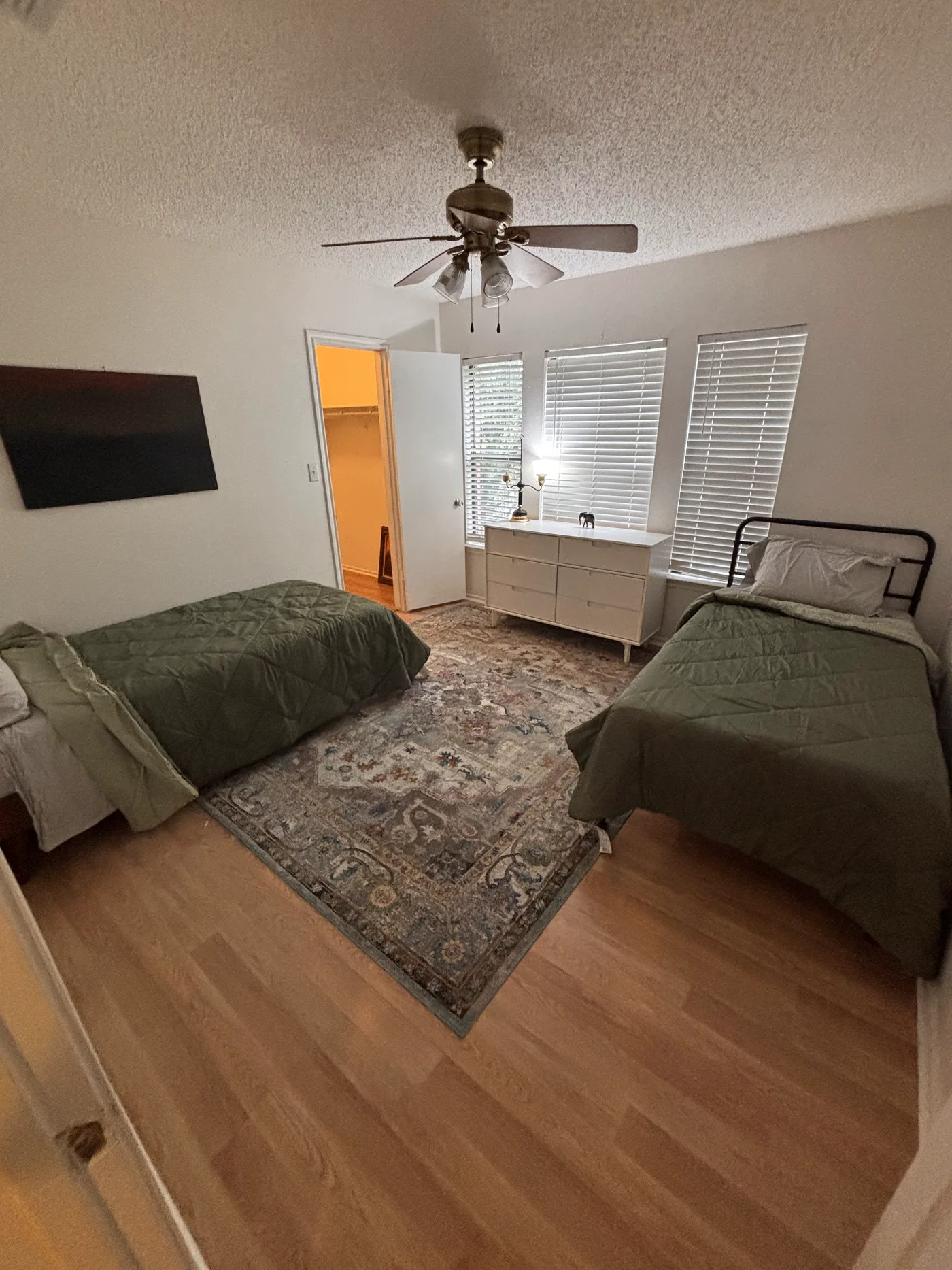
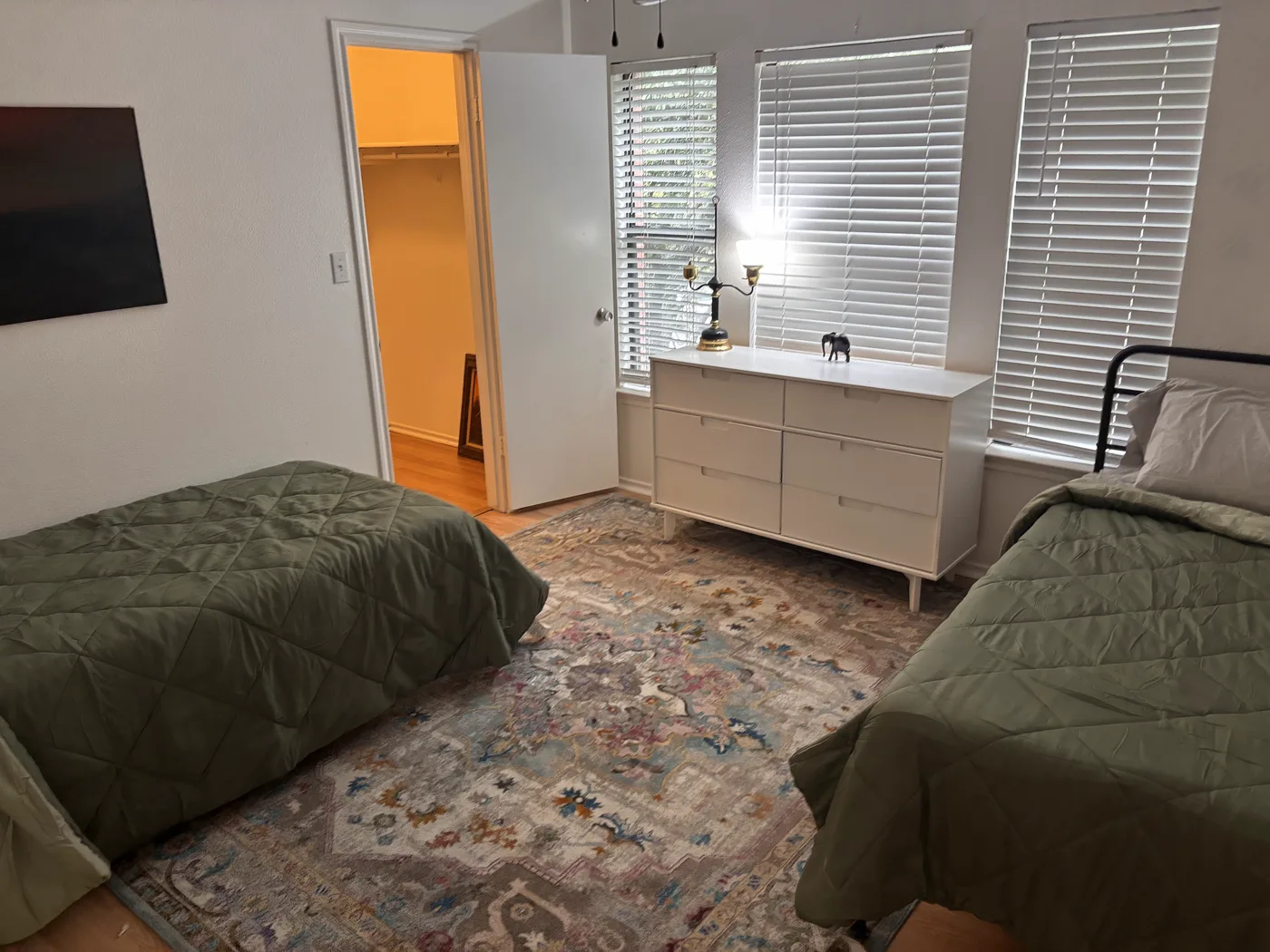
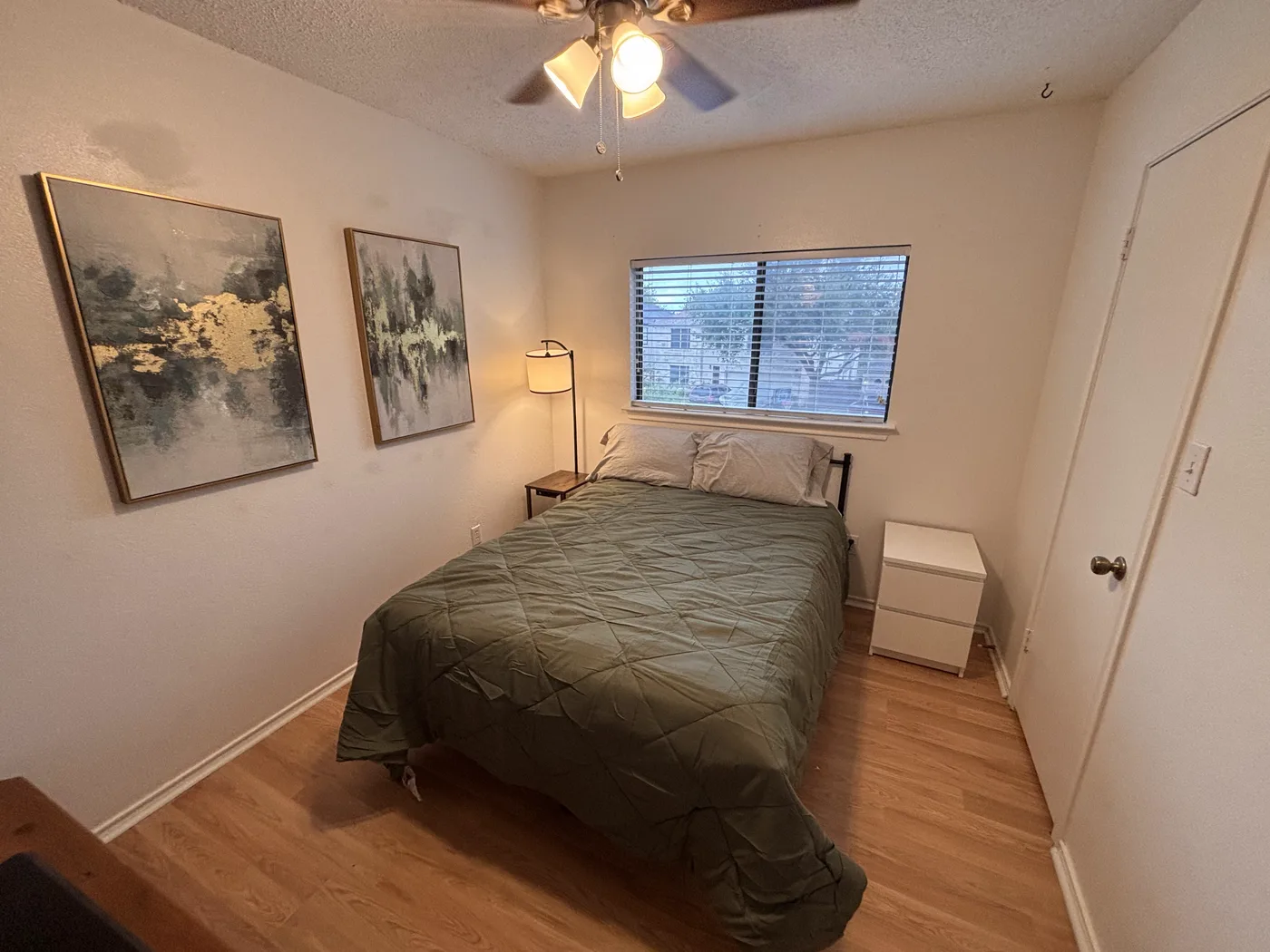
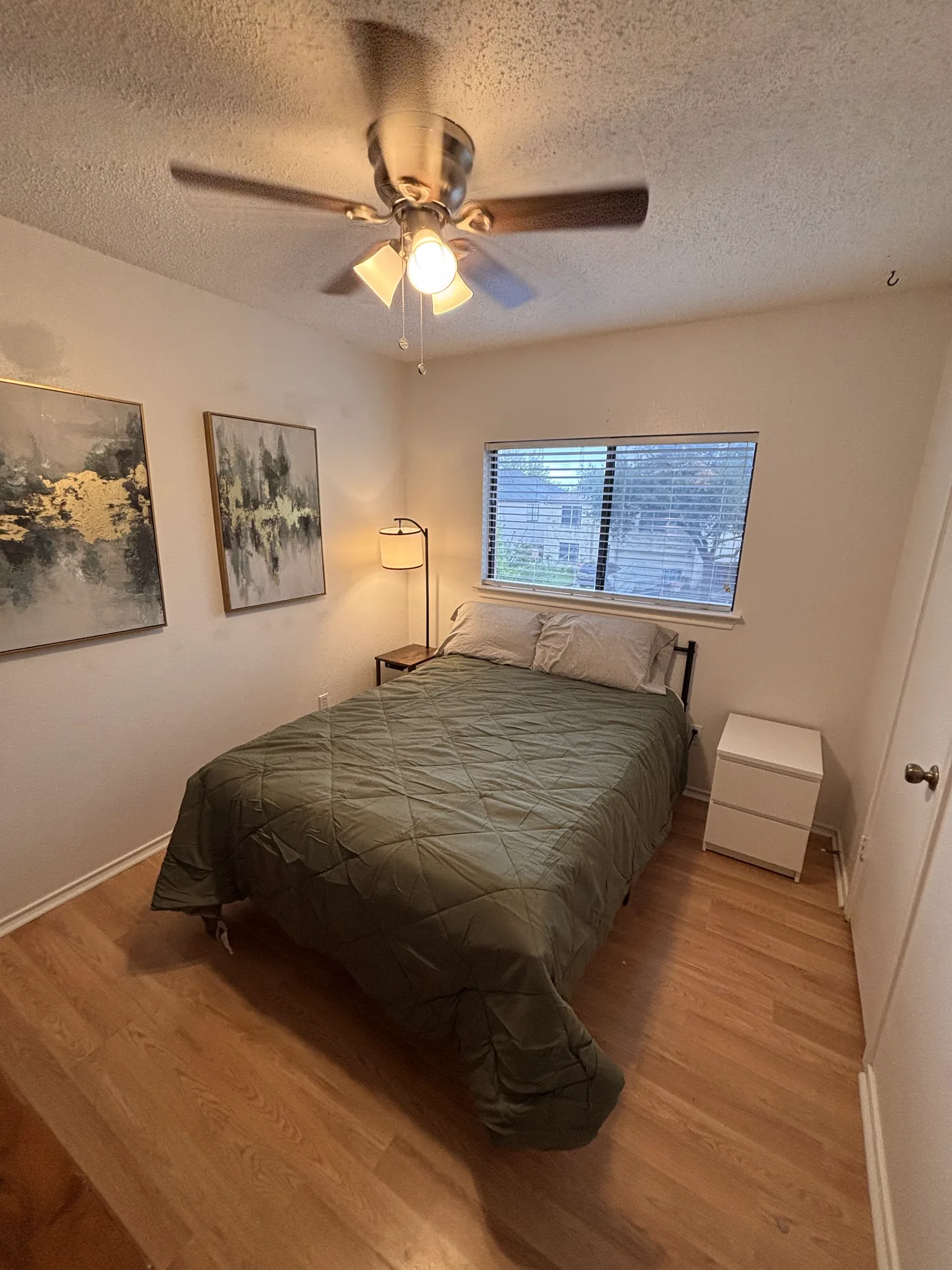
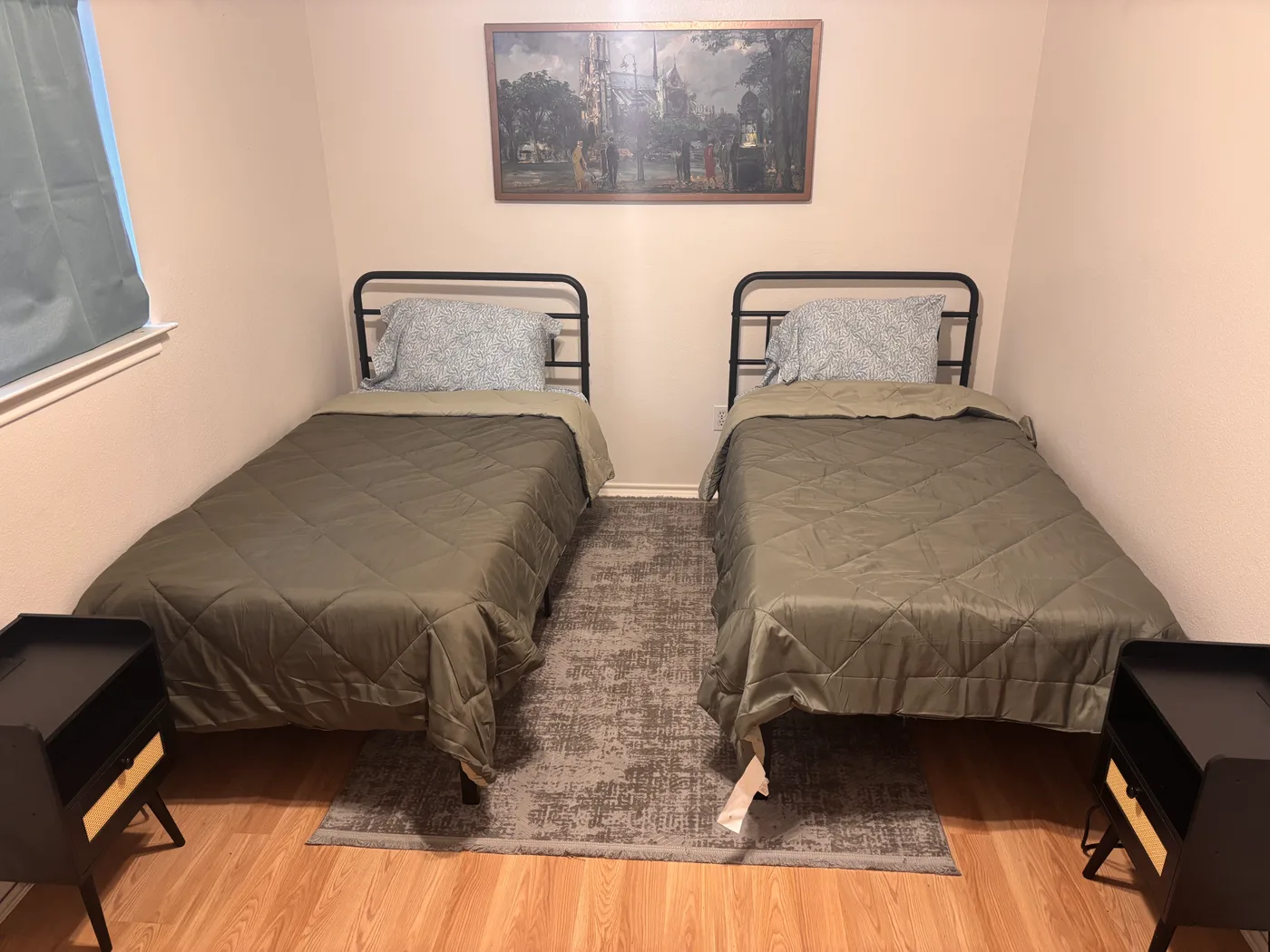
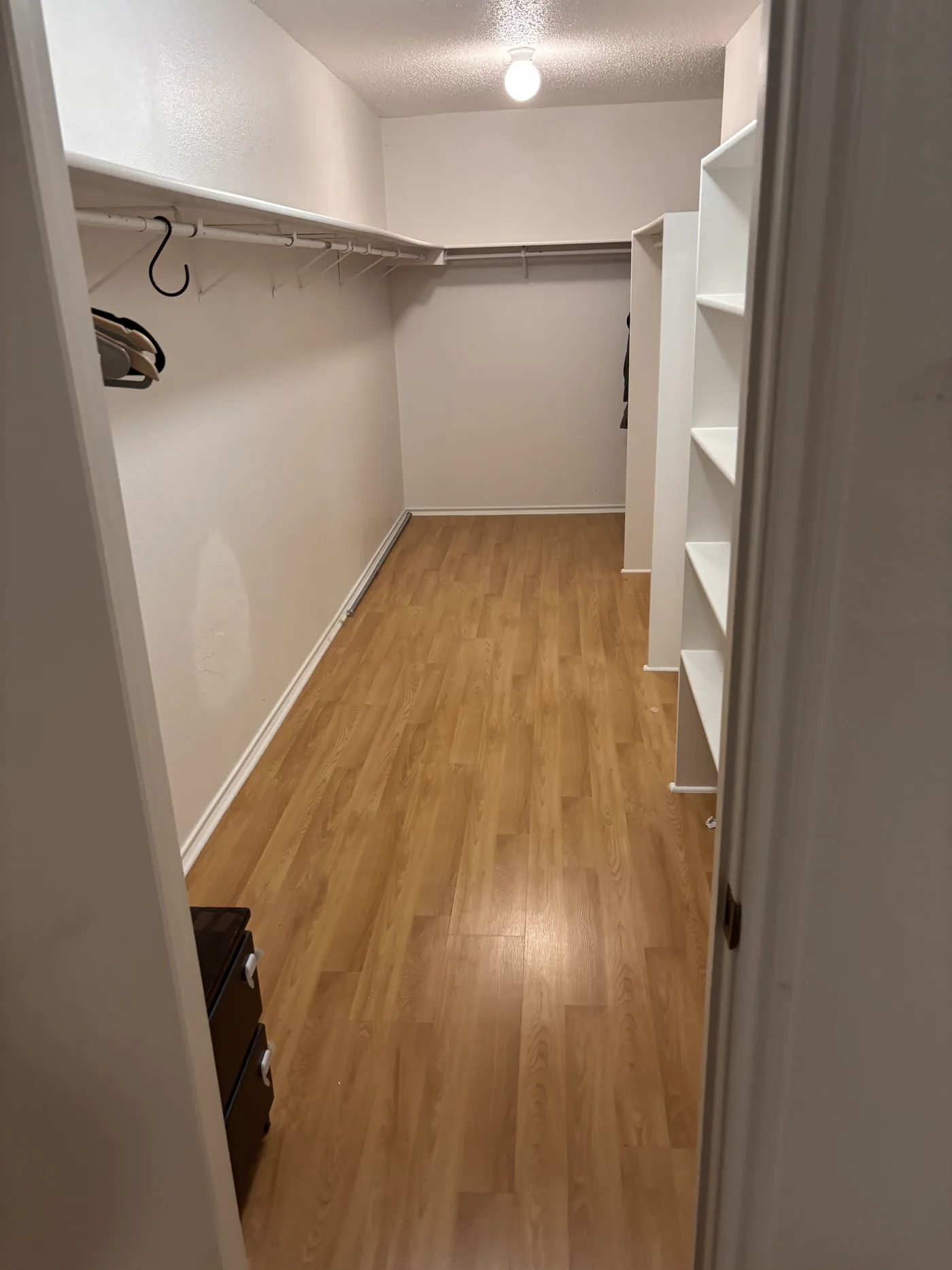
Inside the Austin homes





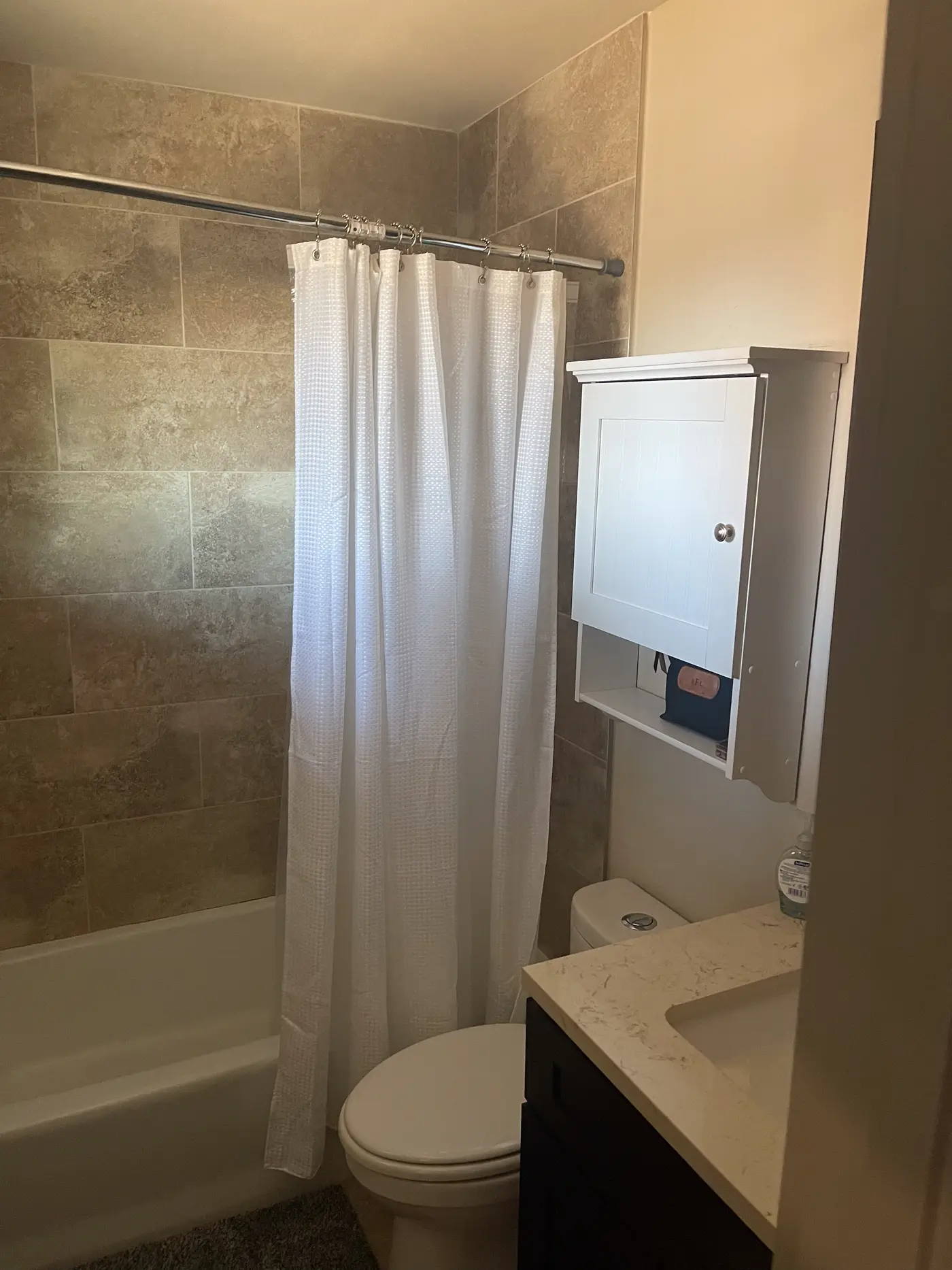
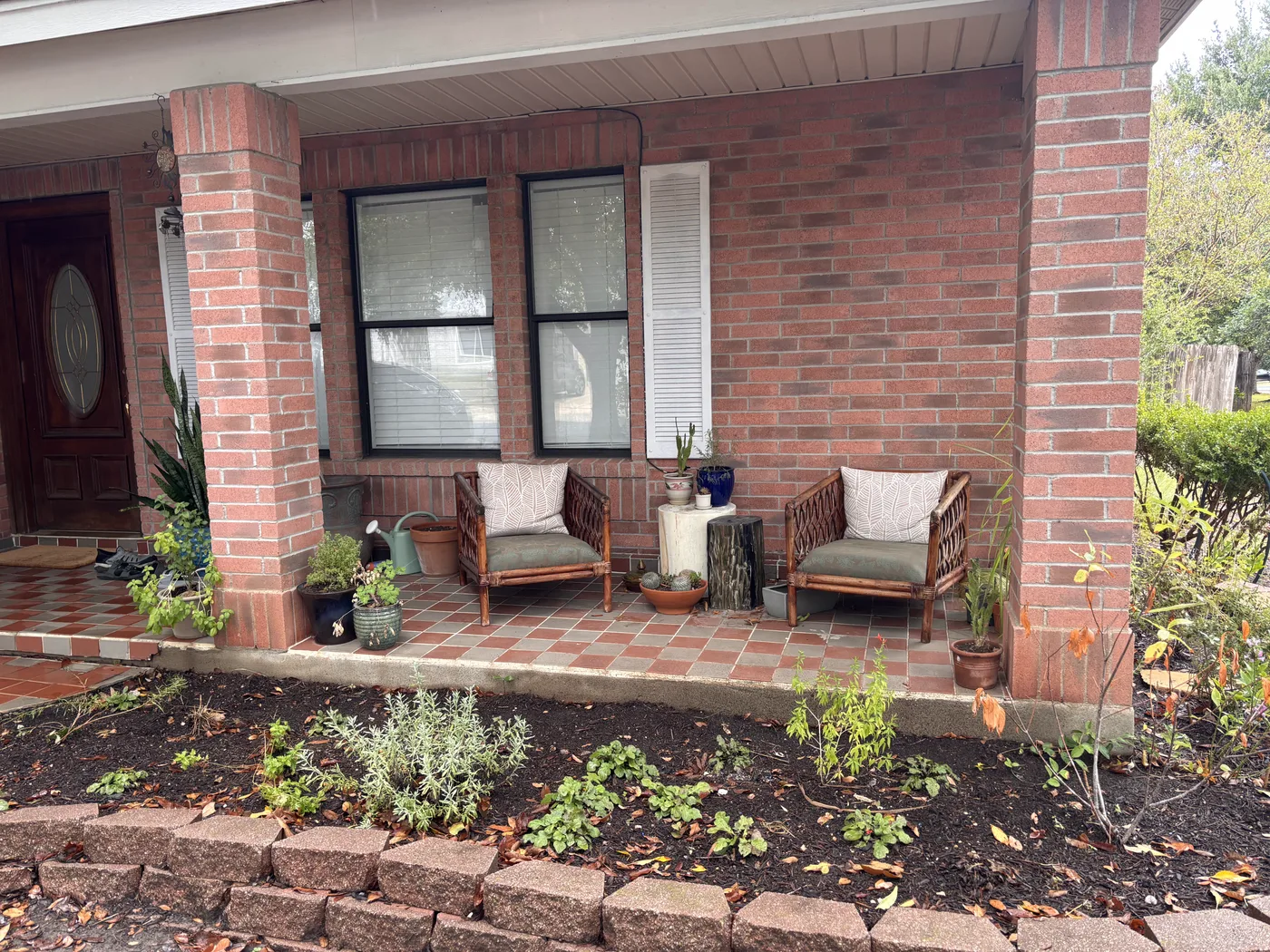
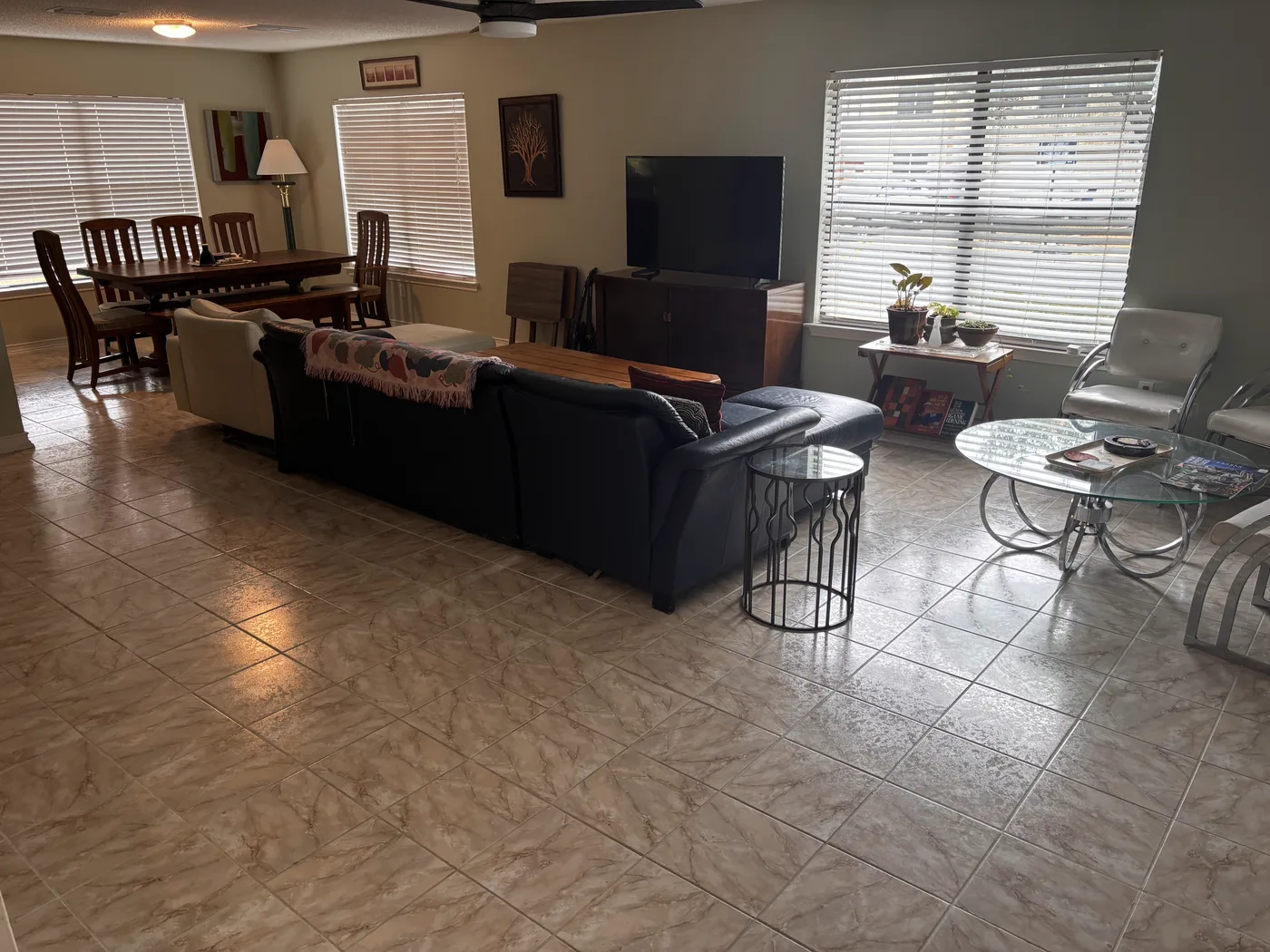
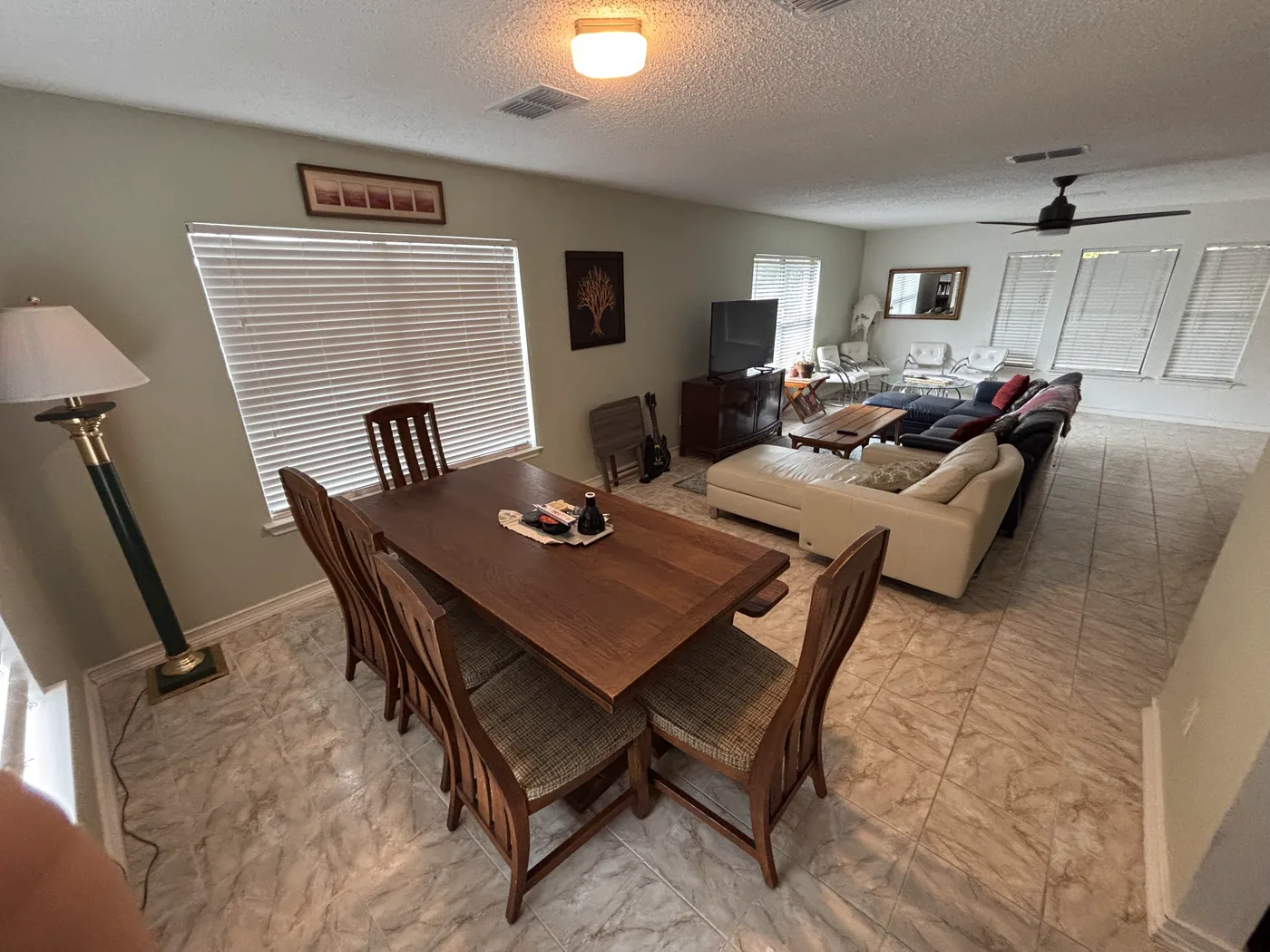
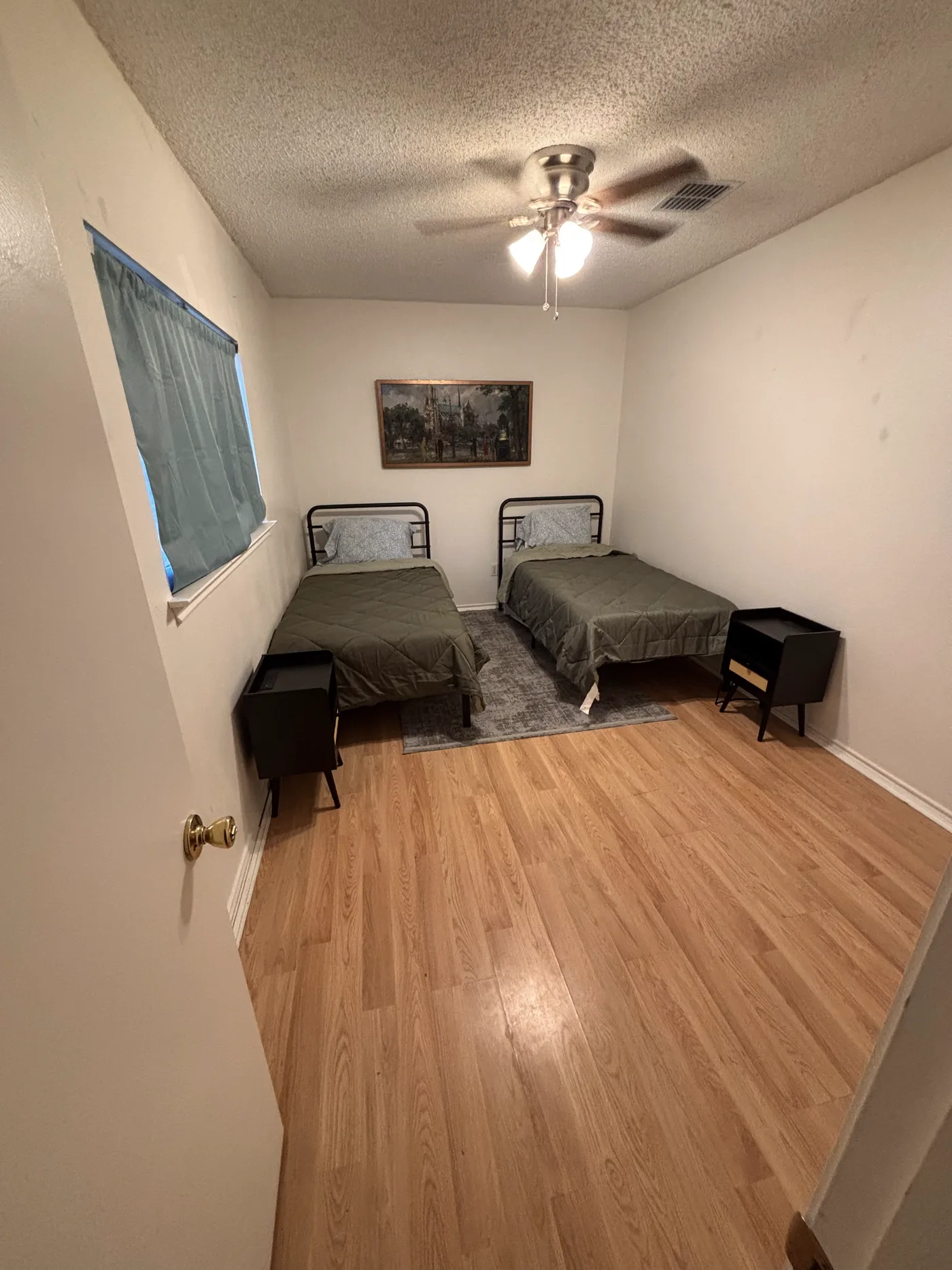
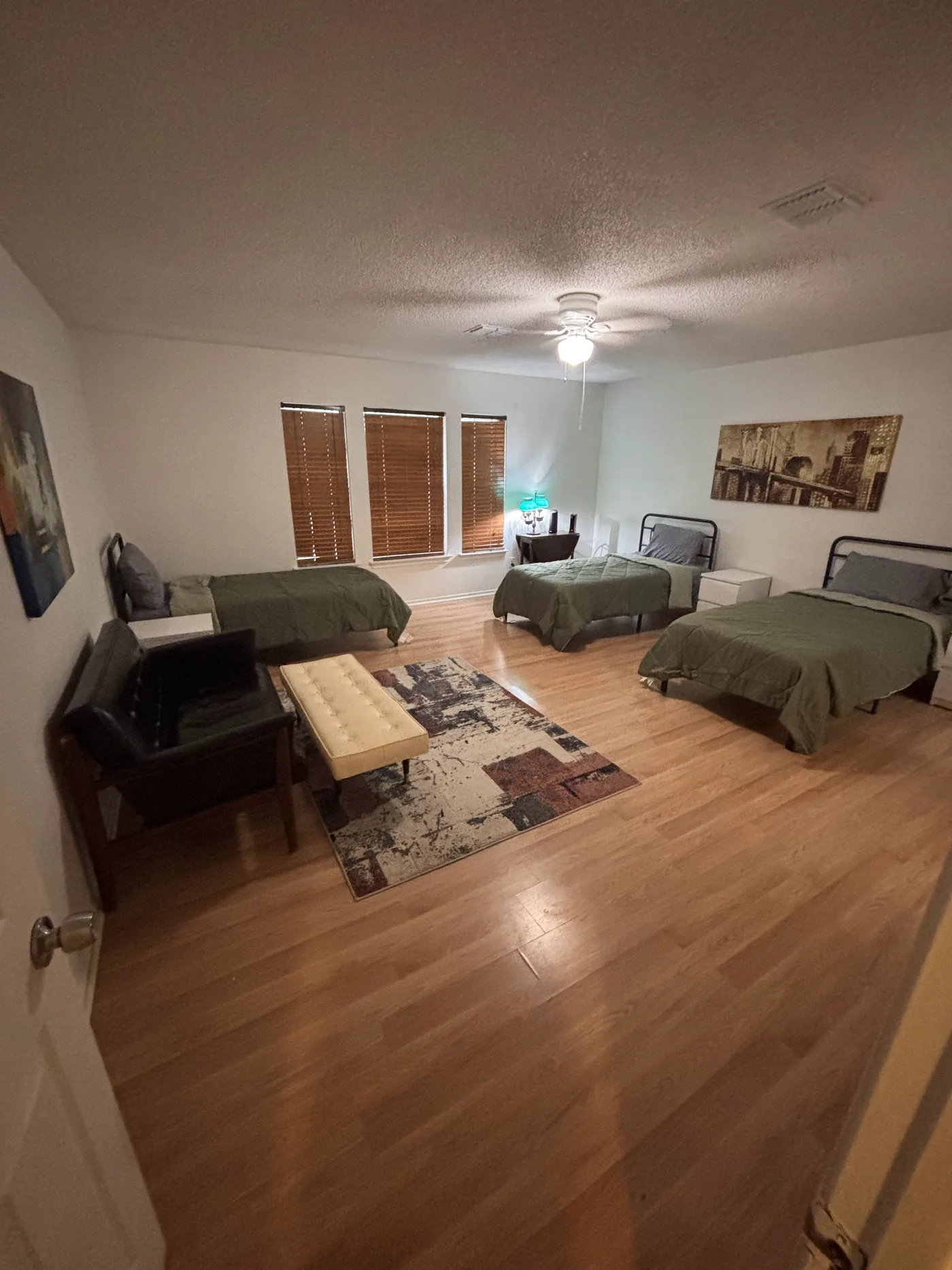
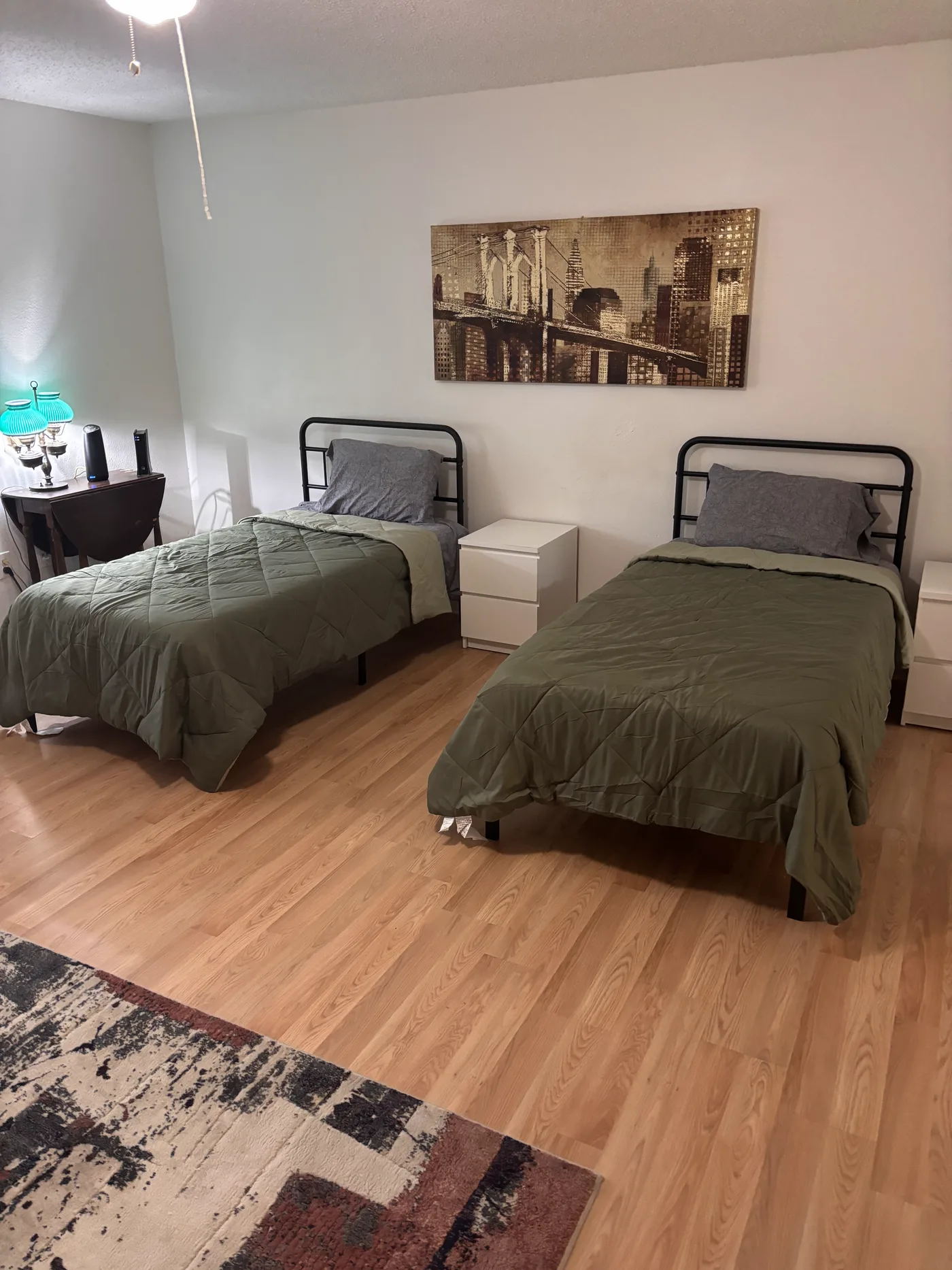
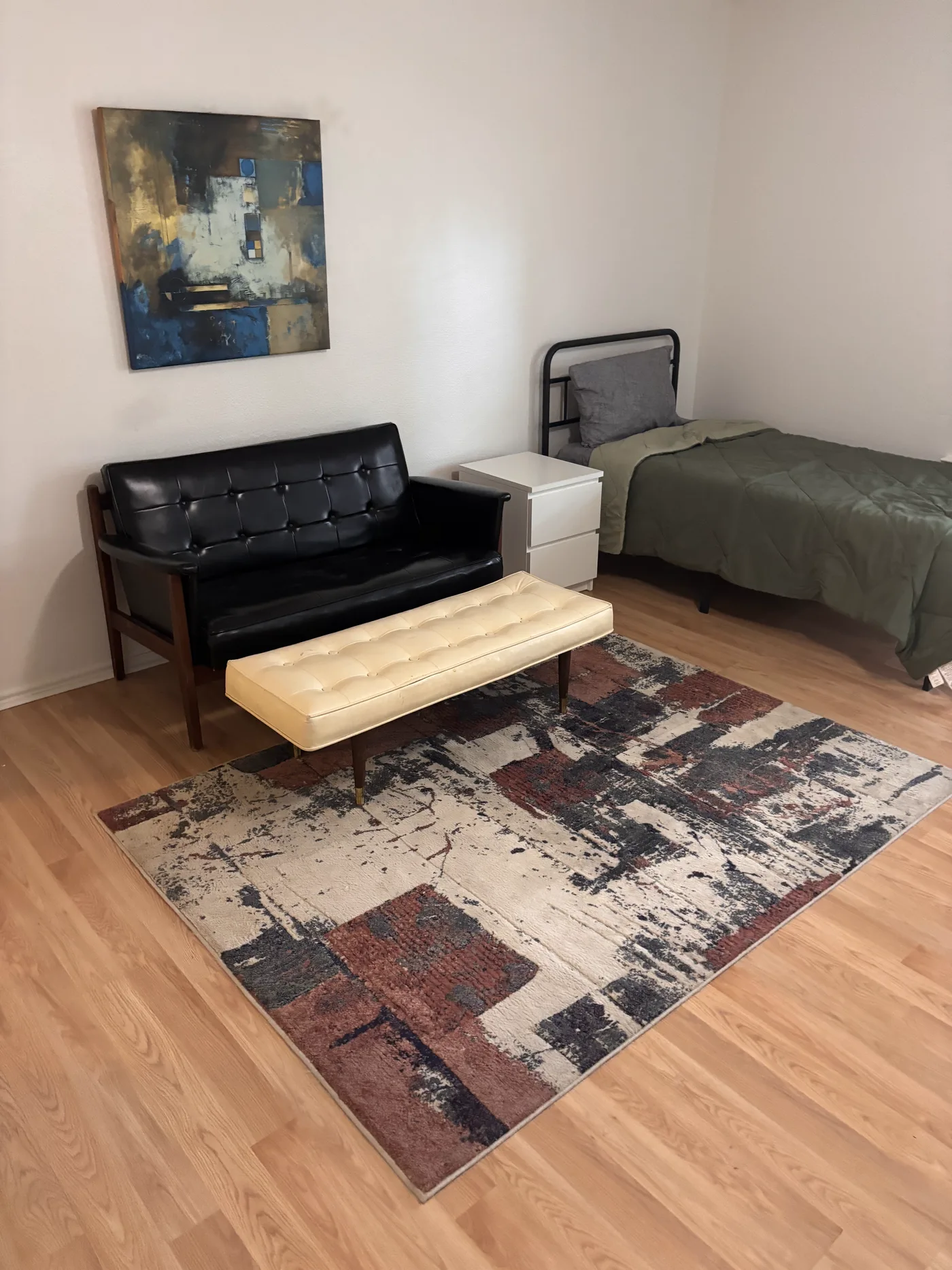
How Eudaimonia Recovery Homes Builds Connection
Community doesn’t happen by accident, it requires intentional structure and support. Eudaimonia Recovery Homes creates connection through:
- Structured house meetings: Regular gatherings where residents share challenges, celebrate victories, and hold each other accountable to house agreements and personal recovery goals.
- Peer mentorship: More experienced residents guide newer housemates, creating meaningful connections while reinforcing their own recovery through service.
- Group activities and outings: Organized social events, recreational activities, and community service projects that build camaraderie and demonstrate that sober living can be fulfilling and fun.
- Shared responsibilities: Collaborative house maintenance and meal preparation that foster teamwork and mutual investment in the living environment.
- Connection to recovery meetings: Facilitated transportation and encouragement to attend 12-step or alternative recovery meetings, expanding the support network beyond the house.
These structured opportunities for connection are complemented by the organic relationships that develop through simply sharing daily life: morning coffee conversations, late-night talks about recovery challenges, celebrating birthdays and sobriety milestones together, and supporting each other through difficult days.
Community as a Bridge to Independent Living
The connections formed in sober living homes serve as a critical bridge between intensive treatment and fully independent living. This transitional period allows residents to practice maintaining sobriety in a real-world setting while still having immediate peer support available. Research shows this gradual transition significantly reduces relapse rates compared to moving directly from treatment to independent living without structured peer support.
At Eudaimonia Recovery Homes, residents learn to balance independence with interdependence: managing their own schedules, jobs, and responsibilities while remaining connected to a recovery community. This balance is the foundation of sustainable long-term sobriety. Residents who might feel isolated or overwhelmed living alone instead have housemates who notice when they’re struggling and offer support before a setback becomes a relapse.
Getting Started with Community-Based Recovery Housing
If you or a loved one is looking for sober living that prioritizes community and connection, Eudaimonia Recovery Homes offers structured, supportive environments in Austin, Houston, San Antonio, Colorado Springs, Philadelphia, and Baton Rouge. Our recovery homes provide the accountability, peer support, and sense of belonging that are essential for long-term sobriety success.
Call us today at (512) 240-6612 to learn more about our community-focused approach to sober living and how we can support your recovery journey.
Why is community so important in sober living homes?
Community is essential in sober living homes because it provides accountability, reduces isolation, and creates a network of peers who understand the recovery journey. Living with others in recovery normalizes sobriety, provides real-time support during cravings or difficult moments, and helps residents build healthy social skills without substances. Research shows that strong peer connections significantly improve long-term sobriety outcomes.
How does connection in sober living reduce relapse risk?
Connection reduces relapse risk by providing 24/7 peer accountability and immediate support when cravings or triggers arise. Housemates notice behavioral changes early and can intervene before a setback becomes a full relapse. Additionally, the sense of belonging and mutual commitment to sobriety creates powerful motivation to stay accountable. Studies demonstrate that individuals with strong recovery support networks have substantially higher rates of sustained abstinence compared to those who try to maintain sobriety in isolation.
What if I'm introverted or uncomfortable living with others?
Many residents initially feel uncomfortable with communal living, especially introverts. However, sober living homes are structured to respect personal space while fostering connection. You’ll have private time and aren’t required to socialize constantly, but the structured community components, like house meetings and shared meals, provide manageable, predictable opportunities for connection. Most introverted residents discover that the supportive environment feels safe rather than overwhelming, and the relationships they build become one of the most valuable aspects of their recovery. The key is finding a balance between healthy alone time and beneficial community engagement.
How long does it take to feel connected in a sober living home?
Most residents begin feeling connected within the first 2-4 weeks, though this varies by individual. The structured nature of sober living, regular house meetings, shared activities, and daily interactions, accelerates relationship-building compared to typical social settings. Initial discomfort or awkwardness is normal and usually fades quickly as you realize everyone shares similar experiences and challenges. Participating actively in house activities and being open about your recovery journey helps deepen connections faster. Many residents report that their sober living housemates become some of their closest, most trusted friends.
Do sober living connections last after I move out?
Yes, many residents maintain close friendships with former housemates long after leaving sober living. These relationships often become a core part of an individual’s ongoing recovery support network. Former residents frequently continue meeting for coffee, attending recovery meetings together, celebrating sobriety anniversaries, and providing mutual support during challenging times. The bonds formed through shared recovery experiences tend to be particularly strong and enduring because they’re built on authenticity, vulnerability, and mutual commitment to sobriety. At Eudaimonia Recovery Homes, we encourage alumni connections and facilitate ongoing community engagement even after residents transition to independent living.
What makes Eudaimonia Recovery Homes' community different?
Eudaimonia Recovery Homes prioritizes intentional community-building through structured house meetings, peer mentorship programs, group activities, and a culture of mutual support and accountability. Our homes in Austin, Houston, San Antonio, Colorado Springs, Philadelphia, and Baton Rouge are carefully managed to ensure a safe, respectful environment where genuine connections can flourish. We maintain appropriate house sizes that allow for meaningful relationships without feeling overcrowded, and our staff facilitates community engagement while respecting resident autonomy. The result is a recovery environment where residents feel truly seen, supported, and connected to others who share their commitment to long-term sobriety.


