
Published November 4, 2024 · Updated July 27, 2026
On This Page · 11 Sections

Sober Living
Austin
10506 Parkfield Dr, Austin, TX 78758
Substance abuse and mental health disorders are challenging not only for individuals but also for their families. These issues often lead to emotional, financial, and psychological strain within a household, and without proper support, these challenges can deepen over time. In Austin, many families are affected by substance abuse and mental health disorders, and seeking sober living options can be a critical step toward healing.
At Eudaimonia Recovery Homes, our sober living programs in Austin provide a supportive and structured environment for individuals working to overcome addiction. We also offer resources to help families understand and cope with the effects of addiction on their loved ones. Through long-term care and evidence-based treatment, our goal is to promote healing for both individuals and their families.
How Substance Abuse Affects Family Dynamics
When someone struggles with substance abuse, the entire family is often caught in the storm. A household dealing with addiction may experience breakdowns in communication, increased tension, and even financial instability. These effects are not limited to just one area of life; they ripple through every relationship within the home. As addiction escalates, family members may feel helpless or overwhelmed.
In some cases, families may try to “fix” the situation themselves, but without professional guidance, this often leads to more frustration. Sober living environments, such as those provided by Eudaimonia Recovery Homes, can help by offering a structured space where individuals focus on recovery while giving families the time to heal.
One common issue families face is a communication breakdown. When someone is battling addiction, dishonesty and secrecy may become common, eroding trust within the family. As trust diminishes, it becomes more difficult for loved ones to offer meaningful support or set healthy boundaries. This type of disruption often leads to misunderstandings and conflict, which further exacerbates the impact of addiction on the family.
Additionally, substance abuse often leads to financial instability. Whether due to legal troubles, medical bills, or lost income, families can find themselves under immense financial stress. This strain adds another layer of difficulty, making it hard to focus on emotional healing.
Our sober living programs in Austin provide a supportive environment where individuals can work on their recovery while families receive guidance on how to rebuild trust and stability. At Eudaimonia Recovery Homes, we focus on treating not just the individual but also offering families resources to help them navigate the healing process.
The Impact of Mental Health Disorders on Families
Mental health disorders, such as depression, anxiety, and bipolar disorder, also have a significant effect on family dynamics. Just like substance abuse, mental health issues can create strain and uncertainty in relationships.
Family members may struggle with how to support their loved one while also managing their own emotional well-being. They may experience feelings of guilt, frustration, or helplessness as they watch their loved one navigate mental health challenges. In many cases, the burden of care can fall disproportionately on one family member, leading to caregiver burnout and resentment.
Furthermore, mental health disorders can lead to isolation. Both the individual with the disorder and their family members may withdraw from social activities or relationships out of embarrassment, fear of judgment, or simply because they lack the emotional energy to engage with others. This isolation can perpetuate feelings of loneliness and despair, making it even harder for families to cope.
Thankfully, there is hope. At Eudaimonia Recovery Homes, we recognize the importance of addressing mental health alongside addiction. Our evidence-based treatment programs are designed to provide comprehensive care for both issues, helping families to rebuild stronger, more resilient bonds.
The Role of Sober Living in Family Healing
Sober living homes, like those at Eudaimonia Recovery Homes, offer a critical space for individuals to focus on their recovery while providing families with the time and resources they need to heal. By removing the individual from the triggers and temptations of their previous environment, sober living creates a structured, supportive atmosphere that promotes long-term sobriety.
Moreover, these programs are designed to address the mind, body, and soul. Recovery is not just about stopping the use of substances, it’s about addressing the underlying issues that led to addiction in the first place. At Eudaimonia, we offer therapies that focus on mental health, physical well-being, and emotional resilience, providing individuals with the tools they need to sustain their sobriety and rebuild their lives.
For families, this period can be an opportunity to focus on their own healing. Many families find that participating in therapy or support groups during this time can help them process the emotional toll of addiction and learn healthy ways to support their loved one in recovery.
The Long-Term Benefits of Sober Living
One of the key benefits of sober living is the opportunity for long-term recovery. At Eudaimonia Recovery Homes, we believe in providing comprehensive care that addresses every stage of the recovery process. This continuum of care ensures that individuals have access to support from detox through sober living and into independent sober life.
Sober living homes also provide accountability and structure. With regular check-ins, peer support, and a clear set of guidelines, individuals are more likely to stay on track with their recovery. This structured environment can give families peace of mind, knowing that their loved one is in a safe and supportive place.
Additionally, sober living offers emotional support. Living with others who are also in recovery creates a sense of camaraderie and mutual understanding. This peer support can be a powerful motivator for individuals to continue working on their sobriety and provides a network of people who truly understand the challenges of recovery.
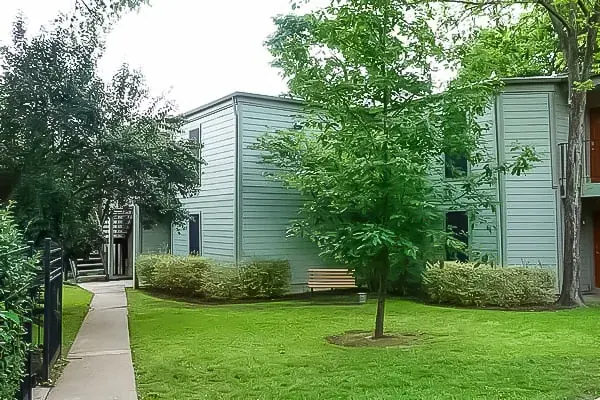
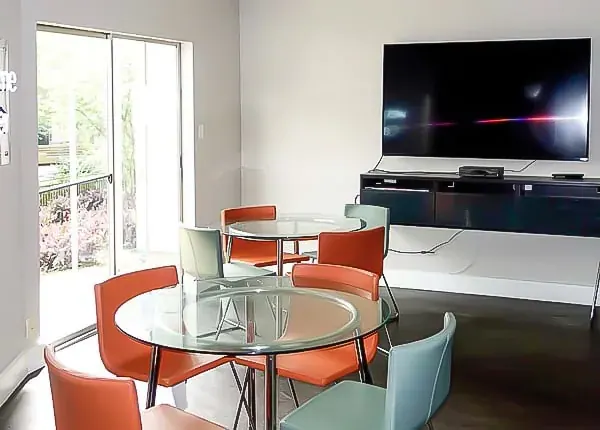
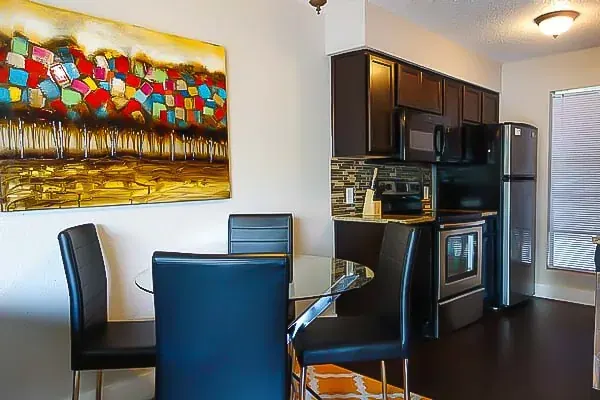
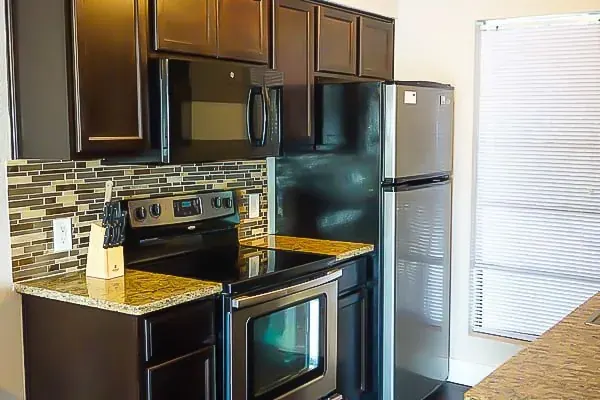
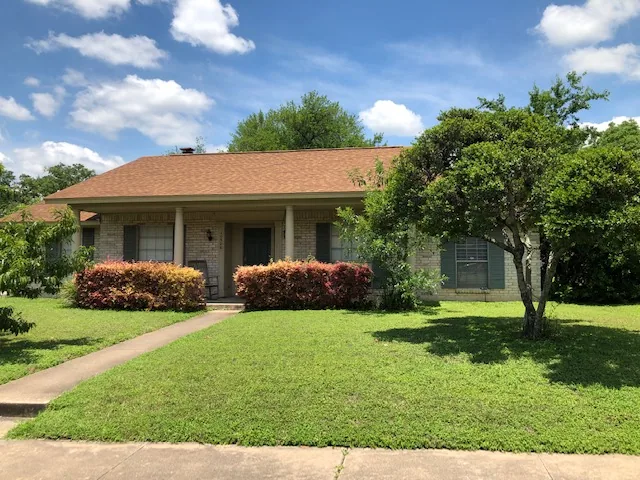
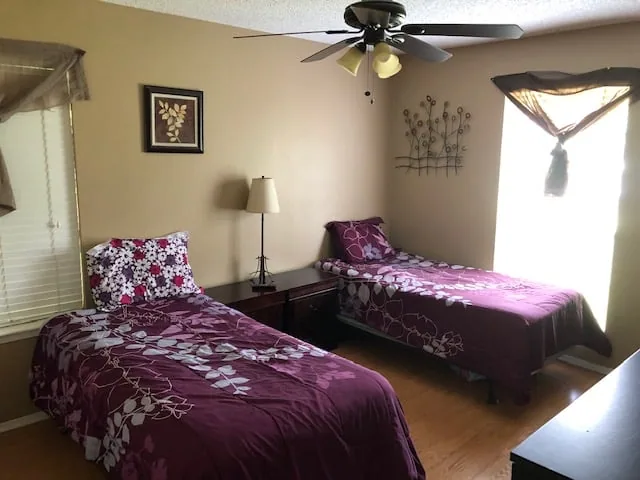
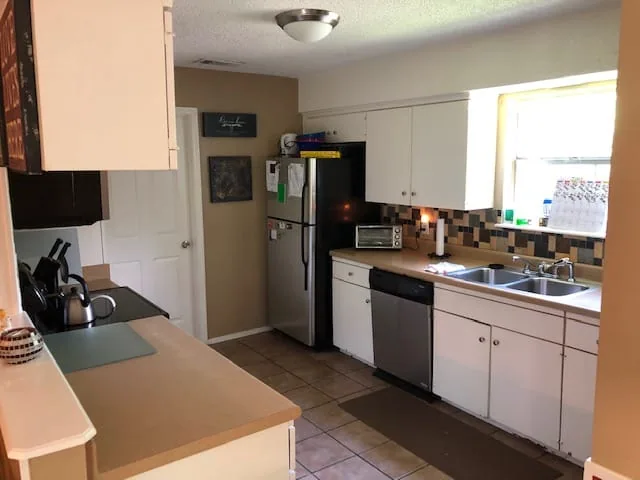
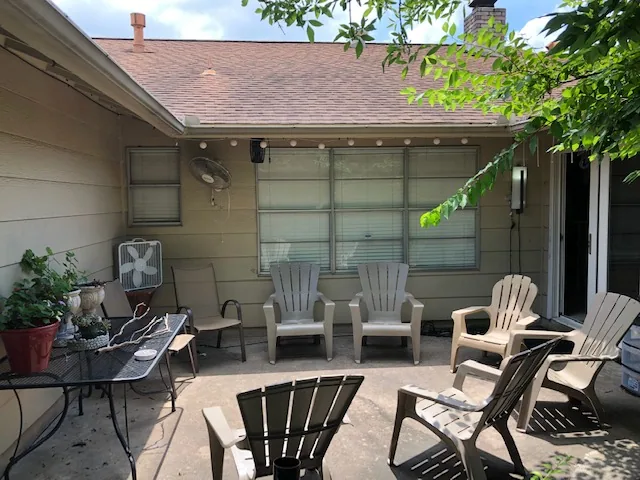
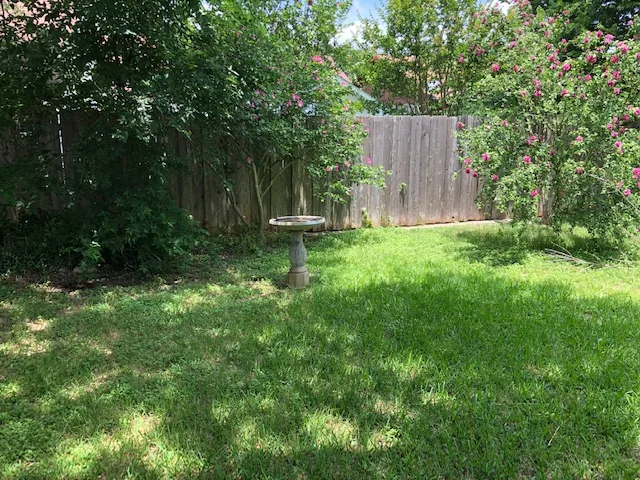
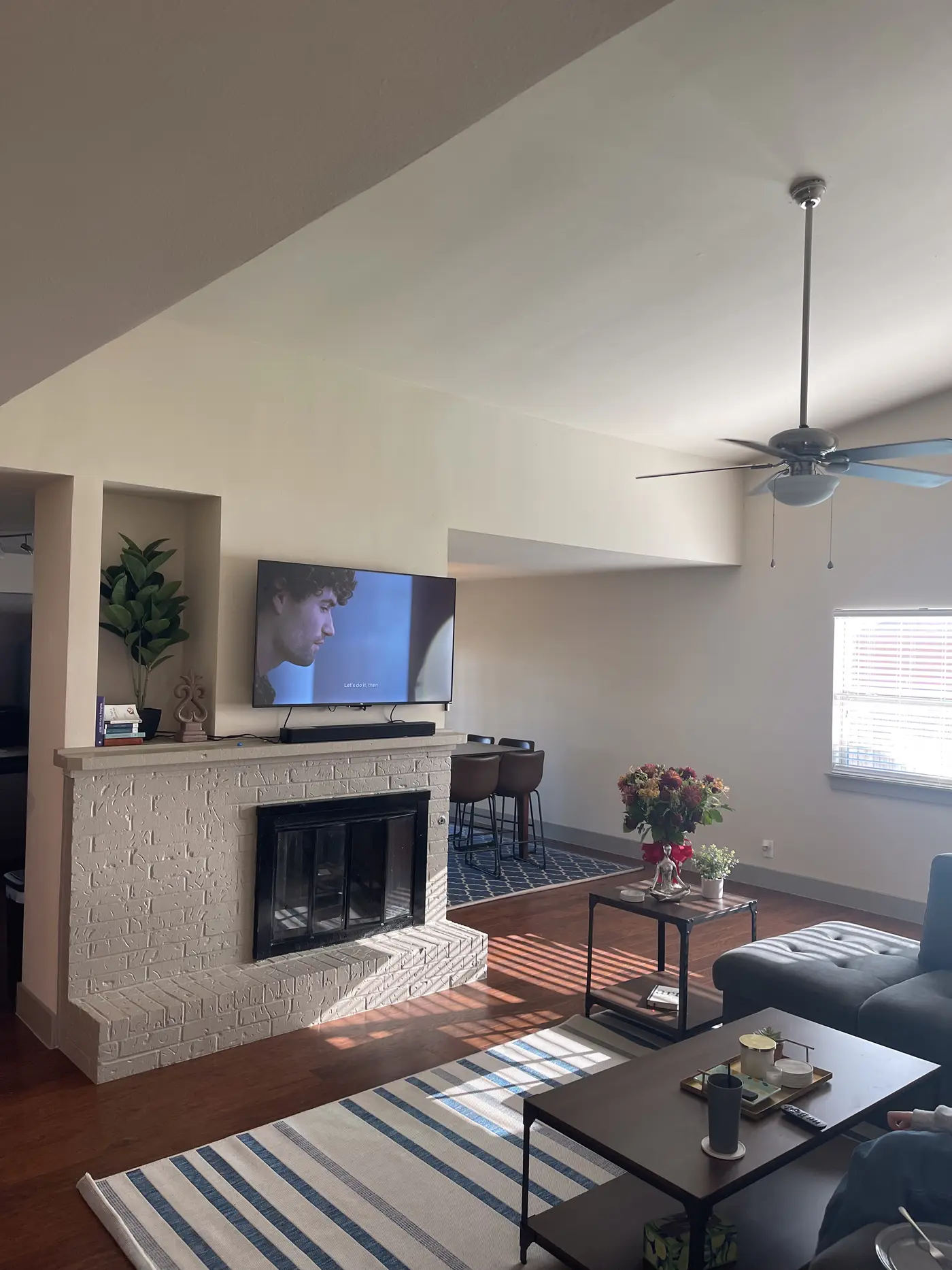
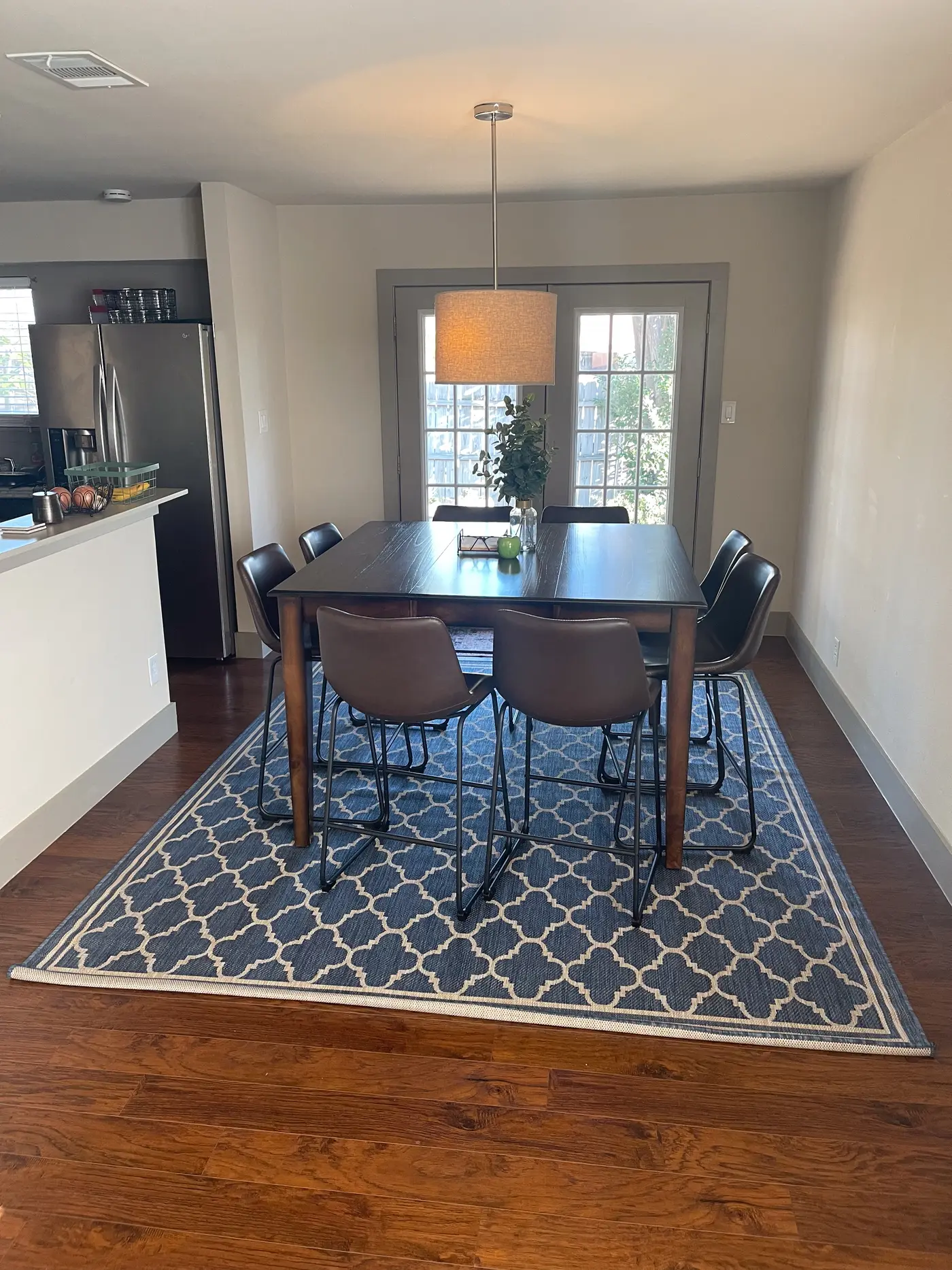
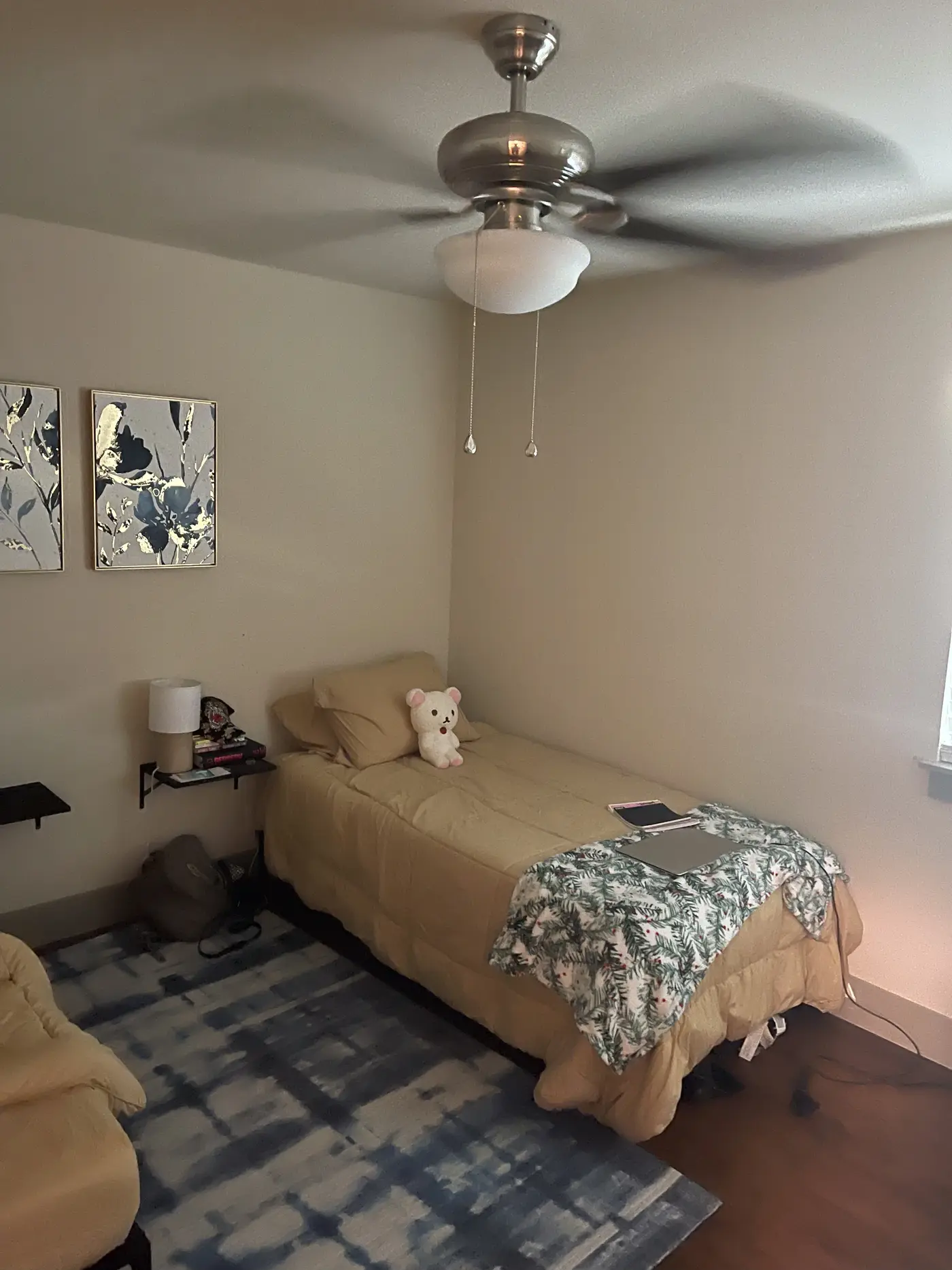
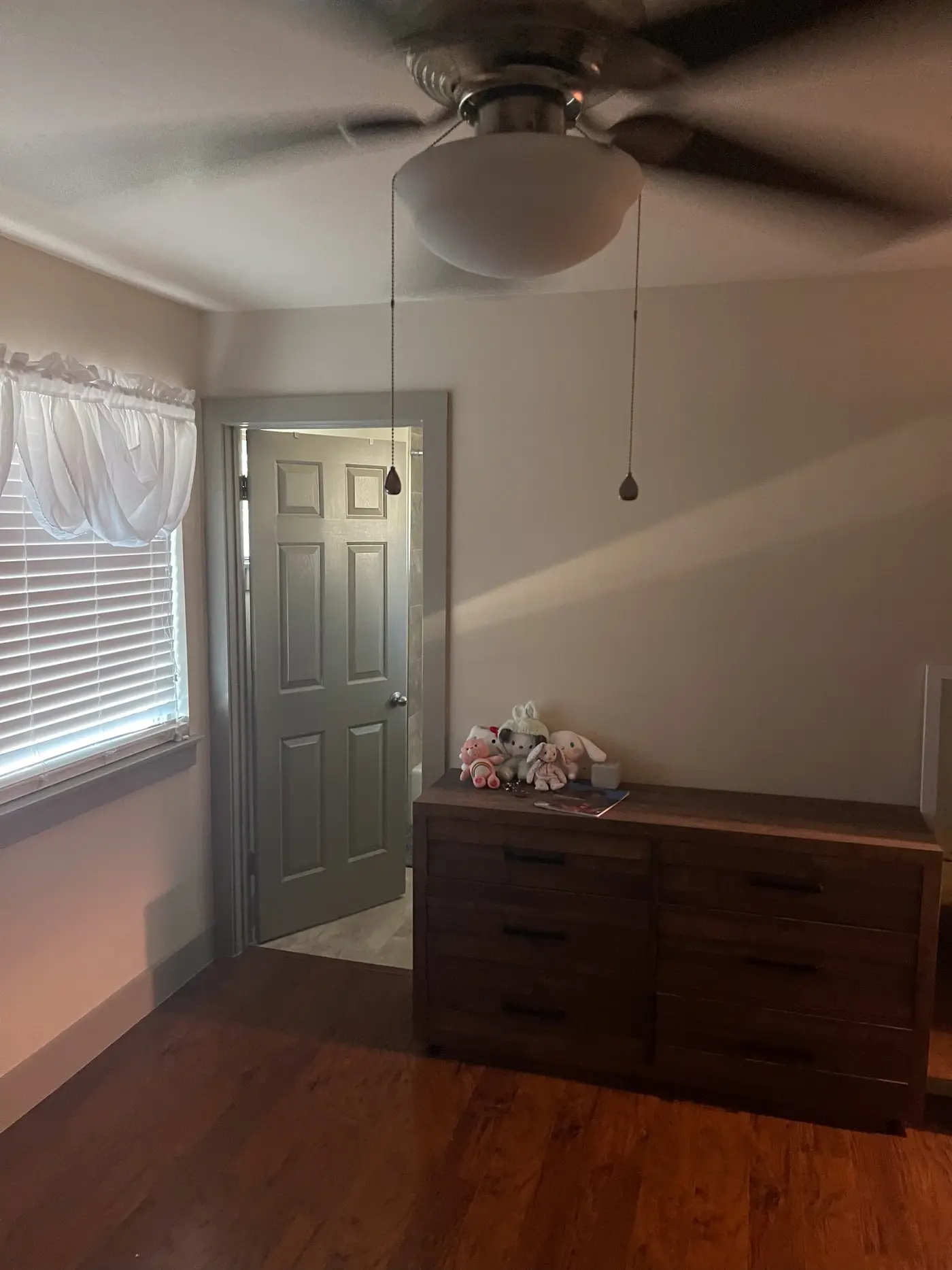
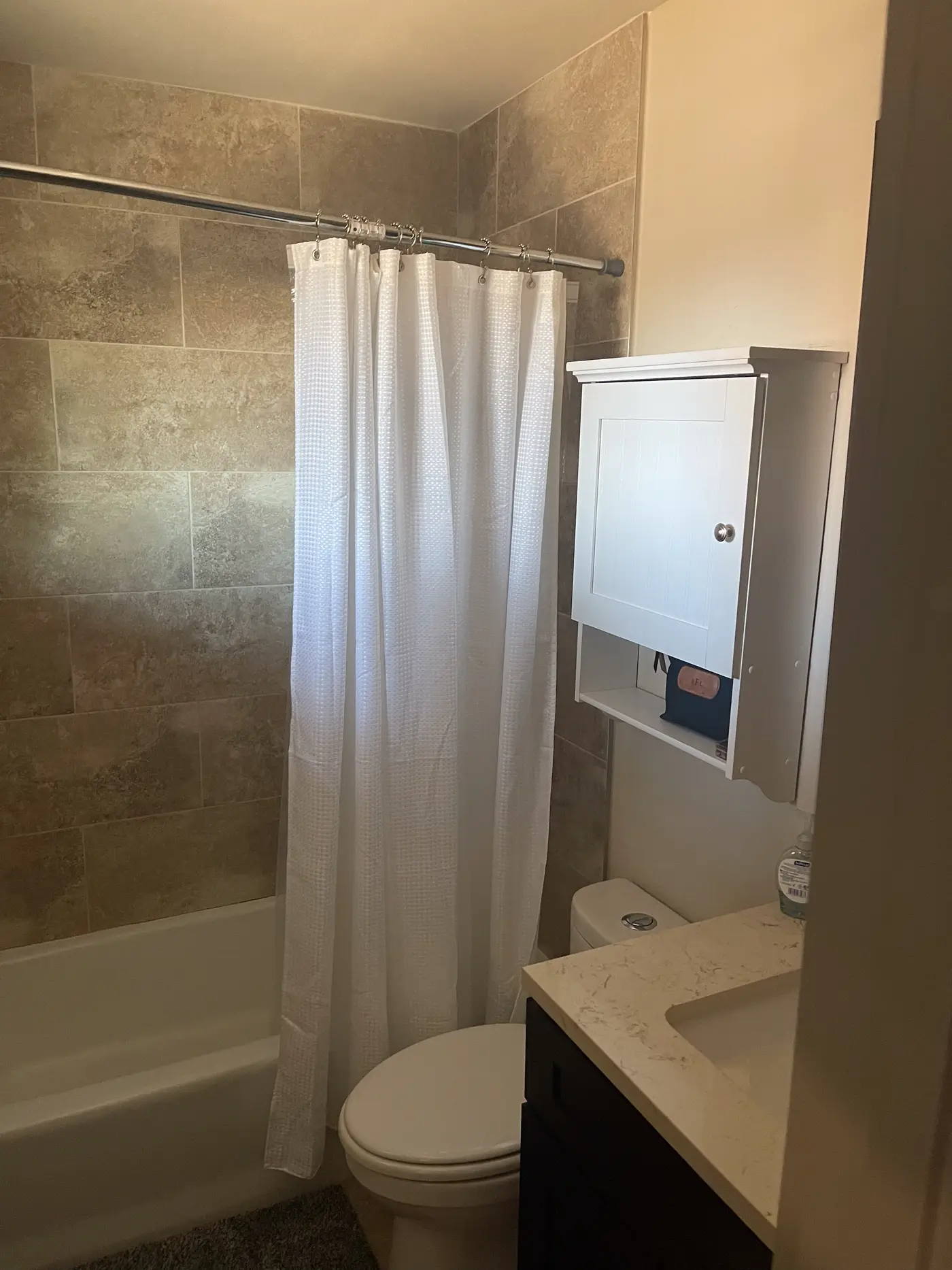
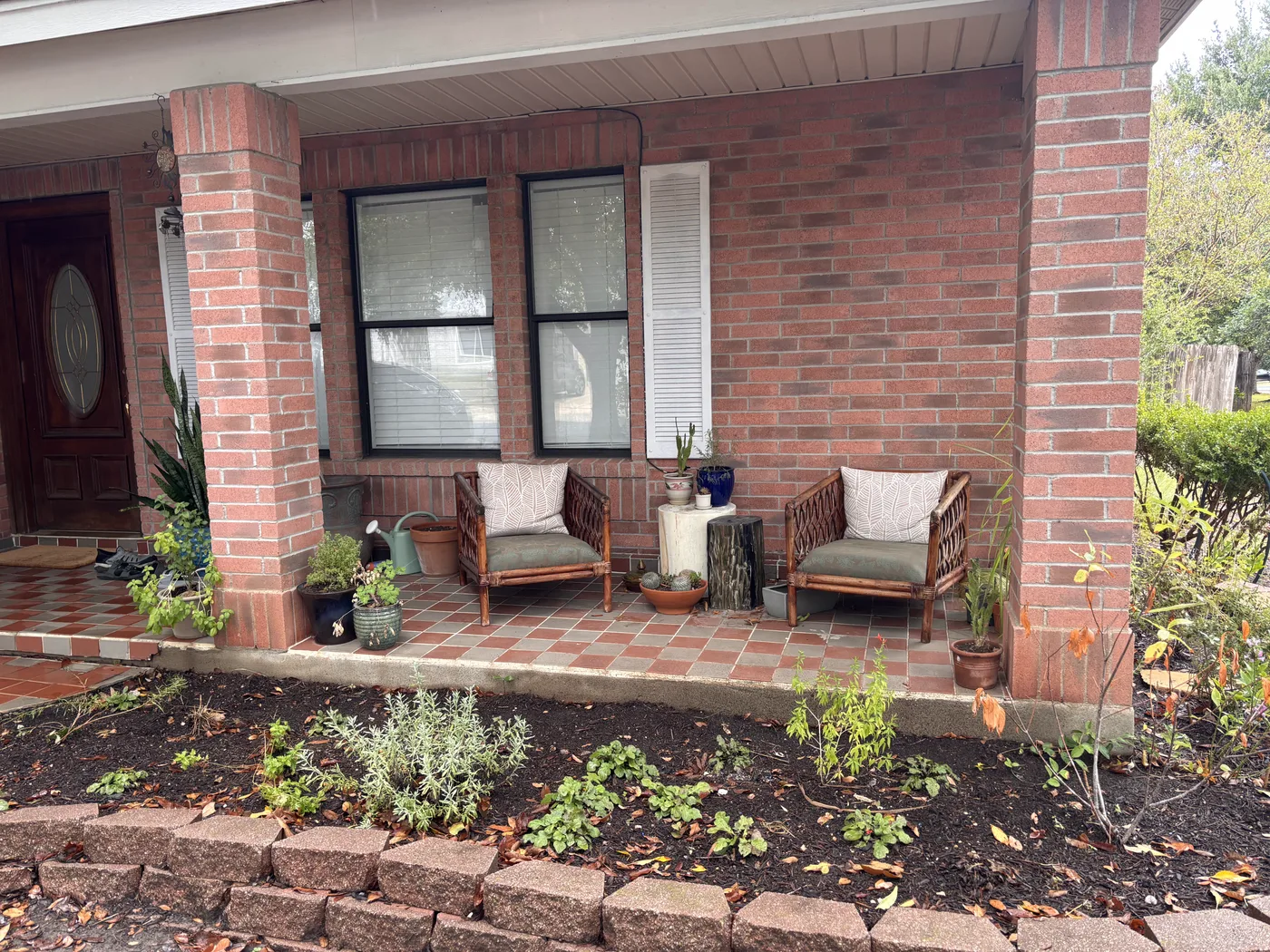
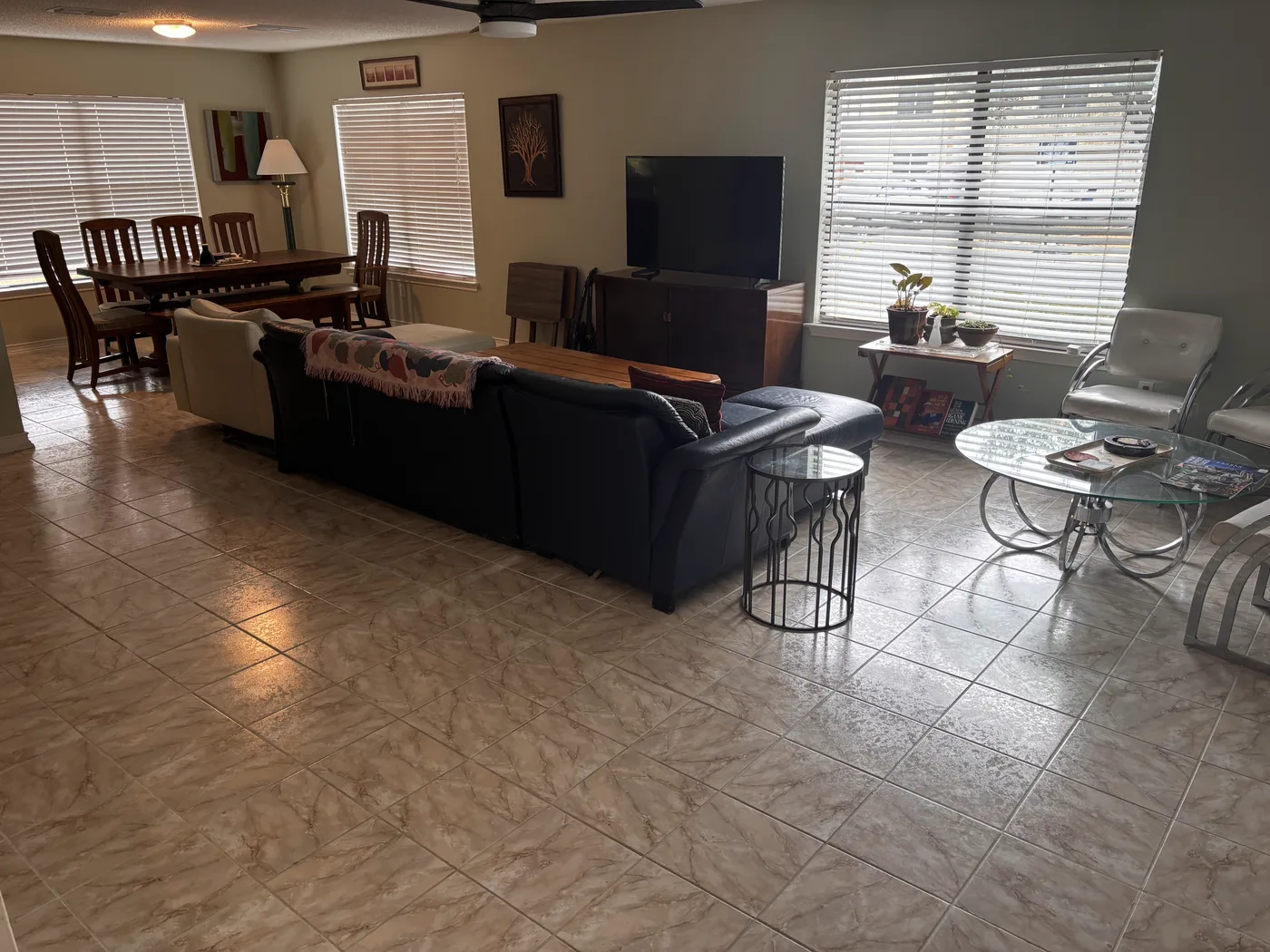
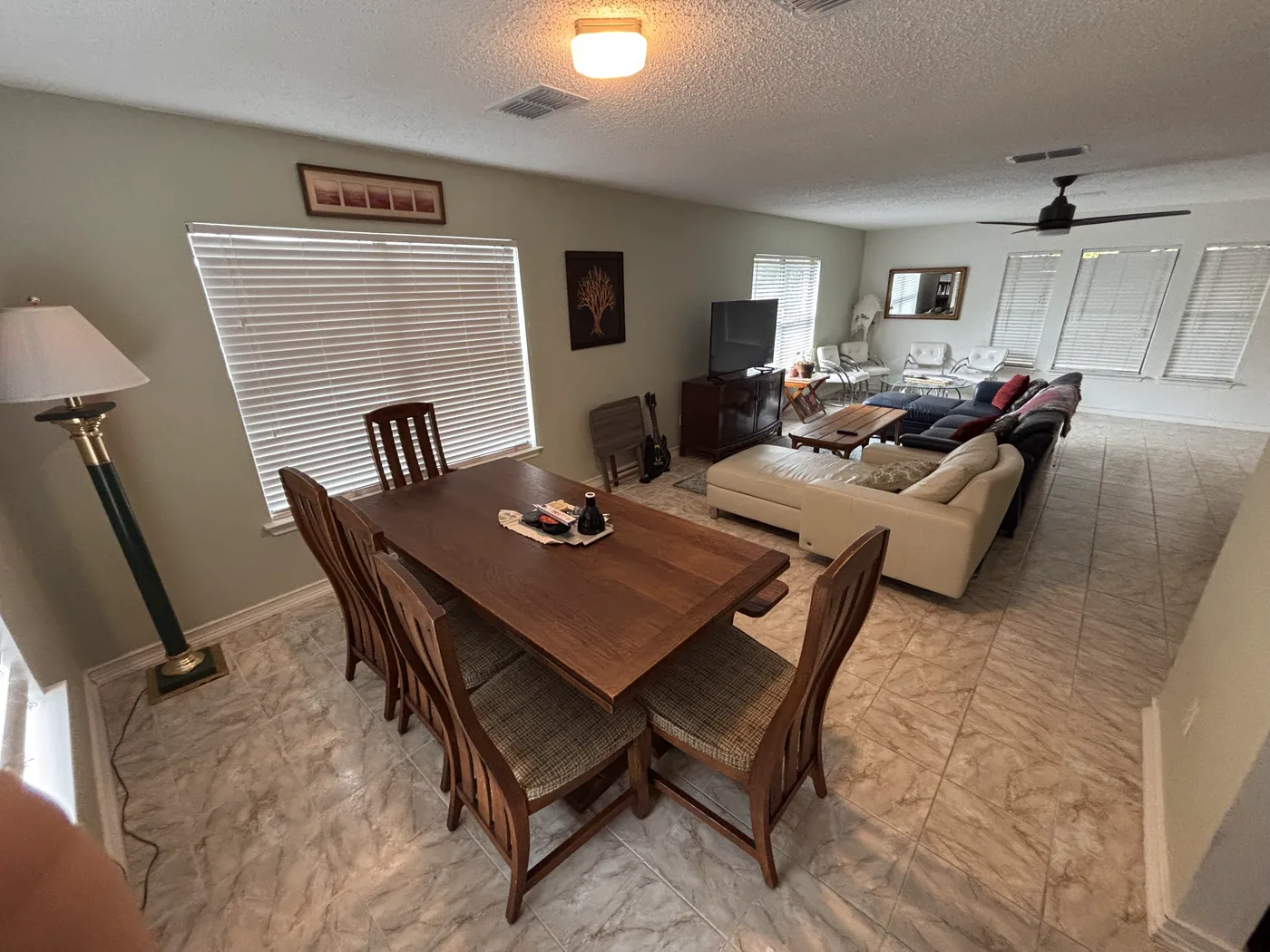
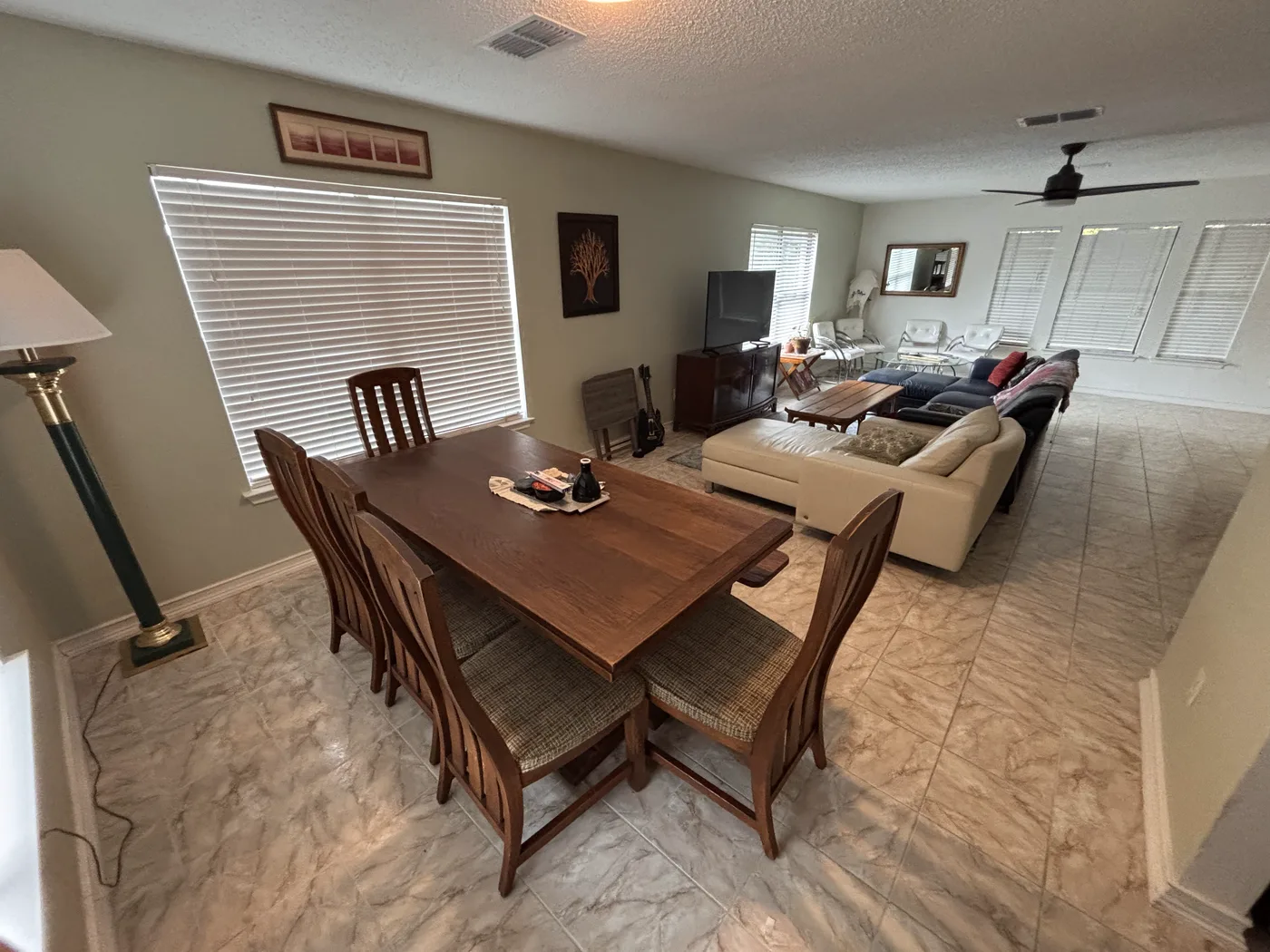
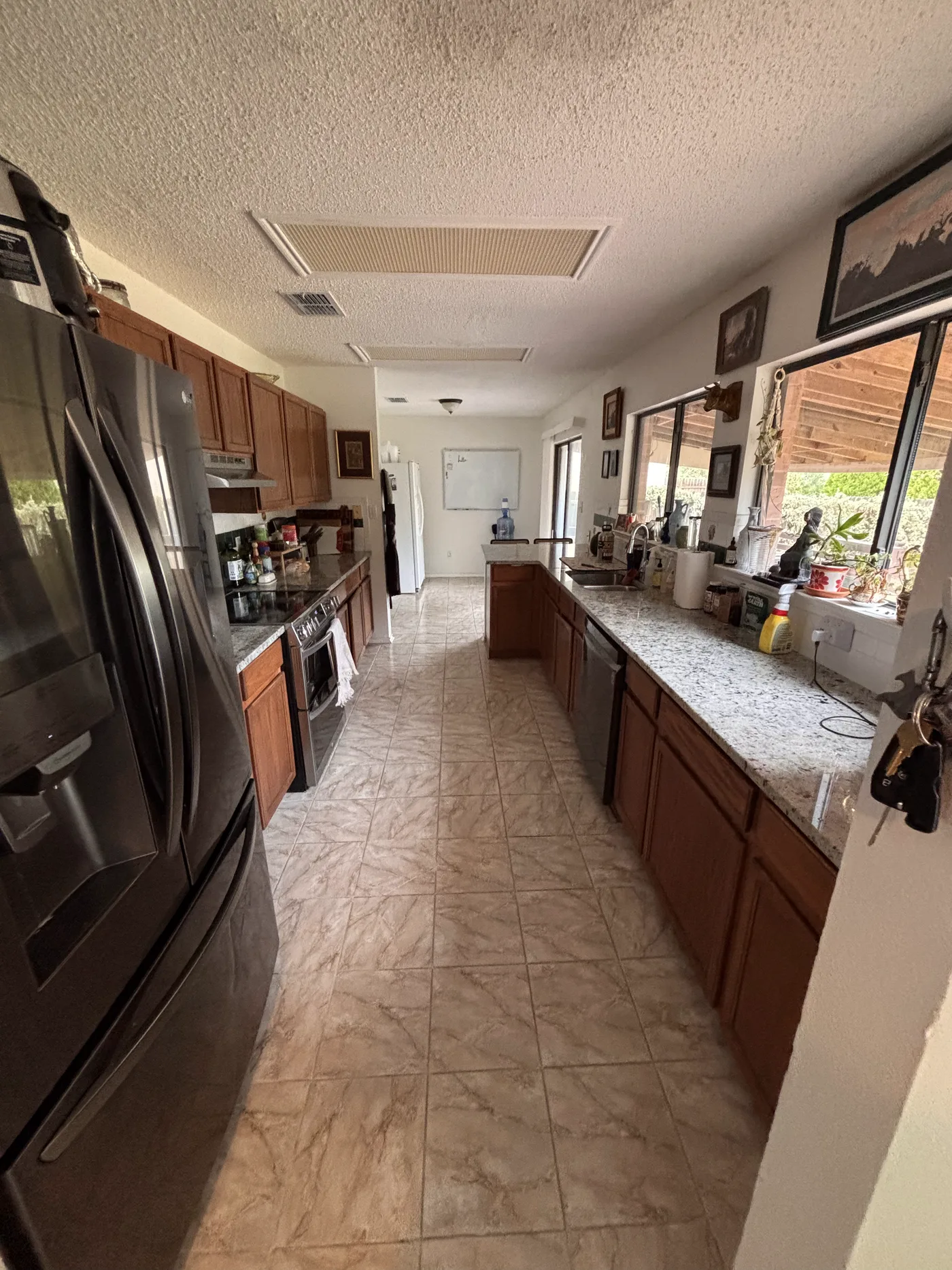
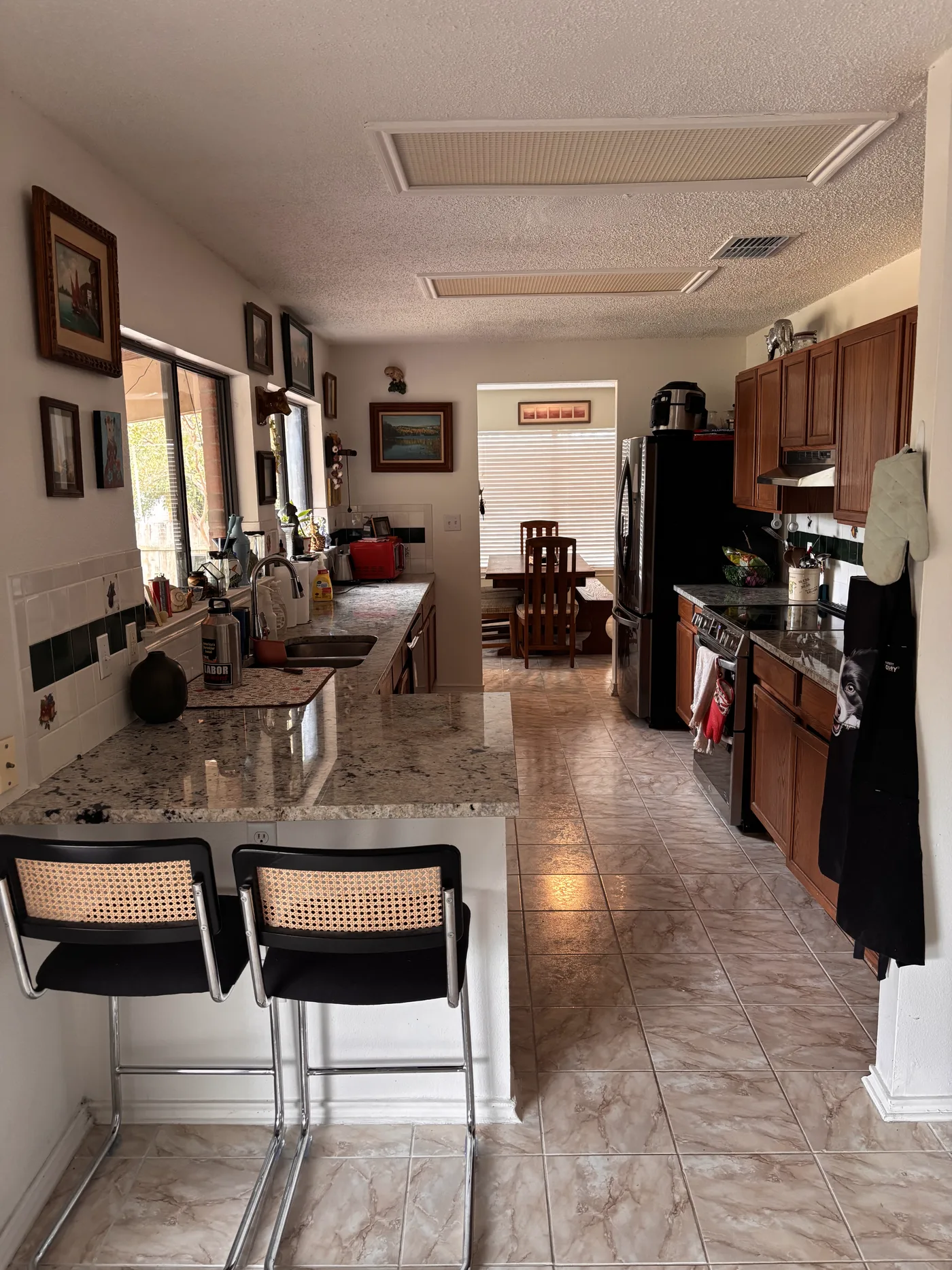
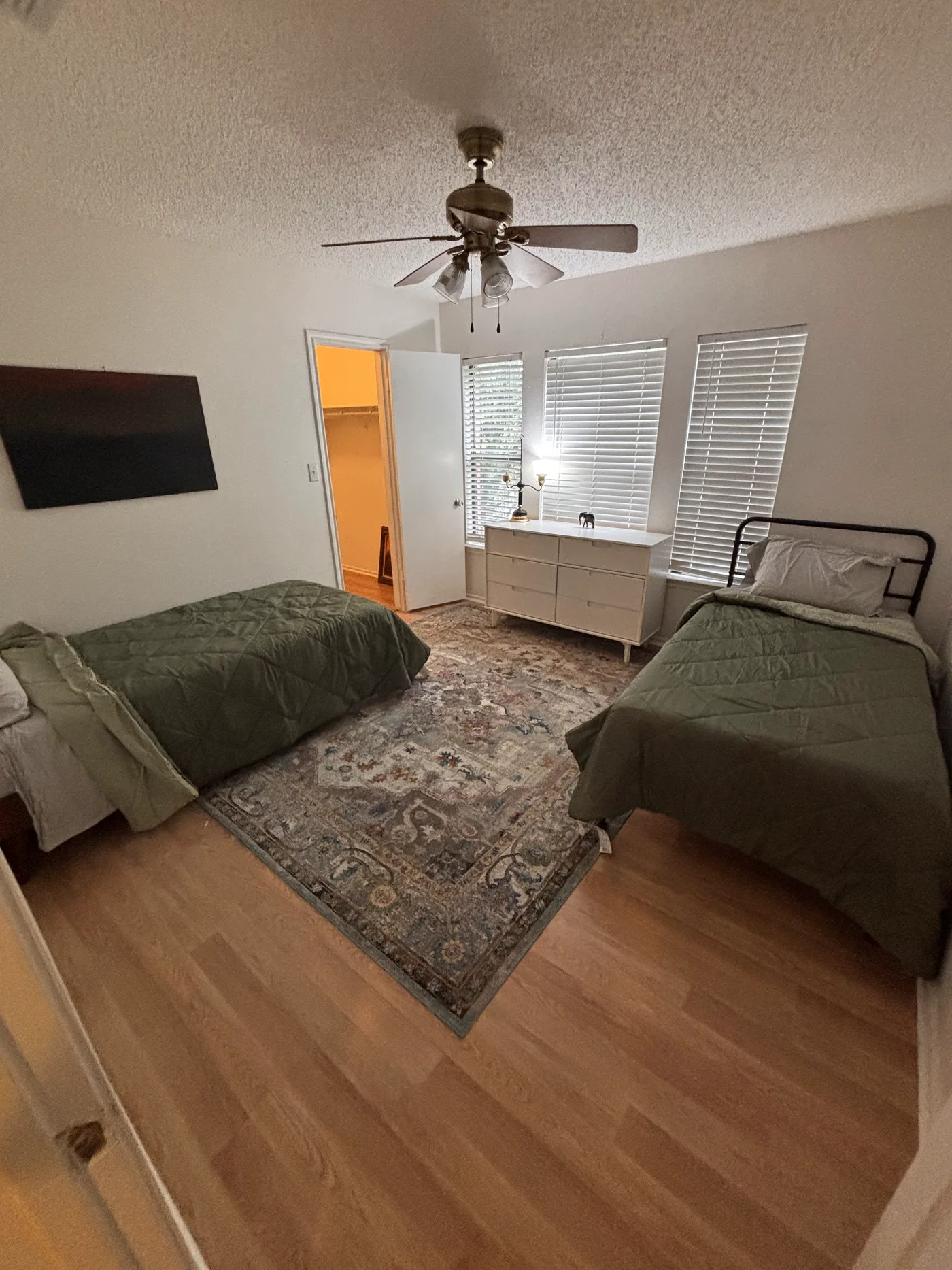
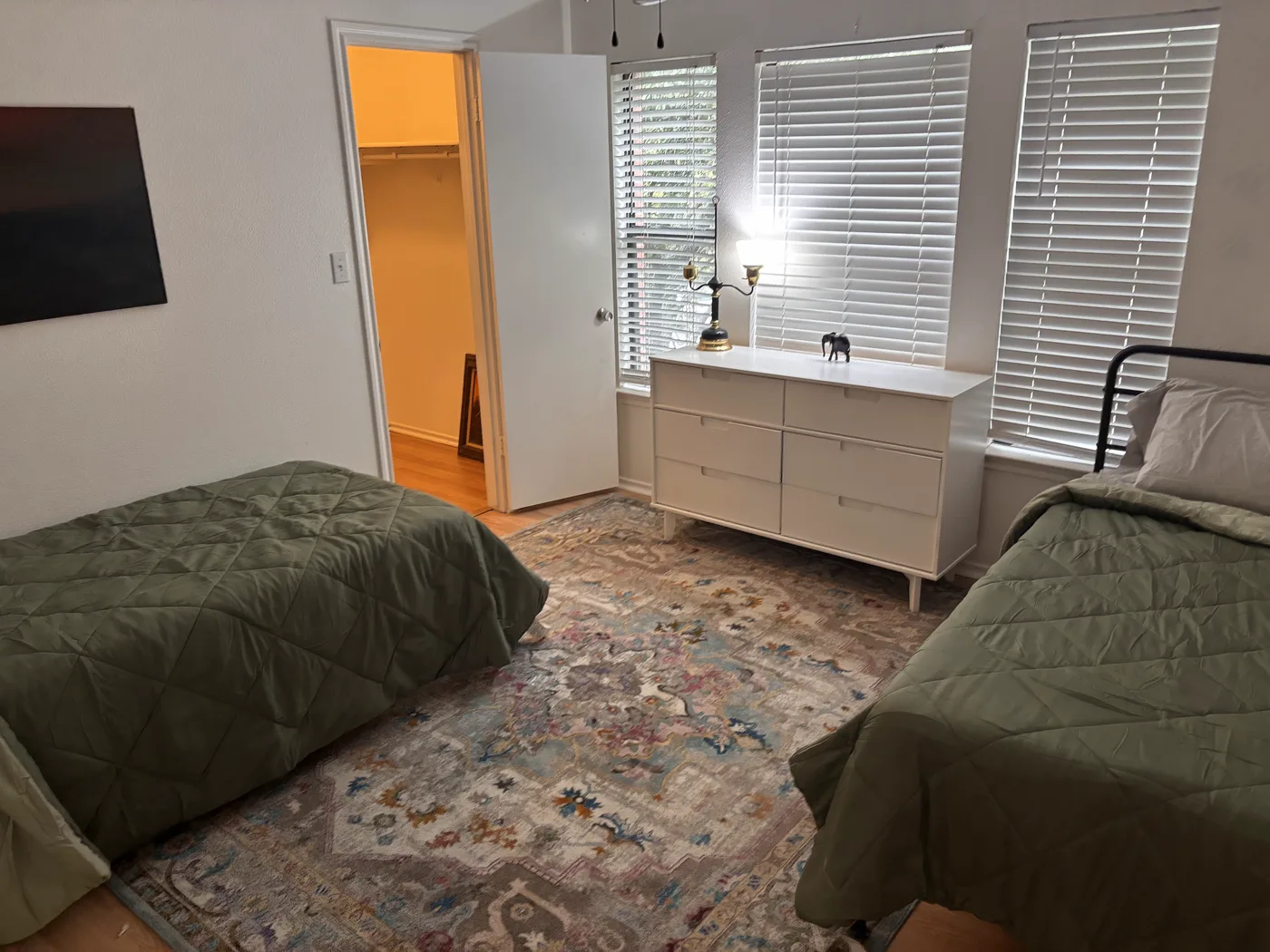
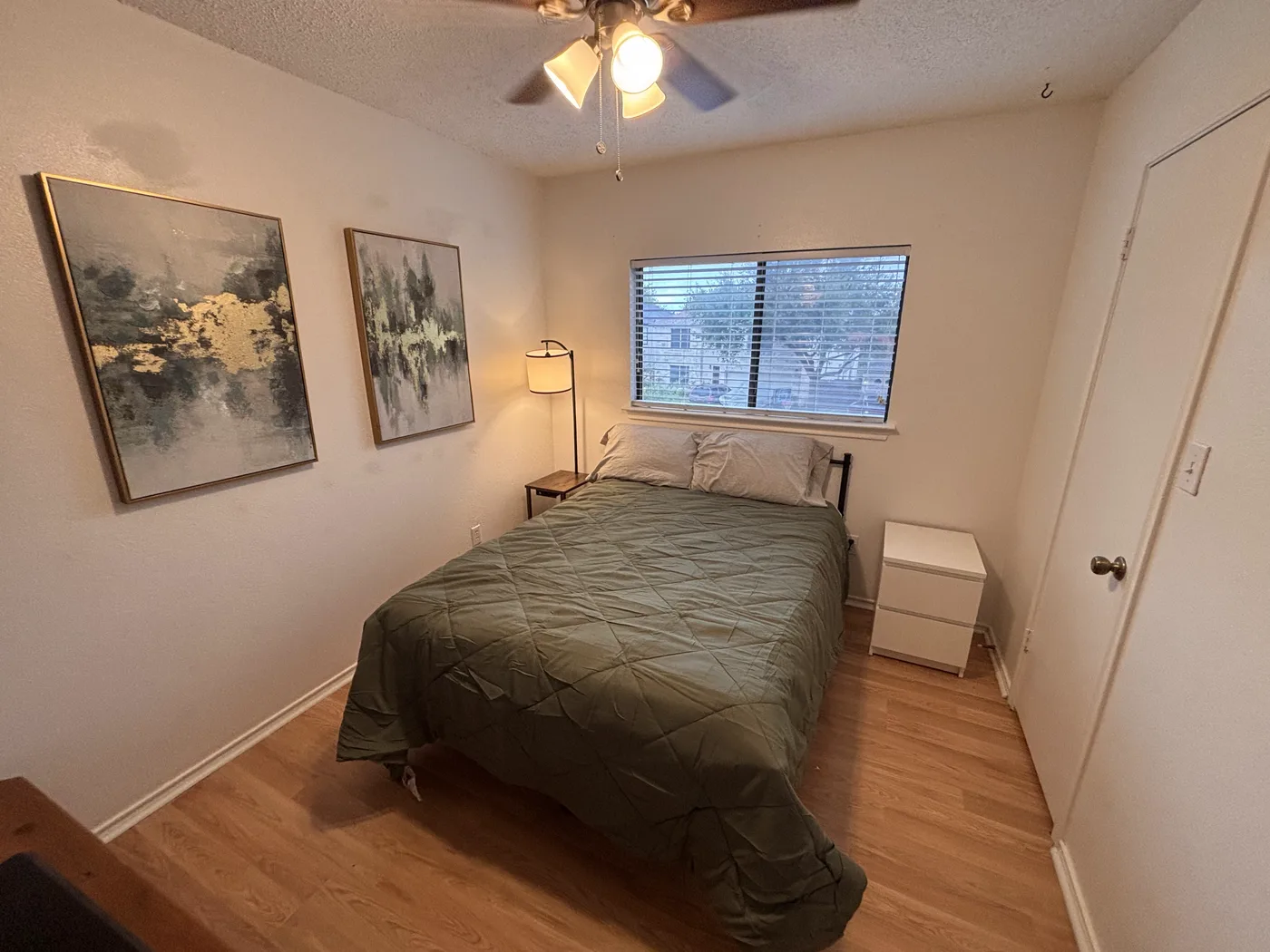
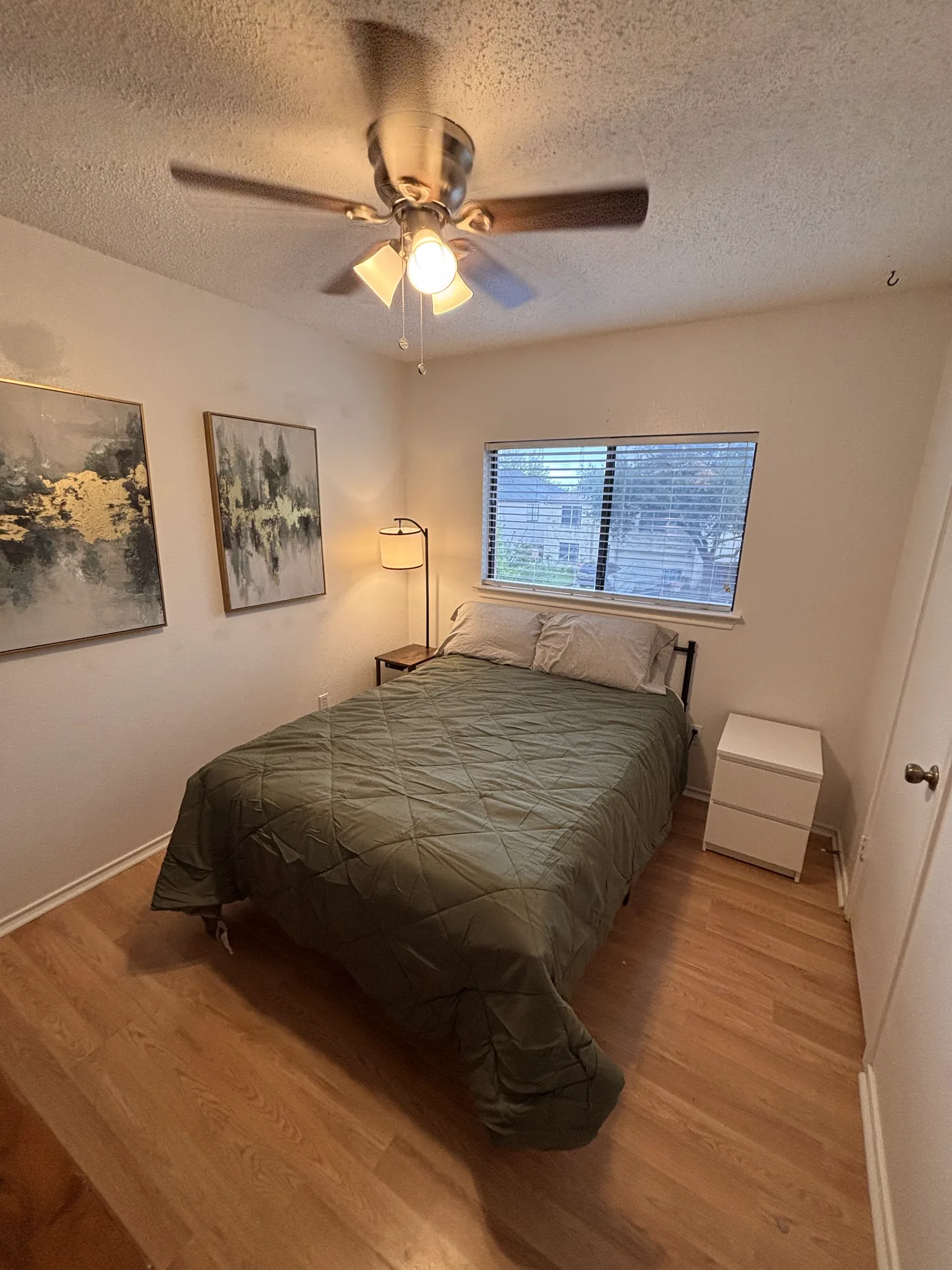
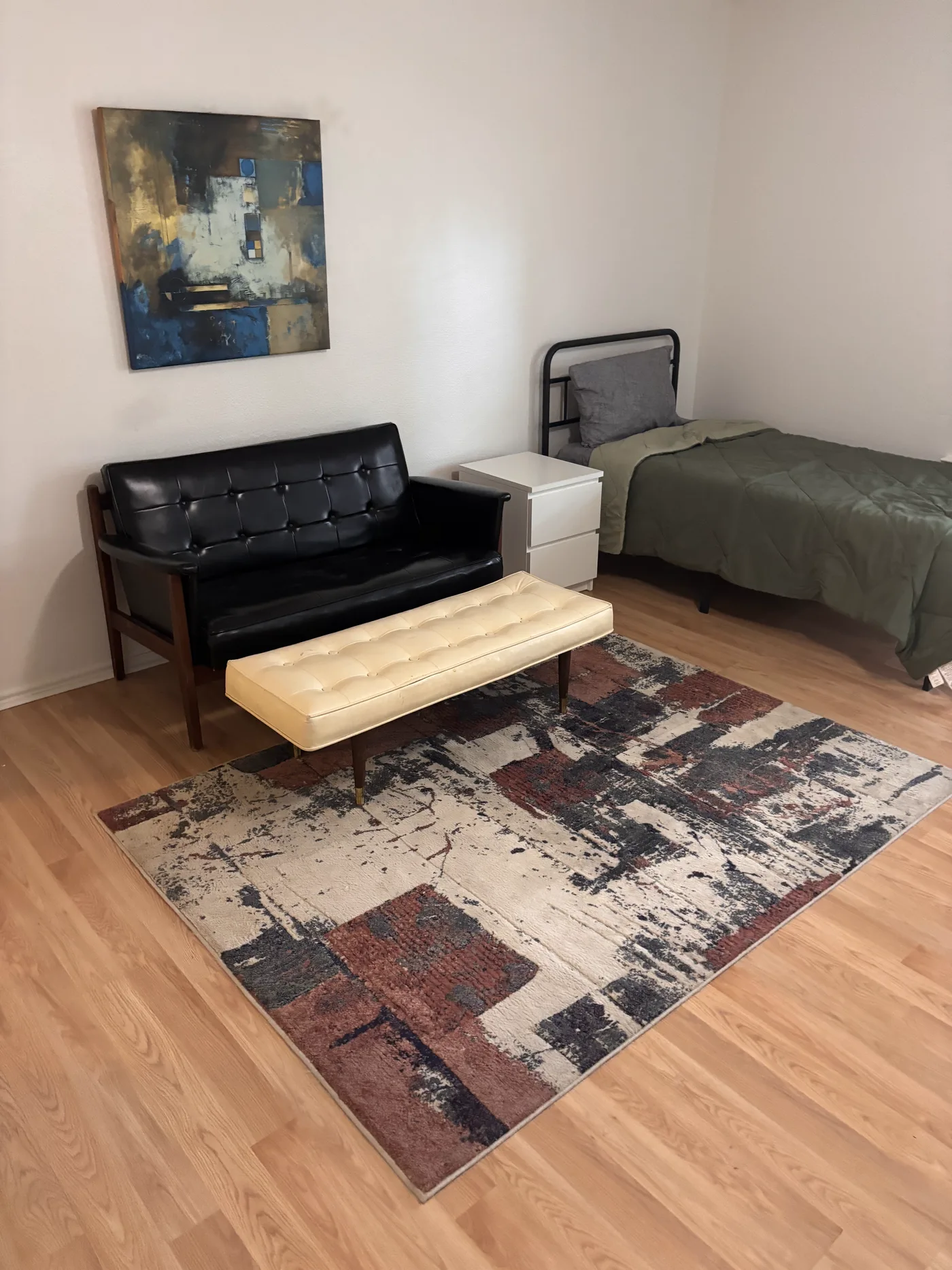
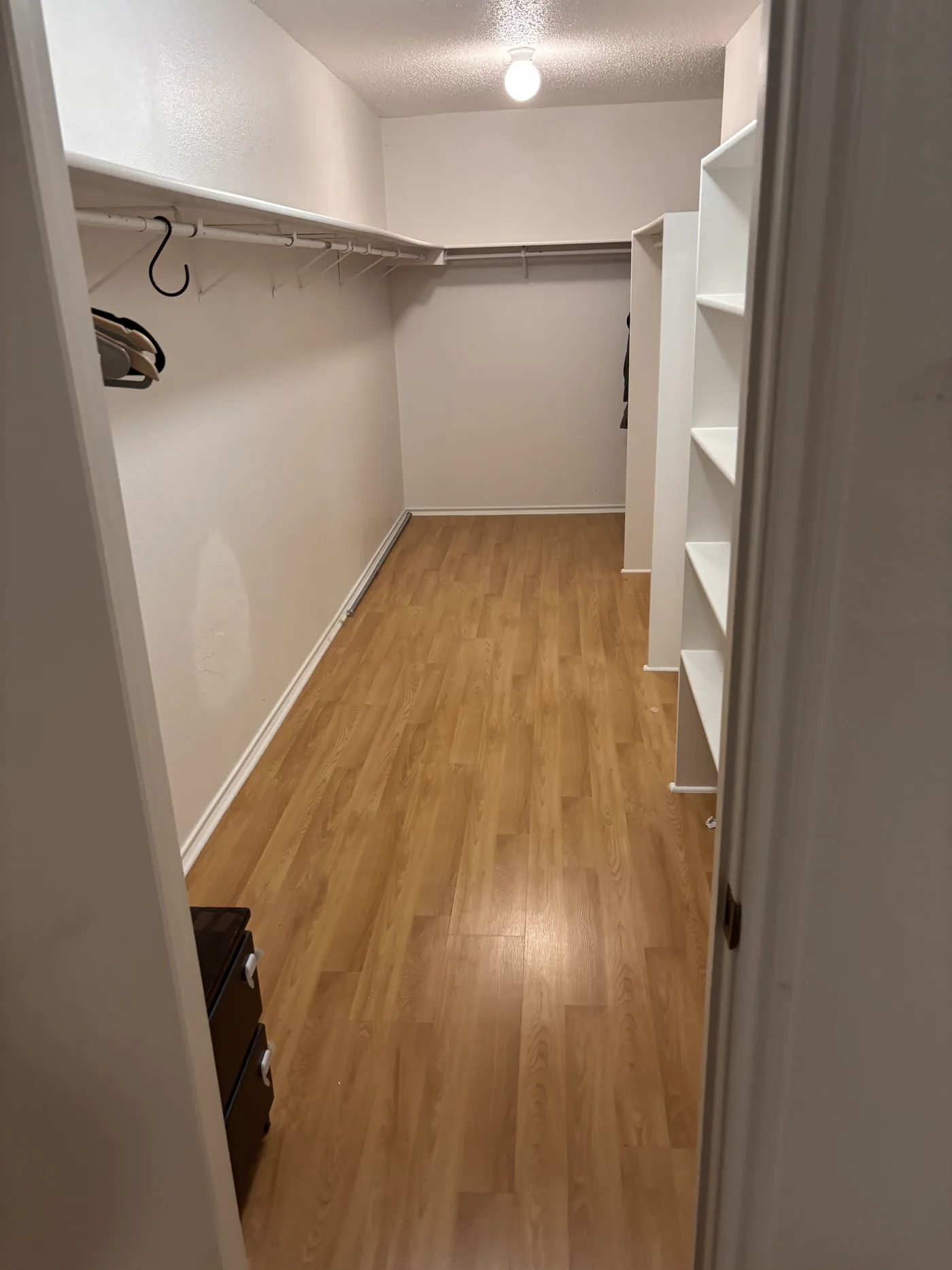
Inside the Austin homes




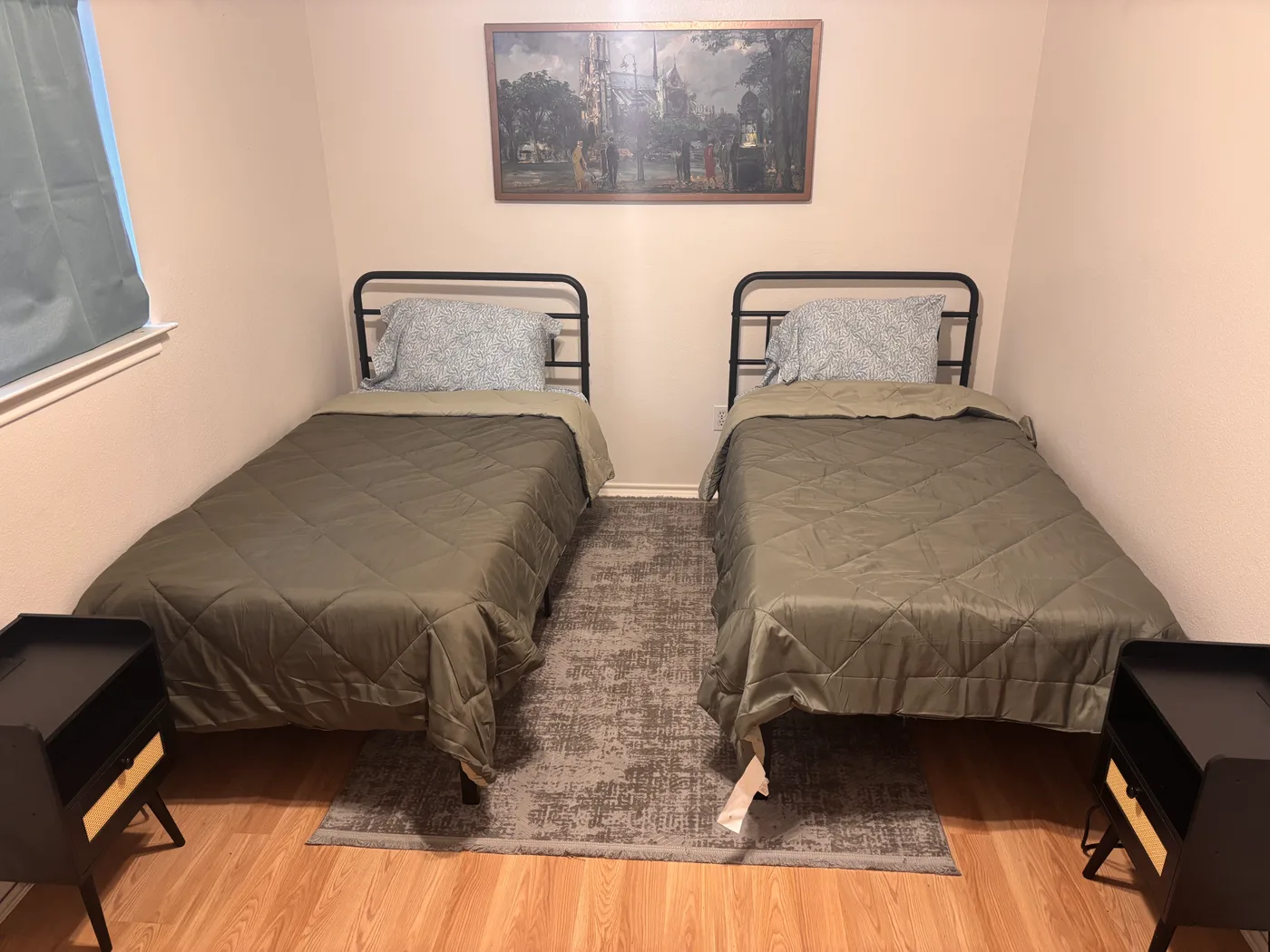
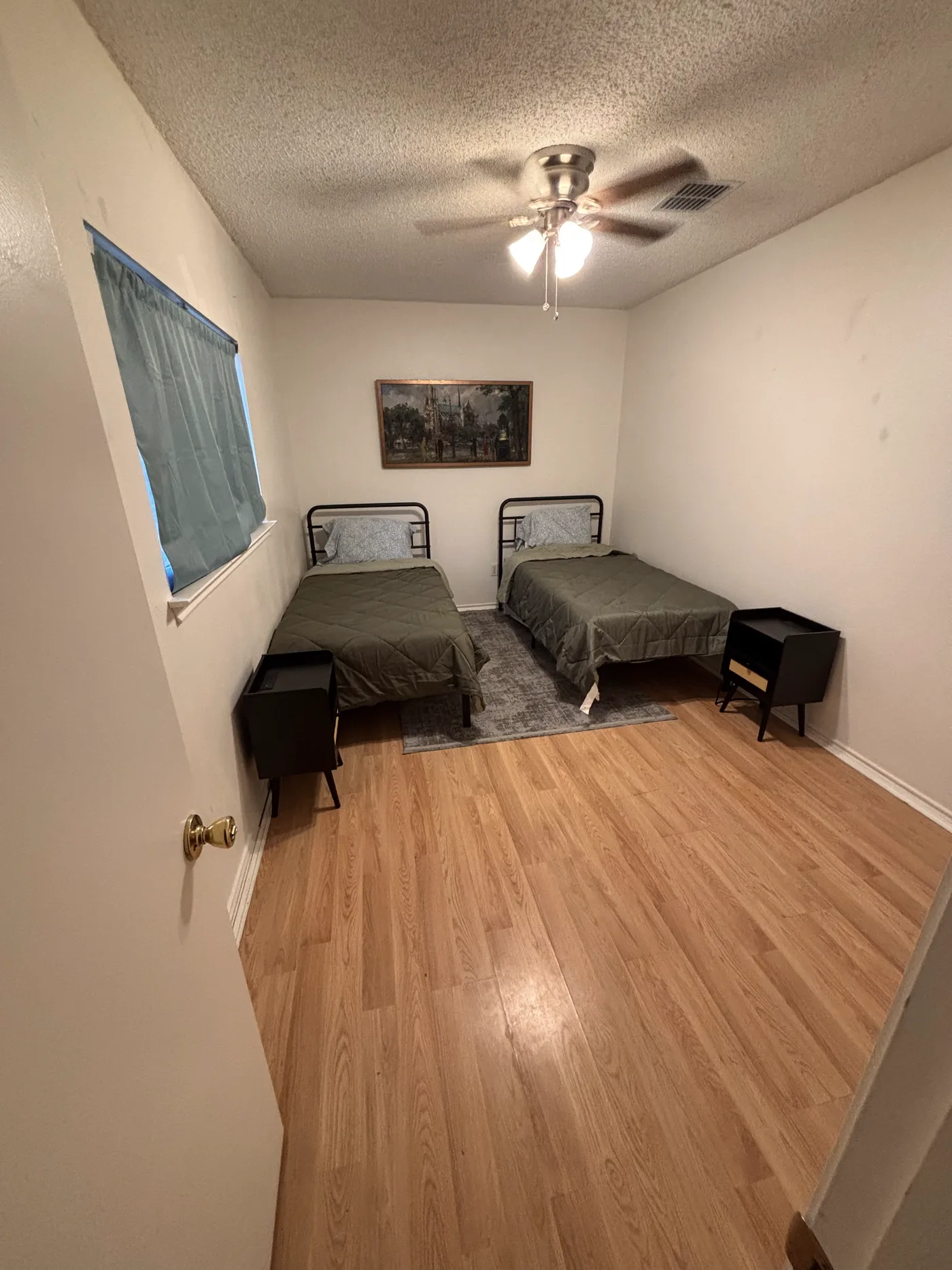
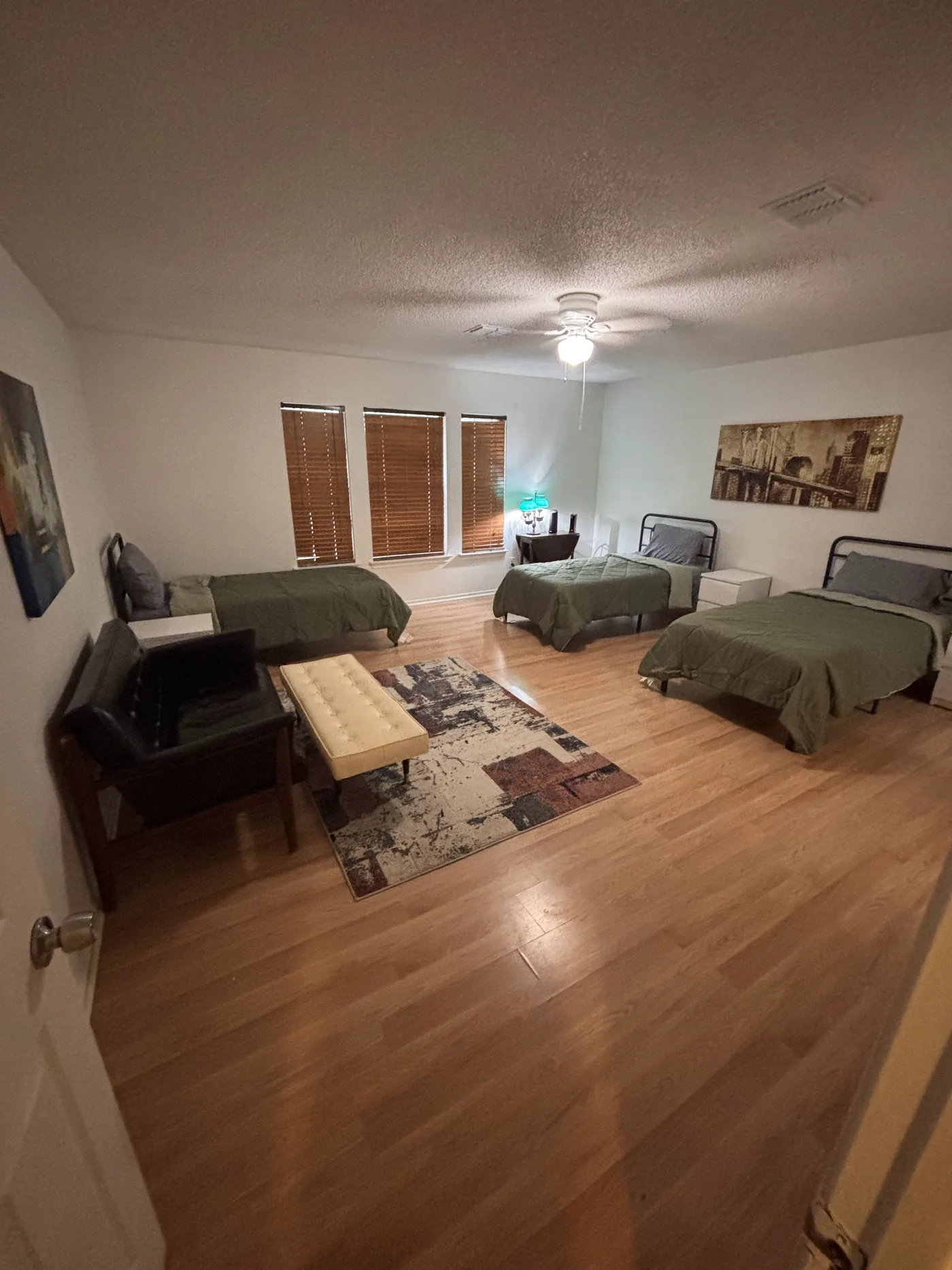
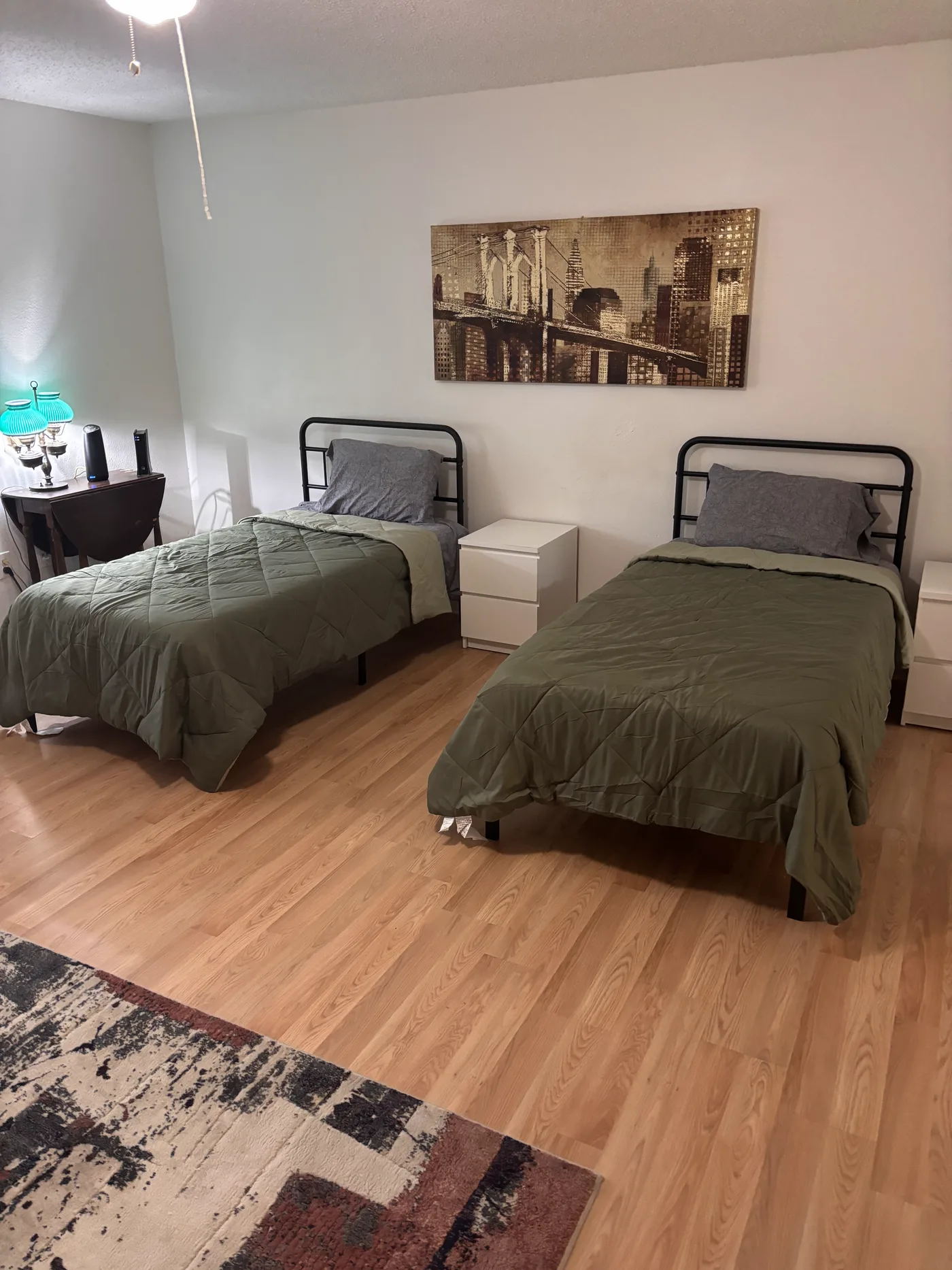
How Families Can Support a Loved One in Recovery
While sober living provides essential support, families also play a critical role in the recovery process. Here are a few ways families can help:
Educate themselves: Learning about addiction and recovery can help family members better understand what their loved one is going through. This knowledge can foster empathy and reduce frustration.
Offer emotional support: Recovery is a long and challenging process. Offering patience, encouragement, and understanding can make a big difference in your loved one’s journey.
Set healthy boundaries: It’s important for family members to set clear boundaries to protect their own well-being. This might mean limiting certain types of interactions or setting expectations around communication.
Encourage professional help: Sometimes, the best way to support a loved one is to encourage them to seek professional help. Whether it’s through therapy, support groups, or a sober living program like Eudaimonia Recovery Homes, professional guidance is essential for long-term recovery.
Get Help Today
Substance abuse and mental health disorders create deep, lasting impacts on families, but with the right support, healing is possible. At Eudaimonia Recovery Homes, we offer comprehensive, evidence-based care for individuals in recovery, while also providing resources to help families heal. By addressing the mind, body, and soul, we create an environment that fosters long-term sobriety and strong, healthy relationships.
Get Help Today. See Availability Today. Confidential Availability Check.
Eudaimonia Can Help Keep You on the Path to Recovery
Eudaimonia offers excellent recovery programs with tailored care. In these programs, individuals can develop positive coping skills with the tools necessary to maintain sobriety. Eudaimonia even provides tailored care based on gender and orientation. We also include supervised, short-term housing to provide support for newly sober individuals.
But no matter where you are in your recovery, Eudaimonia Sober Living Homes can provide support every step of the way. We have facilities for sober living in Austin, Houston, and Colorado Springs ready to assist you in living your sober lifestyle. Call Eudaimonia Sober Living Homes at (512) 240-6612 for more information on the admissions process and current room availability.
Can Someone with Co-Occurring Mental Health Issues Like Depression and Anxiety Live in a Sober Home?
Yes, individuals with co-occurring mental health conditions such as depression and anxiety can live in a sober home. In fact, dual diagnosis residents often thrive in structured sober living environments that provide accountability, peer support, and connection to ongoing mental health care. At Eudaimonia Recovery Homes, we welcome residents managing both substance use recovery and mental health challenges across our Austin TX, Houston TX, San Antonio TX, Colorado Springs CO, Philadelphia PA, and Baton Rouge LA locations.
Many people in recovery face co-occurring disorders, the National Institute on Drug Abuse estimates that nearly half of individuals with a substance use disorder also experience a mental health condition. Sober living homes offer a critical bridge between clinical treatment and independent living, providing:
- Structure and routine that supports mental health stability and reduces anxiety
- Peer community where residents share similar experiences with dual diagnosis recovery
- Accountability measures including regular drug testing and house meetings that reinforce both sobriety and mental wellness
- Connection to outpatient careResidents actively engage with therapists, psychiatrists, and support groups while living in the home
- Medication management supportResidents can continue prescribed psychiatric medications under professional supervision
It’s important to note that sober living homes like Eudaimonia are not Clinical treatment facilities. Residents with co-occurring disorders should be actively engaged in outpatient mental health treatment, such as individual therapy, psychiatric medication management, or intensive outpatient programs (IOP), while residing in the home. The sober living environment complements professional care by providing a stable, substance-free living space where recovery can take root.
What Level of Mental Health Support Do Sober Homes Provide?
Eudaimonia Recovery Homes provides a supportive, recovery-focused community with house managers, accountability structures, and peer support. We require residents to engage with their own mental health professionals and treatment teams. Our role is to maintain a safe, structured environment where residents can focus on both sobriety and mental wellness without the pressures and triggers of their previous living situations.
Residents managing depression, anxiety, PTSD, bipolar disorder, or other mental health conditions succeed in sober living when they:
- Complete appropriate clinical treatment (detox, inpatient, or residential) before moving in
- Maintain active engagement with outpatient mental health providers
- Follow prescribed medication regimens as directed by their psychiatrist or physician
- Participate fully in house accountability measures and community meetings
- Stay connected to peer support groups such as 12-step meetings or SMART Recovery
How to Get Started with Dual Diagnosis Sober Living
If you or a loved one is managing both substance use recovery and mental health challenges, sober living can provide the stability and support needed for long-term success. Contact Eudaimonia Recovery Homes at (512) 240-6612 To discuss your specific situation, mental health needs, and which of our locations, Austin, Houston, San Antonio, Colorado Springs, Philadelphia, or Baton Rouge, is the best fit. Our admissions team will help coordinate with your treatment providers to ensure a smooth transition into a supportive, recovery-focused home.


