
Published December 10, 2024 · Updated August 5, 2026
On This Page · 28 Sections

Sober Living
Austin
10506 Parkfield Dr, Austin, TX 78758
Recovery is a journey that requires resilience, self-awareness, and support, especially when transitioning to sober living in Austin. Sober living Austin offers a structured environment for those seeking long-term recovery. While family and friends play a vital role in this process, setting boundaries with them can be a critical step toward achieving long-term sobriety. At Austin-based Eudaimonia Recovery Homes, we understand the challenges faced by individuals in recovery, and we’re here to provide guidance on how to establish healthy boundaries that foster both personal growth and stronger relationships.
Why Setting Boundaries Matters for Sober Living in Austin
Boundaries are essential for maintaining your physical, emotional, and mental well-being during recovery. In sober living Austin, setting boundaries becomes even more crucial to maintain a supportive environment. When you’re on the path to sobriety, you’re likely focusing on healing from the effects of addiction, a process that requires a healthy environment. In the context of sober living Austin, setting clear boundaries helps to:
- Protect your sobriety: Ensuring that you avoid situations or relationships that could trigger a relapse.
- Reduce stress: Minimizing conflict and emotional strain that can lead to feelings of overwhelm.
- Foster accountability: Allowing yourself to prioritize recovery while maintaining respectful interactions with loved ones.
Transitioning into sober living is a significant adjustment, but setting boundaries makes it easier to navigate these changes and create a supportive foundation for your new life.
Steps to Set Healthy Boundaries
1. Identify Your Needs
Begin by understanding what you need to maintain your recovery. Whether it’s limiting exposure to certain people or avoiding environments tied to your past substance use, clarity is key. For instance, if attending parties where alcohol is present poses a risk, communicate this preference clearly to your loved ones.
“Understanding your needs is the first step toward articulating effective boundaries.”
2. Communicate Clearly and Calmly
Effective communication is the cornerstone of boundary-setting. Express your needs using “I” statements to avoid blame or misunderstanding. For example, you might say:
- “I need some space to focus on my recovery.”
- “I’d appreciate it if we could spend time together in settings that don’t involve alcohol.”
Being direct and respectful ensures that your message is received without unnecessary conflict.
3. Set Realistic Expectations
Recognize that not everyone will understand your journey fully, and that’s okay. What matters is that your boundaries are realistic and align with your recovery goals. For example, if a family member struggles to accept your limitations, remind yourself that their reaction is not a reflection of your worth or progress.
4. Be Consistent
Consistency reinforces the boundaries you set, especially in a sober living Austin environment. If you allow exceptions too often, others may not take your limits seriously. By sticking to your decisions, you signal the importance of your recovery and self-care.
5. Seek Support When Needed
Setting boundaries can feel overwhelming, especially if you’re navigating complicated relationships. At Eudaimonia Recovery Homes, a leader in sober living Austin, we offer support systems to help you stay firm in your boundaries. Joining support groups or working with a counselor can provide valuable tools and insights.
Common Challenges and How to Overcome Them
1. Guilt
Many individuals in recovery feel guilty for saying “no” to loved ones. However, it’s crucial to remember that prioritizing your well-being is not selfish. Recovery is a time for healing, and setting boundaries is an act of self-respect.
Solution: Remind yourself of your goals and affirm that your boundaries benefit both you and your loved ones in the long term.
2. Pushback From Others
Some family members or friends may resist your boundaries, either out of misunderstanding or discomfort with change.
Solution: Stay firm but compassionate. Repeat your boundaries when necessary and consider seeking mediation through a counselor if conflicts arise.
3. Fear of Losing Relationships
Worrying about damaging relationships is natural, but healthy boundaries often strengthen connections by promoting mutual respect.
Solution: Focus on open communication. Explain the reasons behind your boundaries to help others see the bigger picture.
How Eudaimonia Recovery Homes Can Help
Learn more about our sober living services in Austin and discover how we can support your journey to recovery. At Eudaimonia Recovery Homes, we provide a safe and structured environment for individuals transitioning into sober living. Our evidence-based programs are designed to empower you with the tools and strategies needed to maintain sobriety and build a fulfilling life. Here’s how we can support you:
- Comprehensive Care: From detox to independent living, we guide you every step of the way.
- Community Support: Our sober living homes foster connections with peers who understand and share your experiences.
- Personalized Plans: Tailored strategies to help you set boundaries, overcome challenges, and thrive in recovery.
With our Austin-based sober living services, you can count on us to help you navigate the complexities of recovery while staying true to your goals.
Final Thoughts
Setting boundaries with family and friends is a vital part of the recovery journey. By protecting your sobriety, reducing stress, and fostering healthier relationships, boundaries empower you to focus on what truly matters: your well-being. Remember, you don’t have to navigate this journey alone. Eudaimonia Recovery Homes is here to help you achieve lasting recovery with the support and care you deserve.
Ready to take the next step? Get help today. Contact Eudaimonia Recovery Homes for a Confidential Availability Check.!
Eudaimonia Can Help Keep You on the Path to Recovery
Eudaimonia offers excellent recovery programs with tailored care. In these programs, individuals can develop positive coping skills with the tools necessary to maintain sobriety. Eudaimonia even provides tailored care based on gender and orientation. We also include supervised, short-term housing to provide support for newly sober individuals.
But no matter where you are in your recovery, Eudaimonia Sober Living Homes can provide support every step of the way. We have facilities for sober living in Austin, Houston, and Colorado Springs ready to assist you in living your sober lifestyle. Call Eudaimonia Sober Living Homes at (512) 240-6612 for more information on the admissions process and current room availability.
Recovery is a journey that requires resilience, self-awareness, and support, especially when transitioning to sober living in Austin. Sober living Austin offers a structured environment for those seeking long-term recovery. While family and friends play a vital role in this process, setting boundaries with them can be a critical step toward achieving long-term sobriety. At Austin-based Eudaimonia Recovery Homes, we understand the challenges faced by individuals in recovery, and we’re here to provide guidance on how to establish healthy boundaries that foster both personal growth and stronger relationships.
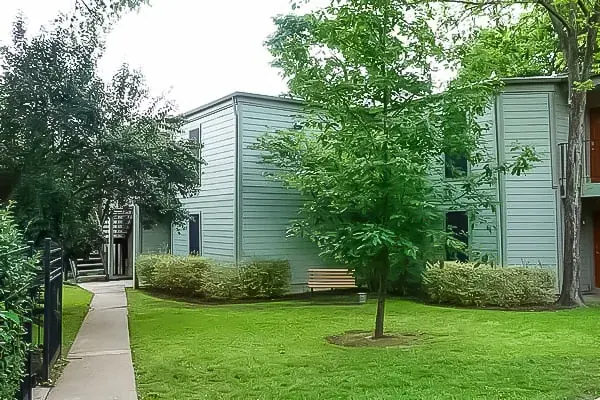
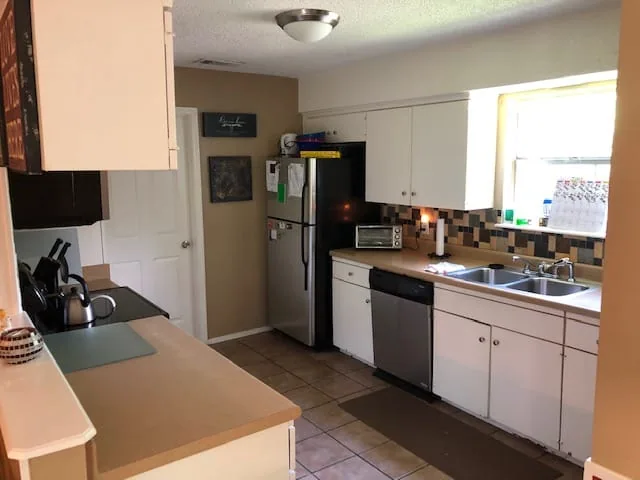
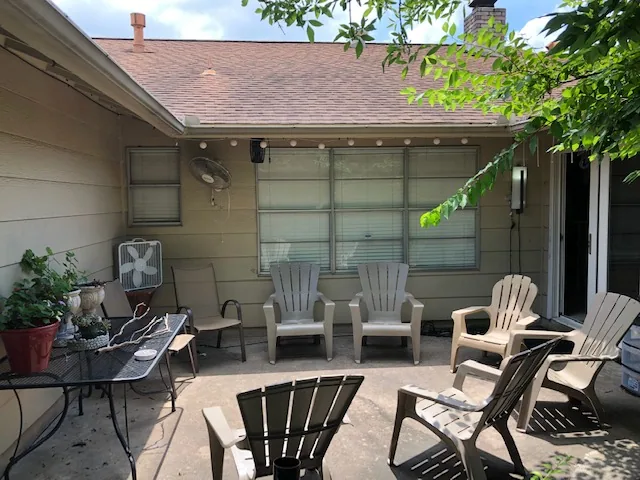
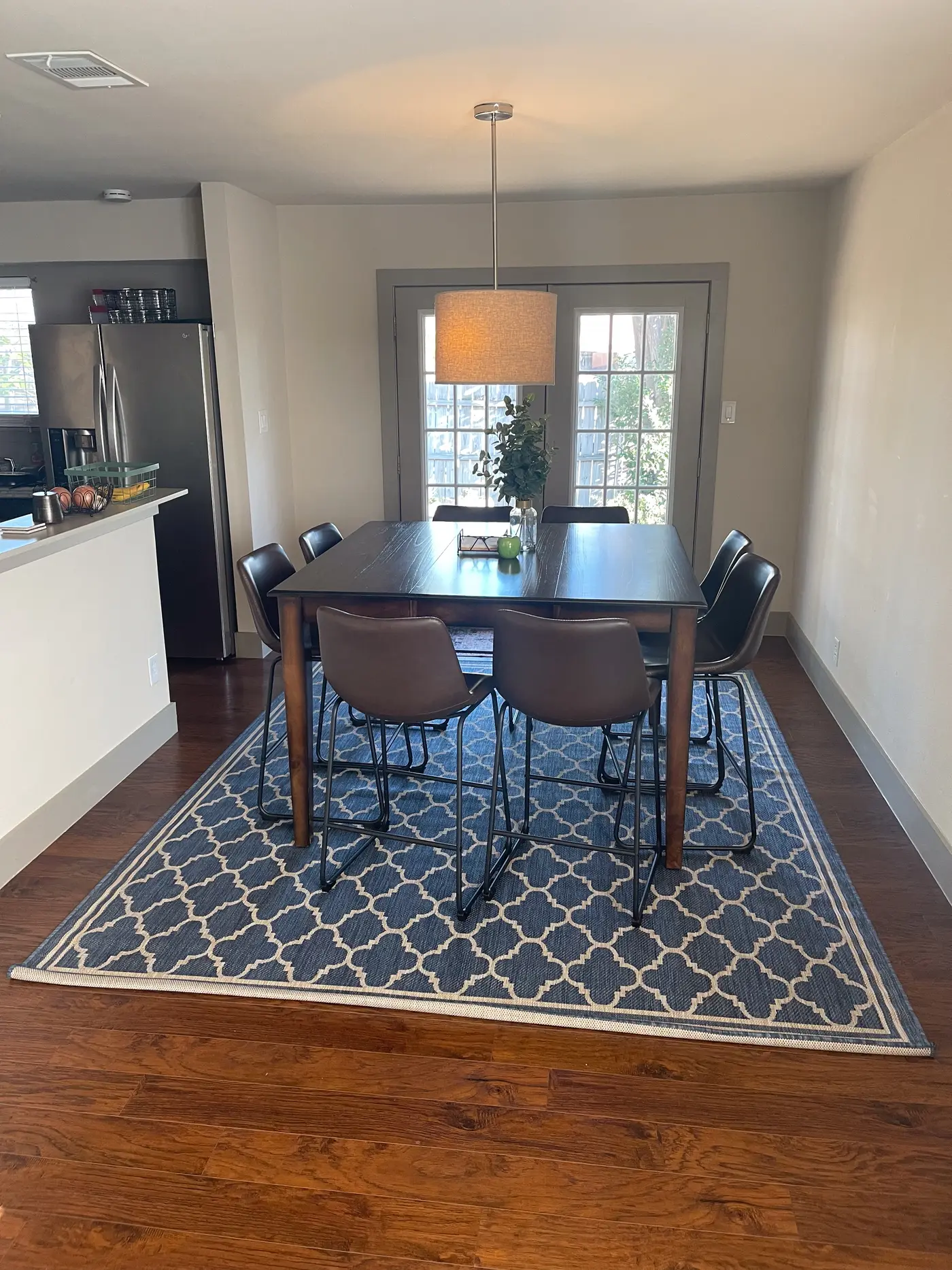
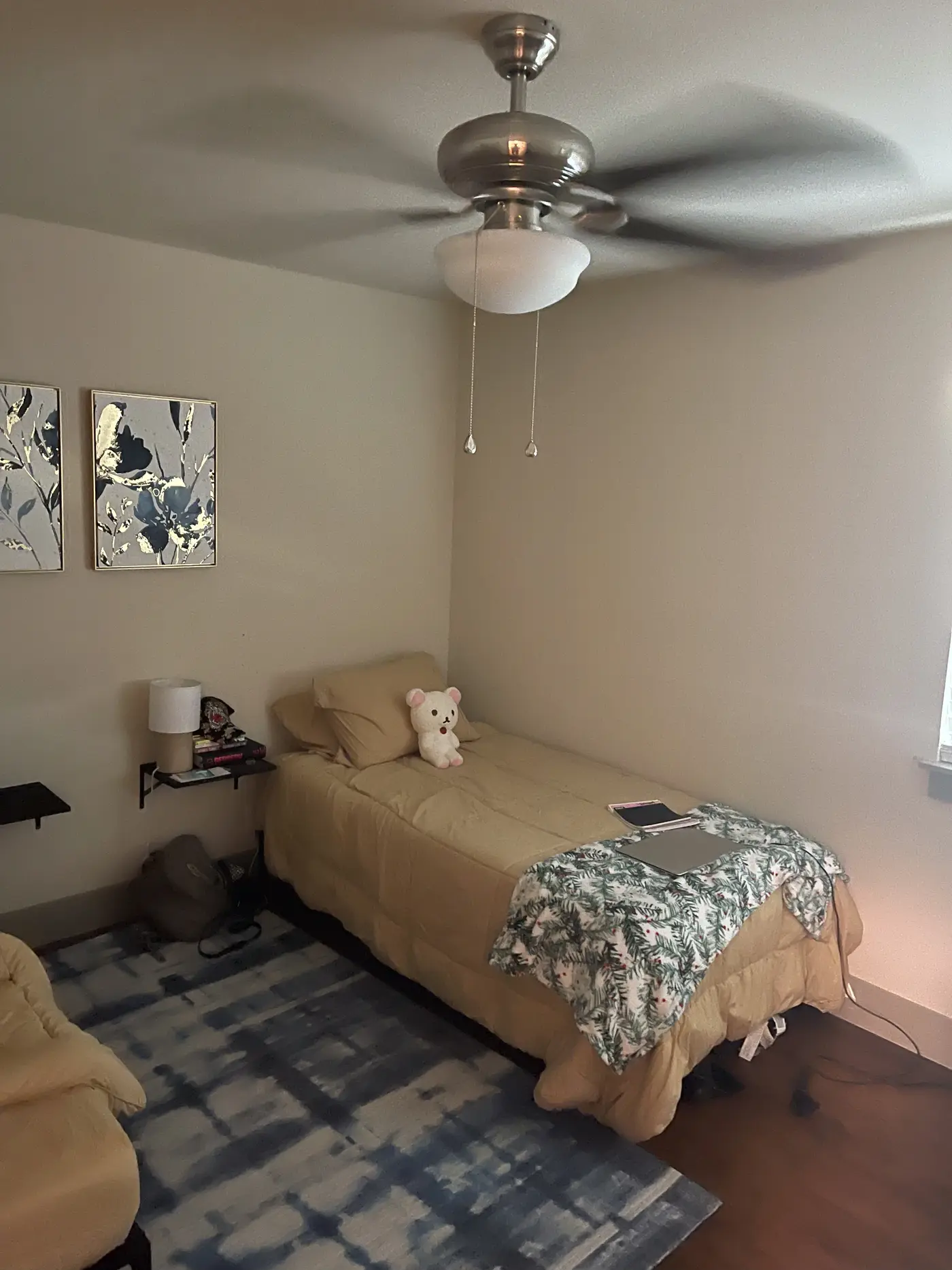
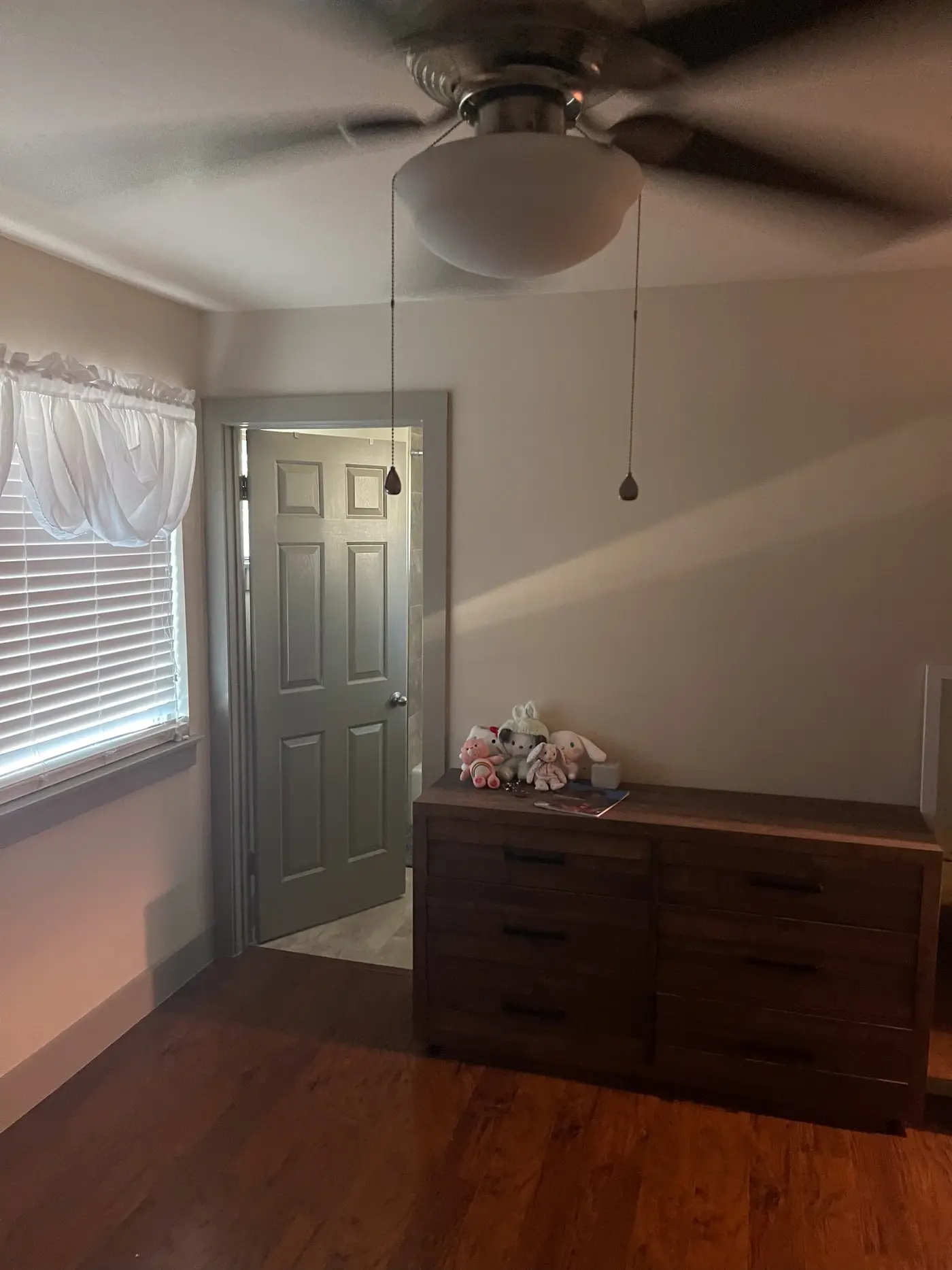
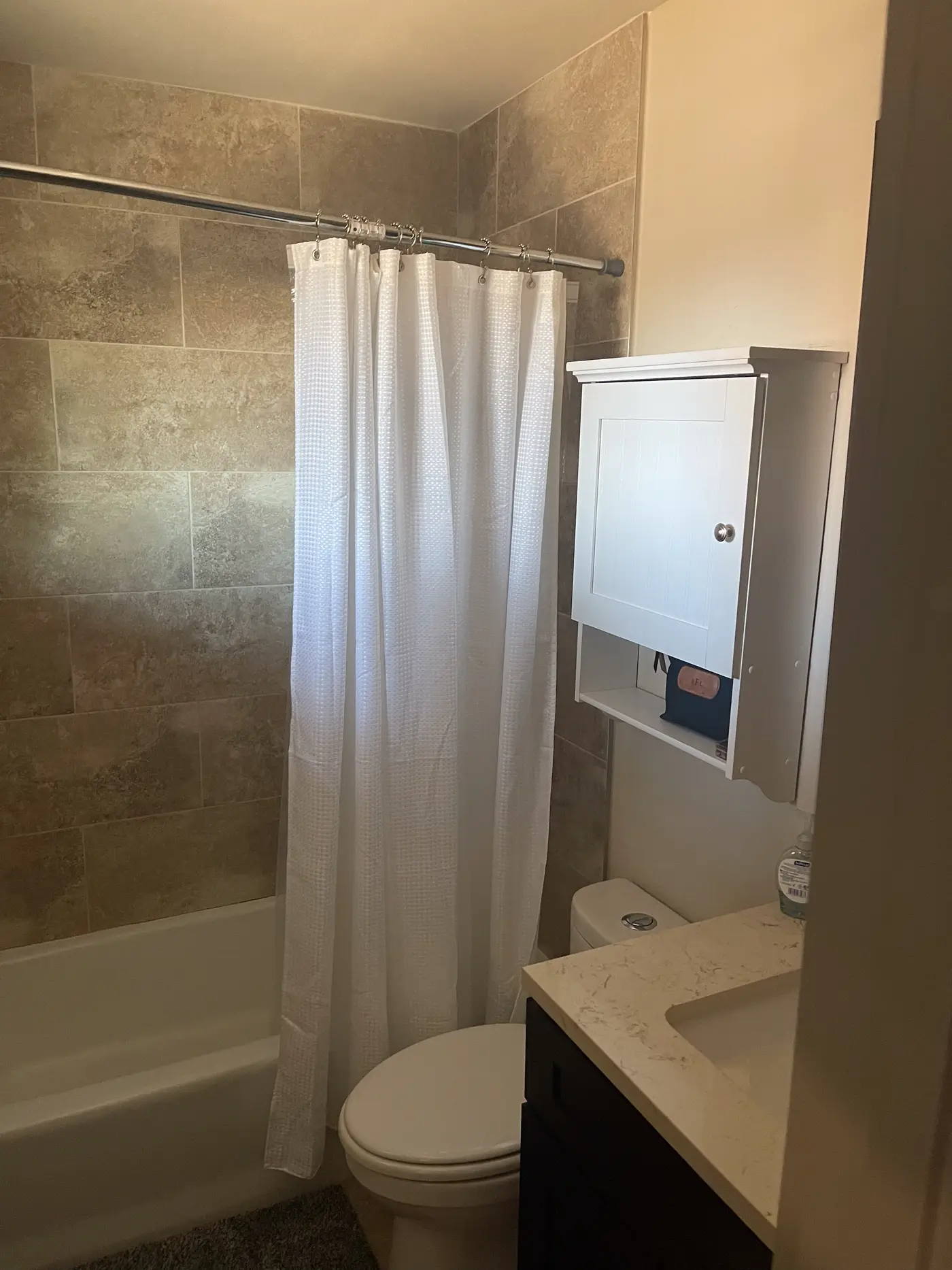
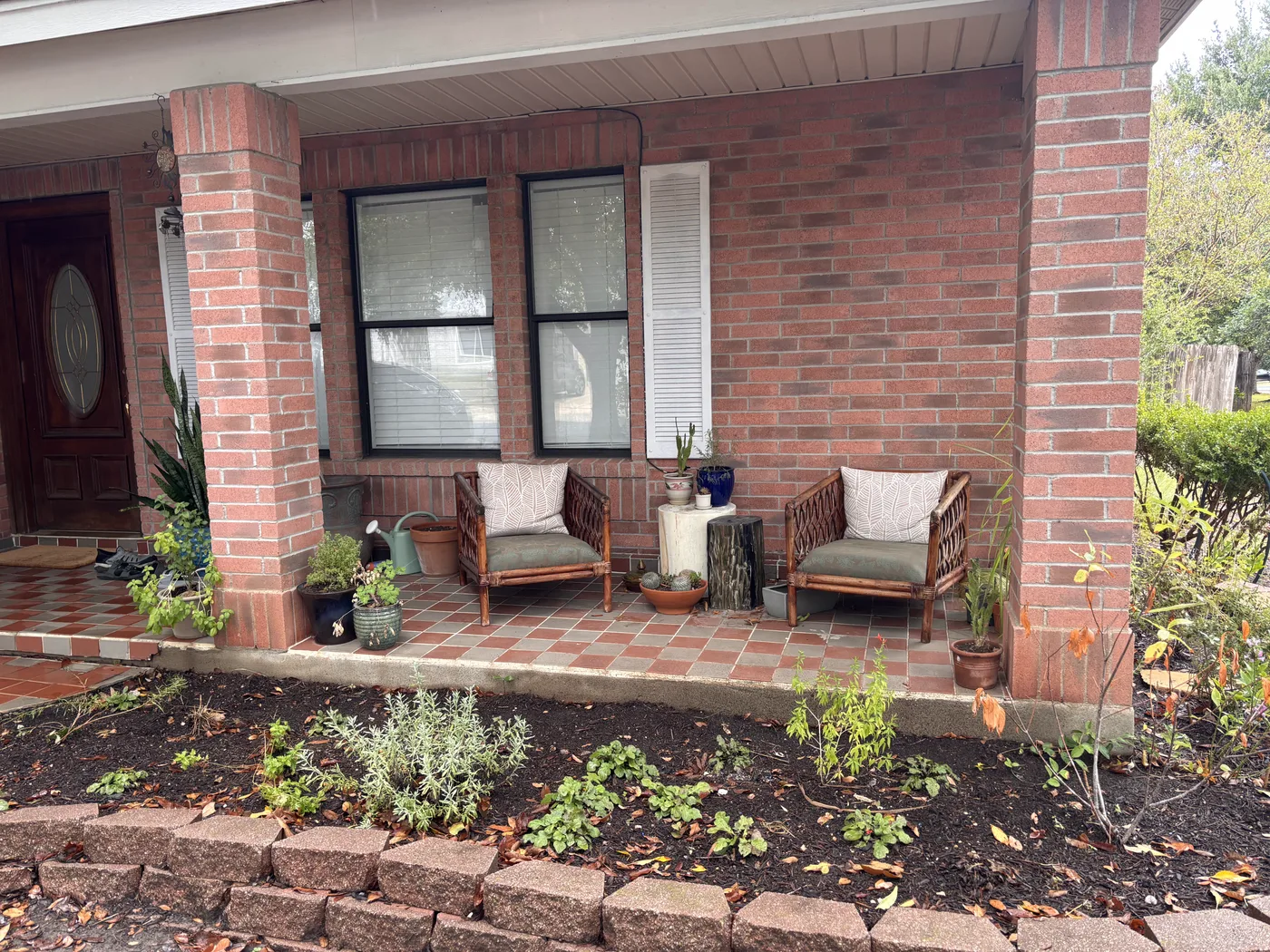
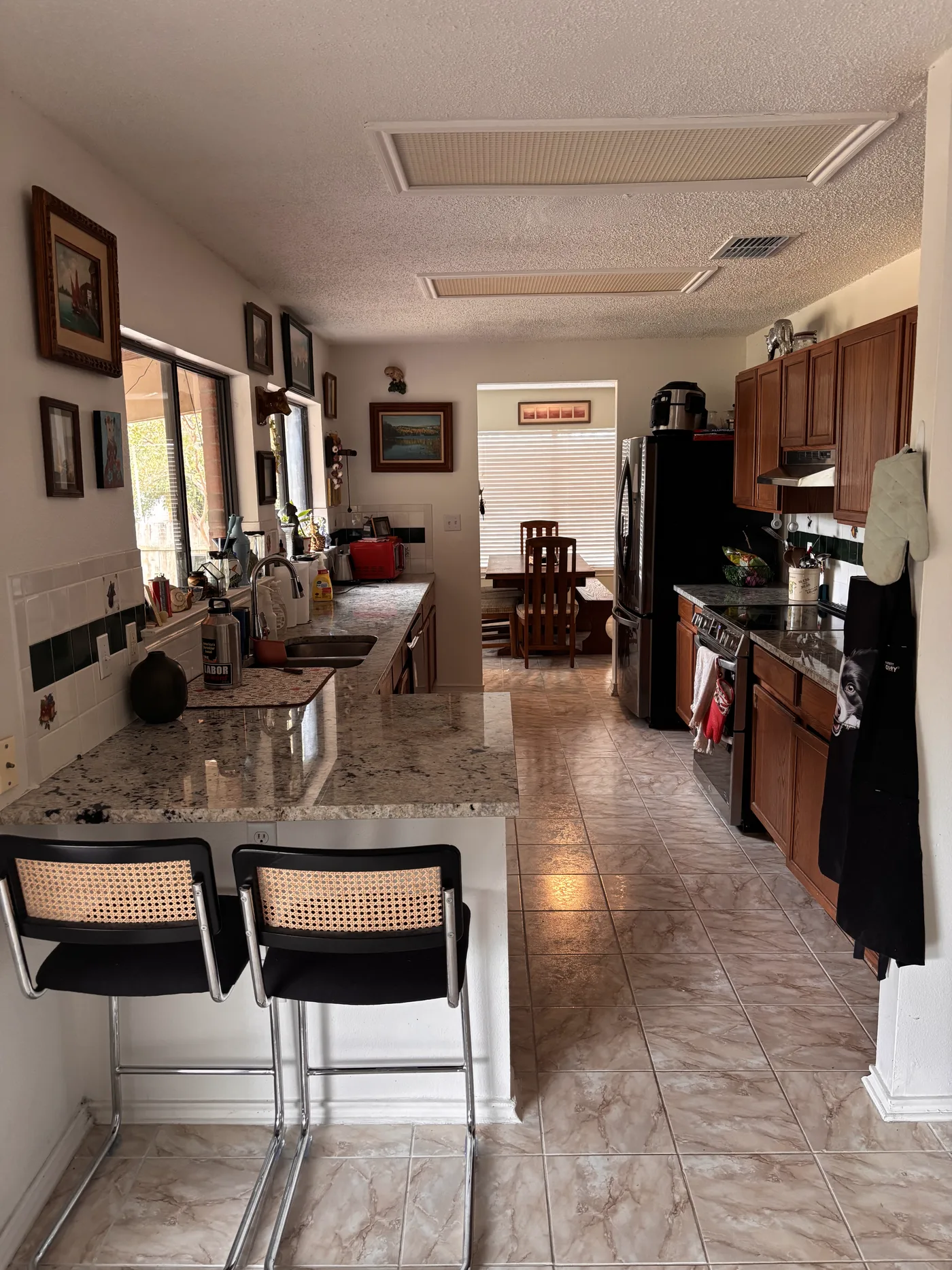
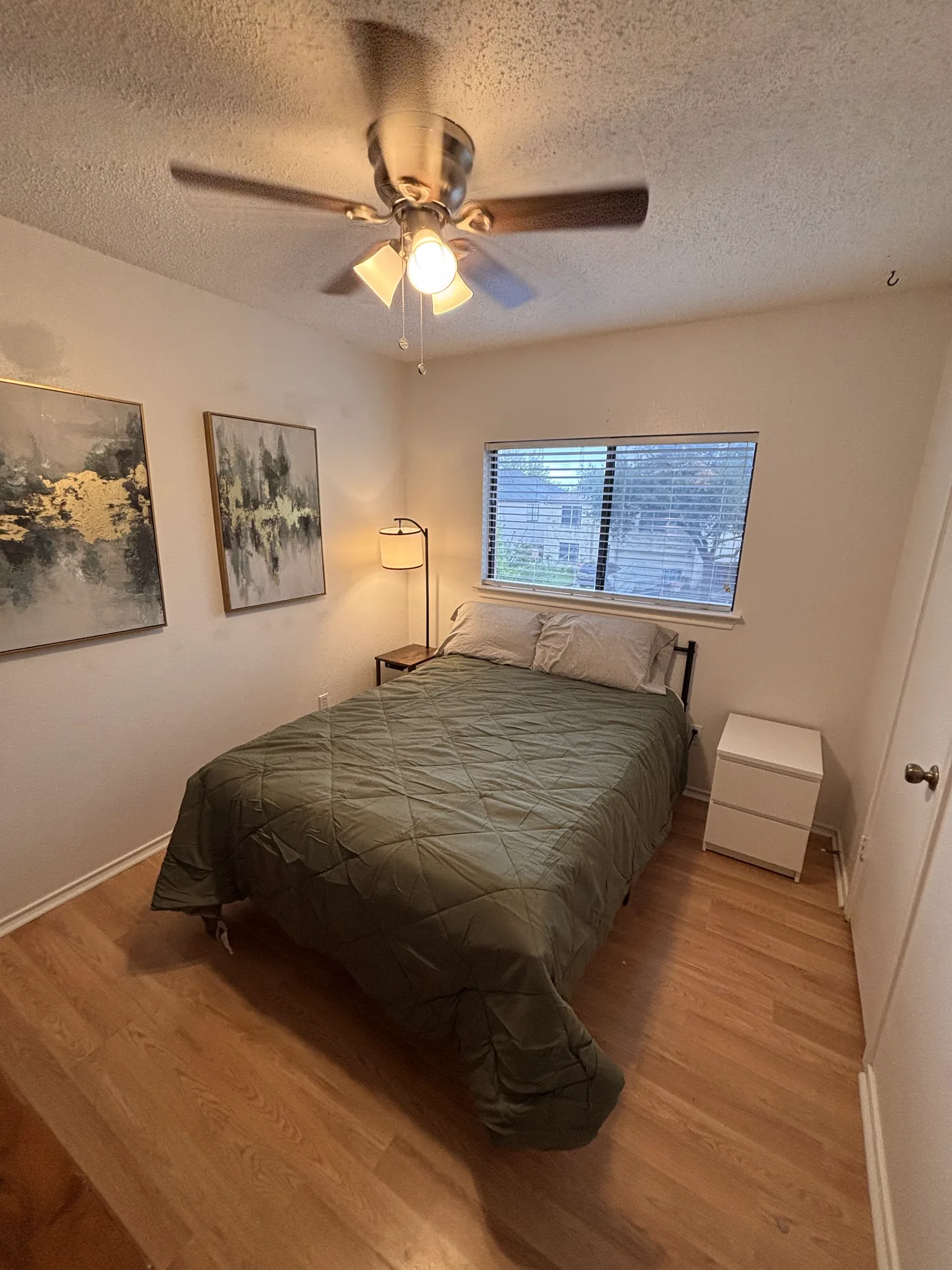
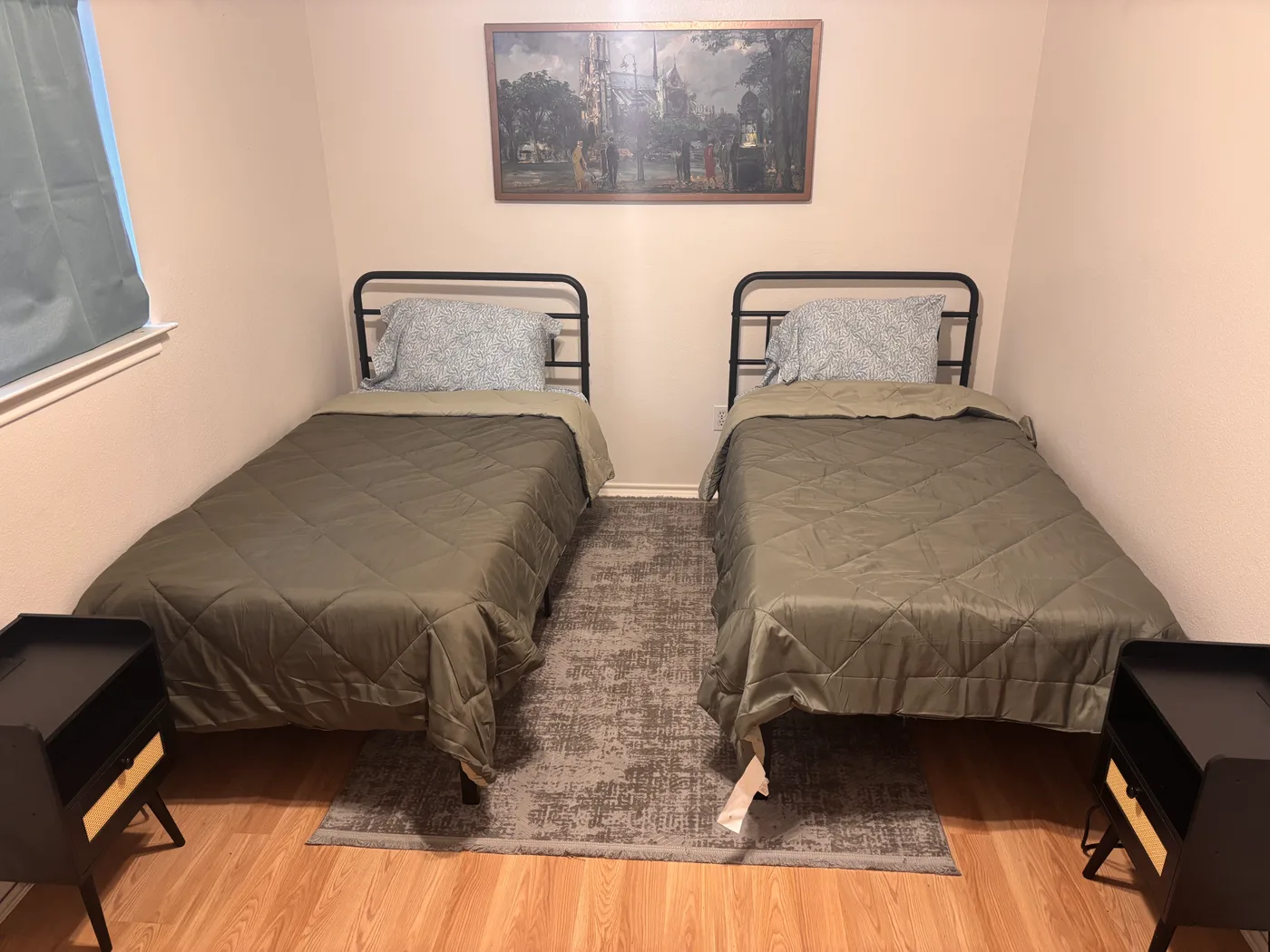
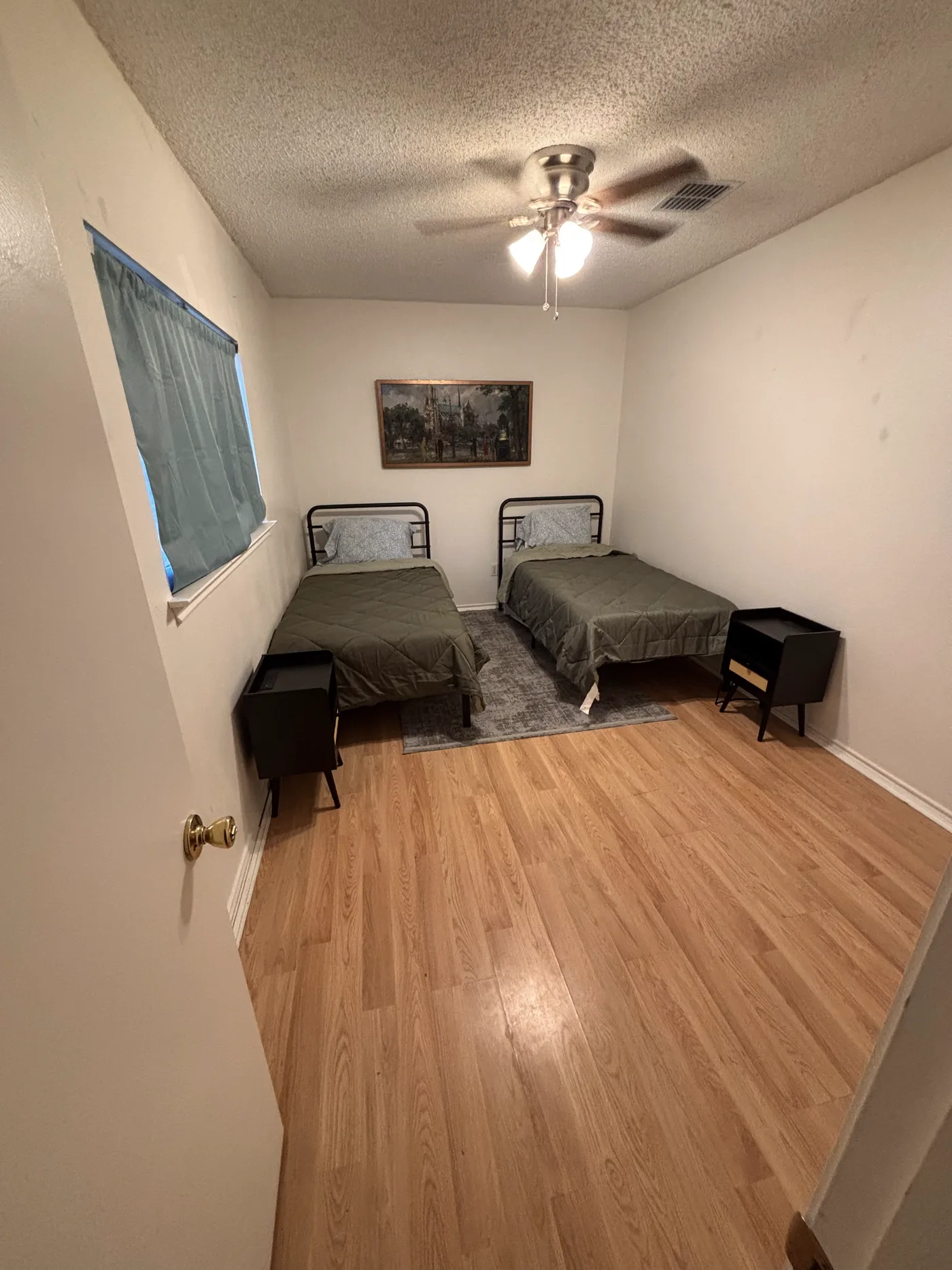
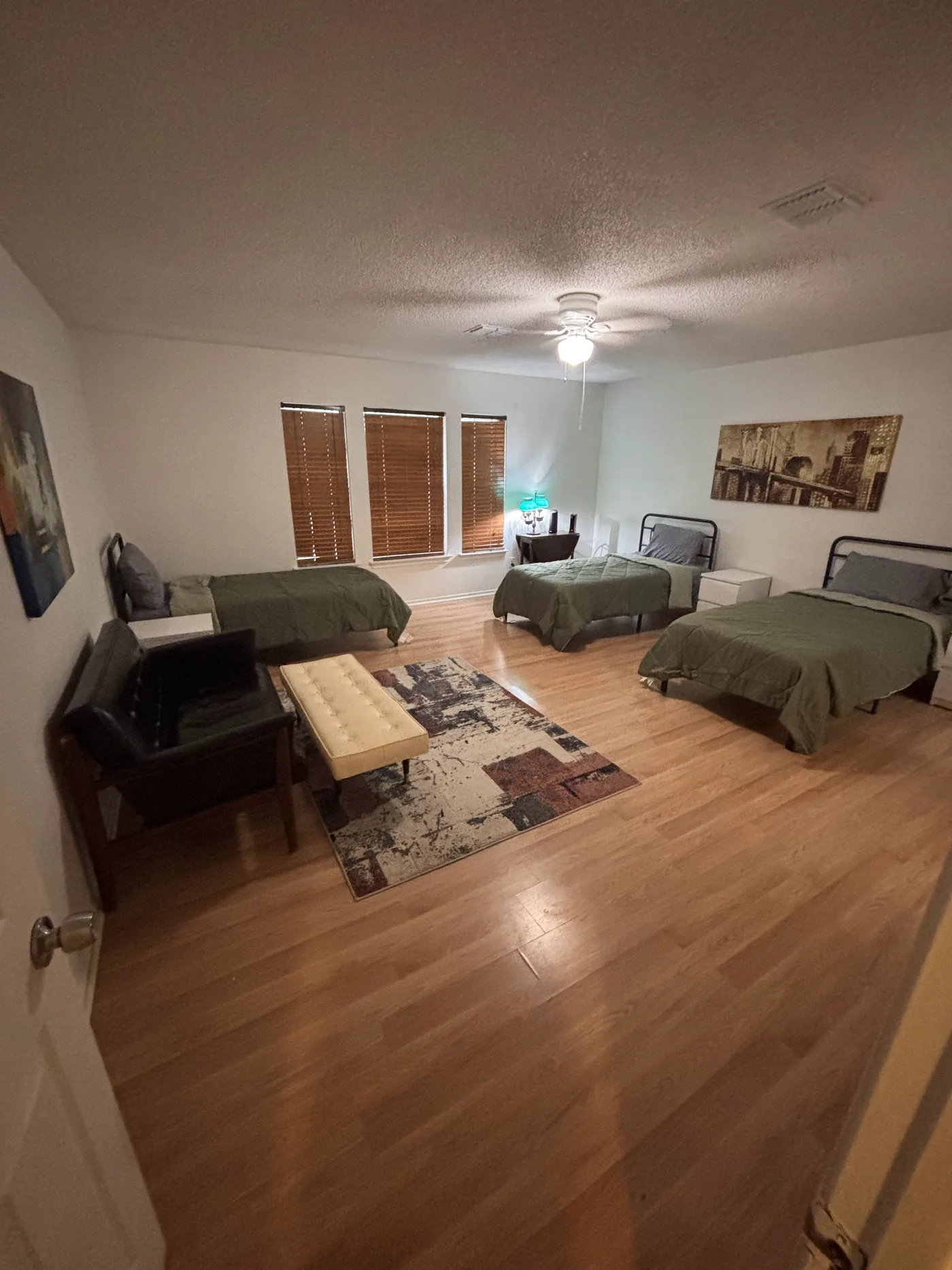
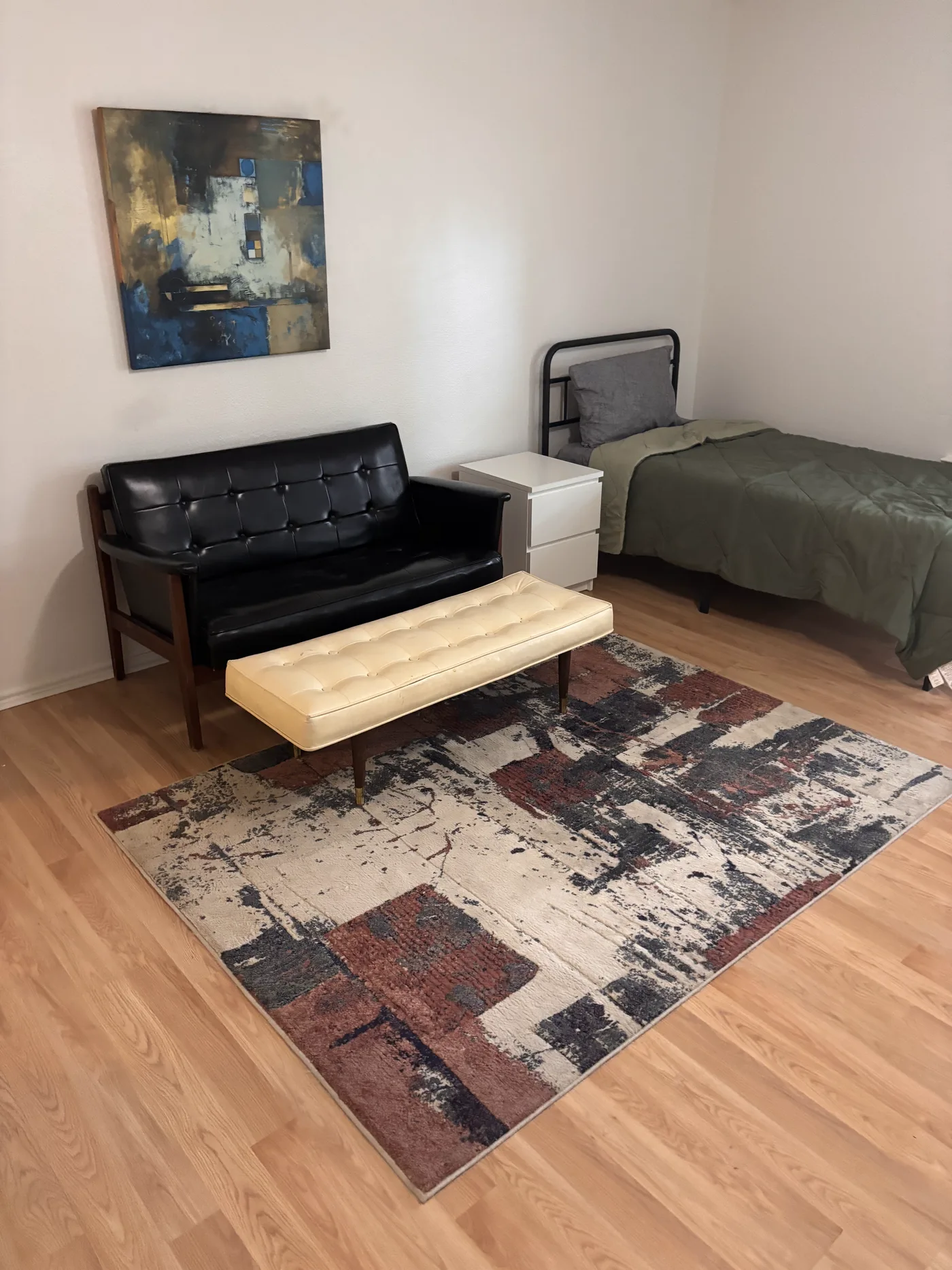
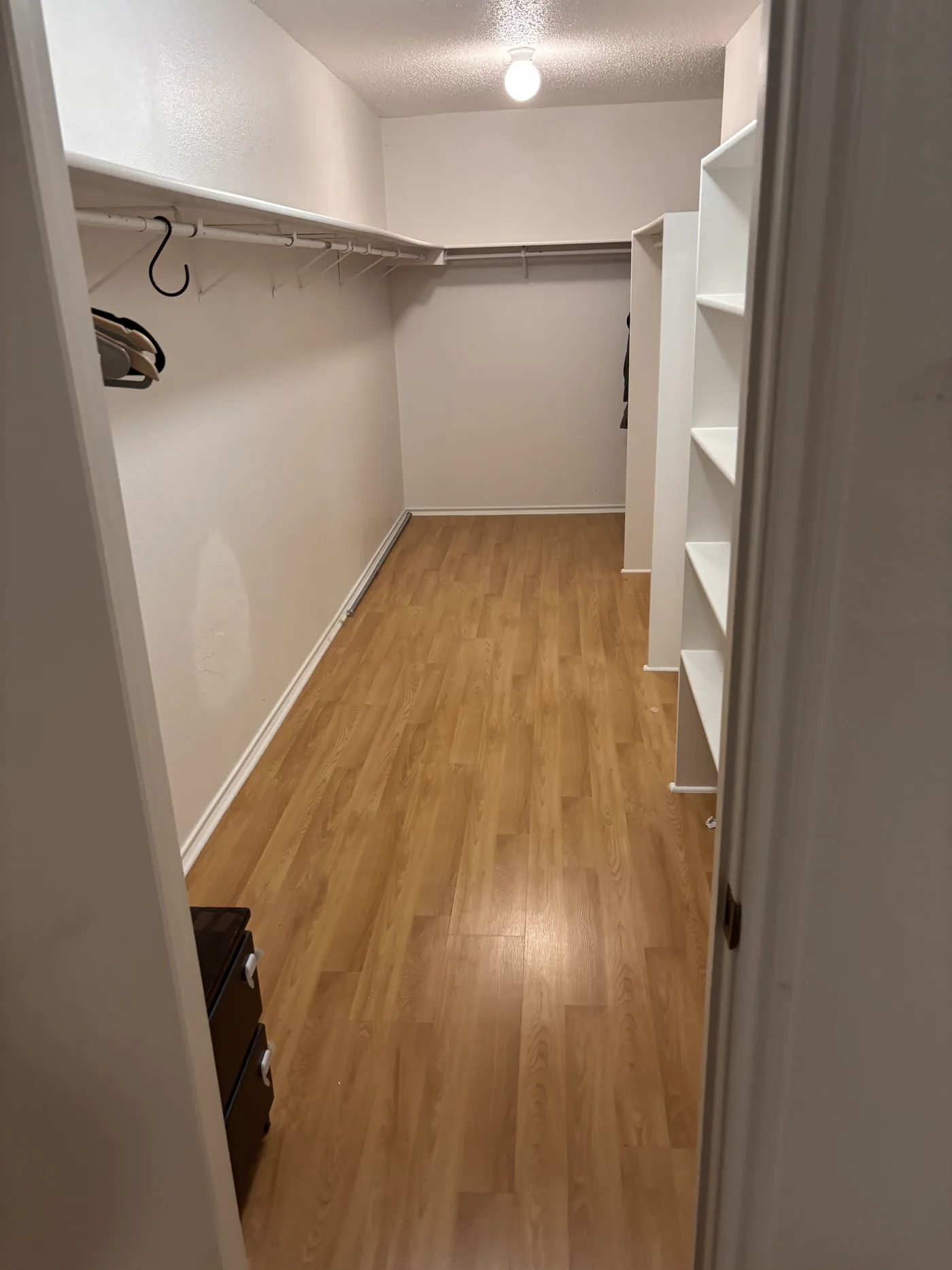
Inside the Austin homes



















Why Setting Boundaries Matters for Sober Living in Austin
Boundaries are essential for maintaining your physical, emotional, and mental well-being during recovery. In sober living Austin, setting boundaries becomes even more crucial to maintain a supportive environment. When you’re on the path to sobriety, you’re likely focusing on healing from the effects of addiction, a process that requires a healthy environment. In the context of sober living Austin, setting clear boundaries helps to:
- Protect your sobriety: Ensuring that you avoid situations or relationships that could trigger a relapse.
- Reduce stress: Minimizing conflict and emotional strain that can lead to feelings of overwhelm.
- Foster accountability: Allowing yourself to prioritize recovery while maintaining respectful interactions with loved ones.
Transitioning into sober living is a significant adjustment, but setting boundaries makes it easier to navigate these changes and create a supportive foundation for your new life.
Steps to Set Healthy Boundaries
1. Identify Your Needs
Begin by understanding what you need to maintain your recovery. Whether it’s limiting exposure to certain people or avoiding environments tied to your past substance use, clarity is key. For instance, if attending parties where alcohol is present poses a risk, communicate this preference clearly to your loved ones.
“Understanding your needs is the first step toward articulating effective boundaries.”
2. Communicate Clearly and Calmly
Effective communication is the cornerstone of boundary-setting. Express your needs using “I” statements to avoid blame or misunderstanding. For example, you might say:
- “I need some space to focus on my recovery.”
- “I’d appreciate it if we could spend time together in settings that don’t involve alcohol.”
Being direct and respectful ensures that your message is received without unnecessary conflict.
3. Set Realistic Expectations
Recognize that not everyone will understand your journey fully, and that’s okay. What matters is that your boundaries are realistic and align with your recovery goals. For example, if a family member struggles to accept your limitations, remind yourself that their reaction is not a reflection of your worth or progress.
4. Be Consistent
Consistency reinforces the boundaries you set, especially in a sober living Austin environment. If you allow exceptions too often, others may not take your limits seriously. By sticking to your decisions, you signal the importance of your recovery and self-care.
5. Seek Support When Needed
Setting boundaries can feel overwhelming, especially if you’re navigating complicated relationships. At Eudaimonia Recovery Homes, a leader in sober living Austin, we offer support systems to help you stay firm in your boundaries. Joining support groups or working with a counselor can provide valuable tools and insights.
Common Challenges and How to Overcome Them
1. Guilt
Many individuals in recovery feel guilty for saying “no” to loved ones. However, it’s crucial to remember that prioritizing your well-being is not selfish. Recovery is a time for healing, and setting boundaries is an act of self-respect.
Solution: Remind yourself of your goals and affirm that your boundaries benefit both you and your loved ones in the long term.
2. Pushback From Others
Some family members or friends may resist your boundaries, either out of misunderstanding or discomfort with change.
Solution: Stay firm but compassionate. Repeat your boundaries when necessary and consider seeking mediation through a counselor if conflicts arise.
3. Fear of Losing Relationships
Worrying about damaging relationships is natural, but healthy boundaries often strengthen connections by promoting mutual respect.
Solution: Focus on open communication. Explain the reasons behind your boundaries to help others see the bigger picture.
How Eudaimonia Recovery Homes Can Help
Learn more about our sober living services in Austin and discover how we can support your journey to recovery. At Eudaimonia Recovery Homes, we provide a safe and structured environment for individuals transitioning into sober living. Our evidence-based programs are designed to empower you with the tools and strategies needed to maintain sobriety and build a fulfilling life. Here’s how we can support you:
- Comprehensive Care: From detox to independent living, we guide you every step of the way.
- Community Support: Our sober living homes foster connections with peers who understand and share your experiences.
- Personalized Plans: Tailored strategies to help you set boundaries, overcome challenges, and thrive in recovery.
With our Austin-based sober living services, you can count on us to help you navigate the complexities of recovery while staying true to your goals.
Final Thoughts
Setting boundaries with family and friends is a vital part of the recovery journey. By protecting your sobriety, reducing stress, and fostering healthier relationships, boundaries empower you to focus on what truly matters: your well-being. Remember, you don’t have to navigate this journey alone. Eudaimonia Recovery Homes is here to help you achieve lasting recovery with the support and care you deserve.
Ready to take the next step? Get help today. Contact Eudaimonia Recovery Homes for a Confidential Availability Check.!
Eudaimonia Can Help Keep You on the Path to Recovery
Eudaimonia offers excellent recovery programs with tailored care. In these programs, individuals can develop positive coping skills with the tools necessary to maintain sobriety. Eudaimonia even provides tailored care based on gender and orientation. We also include supervised, short-term housing to provide support for newly sober individuals.
But no matter where you are in your recovery, Eudaimonia Sober Living Homes can provide support every step of the way. We have facilities for sober living in Austin, Houston, and Colorado Springs ready to assist you in living your sober lifestyle. Call Eudaimonia Sober Living Homes at (512) 240-6612 for more information on the admissions process and current room availability.


